
Olive Oil
Mediterranean cooking oil with fruity, grassy notes
What is this ingredient?
Olive oil is the oil pressed from the fruits of the olive tree (Olea europaea). Quality varies greatly: extra virgin olive oil (EVOO) is pure olive juice, mechanically pressed without chemical refining or high heat, so flavor compounds, polyphenols and aromatic molecules are better retained. Refined olive oil, often sold as mild olive oil or cooking oil, is purified and more neutral in taste. For culinary depth and a distinctive olive aroma, this encyclopedia focuses on extra virgin olive oil.
How does it taste?
Fruity and grassy with a peppery sharpness and mildly bitter finish.
Pairs well with:
Pairs well with breadtomatogarlicbasil and lemon.
Sunnah
Eat olive oil and anoint yourselves with it, for it comes from a blessed tree. The olive tree is also mentioned in the Quran (95:1): By the fig and the olive.
Tirmidhi #Sunan al-Tirmidhi 1851
Varieties
Extra Virgin Olive Oil (EVOO)
Pure olive juice, cold pressed without chemical refining. Retains many flavor compounds, polyphenols and the characteristic fruity, grassy aroma of fresh olives.
Refined Olive Oil
Purified olive oil with a more neutral taste and less pronounced aroma. Practical for preparations where you want a mild oil without a clear olive flavor.
Did you know...?
- The oldest known olive tree is in Crete and is estimated to be over 3,000 years old.
- In ancient Greece, Olympic winners received a wreath of olive branches.
- Spain produces nearly half of all olive oil in the world.
Nutritional Value & Energy
Per 100ml
Olive Oil provides energy thanks to natural nutrients .
Per 100g
Minerals
Vitamins
Omega-3 fatty acids
More nutrients
Trace Minerals
What's in a serving?
1 tablespoon
Olive oil naturally contains vitamin E (14.35 mg per 100 g).
Olive oil naturally contains vitamin K (60.2 mcg per 100 g).
% of daily reference intake (DRI)
EU-approved nutrition claims
This ingredient contains nutrients for which EFSA-authorized health claims exist at nutrient level, not ingredient-specific level.
Approved health claims (EU)
Vitamin_e EU 432/2012
Vitamin E contributes to the protection of cells from oxidative stress
Contains 14.35mg/100g (threshold: ≥1.8mg/100g)
Vitamin_k EU 432/2012
Vitamin K contributes to normal blood clotting
Contains 60.2mcg/100g (threshold: ≥11.25mcg/100g)
Vitamin_k EU 432/2012
Vitamin K contributes to the maintenance of normal bones
Contains 60.2mcg/100g (threshold: ≥11.25mcg/100g)
What's being researched?
Olive oil and Mediterranean dietary patterns
Extra virgin olive oil is widely studied within the Mediterranean diet, including in the PREDIMED study. Research examines relationships between olive oil, dietary patterns and cardiovascular risk factors.
Supported by: [1] Beauchamp (2005) , [3] Estruch (2013) , [7] Casal (2010)
Oleocanthal in olive oil
Oleocanthal is a phenolic compound in extra virgin olive oil that can give the peppery tingle in the throat. Research focuses on the chemical properties and interactions of this compound in cell and nutrition studies.
Supported by: [2] Menendez (2005) , [1] Beauchamp (2005) , [5] Psaltopoulou (2011)
Good Combinations (Synergy)
Combine olive oil smartly to enhance the effect:
Olive Oil 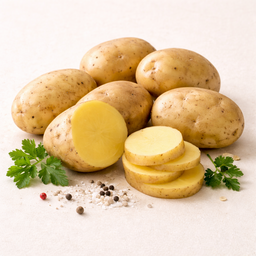 Potato
 Olive oil improves carotenoid absorption from yellow potatoes
Technical: Yellow potato varieties contain up to 400μg carotenoids per 100g, including lutein and violaxanthin. These are fat-soluble and only 5-10% absorbed without fat. Olive oil's oleic acid (73%) forms mixed micelles increasing absorption up to 3x.
What does this mean for you? Roast or fry potatoes in olive oil — this significantly increases carotenoid absorption. Choose yellow varieties for maximum effect.
Olive Oil 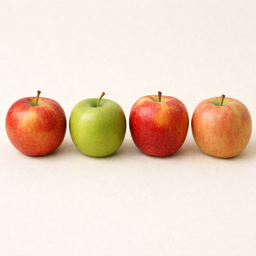 Apple
Apple Fat improves quercetin absorption from apple
Technical: Apple contains 4-13mg quercetin per 100g (concentrated in the peel) — a flavonoid with bioactive properties. Quercetin is lipophilic and has only 5-10% bioavailability without fat. Olive oil's mono-unsaturated fats form micelles in the gut that increase quercetin absorption by 2-3x. Olive oil also contains oleocanthal — a naturally occurring bioactive phenolic compound.
What does this mean for you? Eat apples WITH peel and combine with olive oil — for example in a Waldorf salad or by dipping apple slices in olive oil. Most quercetin is in the peel, and the oil helps your body absorb it.
Olive Oil 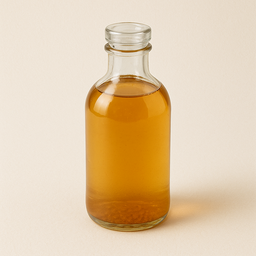 Apple Cider Vinegar
 Perfect salad dressing for mineral and vitamin absorption
Technical: Apple cider vinegar's acetic acid lowers stomach pH, increasing solubility of minerals (iron, calcium, zinc) from the salad. Olive oil's unsaturated fats form micelles that make fat-soluble vitamins (A, D, E, K) and carotenoids from leafy greens absorbable — without fat only 5-10% is absorbed. Together they optimize both mineral and vitamin absorption.
What does this mean for you? The classic vinaigrette (3 parts olive oil, 1 part apple cider vinegar) is scientifically the best salad dressing you can make.
Olive Oil 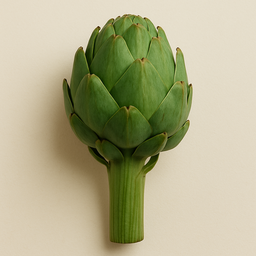 Artichoke
 Maximum bile stimulation for fat digestion
Technical: Artichoke contains cynarin and chlorogenic acid that influence bile formation (choleretic effect) by 127%. Olive oil activates cholecystokinin (CCK) release, causing the gallbladder to contract and release bile. Together they optimize fat digestion and cholesterol clearance.
What does this mean for you? Dip artichoke leaves in olive oil dressing — you stimulate both bile production and release simultaneously. Ideal as a starter before fat-rich meals.
Olive Oil 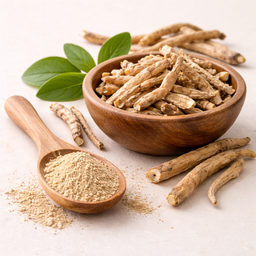 Ashwagandha
 Fat improves absorption of fat-soluble withanolides
Withanolides are lipophilic steroidal lactones that are better absorbed with dietary fat
Technical: Withanolides are the active compounds in ashwagandha and are fat-soluble. Without fat, they are poorly absorbed in the gut.
What does this mean for you? Always take ashwagandha with a meal containing fat, or add a teaspoon of olive oil to your supplement.
Olive Oil 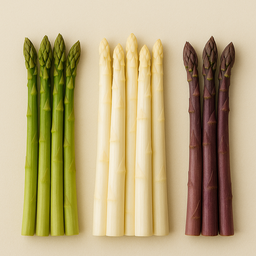 Asparagus
 Fat essential for absorption of asparagus' vitamin K, A and E
Technical: Asparagus contains 41.6μg vitamin K (35% RDI), 756 IU vitamin A and 1.1mg vitamin E per 100g — all fat-soluble. Without fat only 5-10% is absorbed. Olive oil's monounsaturated fats form micelles in the small intestine increasing absorption 3-5x.
What does this mean for you? Grilled asparagus with olive oil isn't just tasty but essential for good vitamin absorption. Without fat you miss most of asparagus' nutritional value.
Olive Oil 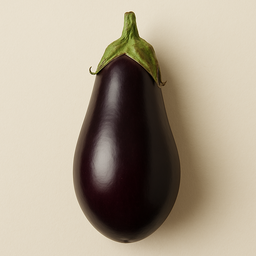 Eggplant
 Fat makes nasunin (purple antioxidant) absorbable
Technical: Nasunin in the purple eggplant skin is a fat-soluble anthocyanin that crosses the blood-brain barrier. Olive oil's unsaturated fats (73% oleic acid) form micelles that increase nasunin absorption up to 3x.
What does this mean for you? Eggplant absorbs oil like a sponge — that's actually an advantage! The oil makes nasunin absorbable. Fry in olive oil for maximum effect.
Olive Oil 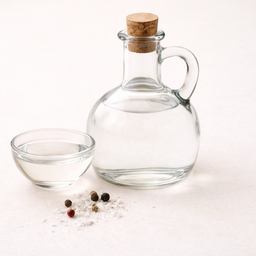 Vinegar
 Bioactive synergy for food safety
Technical: Acetic acid (pH 2.4-3.4) inhibits bacterial growth by damaging pathogen cell walls. Olive oil polyphenols (oleocanthal, hydroxytyrosol) have independent bioactive action via membrane disruption. Together they show synergistic activity — stronger than either alone. This is the basis of marinades and vinaigrettes.
What does this mean for you? Use vinegar-olive oil marinades not just for flavor but also for food safety. The combination inhibits bacterial growth more effectively than vinegar or olive oil alone.
Olive Oil 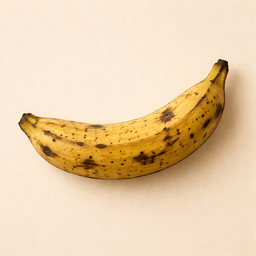 Plantain
 Olive oil increases absorption of provitamin A carotenoids from plantain
Dietary fat improves carotenoid bioavailability via micelle formation in the gut (PMID: 15570047)
Technical: Plantain contains beta-carotene (457μg/100g) and alpha-carotene, both fat-soluble provitamin A forms. Oleic acid (73%) from olive oil forms mixed micelles in the gut improving carotenoid absorption up to 3x. Frying in olive oil also breaks down cell walls, releasing carotenoids from the plant matrix.
What does this mean for you? Fry plantain in olive oil rather than dry roasting. The fat ensures you absorb up to 3x more vitamin A precursors. The provitamin A from plantain is fat-soluble — without fat you barely absorb anything.
Olive Oil 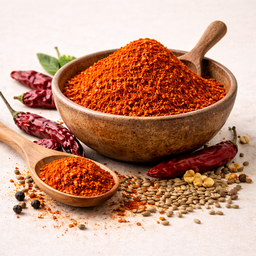 Berbere
 Fat-soluble spice polyphenols more absorbable with olive oil
Technical: Berbere contains curcumin (from turmeric), capsaicin (from red pepper) and eugenol (from cloves) — all fat-soluble with low bioavailability without fat. Olive oil forms micelles that transport these compounds through the intestinal wall, increasing absorption 2-4x. The Ethiopian tradition of niter kibbeh (spiced butter) is based on this, but olive oil offers the same benefit with better fatty acid composition.
What does this mean for you? Bloom berbere in warm olive oil as the first step of your Ethiopian dish. The spices dissolve in the fat making them more bioavailable — this is the authentic preparation method.
Olive Oil 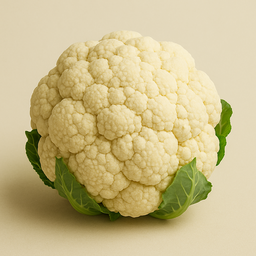 Cauliflower
 Olive oil improves absorption of cauliflower's vitamin K and sulforaphane
Technical: Cauliflower contains vitamin K and glucosinolates converted to sulforaphane. Olive oil's fats improve absorption of fat-soluble vitamin K, while light roasting in olive oil optimizes glucosinolate conversion to sulforaphane.
What does this mean for you? Roast cauliflower with olive oil — this is the best way to maximize the bioactive compounds from cauliflower.
Olive Oil 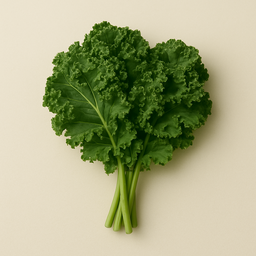 Kale
Kale Olive oil increases absorption of kale's vitamin K and beta-carotene
Technical: Kale is extremely rich in vitamin K1 (phylloquinone) and beta-carotene (provitamin A), both fat-soluble. Without fat, only 5-10% is absorbed. Olive oil's unsaturated fats form micelles that increase absorption 5-15x.
What does this mean for you? Always sauté or massage your kale with olive oil — without fat you barely absorb any vitamins from this nutrient-dense leaf.
Olive Oil 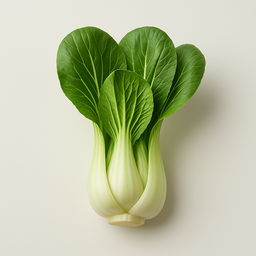 Bok Choy
 Double boost: sulforaphane + fat-soluble vitamins
Technical: Bok choy contains both glucosinolates and fat-soluble vitamins (A, K). Mustard restores sulforaphane formation, oil improves vitamin absorption.
What does this mean for you? When stir-frying bok choy, you already add oil — great! Add a teaspoon of mustard to the sauce at the end, and you have a complete nutritious meal. Asian cuisine meets nutrition science!
Olive Oil 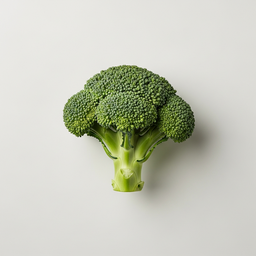 Broccoli
 Improves absorption of fat-soluble vitamins
Technical: Broccoli contains 102μg vitamin K per 100g (85% RDI) and 623 IU vitamin A (provitamin A as beta-carotene). Both are fat-soluble — without fat only 5-10% is absorbed. Olive oil's unsaturated fats stimulate micelle formation in the small intestine, increasing absorption up to 5x.
What does this mean for you? A drizzle of olive oil on broccoli isn't luxury but necessity. Without fat you barely absorb vitamin K — essential for blood clotting. Good to know: vitamin K contributes to normal blood clotting (EFSA-approved).
Olive Oil 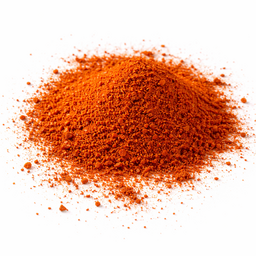 Cayenne Pepper
 Fat-soluble capsaicin is better absorbed with olive oil
Technical: Capsaicin is fat-soluble and absorbed 2-3x better with dietary fat. Olive oil also reduces stomach irritation that cayenne can cause, while oleocanthal adds bioactive action.
What does this mean for you? Add cayenne pepper to olive oil-based sauces or dressings. The fat improves absorption and the oil tempers the spiciness.
Olive Oil 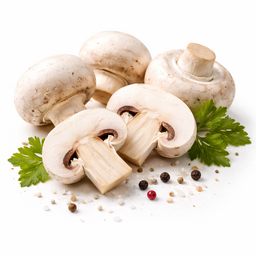 White Button Mushrooms
 Increased absorption of ergothioneine and vitamin D
Technical: Mushrooms contain ergothioneine (0.4mg/100g, unique amino acid antioxidant) and vitamin D2 (7 IU/100g, up to 1110 IU after UV exposure). Ergothioneine is absorbed via the specific OCTN1 transporter. Vitamin D is fat-soluble — olive oil increases absorption up to 3x through micelle formation.
What does this mean for you? Sauté mushrooms in olive oil for optimal vitamin D absorption. Tip: place mushrooms in sunlight for 30 minutes first to increase vitamin D content up to 150x.
Olive Oil 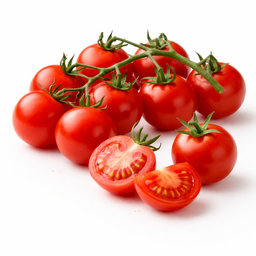 Cherry Tomatoes
 Olive oil increases lycopene absorption from cherry tomatoes 2-3x
Technical: Cherry tomatoes contain 2573μg lycopene per 100g. Lycopene is fat-soluble and only 2-3% absorbed without fat. Olive oil's oleic acid forms mixed micelles increasing lycopene absorption 2-3x. Cherry tomatoes contain relatively more skin (where lycopene concentrates) than regular tomatoes due to their small size.
What does this mean for you? Halve cherry tomatoes and roast in olive oil, or serve in salad with olive oil dressing. Their higher skin-to-flesh ratio means more concentrated lycopene.
Olive Oil 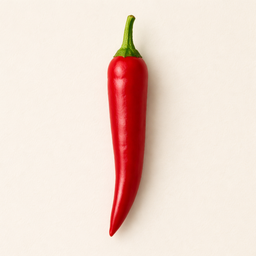 Chili Pepper (Fresh)
 5x better capsaicin absorption through fats
Technical: Capsaicin (8-methyl-N-vanillyl-6-nonenamide) is strongly lipophilic with LogP of 3.04. Healthy fats in avocado (15g/100g) dissolve capsaicin and improve absorption via lymphatic transport up to 5x. Fats also reduce TRPV1 receptor stimulation, decreasing burning sensation.
What does this mean for you? Guacamole with chili is brilliant — avocado fats reduce burning and increase capsaicin absorption. Win-win: less burning, better absorption.
Olive Oil 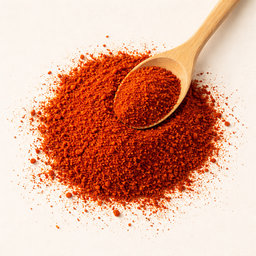 Chili Powder
 Capsaicin absorption increased by fats
Technical: Capsaicin in chili powder is fat-soluble. Fats (olive oil, coconut oil) increase bioavailability 2-3x by dissolving capsaicin in lipid micelles. Additionally, fats reduce direct capsaicin irritation on the stomach lining by forming a protective fat layer.
What does this mean for you? Fry chili powder in oil before adding other ingredients. The fat makes the chili milder for your stomach but more powerful for your metabolism.
Olive Oil 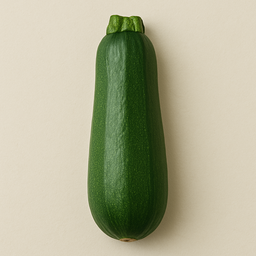 Zucchini
 Better absorption of lutein and zeaxanthin
Technical: Zucchini contains 2125μg lutein + zeaxanthin per 100g — carotenoids that accumulate in the macula lutea (the center of the retina). These are fat-soluble and absorbed up to 6x better with olive oil. Zucchini's mild flavor makes it an ideal carrier for olive oil in various dishes.
What does this mean for you? Sauté zucchini in olive oil or grill with a drizzle of oil. Without fat you barely absorb lutein — the eye pigment that concentrates in your macula. Lutein and zeaxanthin contribute to the maintenance of normal vision.
Olive Oil 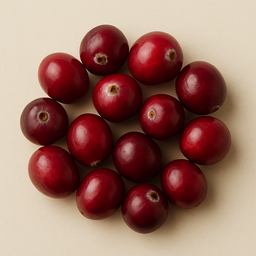 Cranberries
 Fat improves absorption of fat-soluble antioxidants from cranberries
Technical: Cranberries contain carotenoids and vitamin E that are fat-soluble. The mono-unsaturated fats in olive oil (70% oleic acid) increase bioavailability of these compounds through micelle formation in the gut.
What does this mean for you? Use cranberries in salads with olive oil dressing, or cook them in dishes with olive oil for maximum absorption of all nutrients.
Olive Oil 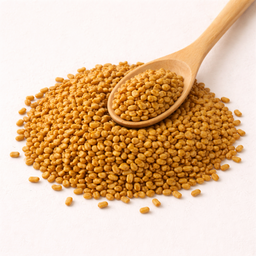 Fenugreek
 Fat increases absorption of fat-soluble diosgenin from fenugreek
Technical: Fenugreek contains diosgenin (a steroidal saponin, 0.5-1.5%) that is fat-soluble and serves as a building block for steroid hormones. Olive oil's fats form micelles that transport diosgenin through the intestinal wall, increasing bioavailability by 2-4x. Diosgenin modulates estrogen receptors and may help with menopause symptoms. The combination of fenugreek + olive oil optimizes hormonal support.
What does this mean for you? Briefly fry fenugreek seeds in olive oil as a base for curry or dal. This is the traditional Indian technique that releases the active compounds. The oil is essential for absorption of fenugreek's fat-soluble compounds.
Olive Oil 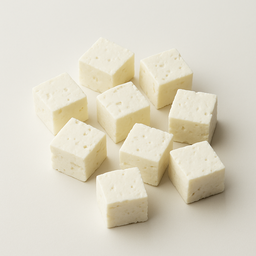 Feta Cheese
 Olive oil improves calcium absorption from feta
Technical: Feta contains 493mg calcium per 100g. Fat-soluble vitamins D and K2 are needed for calcium absorption. Olive oil contains mono-unsaturated fats that improve absorption of these vitamins and minerals. Olive oil also contains oleuropein involved in bone metabolism.
What does this mean for you? Always drizzle feta with olive oil — the Mediterranean tradition of feta with olive oil is scientifically smart.
Olive Oil 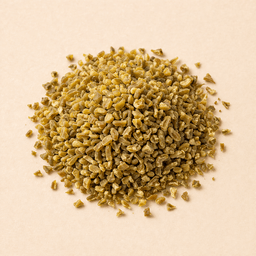 Freekeh
 Lutein and zeaxanthin from freekeh better absorbed with fat
Lutein and zeaxanthin are lipophilic xanthophylls requiring dietary fat for absorption
Technical: Freekeh (green wheat) contains lutein and zeaxanthin, fat-soluble carotenoids concentrating in the macula. Olive oil contains 73% oleic acid promoting micelle formation, improving absorption of these carotenoids up to 3x.
What does this mean for you? Prepare freekeh with olive oil for effective absorption of the fat-soluble carotenoids. This helps your body utilize these valuable compounds up to 3x better.
Olive Oil 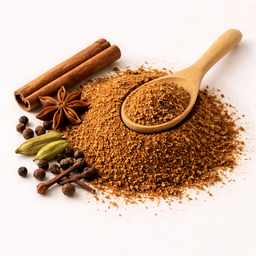 Garam Masala
 Fat increases bioavailability of fat-soluble spice polyphenols
Technical: Garam masala's active compounds (eugenol from cloves, cinnamaldehyde from cinnamon, piperine from pepper) are partially fat-soluble. Olive oil increases their bioavailability 2-4x through micelle formation in the digestive tract. Piperine in the pepper mix also inhibits CYP3A4 and P-glycoprotein, keeping other polyphenols in the bloodstream longer. The fat also protects heat-sensitive compounds during cooking.
What does this mean for you? Bloom your garam masala briefly in warm olive oil before adding other ingredients. This Indian technique (tadka/chaunk) dissolves active compounds in fat for maximum absorption.
Olive Oil 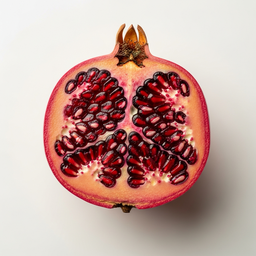 Pomegranate
 Mediterranean polyphenol combination: punicalagins + oleocanthal
Technical: Pomegranate contains punicalagins and punicalins — unique ellagitannins that work via multiple biochemical pathways, including modulation of NF-kB signaling. Olive oil contains oleocanthal — a bioactive phenolic compound that influences COX enzymes. Together they offer complementary polyphenol pathways: ellagitannins via urolithin conversion, oleocanthal via direct enzyme interaction.
What does this mean for you? Drizzle extra virgin olive oil over pomegranate seeds in a salad. This Middle Eastern combination offers two powerful polyphenol sources working via different biochemical pathways. Always use extra virgin olive oil — oleocanthal is lost during refining.
Olive Oil 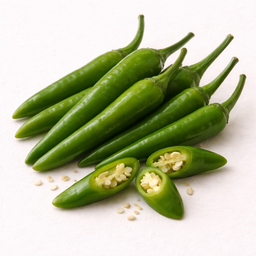 Green Chili Pepper
 Fat improves absorption of green pepper's carotenoids and vitamin K
Technical: Green pepper contains 208μg beta-carotene, 341μg lutein+zeaxanthin and 7.4μg vitamin K per 100g — all fat-soluble. Additionally, green pepper contains 80mg vitamin C (133% RDI) which as water-soluble antioxidant protects fat-soluble carotenoids from oxidation during absorption.
What does this mean for you? Sauté green pepper in olive oil or roast them. The oil makes fat-soluble vitamins absorbable. Though green pepper has fewer carotenoids than red, it still provides plenty of vitamin C.
Olive Oil 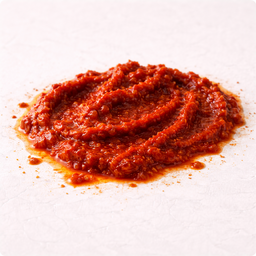 Harissa
 Fat activates capsaicinoids for maximum thermogenic effect
Technical: Capsaicin and dihydrocapsaicin from harissa are fat-soluble. Olive oil dissolves these compounds and increases their bioavailability 2-3x. Moreover, dissolved capsaicin activates thermogenesis (heat production) more effectively. Olive oil's oleocanthal is studied in research in connection with COX signaling.
What does this mean for you? Stir harissa into warm olive oil as base for North African dishes. The fat makes the heat milder and carries the bold flavour.
Olive Oil 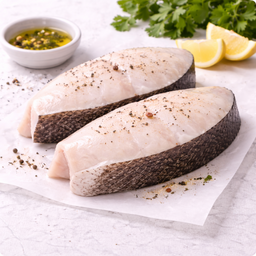 Halibut
 Fat improves absorption of halibut's vitamin D and omega-3
Technical: Halibut contains 200 IU vitamin D per 100g and omega-3 fatty acids (EPA+DHA). Vitamin D is fat-soluble — extra olive oil increases absorption via micelle formation. Oleic acid from olive oil also activates CCK (cholecystokinin) release, improving emulsification of fish oil for better omega-3 absorption.
What does this mean for you? Pan-fry halibut in olive oil or serve with an olive oil vinaigrette. The additional fat maximizes absorption of vitamin D and omega-3 from this nutritious fish.
Olive Oil 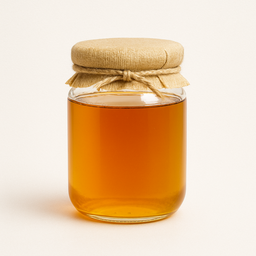 Honey
Honey Dual bioactive action via chrysin + oleocanthal
Technical: Honey contains chrysin and olive oil oleocanthal — bioactive phenolic compounds studied in research in connection with NF-κB and COX signaling. Together they provide plant compounds through two independent routes.
What does this mean for you? A dressing of honey and olive oil is not just tasty — the chrysin and oleocanthal work through two different routes in your body.
Olive Oil 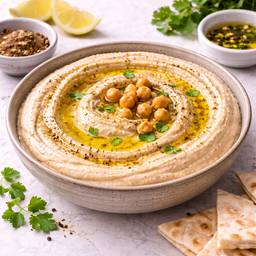 Hummus
 Legume protein + polyphenols for lipid profile support
Technical: Hummus (chickpeas + tahini) provides plant protein (8g/100g), fiber (4g), iron (1.6mg) and saponins that bind bile acids. Olive oil adds oleocanthal (bioactive phenol, COX modulation) and hydroxytyrosol (LDL oxidation inhibitor). Together they support the lipid profile via two mechanisms: saponins bind bile acids in the gut, olive oil polyphenols protect LDL from oxidation.
What does this mean for you? Always pour a generous drizzle of extra virgin olive oil over your hummus. This isn't just for taste — the olive oil combines with chickpea saponins for optimal lipid profile support.
Olive Oil 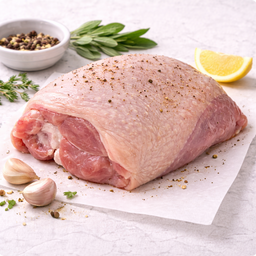 Turkey Thigh
 Polyphenols protect proteins against oxidation during heating
Technical: Turkey thigh contains 20g protein and 8g fat per 100g with 2.3mg iron (13% RDI). Heating above 180°C causes heterocyclic amines (HCAs) and advanced glycation end-products (AGEs). Olive oil's hydroxytyrosol (10-50mg/100g) and oleocanthal chelate Fe²⁺ ions and prevent Fenton reactions that initiate lipid peroxidation. Marinating in olive oil before heating helps limit HCA formation.
What does this mean for you? Marinate turkey thigh at least 30 minutes in olive oil before roasting. The polyphenols protect the meat against harmful substances formed at high temperatures. Add rosemary for extra protection.
Olive Oil 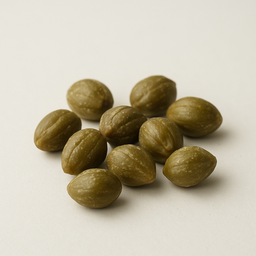 Capers
 Fat makes quercetin from capers absorbable
Technical: Capers contain 180mg quercetin per 100g — the highest content of all foods. Quercetin is a fat-soluble flavonoid with bioactive properties. Without fat, quercetin binds to dietary fiber and is excreted undigested. Olive oil's oleic acid forms mixed micelles that increase quercetin absorption up to 200%.
What does this mean for you? Always use capers with olive oil — in pasta puttanesca, salads or fish. Without olive oil, most quercetin is lost.
Olive Oil 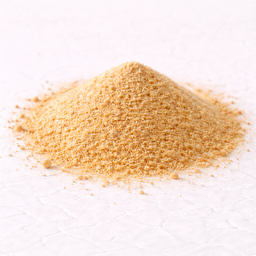 Garlic Powder
 Allicin + oleocanthal for vascular support
Technical: Garlic's allicin supports blood pressure and cholesterol metabolism. Olive oil's oleocanthal has bioactive action via COX signal transduction modulation. Together they offer complementary vascular support.
What does this mean for you? Garlic + olive oil is the foundation of Mediterranean cuisine. The allicin and oleocanthal provide broader vascular support together — and it tastes amazing.
Olive Oil 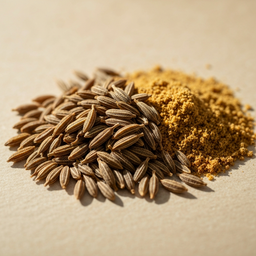 Cumin
Cumin Fat activates volatile oils and increases cuminaldehyde absorption
Technical: Cumin's active compounds (cuminaldehyde, cymene, terpinene) are volatile, fat-soluble compounds. Frying in olive oil extracts and stabilizes these compounds, and the fat improves their gut absorption.
What does this mean for you? Briefly fry cumin in olive oil before adding other ingredients (tadka/tempering). This is why Indian and Middle Eastern cuisines always fry cumin in oil.
Olive Oil 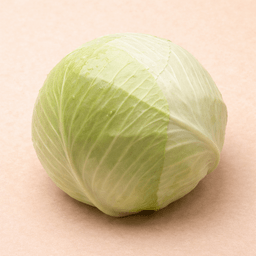 White Cabbage
 Fat increases vitamin K absorption from cabbage by 3x
Technical: Cabbage contains 76μg vitamin K per 100g (85% RDA), a fat-soluble vitamin that contributes to normal blood clotting. Without fat, vitamin K is poorly absorbed (<20%). Olive oil provides monounsaturated fats (73% oleic acid) that promote micelle formation and increase vitamin K absorption 2-3x. Extra virgin olive oil also contains oleocanthal, a polyphenol studied in research.
What does this mean for you? Dress your coleslaw with olive oil or sauté cabbage in olive oil. Without fat most vitamin K is lost — a simple drizzle of olive oil makes a big difference. Vitamin K contributes to normal blood clotting and the maintenance of normal bones (EFSA-approved).
Olive Oil 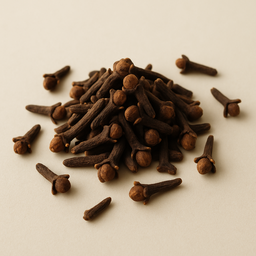 Cloves
 Eugenol absorption 4x increased with fats
Technical: Cloves contain 80-90% eugenol in their essential oil — one of the particularly potent natural antioxidants (ORAC 290,283 per 100g). Eugenol is fat-soluble and poorly absorbed without fat. Olive oil dissolves eugenol and increases bioavailability up to 4x. Apple's pectin delays release for longer action.
What does this mean for you? Use cloves in combination with olive oil or in apple dishes. The fat or pectin helps your body absorb more eugenol from the cloves.
Olive Oil 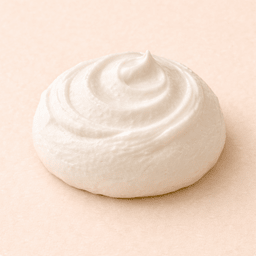 Labneh
 Bioactive peptides (VPP, IPP) + oleuropein influence ACE enzymes via complementary pathways
Fermentation peptides and oleuropein inhibit ACE enzyme via complementary mechanisms
Technical: Labneh fermentation produces bioactive peptides (VPP, IPP) that influence ACE enzymes. Oleuropein from olive oil modulates the same enzymes but via different binding sites. Together they reach the ACE system via complementary pathways — a traditional Levantine combination with biochemical logic.
What does this mean for you? Labneh with olive oil (traditional Levantine breakfast) is a classic combination. Both ingredients contain bioactive compounds working via complementary pathways — centuries-old culinary wisdom.
Olive Oil 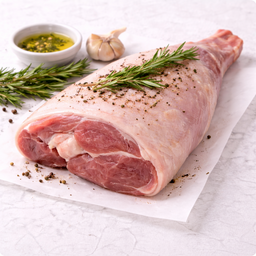 Leg of Lamb
 Polyphenols protect iron and proteins against oxidation during roasting
Technical: Lamb shank contains 2.6mg heme iron per 100g (14% RDI) and 25g protein that is oxidation-sensitive when heated above 180°C. Extra virgin olive oil contains hydroxytyrosol (10-50mg/100g), oleocanthal and oleuropein that inhibit Fe²⁺-mediated lipid peroxidation by 50-60%. These polyphenols chelate free iron ions and prevent Fenton reactions and AGE formation. Oleic acid (73g/100g) also increases iron bioavailability.
What does this mean for you? Roast lamb shank in olive oil at medium-high heat. The polyphenols protect the iron in lamb against oxidative damage. Add fresh rosemary in the last minutes for extra antioxidants.
Olive Oil 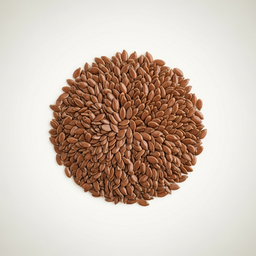 Flaxseed
 ALA omega-3 + oleic acid: complementary fatty acids for heart and brain
Technical: Flaxseed contains 23g ALA (omega-3) per 100g. Olive oil contains 73% oleic acid (omega-9) with proven cardiovascular benefits. ALA is partly converted to EPA/DHA, while oleic acid lowers LDL. Together they offer complementary lipid modulation.
What does this mean for you? Add ground flaxseed to salads with olive oil dressing, or mix into pesto. Two fatty acid sources that protect your heart through different routes.
Olive Oil 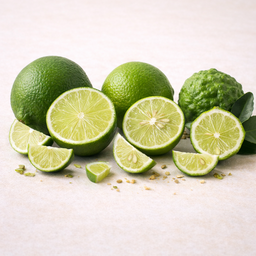 Lime
Lime Vitamin C + olive oil fats for iron absorption and antioxidant action
Technical: Lime's vitamin C (ascorbic acid) improves absorption of non-heme iron from plant sources. Olive oil's fat-soluble polyphenols (hydroxytyrosol) are better absorbed in combination with vitamin C, which acts as an antioxidant keeping the polyphenols stable.
What does this mean for you? Lime-olive oil dressing is a classic combination that helps your body absorb more iron and antioxidants from your salad.
Olive Oil 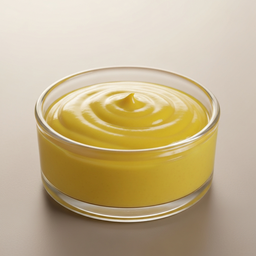 Mustard
 Perfect vinaigrette - mustard as emulsifier
Technical: Mustard contains mucilage (slime) acting as a natural emulsifier — it binds oil and vinegar into a stable vinaigrette. Mustard's sinigrin (glucosinolate) converts to allyl isothiocyanate with thermogenic and bioactive action. Olive oil provides oleocanthal and hydroxytyrosol.
What does this mean for you? Mustard vinaigrette is scientifically the perfect dressing. The mustard emulsifies, the olive oil provides polyphenols — and together they taste amazing.
Olive Oil 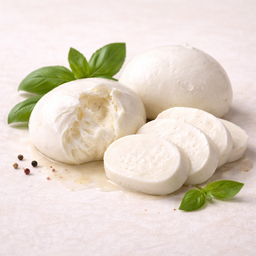 Mozzarella
 Caprese trio: calcium + eugenol + oleocanthal — bioactive compounds optimally absorbed
Technical: Mozzarella provides calcium (403mg/100g) and CLA (conjugated linoleic acid, 0.4-0.6%). Basil contains eugenol (12-18mg/g dry weight) and olive oil provides oleocanthal (0.2mg/ml) — bioactive compounds studied in research in connection with NF-κB and COX signaling. Fat from mozzarella and olive oil dissolves eugenol better, aiding absorption.
What does this mean for you? Caprese salad (mozzarella + basil + olive oil + tomato) is the epitome of functional Italian cuisine. Each ingredient enhances the other — the combination contains bioactive compounds working via three different biochemical pathways.
Olive Oil 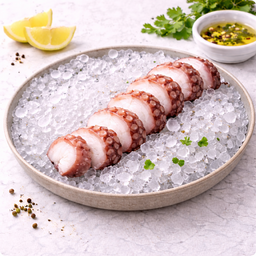 Octopus
 Olive oil improves fat-soluble vitamin absorption from octopus
Technical: Octopus contains vitamin A (150 IU), vitamin E (1.2mg) and coenzyme Q10 — all fat-soluble but octopus itself is very lean (1.0g fat/100g). Olive oil provides fats needed for micelle formation and absorption of these fat-soluble nutrients. Olive oil's polyphenols also protect sensitive omega-3 in octopus.
What does this mean for you? Octopus is very lean — always serve with olive oil to absorb fat-soluble vitamins. Grilled octopus with olive oil, garlic and paprika is a Mediterranean dish that's both tasty and nutritious.
Olive Oil 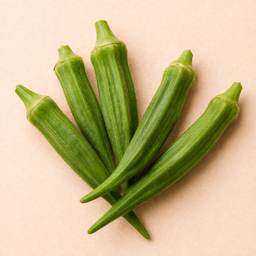 Okra
Okra Olive oil increases absorption of fat-soluble vitamin K and polyphenols from okra
Phylloquinone in plant foods requires dietary fat for adequate absorption, only 4-17% is absorbed without fat (NIH Office of Dietary Supplements)
Technical: Okra contains 31.3μg vitamin K1 (phylloquinone) per 100g, which is fat-soluble and tightly bound to chloroplasts in plant foods. Without fat, only 4-17% is absorbed. Oleic acid (73%) from olive oil forms mixed micelles that release phylloquinone from the cell matrix and improve intestinal absorption up to 3x. Olive oil itself also contains 8.1μg vitamin K per tablespoon.
What does this mean for you? Fry okra in olive oil for maximum vitamin K absorption. The traditional preparation method (frying in oil) is scientifically optimal — the fat makes vitamin K accessible to your body.
Olive Oil 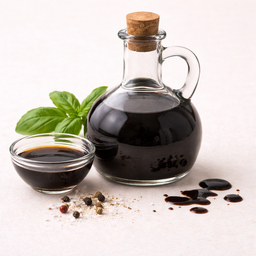 Balsamic Vinegar
 Italian vinaigrette: polyphenols + acetic acid influence glycemic response
Technical: Olive oil contains oleocanthal and hydroxytyrosol (polyphenols with antioxidant action). Balsamic contains polyphenols from grapes plus acetic acid that can influence glycemic response to meals through delayed gastric emptying. Together they offer antioxidant protection via complementary phenol compounds.
What does this mean for you? Use the classic 3:1 olive oil:balsamic ratio as salad dressing. This is not only delicious but also combines two sources of polyphenols with acetic acid that influences the glucose response after the meal.
Olive Oil 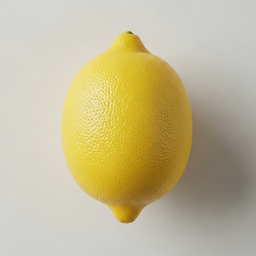 Lemon
Lemon Oleic acid + citric acid: complementary pathways for glycemic response
Technical: Lemon contains citric acid that slows gastric emptying, causing carbohydrates from the meal to be absorbed more slowly. Olive oil's fats reinforce this effect by further influencing glycemic response. Together they influence the postprandial glucose response via two complementary mechanisms. Olive oil's oleocanthal and lemon's vitamin C additionally provide complementary antioxidant action.
What does this mean for you? A simple dressing of olive oil and lemon juice over your salad is one of the smartest combinations you can make. The two mechanisms (delayed gastric emptying + fat slowing) work together to influence the glucose response after your meal.
Olive Oil 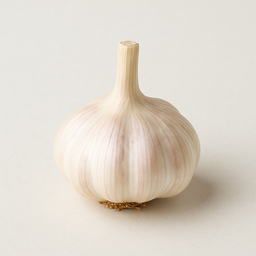 Garlic
 Aglio e olio: allicin + oleocanthal via complementary biochemical pathways
Technical: Garlic contains allicin (formed when cutting/crushing) that influences HMG-CoA reductase (involved in lipid metabolism). Olive oil contains oleocanthal that modulates COX-1/2 enzymes. Together they influence lipid metabolism and prostaglandin cascade via complementary biochemical pathways. The fat also helps absorb fat-soluble garlic compounds.
What does this mean for you? Gently warm garlic in olive oil (don't burn!) as the base for many dishes. This is why 'aglio e olio' pasta is so beloved — two bioactive compounds that reinforce each other.
Olive Oil 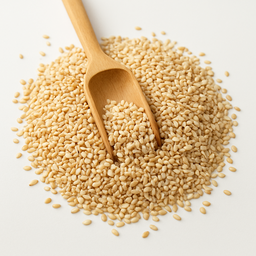 Sesame Seeds
 Olive oil fats improve absorption of sesame seed minerals and lignans
Technical: Olive oil's monounsaturated fats (oleic acid) improve absorption of fat-soluble lignans from sesame seeds. Additionally, olive oil polyphenols (oleocanthal) and sesame lignans form a broader antioxidant spectrum.
What does this mean for you? Use olive oil in dishes with sesame seeds — for example in an Asian salad or as a base for tahini dressing.
Olive Oil 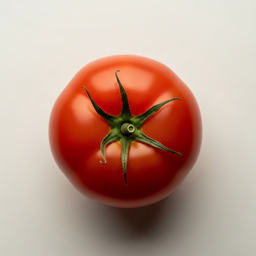 Tomato
 Mediterranean golden rule: fat increases lycopene absorption 4x
Fat significantly increases lycopene bioavailability (PMID: 15927929)
Technical: Tomatoes contain lycopene (3-7mg per 100g), a carotenoid with strong antioxidant action. Lycopene is fat-soluble with only 10-15% absorption without fat. Olive oil increases this to 40-60% (2.5-4x improvement). Cooking further increases lycopene bioavailability.
What does this mean for you? Always add olive oil to tomato dishes — sauces, salads, bruschetta. This is why Mediterranean cuisine is so healthy. Cooked tomatoes with olive oil = maximum lycopene.
Olive Oil 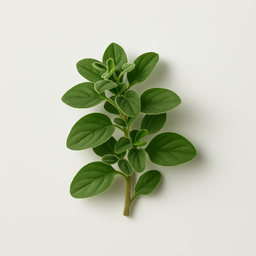 Oregano
 Fat makes carvacol and thymol absorbable
Lambert JD et al. (2004) in Molecular Nutrition & Food Research showed that dietary fats enhance absorption of phenolic compounds from herbs.
Technical: Oregano contains carvacrol (60-74%) and thymol (1-5%) — potent phenolic compounds with broad bioactivity, traditionally valued in food preservation. These compounds are fat-soluble and poorly absorbed without fat. Olive oil dissolves them and significantly increases their bioavailability. This explains why oregano oil always comes in a carrier oil.
What does this mean for you? Cook oregano in olive oil or make oregano-olive oil dressing. The bioactive compounds in oregano are fat-soluble — without oil you barely absorb them.
Olive Oil  Orzo Pasta
 Retrograde starch + healthy fats for microbiome support
Technical: Cooked and cooled orzo forms retrograde starch (resistant starch type 3), a prebiotic fermented by gut bacteria into butyrate — the primary energy source for colonocytes. Olive oil (73% oleic acid) slows glycemic response and adds polyphenols (oleocanthal, hydroxytyrosol) that improve gut flora diversity. Together they lower the meal's GI by 30-40%.
What does this mean for you? Cold orzo salad with olive oil is healthier than warm orzo — cooling creates resistant starch that feeds your gut bacteria. The olive oil also lowers the blood sugar spike.
Olive Oil 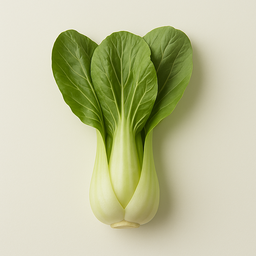 Pak Choi
 Fat improves absorption of pak choi's fat-soluble vitamins A and K
Technical: Pak choi contains 4468μg beta-carotene (provitamin A) and 46μg vitamin K per 100g — both fat-soluble. Without fat only 5% is absorbed. Olive oil's oleic acid forms mixed micelles increasing absorption to 20-25%. Pak choi also contains 105mg calcium per 100g with high bioavailability (low oxalate).
What does this mean for you? Always stir-fry pak choi with a splash of olive or sesame oil. Without fat you barely absorb the vitamins. Pak choi is also an excellent calcium source for those avoiding dairy.
Olive Oil 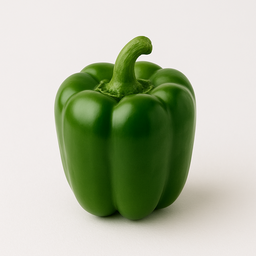 Bell Pepper
 Fat improves carotenoid absorption from bell pepper
Technical: Red bell pepper contains 3131μg beta-carotene and 51μg lutein per 100g, plus 127mg vitamin C (211% RDI). Carotenoids are fat-soluble — without fat only 3-5% is absorbed. Olive oil increases bioavailability to 15-20% through micelle formation in the small intestine.
What does this mean for you? Roast bell pepper with olive oil or make a salad with olive oil dressing. Red pepper contains 10x more carotenoids than green — choose red for maximum effect.
Olive Oil 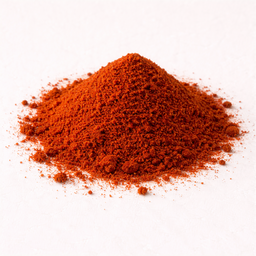 Paprika powder (sweet)
 3x better carotenoid absorption with fats
Technical: Paprika powder is extremely rich in carotenoids: beta-carotene, capsanthin and cryptoxanthin. These are all fat-soluble with only 5-10% absorption without fat. Olive oil or butter create micelles increasing absorption up to 3x. Additionally, vitamin E from olive oil protects carotenoids from oxidation.
What does this mean for you? Always briefly fry paprika powder in oil or butter before adding liquid. This activates the color and increases vitamin absorption up to 3x — the basis of Hungarian goulash.
Olive Oil 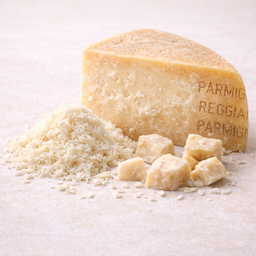 Parmesan (Parmigiano-Reggiano)
 Umami from parmesan + healthy fats from olive oil for flavor and satiety
Technical: Parmesan contains 1200-1680mg free glutamate per 100g — the highest concentration of all cheeses. Glutamate activates stomach-vagus nerve signals that increase satiety. Olive oil contains oleic acid (55-83%) stimulating OEA production (satiety signal) plus oleocanthal and oleuropein (bioactive polyphenols). Together: double satiety plus bioactive compounds.
What does this mean for you? Drizzle parmesan with good olive oil on pasta or salads. The umami from the cheese and the healthy fat from the oil together provide faster satiety and a rich flavor profile.
Olive Oil 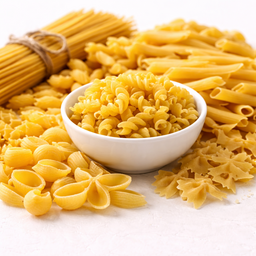 Pasta (Dried)
 Retrograde starch + oleic acid lower glycemic index
Technical: Al dente cooked pasta already has a lower GI (40-55) than overcooked pasta (60-70). Olive oil's oleic acid (73%) slows gastric emptying via CCK release and the ileal brake mechanism. With cooled pasta (salad), resistant starch type 3 forms, a prebiotic. Studies show olive oil + pasta reduces postprandial glucose by 25-35% versus pasta without fat.
What does this mean for you? Cook pasta al dente and add good olive oil immediately. For cold pasta salad: cooled pasta + olive oil has the lowest blood sugar impact of all preparation methods.
Olive Oil 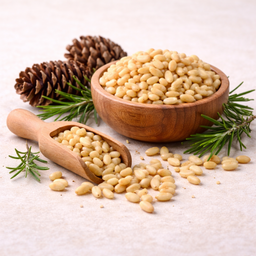 Pine Nuts
 Pinolenic acid + oleic acid for extreme appetite suppression
Technical: Pine nuts contain 14-19% pinolenic acid that increases CCK (cholecystokinin, satiety hormone) release by 60%. Olive oil's oleic acid stimulates OEA (oleoylethanolamide) production triggering a satiety signal via PPARα. Two independent satiety pathways that together strongly suppress appetite.
What does this mean for you? Eat pesto (pine nuts + olive oil) with your meal. The two ingredients each activate a different satiety hormone, making you feel full faster and longer.
Olive Oil 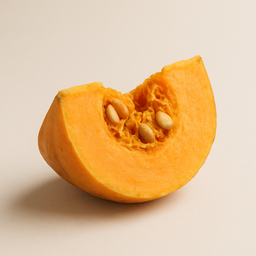 Pumpkin
 Fat essential for absorption of pumpkin's rich beta-carotene
Technical: Pumpkin contains 3100μg beta-carotene per 100g — an excellent provitamin A source. Beta-carotene is fat-soluble and only 3-5% absorbed without fat. Olive oil increases bioavailability 5-7x through micelle formation. Heating pumpkin also breaks cell walls, releasing even more beta-carotene.
What does this mean for you? Always roast pumpkin with olive oil — this is the best way to absorb beta-carotene. Roasted pumpkin with olive oil, garlic and sage is a delicious and nutritious side dish.
Olive Oil 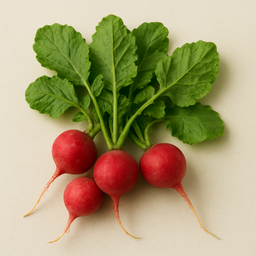 Radish
 Fat improves absorption of isothiocyanates from radish
Technical: Radish's isothiocyanates (raphasatin, sulforaphene) are lipophilic molecules better absorbed in presence of fats. Olive oil also slows gastric passage, keeping isothiocyanates in contact with intestinal epithelium longer for better absorption. Oil also tempers the sharp taste.
What does this mean for you? Serve radishes with olive oil (e.g., on bread with butter or in salad with dressing). Fat improves absorption of the bioactive sharp compounds and makes the taste milder.
Olive Oil 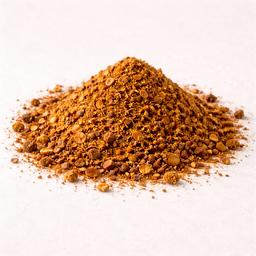 Ras el Hanout
 Fat increases absorption of fat-soluble spices in the mix
Technical: Ras el hanout contains up to 30 spices including turmeric (curcumin), ginger (gingerol), cinnamon (cinnamaldehyde) and nutmeg (myristicin) — all fat-soluble. Frying in olive oil extracts these bioactive compounds from the spices and dissolves them in fat, increasing bioavailability of all components.
What does this mean for you? Briefly fry ras el hanout in olive oil as the first step of your dish. The fat activates all fat-soluble spices in the mix — that's why every North African cook starts this way.
Olive Oil 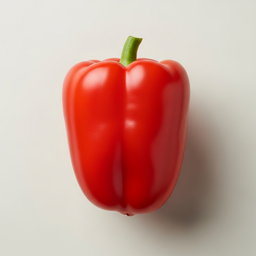 Red Bell Pepper
 Fat improves carotenoid absorption
Technical: Red pepper contains 3131μg beta-carotene per 100g — significantly more than green (208μg). Carotenoids are absorbed via passive transport with mixed micelles. Oleic acid (73% of olive oil) forms these micelles and increases beta-carotene absorption up to 5x (American Journal of Clinical Nutrition).
What does this mean for you? Roasted pepper with olive oil isn't just tasty but increases beta-carotene absorption up to 5x. Your body can barely absorb it without fat.
Olive Oil 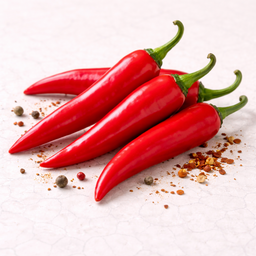 Red Chili Pepper (Fresh)
 Fat increases absorption of capsaicin and carotenoids
Technical: Red pepper contains capsaicin (lipophilic, LogP 3.04) and 21840μg beta-carotene per 100g. Both are fat-soluble. Olive oil's oleic acid dissolves capsaicin and forms micelles for carotenoid absorption. Capsaicin activates vanilloid receptors in the digestive tract, increasing mucosal blood flow.
What does this mean for you? Cook red pepper in olive oil — this increases absorption of both capsaicin and beta-carotene. Oil also reduces the burning sensation by dissolving capsaicin in fat.
Olive Oil 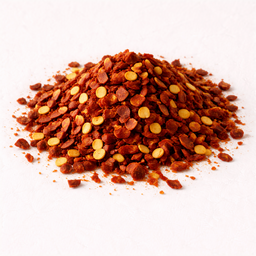 Red Pepper Flakes (Crushed)
 Capsaicin dissolved in fat for prolonged thermogenesis
Technical: Capsaicin is fat-soluble and is absorbed 3x better in olive oil than without fat. Dissolved in oil, capsaicin is released more gradually in the GI tract, extending the thermogenic response from 30 minutes to 2-3 hours. Olive oil's oleocanthal enhances capsaicin's analgesic effect via shared TRPV1 pathway activation. This is the basis of 'olio al peperoncino' — Italian chili flake oil.
What does this mean for you? Make your own peperoncino oil: steep red pepper flakes in extra virgin olive oil. Use as finishing oil over pizza, pasta or soup for prolonged thermogenic action.
Olive Oil 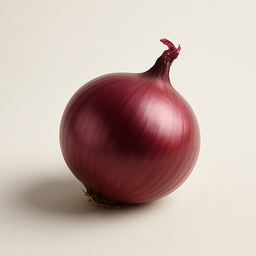 Red Onion
 Fat increases bioavailability of quercetin from red onion
Technical: Red onion contains 32-65mg quercetin per 100g — the richest food source. Quercetin is poorly water-soluble (2μg/mL) but dissolves well in fats. Olive oil increases quercetin oral bioavailability by 50-70% through lipid-based lymphatic transport instead of the portal vein.
What does this mean for you? Sauté red onion in olive oil (soffritto) for maximum quercetin absorption. Oil dissolves quercetin and improves transport to your bloodstream. Caramelizing also enhances flavor.
Olive Oil 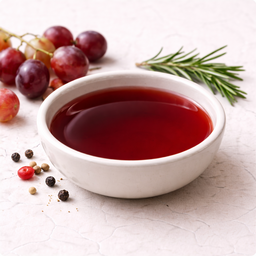 Red wine vinegar
 Classic vinaigrette with polyphenol synergy
Technical: Red wine vinegar contains resveratrol and anthocyanins (from red grapes) plus acetic acid. Olive oil provides oleocanthal (a bioactive phenol) and oleuropein. Mustard contains sinigrin (glucosinolate) and emulsifies the dressing. Together three antioxidant classes (polyphenols, oleocanthal, glucosinolates) provide a broad antioxidant spectrum.
What does this mean for you? Make vinaigrette with red wine vinegar, olive oil and mustard. Three ingredients, three types of antioxidants — the perfect salad dressing.
Olive Oil 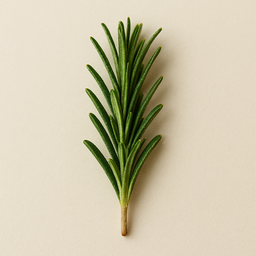 Rosemary
 Carnosic acid + oleocanthal for Mediterranean bioactive action
Technical: Rosemary's carnosic acid and carnosol are fat-soluble diterpenes with powerful antioxidant action. Olive oil's oleocanthal modulates COX signal transduction. Together they provide the 'Mediterranean diet effect': broader bioactive action than each ingredient alone.
What does this mean for you? Rosemary in olive oil is a powerful Mediterranean duo — use it as a marinade or roast vegetables with it for maximum flavor and antioxidant absorption.
Olive Oil 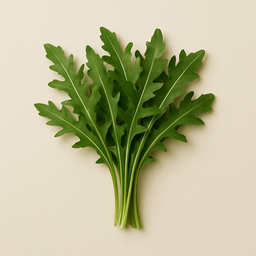 Arugula
 Fat increases absorption of arugula's beta-carotene and vitamin K
Technical: Arugula contains 3747μg beta-carotene and 109μg vitamin K per 100g — both fat-soluble. Olive oil forms mixed micelles increasing absorption 3-5x. Arugula also contains glucosinolates (glucoerucin) converted to sulforaphane — a hydrophobic molecule also better absorbed with fat.
What does this mean for you? Arugula with olive oil dressing isn't just tasty for its peppery character — the oil is necessary to properly absorb fat-soluble vitamins and glucosinolates.
Olive Oil 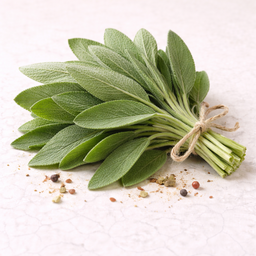 Sage
Sage Olive oil extracts fat-soluble terpenes from sage
Technical: Sage's active terpenes (thujone, camphor, 1,8-cineole) and diterpenes (carnosol, carnosic acid) are fat-soluble. Olive oil dissolves these compounds 3-5x more effectively than water. Carnosol and carnosic acid are powerful antioxidants that inhibit LDL oxidation — the first step of atherosclerosis. The combination of sage antioxidants + olive oil polyphenols offers complementary antioxidant vascular support.
What does this mean for you? Briefly fry sage in olive oil (salvia fritta) for maximum extraction of active compounds. Fried sage in olive oil over pasta or risotto is an Italian classic that's both delicious and healthy.
Olive Oil 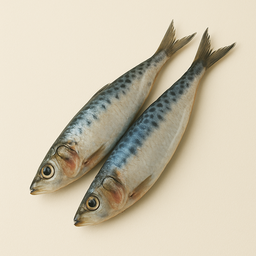 Sardines
 Mediterranean omega combination: EPA/DHA + polyphenols
Technical: Canned sardines contain 1.5g omega-3 per 100g plus calcium from the bones. Extra virgin olive oil contains oleocanthal and oleuropein (polyphenols) that protect omega-3 from oxidation and work via complementary biochemical pathways.
What does this mean for you? Choose sardines in olive oil or add extra virgin olive oil to sardines on toast. This is typical Portuguese/Spanish and combines two sources of bioactive compounds working via complementary pathways.
Olive Oil 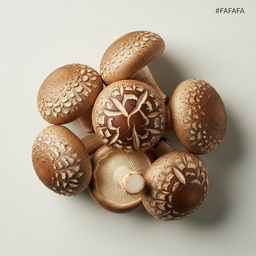 Shiitake
 Essential for Vitamin D absorption
Technical: Shiitake is one of the few plant-based sources of vitamin D2 (ergocalciferol), with up to 1100 IU per 100g after UV exposure. Vitamin D is fat-soluble and barely absorbed without dietary fat. Olive oil's unsaturated fats form micelles in the gut that increase D2 absorption by 3-5x.
What does this mean for you? Always sauté your shiitake in olive oil — without fat, most vitamin D is lost. Bonus tip: place shiitake gill-side up in the sun for 15 minutes for extra vitamin D.
Olive Oil 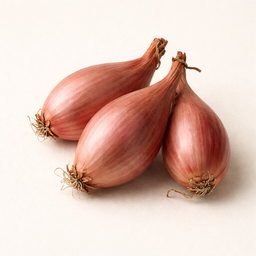 Shallot
 Fat improves quercetin bioavailability from shallot
Technical: Shallots contain 32mg quercetin per 100g in highly concentrated form. Quercetin is lipophilic and 50-70% better absorbed with fats. Olive oil facilitates micelle formation and lymphatic transport. Sautéing shallots in olive oil (soffritto) also improves flavor through Maillard reactions.
What does this mean for you? Always sweat shallots in olive oil — the base of many French and Asian dishes. Oil doubles quercetin absorption, a well-studied flavonoid associated in research with histamine binding.
Olive Oil 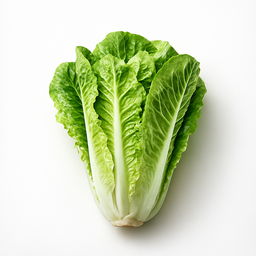 Lettuce (Romaine)
 7x better carotenoid absorption with fats
Technical: Lettuce contains 1223μg beta-carotene and 1730μg lutein per 100g. Without fat only 3% is absorbed. A Purdue University study (2012, Molecular Nutrition & Food Research) showed olive oil or avocado increases absorption to 20%+ — a 7-fold improvement.
What does this mean for you? Always eat salad with olive oil dressing or avocado. Without fat you absorb almost nothing of the carotenoids. A dry salad without dressing is ironically less nutritious than one with a good olive oil dressing.
Olive Oil 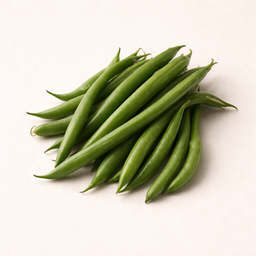 Green Beans
 Fat essential for vitamin K absorption from green beans
Technical: Green beans contain 43μg vitamin K per 100g (36% RDI) — vitamin K contributes to normal blood clotting and the maintenance of normal bones (EFSA-approved). Vitamin K is fat-soluble and absorbed via bile salt micelles. Olive oil influences bile release and provides fats for micelle formation, increasing K absorption 3x.
What does this mean for you? Sauté green beans in olive oil or serve with dressing. Without fat you barely absorb vitamin K.
Olive Oil 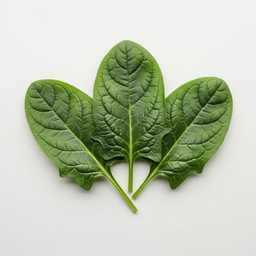 Spinach
 Makes fat-soluble vitamins and antioxidants available
Technical: Spinach contains 483μg vitamin K (403% RDI), 5626μg beta-carotene, 2mg vitamin E and 12.2mg lutein — all fat-soluble. Without fat only 5-10% is absorbed. Olive oil's monounsaturated fats (73% oleic acid) form micelles that increase absorption 2-5x.
What does this mean for you? Always eat spinach with olive oil or another fat source. Without fat you waste most of spinach's impressive vitamin profile. A drizzle of olive oil is essential for proper absorption.
Olive Oil 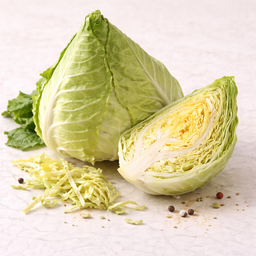 Pointed Cabbage
 Fat improves absorption of fat-soluble vitamin K and carotenoids
Technical: Pointed cabbage contains 76μg vitamin K per 100g (63% RDI) and beta-carotene. Both are fat-soluble. Without fat, vitamin K absorption is only 10%. Olive oil's oleic acid forms mixed micelles increasing absorption up to 3x. Light cooking in olive oil also breaks cell walls for better nutrient release.
What does this mean for you? Stir-fry or braise pointed cabbage with a splash of olive oil. Oil is needed to absorb vitamin K. Vitamin K contributes to normal blood clotting and the maintenance of normal bones (EFSA-approved).
Olive Oil 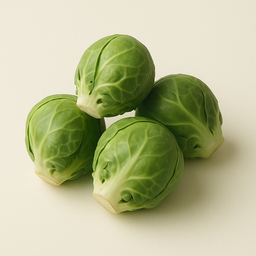 Brussels Sprouts
 Fat increases absorption of Brussels sprouts' vitamin K and carotenoids
Technical: Brussels sprouts contain 177μg vitamin K per 100g (148% RDI), 450μg beta-carotene and 1590μg lutein+zeaxanthin — all fat-soluble. Roasted in olive oil, bioavailability increases 3-5x through micelle formation. Roasting also caramelizes natural sugars reducing bitter taste.
What does this mean for you? Roast Brussels sprouts in olive oil — not only the tastiest preparation but also the most nutritious. Without fat your body barely absorbs the vitamin K, beta-carotene and lutein.
Olive Oil 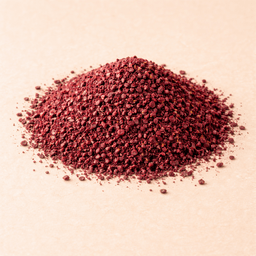 Sumac
Sumac Gallotannins from sumac are fat-soluble, olive oil increases bioavailability
Gallotannins from Rhus coriaria are lipophilic and require dietary fat for absorption (PMID: 36014419)
Technical: Gallotannins and polyphenols from sumac are fat-soluble. Olive oil contains 73% oleic acid that promotes micelle formation, improving antioxidant absorption up to 3x in the gut.
What does this mean for you? Always use sumac in dishes with olive oil (like salads or grilled meat). The fat-soluble antioxidants will be absorbed much better for broader bioactive benefits.
Olive Oil 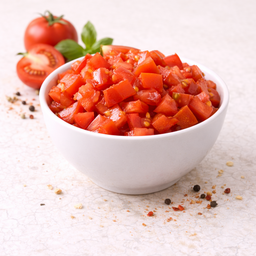 Diced Tomatoes
 Olive oil increases lycopene absorption 2.5x
Technical: Diced tomatoes (heated) contain 4x more bioavailable all-trans-lycopene than fresh tomatoes as heating breaks open the cell matrix. Lycopene is fat-soluble and absorbed via micelle formation. Olive oil increases this absorption by 2.5x. Total: up to 10x more lycopene absorption than fresh tomato without oil.
What does this mean for you? Cook diced tomatoes in olive oil for a tomato sauce — this is the most effective way to absorb lycopene. Heated tomatoes with oil deliver up to 10x more lycopene than raw tomato without oil.
Olive Oil 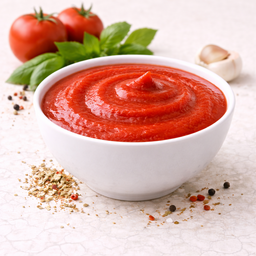 Tomato Passata
 Heated + fats = 5x more lycopene absorption
Technical: Tomato passata is already heated, releasing lycopene from cell walls in cis-form (better absorbable than trans-lycopene in raw tomato). Olive oil fats create micelles transporting this released lycopene through the gut wall. Basil adds eugenol (COX-2 inhibitor). Absorption increases up to 5x.
What does this mean for you? Make pasta sauce with tomato passata, olive oil and basil. You absorb up to 5x more lycopene than from raw tomato — great for your heart and skin.
Olive Oil 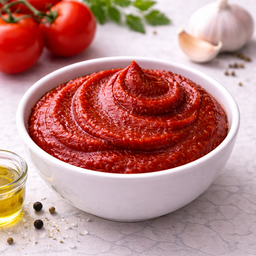 Tomato Paste
 Up to 4x more lycopene absorption through heating in oil
Technical: Tomato paste is 6x more concentrated than fresh tomato, making lycopene content very high. Heating has already released lycopene from cell walls (cis-isomer, better absorbable). Olive oil fats form micelles that efficiently transport this released lycopene through the gut wall — absorption increases up to 4x.
What does this mean for you? Always briefly fry tomato paste in olive oil before adding other ingredients. This maximizes lycopene absorption — the quintessential Italian cooking method.
Olive Oil 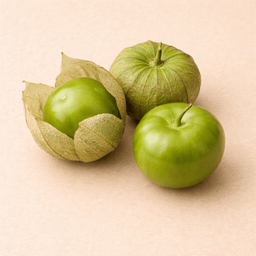 Tomatillo
 Fat-soluble withanolides and carotenoids better absorbed with fat
Withanolides are lipophilic steroidal lactones requiring dietary fat for absorption
Technical: Tomatillo contains withanolides (steroidal lactones) and β-carotene which are both fat-soluble. Olive oil contains 73% oleic acid promoting micelle formation, improving absorption of these bioactive compounds up to 3x in the gut.
What does this mean for you? Use tomatillo in dishes with olive oil (like salsa verde). The fat-soluble bioactive compounds are optimally absorbed this way.
Olive Oil 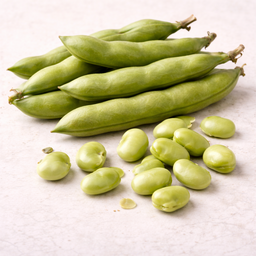 Fava Beans
 Fat increases absorption of fat-soluble vitamins from fava beans
Technical: Fava beans contain L-DOPA (dopamine precursor) and folate (B9). Olive oil's fats improve absorption of fat-soluble nutrients and protect L-DOPA from oxidation.
What does this mean for you? Serve fava beans with olive oil (classic in foul medames). The oil maximizes nutrient absorption.
Olive Oil 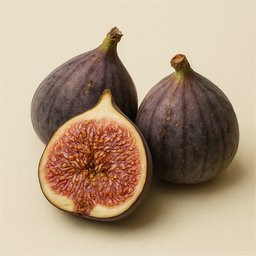 Figs
Figs Traditional Mediterranean combination for gut transit
Technical: Figs contain ficin — a proteolytic enzyme promoting protein digestion — plus 2.9g fiber per 100g (insoluble: cellulose/lignin). Olive oil lubricates the intestinal wall and speeds fecal transit. The combination of fig fiber + olive oil lubrication provides dual support: fiber volume drives peristalsis, oil reduces friction. An Italian-Greek culinary tradition for digestive comfort. Serve fresh figs with extra virgin olive oil and sea salt.
What does this mean for you? Halve fresh figs and drizzle with extra virgin olive oil — a classic Mediterranean appetizer. The fiber from figs and the healthy fats from olive oil support your digestion in two ways. Delicious on its own or with prosciutto and burrata.
Olive Oil 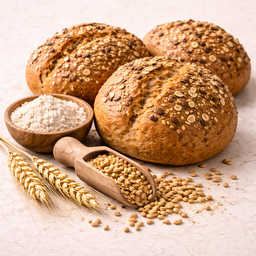 Whole Wheat Buns
 Whole grain fiber + oleic acid slow glucose absorption
Technical: Whole grain rolls contain 6-8g fiber per 100g that slow gastric emptying. Olive oil's oleic acid (73%) activates the ileal brake mechanism via GLP-1 secretion, reducing glycemic response by 20-30%. The combination of insoluble fiber + monounsaturated fat creates a double inhibitory effect on carbohydrate digestion.
What does this mean for you? Dip your whole grain roll in good olive oil instead of butter. Your blood sugar rises much more gradually, keeping you satisfied longer without energy crashes.
Olive Oil 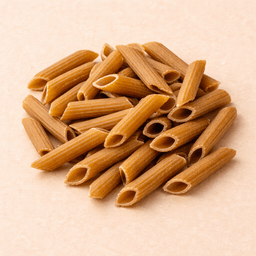 Whole wheat pasta
 Olive oil increases absorption of vitamin E and carotenoids from whole wheat
Dietary fat improves fat-soluble nutrient absorption via micelle formation (PMID: 15570047)
Technical: Whole wheat contains alpha-tocopherol (1.4mg/100g) and lutein (220μg/100g), both fat-soluble. Oleic acid from olive oil forms mixed micelles making fat-soluble nutrients up to 3x more bioavailable. Additionally, both contain phenolic compounds (hydroxytyrosol from olive oil, ferulic acid from wheat) that work synergistically as antioxidants.
What does this mean for you? Whole wheat pasta with olive oil is more than a flavor combination — the fat ensures you actually absorb the fat-soluble vitamins from the pasta. Italian cuisine has known this for centuries.
Olive Oil 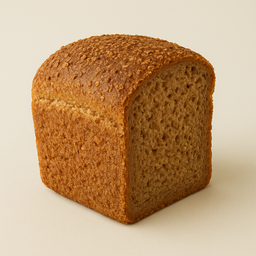 Whole Wheat Bread
 Whole grain polyphenols + oleocanthal for double bioactive action
Technical: Whole grain bread contains ferulic acid and alkylresorcinols — polyphenols found in wheat bran that act as antioxidants. Extra virgin olive oil contains oleocanthal (which influences COX enzymes) and hydroxytyrosol. The combination offers complementary bioactive action: ferulic acid scavenges free radicals, oleocanthal influences eicosanoid metabolism.
What does this mean for you? Whole grain bread with extra virgin olive oil is the foundation of Mediterranean cuisine — a combination that has existed for millennia. The polyphenols from both sources reinforce each other.
Olive Oil 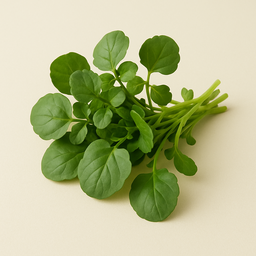 Watercress
 Fat improves absorption of PEITC and fat-soluble vitamins
Technical: Watercress contains 3191μg beta-carotene and 330μg vitamin K per 100g — both fat-soluble. PEITC (phenethyl isothiocyanate) is also lipophilic and better absorbed with fats. Olive oil forms micelles transporting all three components. Watercress' own vitamin C (43mg/100g) limits oxidation of the fats.
What does this mean for you? Watercress salad with olive oil dressing makes the full nutritional profile available. Without fat, fat-soluble vitamins and bioactive PEITC are largely lost.
Olive Oil 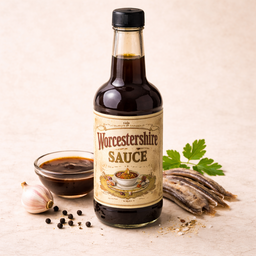 Worcestershire Sauce
 Umami emulsion for ultimate salad dressing
Technical: Worcestershire sauce contains tamarind acids and acetic acid that emulsify with olive oil into a stable vinaigrette. The umami compounds (glutamate + IMP nucleotides) are more evenly distributed in an oil emulsion, increasing flavor impact per drop. Olive oil's polyphenols protect omega-3 fatty acids from anchovy against oxidation. The combination offers: umami + acid + fat = the three flavor pillars of a good dressing.
What does this mean for you? Make a dressing of 3 parts olive oil + 1 part lemon + a few drops of Worcestershire sauce. This 'secret' dressing surpasses standard vinaigrette through the umami dimension.
Olive Oil 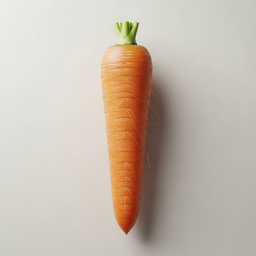 Carrot
 Up to 5x more beta-carotene absorption
Technical: Carrot contains 8285μg beta-carotene per 100g, but bioavailability from raw carrot is only 3-4%. Heating + olive oil increases this to 20-25%. Oleic acid (73% of olive oil) forms mixed micelles that efficiently transport beta-carotene to enterocytes for absorption.
What does this mean for you? Roast carrots with olive oil or eat them in a salad with dressing. Without fat you absorb only 3% of beta-carotene — with olive oil up to 5x more.
Olive Oil 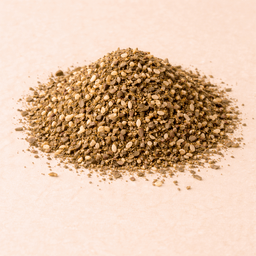 Za'atar
 Thymol and carvacrol from zaatar are fat-soluble, olive oil increases absorption
Thymol and carvacrol are lipophilic monoterpenes with antimicrobial properties (PMID: 31009261)
Technical: Thymol and carvacrol are the main active compounds in zaatar (thyme, oregano) and are fat-soluble. Olive oil forms mixed micelles improving absorption up to 3x. Traditional Levantine combination where bread is dipped in zaatar+olive oil mixture.
What does this mean for you? The traditional way of using zaatar (with olive oil) is scientifically perfect. The fat-soluble bioactive compounds are optimally absorbed this way.
Olive Oil 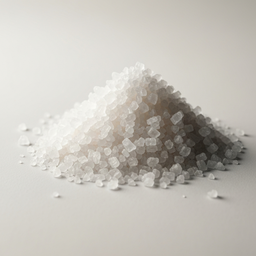 Sea Salt
 Minerals + polyphenols for cellular balance
Technical: Sea salt's sodium is essential for the sodium-potassium pump (Na+/K+-ATPase) that regulates every body cell. Olive oil's oleuropein and hydroxytyrosol provide antioxidant protection for cell membranes. The combination supports cell integrity: sea salt regulates ion balance, olive oil protects the membrane. In Mediterranean cuisine, coarse sea salt + olive oil is the most basic flavor profile.
What does this mean for you? Freshly ground sea salt with extra virgin olive oil is the simplest and most nutritious finishing of any dish. The combination provides the basic needs of your cells: minerals for function, polyphenols for protection.
Olive Oil 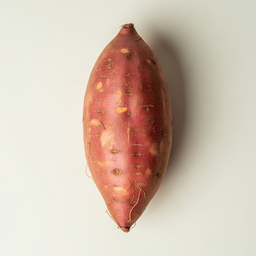 Sweet Potato
 Essential for beta-carotene absorption
Technical: Sweet potato is the richest beta-carotene source at 11509μg/100g. Beta-carotene is converted to retinol (vitamin A) by β-carotene-15,15'-dioxygenase, but must first be absorbed via fat micelles. Olive oil increases absorption 3-5x. Without fat, conversion efficiency is only 3:1 (μg carotene:μg retinol); with fat 12:1.
What does this mean for you? Always serve sweet potato with oil or butter. Eating it 'dry' is a missed opportunity — you lose most of the vitamin A. A little fat makes a huge difference.
Olive Oil 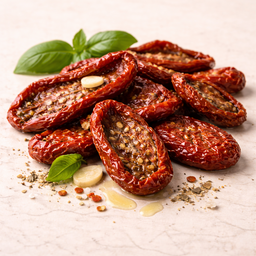 Sun-Dried Tomato
 Concentrated lycopene + fat = maximum absorption
Technical: Sun-dried tomatoes contain up to 45mg lycopene per 100g — 10x more than fresh tomatoes (4.5mg/100g) due to water removal. The drying process also isomerizes trans-lycopene to cis-lycopene (2-3x more bioavailable). Storage in olive oil maximizes absorption since lycopene is fat-soluble.
What does this mean for you? Sun-dried tomatoes in olive oil are the ultimate lycopene source. Drying concentrates lycopene 10x and oil maximizes absorption. Use them on pasta, in salads or on bread.
Olive Oil 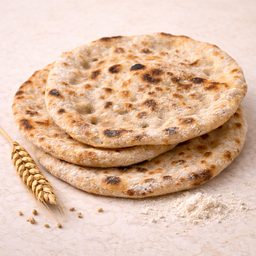 Sourdough Flatbread
 Fermentation metabolites + polyphenols for microbiome support
Technical: Sourdough fermentation produces organic acids (lactic acid, acetic acid) that act as prebiotics and lower gut pH for better mineral absorption. Olive oil contains oleocanthal and hydroxytyrosol (polyphenols) that modulate NF-kB signaling. The combination supports the gut microbiome via fermentation metabolites + polyphenolic nutrition.
What does this mean for you? Sourdough bread with olive oil is a Mediterranean tradition with proven nutritional benefits. The fermentation in the bread supports your gut microbiome, the polyphenols in the olive oil do so as well.
Olive Oil 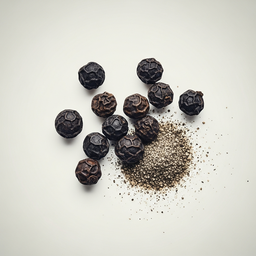 Black Pepper
 Fat increases piperine absorption and enhances polyphenols
Technical: Piperine is fat-soluble and absorbed 2-3x better with dietary fat. Olive oil's oleocanthal and piperine both modulate COX signal transduction through different mechanisms, providing additive bioactive effect.
What does this mean for you? Grind fresh pepper over salads with olive oil dressing. The combination enhances both pepper absorption and bioactive action.
Olive Oil 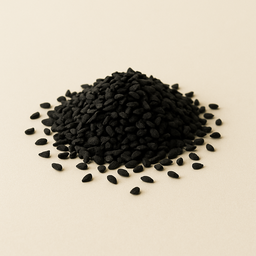 Black Seed
 Thymoquinone more absorbable with olive oil fats
Technical: Black seed (Nigella sativa) contains thymoquinone (30-48% of volatile oil), a particularly potent antioxidant that modulates NF-κB, COX-2 and 5-LOX signal transduction. Thymoquinone is fat-soluble with only 10-15% oral bioavailability. Olive oil increases this to 35-50% through micelle formation. The combination of thymoquinone + oleocanthal from olive oil offers synergy in NF-κB signal transduction modulation. Prophet Muhammad (peace be upon him) advised black seed with oil — now scientifically supported.
What does this mean for you? Mix black seed oil or ground black seeds with olive oil as salad dressing. The olive oil triples thymoquinone absorption — the particularly potent active compound in black seed.
Recipes with Olive Oil
Discover delicious recipes featuring olive oil:
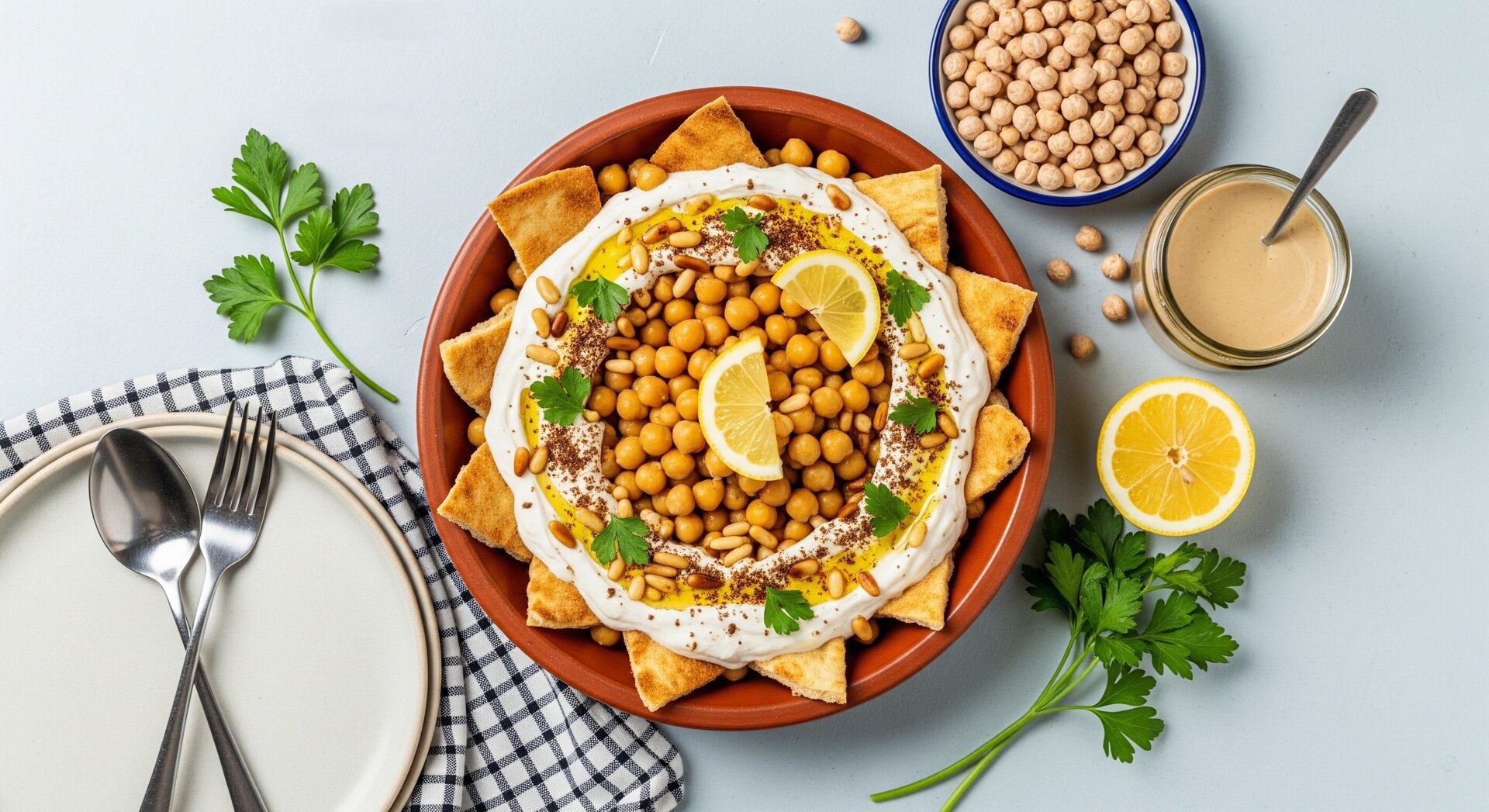 Arabic Fatteh with Chickpeas and Yogurt 25 min Layered Levantine breakfast with crispy bread and tahini
  605 kcal
  24g protein 2 synergies
 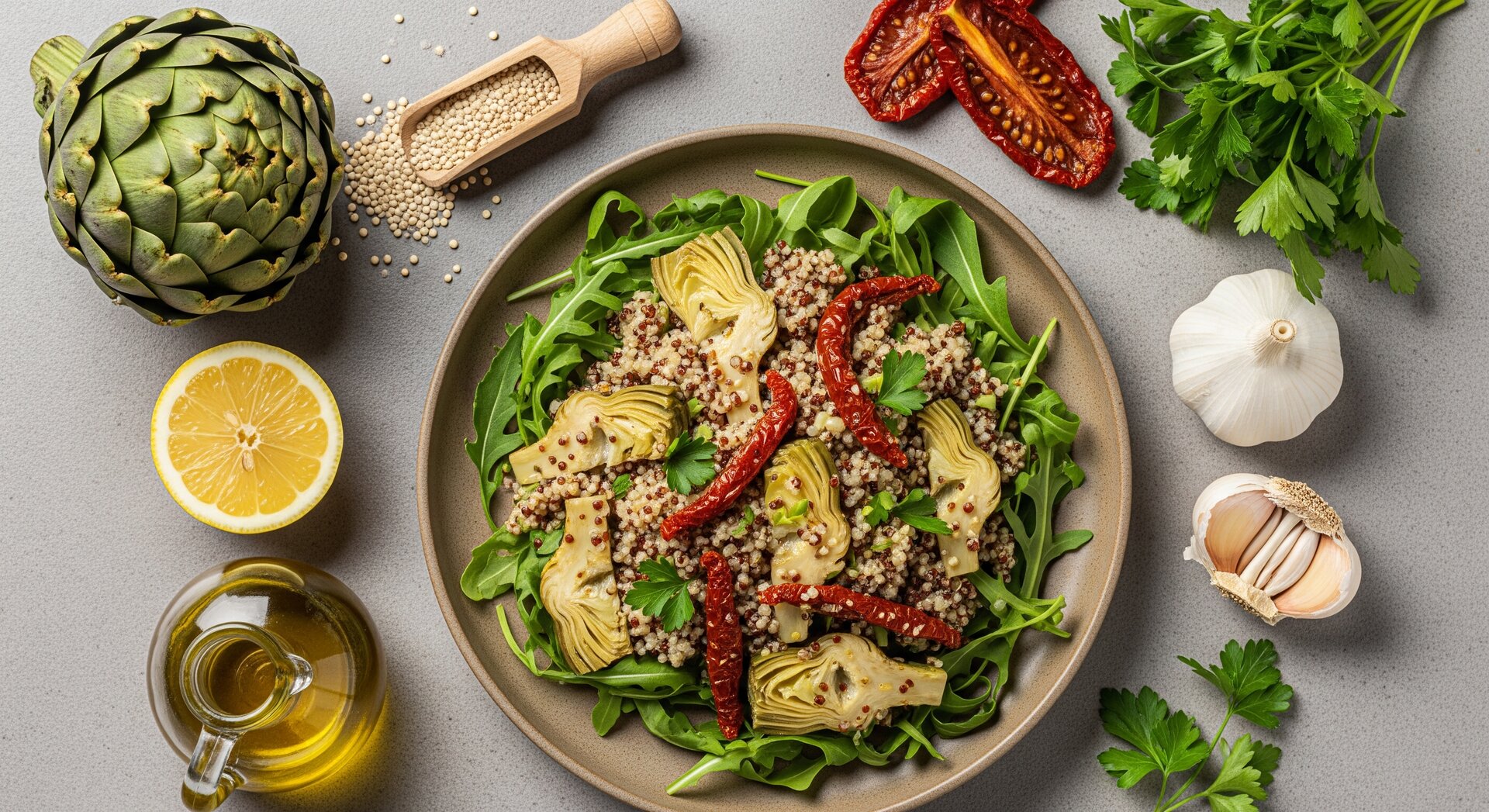 Artichoke Quinoa Lunch 25 min Mediterranean quinoa salad with artichoke 340 kcal 10g protein 2 synergies
 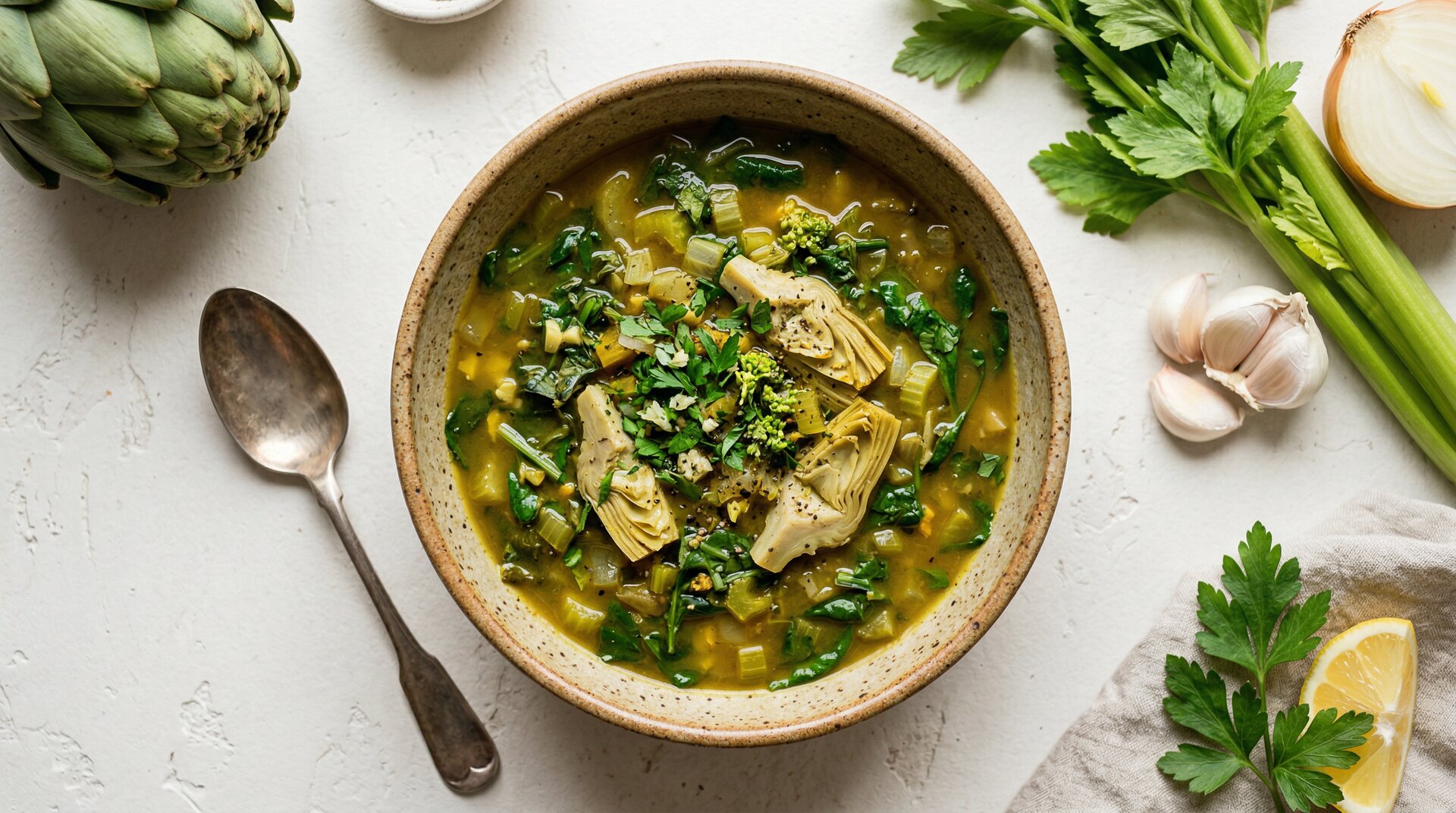 Artichoke Soup with Celery, Spinach and Lemon 36 min Velvety, fresh and gently spiced 121 kcal 3g protein 2 synergies
 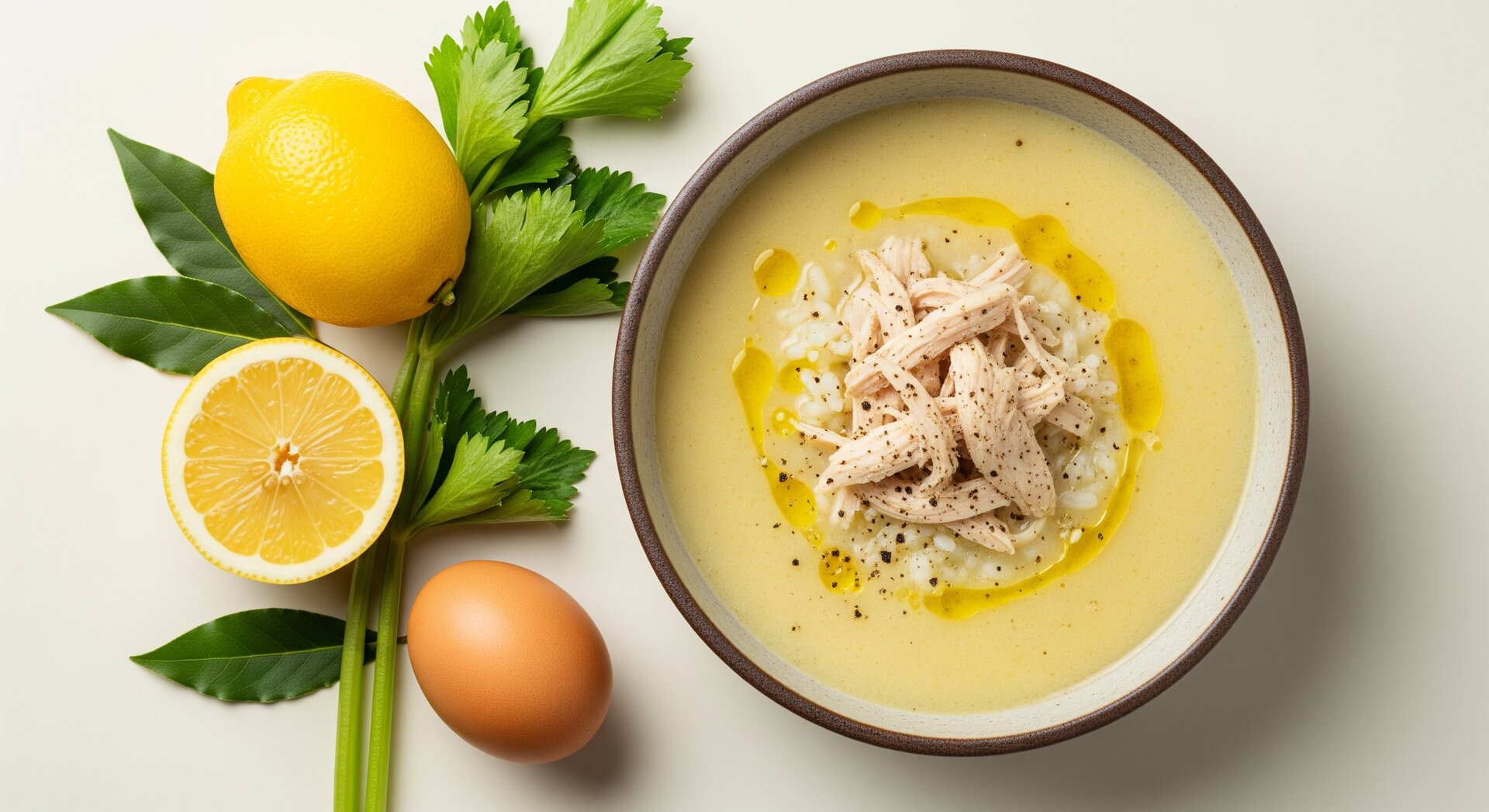 Avgolemono - Greek Lemon-Egg Soup with Chicken 40 min Velvety Greek soup with chicken, rice, lemon and egg 410 kcal 34g protein 3 synergies
 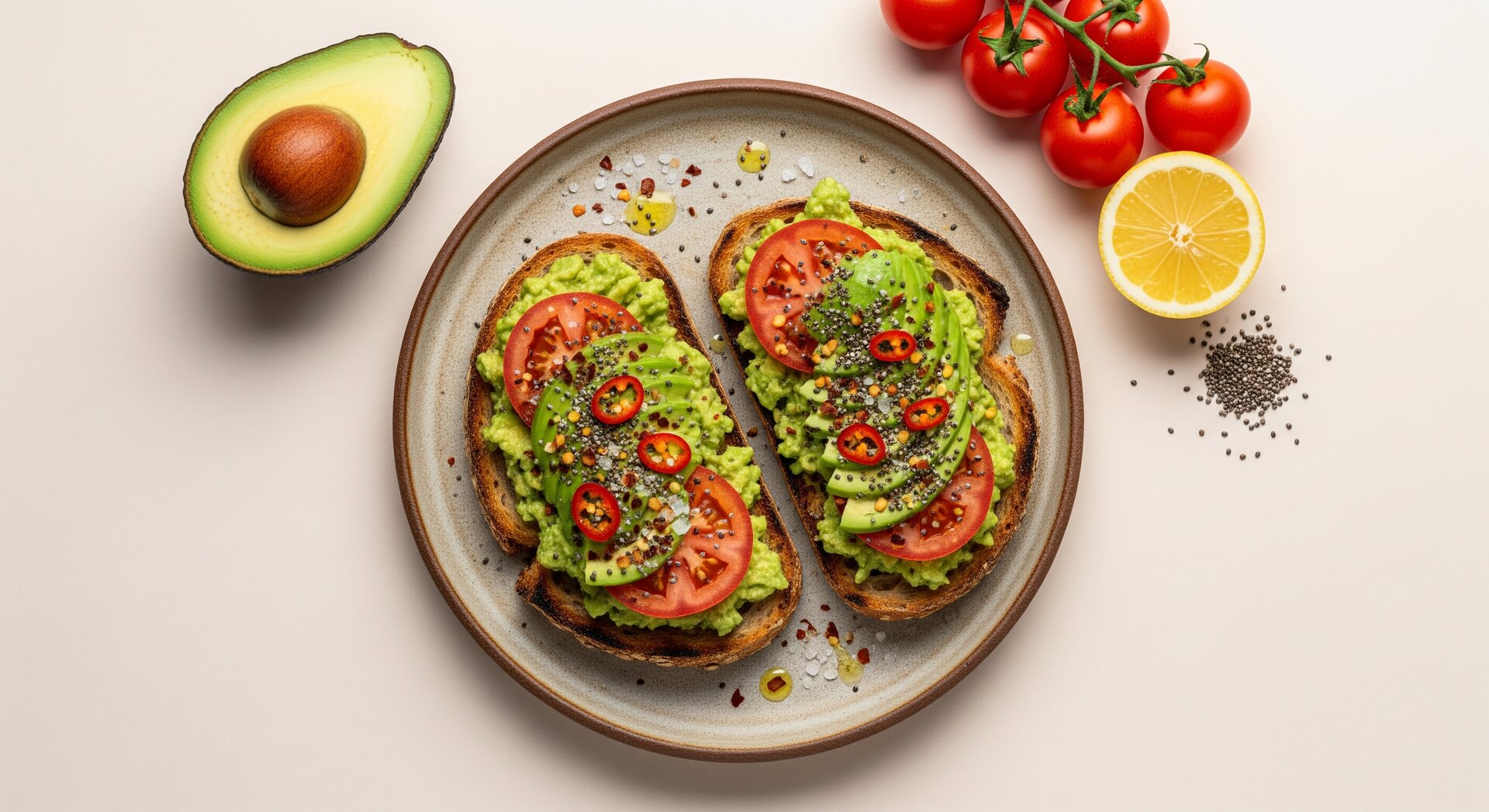 Avocado Toast with Chia Seeds 10 min Whole grain toast with creamy avocado, tomato and chia seeds 340 kcal 8g protein 1 synergies
 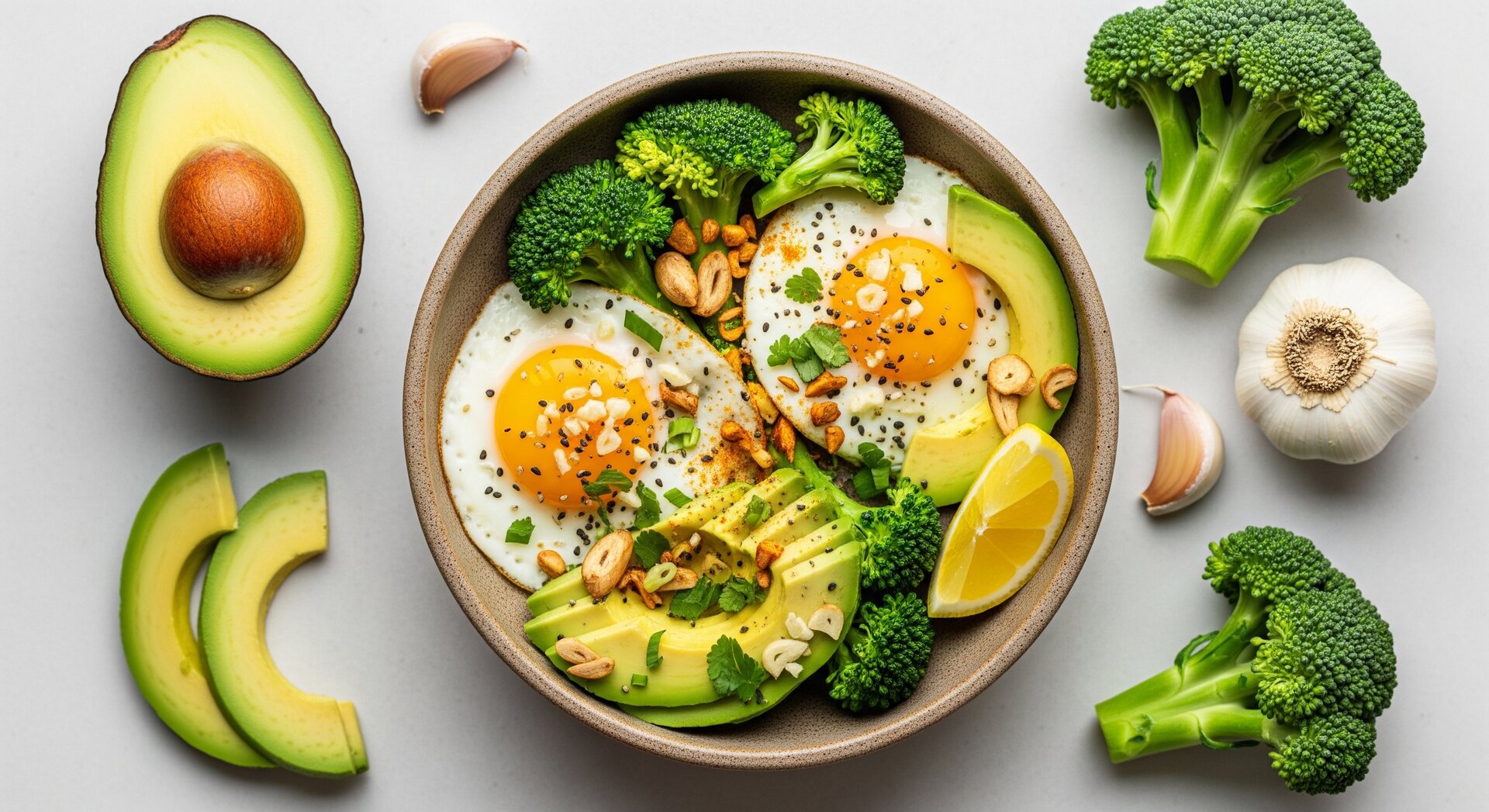 Avocado Eggs with Roasted Broccoli 15 min Golden turmeric and crispy broccoli 365 kcal 16g protein 2 synergies
  In the Kitchen
Storage
Location:Pantry
Shelf life:18-24 maanden (ongeopend), 3-6 maanden (geopend)
Store in a dark bottle, away from heat and light. For extra virgin olive oil, preferably check the harvest date; fresh oil often has a fruity aroma and a light peppery tingle.
Preparation
Suitable for raw use, dressings, marinades and gentle to moderate cooking around 190-210°C. Use a spoon to measure portions, because olive oil is calorie-dense.
Conversions
Substitutes
Smart preparation
1Use extra virgin olive oil raw for the most pronounced flavor; choose a milder oil when you do not want an olive aroma.
Why?
The fruity, grassy and peppery notes stand out most in cold preparations such as salads, dips and bread.
2Store olive oil in a dark bottle away from light and away from the stove.
Why?
Light and heat accelerate oxidation, making the oil go rancid faster and taste flatter.
3Taste olive oil on its own to assess quality: fresh extra virgin oil is often fruity, mildly bitter and peppery in the throat.
Caution / Warnings
Olive Oil is very safe, but there are scientific considerations:
Gallstones Moderate
High-fat meals make the gallbladder contract more strongly. With existing gallstones, this may trigger discomfort or an attack.
Advice:
Use fats in small amounts and discuss personal tolerance with a doctor or dietitian if you have gallstones.
Weight Management Moderate
Olive oil is calorie-dense: 100 ml provides 884 kcal. Even a high-quality oil therefore counts toward total energy intake.
Advice:
Do not pour blindly from the bottle; measure with a tablespoon or teaspoon if you want to keep portions precise.
Quality Fraud Moderate
Some oil sold as extra virgin may be older, poorly stored or blended with cheaper oil.
Advice:
Prefer a dark bottle, check the harvest date and use the oil within a few months after opening for the best flavor.
Traditional use
Mediterranean
Olive Oil in Mediterranean Civilization
Olive oil has been a staple in Mediterranean cultures for more than 5,000 years. It was used as food, lamp oil, body-care oil and as part of religious and social rituals.
Islamic tradition
Olive Oil in Islamic Tradition
The olive tree is mentioned in the Quran as a blessed tree. In Islamic food cultures, olive oil therefore has a special place as food, flavoring and body-care oil.
Summary
Extra virgin olive oil is an aromatic foundation of Mediterranean cooking. It mainly contains monounsaturated fats, plus vitamin E and vitamin K. Use it raw over salads, bread and vegetables, or with gentle to moderate heat. Pay attention to quality: a dark bottle, recent harvest date and fresh fruity taste make a big difference.