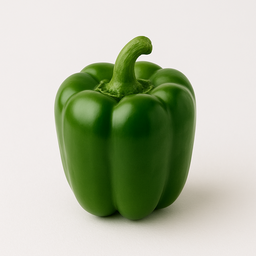
Bell Pepper
Colorful Vitamin C Source
What is this ingredient?
All bell peppers start green and ripen to yellow, orange and finally red. This ripening process significantly increases vitamin C and beta-carotene content. Red bell pepper contains up to 3x more vitamin C than green bell pepper.
Expert Tip: For the most nutritional value, choose red bell pepper. For a milder taste or crunchiness in dishes, green bell pepper also works fine.
How does it taste?
Sweet, juicy and mild with a bright, fruity flavor. Roasting adds smokiness.
Pairs well with:
Pairs well with goat cheesehummusgarlicbasil and olive oil.
Did you know...?
- Bell peppers contain more vitamin C than oranges, especially the red variety.
- Columbus brought peppers to Europe and called them 'peppers' due to confusion with black pepper.
Nutritional Value & Energy
Per 100g
Bell Pepper is low in calories thanks to natural nutrients .
Per 100g
Minerals
Vitamins
Omega-3 fatty acids
More nutrients
B-Vitamins
Trace Minerals
What's in a serving?
1 serving
Bell Pepper naturally contains vitamin c (80 mg per 100 g).
% of daily reference intake (DRI)
EU-approved nutrition claims
This ingredient contains nutrients for which EFSA-authorized health claims exist (at nutrient level, not ingredient-specific).
Approved health claims (EU)
Vitamin_c EU 432/2012
Vitamin C contributes to the normal function of the immune system
Contains 80mg/100g (threshold: ≥12mg/100g)
Vitamin_c EU 432/2012
Vitamin C contributes to the reduction of tiredness and fatigue
Contains 80mg/100g (threshold: ≥12mg/100g)
Vitamin_c EU 432/2012
Vitamin C contributes to normal collagen formation for the normal function of skin
Contains 80mg/100g (threshold: ≥12mg/100g)
Vitamin_c EU 432/2012
Vitamin C contributes to normal collagen formation for the normal function of blood vessels
Contains 80mg/100g (threshold: ≥12mg/100g)
Vitamin_c EU 432/2012
Vitamin C contributes to normal collagen formation for the normal function of bones
Contains 80mg/100g (threshold: ≥12mg/100g)
Vitamin_c EU 432/2012
Vitamin C contributes to normal collagen formation for the normal function of cartilage
Contains 80mg/100g (threshold: ≥12mg/100g)
Vitamin_c EU 432/2012
Vitamin C contributes to normal collagen formation for the normal function of gums
Contains 80mg/100g (threshold: ≥12mg/100g)
Vitamin_c EU 432/2012
Vitamin C contributes to normal collagen formation for the normal function of teeth
Contains 80mg/100g (threshold: ≥12mg/100g)
Vitamin_c EU 432/2012
Vitamin C contributes to normal energy-yielding metabolism
Contains 80mg/100g (threshold: ≥12mg/100g)
Vitamin_c EU 432/2012
Vitamin C contributes to normal functioning of the nervous system
Contains 80mg/100g (threshold: ≥12mg/100g)
Vitamin_c EU 432/2012
Vitamin C contributes to normal psychological function
Contains 80mg/100g (threshold: ≥12mg/100g)
Vitamin_c EU 432/2012
Vitamin C contributes to the protection of cells from oxidative stress
Contains 80mg/100g (threshold: ≥12mg/100g)
Vitamin_c EU 432/2012
Vitamin C contributes to the regeneration of the reduced form of vitamin E
Contains 80mg/100g (threshold: ≥12mg/100g)
Vitamin_c EU 432/2012
Vitamin C increases iron absorption
Contains 80mg/100g (threshold: ≥12mg/100g)
Vitamin_c EU 432/2012
Vitamin C contributes to maintain the normal function of the immune system during and after intense physical exercise
Contains 80mg/100g (threshold: ≥12mg/100g)
Comparison
vssinaasappel
Bell Pepper contains about 2× more vitamin C per 100g than orange.
What's being researched?
Vitamin C and carotenoids
Bell pepper contains high concentrations of vitamin C and various carotenoids being studied for their combined antioxidant activity. Studies confirm high bioavailability of vitamin C from bell pepper.
Supported by: [1] Carr (2017)
Carotenoids and skin protection
Carotenoids in bell pepper are being studied for potential protective effects against UV skin damage. Observational studies show associations with a carotenoid-rich diet.
Supported by: [1] Carr (2017)
Good Combinations (Synergy)
Combine bell pepper smartly to enhance the effect:
Bell Pepper 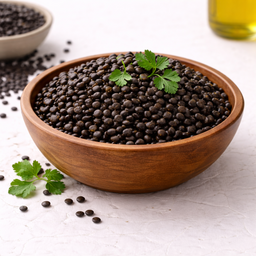 Beluga Lentils
 Vitamin C increases iron absorption from lentils up to 6x
Technical: Beluga lentils contain 8mg non-heme iron per 100g — one of the highest levels among legumes. Non-heme iron in Fe³⁺ form is barely absorbed (5-12%). Bell pepper contains up to 128mg vitamin C per 100g (red pepper) that reduces Fe³⁺ to Fe²⁺, the bioavailable form. This can increase iron absorption by 400-600%.
What does this mean for you? Always add colored bell pepper to your lentil dishes — dice them raw into a warm lentil salad or cook them into a stew. Red pepper is most effective due to the highest vitamin C content.
Bell Pepper 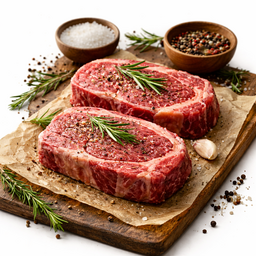 Beef Steak
 6x better iron absorption through vitamin C
Technical: Steak contains 2.6mg heme iron per 100g — the most absorbable form of iron (15-35% absorption vs. 5-12% for non-heme). Yet vitamin C from bell pepper (128mg per 100g red pepper) can further increase total iron absorption by also activating non-heme iron in meat and stimulating ferroportin expression. Studies show 3-6x higher total iron uptake.
What does this mean for you? Add bell pepper to your steak — as salad, roasted side dish or in a stir-fry. Red pepper has the most vitamin C, but yellow and green work too. Perfect for athletes and iron deficiency.
Bell Pepper 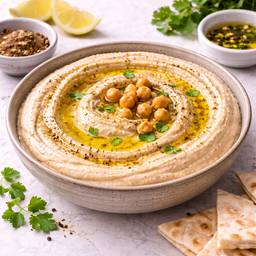 Hummus
 Fats in hummus increase beta-carotene absorption 4x
Technical: Hummus contains tahini (sesame fat) and olive oil — two fat sources that increase carotenoid absorption. Carrot contains 8285μg beta-carotene, bell pepper 2094μg — both fat-soluble with only 5-10% absorption without fat. The fat in hummus increases beta-carotene absorption up to 4x, making more provitamin A available.
What does this mean for you? Dip carrots and bell peppers in hummus as a snack. The fats from tahini and olive oil in the hummus ensure you get 4x more vitamins from the vegetables.
Bell Pepper 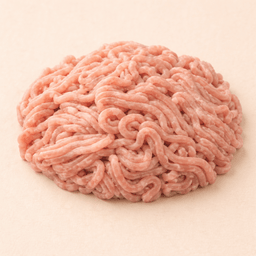 Turkey Mince
 Vitamin C enhances iron absorption from turkey meat
Technical: Turkey mince contains heme iron (approx. 1.4mg/100g) absorbed at 15-35%, plus non-heme iron that is poorly absorbed. Vitamin C from bell pepper (128mg/100g red pepper) reduces non-heme iron from Fe³⁺ to the bioavailable Fe²⁺ form and stimulates ferroportin expression. Additionally, turkey provides B6 (0.5mg/100g) supporting hemoglobin synthesis — giving the iron a direct destination.
What does this mean for you? Cook turkey mince with bell pepper for an iron-rich meal. The vitamin C from pepper maximizes iron absorption, while B6 from turkey directly deploys the iron for oxygen transport.
Bell Pepper 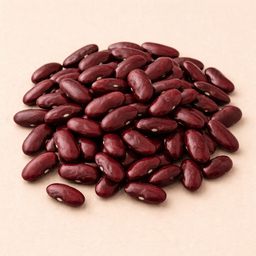 Kidney beans
 Vitamin C increases iron absorption from kidney beans up to 6x
Technical: Kidney beans contain 2.9mg non-heme iron per 100g (cooked). Non-heme iron in Fe³⁺ form is poorly absorbed (5-12%). Bell pepper contains up to 128mg vitamin C per 100g (red pepper) that reduces Fe³⁺ to Fe²⁺, the bioavailable form. Additionally, vitamin C neutralizes phytates in beans that inhibit iron absorption. This can increase iron uptake by 400-600%.
What does this mean for you? Always add bell pepper to your chili or bean salad. Good to know: vitamin C increases iron absorption (EFSA-approved).
Bell Pepper 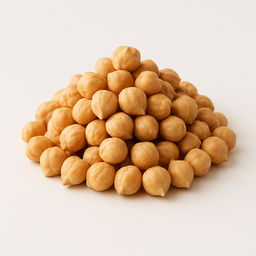 Chickpeas
 Vitamin C increases iron absorption from chickpeas
Technical: Chickpeas (base of hummus) contain 2.9mg non-heme iron per 100g with high phytate concentration. Red bell pepper provides 128mg vitamin C per 100g — the highest of all vegetables. This reduces Fe³⁺ to Fe²⁺ and completely overcomes phytate inhibition. The combination increases iron absorption by factor 4-6.
What does this mean for you? Dip red bell pepper strips in hummus — this isn't just a popular snack but also nutritionally optimal. The pepper provides the vitamin C needed to absorb iron from the chickpeas. Yellow pepper also works well (183mg vitamin C).
Bell Pepper 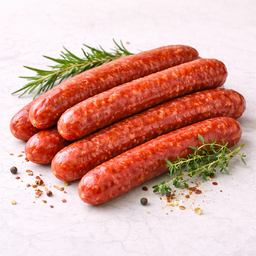 Merguez
 Vitamin C increases iron absorption from merguez 3x
Technical: Merguez (North African lamb sausage) contains 2.5mg heme iron per 100g with high bioavailability (15-35%). The spices in merguez (harissa, cumin, coriander) already contain some antioxidants. Bell pepper adds 128mg vitamin C per 100g that further increases iron absorption and also activates non-heme iron. Tomato provides lycopene (protects fat oxidation) plus organic acids.
What does this mean for you? Serve merguez with grilled bell pepper and tomatoes — exactly as in North African cuisine. The vegetables increase your iron absorption and offer antioxidant protection when grilling the sausage. Classic in couscous royale and shakshuka.
Bell Pepper 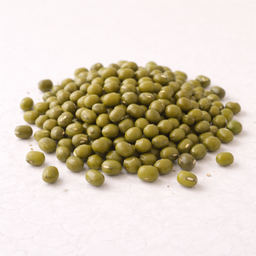 Mung Beans
 Vitamin C from bell pepper increases iron absorption from mung beans up to 4x
Vitamin C increases non-heme iron absorption and overcomes phytate inhibition (PMID: 2507689)
Technical: Mung beans contain 1.4mg iron per 100g cooked, but also phytic acid that blocks mineral absorption. Red bell pepper contains 128mg vitamin C per 100g (213% RDI!) which reduces Fe³⁺ to the more absorbable Fe²⁺. Additionally, vitamin C forms chelates that bypass phytate binding. Studies show 3-4x higher iron absorption.
What does this mean for you? Always add colored bell pepper to dishes with mung beans — think stir-fries, salads or curries. That extra pepper makes the difference between 'I eat healthy' and 'my body actually absorbs those nutrients'.
Bell Pepper 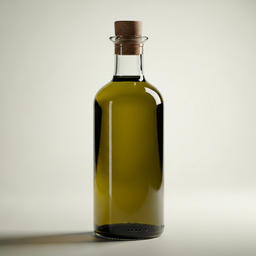 Olive Oil
 Fat improves carotenoid absorption from bell pepper
Technical: Red bell pepper contains 3131μg beta-carotene and 51μg lutein per 100g, plus 127mg vitamin C (211% RDI). Carotenoids are fat-soluble — without fat only 3-5% is absorbed. Olive oil increases bioavailability to 15-20% through micelle formation in the small intestine.
What does this mean for you? Roast bell pepper with olive oil or make a salad with olive oil dressing. Red pepper contains 10x more carotenoids than green — choose red for maximum effect.
Bell Pepper 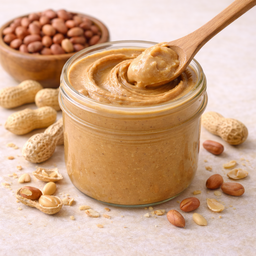 Peanut Butter
 Fat from nut butter increases carotenoid absorption by 3-6x
Technical: Carotenoids (beta-carotene, lutein, lycopene) in vegetables are fat-soluble and poorly absorbed without fat (5-10%). Nut butters contain 50-60g fat per 100g. Just 3-5g fat (1 tablespoon nut butter) increases carotenoid absorption to 30-60% — a 3-6x improvement. This applies to carrot, bell pepper, spinach and other colorful vegetables.
What does this mean for you? Dip veggie sticks in peanut butter or almond butter. The fat from the nut butter ensures your body absorbs 3-6x more vitamins from the vegetables.
Bell Pepper 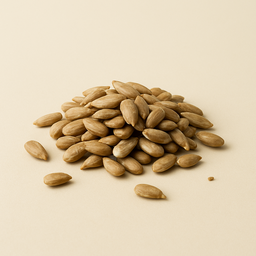 Sunflower Seeds
 Vitamin E enhances vitamin C recycling for longer antioxidant action
Technical: Sunflower seeds contain 35mg vitamin E per 100g (233% RDI) — the highest concentration of all seeds. Bell pepper provides 128mg vitamin C per 100g (160% RDI). Vitamin E and C work in a redox cycle: vitamin C regenerates oxidized vitamin E (tocopheryl radical → tocopherol) via ascorbate-dependent reduction. This extends antioxidant duration by 40-60%. Sunflower seeds also provide selenium (53μg/100g) activating glutathione peroxidase.
What does this mean for you? Sprinkle sunflower seeds over a bell pepper salad. Vitamin E and C recycle each other — you get longer-lasting antioxidant protection than from either alone. Perfect for skin health and immune system.
Recipes with Bell Pepper
Discover delicious recipes featuring bell pepper:
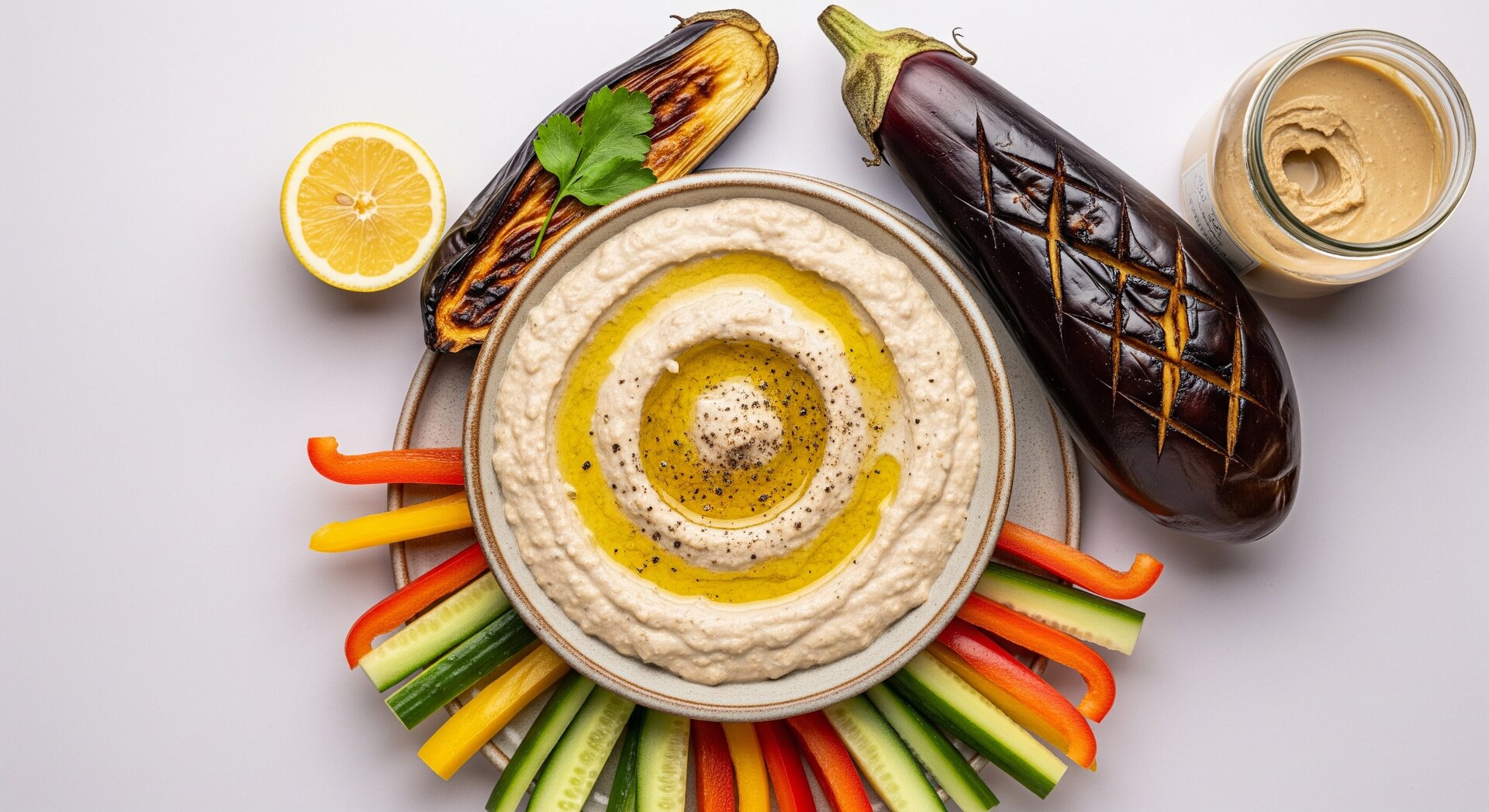 Baba Ganoush with Vegetable Sticks 40 min Roasted eggplant dip with fresh vegetables
  216 kcal
  5g protein 1 synergies
 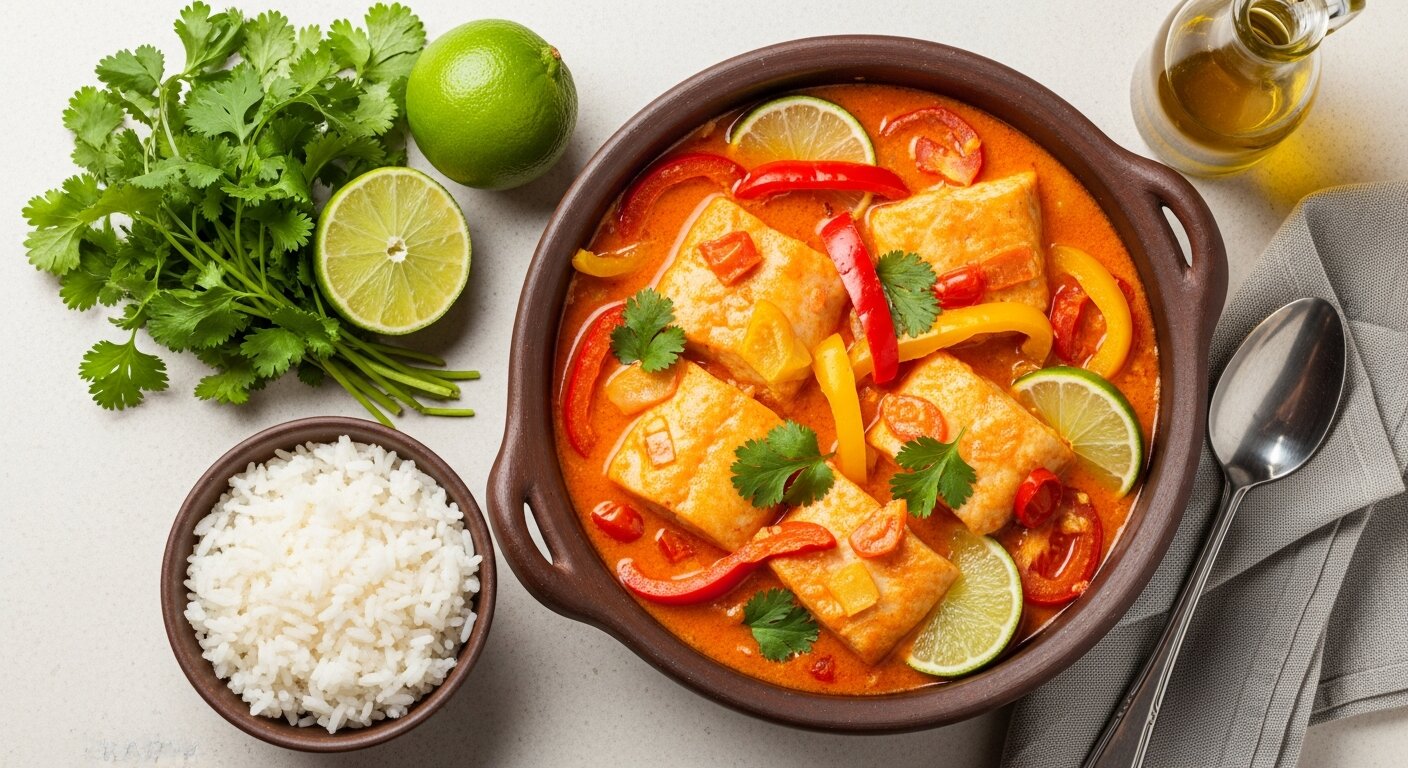 Brazilian Moqueca with White Fish 45 min Creamy coconut fish stew with bell peppers, tomato and lime 420 kcal 32g protein 2 synergies
 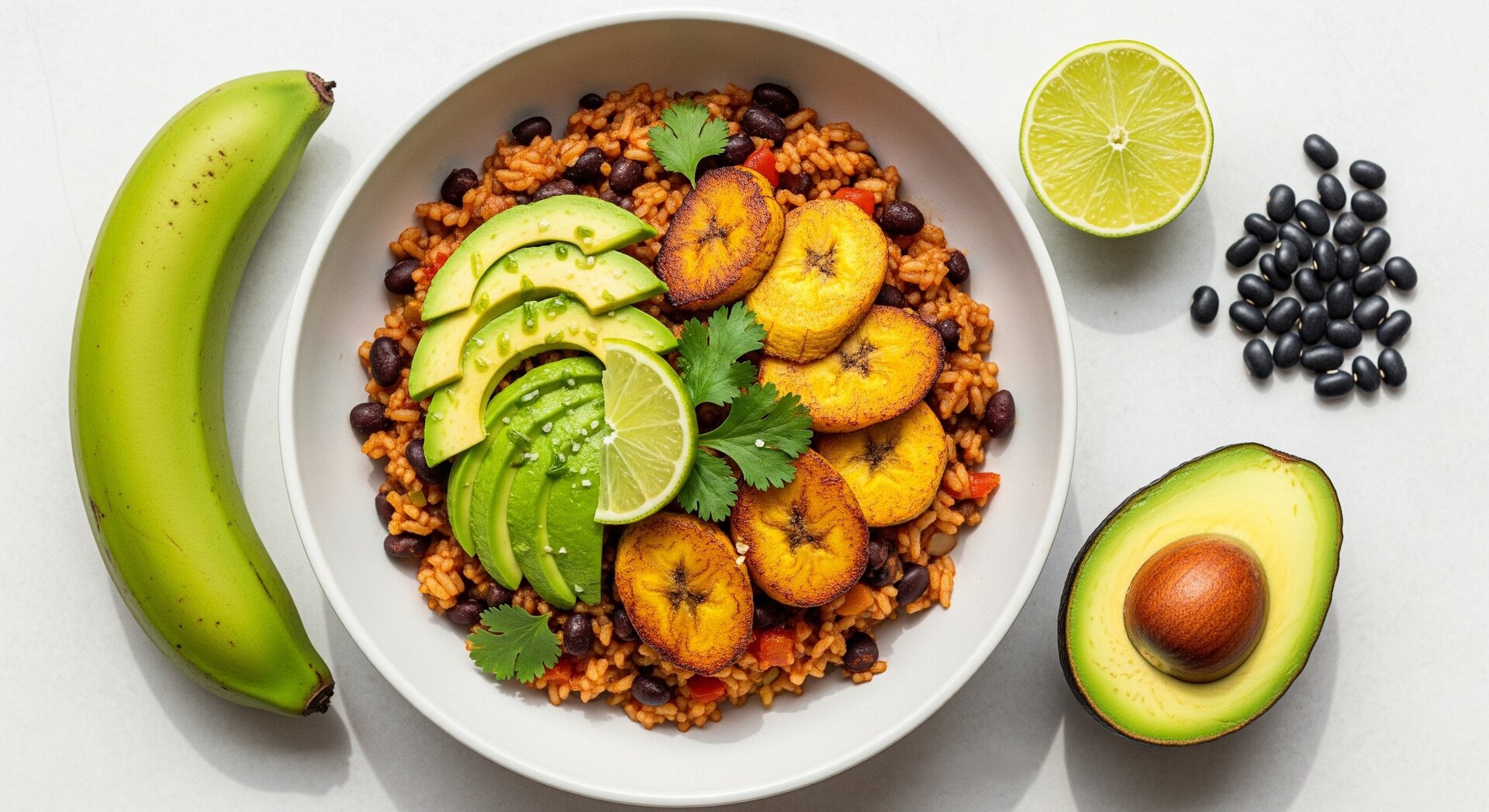 Cuban Moros y Cristianos Bowl 40 min Black beans and rice with sofrito, avocado and plantain 750 kcal 19g protein 2 synergies
 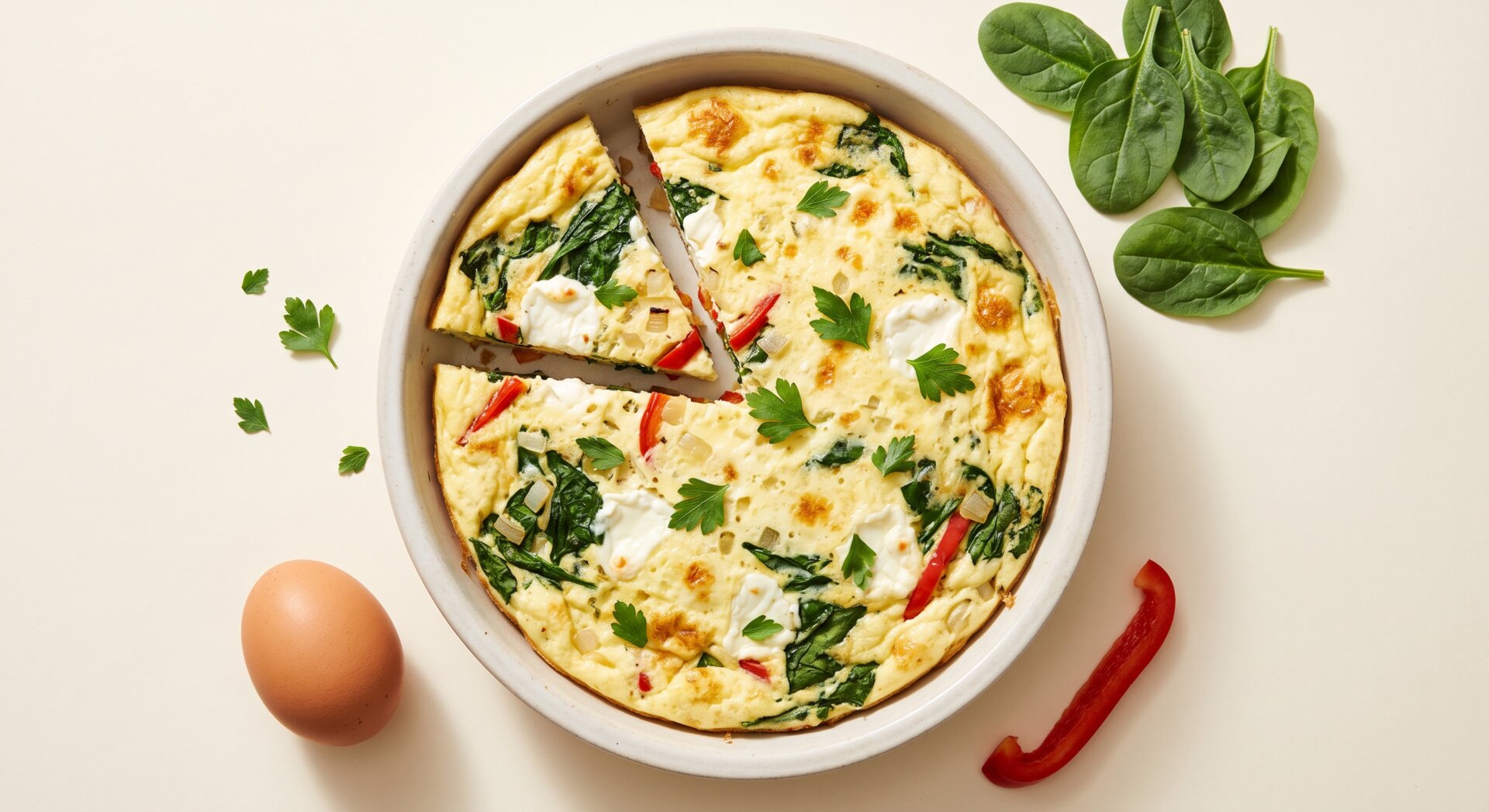 Egg White Frittata with Vegetables 30 min Fluffy frittata with spinach, bell pepper and soft goat cheese 280 kcal 32g protein 1 synergies
 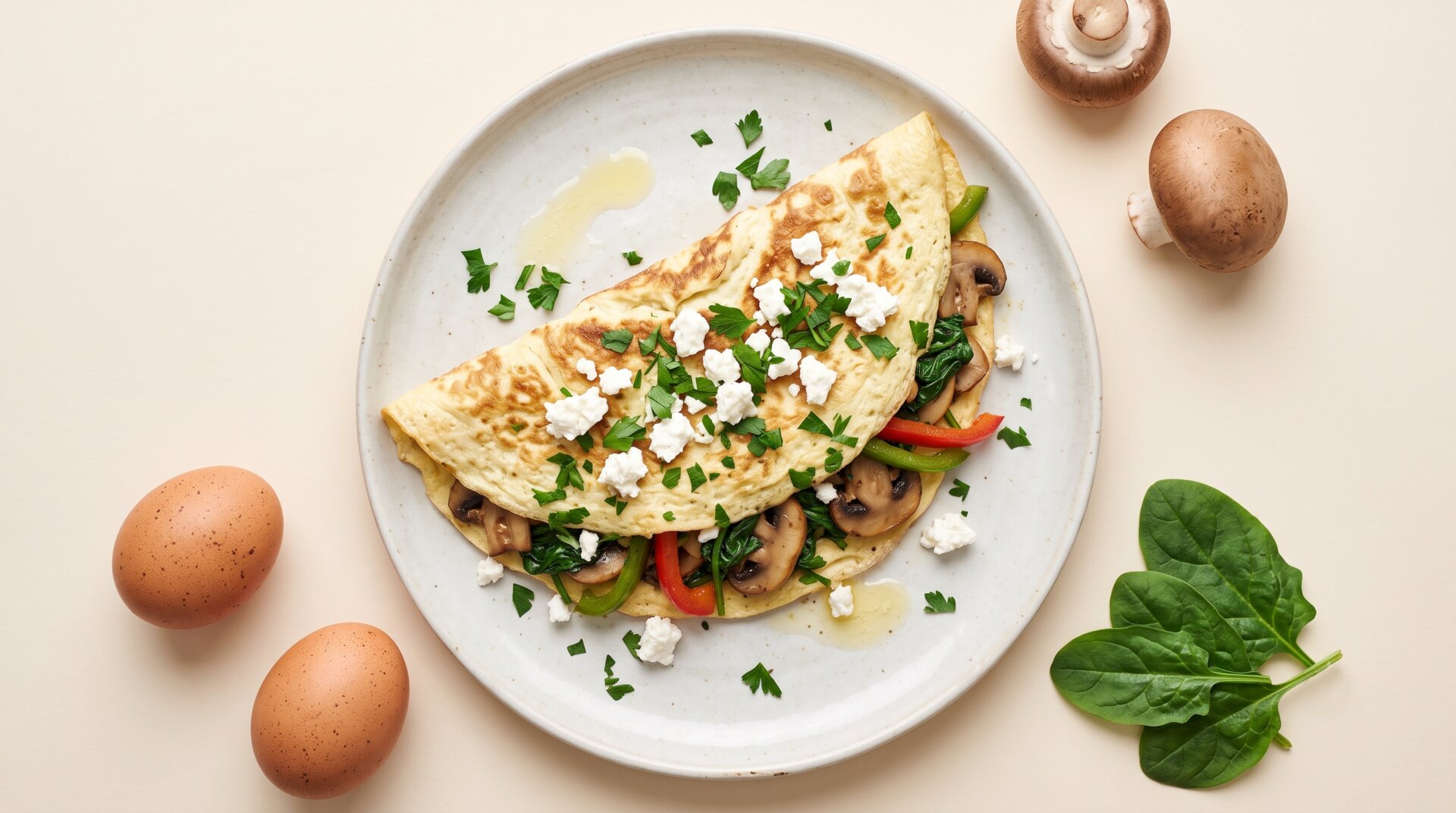 Protein Vegetable Omelet 20 min Creamy omelet with mushrooms, spinach and crumbled feta 420 kcal 28g protein 2 synergies
 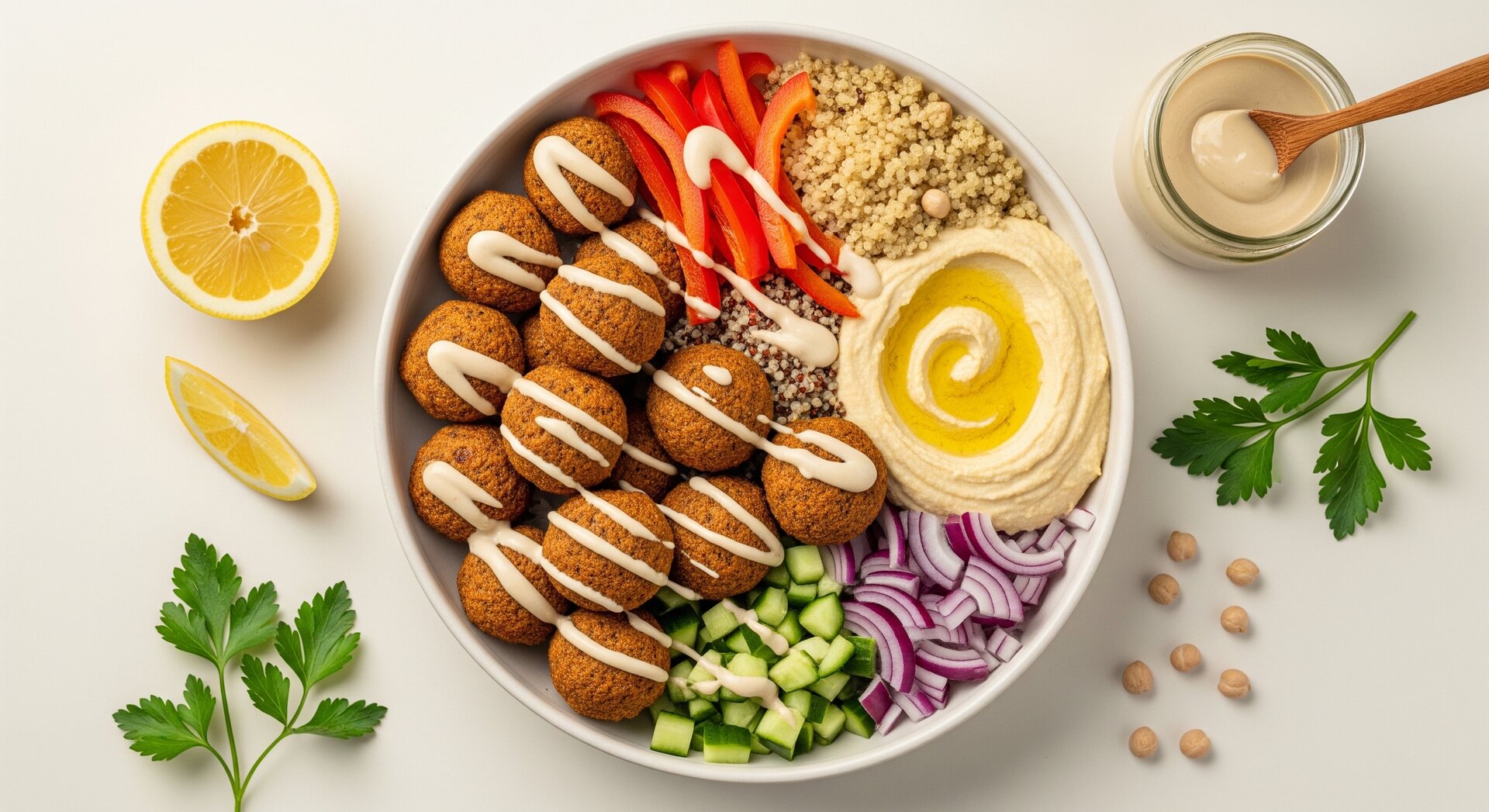 Falafel Bowl with Hummus and Tahini Dressing 25 min Mediterranean bowl with warm and fresh layers 946 kcal 32g protein 2 synergies
  In the Kitchen
Storage
Location:Refrigerator
Shelf life:1-2 weken
Store unwashed in crisper drawer
Preparation
Raw, roasted, stir-fried or grilled
Conversions
Substitutes
Smart preparation
1Roast bell pepper under the broiler until the skin chars black.
Why?
Charred skin peels off easily and gives a smoky flavor.
2Steam roasted bell pepper in a sealed plastic bag.
Why?
The steam makes peeling the skin much easier.
3Cut bell pepper into strips by first removing top and bottom.
Caution / Warnings
Bell Pepper is very safe, but there are scientific considerations:
Nightshade Sensitivity Moderate
Bell pepper belongs to the nightshade family
Advice:
Some people with autoimmune diseases react to nightshades
Traditional use
Indigenous
Central American origin crop
Bell peppers were cultivated in Central America for over 7500 years. After the Spanish conquest, peppers spread to Hungary, where they became a national symbol.
Summary
Bell peppers are versatile and rich in vitamin C. Color matters: red pepper is most nutritious, green is least sweet. Combine with a fat source for better carotenoid absorption.