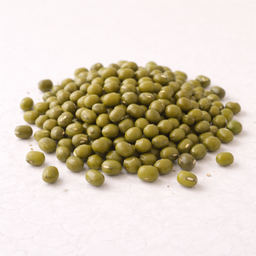
Mung Beans
Light legume for bowls and curries
What is this ingredient?
Mung beans (Vigna radiata) are small green legumes widely used in South and Southeast Asian cooking. In dishes they often feel lighter than larger beans, while still providing plant protein, fiber and complex carbohydrates.
## Nutritional value
Cooked mung beans contain about 7 g protein and 7.6 g fiber per 100 g. Their mild flavor works well in dal, soups, curries, salads and meal-prep bowls.
## Low glycemic index
Mung beans have a low glycemic index of around 31. Research on low-GI legumes mainly examines how fiber and resistant starch can influence the glycemic response of a meal. This is diet- and meal-level information, not a medical claim for mung beans alone.
## Flavonoids in the hull
The green hull contains flavonoids such as vitexin and isovitexin. These compounds are studied in laboratory and animal research. For everyday use, it is most practical to rotate whole mung beans or sprouts with other legumes.
## Preparation
Whole mung beans can be soaked for 4-8 hours and usually cook in 20-30 minutes. Hulled mung beans cook faster. Pair with rice or grains for a complete, nourishing meal.
How does it taste?
Mild and lightly sweet with a soft, creamy texture after cooking.
Pairs well with:
Pairs well with gingergarliccoconutturmeric and scallion.
Did you know...?
- Bean sprouts are made from germinated mung beans.
- Mung beans originated in India and have been cultivated for thousands of years.
Nutritional Value & Energy
Per 100g
Mung Beans provides energy thanks to natural nutrients , buffered by fiber.
Per 100g
Minerals
Vitamins
Omega-3 fatty acids
More nutrients
B-Vitamins
Trace Minerals
Low GI means blood sugar doesn't spike quickly.
What's in a serving?
1 serving (dry)
Mung beans naturally contain folate (159 mcg per 100 g).
% of daily reference intake (DRI)
EU-approved nutrition claims
This ingredient contains nutrients for which EFSA-authorized health claims exist (at nutrient level, not ingredient-specific).
Approved health claims (EU)
Folate EU 432/2012
Folate contributes to normal blood formation
Contains 159mcg/100g (threshold: ≥30mcg/100g)
Folate EU 432/2012
Folate contributes to normal amino acid synthesis
Contains 159mcg/100g (threshold: ≥30mcg/100g)
Folate EU 432/2012
Folate contributes to normal homocysteine metabolism
Contains 159mcg/100g (threshold: ≥30mcg/100g)
Folate EU 432/2012
Folate contributes to normal psychological function
Contains 159mcg/100g (threshold: ≥30mcg/100g)
Folate EU 432/2012
Folate contributes to the normal function of the immune system
Contains 159mcg/100g (threshold: ≥30mcg/100g)
Folate EU 432/2012
Folate has a role in the process of cell division
Contains 159mcg/100g (threshold: ≥30mcg/100g)
Folate EU 432/2012
Folate contributes to maternal tissue growth during pregnancy
Contains 159mcg/100g (threshold: ≥30mcg/100g)
What's being researched?
Mung beans and vitexin
The flavonoids vitexin and isovitexin in mung beans are being studied in laboratory and animal research. The findings are interesting, but human evidence remains limited and should not be read as an ingredient-specific health claim.
Supported by: [1] Cao D (2011) , [3] Xie J (2022)
Good Combinations (Synergy)
Combine mung beans smartly to enhance the effect:
Mung Beans 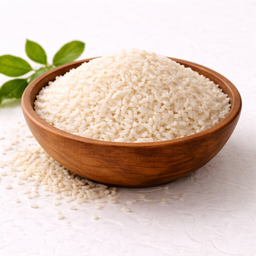 Jasmine Rice
 Complete proteins through amino acid combination
Technical: Rice is low in lysine but high in methionine. Mung beans are high in lysine but low in methionine. Together they form a complete protein profile with all essential amino acids. This is the basis of khichdi (Indian comfort food).
What does this mean for you? Cook rice with mung beans for a complete protein meal without meat. Add turmeric and ginger for classic khichdi - one of the oldest comfort foods in the world.
Mung Beans 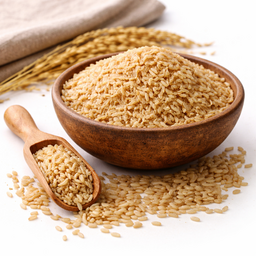 Brown Rice
 Complete protein combination with low glycemic index
Technical: Mung beans are rich in lysine but low in methionine; rice is the opposite. Together they form a complete protein with all 9 essential amino acids. The low GI of mung beans (31) combined with rice results in a lower total glycemic response than rice alone. This is the basis of khichdi, a traditional Indian comfort food.
What does this mean for you? Combine mung beans with rice for a complete protein meal without meat. You get all the amino acids you need. Perfect for vegetarians, athletes, or just as a healthy meal base.
Mung Beans 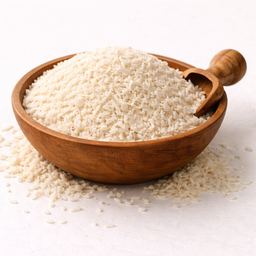 Rice
Rice Complete protein combination with low glycemic index
Technical: Mung beans are rich in lysine but low in methionine; rice is the opposite. Together they form a complete protein with all 9 essential amino acids. The low GI of mung beans (31) combined with rice results in a lower total glycemic response than rice alone. This is the basis of khichdi, a traditional Indian comfort food.
What does this mean for you? Combine mung beans with rice for a complete protein meal without meat. You get all the amino acids you need. Perfect for vegetarians, athletes, or just as a healthy meal base.
Mung Beans 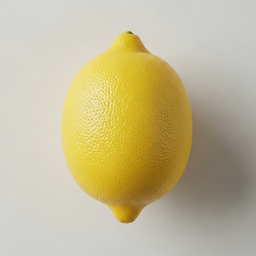 Lemon
Lemon Citrus significantly increases iron absorption from mung beans
Citrus vitamin C improves iron absorption from plant sources (PMID: 2507689)
Technical: Mung beans are 'light' legumes with 1.4mg non-heme iron per 100g. Lemon (53mg vitamin C) and lime (29mg) convert the poorly absorbable Fe³⁺ to Fe²⁺. This effect is cumulative with mung beans' low glycemic index (GI 31) — you get stable energy AND better mineral absorption.
What does this mean for you? Squeeze half a lemon or lime over your mung bean dish just before serving. This works perfectly in Asian dishes where mung beans are common.
Mung Beans 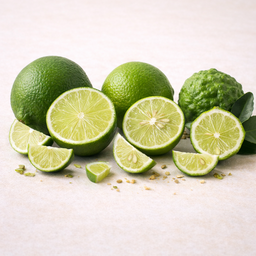 Lime
Lime Citrus significantly increases iron absorption from mung beans
Citrus vitamin C improves iron absorption from plant sources (PMID: 2507689)
Technical: Mung beans are 'light' legumes with 1.4mg non-heme iron per 100g. Lemon (53mg vitamin C) and lime (29mg) convert the poorly absorbable Fe³⁺ to Fe²⁺. This effect is cumulative with mung beans' low glycemic index (GI 31) — you get stable energy AND better mineral absorption.
What does this mean for you? Squeeze half a lemon or lime over your mung bean dish just before serving. This works perfectly in Asian dishes where mung beans are common.
Mung Beans 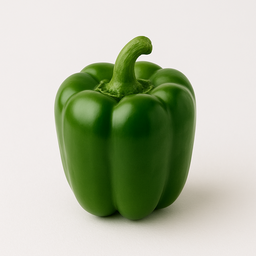 Bell Pepper
 Vitamin C from bell pepper increases iron absorption from mung beans up to 4x
Vitamin C increases non-heme iron absorption and overcomes phytate inhibition (PMID: 2507689)
Technical: Mung beans contain 1.4mg iron per 100g cooked, but also phytic acid that blocks mineral absorption. Red bell pepper contains 128mg vitamin C per 100g (213% RDI!) which reduces Fe³⁺ to the more absorbable Fe²⁺. Additionally, vitamin C forms chelates that bypass phytate binding. Studies show 3-4x higher iron absorption.
What does this mean for you? Always add colored bell pepper to dishes with mung beans — think stir-fries, salads or curries. That extra pepper makes the difference between 'I eat healthy' and 'my body actually absorbs those nutrients'.
Mung Beans 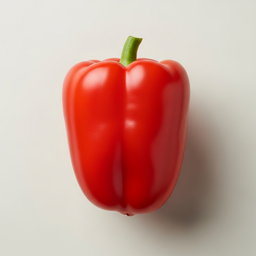 Red Bell Pepper
 Vitamin C from bell pepper increases iron absorption from mung beans up to 4x
Vitamin C increases non-heme iron absorption and overcomes phytate inhibition (PMID: 2507689)
Technical: Mung beans contain 1.4mg iron per 100g cooked, but also phytic acid that blocks mineral absorption. Red bell pepper contains 128mg vitamin C per 100g (213% RDI!) which reduces Fe³⁺ to the more absorbable Fe²⁺. Additionally, vitamin C forms chelates that bypass phytate binding. Studies show 3-4x higher iron absorption.
What does this mean for you? Always add colored bell pepper to dishes with mung beans — think stir-fries, salads or curries. That extra pepper makes the difference between 'I eat healthy' and 'my body actually absorbs those nutrients'.
Recipes with Mung Beans
Discover delicious recipes featuring mung beans:
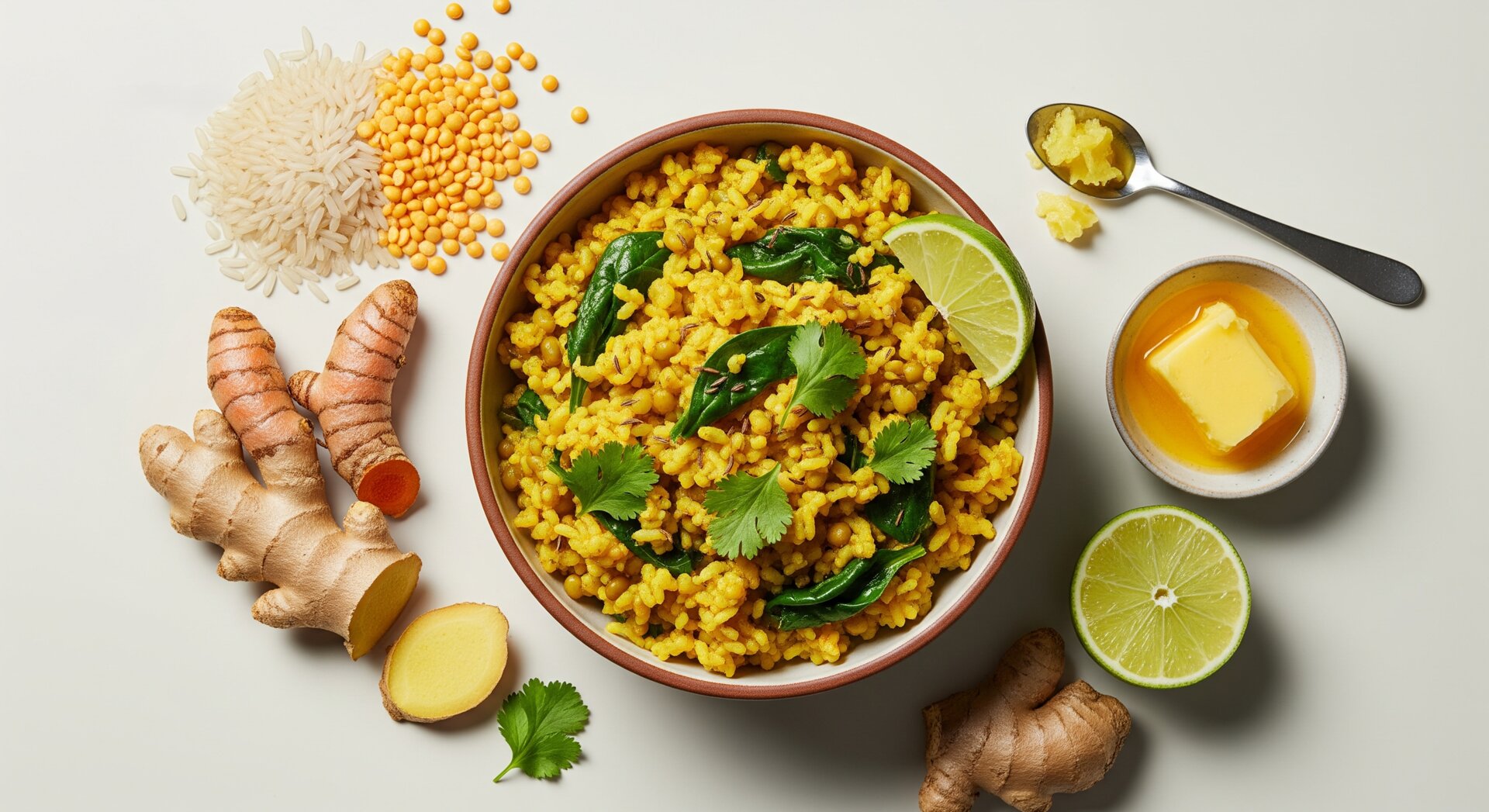 Indian Kitchari 45 min Ayurvedic rice and mung bean dish with warm spices
  320 kcal
  10g protein 2 synergies
 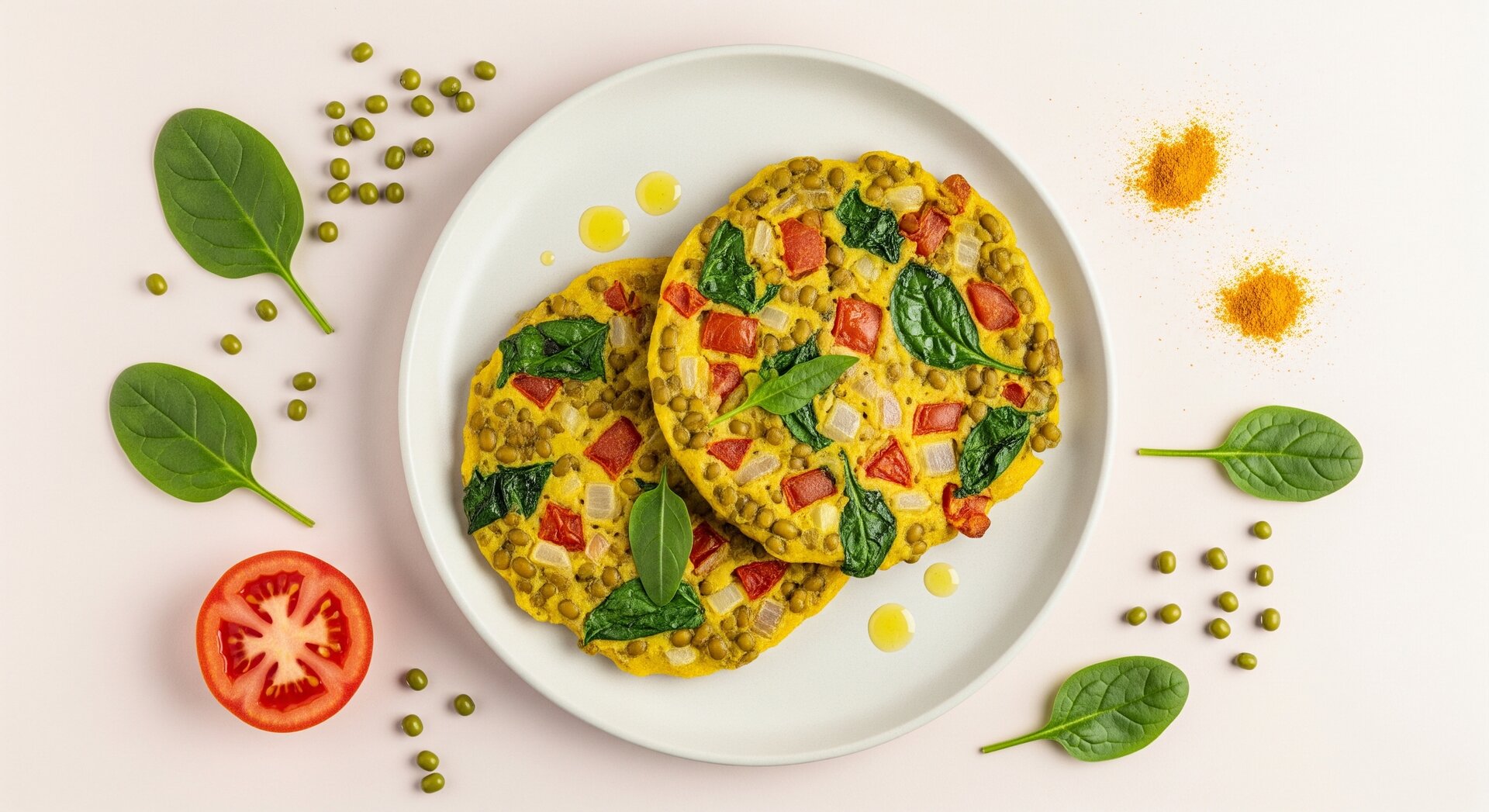 Indian Moong Dal Chilla with Vegetables 30 min Protein-rich Indian pancake from mung beans 223 kcal 10g protein 2 synergies
  In the Kitchen
Storage
Location:Pantry
Shelf life:12-18 maanden (droog)
Store dry and airtight. Always rinse the beans before use.
Preparation
Soak whole mung beans for 4-8 hours if you want a softer texture; cook 20-30 min. Hulled mung beans usually cook in 15-20 min. For sprouts: sprout for 2-4 days and handle hygienically.
Substitutes
Smart preparation
1Soak whole mung beans for 4 hours; hulled mung beans usually do not need soaking.
2Cook whole mung beans for 30-40 min and hulled mung beans for 15-20 min.
3For sprouts: rinse twice daily and keep in the dark.
Caution / Warnings
Mung Beans is very safe, but there are scientific considerations:
Mineral Absorption Mild
Phytic acid can limit iron and zinc absorption; soaking or sprouting can reduce the phytic acid content.
Advice:
Soak or sprout mung beans when you eat them often and pair with vitamin C-rich ingredients such as lemon or bell pepper.
Traditional use
Ayurveda
Mung beans in Ayurveda
In Ayurvedic food culture, mung beans (moong dal) are often used in simple dishes such as kitchari with rice and spices. They are traditionally seen as a light base for everyday meals.
Traditional Chinese Medicine
Mung beans in Chinese cooking
In China, mung beans have been used for centuries in summer soups, desserts and drinks. They are valued for their mild flavor and versatility in both warm and cold preparations.
Summary
Mung beans are mild, protein- and fiber-rich legumes that work well in dal, soups, salads and bean sprouts. They have a low glycemic index and provide folate. Pair them with rice or grains for a complete meal.