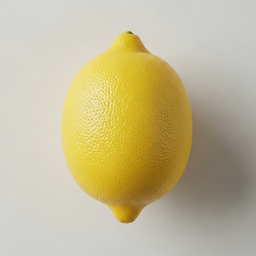
Lemon
Bright citrus fruit with aromatic zest and plenty of vitamin C
What is this ingredient?
Lemon (Citrus limon) is a bright yellow citrus fruit used in kitchens around the world for acidity, freshness, and aroma. The fruit has juice, pulp, and peel: the juice brings lively acidity, the pulp provides fiber, and the yellow outer zest contains fragrant citrus oils that add aroma to dishes, drinks, and sauces.
In nutrition contexts, lemon is often discussed for its vitamin C content and its mix of citric acid, flavonoids, and aromatic peel compounds. Vitamin C increases iron absorption and contributes to the protection of cells from oxidative stress; these are nutrient-level claims for vitamin C, not lemon-specific claims.
Lemon is sometimes described as 'alkalizing' after digestion. In practical terms, food mainly affects urine pH; blood pH remains tightly regulated in healthy people. Use lemon mainly as a culinary flavor booster: a little juice can balance sweetness, reduce the need for salt, and make vegetables, fish, legumes, tea, and dressings taste brighter.
How does it taste?
Sharply acidic and bright with a powerful citrus aroma and a lightly bitter zest.
Pairs well with:
Pairs well with honeythymebuttergarlicparsleyteaand fish.
Did you know...?
- Lemons likely arose from crosses within the citrus family, with roots in Asia.
- The British navy used citrus on long sea voyages because of its vitamin C content; this led to the nickname “limeys”.
Nutritional Value & Energy
Per 100g
Lemon is low in calories thanks to natural nutrients , buffered by fiber.
Per 100g
Minerals
Vitamins
Omega-3 fatty acids
More nutrients
B-Vitamins
Trace Minerals
What's in a serving?
1 serving
Lemon naturally contains vitamin C (53 mg per 100 g).
% of daily reference intake (DRI)
EU-approved nutrition claims
This ingredient contains nutrients for which EFSA-authorized health claims exist (at nutrient level, not ingredient-specific).
Approved health claims (EU)
Vitamin_c EU 432/2012
Vitamin C contributes to the normal function of the immune system
Contains 53mg/100g (threshold: ≥12mg/100g)
Vitamin_c EU 432/2012
Vitamin C contributes to the reduction of tiredness and fatigue
Contains 53mg/100g (threshold: ≥12mg/100g)
Vitamin_c EU 432/2012
Vitamin C contributes to normal collagen formation for the normal function of skin
Contains 53mg/100g (threshold: ≥12mg/100g)
Vitamin_c EU 432/2012
Vitamin C contributes to normal collagen formation for the normal function of blood vessels
Contains 53mg/100g (threshold: ≥12mg/100g)
Vitamin_c EU 432/2012
Vitamin C contributes to normal collagen formation for the normal function of bones
Contains 53mg/100g (threshold: ≥12mg/100g)
Vitamin_c EU 432/2012
Vitamin C contributes to normal collagen formation for the normal function of cartilage
Contains 53mg/100g (threshold: ≥12mg/100g)
Vitamin_c EU 432/2012
Vitamin C contributes to normal collagen formation for the normal function of gums
Contains 53mg/100g (threshold: ≥12mg/100g)
Vitamin_c EU 432/2012
Vitamin C contributes to normal collagen formation for the normal function of teeth
Contains 53mg/100g (threshold: ≥12mg/100g)
Vitamin_c EU 432/2012
Vitamin C contributes to normal energy-yielding metabolism
Contains 53mg/100g (threshold: ≥12mg/100g)
Vitamin_c EU 432/2012
Vitamin C contributes to normal functioning of the nervous system
Contains 53mg/100g (threshold: ≥12mg/100g)
Vitamin_c EU 432/2012
Vitamin C contributes to normal psychological function
Contains 53mg/100g (threshold: ≥12mg/100g)
Vitamin_c EU 432/2012
Vitamin C contributes to the protection of cells from oxidative stress
Contains 53mg/100g (threshold: ≥12mg/100g)
Vitamin_c EU 432/2012
Vitamin C contributes to the regeneration of the reduced form of vitamin E
Contains 53mg/100g (threshold: ≥12mg/100g)
Vitamin_c EU 432/2012
Vitamin C increases iron absorption
Contains 53mg/100g (threshold: ≥12mg/100g)
Vitamin_c EU 432/2012
Vitamin C contributes to maintain the normal function of the immune system during and after intense physical exercise
Contains 53mg/100g (threshold: ≥12mg/100g)
What's being researched?
Vitamin C and iron absorption
Vitamin C in lemon is studied in relation to non-heme iron from plant foods. The authorized nutrient claim is that vitamin C increases iron absorption.
Supported by: [5] Hallberg (1989) , [7] Hemilä (2013) , [8] Green (2007) , [2] Parhiz H (2015)
Citric acid in culinary and nutrition contexts
Citric acid gives lemon its distinctly sour taste and is studied in various nutrition contexts. For everyday use, lemon remains mainly a practical flavor ingredient for drinks, dressings, fish, vegetables, and legumes.
Supported by: [8] Green (2007)
Good Combinations (Synergy)
Combine lemon smartly to enhance the effect:
Lemon 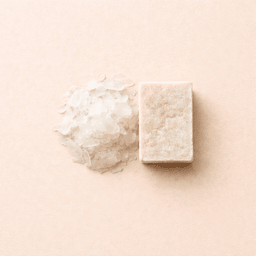 Agar-Agar
 Prebiotic effect + vitamin C for immune system
Agar-oligosaccharides have prebiotic properties and stimulate Bifidobacterium growth
Technical: Agar contains agar-oligosaccharides working prebiotically and stimulating Bifidobacterium. Vitamin C from lemon (53mg/100g) contributes to the normal function of the immune system. Gel formation also slows sugar absorption from any added sweeteners.
What does this mean for you? Lemon agar jelly is a light, prebiotic dessert. Agar fibers feed your gut flora, lemon adds vitamin C.
Lemon 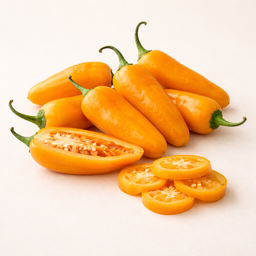 Aji Amarillo
 Peruvian chili + citrus for capsaicin activation and iron
Technical: Aji amarillo contains capsaicin (30,000-50,000 SHU) plus β-carotene (hence the yellow color, 1.2mg/100g). Lemon's vitamin C (53mg) increases β-carotene absorption 2x by preventing oxidative degradation. Capsaicin also stimulates substance P release triggering endorphins. Citric acid subjectively enhances the 'heat sensation' while protecting the stomach from irritation.
What does this mean for you? Aji amarillo with lime/lemon is the base of ceviche and many Peruvian sauces. The citrus not only enhances flavor but also the absorption of antioxidants from the chili.
Lemon 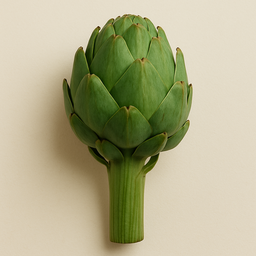 Artichoke
 Vitamin C protects cynarin from oxidation
Technical: Artichoke contains cynarin and chlorogenic acid — polyphenols that rapidly oxidize when exposed to air (browning). Vitamin C from lemon (53mg/100g) acts as a reductant keeping these polyphenols in their active form. Additionally, ascorbic acid enhances cynarin's choleretic effect on bile.
What does this mean for you? Sprinkle artichokes with lemon juice immediately after cutting. This prevents browning and keeps the active compounds intact. Classic in Mediterranean cuisine.
Lemon 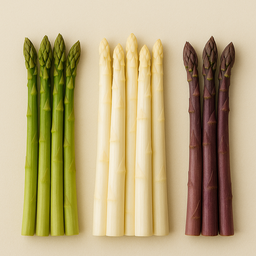 Asparagus
 Vitamin C stabilizes folate and improves iron absorption
Technical: Asparagus is a top folate source (149μg/100g, 37% RDI) and contains 2.1mg non-heme iron per 100g. Folate is unstable and degrades through oxidation. Vitamin C from lemon (53mg/100g) protects folate as antioxidant and reduces Fe³⁺ to Fe²⁺, increasing iron absorption via DMT-1 from 2-5% to 10-15%.
What does this mean for you? Sprinkle asparagus with lemon juice — this protects valuable folate and doubles iron absorption. Folate is essential for cell production and DNA synthesis.
Lemon 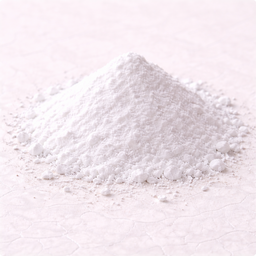 Baking Powder
 Acid-gas reaction for airy pastry without excessive sodium
Technical: Baking powder contains sodium bicarbonate (NaHCO₃) that produces CO₂ gas upon contact with acid for leavening. Citric acid from lemon reacts more efficiently than internal acids in baking powder, requiring less baking powder (less sodium load). 1g citric acid + 1.5g baking powder creates the same rise as 3g baking powder alone. Less sodium = better for blood pressure.
What does this mean for you? Add lemon juice to batter with baking powder for fluffier pancakes or muffins with less baking powder. You reduce sodium intake without sacrificing fluffiness.
Lemon 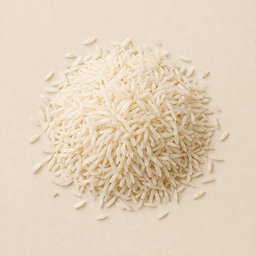 Basmati Rice
 Citric acid lowers glycemic response of rice via starch chelation
Organic acids lower glycemic index of starch-rich foods via amylase inhibition (PMID: 16278426)
Technical: Citric acid from lemon chelates calcium ions that promote amylase activity, slowing starch breakdown and reducing the glycemic index of rice. Upon cooling of acidified rice, extra resistant starch type 3 (retrogradation) forms — up to 2.5x more than without acid. This resistant starch passes undigested to the colon where it serves as a prebiotic.
What does this mean for you? Add lemon juice to (cooled) rice, as in Persian rice dishes. This lowers the blood sugar spike and creates prebiotic fibers — a simple trick with big impact.
Lemon 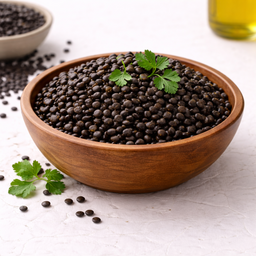 Beluga Lentils
 Citrus significantly increases iron absorption from beluga lentils
Technical: Beluga lentils contain 8mg iron per 100g (cooked), more than other lentils. Lemon (53mg vitamin C) and lime (29mg) reduce Fe³⁺ to Fe²⁺ for better absorption.
What does this mean for you? Make beluga lentil salad with lemon dressing for maximum iron absorption. Perfect for vegetarians.
Lemon 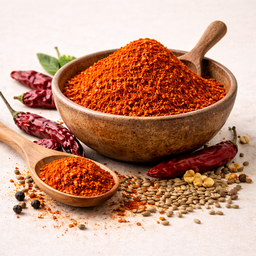 Berbere
 Ethiopian spice blend + vitamin C for iron absorption and immunity
Technical: Berbere contains fenugreek (iron 33.5mg/100g), coriander (iron 16.3mg), cumin (iron 66mg) — spices exceptionally rich in non-heme iron. Lemon's vitamin C reduces Fe³⁺ to Fe²⁺ and increases absorption 3-6x. Capsaicin in berbere's red pepper also improves blood flow to intestinal villi, enlarging the absorption surface. Studies show vitamin C + spice iron is nearly as effective as supplements.
What does this mean for you? Add lemon juice to your Ethiopian dishes with berbere. The spices contain surprisingly much iron that only becomes truly available to your body through the lemon.
Lemon 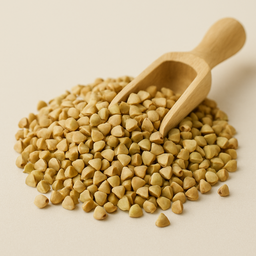 Buckwheat
 Rutin + vitamin C reinforce each other's antioxidant action
Technical: Buckwheat is the richest food source of rutin (25-100mg per 100g), a flavonoid glycoside. Rutin protects vitamin C (ascorbic acid) from oxidative degradation by chelating copper ions that would otherwise oxidize vitamin C. Vitamin C in turn is essential for collagen synthesis in blood vessel walls. Rutin also strengthens capillaries by stabilizing endothelial cells.
What does this mean for you? Serve buckwheat pancakes with a squeeze of lemon or make a buckwheat salad with lemon dressing. The rutin in buckwheat keeps vitamin C active longer in your body, which benefits your blood vessels and skin.
Lemon 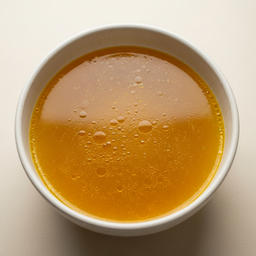 Bone Broth
 CRUCIAL: Vitamin C needed for collagen synthesis
Technical: Bone broth provides collagen peptides (glycine, proline, hydroxyproline) — the building blocks for human collagen. But your body first breaks down these peptides and then must rebuild them. For that reconstruction, prolyl hydroxylase needs vitamin C as a co-factor. Without vitamin C, collagen synthesis literally stops — this is the mechanism behind scurvy.
What does this mean for you? Always drink your bone broth with a squeeze of lemon juice. Without vitamin C, your body cannot reuse the collagen you drink for your joints, skin or tendons. A simple addition that makes all the difference.
Lemon 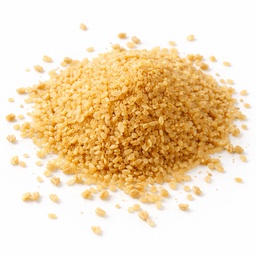 Bulgur
 Citric acid enhances mineral absorption from whole grain bulgur
Technical: Bulgur is pre-steamed cracked wheat that has been partially fermented, reducing its phytate content. The high iron content (2.5mg/100g) is better absorbed thanks to lemon's vitamin C via Fe³⁺ → Fe²⁺ reduction. Parsley in tabbouleh provides additional vitamin C (133mg/100g) for even higher iron absorption.
What does this mean for you? Tabbouleh combines bulgur with lemon and parsley — a traditional salad where the vitamin C from both sources multiplies iron absorption from the bulgur.
Lemon 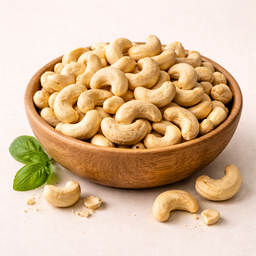 Cashew nuts
 Vitamin C increases iron absorption from cashew nuts up to 6x
Technical: Cashew nuts are a good plant-based source of non-heme iron (6.7mg/100g). Lemon's vitamin C reduces Fe³⁺ to Fe²⁺ in the gut, increasing non-heme iron bioavailability up to 6x. This is especially important in plant-based eating.
What does this mean for you? Add lemon juice to dishes with cashew nuts — it helps your body absorb much more iron, especially important in a plant-based diet.
Lemon 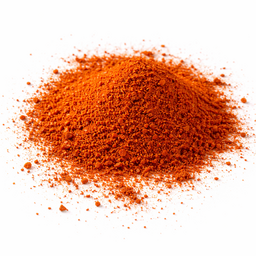 Cayenne Pepper
 TRPV1 activation + vitamin C antioxidant support
Technical: Capsaicin in cayenne pepper activates TRPV1 receptors increasing thermogenesis (heat production). Lemon provides vitamin C (53mg/100ml) that contributes to the protection of cells from oxidative stress and protects capsaicin from oxidation as antioxidant.
What does this mean for you? A squeeze of lemon juice over cayenne-seasoned food gives a powerful flavor profile. The vitamin C protects the capsaicin and contributes to your antioxidant support.
Lemon 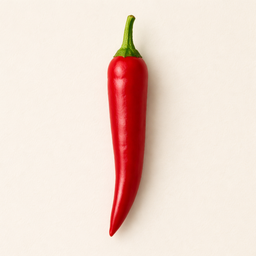 Chili Pepper (Fresh)
 Capsaicin + vitamin C: TRPV1 thermogenesis and carnitine biosynthesis
Technical: Capsaicin activates TRPV1 receptors stimulating thermogenesis (4-5% increased energy expenditure). Vitamin C from lemon (53mg/100g) is cofactor for carnitine biosynthesis — essential for mitochondrial fatty acid transport. Together they influence both thermogenesis (capsaicin) and mitochondrial fatty acid transport (vitamin C).
What does this mean for you? Chili with lemon juice (Mexican hot sauce with lime) combines two bioactive pathways. Capsaicin stimulates via TRPV1 receptors, vitamin C is a building block for carnitine. A spicy combination with scientific backing.
Lemon 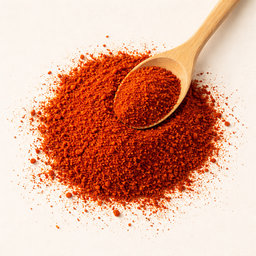 Chili Powder
 Capsaicin + vitamin C for metabolism and immunity
Technical: Chili powder contains capsaicin (0.1-1%) that activates TRPV1 receptors for thermogenesis (+8-10% energy expenditure for 2 hours). Lemon's vitamin C (53mg/100g) is a powerful antioxidant that neutralizes capsaicin-induced oxidative stress. Capsaicin also improves vitamin C bioavailability by temporarily increasing intestinal permeability.
What does this mean for you? Chili-lime juice is popular in Mexican cuisine for good reason. Sprinkle chili powder with lemon juice over fruit, fish or salad for a bright, spicy kick.
Lemon  Chlorella
 Chlorella Growth Factor + vitamin C for chelation and cell building
Technical: Chlorella contains Chlorella Growth Factor (CGF) with nucleotides that support cell repair, plus chlorophyll that binds heavy metals (chelation). Vitamin C from lemon (53mg/100g) enhances renal excretion of chelated metals and supports glutathione regeneration — an important role in phase-II biotransformation.
What does this mean for you? Mix chlorella powder in water or smoothie with lemon juice. Vitamin C enhances chlorella's chelation action and improves taste. Good to know: vitamin C contributes to the normal function of the immune system (EFSA-approved).
Lemon  Avocado
 Prevents oxidation and preserves nutritional value
Technical: Avocado contains polyphenol oxidase (PPO) — an enzyme that upon oxygen exposure oxidizes polyphenols into brown melanins. Vitamin C from lemon (53mg per 100g) is a reductant that inhibits the PPO reaction by reducing quinones back to diphenols as electron donor. Additionally, the low pH (citric acid) protects unsaturated fats (oleic acid) against lipid peroxidation.
What does this mean for you? Always sprinkle cut avocado with lemon juice — this preserves not only the green color but also protects the healthy fats and antioxidants. Works in guacamole, salads and on toast.
Lemon  Parsley
 Double vitamin C for maximum iron absorption
Technical: Lemon contains 53mg vitamin C per 100g, parsley 133mg per 100g. Together they provide excess vitamin C that reduces non-heme iron (from vegetables, grains) from Fe³⁺ to Fe²⁺, increasing absorption 3-6x. Parsley also contains 6.2mg iron per 100g.
What does this mean for you? Use lemon + parsley in tabbouleh, dressings and marinades. The combination maximizes iron absorption, ideal for vegetarians.
Lemon  Crème Fraîche
 Stable sour cream that doesn't curdle when heated
Technical: Crème fraîche has a fat percentage of 30-40%, higher than sour cream (10-20%). This higher fat content stabilizes protein micelles, preventing curdling when heated. Lemon juice (citric acid) lowers pH and adds freshness without destabilizing the protein. Dill contains limonene and carvone, aromatic compounds that give dishes freshness and aroma.
What does this mean for you? Use crème fraîche (not sour cream) in warm sauces with lemon and dill — perfect with fish and potato dishes. The higher fat content prevents curdling when cooking.
Lemon 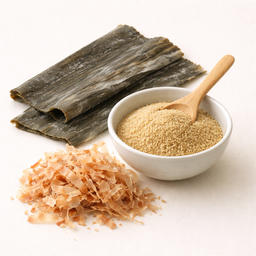 Dashi
Dashi Iodine from kombu + vitamin C for thyroid and immune
Technical: Dashi's kombu contains iodine (1500μg/100g dry, 1000% RDI) essential for T3/T4 thyroid hormone synthesis. Lemon's vitamin C (53mg) is a cofactor for thyroperoxidase (TPO) that organifies iodine in the thyroid. Bonito in dashi also provides selenium (36μg/100g) — essential for T4→T3 conversion by deiodinase enzymes. Vitamin C also protects the thyroid from oxidative damage from H₂O₂ generated during TPO reaction.
What does this mean for you? Add a squeeze of lemon to dashi-based soups for optimal thyroid support. This is scientifically relevant for anyone with thyroid issues or wanting to prevent them.
Lemon 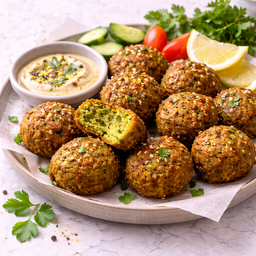 Falafel
 Vitamin C from lemon enhances iron absorption from chickpea falafel
Technical: Falafel (fried chickpea dough) contains 3.4mg non-heme iron per 100g, but phytic acid binds 50-60% of this. Lemon's vitamin C reduces Fe³⁺ to Fe²⁺ and forms soluble iron-ascorbate complexes that bypass phytate binding. Frying falafel already reduces phytate by 20-30% (heat degradation), and lemon triples absorption of the remainder. Together they restore 70-80% of potential iron absorption.
What does this mean for you? Always squeeze lemon over your falafel or use a lemon-tahini dressing. This is standard in Middle Eastern cuisine and makes the iron from chickpeas available.
Lemon 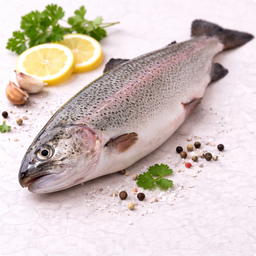 Trout
Trout Vitamin C protects omega-3 fatty acids from oxidation
Technical: Trout contains 1.2g EPA/DHA omega-3 per 100g — polyunsaturated fatty acids with double bonds that are extremely sensitive to lipid peroxidation (rancidity). Vitamin C from lemon (53mg per 100g) acts as a water-soluble antioxidant that neutralizes free radicals before they reach the omega-3. This protective effect also extends the action of vitamin E, the primary fat-soluble antioxidant.
What does this mean for you? Always serve trout with lemon juice — this is why fish worldwide is served with lemon. It's not a flavor tradition but an antioxidant tradition: the lemon juice literally protects the valuable omega-3 fatty acids in the fish.
Lemon 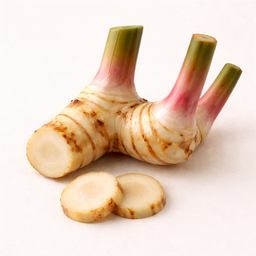 Galangal
 Galangin + vitamin C for antioxidant and digestion
Technical: Galangal (Alpinia galanga) contains galangin (flavonoid) and 1'-acetoxychavicol acetate (ACA) — a powerful antioxidant 10x stronger than vitamin E in DPPH assay. Lemon's vitamin C works synergistically as aqueous-phase antioxidant while galangal's ACA inhibits lipid-phase oxidation. Together they cover the complete antioxidant spectrum. Galangal also promotes bile flow, lemon gastric acid secretion — complementary digestive promoters.
What does this mean for you? Add galangal and lemon together to Tom Kha or other Thai soups. The combination offers powerful antioxidant protection and makes fatty dishes more digestible.
Lemon 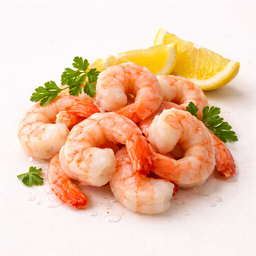 Shrimp
 Better iron absorption from shellfish
Technical: Shrimp contain 2mg iron per 100g, mainly as heme iron (well absorbed) plus some non-heme iron. Lemon provides 53mg vitamin C per 100g that reduces non-heme iron from Fe³⁺ to the more absorbable Fe²⁺. Additionally, citric acid promotes absorption by chelating minerals, which also improves uptake of zinc (1.6mg) and selenium (38μg) from shrimp.
What does this mean for you? Sprinkle your shrimp with lemon or lime juice. This works in cocktail sauces, ceviche, pad thai and shrimp soup. The citrus not only freshens the flavor but also increases your mineral absorption.
Lemon 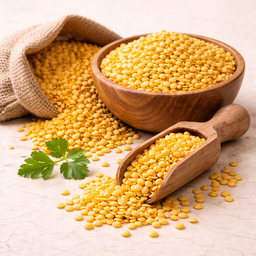 Yellow lentils
 Vitamin C increases iron absorption from lentils up to 6x
Technical: Yellow lentils (moong dal) contain 3.3mg non-heme iron per 100g (cooked). Vitamin C from lemon reduces ferric iron (Fe³⁺) to ferrous iron (Fe²⁺), the form the intestine can absorb. This increases bioavailability of plant-based iron by 300-600%.
What does this mean for you? Always squeeze a lemon over your dal or lentil soup — it makes a huge difference for iron absorption, especially as a vegetarian.
Lemon 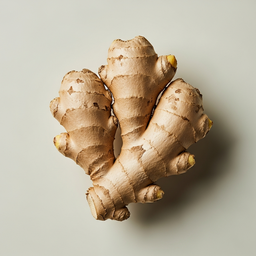 Ginger
 Warming herbal drink with vitamin C
Technical: Ginger contains gingerol and shogaol that modulate COX-2 and NF-kB and raise body temperature (diaphoretic effect, promotes sweating). Lemon provides 53mg vitamin C per 100ml that contributes to the normal function of the immune system.
What does this mean for you? Ginger-lemon tea is a classic warming drink. The ginger modulates signaling pathways, the lemon provides vitamin C that contributes to normal immune function — a comforting combination.
Lemon 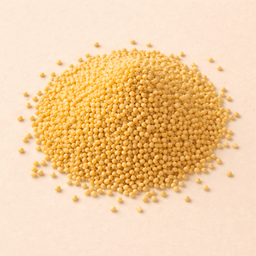 Millet
 Vitamin C increases iron and zinc absorption from millet
Ascorbic acid overcomes phytate inhibition of mineral absorption (PMID: 15743017)
Technical: Millet contains 3mg non-heme iron and 1.7mg zinc per 100g, but also phytates inhibiting mineral absorption. Vitamin C from lemon (53mg/100g) chelates iron and zinc, overcoming phytate binding. This increases iron absorption up to 3x and zinc up to 2x.
What does this mean for you? Drink lemon juice with millet porridge or couscous. This neutralizes the inhibitory effect of phytates and significantly increases mineral absorption.
Lemon 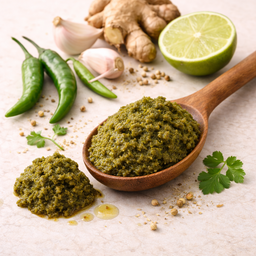 Green Curry Paste
 Vitamin C protects heat-labile curry paste antioxidants
Technical: When cooking green curry, some volatile terpenes (citral, citronellol) are partially lost through evaporation and oxidation. Lemon's vitamin C (53mg) and citric acid act as antioxidants protecting remaining terpenes from further oxidative degradation. Vitamin C also increases iron absorption from spices in the paste by 3-6x. Lemon's acidity also activates taste perception of other ingredients.
What does this mean for you? Squeeze lemon over your green curry just before serving. This restores the freshness partially lost during cooking and improves mineral absorption from the spices.
Lemon 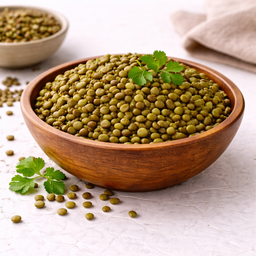 Green Lentils
 3x better iron absorption through vitamin C
Technical: Green lentils contain 3.3mg non-heme iron per 100g (cooked) plus phytic acid that inhibits absorption. Lemon provides 53mg vitamin C per 100g that fulfills three crucial functions: (1) Fe³⁺ → Fe²⁺ reduction, (2) formation of soluble iron-ascorbate chelates, (3) neutralization of phytate inhibition. Studies show a 300% increase in iron absorption.
What does this mean for you? Always squeeze half a lemon over your lentil soup or salad just before eating. Vitamin C works best when consumed simultaneously with iron. A simple habit that triples your iron absorption.
Lemon 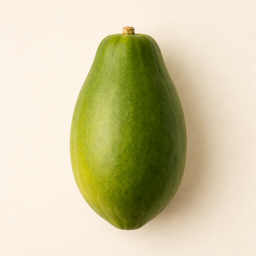 Green Papaya
 Vitamin C enhances papain activity and is cofactor for collagen synthesis
Technical: Green papaya's papain (cysteine protease) works optimally in mildly acidic conditions (pH 5-7). Citric acid lowers pH to this optimum. Additionally, lemon provides 53mg vitamin C per 100g — vitamin C contributes to normal collagen formation (EFSA-approved) as cofactor for prolyl and lysyl hydroxylase.
What does this mean for you? Sprinkle green papaya with lime or lemon juice (like Thai som tam). The acidic juice activates the papain enzyme and vitamin C contributes to normal collagen formation. A classic Asian combination.
Lemon 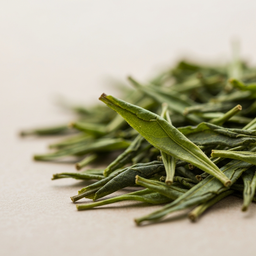 Green Tea
 Up to 5x more antioxidants absorbed (the 'Lemon Hack')
Technical: Green tea's catechins (EGCG) are unstable at the alkaline pH of the small intestine — up to 80% degrades before absorption. Lemon juice (pH 2-3) lowers stomach pH and stabilizes catechins, allowing them to reach the small intestine intact. Studies show up to 5x higher catechin absorption with lemon juice.
What does this mean for you? Always squeeze a slice of lemon in your green tea. Without lemon 80% of antioxidants are lost in your gut — with lemon you absorb up to 5x more.
Lemon 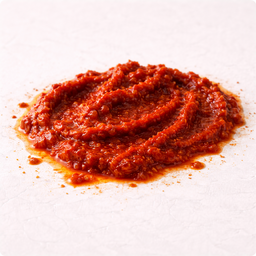 Harissa
 North African chili paste + vitamin C for iron and immunity
Technical: Harissa combines dried red peppers (capsaicin), cumin (iron 66mg/100g), coriander seed (iron 16.3mg) and garlic (allicin). Lemon's vitamin C increases iron absorption from the spices by 3-6x. Capsaicin improves blood flow to intestinal villi (+20% absorption surface). The combination offers: thermogenesis + iron absorption + immune stimulation. In North African cuisine, harissa is always served with lemon.
What does this mean for you? Always serve harissa with a lemon wedge — as in traditional Tunisian dishes. The lemon makes the iron and vitamins from the spice paste available to your body.
Lemon 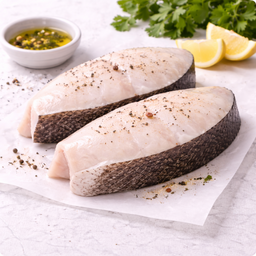 Halibut
 Vitamin C protects omega-3 and improves iron absorption
Technical: Halibut is a lean fish with 23g high-quality protein per 100g and contains omega-3 fatty acids (0.7g per 100g) plus selenium (36μg). The proteins are better digested in a slightly acidic environment — citric acid lowers stomach pH and activates pepsin (protein-digesting enzyme). Vitamin C protects omega-3 from oxidation and improves non-heme iron absorption.
What does this mean for you? Sprinkle halibut with lemon before serving. The Mediterranean fish preparation method with lemon is not only tasty but helps your body better digest the proteins and keep the omega-3 intact.
Lemon 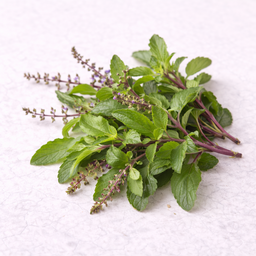 Holy basil
 Adaptogenic tulsi + vitamin C for stress resilience
Technical: Holy basil (Tulsi, Ocimum tenuiflorum) contains eugenol, rosmarinic acid and ursolic acid — adaptogenic compounds that normalize cortisol and regulate the neuroendocrine signaling system. Lemon's vitamin C (53mg/100g) is essential for adrenal function; the adrenal glands contain the highest vitamin C concentration of all organs. During chronic stress, vitamin C in adrenals drops rapidly. Tulsi + vitamin C support the stress response via two mechanisms: neuroendocrine signaling + adrenal recovery.
What does this mean for you? Tulsi tea with lemon juice is a classic Ayurvedic combination. Drink it in the morning for a calm yet alert start to the day, or in the evening to unwind.
Lemon 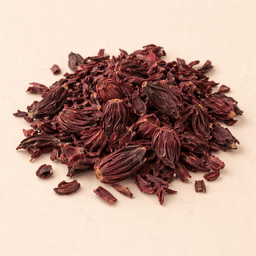 Hibiscus
 Vitamin C protects anthocyanins against oxidative degradation
Ascorbic acid protects anthocyanins against oxidative degradation and preserves bioactivity
Technical: Anthocyanins from hibiscus are sensitive to oxidation and lose their bioactivity. Vitamin C from lemon acts as antioxidant protecting these anthocyanins, keeping them stable longer and better preserving their cardiovascular bioactive properties.
What does this mean for you? Add lemon juice to hibiscus tea to protect the anthocyanins. This better preserves the cardiovascular properties.
Lemon 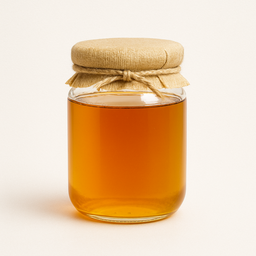 Honey
Honey Classic combination for sore throat and colds
Technical: Honey forms a physical protective layer on irritated mucous membranes (demulcent effect) and contains glucose oxidase producing hydrogen peroxide with bioactive action. Lemon provides vitamin C (53mg/100ml) that activates immune cells (neutrophils, lymphocytes). Together: local mucosal protection + systemic immune activation.
What does this mean for you? Drink warm water with honey and lemon for sore throat or cold. The honey protects your throat like a coating, the lemon activates your immune system.
Lemon 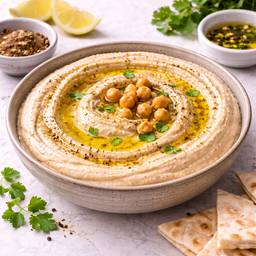 Hummus
 Vitamin C triples iron absorption from chickpeas
Technical: Hummus contains non-heme iron (1.6mg/100g) partially blocked by phytic acid from chickpeas. Lemon's vitamin C (53mg) reduces Fe³⁺ to the more absorbable Fe²⁺ and forms chelates stronger than phytate-iron bonds. Studies show 50mg vitamin C triples iron absorption from legumes. Lemon juice in hummus is standard in every authentic recipe — now scientifically understood.
What does this mean for you? Lemon juice is an essential hummus ingredient, not optional. It triples the iron you absorb — crucial for vegetarians and vegans who depend on plant-based iron.
Lemon 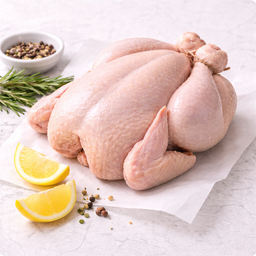 Spring Chicken
 Protein + vitamin C for collagen synthesis and iron absorption
Technical: Young chicken contains 20g protein per 100g with rich amino acid profile (proline, glycine — collagen precursors) and 1.0mg heme iron (6% RDI). Lemon provides 53mg vitamin C per 100g activating prolyl-hydroxylase and lysyl-hydroxylase enzymes — essential for collagen triple-helix stabilization. Vitamin C also increases non-heme iron absorption by 300-400% via Fe³⁺→Fe²⁺ reduction. Citric acid tenderizes meat by denaturing myofibrils.
What does this mean for you? Marinate or drizzle young chicken with lemon juice. The vitamin C activates collagen formation from the chicken amino acids. Vitamin C contributes to normal collagen formation for the normal function of skin (EFSA-approved). The lemon also improves your iron absorption.
Lemon 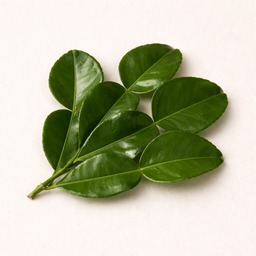 Makrut Lime Leaf
 Double citrus terpenes for antioxidant and mood
Technical: Kaffir lime leaf contains citronellol and limonene that are anxiolytic via GABA-A receptor modulation. Lemon's limonene (70% of peel oil) enhances this effect and adds vitamin C (53mg) as a neuro-antioxidant. Both citrus types also contain polymethoxyflavones with bioactive action at the neuronal level. Studies show citrus aromatherapy measurably reduces cortisol levels and improves mood.
What does this mean for you? Combine kaffir lime and lemon in dressings, soups or tea for an invigorating citrus explosion. The scent alone reduces stress — consumption amplifies this effect from within.
Lemon 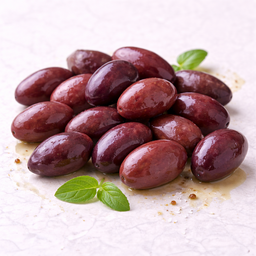 Kalamata Olives
 Vitamin C protects olive polyphenols from oxidation
Technical: Hydroxytyrosol and oleuropein in Kalamata olives are susceptible to oxidative degradation. Vitamin C (ascorbic acid, 53mg/100g in lemon) acts as primary reductant keeping these polyphenols in their reduced, active form. Citric acid also chelates pro-oxidative metal ions (Fe²⁺, Cu²⁺).
What does this mean for you? Sprinkle Kalamata olives with lemon juice in salads or marinades. Vitamin C keeps polyphenols intact and adds a fresh taste balancing the olive's saltiness.
Lemon 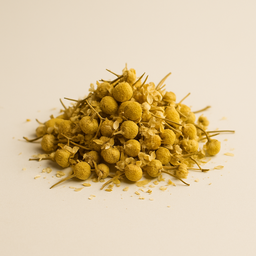 Chamomile Tea
 Apigenin + vitamin C for sleep and immune support
Technical: Chamomile contains apigenin that binds benzodiazepine receptors on GABA-A — calming without being addictive. Bisabolol in chamomile also has bioactive properties. Lemon's vitamin C (53mg) contributes to the normal function of the immune system (EFSA). Apigenin + vitamin C enhance immunomodulation: apigenin inhibits TNF-α, vitamin C stimulates neutrophils. The combination is ideal as an evening drink.
What does this mean for you? Chamomile tea with lemon before bed is scientifically supported for better sleep and nocturnal immune activity. The lemon adds vitamin C that your immune system uses overnight for repair.
Lemon 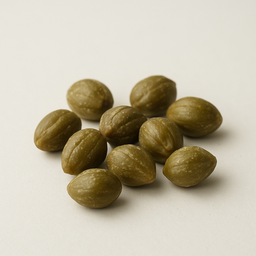 Capers
 Quercetin + vitamin C for antioxidant and capillary support
Technical: Capers contain the highest concentration of quercetin of all foods (180-230mg/100g — 10x more than onions). Quercetin is a flavonoid that inhibits LDL oxidation and stabilizes mast cells. Lemon's vitamin C regenerates oxidized quercetin back to active form. Quercetin + vitamin C work synergistically as antioxidant. The combination is the base of Mediterranean fish and salad dishes.
What does this mean for you? Capers with lemon juice over fish or salad is a top antioxidant combination in the kitchen. Capers contain 10x more quercetin than onions — a surprising source.
Lemon 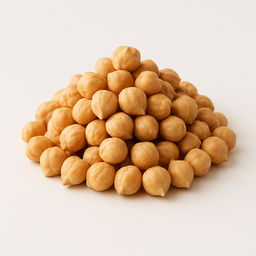 Chickpeas
 Lemon juice increases iron absorption from chickpeas
Technical: Chickpeas contain 2.9mg non-heme iron per 100g (cooked) and 12.2g protein. Phytic acid in chickpeas (240mg per 100g) strongly inhibits iron absorption. Lemon juice (53mg vitamin C per 100g) reduces Fe³⁺ to Fe²⁺ and forms soluble chelates that bypass the phytate blockade. Studies show up to 600% higher iron absorption.
What does this mean for you? Squeeze lemon juice over your hummus or chickpea salad — not just for flavor but also for iron absorption. It's no coincidence that authentic hummus always contains lemon juice — it's nutritional science disguised as tradition.
Lemon 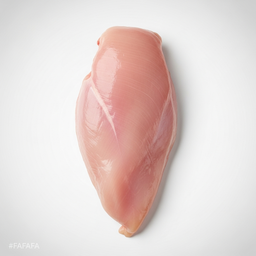 Chicken Breast
 Citric acid improves protein digestion and flavor
Technical: The citric acid in lemon lowers stomach pH, improving the activation of pepsinogen to pepsin (proteolytic enzyme). This speeds up breakdown of chicken proteins to amino acids. The acidity also helps against bacteria and marinating with lemon tenderizes chicken.
What does this mean for you? Marinate chicken in lemon juice or serve with a lemon wedge. This is why lemon is a standard with poultry in many cuisines.
Lemon 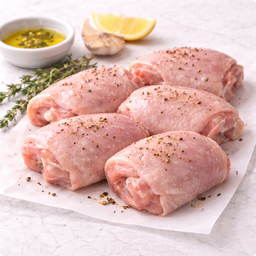 Chicken Thighs
 Vitamin C increases iron absorption and activates collagen formation
Technical: Chicken thighs contain 1.3mg heme iron per 100g with 15-35% bioavailability, plus 20g protein rich in proline and hydroxyproline (collagen precursors). Lemon provides 53mg vitamin C per 100g that reduces Fe³⁺→Fe²⁺ (300-400% better iron absorption) and is essential cofactor for prolyl/lysyl-hydroxylases that hydroxylate procollagen for stable collagen triple-helix formation. Without vitamin C, defective collagen forms.
What does this mean for you? Drizzle chicken thighs with lemon juice after roasting. The vitamin C improves your iron absorption and activates collagen formation from chicken amino acids. Vitamin C contributes to normal collagen formation for the normal function of skin (EFSA-approved). Especially useful with iron deficiency.
Lemon 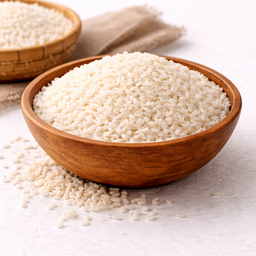 Sticky Rice
 Citrus improves mineral absorption from sticky rice
Technical: Sticky rice contains magnesium and iron but also phytates. Citric acid chelates minerals and overcomes phytate inhibition.
What does this mean for you? Sprinkle sticky rice with lime (as in Thai dishes) or serve with citrus salad.
Lemon  Garlic Powder
 Antioxidants from garlic and lemon
Technical: Garlic's organosulfur compounds and lemon's vitamin C (53mg/100g) work synergistically as antioxidants. Lemon provides vitamin C, which contributes to the normal function of the immune system (EFSA).
What does this mean for you? Make garlic-lemon dressing or add both to marinades for maximum flavor and antioxidant absorption.
Lemon 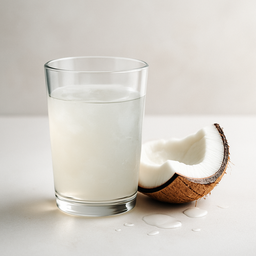 Coconut Water
 Natural electrolytes + vitamin C for hydration and immunity
Technical: Coconut water contains potassium (250mg/100ml), sodium (105mg), magnesium (25mg) and cytokinins (plant growth hormones with bioactive properties). Lemon adds vitamin C (53mg) and citric acid. The electrolyte ratio in coconut water (K:Na = 2.4:1) is ideal for cellular hydration. Vitamin C contributes to the normal function of the immune system (EFSA) while electrolytes improve the absorption medium via sodium-glucose cotransport (SGLT1).
What does this mean for you? Coconut water with lemon is a natural isotonic drink — a natural alternative to sports drinks with artificial colorants. Ideal after exercise, in heat or during dehydration.
Lemon 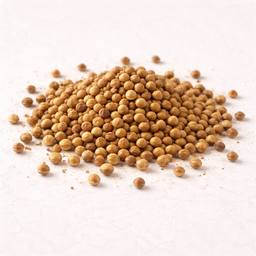 Coriander Seeds
 Heavy metal chelation + vitamin C for biotransformation
Technical: Coriander seed contains compounds that chelate heavy metals (lead, mercury, cadmium) — binding and making them excretable. Lemon provides vitamin C that supports biotransformation and protects chelation as antioxidant.
What does this mean for you? Coriander seed-lemon tea is a traditional herbal drink. Soak a tablespoon of coriander seeds in hot water, add lemon juice — a fresh and aromatic drink.
Lemon 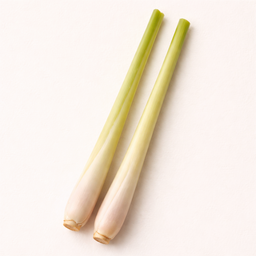 Lemongrass
 Citral + vitamin C for antioxidant and GABA-A modulation
Technical: Lemongrass contains citral (75-85% of oil, mix of neral + geranial) that is anxiolytic via GABA-A receptor modulation and antioxidant by inhibiting lipid peroxidation. Lemon's limonene (also a citrus terpene) enhances the anxiolytic effect. Vitamin C from lemon protects citral from oxidative degradation. Studies show lemongrass aromatherapy reduces cortisol by 15-25%.
What does this mean for you? Lemongrass tea with lemon is an invigorating combination that reduces stress. The double citrus action (citral + limonene) is calming without causing drowsiness — ideal for daytime.
Lemon 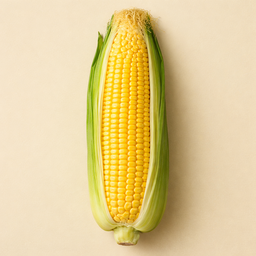 Corn
Corn Vitamin C releases bound niacin (B3) from corn
Technical: Corn contains niacin (B3, 1.7mg/100g) but 85% is bound as niacytin — unabsorbable without treatment. This caused pellagra in corn-dependent populations. Ascorbic acid (vitamin C) from lemon can partially hydrolyze niacytin, releasing free niacin. Traditional nixtamalization (alkali) also solves this.
What does this mean for you? Sprinkle corn cobs with lemon juice — this releases bound vitamin B3. Mesoamerican cultures solved this with lime water (nixtamalization), but lemon also helps. Bonus: vitamin C also improves iron absorption from corn.
Lemon 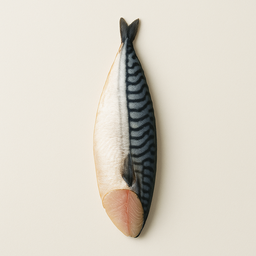 Mackerel
 Improves digestion of fatty fish
Technical: Mackerel is one of the fattiest fish with 2.6g omega-3 per 100g and 13.9g total fat. The citric acid in lemon works as an emulsifier — it helps break down fat droplets into smaller micelles, giving lipase enzymes a larger surface area to digest the fats. This is particularly relevant for mackerel due to its high fat content. NB: mackerel contains heme iron that is already well absorbed.
What does this mean for you? Always serve mackerel with lemon — not just for flavor but also for better fat digestion. Grilled mackerel with lemon juice is one of the most nutritious combinations: maximum omega-3 absorption with improved digestibility.
Lemon 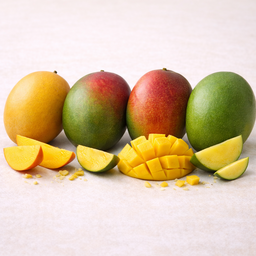 Mango
Mango Vitamin C protects beta-carotene from oxidation
Technical: Mango is rich in beta-carotene (640μg/100g) and other carotenoids that are sensitive to oxidation. Vitamin C from citrus fruits (lime: 29mg, lemon: 53mg per 100g) acts as an antioxidant and protects these carotenoids. Additionally, the acidic environment increases stability.
What does this mean for you? Sprinkle fresh mango with lime or lemon juice. This preserves not only the color but also the nutritional value. Perfect in smoothies, salsas or fruit salads.
Lemon 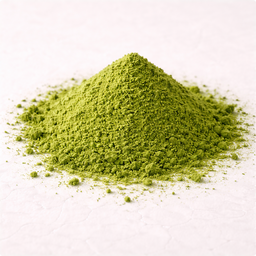 Matcha
 Up to 5x more EGCG absorption through citric acid
Technical: Matcha contains the full tea leaf (not just an extract), so higher EGCG concentrations than green tea. Like green tea, EGCG degrades rapidly at alkaline gut pH. Citric acid from lemon stabilizes catechins, allowing up to 5x more to reach the absorption site in the small intestine intact.
What does this mean for you? Add a squeeze of lemon juice to your matcha. You drink matcha for the antioxidants — lemon ensures you absorb 5x more of them.
Lemon 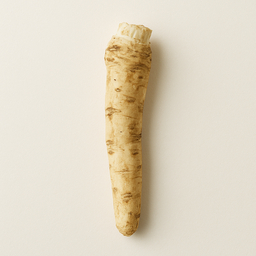 Horseradish
 Isothiocyanates + vitamin C: complementary bioactive pathways
Technical: Horseradish contains sinigrin and gluconasturtiin converted to allyl and phenethyl isothiocyanates (AITC, PEITC) — bioactive sulfur compounds. Vitamin C from lemon (53mg/100g) contributes to the normal function of the immune system (EFSA-approved) and enhances neutrophil function. Together they provide bioactive sulfur and vitamin pathways.
What does this mean for you? Horseradish with lemon juice is a traditional Eastern European combination. The sharp isothiocyanates give a pungent, fresh kick while vitamin C contributes to normal immune system function.
Lemon 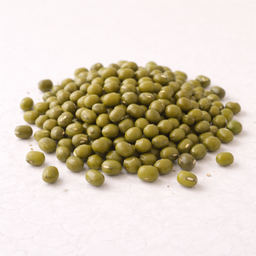 Mung Beans
 Citrus significantly increases iron absorption from mung beans
Citrus vitamin C improves iron absorption from plant sources (PMID: 2507689)
Technical: Mung beans are 'light' legumes with 1.4mg non-heme iron per 100g. Lemon (53mg vitamin C) and lime (29mg) convert the poorly absorbable Fe³⁺ to Fe²⁺. This effect is cumulative with mung beans' low glycemic index (GI 31) — you get stable energy AND better mineral absorption.
What does this mean for you? Squeeze half a lemon or lime over your mung bean dish just before serving. This works perfectly in Asian dishes where mung beans are common.
Lemon 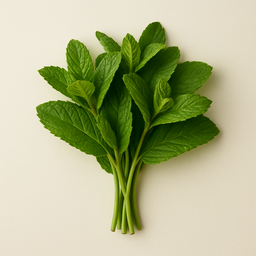 Mint
Mint Refreshing biotransformation combination
Technical: Mint promotes bile flow and digestive enzyme activity. Lemon/lime contains citric acid supporting biotransformation and vitamin C for immune function. Together they enhance biotransformation capacity.
What does this mean for you? Mint water with lemon is a simple but delicious combination. Drink it in the morning for good hydration — the mint promotes your digestion, the lemon adds vitamin C.
Lemon 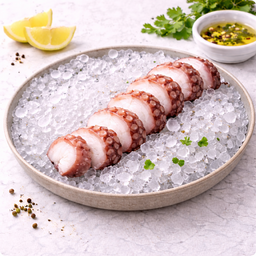 Octopus
 Vitamin C increases absorption of B12 and iron from octopus
Technical: Octopus is exceptionally rich in vitamin B12 (36μg per 100g — 1500% RDI) and contains 5.3mg iron per 100g. Citric acid from lemon lowers stomach pH, which improves B12 absorption (B12 needs acid to release from proteins). Vitamin C also reduces Fe³⁺ to Fe²⁺ for better iron absorption.
What does this mean for you? Always serve octopus with lemon juice — as in Greek and Portuguese cuisine. The lemon helps your body better absorb both the vitamin B12 and the iron from the octopus. Perfect for anyone considering eating more seafood for B12.
Lemon 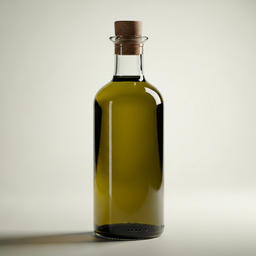 Olive Oil
 Oleic acid + citric acid: complementary pathways for glycemic response
Technical: Lemon contains citric acid that slows gastric emptying, causing carbohydrates from the meal to be absorbed more slowly. Olive oil's fats reinforce this effect by further influencing glycemic response. Together they influence the postprandial glucose response via two complementary mechanisms. Olive oil's oleocanthal and lemon's vitamin C additionally provide complementary antioxidant action.
What does this mean for you? A simple dressing of olive oil and lemon juice over your salad is one of the smartest combinations you can make. The two mechanisms (delayed gastric emptying + fat slowing) work together to influence the glucose response after your meal.
Lemon 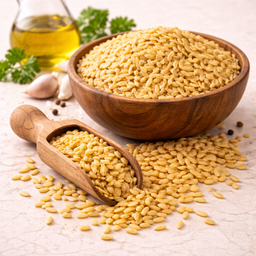 Orzo Pasta
 Vitamin C enhances iron absorption from enriched pasta
Technical: Orzo (risoni) is enriched durum wheat semolina with non-heme iron (1.2mg/100g). Lemon contains 53mg vitamin C per 100g that reduces Fe³⁺ to the more absorbable Fe²⁺, increasing iron absorption by 3-6x. Citric acid also chelates iron into soluble complexes that pass the intestinal wall. The combination is particularly relevant for vegetarians dependent on non-heme iron.
What does this mean for you? Always squeeze lemon over your orzo salad or soup. This Greek tradition maximizes iron absorption from the pasta — important if you eat little meat.
Lemon 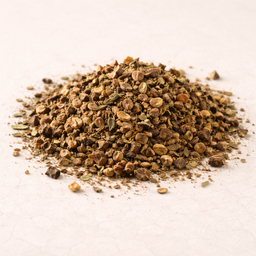 Dandelion Tea
 Diuretic + liver-supporting combination
Technical: Dandelion contains taraxacin and sesquiterpene lactones with mild diuretic action (fluid drainage) and cholagogue properties (bile production stimulating). Lemon's citric acid and D-limonene support biotransformation. Honey adds prebiotic oligosaccharides and enzymes. The result is a traditional herbal drink: dandelion supports bile, lemon contributes to biotransformation.
What does this mean for you? Dandelion-lemon tea with honey is a traditional herbal drink. The dandelion supports your bile, the lemon your biotransformation, the honey makes it delicious.
Lemon 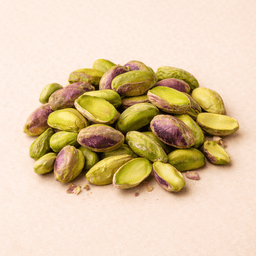 Pistachio Nuts
 Vitamin C protects γ-tocopherol and lutein in pistachios against oxidation
Ascorbic acid regenerates oxidized tocopherol via tocopheroxyl radical reduction (PMID: 29099763)
Technical: Pistachios contain γ-tocopherol (20.4mg/100g) and lutein (1205μg/100g) — both oxidation-sensitive. Ascorbic acid from lemon functions as primary antioxidant regenerating oxidized tocopherol (tocopheroxyl radical) to its active form. This 'tocopherol recycling' mechanism also protects lutein against co-oxidation. Additionally, vitamin C increases non-heme iron absorption from pistachios (3.9mg/100g).
What does this mean for you? Squeeze lemon over pistachios in salads or use lemon in pistachio dishes. The lemon juice protects vitamin E and lutein and helps you absorb more iron — triple benefit.
Lemon 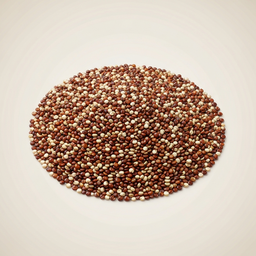 Quinoa
 Vitamin C increases iron absorption from quinoa by 3-6x
Technical: Quinoa contains 1.5mg non-heme iron per 100g cooked. Non-heme iron has low bioavailability (5-12%). Vitamin C from lemon (53mg/100g) reduces Fe³⁺ to Fe²⁺ and prevents phytate binding, increasing absorption 3-6x. This is the basis of tabbouleh-style quinoa salads.
What does this mean for you? Make quinoa tabbouleh with fresh lemon juice, parsley, tomato and cucumber. The lemon juice not only makes it fresher but also maximizes iron absorption.
Lemon 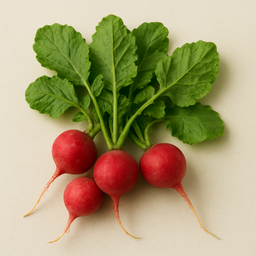 Radish
 Glucosinolates + vitamin C: Nrf2 activation and immune support
Technical: Radish contains glucosinolates (glucoraphasatin) converted by myrosinase to raphasatin — an isothiocyanate inducing phase-II enzymes via the Nrf2 pathway. Vitamin C from lemon (53mg/100g) contributes to normal immune system function (EFSA-approved) and protects isothiocyanates from oxidative degradation.
What does this mean for you? Radish salad with lemon dressing combines Nrf2 activation from radish with vitamin C from lemon. The sharp taste of radish = active glucosinolates at work.
Lemon 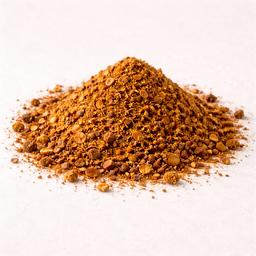 Ras el Hanout
 20+ spices + vitamin C for maximum micronutrient absorption
Technical: Ras el hanout ('head of the shop') combines 20+ spices: turmeric (curcumin), cinnamon (cinnamaldehyde), cardamom (1,8-cineole), nutmeg (myristicin), black pepper (piperine). Lemon's vitamin C increases bioavailability of iron from spices by 3-6x and protects heat-sensitive antioxidants. Piperine in the mix inhibits CYP3A4, keeping other polyphenols circulating longer. The broadest synergistic combination in the herb world.
What does this mean for you? Add lemon juice to tagine or couscous with ras el hanout. The lemon enhances absorption of all active compounds from this complex spice mix — a North African secret for maximum health.
Lemon 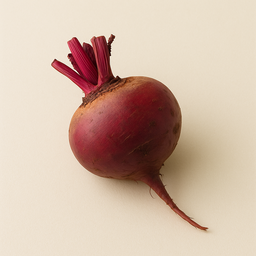 Beetroot
 Vitamin C protects the nitrates
Technical: Beetroot contains 250-300mg nitrate per 100g converted by oral bacteria to nitrite then nitric oxide (NO). Vitamin C from lemon (53mg/100g) prevents unwanted conversion of nitrite to nitrosamines, while promoting beneficial NO production via the nitrate-nitrite-NO pathway.
What does this mean for you? Always add lemon juice to beet juice or salad. Vitamin C steers nitrate conversion in the desired direction and prevents unwanted byproducts. Bonus: the sour taste perfectly balances the earthy sweetness.
Lemon 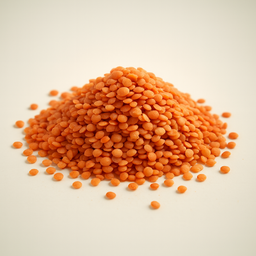 Red Lentils
 Vitamin C increases iron absorption from lentils up to 6x
Technical: Red lentils contain 3.3mg iron per 100g (cooked) — about 40% of the recommended daily intake. This is non-heme iron in Fe³⁺ form with low bioavailability (5-12%). Lemon juice's vitamin C (53mg per 100g) reduces Fe³⁺ to Fe²⁺ which is directly absorbed by DMT1 transporters in the gut wall. Red lentils cook faster than other lentils, retaining less phytic acid.
What does this mean for you? Squeeze half a lemon over your red lentil soup just before serving. Vitamin C works best fresh and raw — don't add it during cooking. This simple gesture triples to quadruples your iron absorption.
Lemon 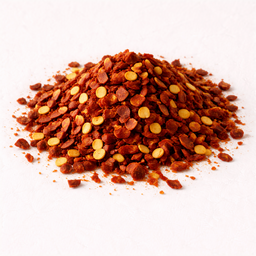 Red Pepper Flakes (Crushed)
 Capsaicin + vitamin C for metabolism and immunity
Technical: Red pepper flakes contain capsaicin (0.5-1.5%) that activates TRPV1 receptors for thermogenesis (+10% energy expenditure) and endorphin release. Lemon's vitamin C (53mg) neutralizes capsaicin-induced oxidative stress and supports the adrenal gland in the thermogenic response. Capsaicin also increases vitamin C bioavailability through temporary intestinal permeability increase. The combination maximizes thermogenesis + immune support.
What does this mean for you? Sprinkle red pepper flakes with lemon juice over fish, salad or pasta. The 'burning' sensation is your metabolism speeding up — the lemon makes it lighter and fresher.
Lemon 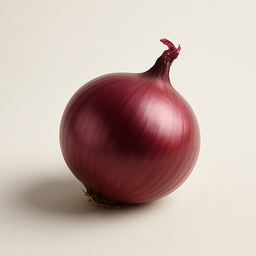 Red Onion
 Vitamin C protects quercetin from oxidative degradation
Technical: Quercetin in red onion (32-65mg/100g) oxidizes rapidly when exposed to light, heat and oxygen. Ascorbic acid (vitamin C, 53mg/100g in lemon) regenerates oxidized quercetin back to its active form via electron transfer. This extends quercetin's half-life in food and in the body.
What does this mean for you? Red onion in salad with lemon dressing retains more active quercetin than without lemon. Vitamin C keeps this widely-studied flavonoid intact longer — a simple kitchen trick with scientific basis.
Lemon 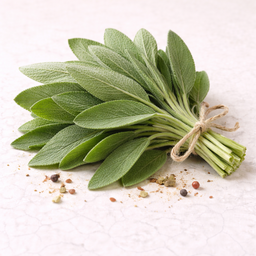 Sage
Sage Thujone + vitamin C for cognition and antioxidant protection
Technical: Sage (Salvia officinalis) contains thujone and rosmarinic acid that modulate acetylcholinesterase. This supports acetylcholine availability in the brain. Lemon provides vitamin C that contributes to the protection of cells from oxidative stress.
What does this mean for you? Sage tea with lemon is a traditional herbal drink. The sage supports acetylcholine balance, the lemon adds vitamin C — a clever duo.
Lemon 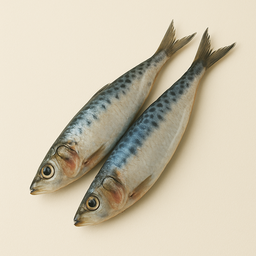 Sardines
 Vitamin C protects omega-3 and improves calcium absorption from bones
Technical: Canned sardines contain edible bones with 382mg calcium per 100g. Vitamin C from lemon improves calcium absorption by lowering pH in the small intestine. Additionally, vitamin C protects omega-3 fatty acids (1.5g per 100g) against oxidation.
What does this mean for you? Always sprinkle sardines with lemon juice. The Mediterranean tradition is nutritionally optimal — you get more calcium from the bones AND the omega-3 stays protected.
Lemon 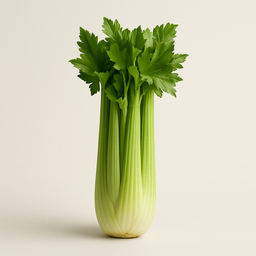 Celery
 Apigenin + vitamin C: complementary bioactive compounds
Technical: Celery contains apigenin (1.5mg/100g) — a flavonoid that modulates COX-2 and has anxiolytic action via GABA binding. Vitamin C from lemon (53mg/100g) regenerates oxidized apigenin back to its active form via electron transfer. Together they provide complementary compounds: apigenin works intracellularly, vitamin C extracellularly.
What does this mean for you? Celery juice with lemon is a popular combination. Apigenin from celery has a calming effect via GABA receptors, while vitamin C keeps apigenin in active form.
Lemon 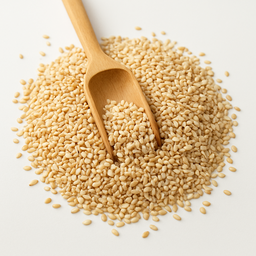 Sesame Seeds
 Vitamin C increases iron absorption from sesame seeds
Technical: Sesame seeds contain 14.6mg iron per 100g (52% RDA), but as non-heme iron this is normally poorly absorbed. Vitamin C from lemon reduces Fe³⁺ to the better absorbable Fe²⁺ and prevents phytate from sesame seeds from binding the iron. This increases iron absorption up to 4x.
What does this mean for you? Add lemon juice to hummus (tahini = ground sesame seeds) or to dishes with sesame seeds. The lemon makes the iron from sesame much more absorbable — a classic combination in Middle Eastern cuisine.
Lemon 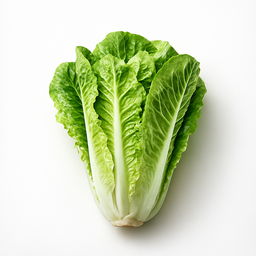 Lettuce (Romaine)
 Vitamin C protects lettuce polyphenols from oxidation
Technical: Lettuce contains polyphenols (caffeic acid, chlorogenic acid) that rapidly oxidize when cut (browning by polyphenol oxidase). Vitamin C from lemon (53mg/100g) acts as reductant restoring oxidized polyphenols to their active form and inhibiting polyphenol oxidase via pH reduction.
What does this mean for you? Lemon dressing on lettuce prevents browning and preserves active polyphenols. Make dressing in advance and mix right after cutting for optimal nutrient retention.
Lemon 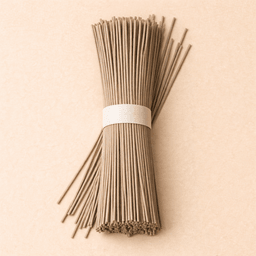 Soba Noodles (Buckwheat)
 Vitamin C protects rutin and increases quercetin bioavailability
Ascorbic acid stabilizes rutin and improves quercetin absorption (PMID: 25280405)
Technical: Rutin from buckwheat is oxidatively sensitive and breaks down to quercetin. Vitamin C from lemon protects rutin against oxidation and increases quercetin absorption in the gut. Quercetin is the bioactive form with broad antioxidant activity.
What does this mean for you? Squeeze lemon over your soba noodles — the vitamin C protects the rutin and helps your body absorb more bioactive quercetin.
Lemon 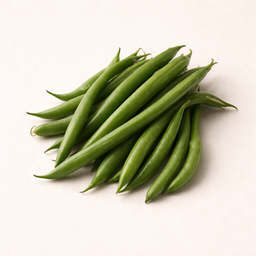 Green Beans
 Vitamin C improves iron absorption from green beans
Technical: Green beans contain 1.0mg non-heme iron per 100g and folate (33μg). Non-heme iron has low bioavailability (2-5%). Vitamin C from lemon (53mg/100g) reduces Fe³⁺ to Fe²⁺ and forms soluble chelates tripling absorption. Vitamin C also protects labile folate from oxidative degradation.
What does this mean for you? Sprinkle green beans with lemon juice for better iron and folate absorption. Simple but effective, especially for vegetarians depending on plant-based iron.
Lemon 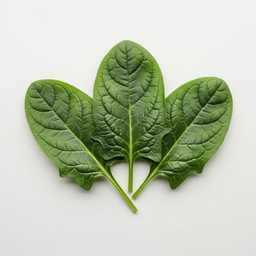 Spinach
 Increases iron absorption up to 300% by breaking oxalate binding
Technical: Spinach contains 2.7mg non-heme iron per 100g, but also 970mg oxalic acid that binds iron into insoluble calcium oxalate. Vitamin C (53mg/100g in lemon) reduces Fe³⁺ to Fe²⁺ (ferroreduction) and forms soluble iron-ascorbate complexes that break oxalate binding. Iron absorption rises from 2% to 6-12%.
What does this mean for you? Always squeeze lemon over spinach — this is the 'Popeye hack'. Vitamin C breaks the oxalate trap blocking iron absorption. Without lemon you barely absorb any iron from spinach.
Lemon 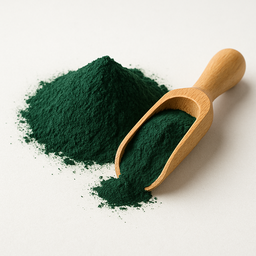 Spirulina
 Vitamin C increases iron absorption from spirulina up to 6x
Vitamin C significantly increases non-heme iron absorption (PMID: 2507689)
Technical: Spirulina is one of the richest plant-based iron sources (28mg per 100g, 158% RDI). This is non-heme iron with low bioavailability (5-12%). Vitamin C from citrus reduces Fe³⁺ to Fe²⁺ and prevents phytate binding, increasing absorption by 3-6x.
What does this mean for you? Always add lemon juice to your spirulina smoothie or mix spirulina in a citrus-based dressing. This makes the difference between 'taking spirulina' and 'actually utilizing spirulina'.
Lemon 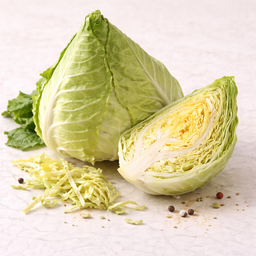 Pointed Cabbage
 Vitamin C enhances glucosinolate activation and iron absorption
Technical: Pointed cabbage contains glucobrassicin and sinigrin (glucosinolates) plus 31mg vitamin C per 100g. Extra vitamin C from lemon (53mg/100g) increases stability of isothiocyanates (active products) in the GI tract. Vitamin C also contributes to the increase of iron absorption (EFSA-approved) via ferroreduction of non-heme iron (0.5mg/100g in pointed cabbage).
What does this mean for you? Pointed cabbage salad with lemon dressing maximizes both glucosinolate activation and iron absorption. Lemon keeps active compounds working longer and vitamin C increases iron absorption.
Lemon 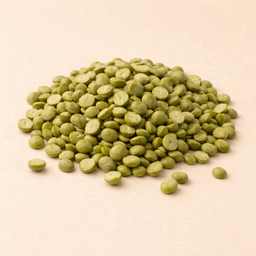 Split peas
 Vitamin C increases non-heme iron absorption from split peas 2-6x
Ascorbic acid significantly increases non-heme iron absorption as chelator (PMID: 15743017)
Technical: Split peas contain 1.5mg non-heme iron per 100g, of which only 2-5% is absorbed without vitamin C. Ascorbic acid from lemon (53mg/100g) reduces Fe³⁺ to Fe²⁺ and forms a soluble iron-ascorbate complex that bypasses phytate binding. This increases iron absorption via DMT-1 transporters up to 4x.
What does this mean for you? Squeeze lemon over pea soup or use lemon in split pea salad dressing. This simple gesture quadruples your iron absorption — particularly valuable for vegetarians.
Lemon 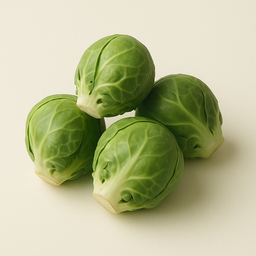 Brussels Sprouts
 Vitamin C stabilizes sulforaphane and increases iron absorption
Technical: Brussels sprouts contain 85mg own vitamin C per 100g (142% RDI) plus glucosinolates forming sulforaphane. Extra vitamin C from lemon protects sulforaphane from GI tract degradation. Vitamin C also contributes to the increase of iron absorption (EFSA-approved) for the 1.4mg non-heme iron per 100g in sprouts.
What does this mean for you? Sprinkle roasted Brussels sprouts with lemon juice — extra vitamin C keeps sulforaphane intact and improves iron absorption. Fresh taste also balances the earthy sprouts.
Lemon 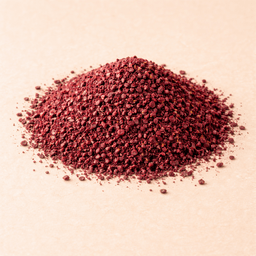 Sumac
Sumac Vitamin C protects sumac gallotannins against oxidative degradation
Ascorbic acid regenerates oxidized polyphenols and chelates pro-oxidative metal ions (PMID: 29099763)
Technical: Gallotannins and anthocyanins in sumac are oxidation-sensitive — they lose up to 40% bioactivity within 2 hours of preparation. Ascorbic acid from lemon (53mg/100g) functions as a redox partner: it donates electrons that regenerate oxidized polyphenols to their active form. Citric acid also chelates pro-oxidative metal ions (Fe²⁺, Cu²⁺) that catalyze polyphenol degradation.
What does this mean for you? Squeeze lemon over dishes with sumac (salad, hummus). The lemon juice protects sumac's antioxidants so your body can actually use them.
Lemon 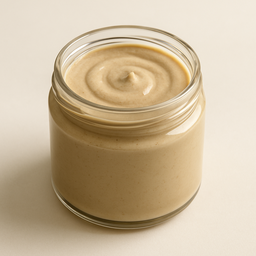 Tahini
 Improves iron absorption from tahini
Technical: Tahini (ground sesame seeds) contains 14.6mg non-heme iron per 100g, but phytate in sesame binds iron and lowers absorption to 2-5%. Vitamin C from lemon reduces Fe³⁺ to Fe²⁺ (better absorbable) and forms chelates preventing phytate binding. This increases iron absorption by 3-6x.
What does this mean for you? Always add lemon juice to hummus or tahini dressing. The lemon makes the iron from sesame much more absorbable — a classic Middle Eastern recipe for good reason.
Lemon 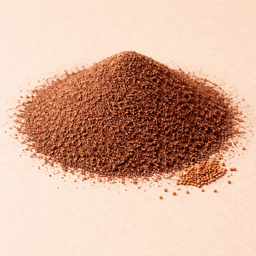 Teff Flour
 Vitamin C increases iron absorption from iron-rich teff 2-6x
Ascorbic acid significantly increases non-heme iron absorption as chelator (PMID: 15743017)
Technical: Teff contains 7.6mg non-heme iron per 100g, one of the highest values for grains. Vitamin C from lemon (53mg/100g) reduces Fe³⁺ to Fe²⁺, increasing iron absorption via DMT-1 transporters from 2-5% to 10-15%. Crucial for preventing iron deficiency.
What does this mean for you? Squeeze lemon over teff injera or porridge. This multiplies iron absorption, particularly valuable for vegetarians and pregnant women.
Lemon 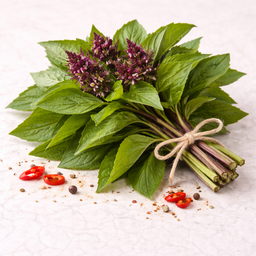 Thai Basil
 Estragole + vitamin C for antioxidant and digestive synergy
Technical: Thai basil (Ocimum basilicum var. thyrsiflora) contains estragole (methyl chavicol, 70-80%) and linalool — compounds with antioxidant and antispasmodic action in the gastrointestinal tract. Lemon's citric acid promotes bile flow and gastric acid secretion. Together they promote digestion via two routes: Thai basil relaxes smooth muscles of the intestinal tract, lemon promotes enzyme production. Vitamin C also protects the volatile oils from oxidation.
What does this mean for you? Add lemon to dishes with Thai basil — like in Tom Yum soup or a Thai salad. It enhances both the flavor and the digestive benefits.
Lemon 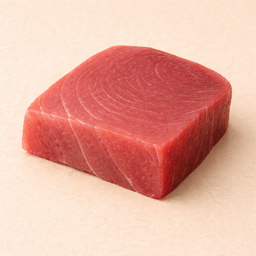 Tuna
Tuna Vitamin C improves selenium absorption and protects omega-3
Technical: Tuna contains 80μg selenium per 100g (145% RDI) — one of the richest selenium sources. Selenium is incorporated into selenoproteins (glutathione peroxidase, thioredoxin reductase). Vitamin C from lemon promotes selenium uptake and protects the omega-3 fatty acids (0.5-1.5g per 100g, depending on tuna species) from peroxidation. Vitamin C also contributes to the normal function of the immune system (EFSA-approved).
What does this mean for you? Always drizzle tuna with lemon juice. The lemon helps your body absorb more selenium and keeps omega-3 intact. Ideal in poke bowls, tataki or simple tuna salad.
Lemon 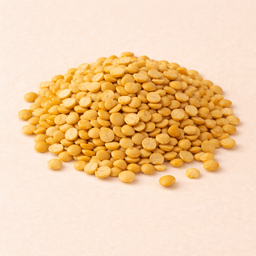 Toor dal (pigeon peas)
 Vitamin C and citric acid chelate minerals from toor dal for increased bioavailability
Ascorbic acid and citric acid increase mineral bioavailability from legumes via phytate chelation (PMID: 15743017)
Technical: Toor dal contains 3.9mg iron and 2.8mg zinc per 100g, but phytate binds up to 60% of these minerals. Ascorbic acid from lemon reduces Fe³⁺→Fe²⁺ for iron absorption, while citric acid forms a soluble chelate with zinc that bypasses phytate binding. In Indian cuisine, lemon is traditionally squeezed over dal — a scientifically optimal habit.
What does this mean for you? Always squeeze lemon over your dal (traditional Indian). This quadruples iron and zinc absorption — crucial because legumes are the main mineral source in plant-based diets.
Lemon 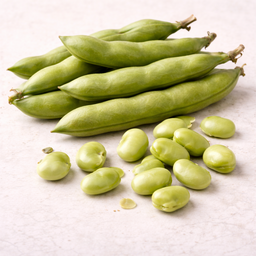 Fava Beans
 Vitamin C increases iron absorption from fava beans up to 6x
Technical: Fava beans contain 1.7mg iron per 100g (cooked). Lemon (53mg vitamin C) reduces Fe³⁺ to Fe²⁺ and forms chelates that bypass phytate inhibition.
What does this mean for you? Sprinkle fava beans with lemon juice or serve with lemon wedges. Classic in Mediterranean and Middle Eastern dishes.
Lemon 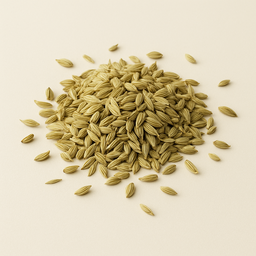 Fennel Seeds
 Anethole + vitamin C for biotransformation and fluid balance
Technical: Fennel seed acts as a mild diuretic by increasing kidney filtration without potassium loss (unlike pharmaceutical diuretics). Lemon's citric acid alkalizes urine and vitamin C supports biotransformation.
What does this mean for you? Fennel seed-lemon water is a traditional herbal drink. Steep a tablespoon of fennel seeds in hot water, add lemon — fresh and supportive.
Lemon 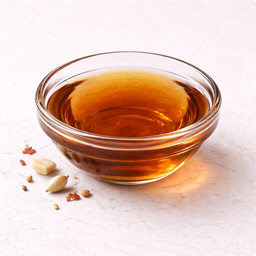 Fish Sauce
 Fermented umami + vitamin C for flavor and iron absorption
Technical: Fish sauce (nam pla) is fermented fish with the highest free glutamate content of all sauces (1300-1400mg/100ml), plus IMP nucleotides. It also contains iron (2.5mg/100ml) from the fish. Lemon's vitamin C increases iron absorption 3-6x and enhances umami perception by lowering pH. Citric acid also prevents biogenic amine buildup in fermented products. The combination is the base of Thai salad dressing (yam style).
What does this mean for you? Fish sauce + lime juice is the base of every Thai salad and som tam. The citrus not only freshens but also increases iron absorption from the fish sauce.
Lemon 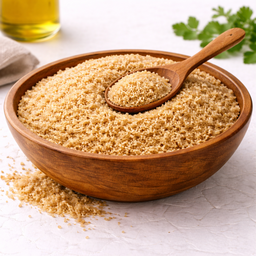 Whole Wheat Couscous
 Vitamin C neutralizes phytate and enhances iron absorption
Technical: Whole grain couscous contains phytic acid that binds iron (1.1mg/100g) and zinc (0.8mg). Lemon's vitamin C (53mg) works in two ways: it reduces Fe³⁺ to Fe²⁺ for 3-6x better absorption, and forms chelates with iron that are stronger than phytate-iron bonds. Studies show 50mg vitamin C doubles iron absorption from phytate-rich grains.
What does this mean for you? Always add lemon juice to your couscous — this is standard in North African cuisine and literally doubles the iron your body absorbs from the couscous.
Lemon 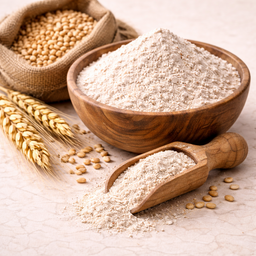 Whole Wheat Flour
 Vitamin C increases iron absorption from whole wheat
Technical: Whole wheat flour contains 3.6mg non-heme iron per 100g, but the high phytic acid concentration limits absorption to ~5%. Vitamin C from lemon reduces Fe³⁺ to Fe²⁺ and chelates the iron, keeping it soluble despite phytic acid. This increases iron absorption by 200-400%.
What does this mean for you? Serve whole wheat bread with lemon-rich dishes like hummus (with lemon juice) or salad with lemon dressing.
Lemon  Water
Water Hydration + vitamin C and citric acid as a refreshing combination
Technical: Water provides the solvent for renal excretion of waste products. Lemon's citric acid is metabolized in the body to bicarbonate, alkalizing urine (paradoxical effect). Alkaline urine dissolves uric acid crystals better and prevents kidney stones. Vitamin C (53mg) also stimulates glutathione production in the liver — the most important endogenous antioxidant. Studies show lemon water increases urinary citrate by 50%, preventing kidney stone formation.
What does this mean for you? Lemon water in the morning isn't a myth — it supports your kidneys, alkalizes your urine and delivers vitamin C. Use half a lemon per large glass of lukewarm water.
Lemon 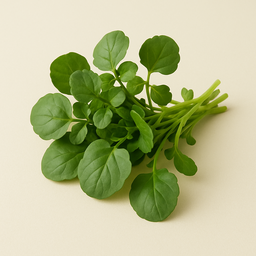 Watercress
 PEITC + vitamin C: isothiocyanate and immune support
Technical: Watercress contains very high concentrations of PEITC (phenethyl isothiocyanate) — one of the most studied isothiocyanates inducing phase-II enzymes via the Nrf2 pathway. Vitamin C from lemon contributes to normal immune system function (EFSA-approved) via neutrophil chemotaxis and T-cell activation.
What does this mean for you? Watercress salad with lemon dressing combines PEITC (Nrf2 activation) and vitamin C (immune support). Watercress is one of the richest sources of this intensively studied isothiocyanate. Vitamin C from lemon complements with immune support.
Lemon 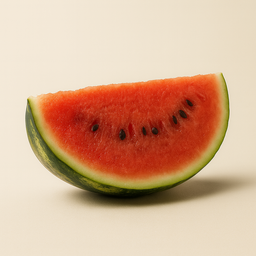 Watermelon
 Citrulline + vitamin C for muscle recovery and immunity
Technical: Watermelon contains citrulline (250mg per 100g) — an amino acid converted in the kidneys to arginine, which then produces nitric oxide (NO) for vasodilation. Vitamin C from lemon (53mg per 100g) is a co-factor for NO synthase (the enzyme producing NO) and protects NO from oxidative degradation, keeping it active longer.
What does this mean for you? Mix watermelon juice with lemon juice for a natural sports drink. The citrulline improves blood flow to muscles, the vitamin C supports this process. Refreshing, hydrating and functional.
Lemon 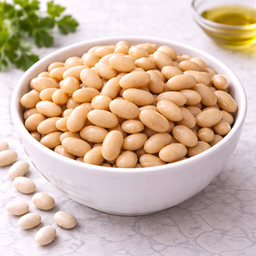 White Beans (Cannellini)
 Vitamin C triples iron absorption from white beans
Technical: White beans contain 3.7mg non-heme iron per 100g but also phytate that binds iron. Vitamin C from lemon (53mg/100g) reduces Fe³⁺ to Fe²⁺ and forms soluble iron-ascorbate complexes breaking phytate binding. Iron absorption rises from 2-3% to 8-12%.
What does this mean for you? Add lemon juice to white bean dishes (soup, salad, hummus variant). Without vitamin C most iron remains bound to phytate. Good to know: vitamin C increases iron absorption (EFSA-approved).
Lemon 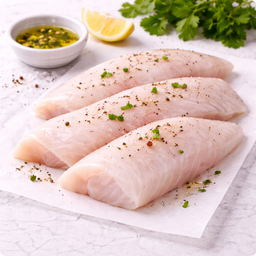 White Fish
 Vitamin C improves mineral absorption from white fish
Technical: White fish (cod, tilapia, plaice) contains 0.3mg iron, 32μg selenium and 18-20g protein per 100g. Vitamin C from lemon reduces Fe³⁺ to Fe²⁺ forming soluble chelates. The acidic environment also improves protein denaturation making peptides more accessible to pepsin and trypsin.
What does this mean for you? Fish with lemon is a universal combination for good reason. Lemon juice improves mineral absorption and makes protein more digestible. Fish and chips with lemon? Scientifically justified!
Lemon 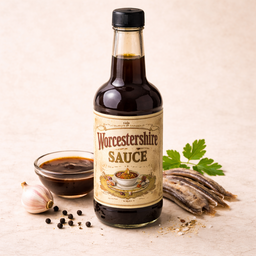 Worcestershire Sauce
 Fermented umami + vitamin C for flavor and iron absorption
Technical: Worcestershire sauce is a fermented product (anchovy, tamarind, vinegar, spices) rich in free glutamate, nucleotides (IMP from anchovy) and iron from anchovy (2mg/100ml). Lemon's vitamin C increases iron absorption from anchovy iron by 3-6x. Citric acid also enhances umami perception by lowering pH. The 18-month fermentation produces biogenic amines that act as natural flavor enhancers.
What does this mean for you? A few drops of Worcestershire sauce + lemon juice in dressings, marinades or Bloody Mary makes everything more intense. The lemon enhances umami and makes the iron from anchovies available.
Lemon 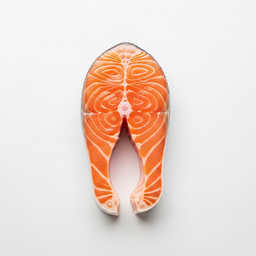 Salmon
 Improves digestion and iron absorption
Technical: Salmon contains 20g protein per 100g that is optimally digested at low stomach pH. Citric acid lowers stomach pH and activates pepsinogen → pepsin (the primary protein-digesting enzyme). Protein digestion becomes 15-20% more efficient. Vitamin C from lemon also protects omega-3 fatty acids (2.5g per 100g) against lipid peroxidation and improves non-heme iron absorption.
What does this mean for you? Sprinkle your salmon fillet with lemon juice — not just for flavor. The citric acid helps your body better digest the proteins and fats. Add the juice just before serving, not during cooking (vitamin C is heat-sensitive).
Lemon 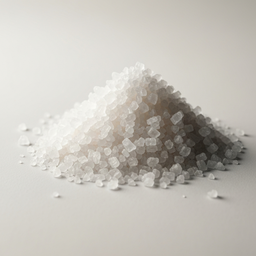 Sea Salt
 Trace minerals + vitamin C for electrolytes and immune system
Technical: Unrefined sea salt contains 80+ trace elements (magnesium 0.5%, potassium 0.4%, calcium 0.1%, plus iodine, zinc, selenium in trace amounts) alongside sodium. Lemon's vitamin C improves absorption of non-heme iron and zinc from sea salt. Sodium + potassium together regulate cellular osmosis. Vitamin C is also essential for collagen synthesis where sea salt minerals serve as cofactors.
What does this mean for you? A glass of warm water with a pinch of unrefined sea salt and lemon juice in the morning is an effective hydration ritual. The minerals + vitamin C start your day with good electrolyte balance.
Lemon 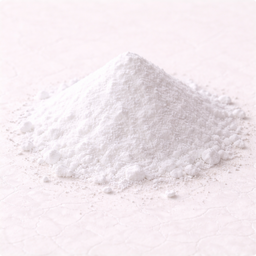 Baking Soda
 Bicarbonate + citric acid for alkalizing effervescent effect
Technical: NaHCO₃ + citric acid (C₆H₈O₇) reacts to sodium citrate + CO₂ + H₂O. Sodium citrate is an alkalizing salt that raises urine pH and helps dissolve uric acid crystals. CO₂ bubbles accelerate gastric emptying. Citrate chelates calcium. The effervescent reaction also improves solubility of other supplements taken simultaneously.
What does this mean for you? A glass of water with baking soda + lemon juice is a homemade effervescent that alkalizes your body. Drink it between meals for alkalizing effect, not during meals (reduces digestion).
Lemon 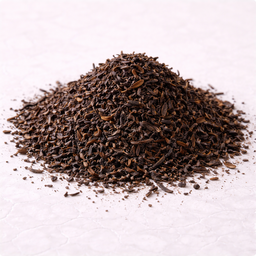 Black Tea
 Better catechin absorption through vitamin C
Technical: Black tea contains theaflavins and thearubigins — oxidized polyphenols with antioxidant action. Vitamin C from lemon protects these polyphenols from further oxidation in the stomach and stabilizes them for better absorption. Additionally, vitamin C inhibits binding of theaflavins to casein (if you were to add milk).
What does this mean for you? Drink black tea with lemon instead of milk. The lemon protects the antioxidants — milk binds them and renders them ineffective.
Lemon 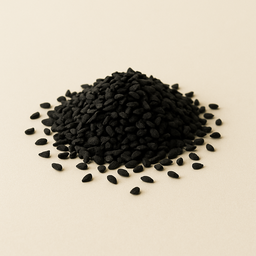 Black Seed
 Thymoquinone + vitamin C: bioactive combination
Technical: Black seed contains thymoquinone, a bioactive plant compound. Lemon provides vitamin C (53mg), which contributes to the normal function of the immune system (EFSA).
What does this mean for you? Add ground black seeds and lemon juice to warm water or tea. A spicy, fresh drink.
Recipes with Lemon
Discover delicious recipes featuring lemon:
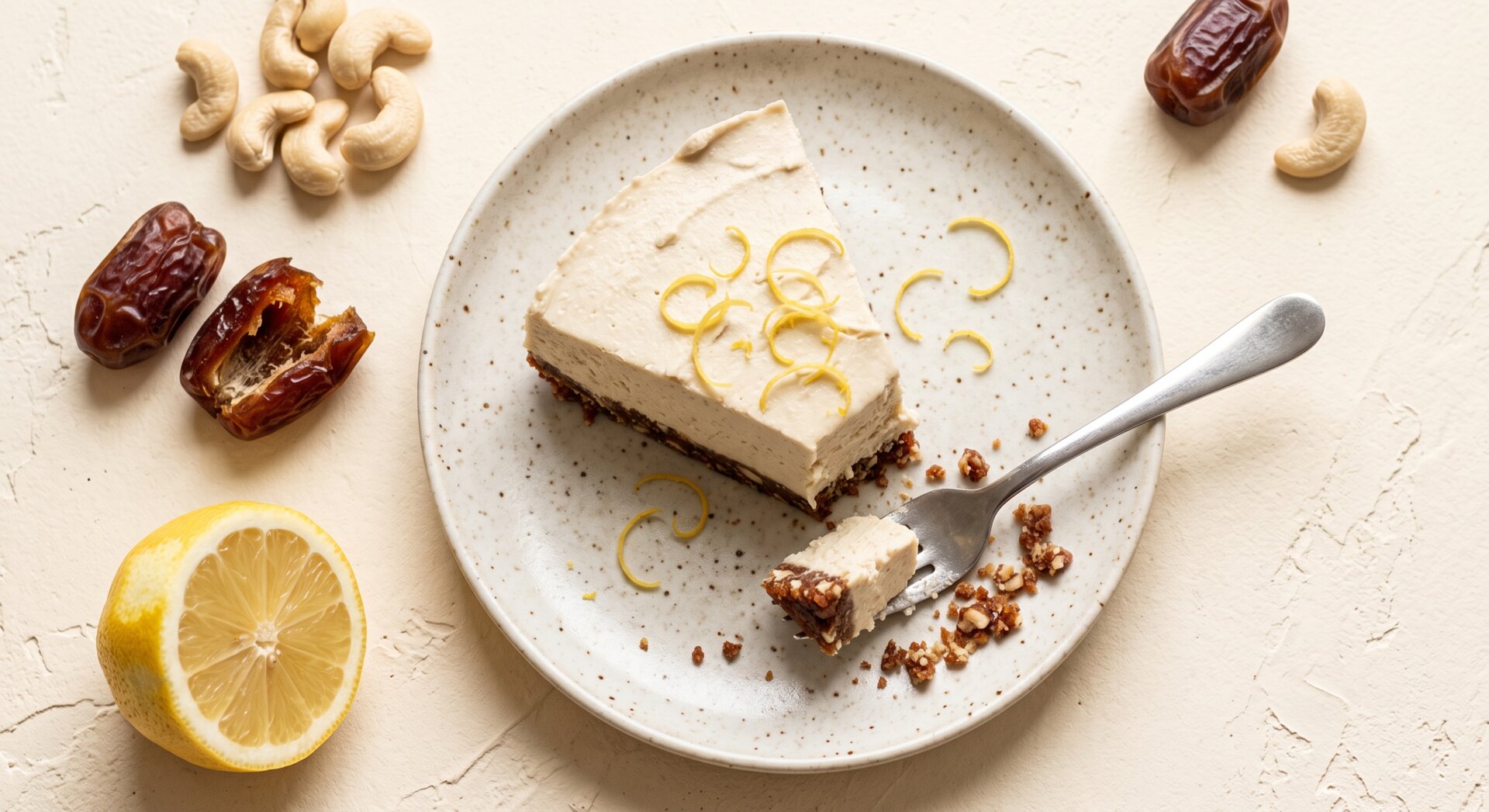 Cashew-Lemon Cheesecake 270 min No-bake cheesecake with an almond-date crust and a silky cashew-lemon filling — without dairy, without refined sugar and without an oven
  255 kcal
  5g protein 2 synergies
 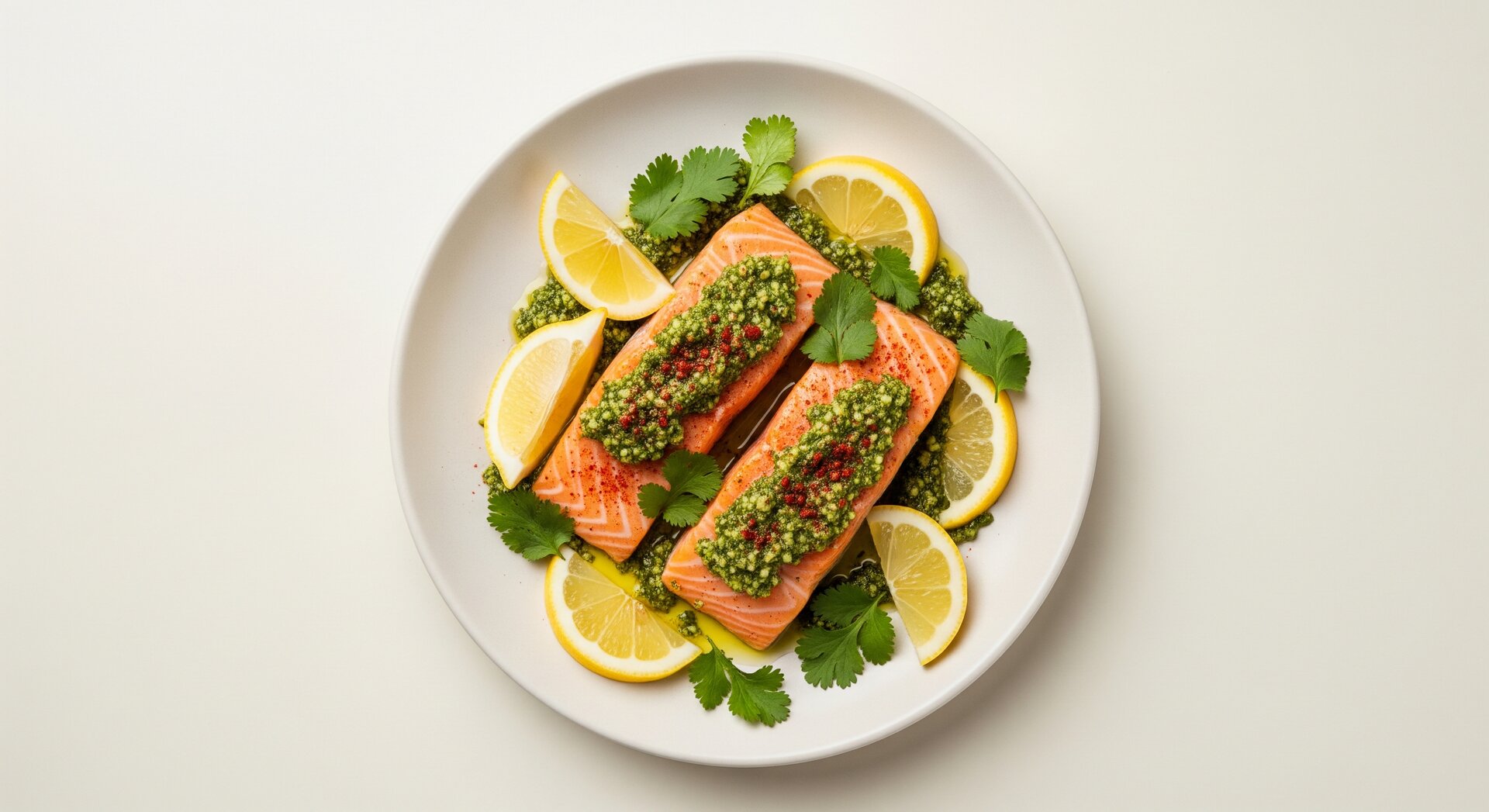 Chermoula Salmon - Moroccan Spiced Fish 55 min Marinated salmon with fresh herbs and citrus 385 kcal 32g protein 2 synergies
 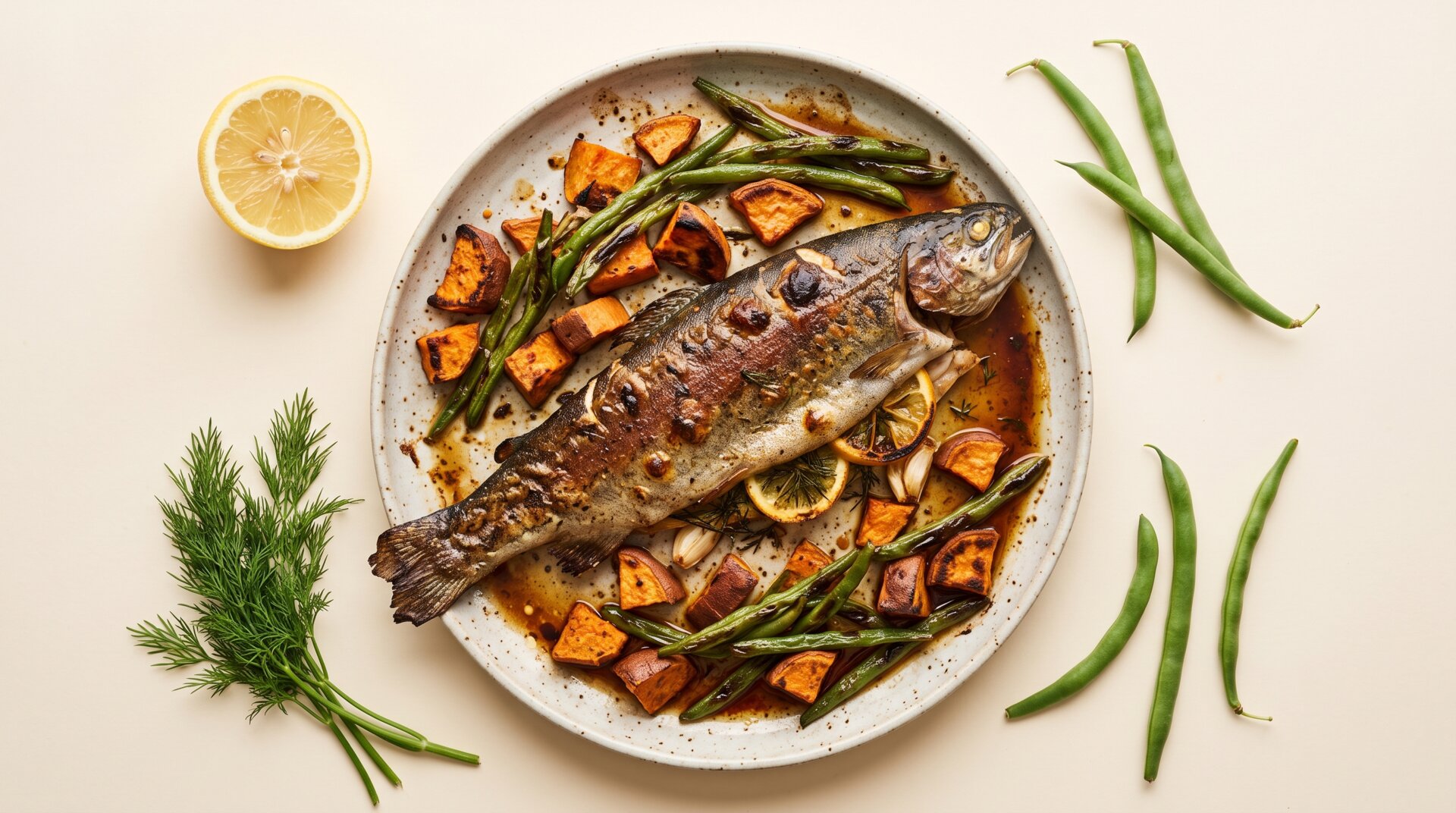 Oven-Baked Trout with Lemon, Herbs and Vegetables 35 min Whole trout with dill and sweet potato from a single roasting pan 600 kcal 40g protein 2 synergies
 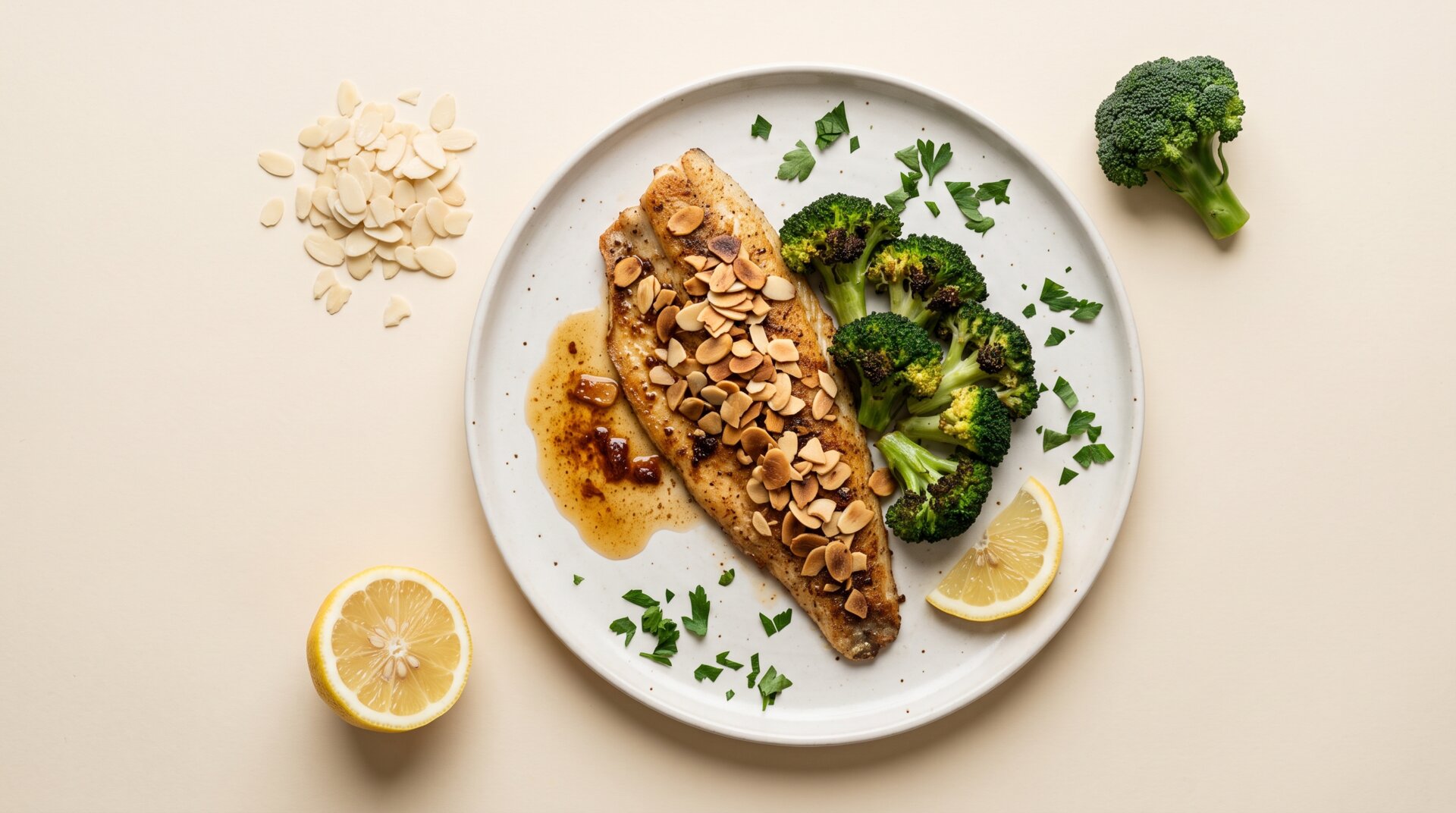 Pan-Fried Trout with Almonds and Broccoli 30 min Classic French fish dish with almond butter 520 kcal 45g protein 2 synergies
 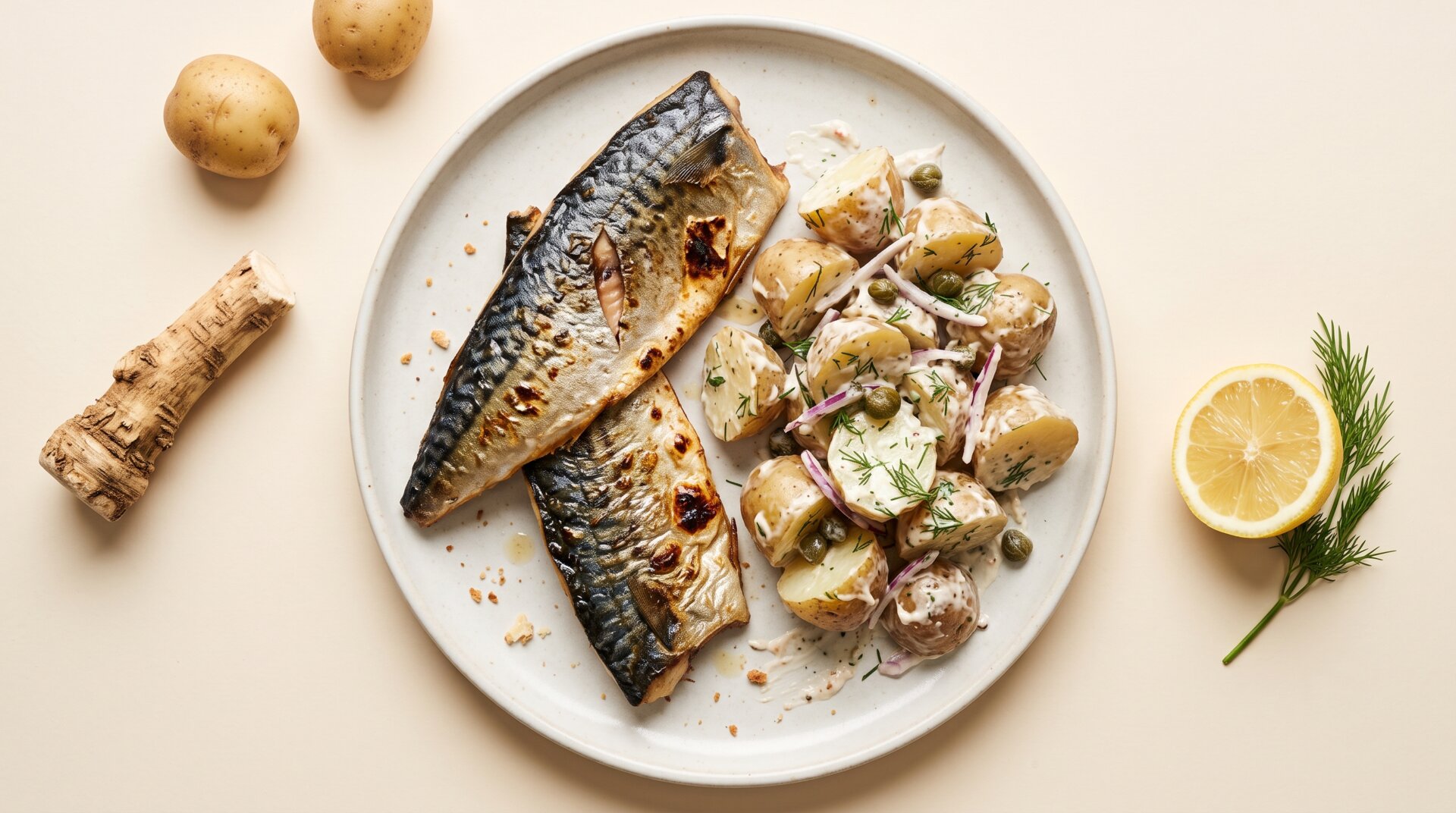 Pan-Fried Mackerel with Potato Salad and Horseradish 40 min Omega-3 rich mackerel with spicy horseradish 667 kcal 36g protein 2 synergies
 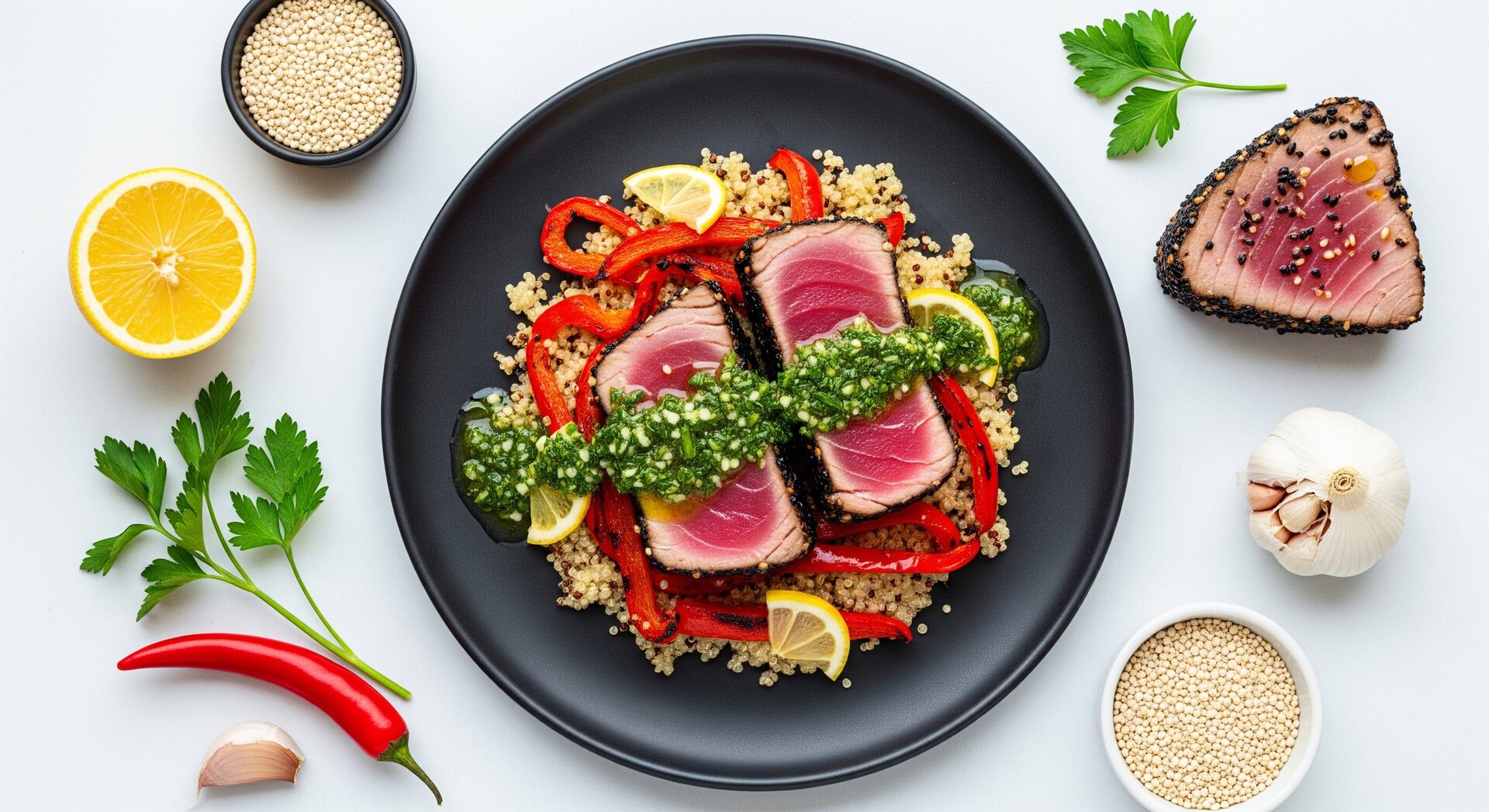 Seared Tuna with Quinoa and Chimichurri 35 min Tuna steak with quinoa and fresh parsley-lemon chimichurri 675 kcal 53g protein 2 synergies
  In the Kitchen
Storage
Location:Refrigerator
Shelf life:2-4 weken (hele citroen, koelkast), 2-3 dagen (gesneden)
Store whole lemons in the fridge for the longest shelf life. At room temperature they often yield a little more juice. Use washed organic peel when grating zest.
Preparation
Add lemon juice at the end for a fresh taste. Use it with green tea, legumes, vegetables, fish, dressings, and marinades; dilute it in drinks to soften the acidity.
Conversions
Substitutes
Smart preparation
1Roll a lemon with gentle pressure on the counter for more juice.
Why?
This softens the flesh, making the juice easier to release.
2Zest only the yellow outer layer; the white pith underneath tastes bitter.
3Freeze lemon juice in ice cube trays for later use.
Caution / Warnings
Lemon is very safe, but there are scientific considerations:
Tooth erosion Severe
Citric acid is acidic and can affect tooth enamel with frequent or prolonged contact.
Advice:
Drink lemon water through a straw if useful, dilute it well, and rinse your mouth with plain water afterward. Do not brush immediately after acidic drinks.
Acid reflux / GERD Moderate
Because of its direct acidity, lemon may cause discomfort for some people with reflux symptoms.
Advice:
Avoid during active reflux symptoms or test small amounts if tolerated.
Certain medications Mild
Lemon contains compounds, at much lower levels than grapefruit, that may be relevant with medication use at high intakes.
Advice:
Ask a doctor or pharmacist if unsure, especially with daily use of large amounts.
Mouth sores / canker sores Mild
With canker sores or mouth wounds, citric acid may sting and make local recovery more uncomfortable.
Traditional use
Ayurveda
Lemon in Ayurvedic food routines
In Ayurveda, lemon appears in warm drinks and daily food routines, often for its fresh acidic taste and its combination with water, herbs, or spices.
Islamic tradition
Arab citrus traditions
Arab agricultural and culinary traditions helped spread citrus fruits around the Mediterranean. Lemon became established in drinks, syrups, preserved preparations, and fragrant dishes.
Mediterranean
Mediterranean sailor food
On long sea voyages, lemons were valued because they provided freshness, acidity, and vitamin C in a form that was relatively easy to carry.
Summary
Lemon is first and foremost a versatile flavor ingredient: the juice adds fresh acidity, the zest brings aromatic citrus oils, and a few drops can make dishes taste lighter and brighter. Lemon naturally contains vitamin C; vitamin C increases iron absorption and contributes to the protection of cells from oxidative stress. Use washed organic peel for zest, dilute lemon juice in drinks, and protect tooth enamel by rinsing with water after acidic drinks.