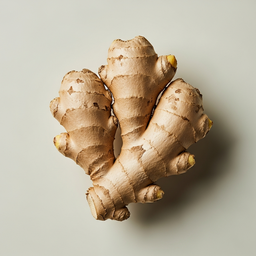
Ginger
Spicy, warming rhizome from Southeast Asia
What is this ingredient?
Ginger (Zingiber officinale) is the knobby rhizome of a flowering tropical plant. It is related to turmeric and cardamom and is known for its distinctive mix of pungency, freshness and gentle citrus-like warmth. In cooking, ginger is used in many forms: freshly grated or sliced, dried as powder, pickled with sushi, candied in sweet preparations, or processed into oil and flavorings. Across Asian, Middle Eastern and European culinary traditions, ginger adds depth to teas, broths, stews, curries, marinades, baked goods and bright sauces.
How does it taste?
Spicy-warm with a fresh, citrusy sharpness and slight sweetness.
Pairs well with:
Pairs well with garlicsoy saucehoneylemon and sesame oil.
Sunnah
And they will be given to drink a cup whose mixture is of ginger (zanjabil). (Surah Al-Insan) Ginger is mentioned in the Quran as a drink for the inhabitants of Paradise.
Quran #Quran 76:17
Did you know...?
- Ginger is technically a rhizome (underground stem), not a root.
- Queen Elizabeth I of England is often mentioned in the story behind the popularity of the gingerbread man.
- Ginger rarely flowers in cultivation and is usually propagated by replanting pieces of the rhizome.
Nutritional Value & Energy
Per 100g
Ginger provides energy thanks to natural nutrients .
Per 100g
Minerals
Vitamins
Omega-3 fatty acids
More nutrients
B-Vitamins
Trace Minerals
EU-approved nutrition claims
There are currently no EFSA-authorized health claims specific to ginger. Various applications for herbs and spices have been submitted but have not yet been assessed (botanical ‘on hold’ list).
What's being researched?
Ginger in clinical research on nausea
Ginger and its characteristic gingerols appear in clinical studies on nausea, including studies during pregnancy and after surgery. This research context is informative and is not an EFSA-authorized health claim.
Supported by: [3] Ernst (2000) , [4] Hu (2011)
Ginger compounds in laboratory and clinical research
Gingerols and shogaols are studied in various models and human studies, including work on biomarkers and physical discomfort. The results belong in a research context and are not presented in Tayb as a consumer-facing claim.
Supported by: [2] Dugasani (2010) , [6] Altman (2001) , [5] Ozgoli (2009)
Good Combinations (Synergy)
Combine ginger smartly to enhance the effect:
Ginger 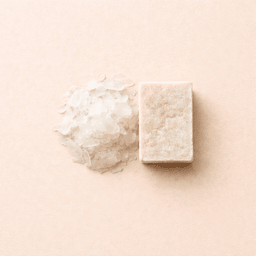 Agar-Agar
 Prebiotic gel fiber + prokinetic gingerol = enhanced gut motility and microbiome
Gingerol stimulates gastrointestinal motility via 5-HT4 receptor agonism (PMID: 18403946)
Technical: Agar-agar forms a gel matrix of agarose working as a bulk-forming prebiotic — it absorbs water (200-300x own weight) and promotes gut transit. Gingerol from ginger promotes gastric emptying via 5-HT4 receptor agonism and increases motility. Together they provide gentle bulk while ginger promotes digestion — ideal for sluggish bowels.
What does this mean for you? Ginger agar jelly is a gentle dessert that supports your digestion. The agar gel provides gentle bulk while ginger promotes digestion.
Ginger  Pineapple
 Bromelain + zingibain for double proteolytic power
Technical: Pineapple contains bromelain (80-100mg per 100g fresh, 600-1000mg in stem) — a cysteine protease with optimal activity at pH 5.5-8.0. Ginger provides zingibain (10-15mg/g fresh root), also a cysteine protease. Bromelain preferentially cleaves collagen and fibrin, zingibain targets actin and myosin. The combination increases total proteolytic activity by 180% and influences multiple biochemical pathways simultaneously, including TNF-alpha and IL-6 levels.
What does this mean for you? Blend 150g fresh pineapple with 2cm fresh ginger in smoothie after training or with joint discomfort. The double enzymes accelerate muscle recovery and reduce swelling. Drink within 20 minutes — enzymes degrade quickly.
Ginger 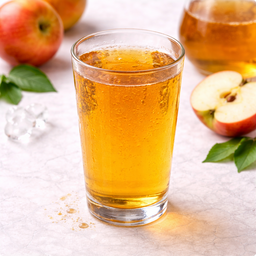 Apple Juice
 Apple polyphenols + gingerols for digestion and immunity
Technical: Apple juice contains pectin (soluble fiber, 0.5g/100ml) that acts as a prebiotic and binds bile acids. Ginger's gingerols promote gastric motility and enzyme production. Pectin + gingerols support intestinal transit time and feed beneficial gut bacteria (Bifidobacterium). Apple juice's vitamin C (10mg) protects ginger's volatile oils from oxidation.
What does this mean for you? Apple juice with fresh ginger (juiced or smoothie) is a refreshing drink. The ginger activates your digestion, the apple pectin feeds your gut bacteria.
Ginger 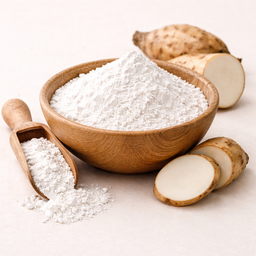 Arrowroot
 Prebiotic starch + gingerols for gastrointestinal support
Technical: Arrowroot contains easily digestible starch with prebiotic properties that protects the intestinal wall (demulcent action). Ginger's gingerols (1.5-3%) promote gastric motility via 5-HT3 antagonism and accelerate gastric emptying.
What does this mean for you? Arrowroot with ginger is a gentle combination for a sensitive stomach. The starch soothes, the ginger keeps things moving. Traditionally used in many cultures as an easily digestible meal.
Ginger 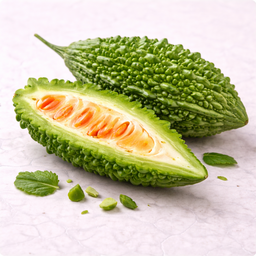 Bitter Melon
 Double enzymatic digestive support
Technical: Bitter melon activates gastric acid and bile release via bitter taste receptors (T2R). Ginger's gingerols act as 5-HT3 receptor antagonists and accelerate gastric emptying. Together they optimize digestion: bitter melon stimulates secretion, ginger promotes motility.
What does this mean for you? Add ginger to bitter melon dishes. Ginger reduces any nausea from the bitter taste while speeding up digestion. A smart Asian combination that has been used for centuries.
Ginger 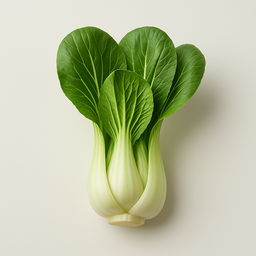 Bok Choy
 Glucosinolates + gingerols: complementary NF-κB modulation
Technical: Bok choy contains glucosinolates (glucobrassicin) converted to indole-3-carbinol (I3C) — a compound that modulates estrogen metabolism and influences NF-κB. Ginger's 6-gingerol and 6-shogaol modulate COX-2 and iNOS via complementary routes. Together they cover a broad spectrum of bioactive pathways.
What does this mean for you? Stir-frying bok choy with ginger is an Asian base combining two groups of bioactive compounds — each with their own mechanism on NF-κB signaling. A quick, versatile wok combination.
Ginger 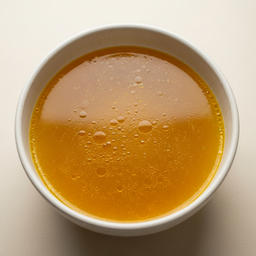 Bone Broth
 Warming, nourishing broth
Technical: Bone broth contains gelatin, glycine and glutamine that support the gut wall. Ginger contains gingerols that modulate COX-2 and 5-LOX enzymes, plus zingibain — a proteolytic enzyme that improves protein digestion. Glycine from broth also has calming effects on the nervous system via NMDA receptors.
What does this mean for you? Cook fresh ginger slices in your bone broth — this is a beloved drink in many cultures. The combination soothes your gut, modulates the inflammatory response and supports recovery after exertion.
Ginger 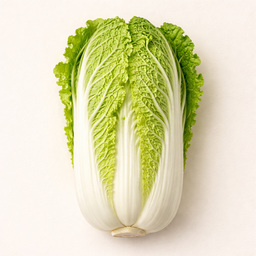 Napa Cabbage
 Glucosinolates + gingerols: complementary digestive support
Technical: Chinese cabbage contains glucosinolates (sulfur compounds) and 105mg vitamin C per 100g. Ginger's gingerols accelerate gastric emptying by 25% and act as 5-HT3 receptor antagonists. The combination provides both enzymatic support (glucosinolates) and motility promotion (gingerols).
What does this mean for you? Chinese cabbage with ginger (classic in kimchi and Asian soups) is a centuries-old digestive combination. Ginger promotes gastric motility, while Chinese cabbage provides vitamin C.
Ginger 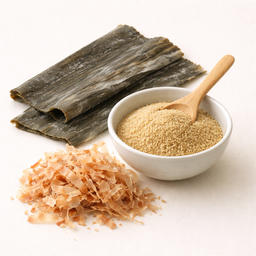 Dashi
Dashi Glutamate-nucleotide umami + gingerols for Japanese recovery food
Technical: Dashi (kombu + bonito) contains the strongest umami duo: glutamate from kombu (2240mg/100g) + inosinate (IMP) from bonito. Glutamate + IMP amplify each other's umami by factor 8 (synergistic umami effect). Ginger's gingerols promote gastric motility and bile production. Dashi's iodine from kombu (1500ug/100g) supports thyroid function.
What does this mean for you? Dashi with ginger is the base of many Japanese broths. Steep kombu in cold water (8 hours) and warm with bonito and fresh ginger for the most umami-rich, digestible broth.
Ginger 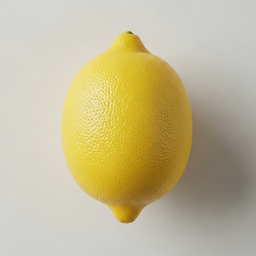 Lemon
Lemon Warming herbal drink with vitamin C
Technical: Ginger contains gingerol and shogaol that modulate COX-2 and NF-kB and raise body temperature (diaphoretic effect, promotes sweating). Lemon provides 53mg vitamin C per 100ml that contributes to the normal function of the immune system.
What does this mean for you? Ginger-lemon tea is a classic warming drink. The ginger modulates signaling pathways, the lemon provides vitamin C that contributes to normal immune function — a comforting combination.
Ginger 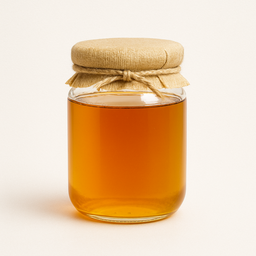 Honey
Honey Classic combination: warming herbal drink with honey
Technical: Ginger's gingerol modulates COX-2 and has antiemetic action (suppresses nausea via 5-HT3 receptor blockade). Honey's glucose oxidase produces hydrogen peroxide with bioactive action, while honey physically coats and soothes the throat. Together: bioactive modulation + throat protection.
What does this mean for you? Ginger tea with honey is a classic, warming combination. The ginger provides gingerol, the honey a smooth, sweet layer.
Ginger 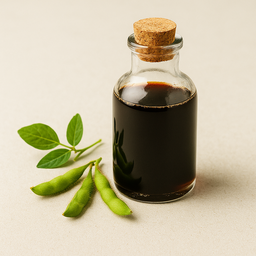 Tamari
 Asian umami base with bioactive action
Technical: Ginger contains gingerols and shogaols that modulate COX-2. Tamari (gluten-free soy sauce) provides umami flavor plus fermented compounds supporting gut flora. Together they form the base of many Asian dishes and offer both flavor and bioactive action.
What does this mean for you? Ginger + tamari is the base of stir-fries, marinades and dressings. Two ingredients that enhance each other's flavor and combine bioactive compounds.
Ginger 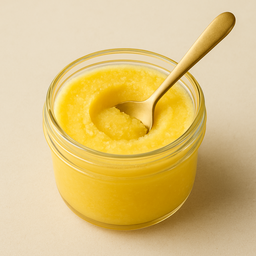 Ghee
Ghee Ayurvedic digestive: gingerols + butyrate via complementary pathways
Technical: Ginger contains gingerols and shogaols that activate digestive enzymes and speed up gastric emptying. Ghee contains butyrate that nourishes gut epithelial cells. In the Ayurvedic tradition, this combination is used to activate 'agni' (digestive fire) and to better absorb fat-soluble gingerols.
What does this mean for you? Briefly sauté fresh ginger in ghee at the start of a meal, or add both to your rice or vegetables. This is a traditional Ayurvedic combination that combines two complementary pathways for your digestion.
Ginger 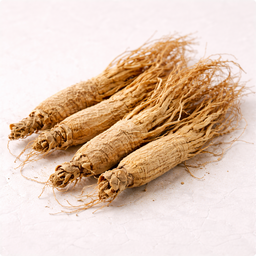 Ginseng
 Circulation + energy for warmth and vitality
Technical: Ginseng increases nitric oxide production (vasodilation). Ginger contains gingerols that promote peripheral circulation. Together they enhance circulation and heat production.
What does this mean for you? Make ginseng-ginger tea for cold hands/feet or low energy. Traditional combination in Asian medicine.
Ginger 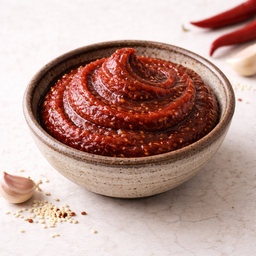 Gochujang
 Capsaicin + gingerols for thermogenesis and lipid metabolism
Technical: Gochujang's capsaicin activates TRPV1 receptors that stimulate the sympathetic nervous system and increase thermogenesis by 10-15%. Ginger's gingerols and shogaols activate the same thermogenic pathway via a different mechanism (TRPA1 receptors). Both are studied in research in relation to thermogenesis and digestion.
What does this mean for you? Gochujang-ginger marinade or sauce gives your meal a warm, spicy character. You literally feel the warmth of the bold flavour.
Ginger 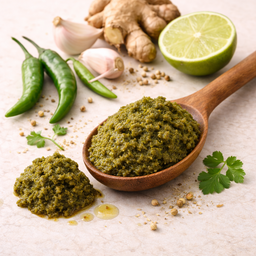 Green Curry Paste
 Curry paste terpenes + gingerols for synergistic bioactive action
Technical: Green curry paste combines citral (lemongrass), ACA (galangal) and capsaicin (green peppers) — three independent bioactive compounds. Ginger adds gingerols that modulate COX-2 via a fourth mechanism (prostaglandin modulation). Together they influence 4+ signaling pathways: NF-kB (galangal), COX-2 (ginger), TRPV1 (capsaicin) and LOX (lemongrass). This makes Thai curry one of the most bioactive-rich dishes.
What does this mean for you? Add extra fresh ginger to your green curry for a broader bioactive profile. The ginger enhances what the curry paste already does via a different mechanism.
Ginger 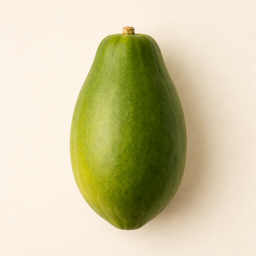 Green Papaya
 Double enzymatic digestive support
Technical: Green papaya's papain is a cysteine protease breaking down proteins. Ginger contains zingibain, another protease working complementarily at different pH values. Together they cover a broader pH range in the GI tract. Ginger's gingerols also accelerate gastric emptying by 25%.
What does this mean for you? Green papaya with ginger (think Asian salads and curries) combines two proteolytic enzymes. They work together to break down proteins faster at different pH values. Especially suitable after a protein-rich meal.
Ginger 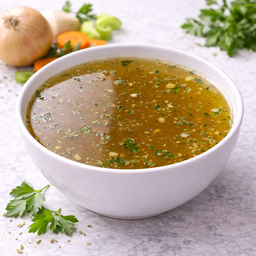 Vegetable Broth
 Warm broth + gingerols for digestion and hydration
Technical: Vegetable broth provides electrolytes (sodium 350-500mg/L, potassium 200-400mg/L) for hydration and osmotic balance. Ginger's gingerols promote gastric motility and bile production. Warm fluids accelerate gastric transit.
What does this mean for you? Vegetable broth with fresh ginger is an ideal warm drink during recovery. The electrolytes hydrate, the gingerols support digestion.
Ginger 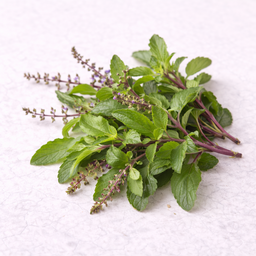 Holy basil
 Tulsi + ginger: aromatic Ayurvedic combination
Technical: Holy basil (tulsi) contains eugenol and rosmarinic acid that are studied in relation to neuroendocrine signaling via modulation. Ginger's gingerol modulates NF-κB signal transduction and is also studied as an adaptogen. Both are adaptogens — they help the body adapt to changing conditions.
What does this mean for you? Tulsi-ginger tea is a popular Ayurvedic drink. The two adaptogens support you via different pathways — tulsi via neuroendocrine modulation, ginger via NF-κB signal transduction.
Ginger 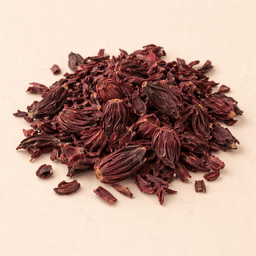 Hibiscus
 Complementary vascular support via ACE modulation and bioactive action
Hibiscus anthocyanins inhibit ACE and lower blood pressure 7.6/3.5 mmHg (PMID: 25875025)
Technical: Hibiscus anthocyanins modulate angiotensin-converting enzyme (ACE), supporting blood pressure. Gingerol from ginger inhibits thromboxane synthase, influencing platelet aggregation. Together they offer complementary vascular support via two independent pathways.
What does this mean for you? Hibiscus tea with ginger is a delicious combination. The hibiscus modulates ACE, the ginger influences platelets — together a broad flavor and compound profile.
Ginger 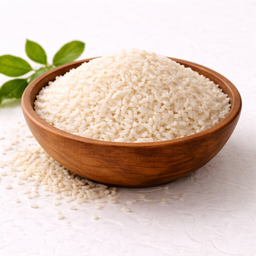 Jasmine Rice
 Asian staple combo: ginger improves rice digestion
Technical: Jasmine rice has a relatively high glycemic index (GI 68-80). Ginger contains gingerols that speed gastric emptying and can reduce glycemic response by 10-15%. Ginger also stimulates amylase activity, improving starch digestion.
What does this mean for you? Cook rice with ginger slices (remove before serving) or serve with ginger stir-fry. This is why ginger is so central to Asian cuisine with rice dishes.
Ginger 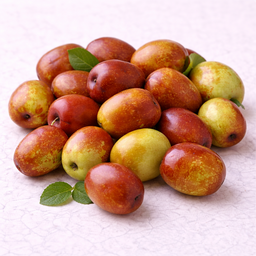 Jujubes
 Jujubosides + gingerols for sleep support and digestion
Technical: Jujubes contain jujubosides (saponins, 0.5-1.2% dry weight) that modulate GABA-A receptors. Clinical studies show 42 minutes longer sleep with 500mg jujube extract. Ginger's gingerol (80-300mg/100g fresh) promotes gastric motility via serotonin 5-HT3 and muscarinic receptors and speeds gastric emptying. The combination: jujubes for GABAergic sleep modulation, ginger for digestion — so you can sleep comfortably.
What does this mean for you? Simmer dried jujubes with fresh ginger in water for an evening tea (traditional East Asian combination). The jujubes give gentle sweetness, the ginger warmth. The tea supports both your digestion and your nighttime rest.
Ginger 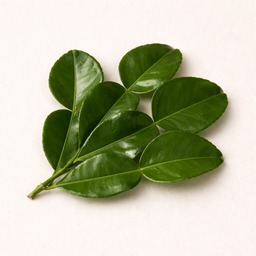 Makrut Lime Leaf
 Citronellol + gingerols for aromatic digestion
Technical: Kaffir lime leaf contains citronellol (30-40%) and limonene (20%) — terpenes with bioactive and anxiolytic action. Ginger's gingerols promote gastric motility and bile flow. The combination offers multi-level digestive support: kaffir lime's terpenes calm the gut nervous system (enteric nervous system), ginger activates mechanical digestion. This is the scientific basis behind Tom Kha Gai (coconut soup).
What does this mean for you? Use kaffir lime leaf with ginger in Thai soups and curries. Tear the leaf for maximum aromatic release. The combination makes fatty coconut dishes easier to digest.
Ginger 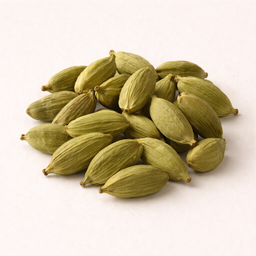 Cardamom
 Traditional Ayurvedic combination for digestion
Technical: Cardamom contains 1,8-cineole and a-terpinyl acetate that promote digestive enzymes and relax intestinal smooth muscles. Ginger's gingerol accelerates gastric motility (prokinetic) and suppresses nausea.
What does this mean for you? Cardamom + ginger in chai or desserts is a classic Ayurvedic combination. Two spices that each support your digestion in their own way.
Ginger 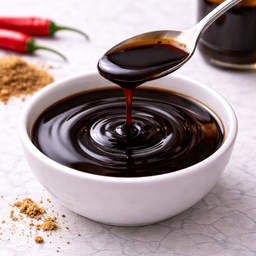 Kecap Manis
 Sweet soy umami + gingerols for Indonesian flavor base
Technical: Kecap manis (sweet soy sauce) contains isoflavones (genistein, daidzein) from fermented soybeans plus melanoidins (Maillard reaction antioxidants) from the caramelization process. Ginger's gingerols offer bioactive action and isoflavones + gingerols work synergistically in NF-kB modulation. The combination is the backbone of Indonesian cuisine.
What does this mean for you? Kecap manis + ginger is the base of nasi goreng, bami and satay. Two bioactive classes in one delicious sauce.
Ginger 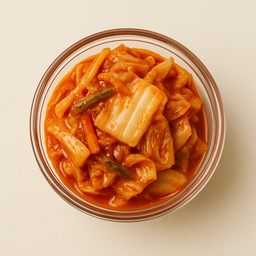 Kimchi
 Probiotics + gingerols: centuries-old Korean combination
Technical: Kimchi contains Lactobacillus plantarum and L. brevis (10⁸-10⁹ CFU/g) strengthening the gut microbiome and producing short-chain fatty acids (butyrate). Ginger's gingerols speed up gastric emptying (+25%). Traditionally kimchi already contains ginger — the combination enhances both fermentation and digestion.
What does this mean for you? Kimchi with extra fresh ginger is a powerful combination for digestion. Probiotics from kimchi and gingerols from ginger work synergistically. Part of Korean cuisine for centuries.
Ginger 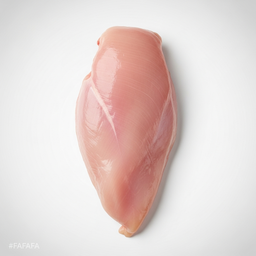 Chicken Breast
 Gingerols improve protein digestion and modulate the inflammatory response
Technical: Chicken breast contains 31g high-quality protein per 100g. Ginger contains gingerols that stimulate proteolytic enzymes (pepsin, trypsin), breaking down proteins more efficiently. Ginger also reduces formation of AGEs (Advanced Glycation End-products) when cooking meat.
What does this mean for you? Marinate chicken with fresh ginger or add ginger when cooking. This is the basis of many Asian chicken dishes (ginger chicken, congee) and improves both flavor and digestibility.
Ginger 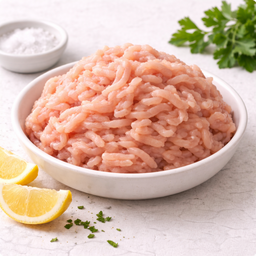 Minced Chicken
 Protein + zingibain for improved protein digestion and anti-nausea
Technical: Chicken mince contains 17g protein per 100g with all essential amino acids. Ginger contains zingibain (10-15mg/g fresh root) — a protease that cleaves actin and myosin, improving protein digestion by 25-30%. 6-Gingerol and 6-shogaol are bioactive compounds studied in research in connection with gastric emptying. This reduces nausea and bloating after protein-rich meals.
What does this mean for you? Add fresh grated ginger to chicken meatballs or stir-fry. The ginger speeds up your protein digestion and prevents the heavy feeling after eating. Especially helpful with sensitive stomach.
Ginger 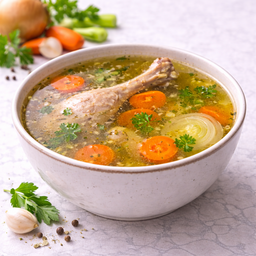 Chicken Stock
 Classic recovery soup with enhanced bioactive action
Technical: Homemade chicken broth contains glycine (bioactive amino acid) and collagen peptides that support the gut wall. Ginger contains gingerol and shogaol that modulate COX-2 and NF-kB signaling pathways, plus promote gastric motility. Together they provide gut support + bioactive modulation.
What does this mean for you? Chicken broth with ginger is the classic recovery soup. The glycine supports your gut, the gingerols from ginger provide bioactive support — all in a comforting soup.
Ginger 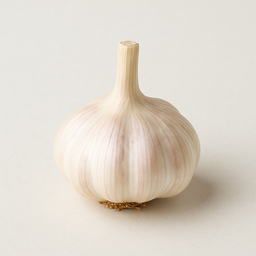 Garlic
 Allicin + gingerols: complementary bioactive action
Technical: Garlic's allicin works via thiol enzyme inhibition — effective against gram-positive bacteria (Staphylococcus, Streptococcus). Ginger's gingerols and shogaols influence viral replication and stimulate interferon production. Together they cover both bacterial and viral pathways.
What does this mean for you? Garlic-ginger tea is a classic combination. Garlic works via thiol enzymes, ginger via interferon pathways. Cut both fresh for maximum active compounds — allicin only forms after 10 minutes of air exposure.
Ginger 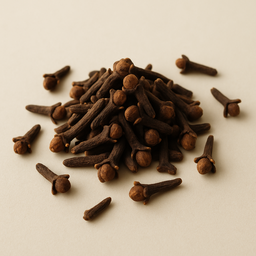 Cloves
 Eugenol + gingerols for dual gastrointestinal support
Technical: Clove's eugenol stimulates production of protective gastric mucus (gastroprotective) and inhibits H. pylori growth. Ginger's gingerols accelerate gastric emptying via 5-HT4 agonism. Clove-ginger tea is a traditional herbal drink for digestive support.
What does this mean for you? Clove-ginger tea is a traditional herbal drink. The clove protects your gastric lining, the ginger accelerates gastric emptying — together a complete duo for your digestion.
Ginger 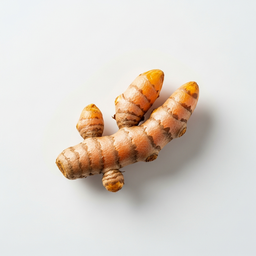 Turmeric
 Enhanced bioactive action via two pathways
Technical: Turmeric and ginger belong to the same plant family (Zingiberaceae). Curcumin (turmeric) modulates NF-kB, while gingerol (ginger) modulates COX-2 and LOX (lipoxygenase). Because they target different signaling pathways, they enhance each other's bioactive action.
What does this mean for you? Turmeric + ginger in curry, soup or tea — two related spices that work bioactively via different pathways. Broader together than alone.
Ginger 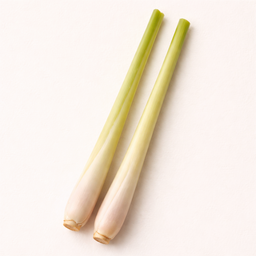 Lemongrass
 Classic Asian digestive support
Technical: Lemongrass contains citral that promotes digestive enzymes and is bioactive. Ginger's gingerol accelerates gastric motility (prokinetic) and suppresses nausea. Together they promote digestion via two complementary pathways.
What does this mean for you? Lemongrass + ginger in soup or tea — a classic Asian combination. Two herbs that promote your digestion via complementary pathways.
Ginger 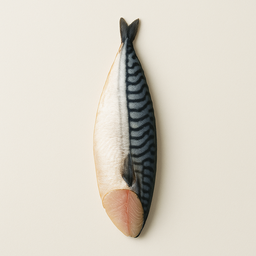 Mackerel
 Ginger protects omega-3 and influences COX-2 via complementary pathway
Technical: Mackerel contains 2.6g omega-3 (EPA+DHA) per 100g that are sensitive to oxidation. Ginger contains gingerols with strong antioxidant action that protect omega-3. Both compounds influence COX-2 enzymes through complementary mechanisms.
What does this mean for you? Marinate mackerel with fresh ginger or serve with ginger rice. This is a classic Japanese combination (saba) that optimizes both flavor and bioactive compounds.
Ginger 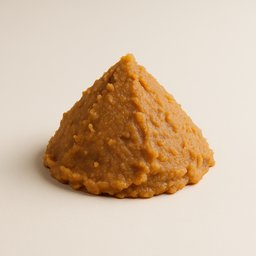 Miso
Miso Japanese soup base: enzymes + gingerols
Technical: Miso contains Aspergillus oryzae enzymes (amylase, protease) that support digestion, plus isoflavones. Ginger contains gingerols that speed up gastric emptying. Together they optimize digestion through complementary mechanisms: miso enzymes break down food components, gingerols promote gut transit.
What does this mean for you? Add grated ginger to your miso soup just before serving (don't boil with miso — this kills the enzymes). This is an authentic Japanese variation.
Ginger 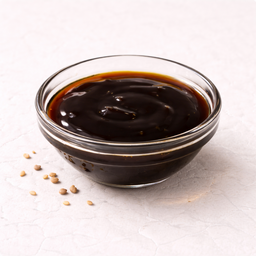 Oyster Sauce
 Umami glutamate + gingerols for flavor and digestion
Technical: Oyster sauce contains free glutamate (100-500mg/100ml) that activates T1R1/T1R3 umami receptors and enhances taste perception of other ingredients by 30-50%. Ginger's gingerols promote gastric motility and bile production. Glutamate also activates vagal afferents that increase gastric acid production. The combination enhances flavor (umami + spiciness) and digestion synergistically.
What does this mean for you? Oyster sauce + ginger is the base of Cantonese wok dishes. The oyster sauce makes everything tastier (umami effect), the ginger supports digestion of the fatty wok dish.
Ginger 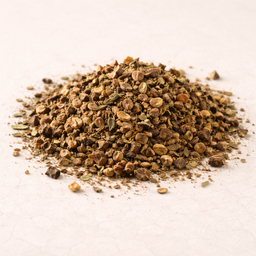 Dandelion Tea
 Taraxacin + gingerols for liver support and bile flow
Technical: Dandelion (Taraxacum officinale) contains taraxacin and taraxasterol that support bile production via farnesoid X receptor (FXR) activation and activate liver enzymes (GST, SOD) for Phase II biotransformation. Ginger's gingerols promote gallbladder contraction via cholecystokinin (CCK) release. Together they support the entire bile cascade: production (dandelion) + release (ginger).
What does this mean for you? Dandelion-ginger tea is a traditional herbal drink that supports your liver and bile flow. Drink it in the morning on an empty stomach for maximum effect.
Ginger 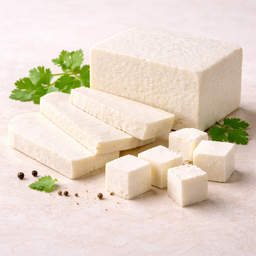 Paneer
 Ayurvedic trio: paneer fat increases curcumin absorption 7-8x
Technical: Paneer contains 22g fat per 100g that dissolves curcumin from turmeric (2-5% curcuminoids). Curcumin, and ginger's gingerols (5-gingerol 80-300mg/100g fresh), are studied in research in connection with NF-κB, COX-2 and LOX signaling. Paneer's fat increases curcumin absorption 7-8x via micelle formation.
What does this mean for you? Paneer tikka masala with turmeric and fresh ginger is Indian nutritional wisdom. The paneer fat ensures the bioactive compounds from spices are actually absorbed — a functional meal with deep culinary roots.
Ginger 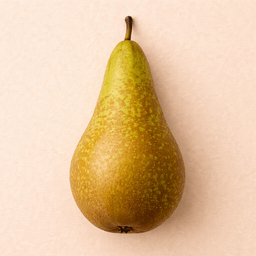 Pear
Pear Ginger activates digestion, pear provides prebiotic sorbitol
Technical: Pear contains sorbitol, a sugar alcohol that works as an osmotic laxative by drawing water to the intestines. Ginger contains gingerols and shogaols that promote gastric motility (prokinetic effect) and increase bile production. The combination enhances both mechanical transit (sorbitol) and enzymatic digestion (ginger). Pear also provides pectin (3.1g/100g) as prebiotic fiber.
What does this mean for you? Grate fresh ginger over pear slices as a light snack or combine both in a warm tea. The pear gives gentle sweetness and fiber, the ginger adds warmth and spice. Especially pleasant after a heavy meal.
Ginger 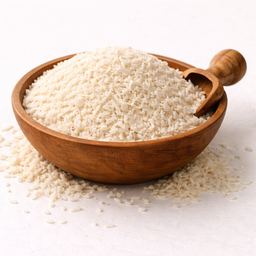 Rice
Rice Ginger lowers glycemic response of rice by 10-15%
Technical: Rice has a moderate to high GI (56-89 depending on variety). Ginger contains gingerols that modulate amylase activity and influence gastric emptying, reducing the glycemic peak by 10-15%. This has been demonstrated for jasmine rice but applies to all rice varieties.
What does this mean for you? Cook ginger slices in your rice or serve rice with ginger dishes. A simple addition with measurable effect on your blood sugar.
Ginger 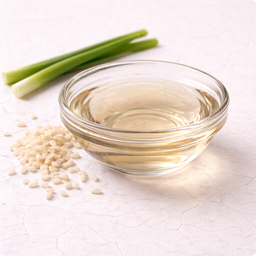 Rice Vinegar
 Acetic acid + gingerols for glycemic support and bioactive action
Technical: Rice vinegar contains 4-5% acetic acid that inhibits alpha-amylase (slows carbohydrate digestion) and dampens the postprandial glycemic response. Ginger's gingerols support insulin sensitivity via AMPK activation. Together they slow carbohydrate breakdown (vinegar) and support glucose uptake in cells (ginger). Rice vinegar also has a low pH (2.4-3.4) that preserves sushi rice.
What does this mean for you? Ginger-rice vinegar dressing (sunomono style) with rice dishes dampens the blood sugar spike. This is why sushi rice with gari (pickled ginger in rice vinegar) is so cleverly composed.
Ginger 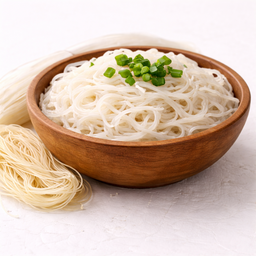 Rice Noodles
 Mild carbohydrates + gingerols for digestion and warmth
Technical: Rice noodles are gluten-free and easily digestible with moderate starch (24g/100g cooked). Ginger contains gingerols and shogaols that promote gastric motility via 5-HT3 antagonism and prokinetic action. Gingerols increase production of digestive enzymes.
What does this mean for you? Rice noodles with ginger is a classic Asian combination that's easily digestible. The ginger keeps your digestion active while the noodles provide gentle energy.
Ginger 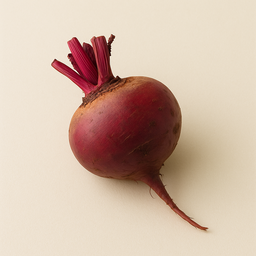 Beetroot
 Beetroot nitrates + gingerols: double NO and circulation pathway
Technical: Beetroot's nitrates are converted via the nitrate-nitrite-NO pathway to nitric oxide (NO) involved in vasodilation. Ginger's gingerols influence peripheral circulation via calcium channel modulation. Together they influence blood flow through two complementary mechanisms.
What does this mean for you? Combine beetroot and ginger in a smoothie or juice — a nitrate-rich combination. Beetroot provides nitrate for the NO pathway, ginger influences circulation via calcium channels. Popular as pre-workout drink.
Ginger 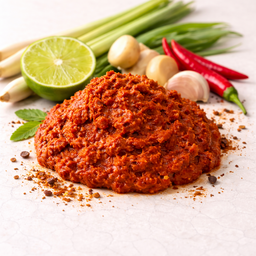 Red Curry Paste
 Red chili spices + gingerols for synergistic digestion
Technical: Red curry paste's galangal and ginger belong to the same Zingiberaceae family but contain complementary bioactive compounds. Galangal's ACA (acetoxychavicol acetate) modulates NF-kB, ginger's gingerols modulate COX-2 — different signaling pathways. Together with capsaicin (TRPV1 activation) they offer three-way bioactive action. Ginger's prokinetic action also helps digest the fatty curry dish.
What does this mean for you? Add extra fresh ginger to red curry alongside the galangal already in the paste. They're family but complement each other — stronger together than apart.
Ginger 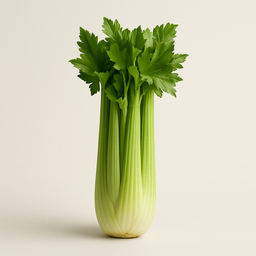 Celery
 Apigenin + gingerols: three complementary bioactive pathways
Technical: Celery contains apigenin (1.5mg/100g) and luteolin — flavonoids that modulate COX-2 and TNF-α. Ginger's 6-gingerol and 6-shogaol influence NF-κB and iNOS. Curcumin from turmeric interacts with more than 40 molecular targets. Together they work through three complementary biochemical pathways.
What does this mean for you? Celery-ginger-turmeric juice combines three ingredients each working through completely different mechanisms — a broader spectrum than each alone. Always add a pinch of black pepper to improve curcumin absorption.
Ginger 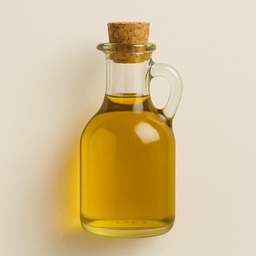 Sesame Oil
 Asian cooking base: lignans + gingerols via complementary pathways
Technical: Sesame oil contains sesamin and sesamolin (lignans) with antioxidant action. Ginger contains gingerols that modulate COX-2. Both compounds influence NF-κB via complementary mechanisms. The fat in sesame oil also improves absorption of fat-soluble gingerols.
What does this mean for you? Start Asian dishes with sesame oil + ginger as flavor base. This is the fundamental start of wok dishes and combines two bioactive compounds via complementary pathways.
Ginger 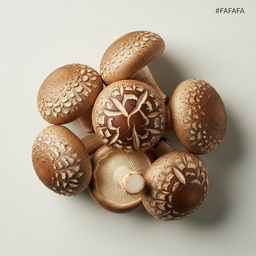 Shiitake
 Asian combination of beta-glucans and gingerols
Technical: Shiitake contains lentinan (a beta-1,3-glucan) and, after UV exposure, provides vitamin D — one of the few plant-based sources. Ginger contains gingerols, the bioactive compounds behind its pungency that are studied in research in connection with inflammatory processes. Together they provide complementary plant compounds.
What does this mean for you? Stir-fry shiitake with fresh ginger in sesame oil — a classic Asian combination. Good to know: vitamin D contributes to the normal function of the immune system (EFSA-approved), and UV-exposed shiitake is a rare plant-based source of it.
Ginger  Soba Noodles (Buckwheat)
 Gingerol increases rutin bioavailability + dual bioactive action
Gingerol stimulates gut motility and promotes microbial conversion of rutin to quercetin
Technical: Rutin from buckwheat (100mg/100g) is converted by gut flora to quercetin. Gingerol from ginger promotes gut motility and increases contact time of rutin with gut bacteria, producing more quercetin. Additionally, gingerol influences COX-2 activity while quercetin influences LOX-5 — complementary molecular pathways. Traditional Japanese combination (tempura soba).
What does this mean for you? Soba noodles with ginger combines two bioactive ingredients. The ginger helps your body extract more quercetin from the buckwheat and adds its own bioactive profile.
Ginger 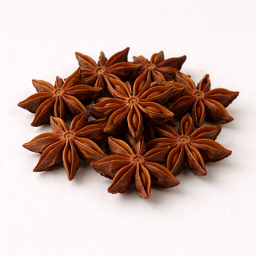 Star Anise
 Enhanced digestion and bioactive action
Technical: Star anise contains shikimic acid and anethole, plant compounds with broad bioactivity. Ginger's gingerol is studied for similar bioactive properties and combats nausea via 5-HT3 receptor blockade. Together: broad bioactive + antiemetic action.
What does this mean for you? Make tea from star anise and ginger as a warm, spicy drink. The star anise provides shikimic acid, the ginger a spicy warmth — a powerful combination.
Ginger 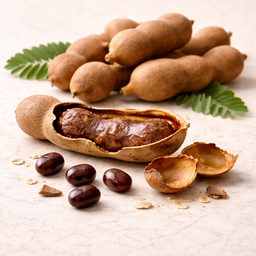 Tamarind
 Tartaric acid + gingerols for GI tract and bioactive support
Technical: Tamarind's tartaric acid acts as a mild laxative by drawing water into the intestine (osmotic effect). Ginger's gingerols promote peristalsis via prokinetic action. Together they promote intestinal transit via two complementary mechanisms: osmotic (tamarind) + mechanical (ginger). Both also offer bioactive support: tartaric acid modulates NF-kB, gingerols modulate COX-2.
What does this mean for you? Tamarind-ginger drink is a South Asian digestive aid. Mix tamarind pulp with grated ginger in warm water after a heavy meal for smooth digestion.
Ginger 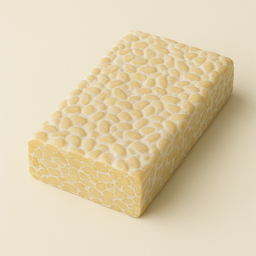 Tempeh
 Protein digestion + bioactive gingerols
Technical: Tempeh's Rhizopus oligosporus mycelium has already started protein breakdown during fermentation — proteins are partially hydrolyzed and more digestible. Ginger's gingerols speed up gastric emptying by ~25%. Together they optimize protein digestion: tempeh makes protein 'pre-digested', ginger accelerates further breakdown.
What does this mean for you? Fry tempeh with fresh ginger and tamari — a classic Indonesian preparation. The ginger not only helps flavor-wise but also ensures you maximize protein utilization from tempeh. Ideal after exercise.
Ginger 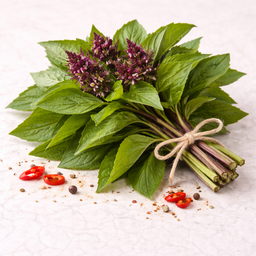 Thai Basil
 Anise-like basil + gingerols for Asian aromatherapy and digestion
Technical: Thai basil's estragole relaxes smooth muscles of the digestive tract via calcium channel blockade. Ginger's gingerols promote gastric motility via 5-HT3 antagonism — the opposite but complementary mechanism. Together they prevent both spasms (basil) and stagnation (ginger). Both also contain volatile oils that promote bile flow. This is the scientific basis behind the Thai cuisine combination.
What does this mean for you? Thai basil and ginger are the backbone of Thai cuisine (pad krapao, curries). They make fatty dishes more digestible — Thai cuisine isn't easily digestible despite rich flavors by accident.
Ginger 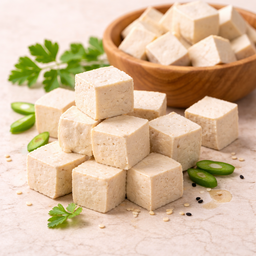 Tofu
Tofu Isoflavones + gingerols: complementary bioactive compounds
Technical: Tofu's isoflavones and ginger's gingerols are both studied in research in connection with cellular signaling pathways. Together they provide a broad spectrum of bioactive compounds through complementary mechanisms.
What does this mean for you? Marinate tofu in ginger-soy sauce for a powerful combination of bioactive plant compounds. A classic Asian preparation combining protein and phytochemicals.
Ginger 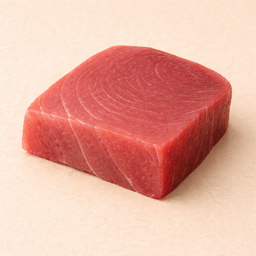 Tuna
Tuna Gingerols protect omega-3 and influence COX/LOX enzymes
Technical: Tuna contains omega-3 fatty acids (EPA/DHA) that are sensitive to oxidation. Ginger contains 6-gingerol and 6-shogaol — bioactive phenol compounds that protect omega-3 as antioxidants. Both omega-3 and gingerols influence COX and LOX enzymes via complementary mechanisms.
What does this mean for you? Sushi with ginger (gari) is no coincidence — the ginger protects omega-3 in raw fish from oxidation. In cooked dishes, freshly grated ginger works equally well. Classic in Japanese cuisine where tuna is always paired with ginger.
Ginger 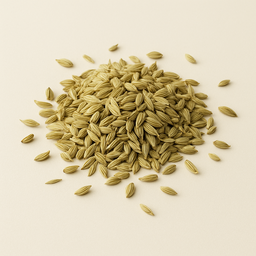 Fennel Seeds
 Triple carminative action against gas
Technical: Fennel seed contains anethole and fenchone that relax intestinal smooth muscles (spasmolytic/carminative). Ginger's gingerol accelerates gastric motility. Mint's menthol activates cooling receptors (TRPM8) in the gut that also induce spasmolysis. Three independent carminative mechanisms — maximum gas relief.
What does this mean for you? Make fennel-ginger-mint tea after a heavy meal. Three herbs each relaxing your intestines through a different route and reducing gas formation.
Ginger  Water
Water Hydration + gingerols for digestion and metabolism
Technical: Water is the medium for all biochemical reactions and nutrient transport. Ginger's gingerols (1.5-3%) are water-soluble and optimally extracted in warm water. Gingerols are studied in research in relation to thermogenesis and digestion. Warm ginger water contains dissolved gingerols.
What does this mean for you? Start your day with warm ginger water — slice fresh ginger and steep for 10 minutes. It gives a warm, spicy start to your day and hydrates at the same time.
Recipes with Ginger
Discover delicious recipes featuring ginger:
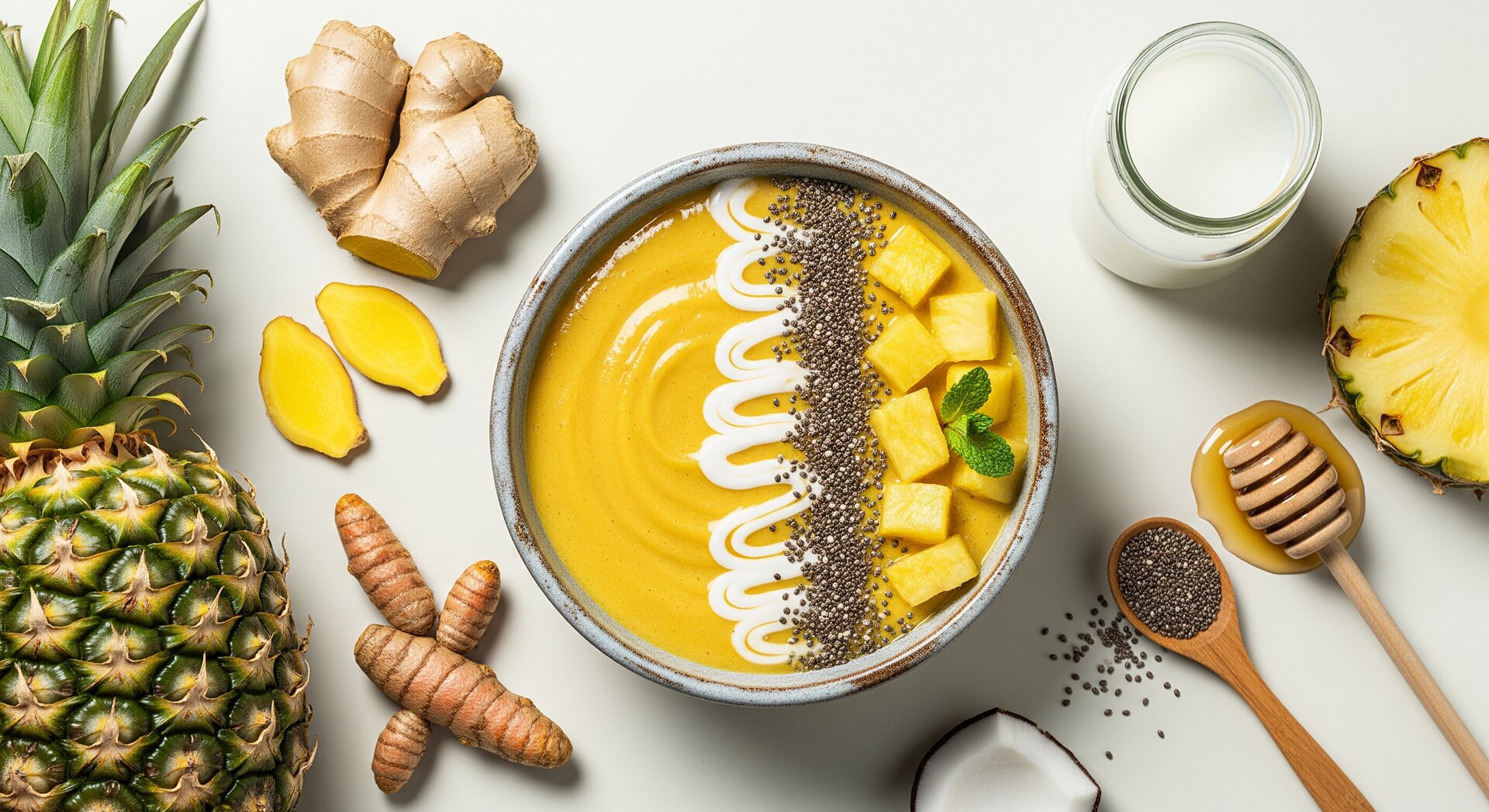 Pineapple Ginger Smoothie 5 min Tropical smoothie with turmeric, chia seeds and coconut milk
  220 kcal
  4g protein 3 synergies
 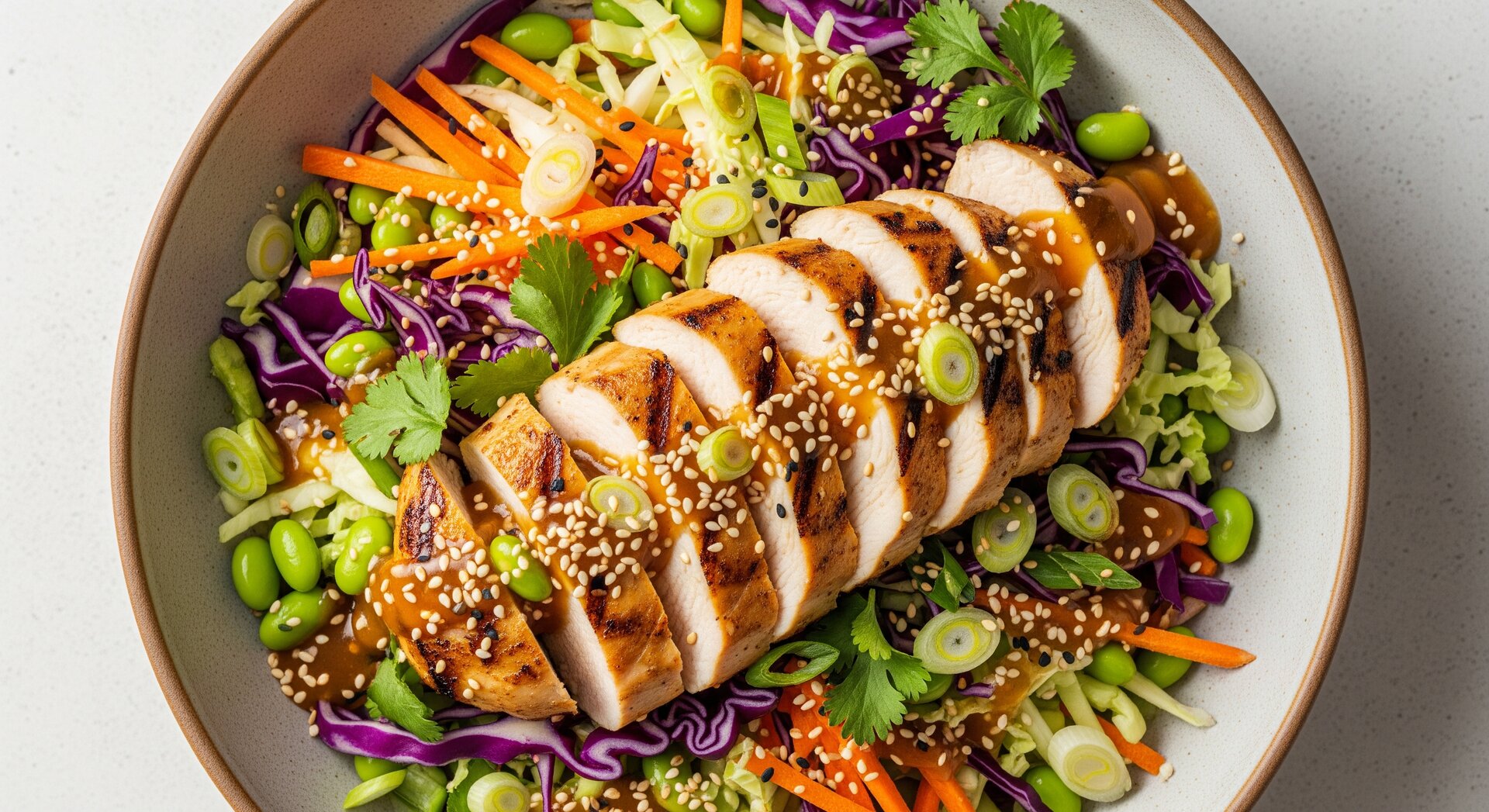 Asian Sesame Chicken Salad 25 min Crispy salad with grilled chicken and ginger-sesame dressing 320 kcal 28g protein 1 synergies
 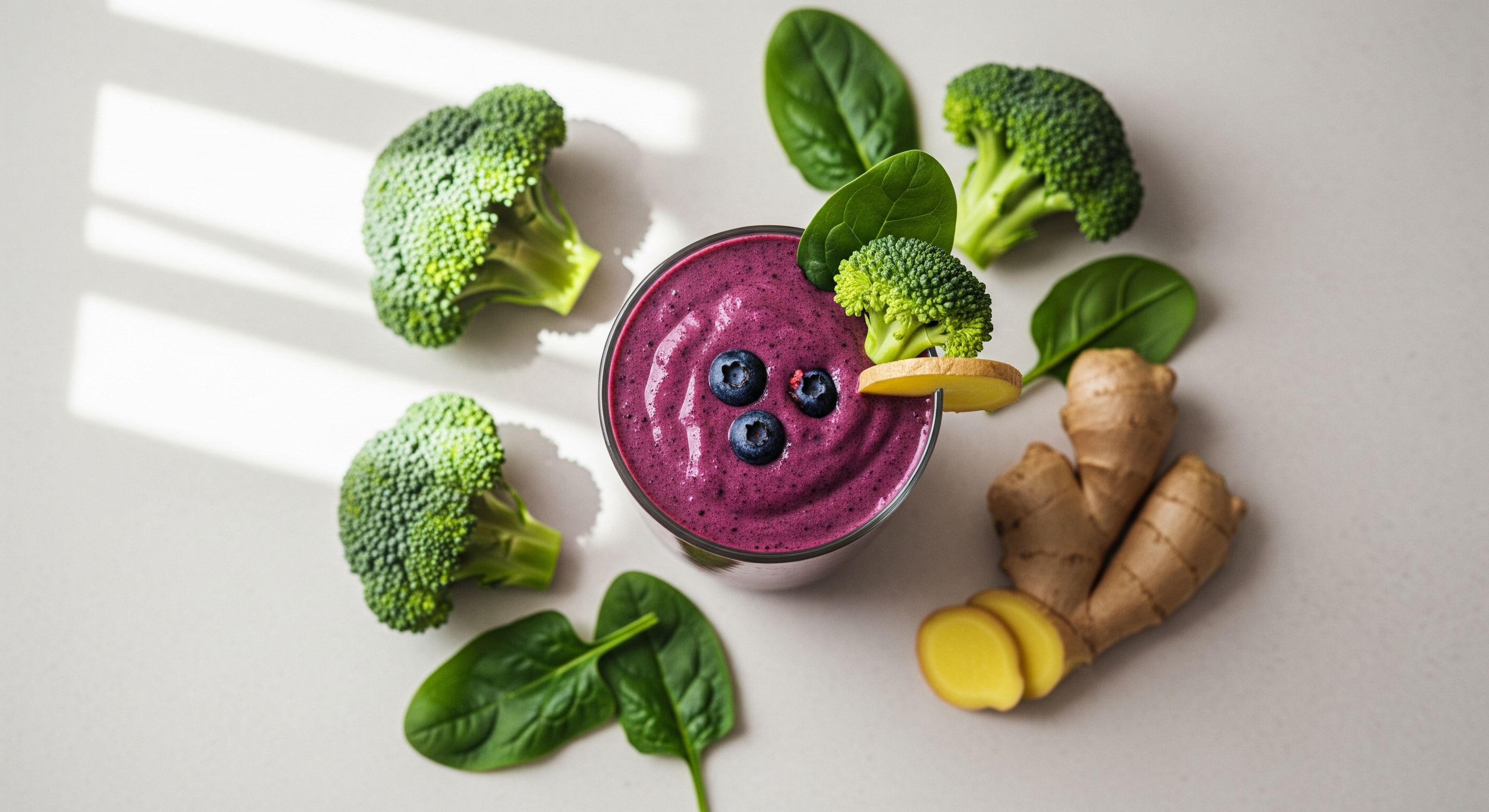 Blueberry Smoothie with Broccoli and Ginger 5 min Fresh, fruity and gently spicy 126 kcal 4g protein 2 synergies
 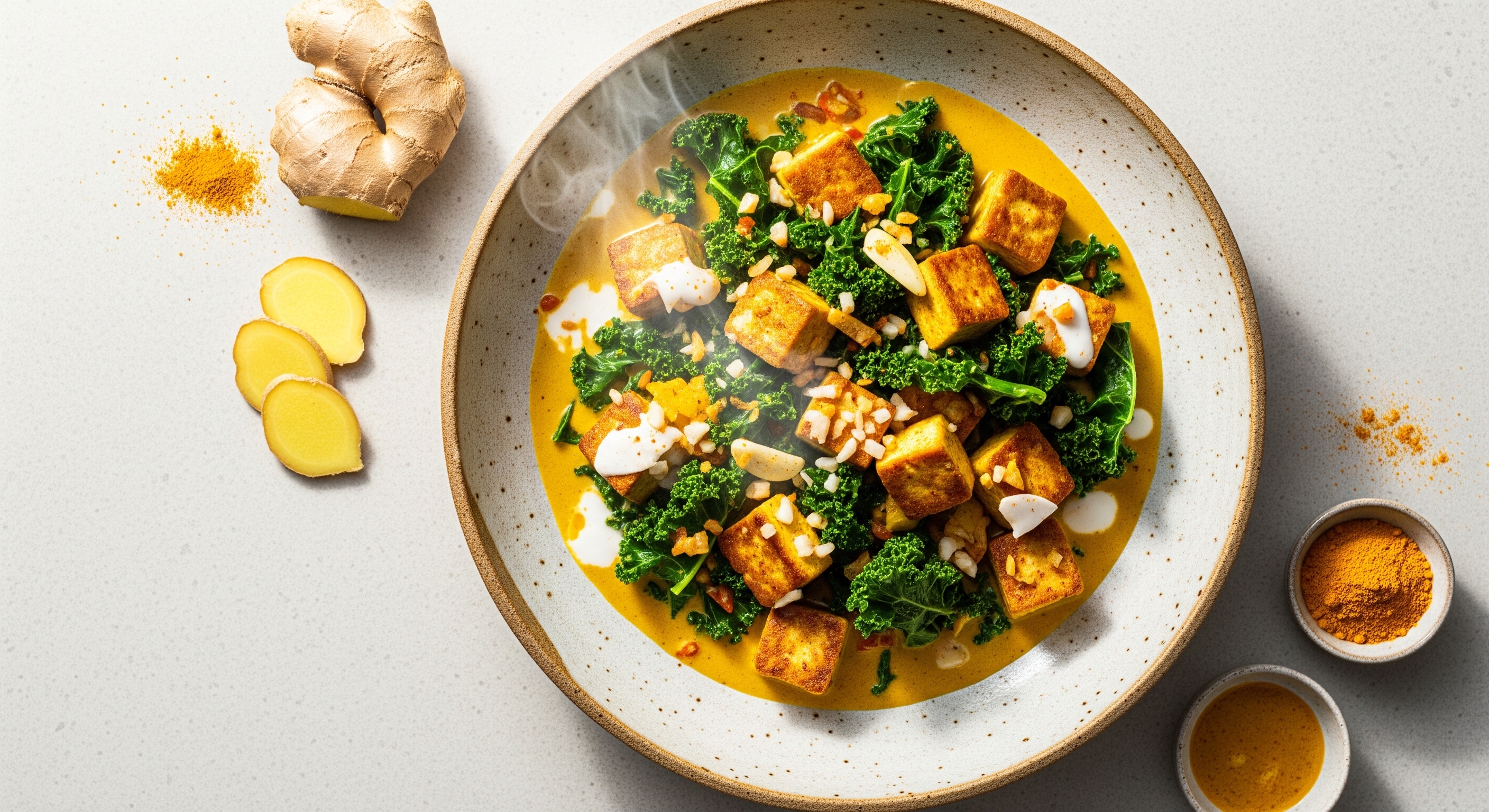 Kale Tofu Curry with Ginger 40 min Creamy curry with crisp tofu and coconut 365 kcal 16g protein 3 synergies
 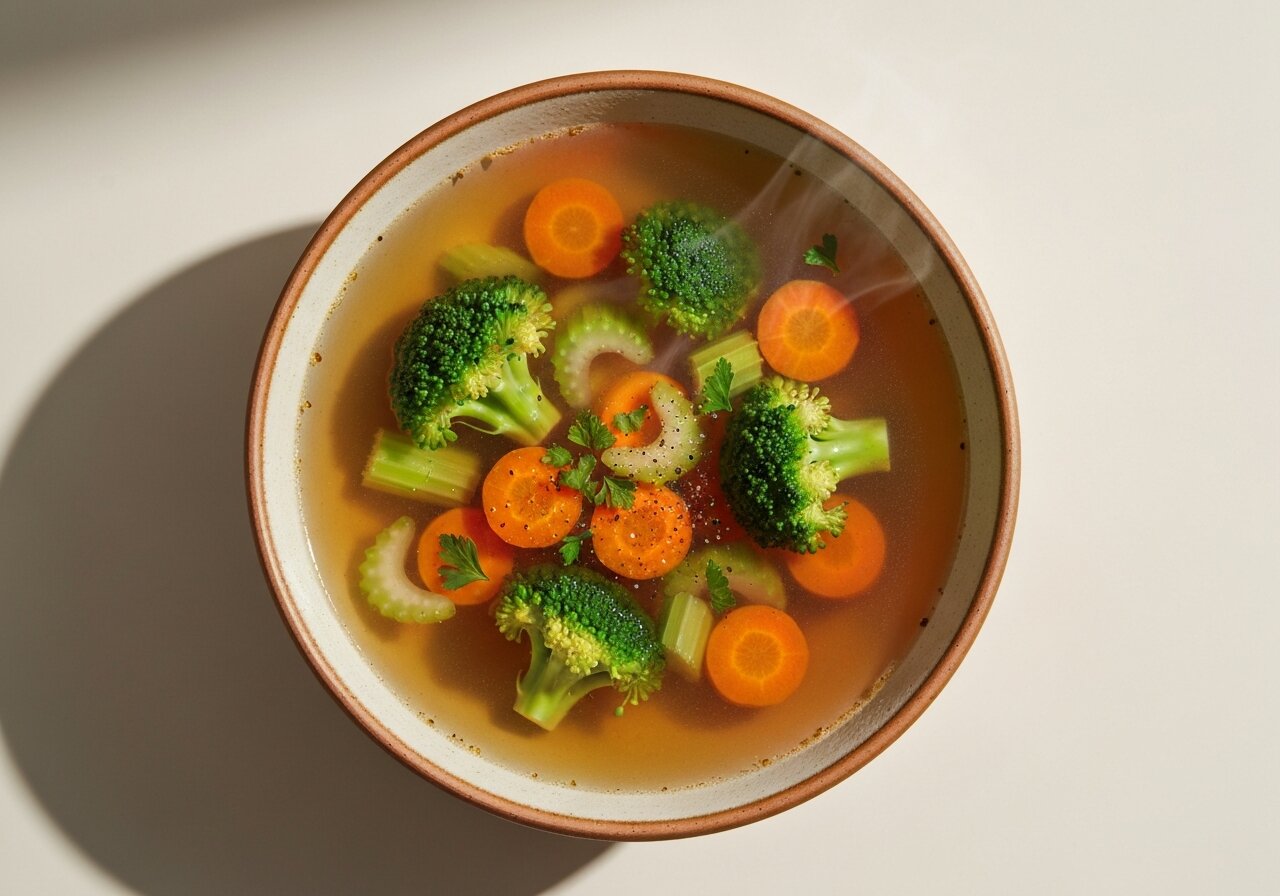 Bone Broth with Vegetables 30 min Clear broth soup with broccoli, carrot, celery and parsley 120 kcal 10g protein 3 synergies
 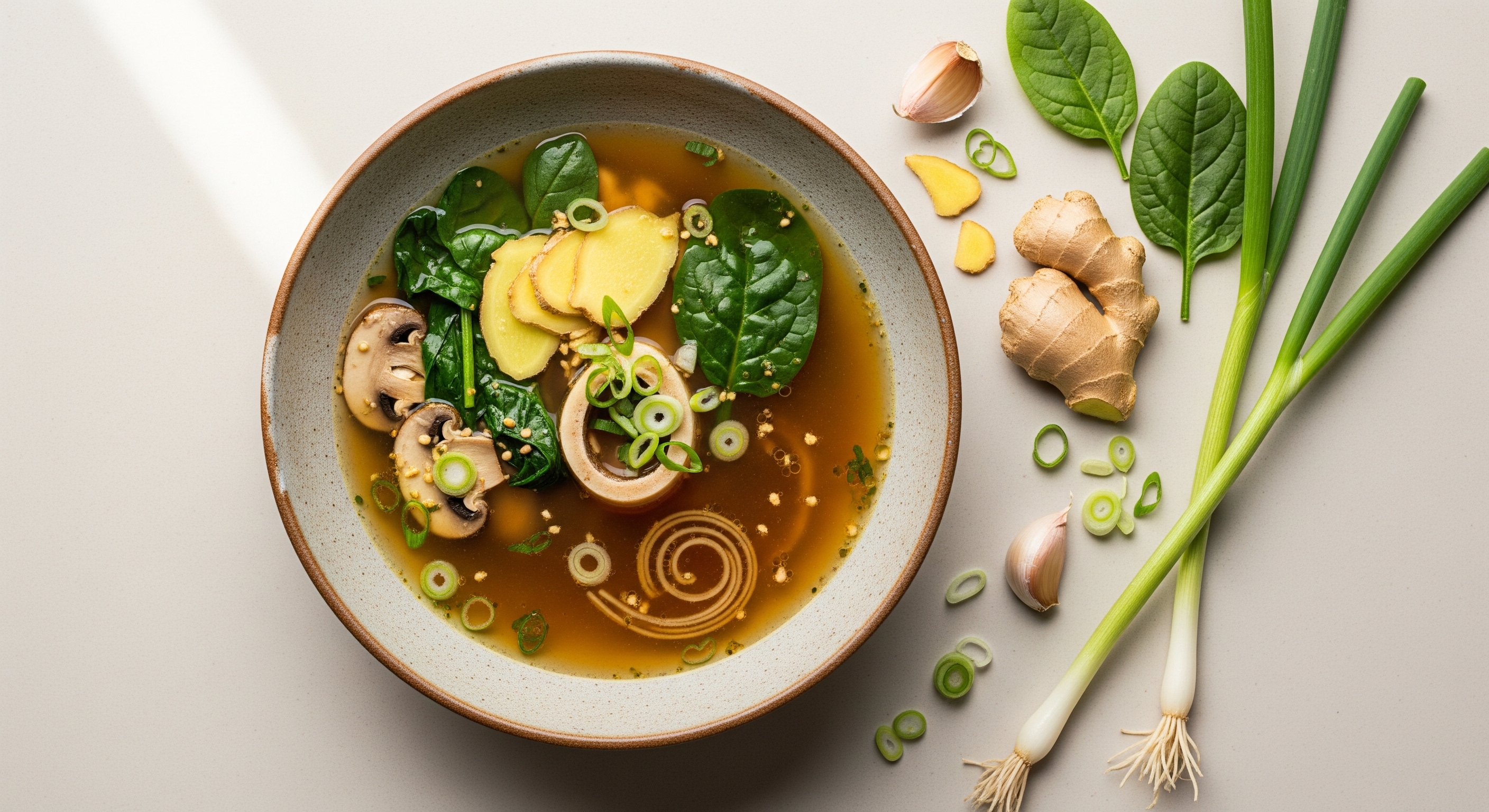 Bone Broth Soup with Ginger, Mushrooms and Spinach 22 min Light, savoury and gently warming 108 kcal 9g protein 2 synergies
  In the Kitchen
Storage
Location:Refrigerator
Shelf life:3-4 weken (vers, koelkast), 6 maanden (vriezer), 2-3 jaar (poeder)
Store fresh ginger in a sealable bag or container in the vegetable drawer. You can also freeze the rhizome unpeeled and grate it straight from the freezer.
Preparation
Fresh: grate or finely slice; add early for a rounded base or near the end for more fresh pungency. Powder: use about one quarter of the amount of fresh ginger.
Conversions
Substitutes
Smart preparation
1Peel ginger with the edge of a spoon instead of a knife.
Why?
A spoon follows the irregular shape without wasting flesh.
2Grate ginger on a fine grater for the most intense flavor.
3Store unpeeled ginger in the freezer; frozen ginger grates more easily.
Caution / Warnings
Ginger is very safe, but there are scientific considerations:
Blood-thinning medication Moderate
At high intakes or with concentrated supplements, interactions with medicines that affect blood clotting have been described.
Advice:
If you use aspirin, warfarin or similar medication, discuss large amounts of ginger or supplements with your doctor.
Gallstones Moderate
In people with gallstones, pungent spices or concentrated herbal preparations may sometimes trigger discomfort, especially in larger amounts.
Advice:
Use ginger in culinary amounts and seek personal advice if you have gallstone symptoms or are being treated for them.
Pregnancy (last trimester) Mild
Culinary use of ginger usually fits within a normal diet, while supplements provide much higher amounts than ordinary food preparations.
Advice:
If you are pregnant, use supplements or large amounts only after personal advice from your doctor or midwife.
Sensitive stomach or reflux Mild
Because of its pungent taste, ginger can cause a burning or irritating sensation in some people, especially when concentrated or taken on an empty stomach.
Advice:
Start with small amounts and combine ginger with food if your stomach is easily irritated.
Traditional use
Ayurveda
Well-known spice in Ayurveda
Ginger has appeared for centuries in Ayurvedic texts, household kitchens and spice blends. The Sanskrit term ‘vishwabhesaj’ is often linked to ginger in this tradition and shows how culturally important this warming spice was considered.
Traditional Chinese Medicine
Sheng jiang in Chinese herbal traditions
Ginger is known in Chinese traditions as sheng jiang. It is mentioned in classical herbal literature such as the Shennong Ben Cao Jing from the early centuries CE and appears in warm drinks, broths and everyday preparations.
Islamic tradition
Mentioned in the Quran
Ginger is mentioned in the Quran (Surah Al-Insan 76:17) as an ingredient in a drink in paradise. Because of this, zanjabil also has a recognizable cultural place in Islamic food and spice traditions.
Summary
Ginger brings a lot of flavor in a small amount: pungent, fresh, gently citrusy and warming. Fresh ginger works well in tea, soups, curries, stir-fries and marinades, while ginger powder adds depth to baked goods, spice blends and warm dishes. Its characteristic compounds, gingerols and shogaols, are often studied, but Tayb keeps the public explanation culinary, factual and educational.