Makrut Lime Leaf
The Aromatic Heart of Thai Cuisine
What is this ingredient?
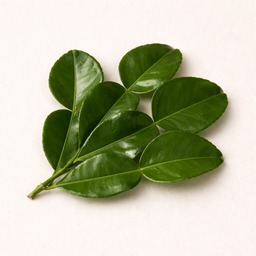
Makrut lime leaf is indispensable in Southeast Asian cuisine, especially in Thailand, Indonesia, and Malaysia. The leaves contain essential oils dominated by citronellal (65–80%), which gives them their characteristic citrus-floral aroma. Unlike regular lime leaves, makrut lime leaves have a ‘double’ appearance: two leaf sections on one stem. The leaves are added whole to soups and curries, such as tom yum and green curry, and removed before serving. They can also be finely sliced without the center rib for salads, pastes, and aromatic toppings. In laboratory research, the volatile oils of Citrus hystrix are mainly studied for their composition, aroma profile, and interaction with micro-organisms.
How does it taste?
Intensely citrusy and floral with a unique, almost perfume-like freshness.
Pairs well with:
Pairs well with coconut milkgalangallemongrasschili and fish.
Did you know...?
- Makrut lime has double leaves that look like two leaves stuck together.
- The rind of the makrut lime is very bumpy, making it easy to recognize at markets.
Nutritional Value & Energy
Per 100g
Makrut Lime Leaf is low in calories thanks to natural nutrients .
Per 100g
Minerals
Vitamins
More nutrients
Trace Minerals
What's in a serving?
1 tablespoon (in a curry)
Makrut lime leaf naturally contains vitamin C (30 mg per 100 g fresh). At typical herb use (5–10 g), the contribution is limited.
% of daily reference intake (DRI)
EU-approved nutrition claims
There are currently no EFSA-authorized health claims specific to makrut lime leaf. Various applications for herbs and spices have been submitted but not yet assessed (botanical ‘on hold’ list).
What's being researched?
Makrut lime and essential oil
Essential oil from makrut lime leaves is studied in laboratory research for its composition, aroma profile, and interactions with micro-organisms. Existing studies are mainly technically and culinarily relevant, but still limited for broad consumer conclusions.
Supported by: [1] Waikedre (2010) , [2] Sreepian A (2019) , [3] Srifuengfung S (2020)
Good Combinations (Synergy)
Combine makrut lime leaf smartly to enhance the effect:
Makrut Lime Leaf 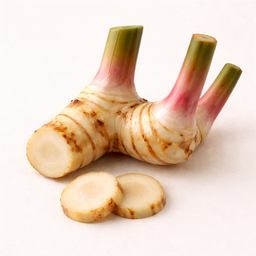 Galangal
 Thai aromatics with bioactive action
Technical: Galangal contains galangin and HMP (hydroxymethoxyphenyl) with bioactive action. Kaffir lime contains citronellal and limonene with bioactive properties. Together they provide a broad spectrum of bioactive compounds — the base of Tom Kha and Tom Yam.
What does this mean for you? Galangal + kaffir lime is the base of Tom Kha and Tom Yam. These Thai aromatics offer not just unique flavor, but also a broad spectrum of bioactive compounds.
Makrut Lime Leaf 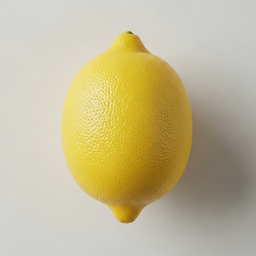 Lemon
Lemon Double citrus terpenes for antioxidant and mood
Technical: Kaffir lime leaf contains citronellol and limonene that are anxiolytic via GABA-A receptor modulation. Lemon's limonene (70% of peel oil) enhances this effect and adds vitamin C (53mg) as a neuro-antioxidant. Both citrus types also contain polymethoxyflavones with bioactive action at the neuronal level. Studies show citrus aromatherapy measurably reduces cortisol levels and improves mood.
What does this mean for you? Combine kaffir lime and lemon in dressings, soups or tea for an invigorating citrus explosion. The scent alone reduces stress — consumption amplifies this effect from within.
Makrut Lime Leaf 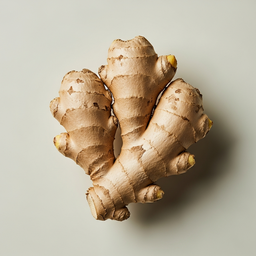 Ginger
 Citronellol + gingerols for aromatic digestion
Technical: Kaffir lime leaf contains citronellol (30-40%) and limonene (20%) — terpenes with bioactive and anxiolytic action. Ginger's gingerols promote gastric motility and bile flow. The combination offers multi-level digestive support: kaffir lime's terpenes calm the gut nervous system (enteric nervous system), ginger activates mechanical digestion. This is the scientific basis behind Tom Kha Gai (coconut soup).
What does this mean for you? Use kaffir lime leaf with ginger in Thai soups and curries. Tear the leaf for maximum aromatic release. The combination makes fatty coconut dishes easier to digest.
Recipes with Makrut Lime Leaf
Discover delicious recipes featuring makrut lime leaf:
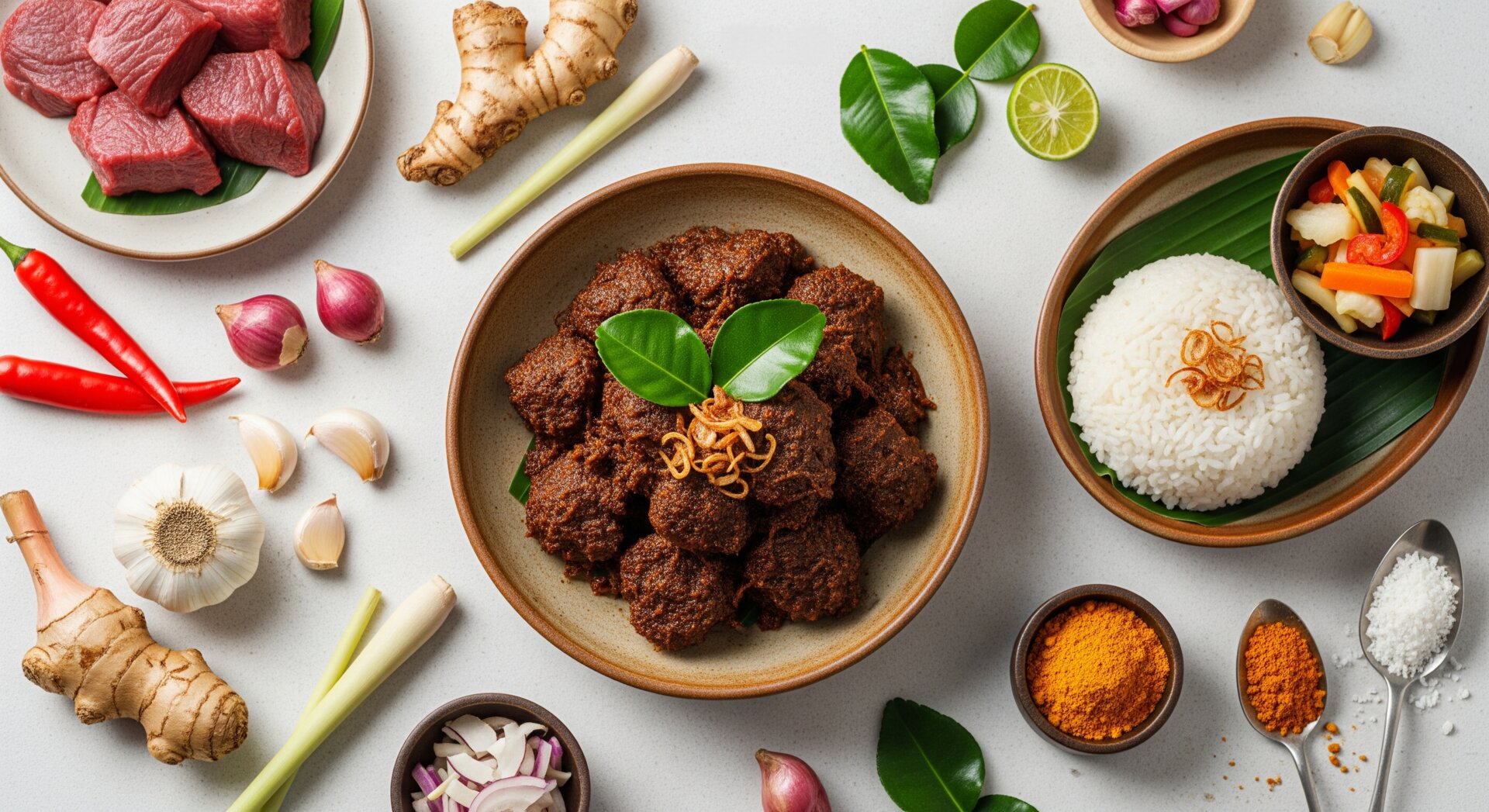 Indonesian Beef Rendang 210 min Slow-cooked beef in rich coconut-spice sauce
  520 kcal
  42g protein 2 synergies
 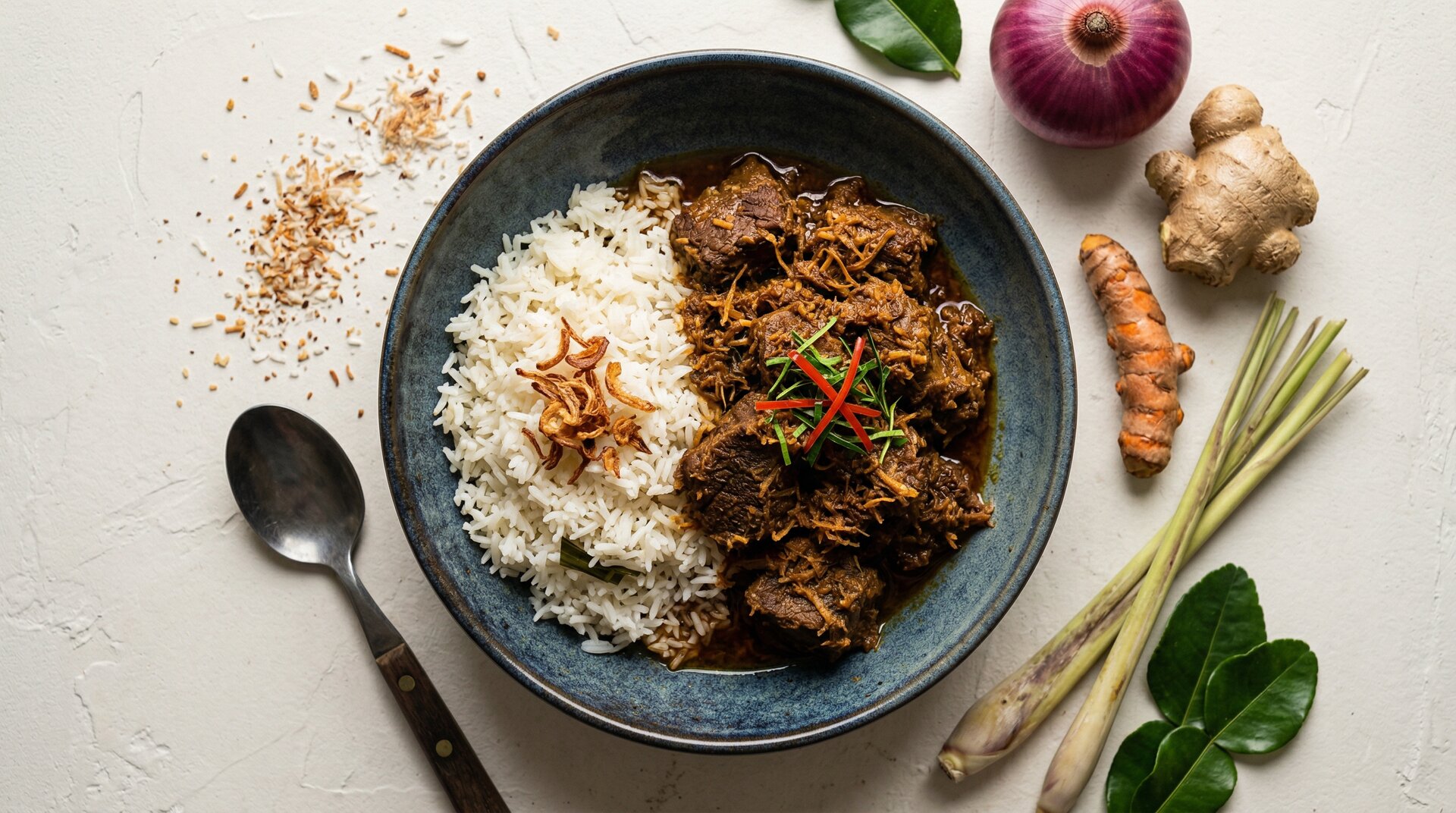 Malaysian Rendang with Coconut Rice 145 min Slow-braised beef with coconut, lemongrass and warm spices 1085 kcal 43g protein 2 synergies
 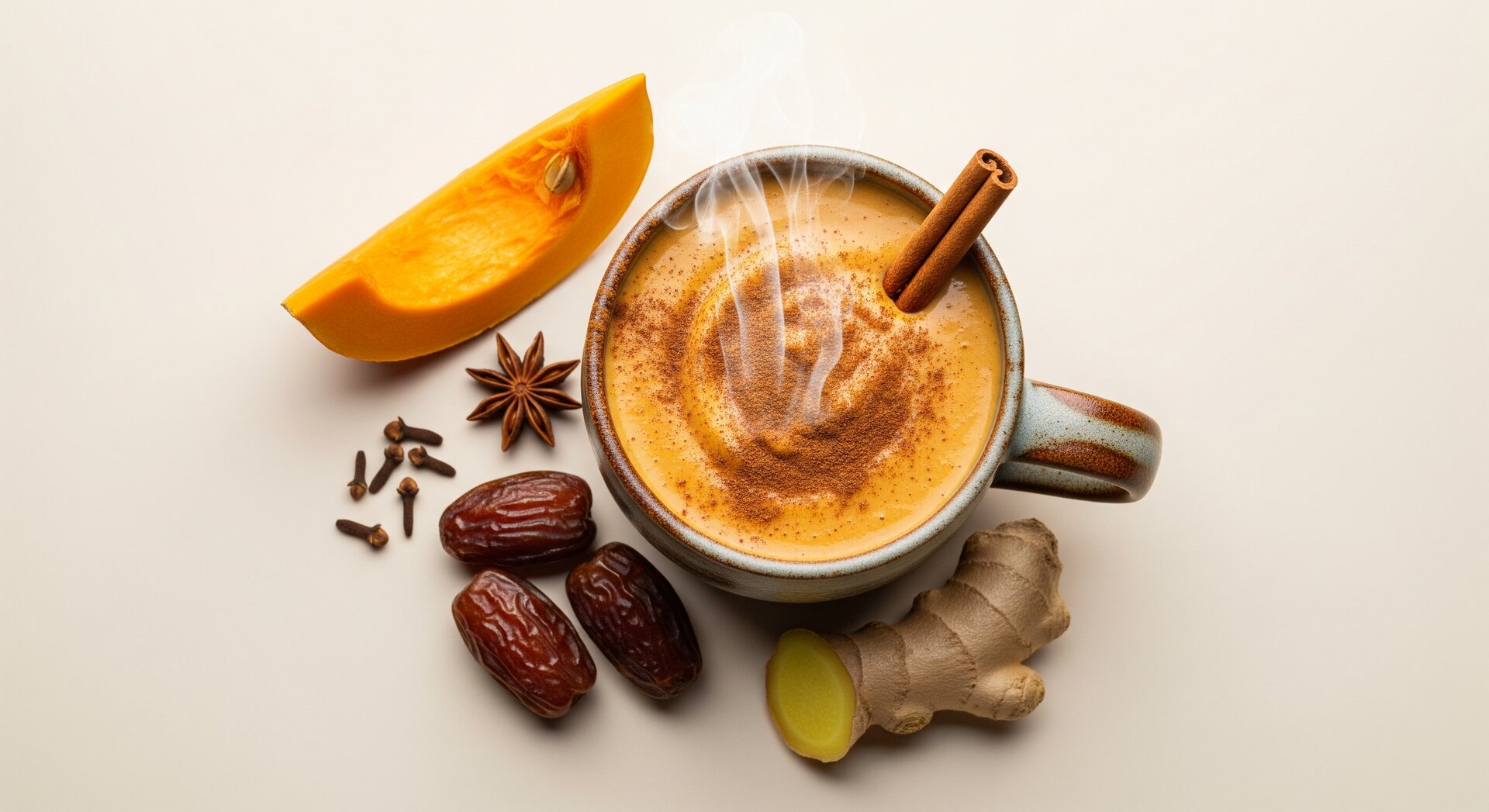 Thai Coconut Curry Soup 45 min Creamy coconut soup with red curry, chicken, mushrooms and lime 540 kcal 22g protein 2 synergies
 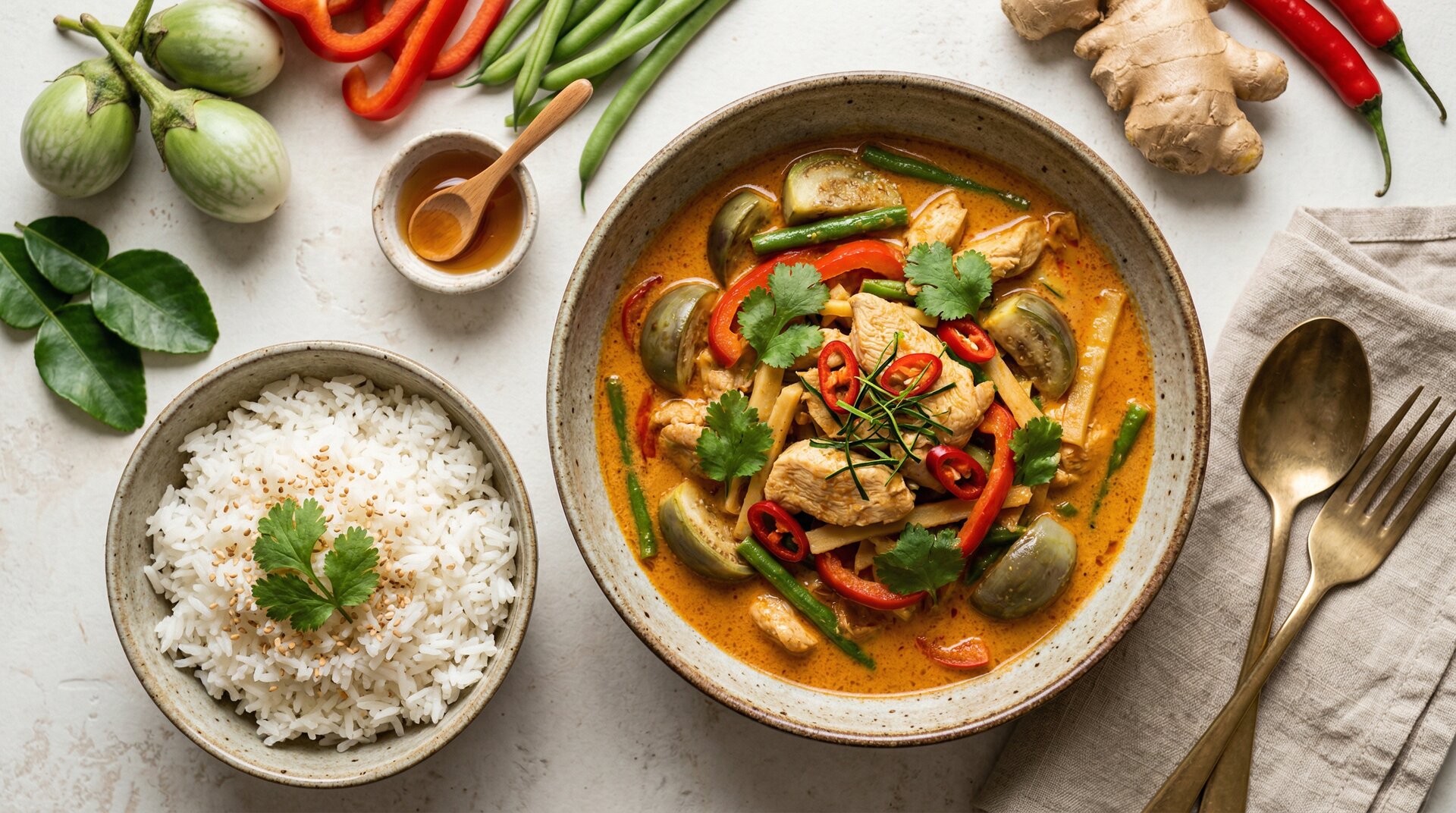 Thai Red Curry with Coconut Milk, Chicken & Jasmine Rice 45 min Creamy red curry with tender chicken, eggplant and green beans 782 kcal 38g protein 1 synergies
 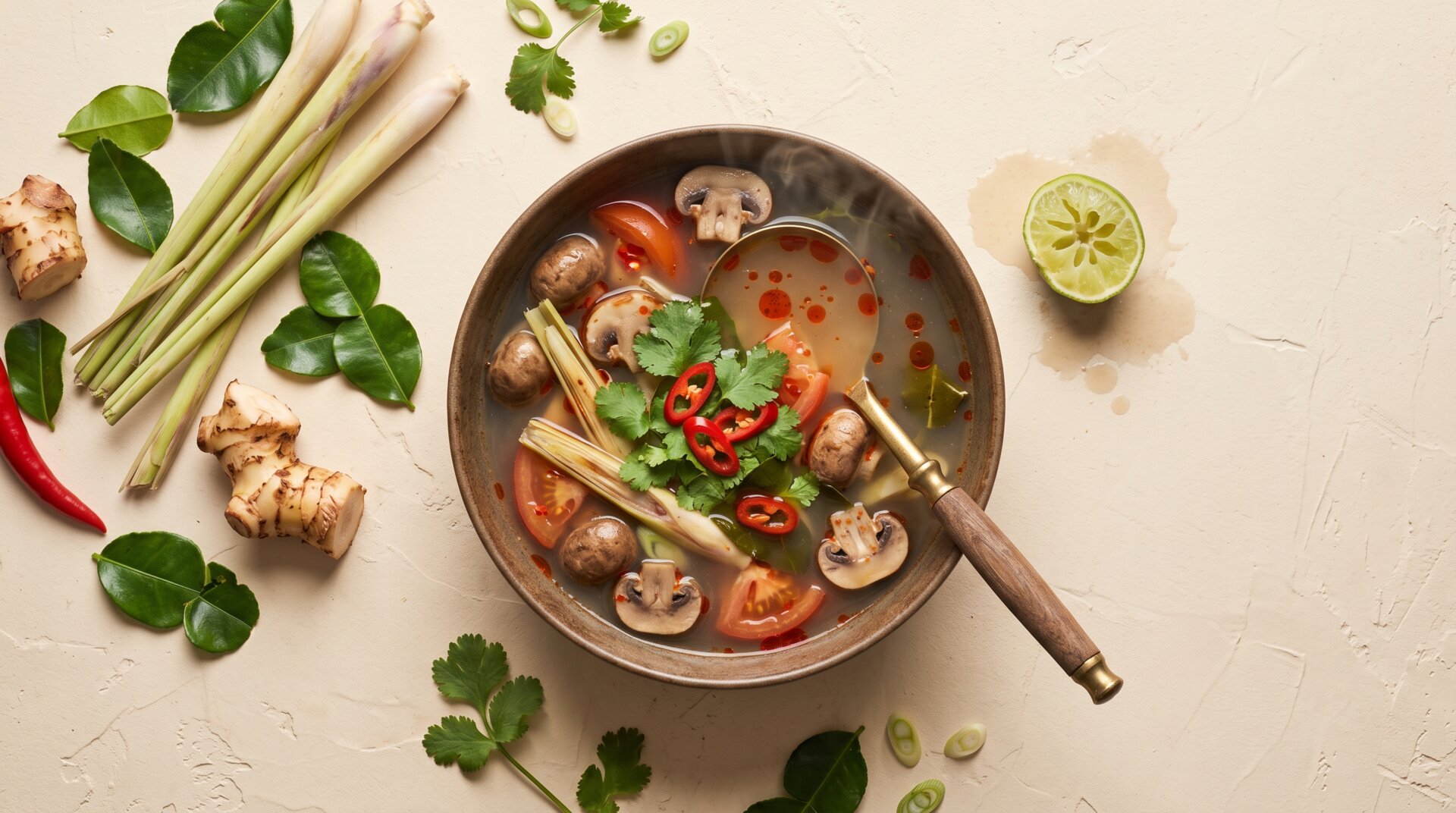 Thai Tom Yum with Lemongrass and Lime 30 min Fresh Thai soup with lemongrass, ginger, mushrooms and lime 165 kcal 6g protein 2 synergies
 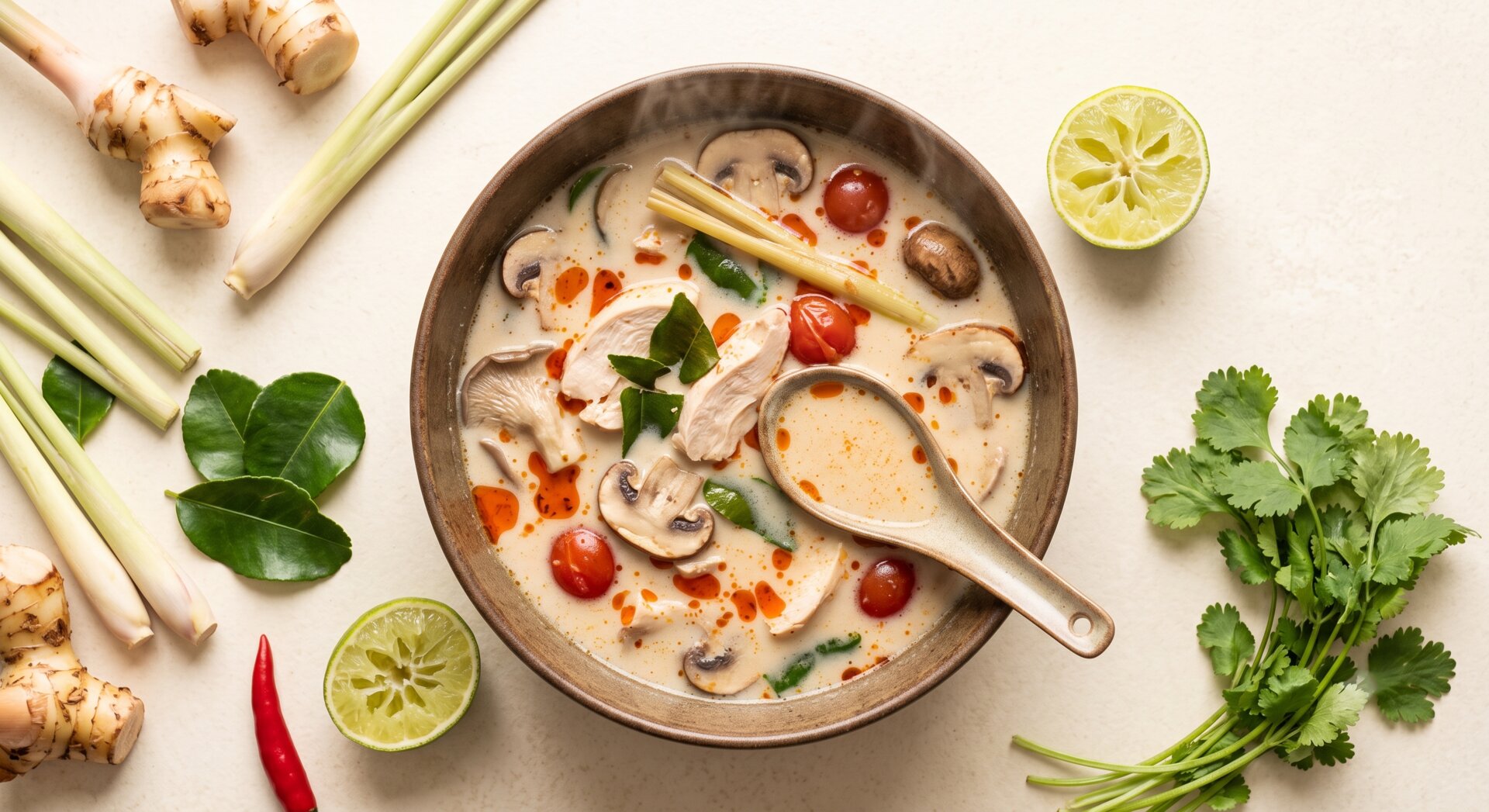 Tom Kha Gai — Thai Coconut Soup with Galangal 40 min Creamy Thai coconut soup with chicken, galangal, lemongrass and lime 335 kcal 31g protein 2 synergies
  In the Kitchen
Storage
Location:Refrigerator
Shelf life:1-2 weken koelkast, 6+ maanden vriezer
Store in a sealed bag in the refrigerator. Freeze immediately after purchase for long-term use; the leaves retain their aroma well.
Preparation
Add whole leaves to soups and curries while cooking; remove them before serving, as whole leaves are tough. For salads, remove the center rib and slice very finely.
Conversions
Substitutes
Smart preparation
1Remove the center vein and cut the leaves into very thin strips.
Why?
The vein is tough and unpleasant to chew.
2Freeze excess makrut lime leaves; they retain their aroma well.
3Add whole leaves to curries and remove them before serving.
Caution / Warnings
Makrut Lime Leaf is very safe, but there are scientific considerations:
Citrus Allergy Moderate
People with a citrus allergy may also react to makrut lime leaves.
Advice:
Avoid with a known citrus allergy, or start only with a very small culinary amount.
Essential Oil Ingestion Moderate
Concentrated essential oil is not suitable for internal consumption.
Advice:
Use only the leaves in culinary applications, not the pure oil.
Traditional use
Southeast Asian
Essential in Thai cuisine
Djeroek poeroet or makrut lime leaves have been used for centuries in Thai, Indonesian, and Cambodian cuisine as an aromatic ingredient in curries, soups, and spice pastes. The leaves give dishes a recognizable citrus-floral aroma and are usually infused during cooking and then removed.
Summary
Makrut lime leaf is a classic flavor maker in Thai cuisine. Add whole leaves to tom yum or curry and remove them before serving, or slice them very finely without the center rib for salads and aromatic toppings. They are often available fresh at Asian supermarkets and freeze excellently.