- Medium
- 45 min
- 4 serv.
- 4 synergies
- Now at its best: Bell Pepper
A creamy Thai coconut curry soup with chicken, red curry paste, mushrooms, bell pepper, lemongrass, galangal and lime. Spicy, rounded and aromatic, finished with fresh cilantro.
This soup begins the way many Thai curries do: red curry paste is stirred briefly into thick coconut cream until its aroma wakes up. Lemongrass, galangal and kaffir lime leaves then infuse the warm broth, making the base fresh, spiced and lightly citrusy. Coconut milk turns everything creamy and rounded, while the chicken gently cooks in the fragrant, sauce-like soup. Mushrooms add depth, bell pepper brings sweetness and colour, and fish sauce gives the salty savouriness that red curry needs. The lime is added only at the end, so its bright acidity stays clear. A bowl that feels full and warming, yet never heavy thanks to cilantro and lime.
- 15
- min prep
- 30
- min cook
- 45
- min total
Nutritional Synergies
This recipe combines ingredients that enhance each other:
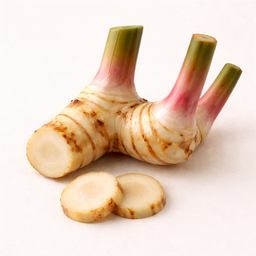 Galangal
 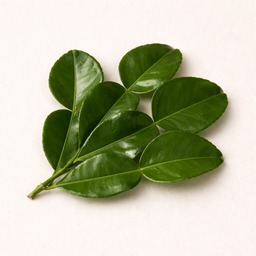 Makrut Lime Leaf
 Thai aromatics with bioactive action
Technical: Galangal contains galangin and HMP (hydroxymethoxyphenyl) with bioactive action. Kaffir lime contains citronellal and limonene with bioactive properties. Together they provide a broad spectrum of bioactive compounds — the base of Tom Kha and Tom Yam.
What does this mean for you? Galangal + kaffir lime is the base of Tom Kha and Tom Yam. These Thai aromatics offer not just unique flavor, but also a broad spectrum of bioactive compounds.
Immune SystemDigestion
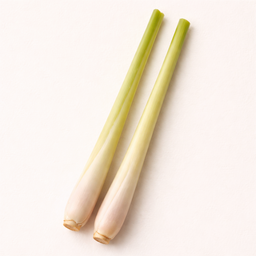 Lemongrass Galangal
 Tom Yum base with bioactive action
Technical: Lemongrass contains citral (geranial + neral) with bioactive action. Galangal contains galangin working bioactively via a different mechanism (enzyme modulation). Together they provide a broad spectrum of bioactive compounds. The broth extracts the volatile oils — Tom Yum is a soup traditionally prepared and enjoyed in Thailand.
What does this mean for you? Tom Yum with fresh lemongrass and galangal is more than just soup — it's a traditional Thai recipe with a broad spectrum of bioactive compounds.
Anti-inflammatoryDigestion
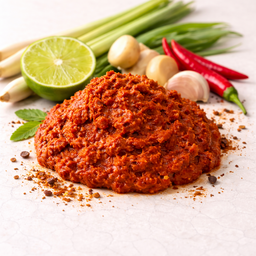 Red Curry Paste
 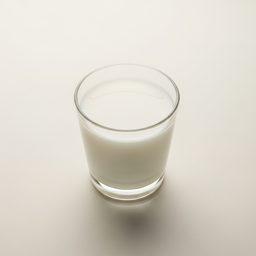 Coconut Milk
 Red chili paste + MCT fats for optimal capsaicin absorption
Technical: Red curry paste contains dried red peppers (capsaicin 0.5-2%), galangal (ACA), lemongrass (citral) and shrimp paste (umami + omega-3). Coconut milk's MCTs and lauric acid form micelles that make capsaicin and other fat-soluble compounds 3-5x more absorbable. Coconut fat also buffers capsaicin irritation on the stomach wall through coating. The combination explains why Thai red curry is always made with coconut milk.
What does this mean for you? Red curry without coconut milk is not only less tasty but also less healthy. The coconut milk dissolves active compounds and protects your stomach from the spiciness.
Anti-inflammatoryImmune SystemWeight Loss
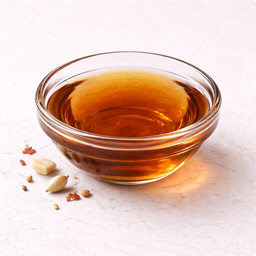 Fish Sauce
 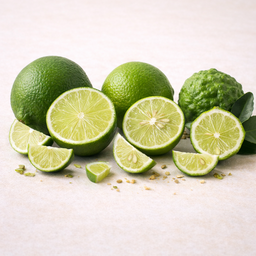 Lime
Lime Umami + acid for perfect Thai balance
Technical: Fish sauce contains free glutamate (umami) from prolonged fish fermentation. Lime contains citric acid that lowers pH and enhances umami flavor perception. Citric acid also stimulates saliva and gastric acid production, improving protein digestion from the dish.
What does this mean for you? Combine fish sauce with lime as base for Thai dressings and dipping sauces. The acid from lime intensifies the umami from fish sauce — the core of Thai cuisine.
Digestion
Ingredients (12)
-
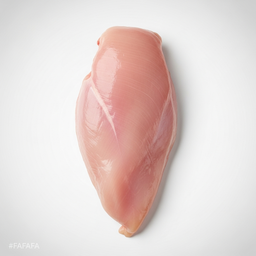 Chicken Breast — 300 g cut into 2-3 cm cubes, halal if needed
 - Coconut Milk — 800 ml full-fat canned coconut milk, not fully shaken so you can use some thick cream
- Red Curry Paste — 3 tbsp check for halal and gluten-free status if needed
Instructions
- 1 Bruise the lemongrass with the back of a knife and slice the galangal thinly.
- 2 Spoon 3 tablespoons of thick coconut cream from the tin into a large soup pot and heat over medium heat.
Nutrition per serving
Indicative values per serving.
Timing & Suitability
Shelf life: 3 days in fridge
Tags & Diet
Allergens: Fish