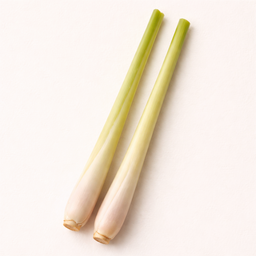
Lemongrass
Tropical citrus aroma for curries, soups and tea
What is this ingredient?
Lemongrass, or sereh in Indonesian cuisine, is an aromatic grass widely used in curries, soups, tea and marinades. Its flavor sits mainly in the firm stalk and is released by bruising, finely slicing or infusing it in hot liquid. The essential oil contains citral, an aromatic compound responsible for its recognizable lemon scent. In cooking, lemongrass adds freshness, length and a tropical citrus layer without adding extra acidity. Lemongrass tea is valued in several culinary traditions for its light, fragrant character after a meal.
How does it taste?
Bright and citrusy with floral, gingery notes and a fresh, grassy finish.
Pairs well with:
Pairs well with coconut milkgalangalchilicilantro and shrimp.
Did you know...?
- Lemongrass contains citral, the same aromatic compound that also contributes to the scent of lemon.
- In tropical gardens, lemongrass is often planted around houses for its strong, fresh scent.
Nutritional Value & Energy
Per 100g
Lemongrass provides energy thanks to natural nutrients .
Per 100g
Minerals
Vitamins
More nutrients
Trace Minerals
What's in a serving?
Lemongrass naturally contains manganese (5.2 mg per 100 g fresh). At typical use as an aromatic stalk (5–10 g, often infused), the contribution is limited.
Lemongrass naturally contains iron (8.2 mg per 100 g fresh). At typical use as an aromatic stalk (5–10 g, often infused), the contribution is limited.
Lemongrass naturally contains potassium (723 mg per 100 g fresh). At typical use as an aromatic stalk (5–10 g, often infused), the contribution is limited.
Lemongrass naturally contains manganese (5.2 mg per 100 g fresh). At typical use as an aromatic stalk (5–10 g, often infused), the contribution is limited.
Lemongrass naturally contains copper (0.3 mg per 100 g fresh). At typical use as an aromatic stalk (5–10 g, often infused), the contribution is limited.
Lemongrass naturally contains folate (75 mcg per 100 g fresh). At typical use as an aromatic stalk (5–10 g, often infused), the contribution is limited.
% of daily reference intake (DRI)
EU-approved nutrition claims
This ingredient contains nutrients for which EFSA-authorized health claims exist at nutrient level, not specifically for lemongrass as an ingredient.
Approved health claims (EU)
Manganese EU 432/2012
Manganese contributes to normal energy-yielding metabolism
Contains 5.2mg/100g (threshold: ≥0.3mg/100g)
Manganese EU 432/2012
Manganese contributes to the maintenance of normal bones
Contains 5.2mg/100g (threshold: ≥0.3mg/100g)
Manganese EU 432/2012
Manganese contributes to the normal formation of connective tissue
Contains 5.2mg/100g (threshold: ≥0.3mg/100g)
Manganese EU 432/2012
Manganese contributes to the protection of cells from oxidative stress
Contains 5.2mg/100g (threshold: ≥0.3mg/100g)
Comparison
vsspinazie
Lemongrass contains more iron per 100 g than spinach, but you use much less per serving and often only infuse it for flavor.
vsbanaan
Lemongrass contains more potassium per 100 g than banana, but you use much less per serving and usually do not eat the whole stalk.
What's being researched?
Citral in lemongrass
Citral, the main component of lemongrass aroma, is studied in laboratory research on scent, plant chemistry and interaction with microorganisms. These findings mainly concern extracts or oil and cannot be directly translated to normal culinary amounts.
Supported by: [2] Ishijima SA (2021)
Good Combinations (Synergy)
Combine lemongrass smartly to enhance the effect:
Lemongrass 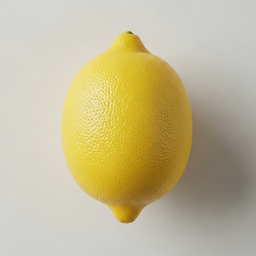 Lemon
Lemon Citral + vitamin C for antioxidant and GABA-A modulation
Technical: Lemongrass contains citral (75-85% of oil, mix of neral + geranial) that is anxiolytic via GABA-A receptor modulation and antioxidant by inhibiting lipid peroxidation. Lemon's limonene (also a citrus terpene) enhances the anxiolytic effect. Vitamin C from lemon protects citral from oxidative degradation. Studies show lemongrass aromatherapy reduces cortisol by 15-25%.
What does this mean for you? Lemongrass tea with lemon is an invigorating combination that reduces stress. The double citrus action (citral + limonene) is calming without causing drowsiness — ideal for daytime.
Lemongrass 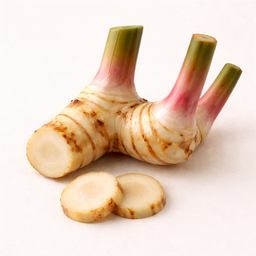 Galangal
 Tom Yum base with bioactive action
Technical: Lemongrass contains citral (geranial + neral) with bioactive action. Galangal contains galangin working bioactively via a different mechanism (enzyme modulation). Together they provide a broad spectrum of bioactive compounds. The broth extracts the volatile oils — Tom Yum is a soup traditionally prepared and enjoyed in Thailand.
What does this mean for you? Tom Yum with fresh lemongrass and galangal is more than just soup — it's a traditional Thai recipe with a broad spectrum of bioactive compounds.
Lemongrass 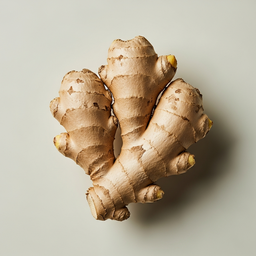 Ginger
 Classic Asian digestive support
Technical: Lemongrass contains citral that promotes digestive enzymes and is bioactive. Ginger's gingerol accelerates gastric motility (prokinetic) and suppresses nausea. Together they promote digestion via two complementary pathways.
What does this mean for you? Lemongrass + ginger in soup or tea — a classic Asian combination. Two herbs that promote your digestion via complementary pathways.
Recipes with Lemongrass
Discover delicious recipes featuring lemongrass:
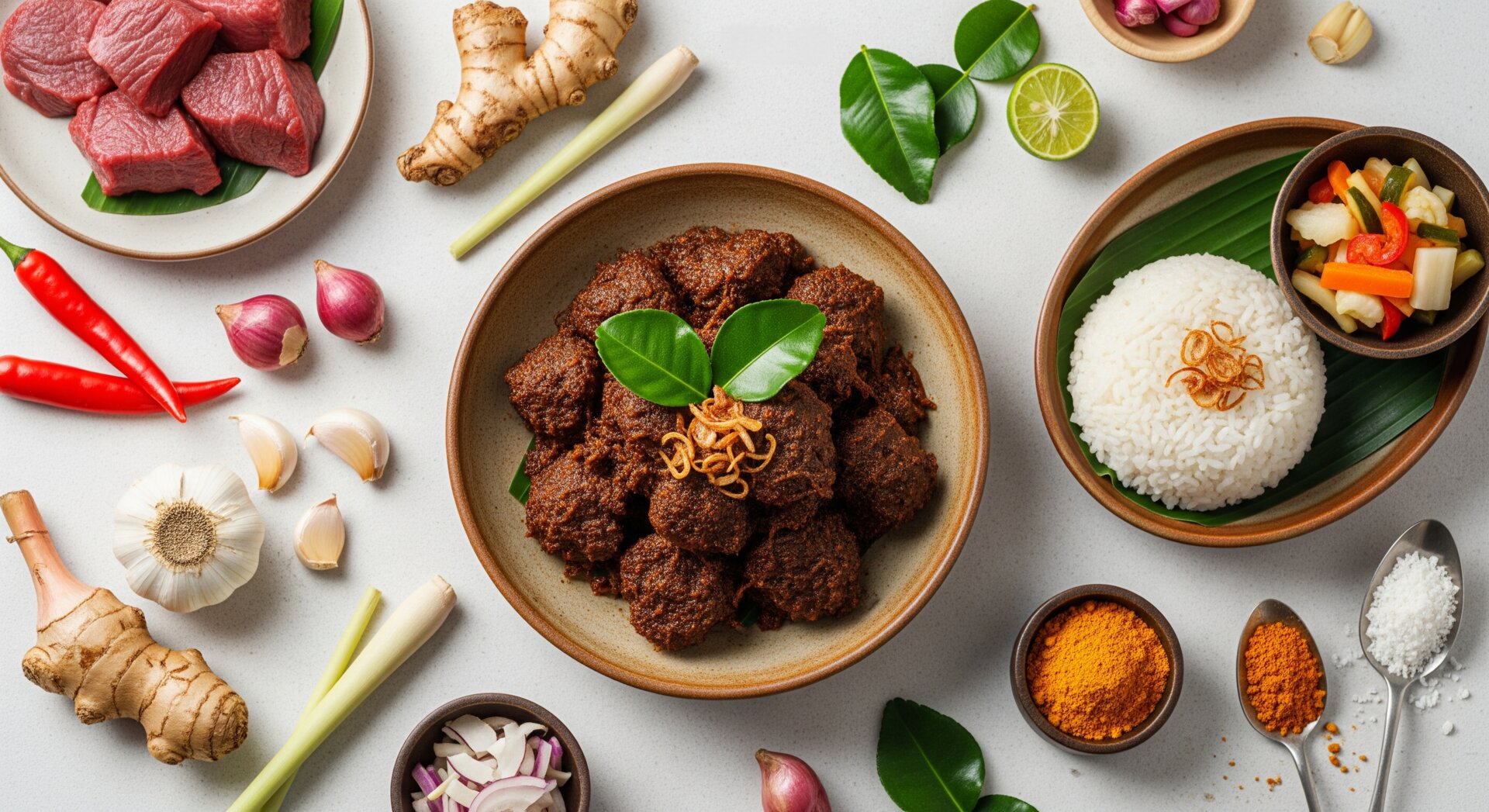 Indonesian Beef Rendang 210 min Slow-cooked beef in rich coconut-spice sauce
  520 kcal
  42g protein 2 synergies
 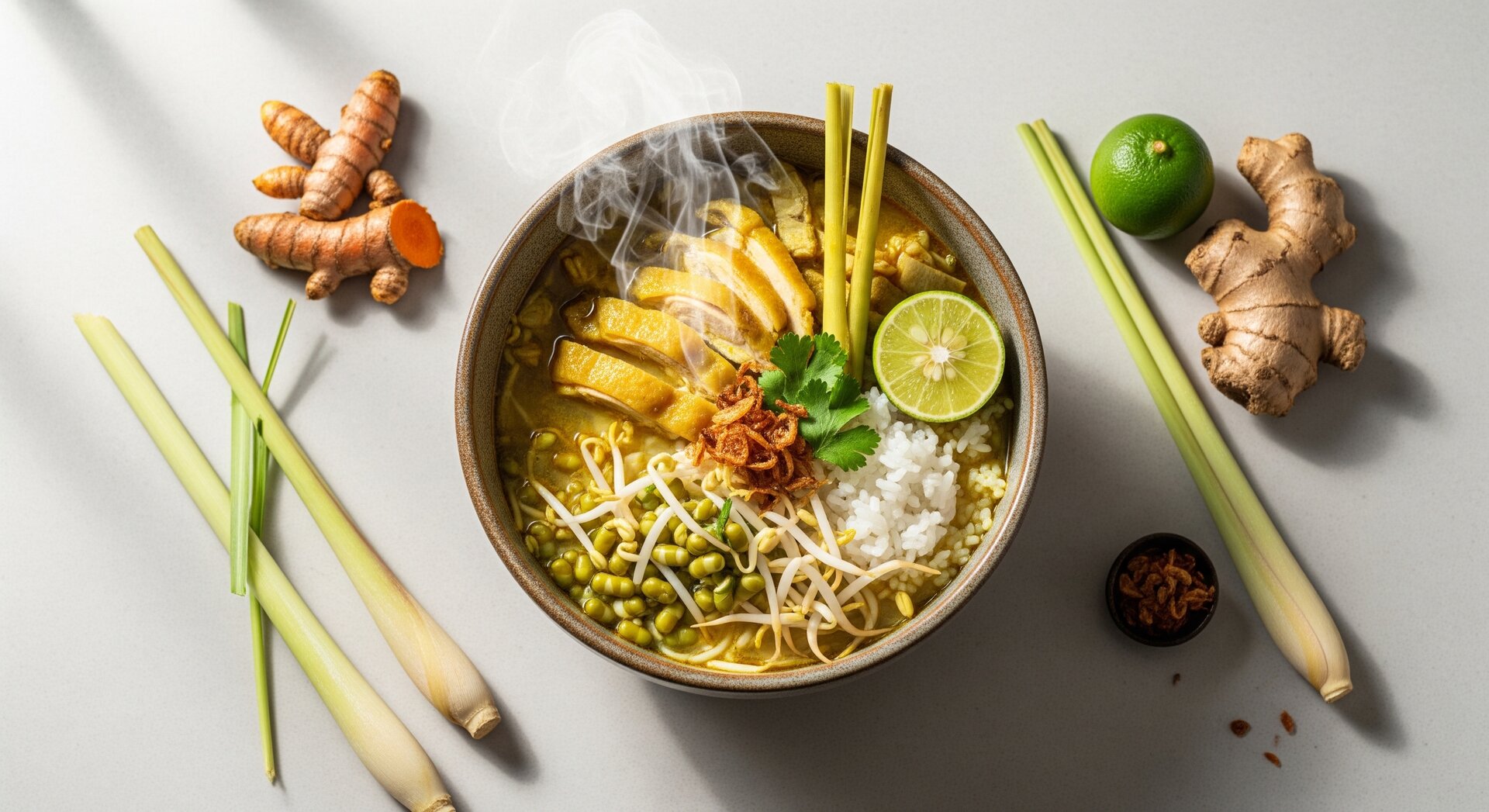 Indonesian Soto Ayam with Turmeric and Lemongrass 45 min Golden Indonesian chicken soup with lemongrass, ginger and bean sprouts 520 kcal 36g protein 2 synergies
 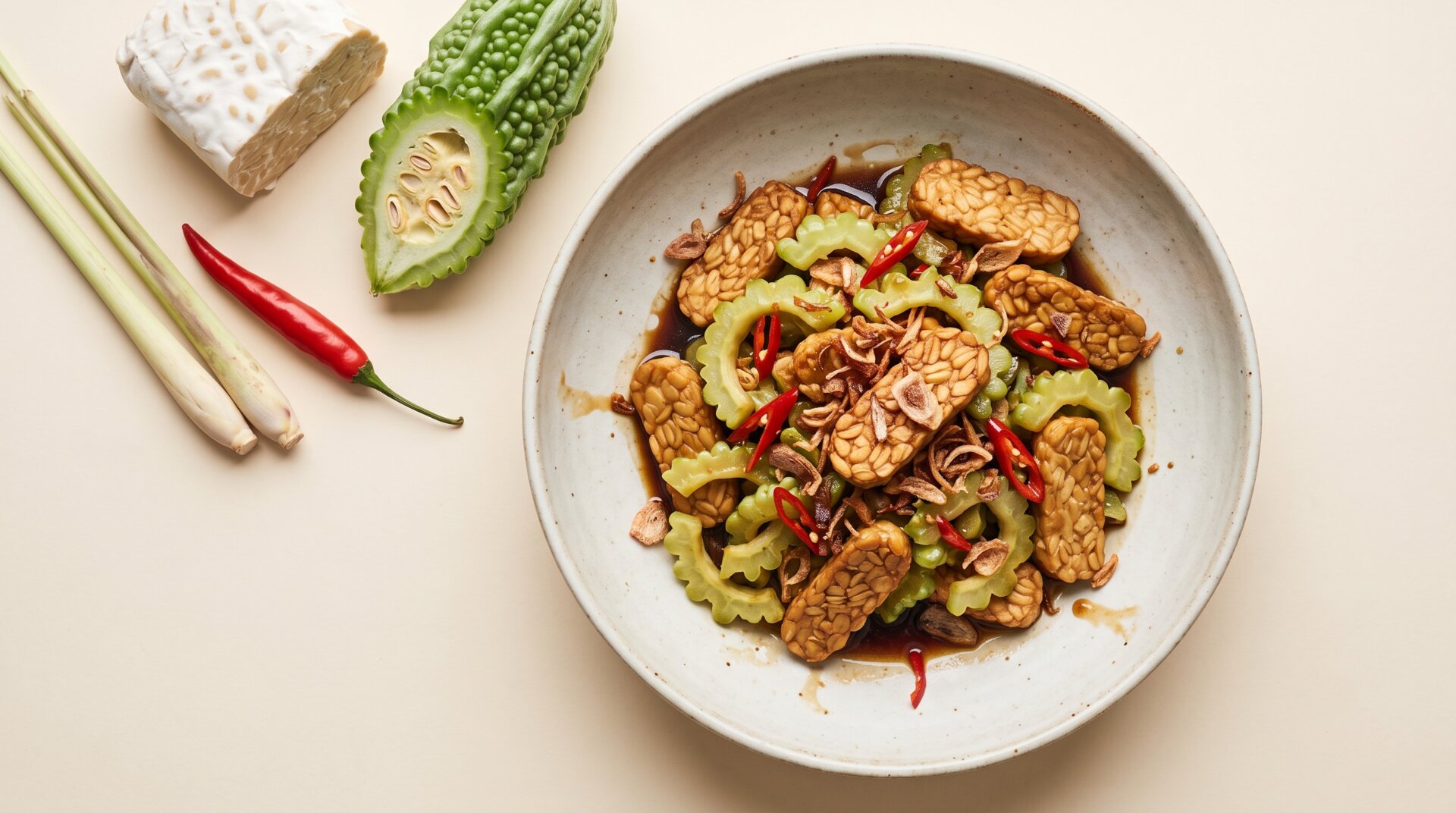 Indonesian Tempeh with Bitter Melon 45 min Stir-fry with kecap manis, galangal and lemongrass 320 kcal 18g protein 2 synergies
 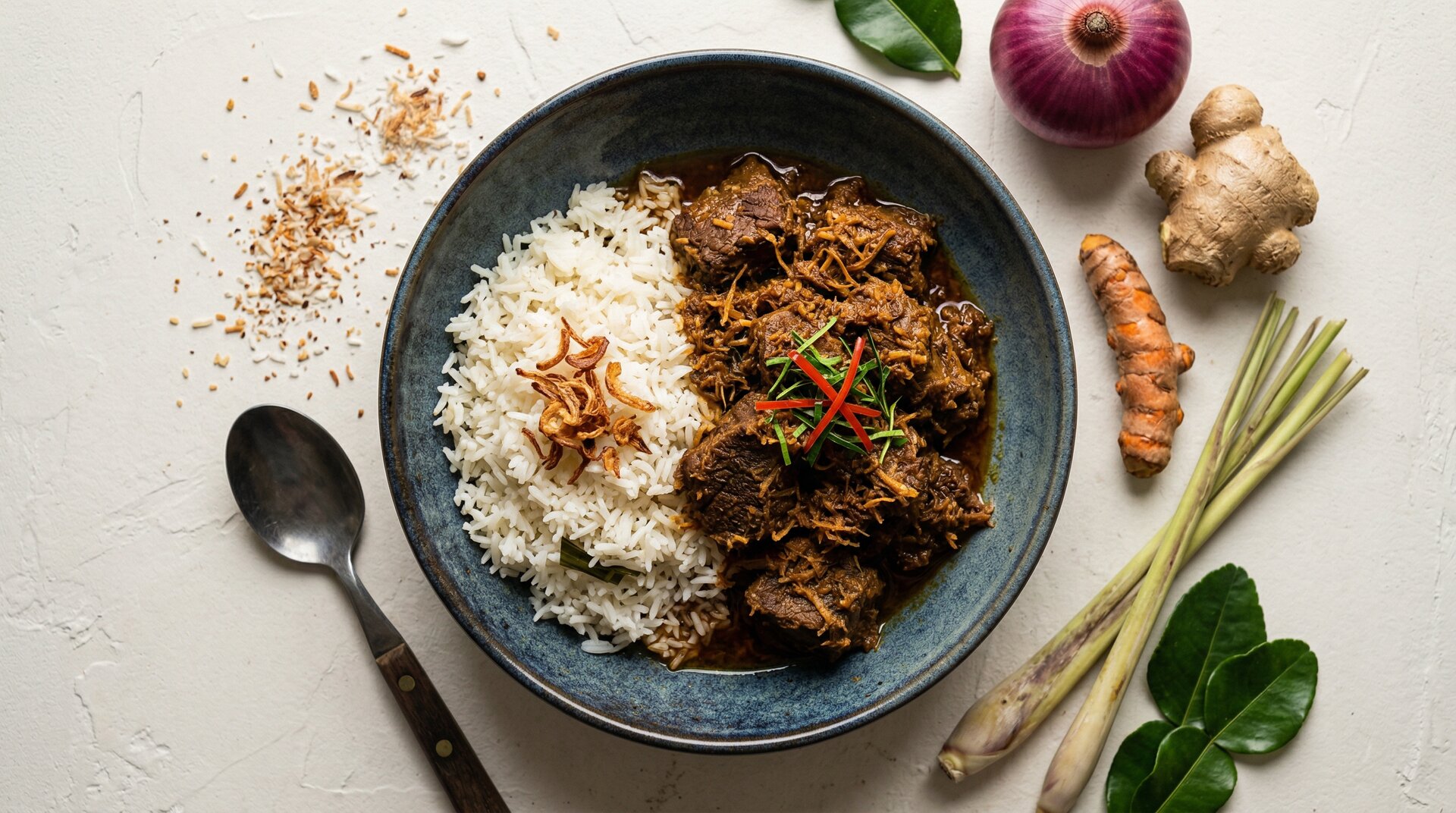 Malaysian Rendang with Coconut Rice 145 min Slow-braised beef with coconut, lemongrass and warm spices 1085 kcal 43g protein 2 synergies
 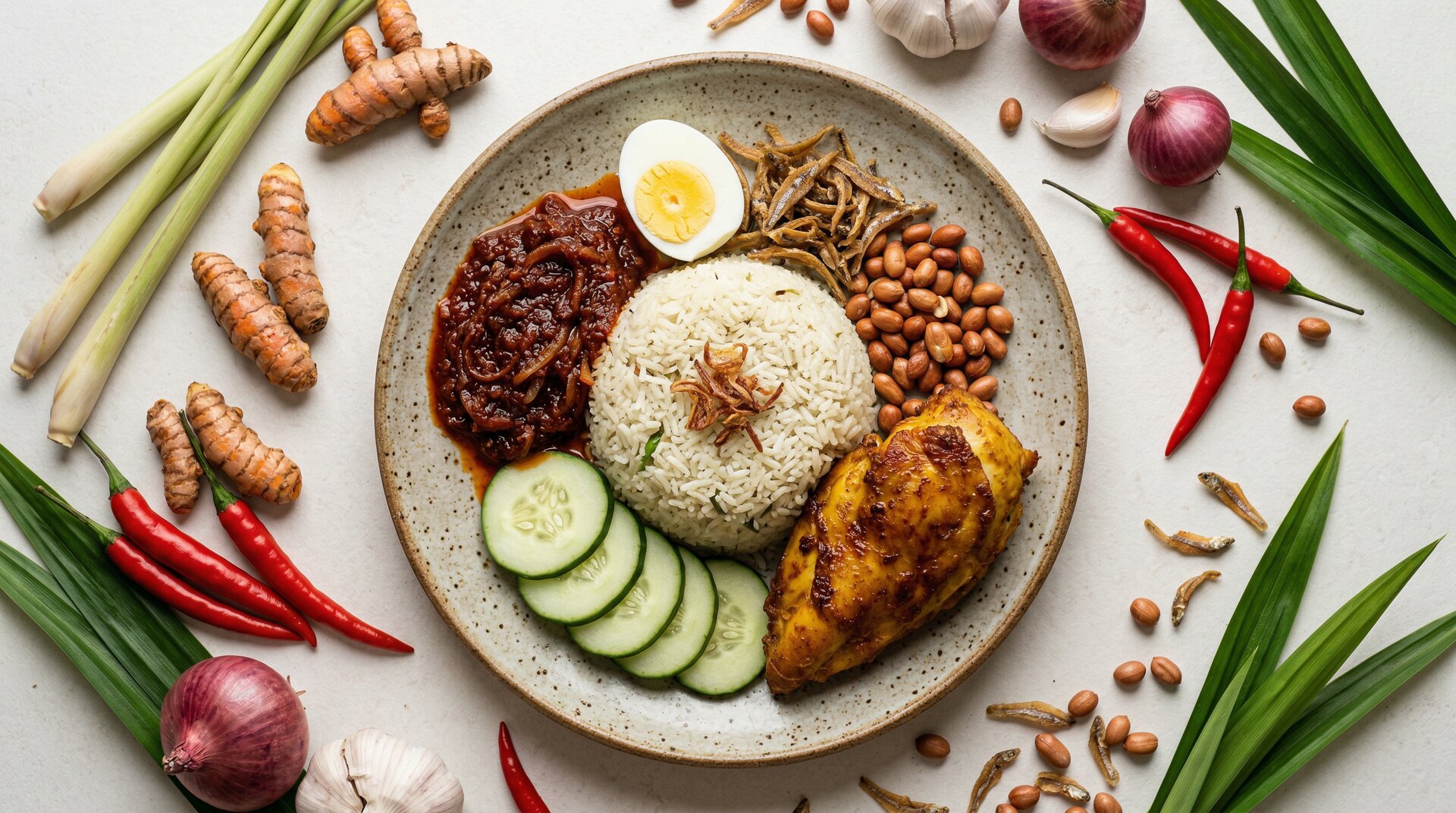 Nasi Lemak with Chicken, Sambal and Cucumber 50 min Malaysian coconut rice with spiced chicken, sambal and fresh cucumber 635 kcal 41g protein 3 synergies
 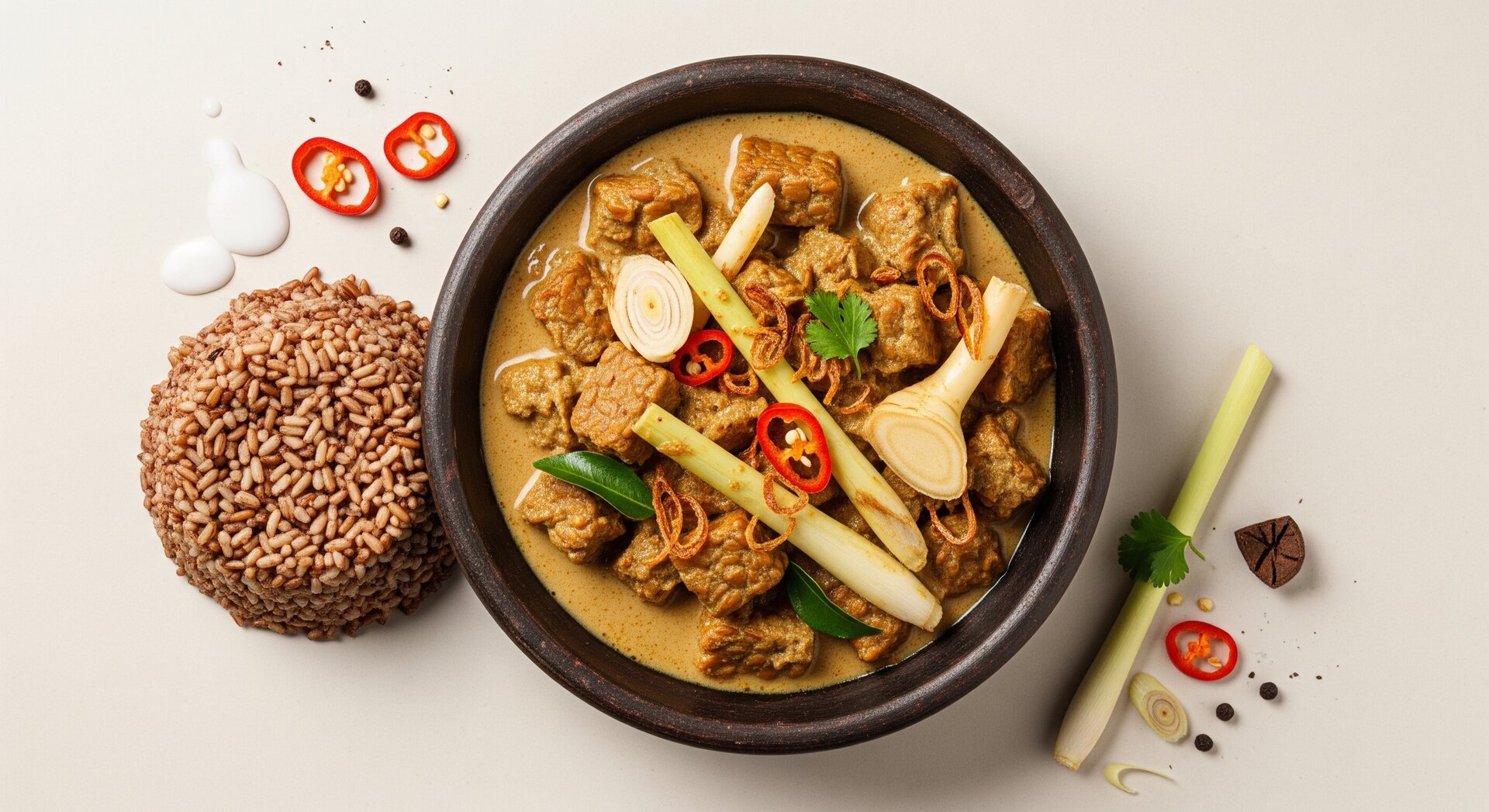 Tempeh Rendang with Brown Rice 60 min Vegan Indonesian classic with tempeh in creamy coconut sauce 880 kcal 39g protein 2 synergies
  In the Kitchen
Storage
Location:Freezer
Shelf life:6-12 maanden
Freezing often preserves the aroma better than long refrigeration. Cut the stalks into pieces if useful, pack airtight and use straight from the freezer.
Preparation
Remove the tough outer layers and trim the dry top. Bruise the core for soups and curries, or use only the soft lower part when finely slicing for pastes and marinades.
Conversions
Substitutes
Smart preparation
1Remove the tough outer layers and mainly use the soft inner part.
2Bruise the stalk with the flat side of a knife before adding it.
Why?
Bruising breaks the fibers and helps release the citrusy oils and aromas.
3Remove whole stalks before serving; they stay tough and fibrous.
Caution / Warnings
Lemongrass is very safe, but there are scientific considerations:
Pregnancy Moderate
Concentrated lemongrass oil is much stronger than culinary stalks and is usually used cautiously during pregnancy.
Advice:
Normal culinary use in small amounts usually fits within cooking. Avoid concentrated oils and supplements without personal advice.
Lemongrass allergy Moderate
People sensitive to grasses from the Poaceae family may also react sensitively to lemongrass.
Advice:
Try a small culinary amount on first use and stop if unusual skin, mouth or breathing reactions occur.
Traditional use
Southeast Asian
Aromatic culinary tradition in Southeast Asia
Lemongrass has been used for generations in Thai, Vietnamese and Indonesian cuisines as an aromatic base for soups, curries, stews, marinades and tea.
Ayurveda
Bhustrina in Ayurveda
In Ayurvedic culinary tradition, lemongrass, also called bhustrina, is used in fragrant herbal teas and light preparations with a fresh, cooling taste impression.
Summary
Lemongrass adds freshness without acidity. Bruise the stalk, tie it and let it infuse in curry, soup or tea. Use whole stalks mainly for aroma and remove them before serving.