- Easy
- 30 min
- 2 serv.
- 7 synergies
- Now at its best: Tomato
A clear, aromatic Thai Tom Yum with lemongrass, ginger, mushrooms, tomato, lime and fresh herbs. Spicy, sour, fragrant and light, with an optional splash of coconut milk for extra roundness.
Tom Yum is a soup that wakes up the senses straight away. Lemongrass and ginger first infuse the broth, giving it that unmistakably fresh, spiced aroma. Then mushrooms, garlic and red chili go in: the soup becomes deeper, hotter and more savoury without turning heavy. Tomato adds a gentle sweet-sour edge, while tamari brings umami. The lime is added only off the heat, so its bright acidity stays clear and does not cook away. You can keep the soup clean and clear, or add a splash of coconut milk at the end for a softer, rounder version. Cilantro, scallion and lime zest finish the bowl with something green, fresh and lively.
- 15
- min prep
- 15
- min cook
- 30
- min total
Nutritional Synergies
This recipe combines ingredients that enhance each other:
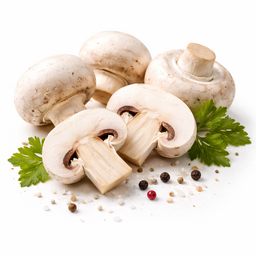 Mushrooms
 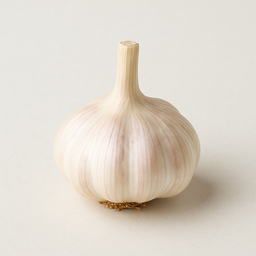 Garlic
 Beta-glucans + allicin activate complementary immune pathways
Technical: Mushrooms contain beta-glucans (polysaccharides) that activate macrophages and NK cells via Dectin-1 receptors — the innate immune system. Garlic's allicin stimulates T-cell proliferation and activates the Th1 response — the adaptive immune system. Together they activate two complementary branches of the immune system.
What does this mean for you? Sauté mushrooms with garlic — a combination that engages two different branches of the immune system. Cut garlic and wait 10 minutes before heating so allicin fully forms.
Immune System
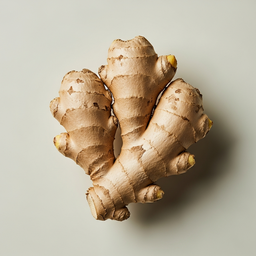 Galangal or ginger
 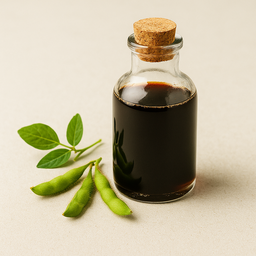 Gluten-free tamari
 Asian umami base with bioactive action
Technical: Ginger contains gingerols and shogaols that modulate COX-2. Tamari (gluten-free soy sauce) provides umami flavor plus fermented compounds supporting gut flora. Together they form the base of many Asian dishes and offer both flavor and bioactive action.
What does this mean for you? Ginger + tamari is the base of stir-fries, marinades and dressings. Two ingredients that enhance each other's flavor and combine bioactive compounds.
DigestionAnti-inflammatory
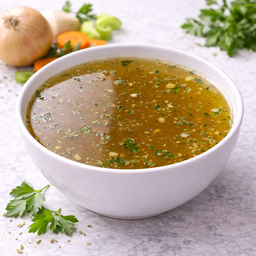 Vegetable broth Galangal or ginger
 Warm broth + gingerols for digestion and hydration
Technical: Vegetable broth provides electrolytes (sodium 350-500mg/L, potassium 200-400mg/L) for hydration and osmotic balance. Ginger's gingerols promote gastric motility and bile production. Warm fluids accelerate gastric transit.
What does this mean for you? Vegetable broth with fresh ginger is an ideal warm drink during recovery. The electrolytes hydrate, the gingerols support digestion.
DigestionImmune System
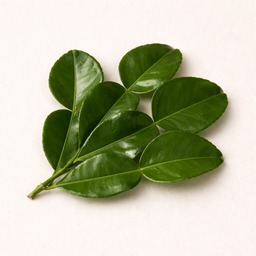 Kaffir lime leaves Galangal or ginger
 Citronellol + gingerols for aromatic digestion
Technical: Kaffir lime leaf contains citronellol (30-40%) and limonene (20%) — terpenes with bioactive and anxiolytic action. Ginger's gingerols promote gastric motility and bile flow. The combination offers multi-level digestive support: kaffir lime's terpenes calm the gut nervous system (enteric nervous system), ginger activates mechanical digestion. This is the scientific basis behind Tom Kha Gai (coconut soup).
What does this mean for you? Use kaffir lime leaf with ginger in Thai soups and curries. Tear the leaf for maximum aromatic release. The combination makes fatty coconut dishes easier to digest.
DigestionStress Relief
Garlic Galangal or ginger Allicin + gingerols: complementary bioactive action
Technical: Garlic's allicin works via thiol enzyme inhibition — effective against gram-positive bacteria (Staphylococcus, Streptococcus). Ginger's gingerols and shogaols influence viral replication and stimulate interferon production. Together they cover both bacterial and viral pathways.
What does this mean for you? Garlic-ginger tea is a classic combination. Garlic works via thiol enzymes, ginger via interferon pathways. Cut both fresh for maximum active compounds — allicin only forms after 10 minutes of air exposure.
Immune System
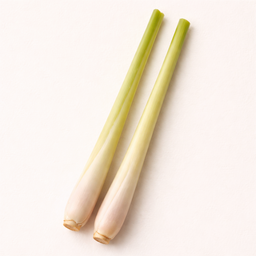 Lemongrass Galangal or ginger
 Classic Asian digestive support
Technical: Lemongrass contains citral that promotes digestive enzymes and is bioactive. Ginger's gingerol accelerates gastric motility (prokinetic) and suppresses nausea. Together they promote digestion via two complementary pathways.
What does this mean for you? Lemongrass + ginger in soup or tea — a classic Asian combination. Two herbs that promote your digestion via complementary pathways.
DigestionAnti-inflammatory
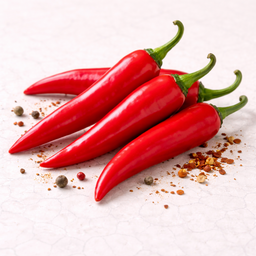 Red chilies Garlic
 Capsaicin + allicin: complementary bioactive sulfur pathways
Technical: Capsaicin from red pepper inhibits bacterial biofilm formation and is effective against H. pylori via TRPV1 receptor activation. Garlic's allicin works via thiol enzyme inhibition and has bioactive action against gram-positive bacteria. Together they cover a broader spectrum of bioactive pathways. Capsaicin also stimulates mucus production in the GI tract.
What does this mean for you? Red pepper with garlic is the base of countless cuisines worldwide — from sambal to harissa. Not just tasty heat, but also two complementary bioactive pathways in one spice combination.
Immune SystemAnti-inflammatory
Ingredients (13)
- Lemongrass — 3 pcs bruised and cut into pieces
- Mushrooms — 200 g halved or thickly sliced
-
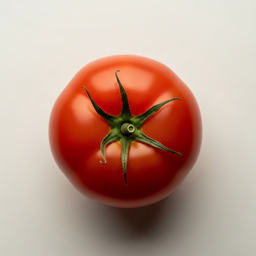 Tomatoes — 2 pcs cut into wedges
Instructions
- 1 Bring the vegetable broth to a boil in a large soup pot with the lemongrass, ginger or galangal and kaffir lime leaves.
- 2 Reduce the heat to low and simmer gently for 8 minutes so the aromatics infuse the broth.
Nutrition per serving
Indicative values per serving.
Timing & Suitability
Shelf life: 3 days in fridge
Tags & Diet
Allergens: Soy