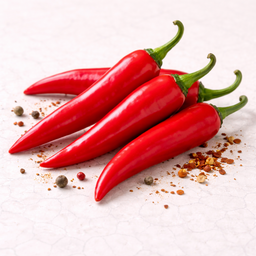
Red Chili Pepper (Fresh)
The Vitamin C Firecracker
What is this ingredient?
Red chili peppers are botanically berries. Because they stay on the plant longer than green chilies, they develop more aroma and their carotenoid content (like beta-carotene and capsanthin) increases. Many red chilies are very high in vitamin C (often comparable to or higher than citrus per 100 grams). The heat (capsaicin) is associated with a temporary sensation of warmth, with its interaction with blood circulation being studied.
How does it taste?
Fiery hot with a fruity, slightly sweet undertone. Riper and fuller than green chili.
Pairs well with:
Pairs well with garliclimecilantrosesame oil and honey.
Did you know...?
- Cayenne pepper is named after the city of Cayenne in French Guiana.
- Red peppers become hotter when they experience more stress during growth, such as drought.
Nutritional Value & Energy
Per 100g
Red Chili Pepper (Fresh) is low in calories thanks to natural nutrients .
Per 100g
Minerals
Vitamins
Omega-3 fatty acids
More nutrients
B-Vitamins
Trace Minerals
What's in a serving?
1 serving
Red Chili Pepper (Fresh) naturally contains vitamin c (128 mg per 100 g).
Red Chili Pepper (Fresh) naturally contains vitamin a (157 mcg per 100 g).
Red Chili Pepper (Fresh) naturally contains vitamin b6 (0.3 mg per 100 g).
% of daily reference intake (DRI)
EU-approved nutrition claims
This ingredient contains nutrients for which EFSA-authorized health claims exist (at nutrient level, not ingredient-specific).
Approved health claims (EU)
Vitamin_c EU 432/2012
Vitamin C contributes to the normal function of the immune system
Contains 128mg/100g (threshold: ≥12mg/100g)
Vitamin_c EU 432/2012
Vitamin C contributes to the reduction of tiredness and fatigue
Contains 128mg/100g (threshold: ≥12mg/100g)
Vitamin_c EU 432/2012
Vitamin C contributes to normal collagen formation for the normal function of skin
Contains 128mg/100g (threshold: ≥12mg/100g)
Vitamin_a EU 432/2012
Vitamin A contributes to the normal function of the immune system
Contains 157mcg/100g (threshold: ≥120mcg/100g)
Vitamin_a EU 432/2012
Vitamin A contributes to the maintenance of normal skin
Contains 157mcg/100g (threshold: ≥120mcg/100g)
Vitamin_a EU 432/2012
Vitamin A contributes to the maintenance of normal mucous membranes
Contains 157mcg/100g (threshold: ≥120mcg/100g)
Vitamin_a EU 432/2012
Vitamin A contributes to the maintenance of normal vision
Contains 157mcg/100g (threshold: ≥120mcg/100g)
Vitamin_a EU 432/2012
Vitamin A contributes to normal iron metabolism
Contains 157mcg/100g (threshold: ≥120mcg/100g)
Vitamin_a EU 432/2012
Vitamin A has a role in the process of cell specialisation
Contains 157mcg/100g (threshold: ≥120mcg/100g)
Vitamin_b6 EU 432/2012
Vitamin B6 contributes to normal cysteine synthesis
Contains 0.3mg/100g (threshold: ≥0.21mg/100g)
Vitamin_b6 EU 432/2012
Vitamin B6 contributes to normal energy-yielding metabolism
Contains 0.3mg/100g (threshold: ≥0.21mg/100g)
Vitamin_b6 EU 432/2012
Vitamin B6 contributes to normal functioning of the nervous system
Contains 0.3mg/100g (threshold: ≥0.21mg/100g)
Vitamin_b6 EU 432/2012
Vitamin B6 contributes to normal homocysteine metabolism
Contains 0.3mg/100g (threshold: ≥0.21mg/100g)
Vitamin_b6 EU 432/2012
Vitamin B6 contributes to normal protein and glycogen metabolism
Contains 0.3mg/100g (threshold: ≥0.21mg/100g)
Vitamin_b6 EU 432/2012
Vitamin B6 contributes to normal psychological function
Contains 0.3mg/100g (threshold: ≥0.21mg/100g)
Vitamin_b6 EU 432/2012
Vitamin B6 contributes to normal red blood cell formation
Contains 0.3mg/100g (threshold: ≥0.21mg/100g)
Vitamin_b6 EU 432/2012
Vitamin B6 contributes to the normal function of the immune system
Contains 0.3mg/100g (threshold: ≥0.21mg/100g)
Vitamin_b6 EU 432/2012
Vitamin B6 contributes to the regulation of hormonal activity
Contains 0.3mg/100g (threshold: ≥0.21mg/100g)
Vitamin_b6 EU 432/2012
Vitamin B6 contributes to the reduction of tiredness and fatigue
Contains 0.3mg/100g (threshold: ≥0.21mg/100g)
Vitamin_c EU 432/2012
Vitamin C contributes to normal collagen formation for the normal function of blood vessels
Contains 128mg/100g (threshold: ≥12mg/100g)
Vitamin_c EU 432/2012
Vitamin C contributes to normal collagen formation for the normal function of bones
Contains 128mg/100g (threshold: ≥12mg/100g)
Vitamin_c EU 432/2012
Vitamin C contributes to normal collagen formation for the normal function of cartilage
Contains 128mg/100g (threshold: ≥12mg/100g)
Vitamin_c EU 432/2012
Vitamin C contributes to normal collagen formation for the normal function of gums
Contains 128mg/100g (threshold: ≥12mg/100g)
Vitamin_c EU 432/2012
Vitamin C contributes to normal collagen formation for the normal function of teeth
Contains 128mg/100g (threshold: ≥12mg/100g)
Vitamin_c EU 432/2012
Vitamin C contributes to normal energy-yielding metabolism
Contains 128mg/100g (threshold: ≥12mg/100g)
Vitamin_c EU 432/2012
Vitamin C contributes to normal functioning of the nervous system
Contains 128mg/100g (threshold: ≥12mg/100g)
Vitamin_c EU 432/2012
Vitamin C contributes to normal psychological function
Contains 128mg/100g (threshold: ≥12mg/100g)
Vitamin_c EU 432/2012
Vitamin C contributes to the protection of cells from oxidative stress
Contains 128mg/100g (threshold: ≥12mg/100g)
Vitamin_c EU 432/2012
Vitamin C contributes to the regeneration of the reduced form of vitamin E
Contains 128mg/100g (threshold: ≥12mg/100g)
Vitamin_c EU 432/2012
Vitamin C increases iron absorption
Contains 128mg/100g (threshold: ≥12mg/100g)
Vitamin_c EU 432/2012
Vitamin C contributes to maintain the normal function of the immune system during and after intense physical exercise
Contains 128mg/100g (threshold: ≥12mg/100g)
Comparison
vssinaasappel
Red Chili Pepper (Fresh) contains about 2× more vitamin C per 100g than orange.
What's being researched?
Capsaicin and metabolic research
Capsaicin in red pepper is being studied in relation to basal metabolism. Clinical studies show small effects on thermogenesis and fat oxidation.
Supported by: [1] Bonaccio (2019) , [2] Zhang Z (2025)
Capsaicin and pain research
Capsaicin in red pepper is being studied for pain-relieving properties through desensitization of sensory receptors. Topical applications have been clinically confirmed.
Supported by: [1] Bonaccio (2019) , [2] Zhang Z (2025)
Good Combinations (Synergy)
Combine red chili pepper (fresh) smartly to enhance the effect:
Red Chili Pepper (Fresh) 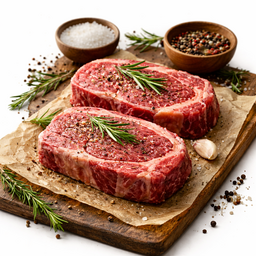 Beef Steak
 6x better iron absorption through vitamin C
Technical: Steak contains 2.6mg heme iron per 100g — the most absorbable form of iron (15-35% absorption vs. 5-12% for non-heme). Yet vitamin C from bell pepper (128mg per 100g red pepper) can further increase total iron absorption by also activating non-heme iron in meat and stimulating ferroportin expression. Studies show 3-6x higher total iron uptake.
What does this mean for you? Add bell pepper to your steak — as salad, roasted side dish or in a stir-fry. Red pepper has the most vitamin C, but yellow and green work too. Perfect for athletes and iron deficiency.
Red Chili Pepper (Fresh) 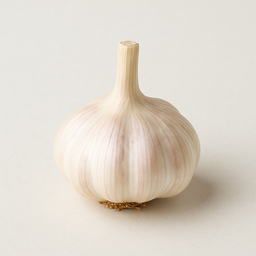 Garlic
 Capsaicin + allicin: complementary bioactive sulfur pathways
Technical: Capsaicin from red pepper inhibits bacterial biofilm formation and is effective against H. pylori via TRPV1 receptor activation. Garlic's allicin works via thiol enzyme inhibition and has bioactive action against gram-positive bacteria. Together they cover a broader spectrum of bioactive pathways. Capsaicin also stimulates mucus production in the GI tract.
What does this mean for you? Red pepper with garlic is the base of countless cuisines worldwide — from sambal to harissa. Not just tasty heat, but also two complementary bioactive pathways in one spice combination.
Red Chili Pepper (Fresh) 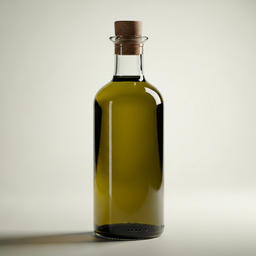 Olive Oil
 Fat increases absorption of capsaicin and carotenoids
Technical: Red pepper contains capsaicin (lipophilic, LogP 3.04) and 21840μg beta-carotene per 100g. Both are fat-soluble. Olive oil's oleic acid dissolves capsaicin and forms micelles for carotenoid absorption. Capsaicin activates vanilloid receptors in the digestive tract, increasing mucosal blood flow.
What does this mean for you? Cook red pepper in olive oil — this increases absorption of both capsaicin and beta-carotene. Oil also reduces the burning sensation by dissolving capsaicin in fat.
Recipes with Red Chili Pepper (Fresh)
Discover delicious recipes featuring red chili pepper (fresh):
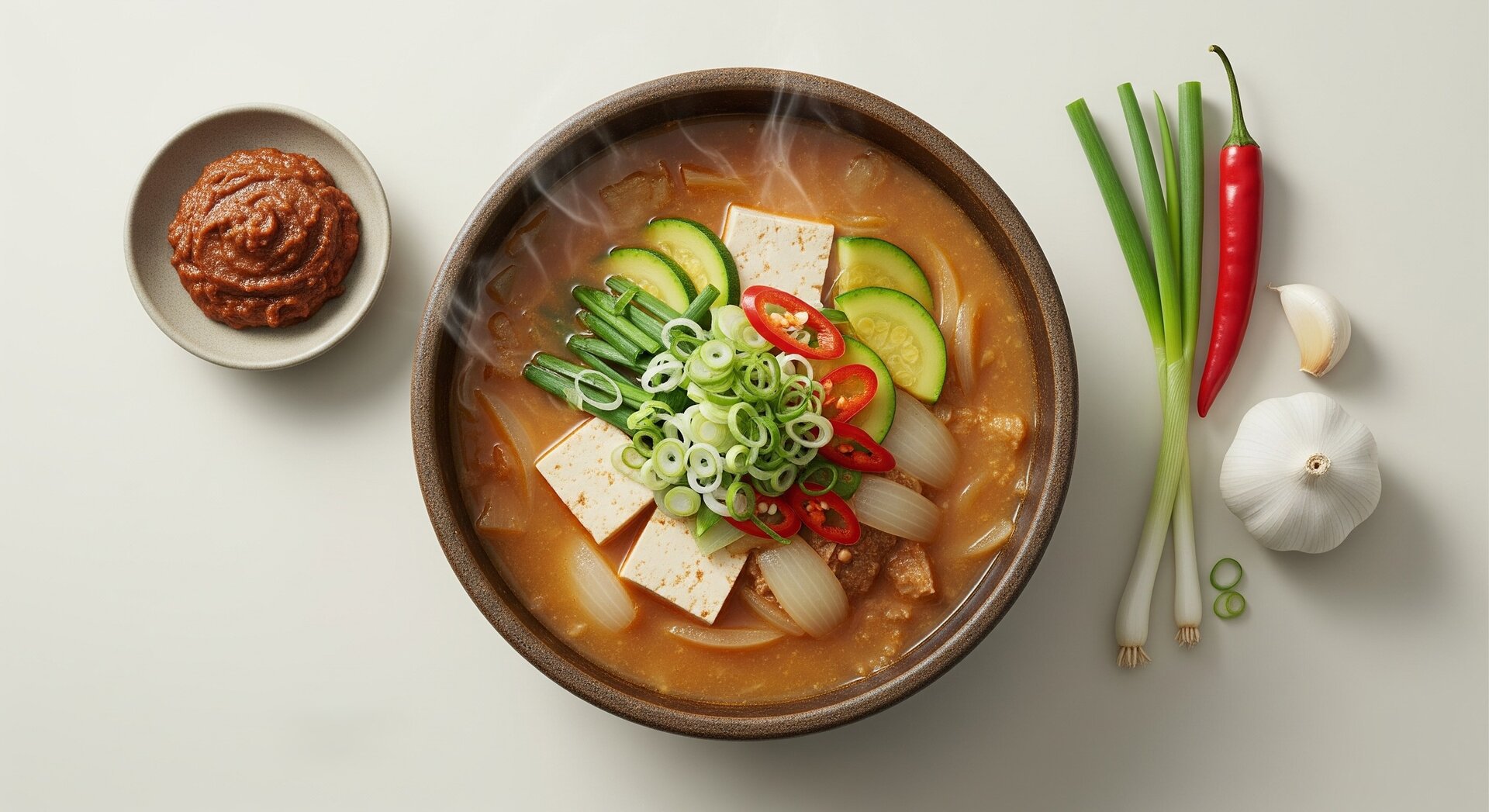 Doenjang Jjigae - Korean Soybean Paste Soup 30 min Umami-rich Korean soup with doenjang, tofu, zucchini and shiitake
  175 kcal
  13g protein 3 synergies
 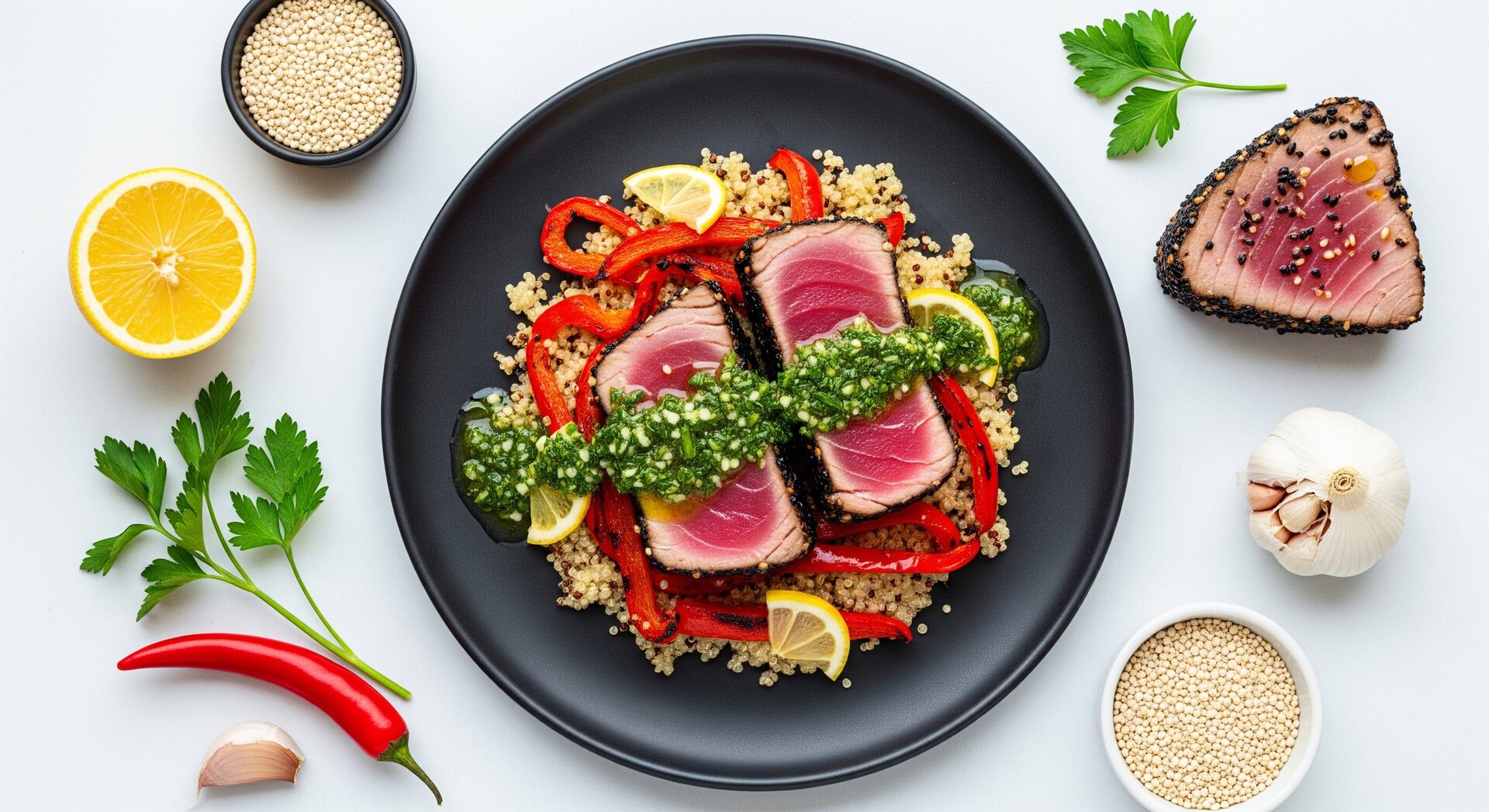 Seared Tuna with Quinoa and Chimichurri 35 min Tuna steak with quinoa and fresh parsley-lemon chimichurri 675 kcal 53g protein 2 synergies
 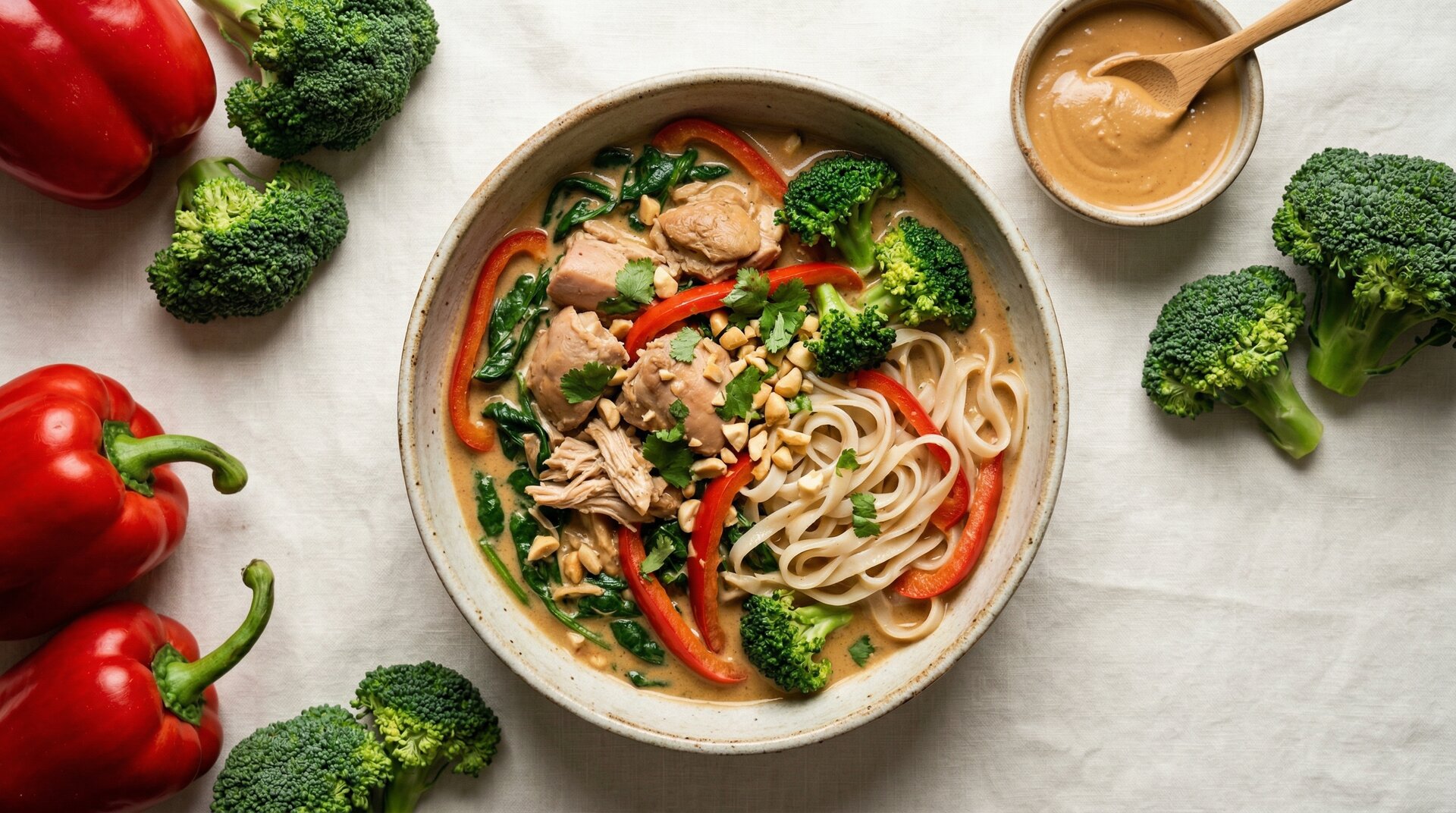 Peanut Chicken Noodle Bowl (West African-Inspired) 40 min Creamy peanut sauce with tender chicken, rice noodles and crisp vegetables 795 kcal 40g protein 3 synergies
 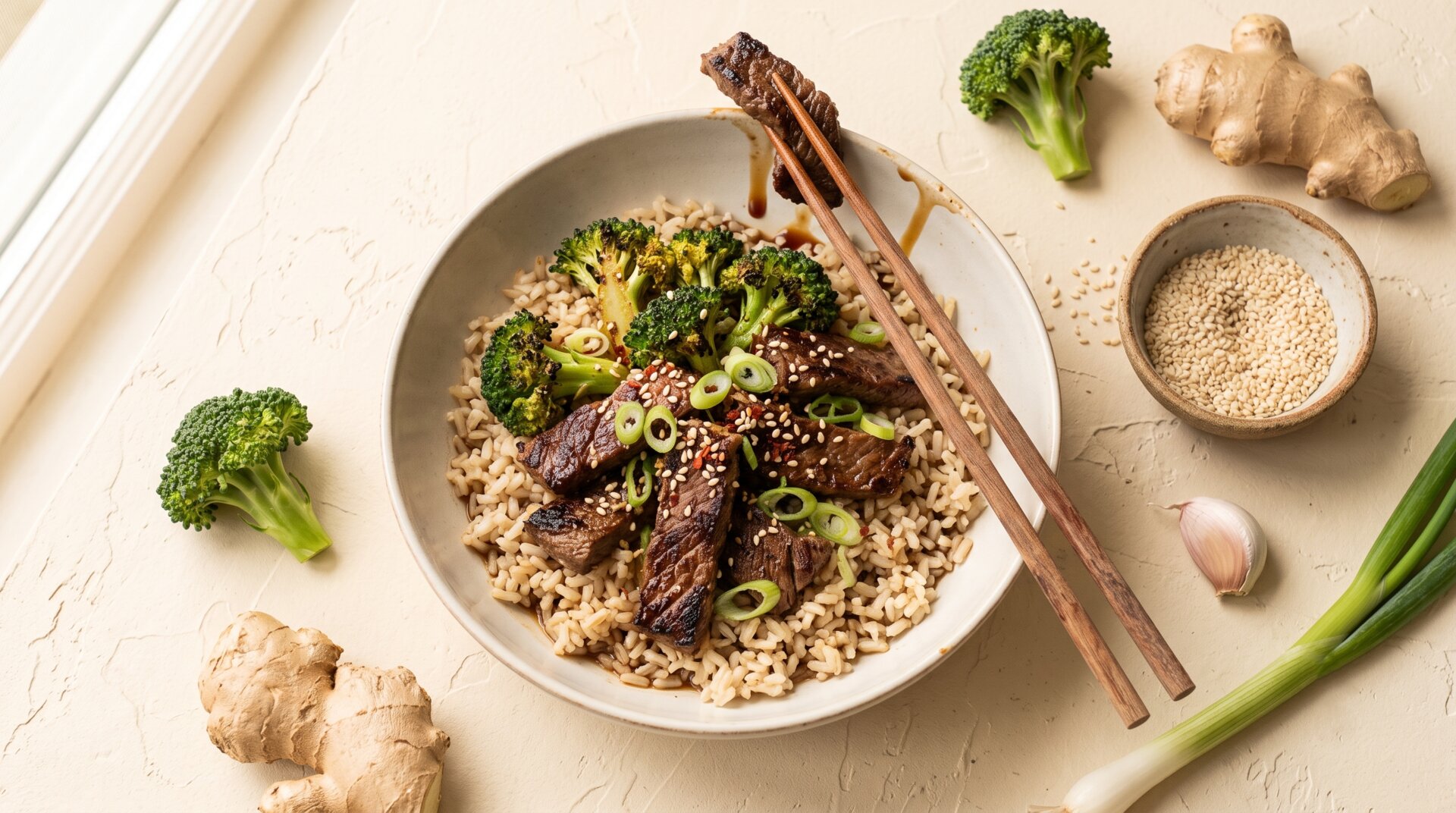 Beef Stir-Fry with Broccoli and Sesame 30 min Tender beef with crisp broccoli and toasted sesame 615 kcal 48g protein 3 synergies
 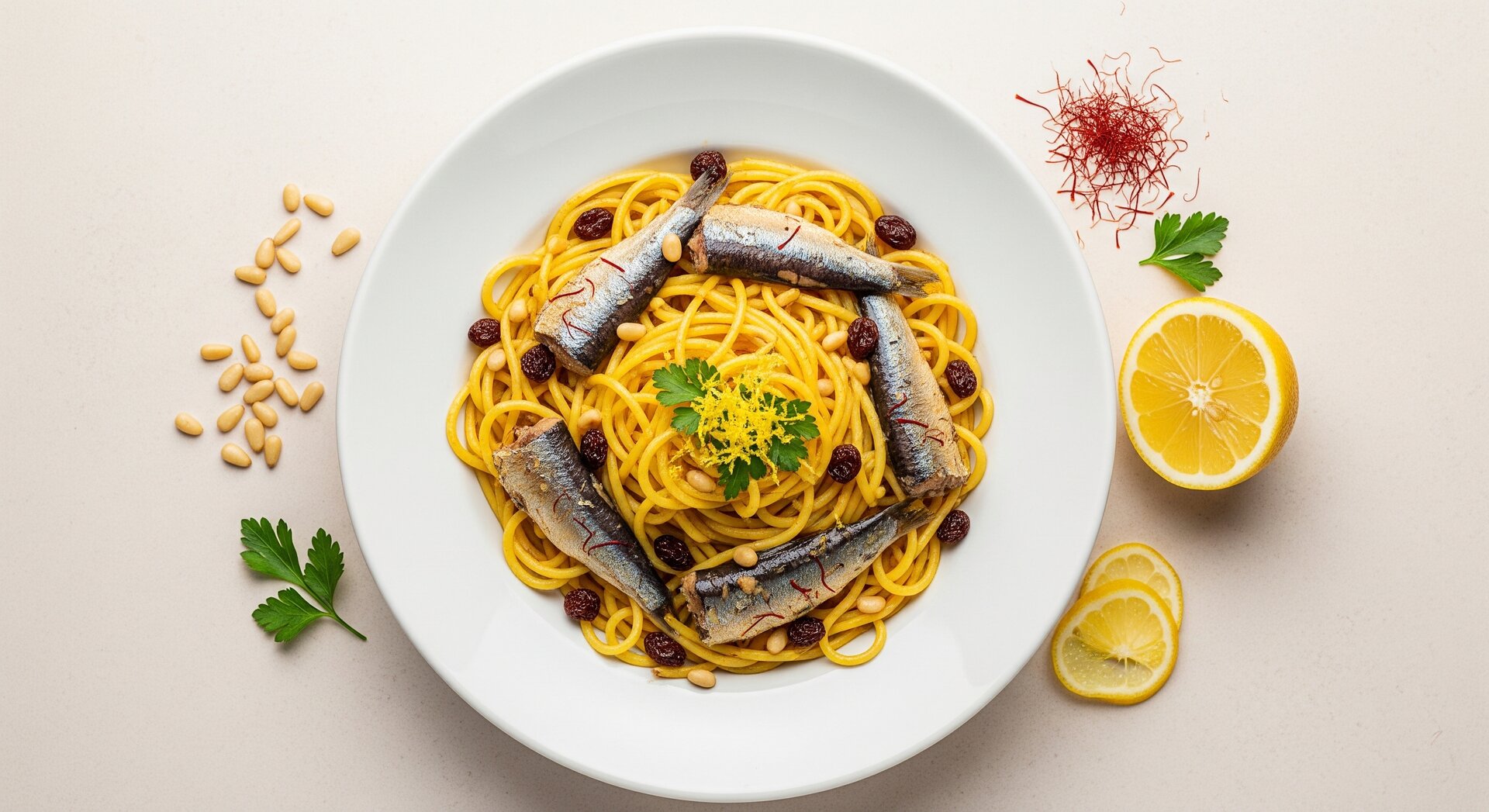 Sicilian Spaghetti with Sardines, Fennel and Saffron 30 min Briny pasta with sardines, fennel, raisins, pine nuts and lemon 795 kcal 41g protein 2 synergies
 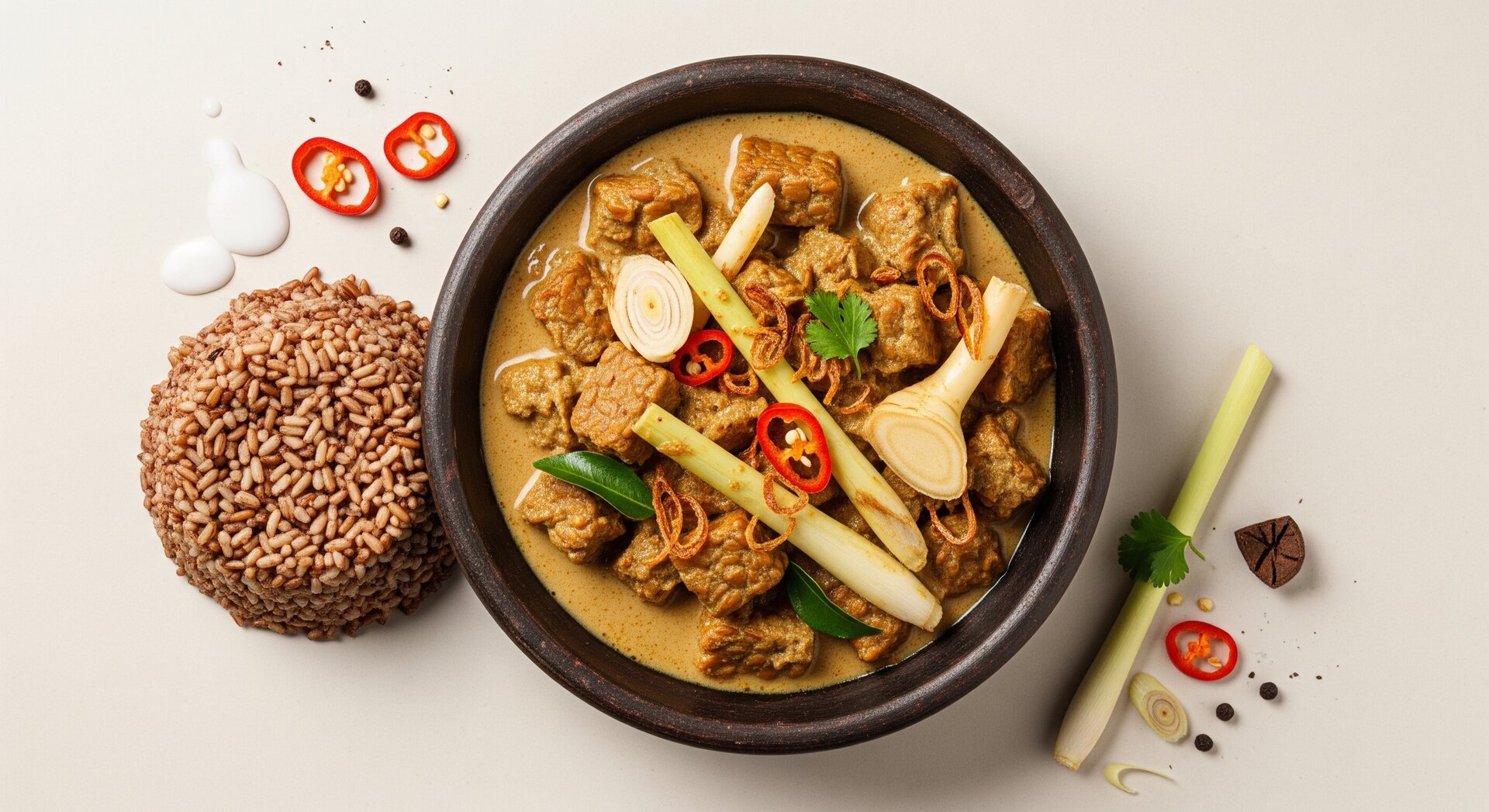 Tempeh Rendang with Brown Rice 60 min Vegan Indonesian classic with tempeh in creamy coconut sauce 880 kcal 39g protein 2 synergies
  In the Kitchen
Storage
Location:Refrigerator
Shelf life:1-2 weken
Preparation
Mince. Add raw for maximal vitamin C, briefly sauté for milder heat.
Conversions
Substitutes
Smart preparation
1Remove the membranes for less heat; save the seeds separately.
2Dry red peppers in the oven at 60 degrees for homemade chili powder.
3Wash hands with oil after cutting; water alone doesn't remove capsaicin.
Caution / Warnings
Red Chili Pepper (Fresh) is very safe, but there are scientific considerations:
Skin and Eye Irritation Moderate
Capsaicin can cause a burning sensation on skin and is highly irritating to eyes
Advice:
Wash hands well after cutting; avoid touching eyes. Consider gloves for very hot chilies.
Traditional use
Indigenous
Aztec traditional use
The Aztecs used red peppers for centuries as a painkiller, for toothaches, and as a food preservative. After the Spanish conquest, it spread worldwide.
Summary
The ripe, sweeter but often hotter sibling of green chili. Rich in vitamin C and capsaicin. Remove the ribs if you want the flavor with less heat.