- Medium
- 35 min
- 2 serv.
- 14 synergies
- Now at its best: Parsley
Tuna steaks with a crispy crust, served on protein-rich quinoa with fresh parsley-lemon chimichurri. With roasted red pepper for color and sweetness.
The tuna hits the smoking hot pan and in ninety seconds a crisp crust forms while the heart stays pink — that moment of timing it exactly right, one second too long and the fish goes dry. On the plate waits a bed of quinoa that's been steaming for twenty minutes until every grain is loose and fluffy, studded with strips of roasted pepper still warm and sweet from the broiler. Then the chimichurri: a roughly chopped mountain of parsley with raw garlic, lemon zest and red wine vinegar, so fresh and sharp it cuts through all the richness of the tuna. The first bite is contrast — crispy outside against silky pink flesh, nutty quinoa against the tangy sauce. This is a dish that looks on the plate like a chef dressed it, but you have it on the table in half an hour.
- 15
- min prep
- 20
- min cook
- 35
- min total
Nutritional Synergies
This recipe combines ingredients that enhance each other:
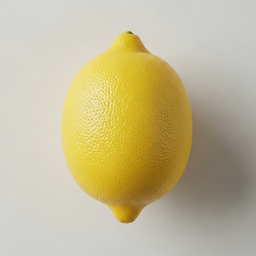 Lemon
Lemon 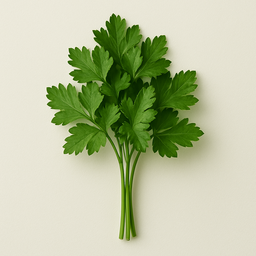 Fresh flat-leaf parsley
 Double vitamin C for maximum iron absorption
Technical: Lemon contains 53mg vitamin C per 100g, parsley 133mg per 100g. Together they provide excess vitamin C that reduces non-heme iron (from vegetables, grains) from Fe³⁺ to Fe²⁺, increasing absorption 3-6x. Parsley also contains 6.2mg iron per 100g.
What does this mean for you? Use lemon + parsley in tabbouleh, dressings and marinades. The combination maximizes iron absorption, ideal for vegetarians.
EnergyImmune System
 Olive oil (extra virgin) Lemon
 Oleic acid + citric acid: complementary pathways for glycemic response
Technical: Lemon contains citric acid that slows gastric emptying, causing carbohydrates from the meal to be absorbed more slowly. Olive oil's fats reinforce this effect by further influencing glycemic response. Together they influence the postprandial glucose response via two complementary mechanisms. Olive oil's oleocanthal and lemon's vitamin C additionally provide complementary antioxidant action.
What does this mean for you? A simple dressing of olive oil and lemon juice over your salad is one of the smartest combinations you can make. The two mechanisms (delayed gastric emptying + fat slowing) work together to influence the glucose response after your meal.
EnergyDigestion
Olive oil (extra virgin) 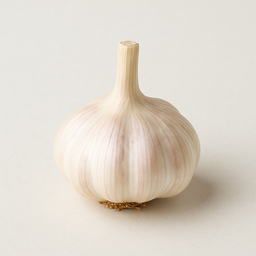 Garlic
 Aglio e olio: allicin + oleocanthal via complementary biochemical pathways
Technical: Garlic contains allicin (formed when cutting/crushing) that influences HMG-CoA reductase (involved in lipid metabolism). Olive oil contains oleocanthal that modulates COX-1/2 enzymes. Together they influence lipid metabolism and prostaglandin cascade via complementary biochemical pathways. The fat also helps absorb fat-soluble garlic compounds.
What does this mean for you? Gently warm garlic in olive oil (don't burn!) as the base for many dishes. This is why 'aglio e olio' pasta is so beloved — two bioactive compounds that reinforce each other.
HeartImmune System
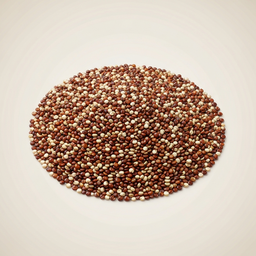 Quinoa (dry) Lemon
 Vitamin C increases iron absorption from quinoa by 3-6x
Technical: Quinoa contains 1.5mg non-heme iron per 100g cooked. Non-heme iron has low bioavailability (5-12%). Vitamin C from lemon (53mg/100g) reduces Fe³⁺ to Fe²⁺ and prevents phytate binding, increasing absorption 3-6x. This is the basis of tabbouleh-style quinoa salads.
What does this mean for you? Make quinoa tabbouleh with fresh lemon juice, parsley, tomato and cucumber. The lemon juice not only makes it fresher but also maximizes iron absorption.
EnergyImmune System
Quinoa (dry) 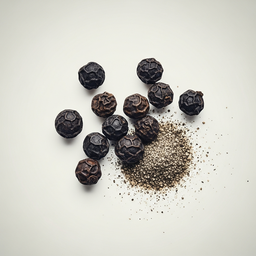 Black pepper
 Improves quercetin absorption from quinoa
Technical: Quinoa contains quercetin (up to 36mg per 100g) and kaempferol, both powerful flavonoids with low bioavailability (25-50%). Piperine from black pepper inhibits glucuronidation in the gut — the process that inactivates flavonoids for excretion. This increases quercetin bioavailability by 30-50%, comparable to the well-known piperine-curcumin effect.
What does this mean for you? Grind fresh black pepper over your quinoa dishes. Just as pepper activates turmeric, it does the same for quinoa's antioxidants. A simple grind of pepper makes your quinoa significantly healthier.
Anti-inflammatoryHeart
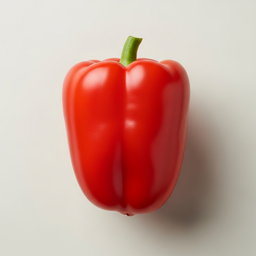 Red bell pepper Olive oil (extra virgin)
 Fat improves carotenoid absorption
Technical: Red pepper contains 3131μg beta-carotene per 100g — significantly more than green (208μg). Carotenoids are absorbed via passive transport with mixed micelles. Oleic acid (73% of olive oil) forms these micelles and increases beta-carotene absorption up to 5x (American Journal of Clinical Nutrition).
What does this mean for you? Roasted pepper with olive oil isn't just tasty but increases beta-carotene absorption up to 5x. Your body can barely absorb it without fat.
Immune SystemSkin & Hair
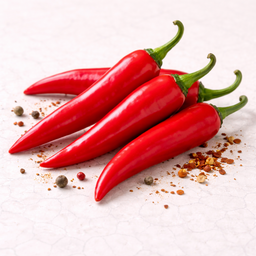 Red pepper flakes Garlic
 Capsaicin + allicin: complementary bioactive sulfur pathways
Technical: Capsaicin from red pepper inhibits bacterial biofilm formation and is effective against H. pylori via TRPV1 receptor activation. Garlic's allicin works via thiol enzyme inhibition and has bioactive action against gram-positive bacteria. Together they cover a broader spectrum of bioactive pathways. Capsaicin also stimulates mucus production in the GI tract.
What does this mean for you? Red pepper with garlic is the base of countless cuisines worldwide — from sambal to harissa. Not just tasty heat, but also two complementary bioactive pathways in one spice combination.
Immune SystemAnti-inflammatory
Red pepper flakes Olive oil (extra virgin) Fat increases absorption of capsaicin and carotenoids
Technical: Red pepper contains capsaicin (lipophilic, LogP 3.04) and 21840μg beta-carotene per 100g. Both are fat-soluble. Olive oil's oleic acid dissolves capsaicin and forms micelles for carotenoid absorption. Capsaicin activates vanilloid receptors in the digestive tract, increasing mucosal blood flow.
What does this mean for you? Cook red pepper in olive oil — this increases absorption of both capsaicin and beta-carotene. Oil also reduces the burning sensation by dissolving capsaicin in fat.
Weight LossSkin & Hair
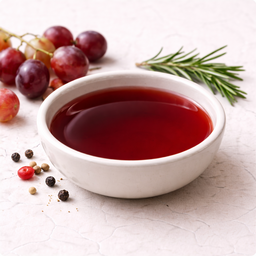 Red wine vinegar Garlic
 Acetic acid + allicin for vascular support and bioactive action
Technical: Red wine vinegar's acetic acid activates AMPK and modulates angiotensin II production, supporting vascular function. Garlic's allicin modulates ACE (angiotensin-converting enzyme). Together they support vascular function via two complementary angiotensin-modulating mechanisms. Both also have bioactive action: acetic acid via pH lowering, allicin via thiol blockade.
What does this mean for you? Red wine vinegar-garlic dressing is a flavorful way to add bioactive compounds to your salad. Crush garlic and let rest 10 minutes before mixing with vinegar for maximum allicin formation.
HeartImmune System
Red wine vinegar Olive oil (extra virgin) Classic vinaigrette with polyphenol synergy
Technical: Red wine vinegar contains resveratrol and anthocyanins (from red grapes) plus acetic acid. Olive oil provides oleocanthal (a bioactive phenol) and oleuropein. Mustard contains sinigrin (glucosinolate) and emulsifies the dressing. Together three antioxidant classes (polyphenols, oleocanthal, glucosinolates) provide a broad antioxidant spectrum.
What does this mean for you? Make vinaigrette with red wine vinegar, olive oil and mustard. Three ingredients, three types of antioxidants — the perfect salad dressing.
HeartAnti-inflammatory
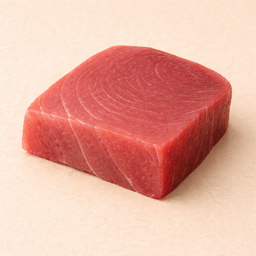 Tuna steaks (fresh) Lemon
 Vitamin C improves selenium absorption and protects omega-3
Technical: Tuna contains 80μg selenium per 100g (145% RDI) — one of the richest selenium sources. Selenium is incorporated into selenoproteins (glutathione peroxidase, thioredoxin reductase). Vitamin C from lemon promotes selenium uptake and protects the omega-3 fatty acids (0.5-1.5g per 100g, depending on tuna species) from peroxidation. Vitamin C also contributes to the normal function of the immune system (EFSA-approved).
What does this mean for you? Always drizzle tuna with lemon juice. The lemon helps your body absorb more selenium and keeps omega-3 intact. Ideal in poke bowls, tataki or simple tuna salad.
Immune SystemEnergyHormonal Balance
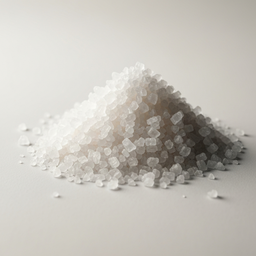 Sea salt Lemon
 Trace minerals + vitamin C for electrolytes and immune system
Technical: Unrefined sea salt contains 80+ trace elements (magnesium 0.5%, potassium 0.4%, calcium 0.1%, plus iodine, zinc, selenium in trace amounts) alongside sodium. Lemon's vitamin C improves absorption of non-heme iron and zinc from sea salt. Sodium + potassium together regulate cellular osmosis. Vitamin C is also essential for collagen synthesis where sea salt minerals serve as cofactors.
What does this mean for you? A glass of warm water with a pinch of unrefined sea salt and lemon juice in the morning is an effective hydration ritual. The minerals + vitamin C start your day with good electrolyte balance.
EnergyImmune System
Sea salt Olive oil (extra virgin) Minerals + polyphenols for cellular balance
Technical: Sea salt's sodium is essential for the sodium-potassium pump (Na+/K+-ATPase) that regulates every body cell. Olive oil's oleuropein and hydroxytyrosol provide antioxidant protection for cell membranes. The combination supports cell integrity: sea salt regulates ion balance, olive oil protects the membrane. In Mediterranean cuisine, coarse sea salt + olive oil is the most basic flavor profile.
What does this mean for you? Freshly ground sea salt with extra virgin olive oil is the simplest and most nutritious finishing of any dish. The combination provides the basic needs of your cells: minerals for function, polyphenols for protection.
HeartGeneral Wellness
Black pepper Olive oil (extra virgin) Fat increases piperine absorption and enhances polyphenols
Technical: Piperine is fat-soluble and absorbed 2-3x better with dietary fat. Olive oil's oleocanthal and piperine both modulate COX signal transduction through different mechanisms, providing additive bioactive effect.
What does this mean for you? Grind fresh pepper over salads with olive oil dressing. The combination enhances both pepper absorption and bioactive action.
Anti-inflammatoryHeartDigestion
Ingredients (11)
- Tuna steaks (fresh) — 380 g 2 steaks of 190g, sushi-grade if possible
- Quinoa (dry) — 250 g Rinse well before cooking
- Fresh flat-leaf parsley — 30 g Large handful, roughly chopped
Instructions
- 1 Rinse quinoa well under cold water. Cook in 300ml water with a pinch of salt for 15 minutes. Let stand 5 minutes covered, then fluff with a fork.
- 2 Roast the pepper under the broiler until the skin is black, 10-12 minutes, turning regularly. Place in a bowl covered with foil and let steam for 10 minutes. Peel off the skin and slice into strips.
Nutrition per serving
Indicative values per serving.
Timing & Suitability
Shelf life: 1 days in fridge
Tags & Diet
Allergens: Fish