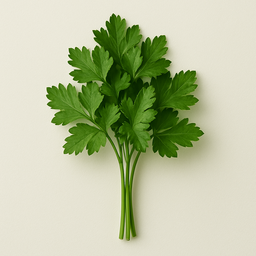
Parsley
Fresh leafy herb rich in vitamin K
What is this ingredient?
Parsley is much more than a decorative sprig on the plate. It is a fresh, green culinary herb with vitamin K, vitamin C, folate, iron, and aromatic plant compounds. The two main varieties are flat-leaf Italian parsley, with a more intense herbal flavor, and curly parsley, which is milder and holds its shape well as a garnish. Parsley also contains apigenin, a flavonoid also found in celery and chamomile. Use parsley preferably fresh and add it at the end for maximum color, aroma, and fresh taste.
How does it taste?
Fresh, grassy, and mildly peppery with a clean, green flavor.
Pairs well with:
Pairs well with garliclemonbutterfishlegumesand potato.
Did you know...?
- Ancient Greeks used parsley not only in the kitchen, but also as decoration for graves and wreaths.
- Flat-leaf parsley and curly parsley are the same species, but cooks often choose the flat variety for its stronger aroma.
Nutritional Value & Energy
Per 100g
Parsley is low in calories thanks to natural nutrients , buffered by fiber.
Per 100g
Minerals
Vitamins
Omega-3 fatty acids
More nutrients
B-Vitamins
Trace Minerals
What's in a serving?
Parsley naturally contains vitamin c (220 mg per 100 g fresh). At typical herb use (5–10 g), the contribution is smaller than with a full vegetable portion.
Parsley naturally contains vitamin k (1640 mcg per 100 g fresh). At typical herb use (5–10 g), the contribution is smaller than with a full vegetable portion.
Parsley naturally contains iron (6.2 mg per 100 g fresh). At typical herb use (5–10 g), the contribution is smaller than with a full vegetable portion.
Parsley naturally contains vitamin c (220 mg per 100 g fresh). At typical herb use (5–10 g), the contribution is smaller than with a full vegetable portion.
Parsley naturally contains vitamin k (1640 mcg per 100 g fresh). At typical herb use (5–10 g), the contribution is smaller than with a full vegetable portion.
% of daily reference intake (DRI)
EU-approved nutrition claims
This ingredient contains nutrients for which EFSA-authorized health claims exist at nutrient level, not specifically for parsley as an ingredient.
Approved health claims (EU)
Vitamin_c EU 432/2012
Vitamin C contributes to the normal function of the immune system
Contains 220mg/100g (threshold: ≥12mg/100g)
Vitamin_c EU 432/2012
Vitamin C contributes to the reduction of tiredness and fatigue
Contains 220mg/100g (threshold: ≥12mg/100g)
Vitamin_c EU 432/2012
Vitamin C contributes to normal collagen formation for the normal function of skin
Contains 220mg/100g (threshold: ≥12mg/100g)
Vitamin_c EU 432/2012
Vitamin C contributes to normal collagen formation for the normal function of blood vessels
Contains 220mg/100g (threshold: ≥12mg/100g)
Vitamin_c EU 432/2012
Vitamin C contributes to normal collagen formation for the normal function of bones
Contains 220mg/100g (threshold: ≥12mg/100g)
Vitamin_c EU 432/2012
Vitamin C contributes to normal collagen formation for the normal function of cartilage
Contains 220mg/100g (threshold: ≥12mg/100g)
Vitamin_c EU 432/2012
Vitamin C contributes to normal collagen formation for the normal function of gums
Contains 220mg/100g (threshold: ≥12mg/100g)
Vitamin_c EU 432/2012
Vitamin C contributes to normal collagen formation for the normal function of teeth
Contains 220mg/100g (threshold: ≥12mg/100g)
Vitamin_c EU 432/2012
Vitamin C contributes to normal energy-yielding metabolism
Contains 220mg/100g (threshold: ≥12mg/100g)
Vitamin_c EU 432/2012
Vitamin C contributes to normal functioning of the nervous system
Contains 220mg/100g (threshold: ≥12mg/100g)
Vitamin_c EU 432/2012
Vitamin C contributes to normal psychological function
Contains 220mg/100g (threshold: ≥12mg/100g)
Vitamin_c EU 432/2012
Vitamin C contributes to the protection of cells from oxidative stress
Contains 220mg/100g (threshold: ≥12mg/100g)
Vitamin_c EU 432/2012
Vitamin C contributes to the regeneration of the reduced form of vitamin E
Contains 220mg/100g (threshold: ≥12mg/100g)
Vitamin_c EU 432/2012
Vitamin C increases iron absorption
Contains 220mg/100g (threshold: ≥12mg/100g)
Vitamin_c EU 432/2012
Vitamin C contributes to maintain the normal function of the immune system during and after intense physical exercise
Contains 220mg/100g (threshold: ≥12mg/100g)
Vitamin_k EU 432/2012
Vitamin K contributes to normal blood clotting
Contains 1640mcg/100g (threshold: ≥11.25mcg/100g)
Vitamin_k EU 432/2012
Vitamin K contributes to the maintenance of normal bones
Contains 1640mcg/100g (threshold: ≥11.25mcg/100g)
Comparison
vssinaasappel
Parsley contains about 4× more vitamin C per 100 g than orange, but you usually use much less parsley per serving.
vsspinazie
Parsley contains about 2× more iron per 100 g than spinach, but you usually use much less parsley per serving.
vsbanaan
Parsley contains about 2× more potassium per 100 g than banana, but you usually use much less parsley per serving.
What's being researched?
Parsley and apigenin
Apigenin and myristicin in parsley are studied as plant compounds in laboratory and preclinical models. Public-facing wording therefore stays with composition, culinary use, and authorized nutrient-level claims.
Supported by: [3] Oh HM (2024)
Parsley and vitamin K
Parsley naturally contains high amounts of vitamin K. EU-authorized nutrient-level claims exist for vitamin K, including that vitamin K contributes to normal blood clotting and to the maintenance of normal bones.
Supported by: [1] Hara A (2025)
Good Combinations (Synergy)
Combine parsley smartly to enhance the effect:
Parsley 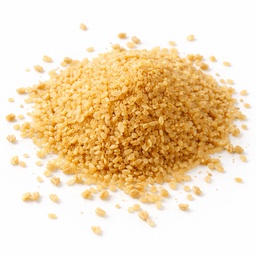 Bulgur
 Tabbouleh: vitamin C increases iron absorption from bulgur
Technical: Bulgur contains 2.5mg iron per 100g (non-heme). Parsley contains 133mg vitamin C per 100g — more than lemons! In traditional tabbouleh, parsley is the main ingredient (not bulgur), ensuring optimal iron absorption. Parsley also contains vitamin K and folate.
What does this mean for you? Make tabbouleh with LOTS of parsley — traditionally it's 3-4 bunches per cup of bulgur. This is not only authentic but also nutritionally optimal.
Parsley 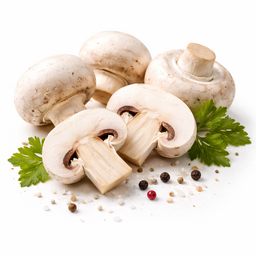 White Button Mushrooms
 Vitamin C increases absorption of B vitamins and minerals
Technical: Mushrooms are rich in B vitamins (riboflavin 0.4mg, niacin 3.6mg per 100g), selenium (9.3μg) and copper (0.3mg). Parsley contains 133mg vitamin C per 100g and improves absorption of these micronutrients. Chlorophyll in parsley also neutralizes the earthy taste of mushrooms.
What does this mean for you? Always garnish your mushroom dishes with fresh parsley. This increases both nutritional value and freshness of flavor.
Parsley 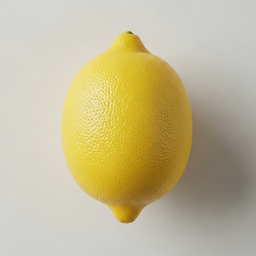 Lemon
Lemon Double vitamin C for maximum iron absorption
Technical: Lemon contains 53mg vitamin C per 100g, parsley 133mg per 100g. Together they provide excess vitamin C that reduces non-heme iron (from vegetables, grains) from Fe³⁺ to Fe²⁺, increasing absorption 3-6x. Parsley also contains 6.2mg iron per 100g.
What does this mean for you? Use lemon + parsley in tabbouleh, dressings and marinades. The combination maximizes iron absorption, ideal for vegetarians.
Parsley 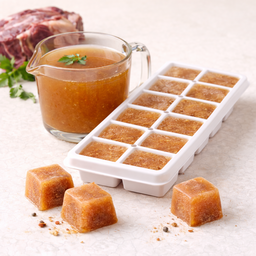 Beef Stock
 Collagen + vitamin C for optimal collagen synthesis
Technical: Beef broth provides collagen amino acids (glycine, proline, hydroxyproline). Parsley contains 133mg vitamin C per 100g, essential for hydroxylation of proline to hydroxyproline (crucial step in collagen synthesis).
What does this mean for you? Always garnish beef broth with fresh parsley. This maximizes collagen building blocks for skin, joints and bones.
Parsley 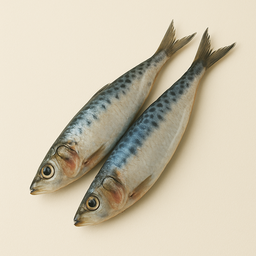 Sardines
 Iron absorption improved + neutralizes fish smell
Technical: Sardines contain 2.9mg iron per 100g (mix of heme and non-heme). Parsley contains 133mg vitamin C per 100g — more than lemons! This reduces non-heme Fe³⁺ to Fe²⁺ for improved absorption. Additionally, parsley contains chlorophyll that binds to trimethylamine (TMA) — the volatile compound responsible for fish smell — and neutralizes it.
What does this mean for you? Always generously garnish sardines with fresh parsley. It not only improves iron absorption but also neutralizes fish odor — double benefit. Chop the parsley coarsely for maximum vitamin C preservation.
Recipes with Parsley
Discover delicious recipes featuring parsley:
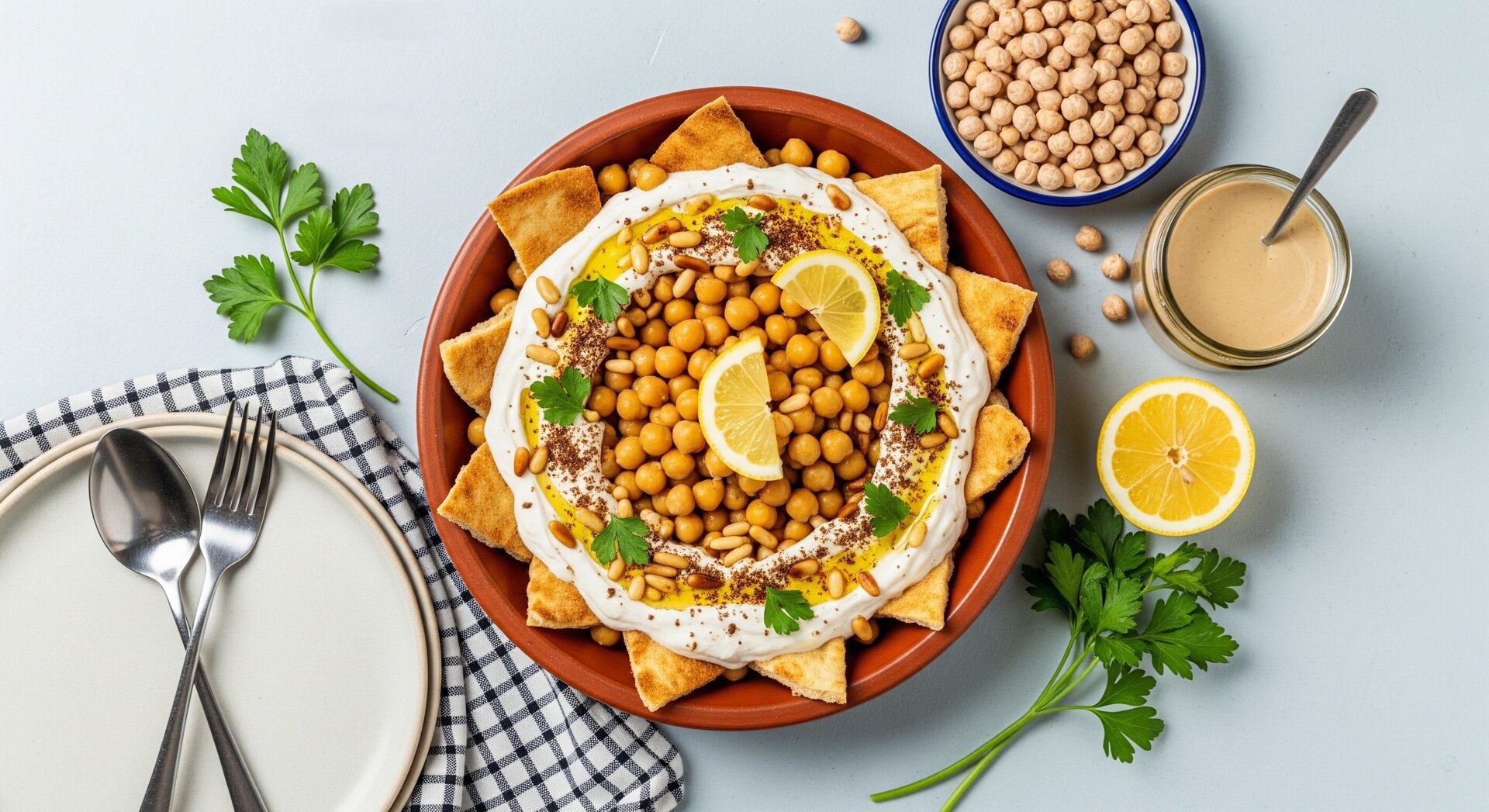 Arabic Fatteh with Chickpeas and Yogurt 25 min Layered Levantine breakfast with crispy bread and tahini
  605 kcal
  24g protein 2 synergies
 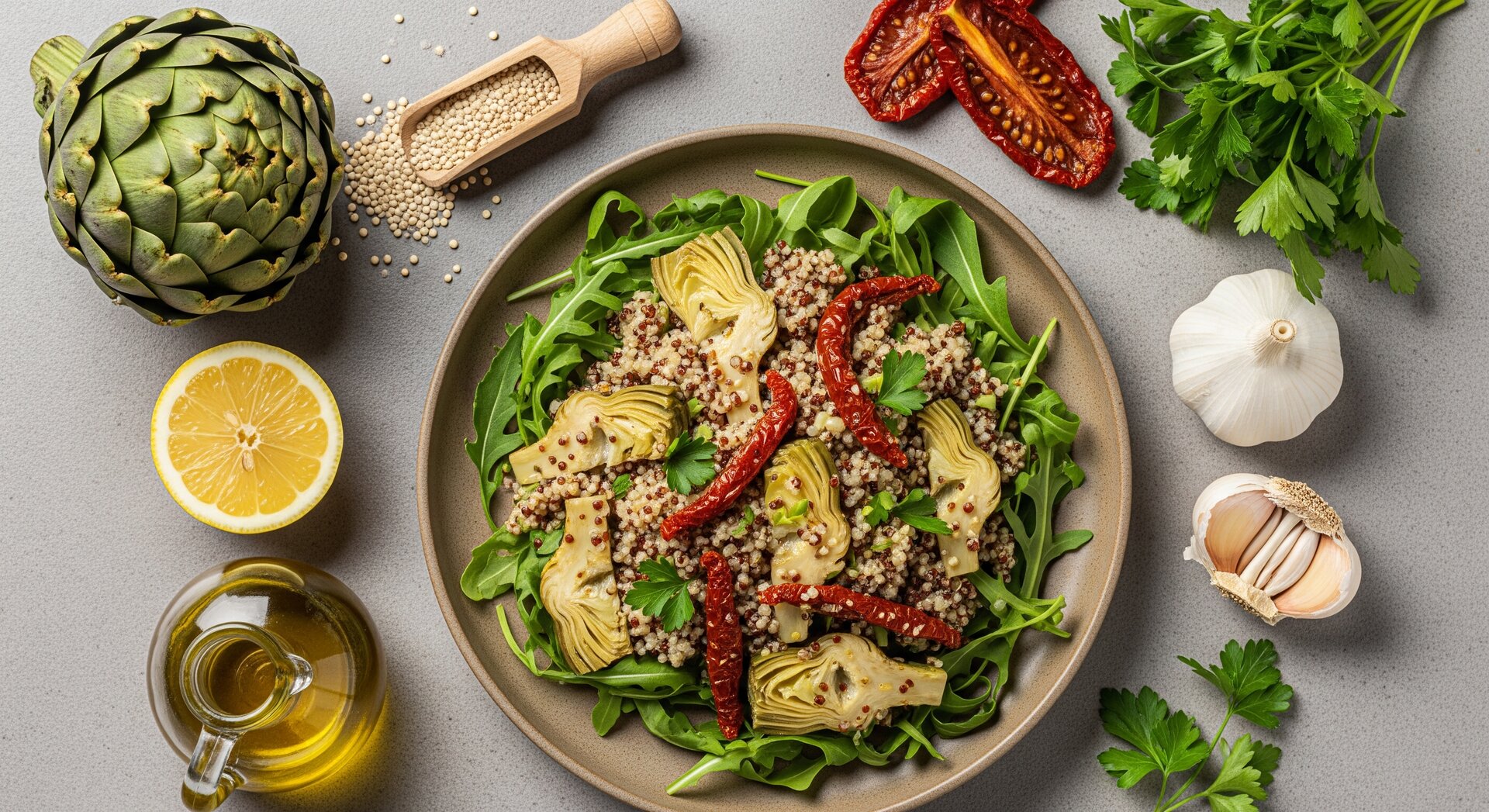 Artichoke Quinoa Lunch 25 min Mediterranean quinoa salad with artichoke 340 kcal 10g protein 2 synergies
 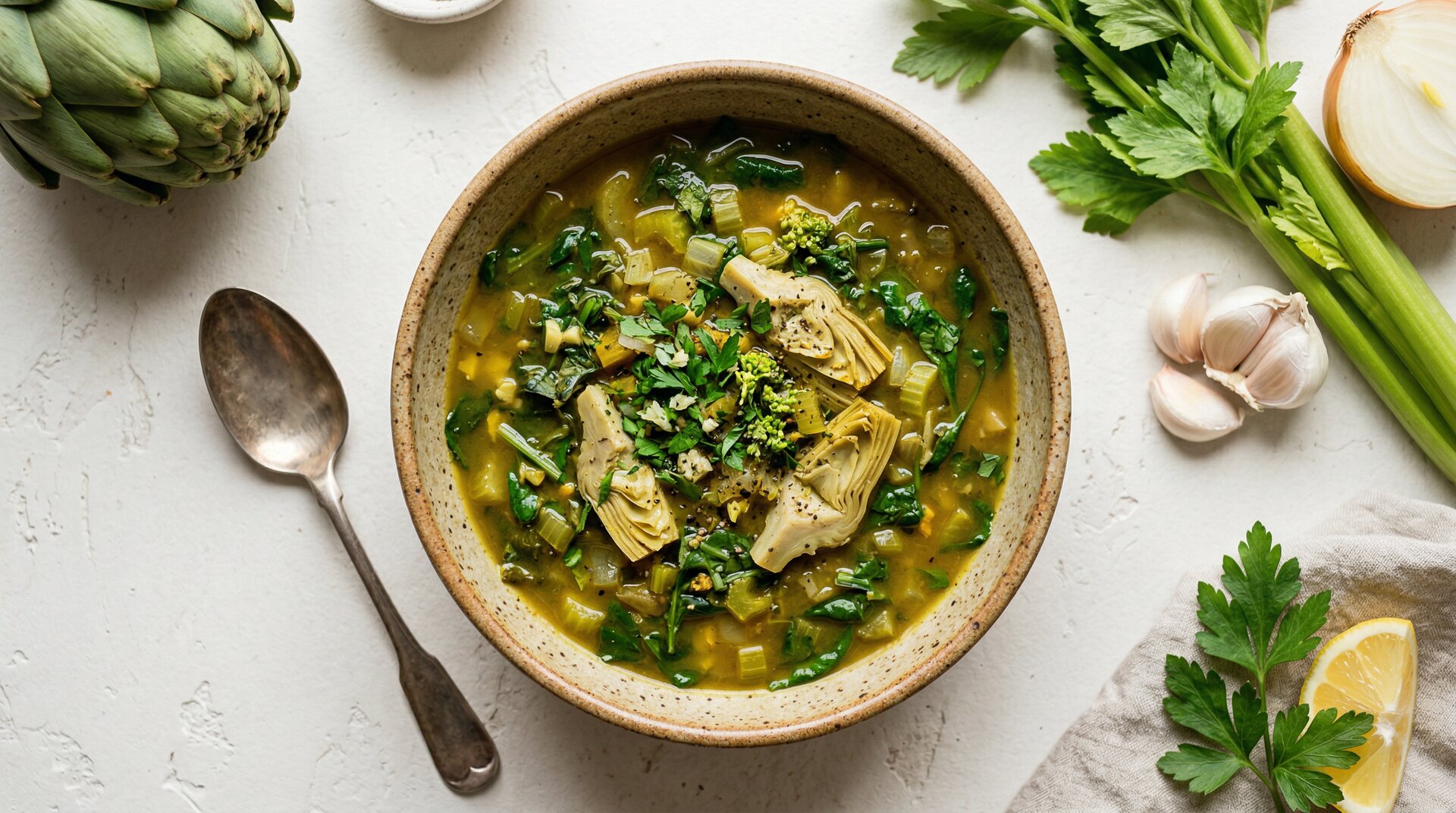 Artichoke Soup with Celery, Spinach and Lemon 36 min Velvety, fresh and gently spiced 121 kcal 3g protein 2 synergies
 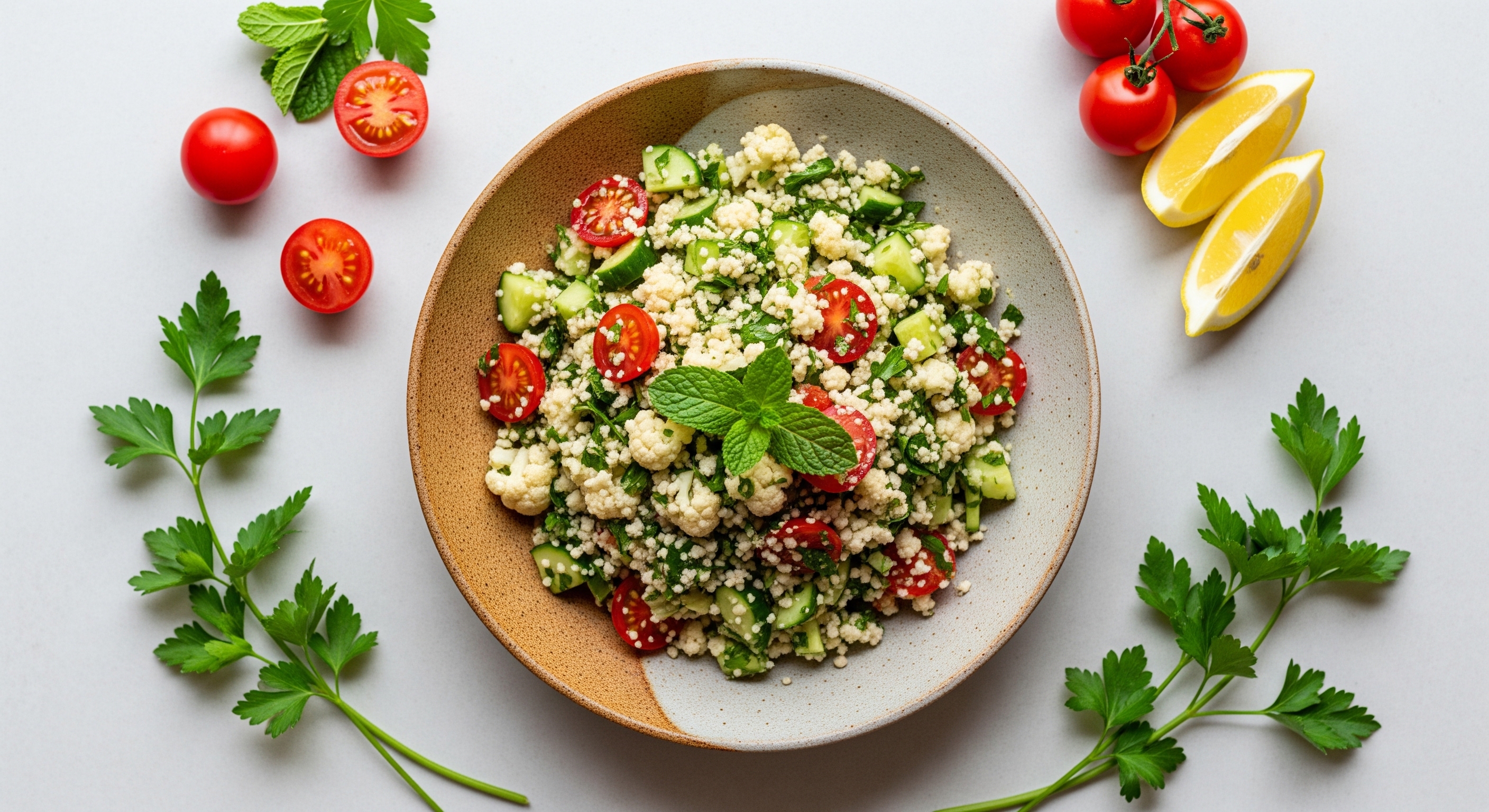 Cauliflower Tabbouleh with Parsley and Mint 20 min Fresh, herby and light 130 kcal 2.5g protein 3 synergies
 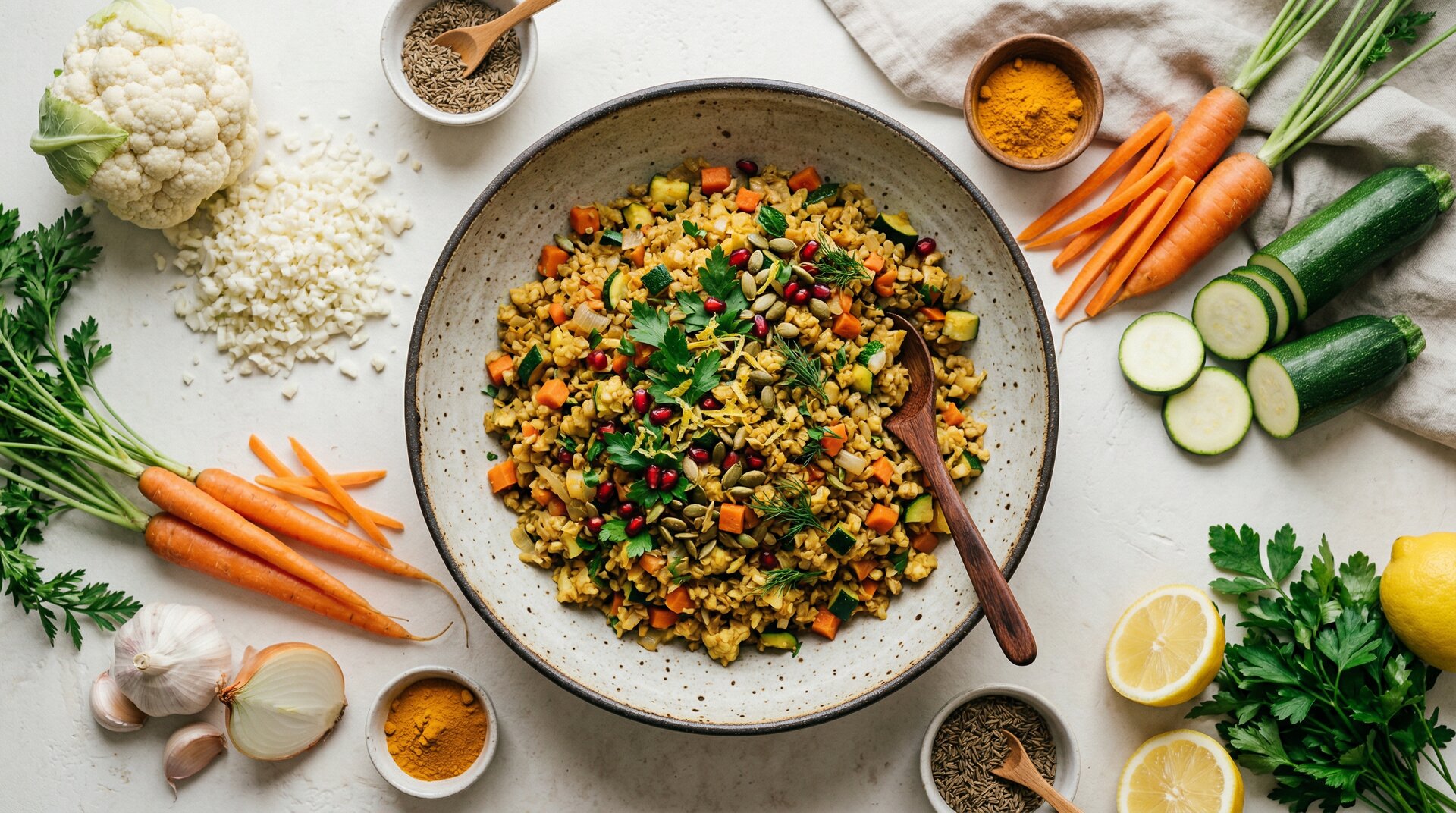 Cauliflower Rice Pilaf with Turmeric and Lemon 25 min Fragrant, golden and bright 165 kcal 6g protein 3 synergies
 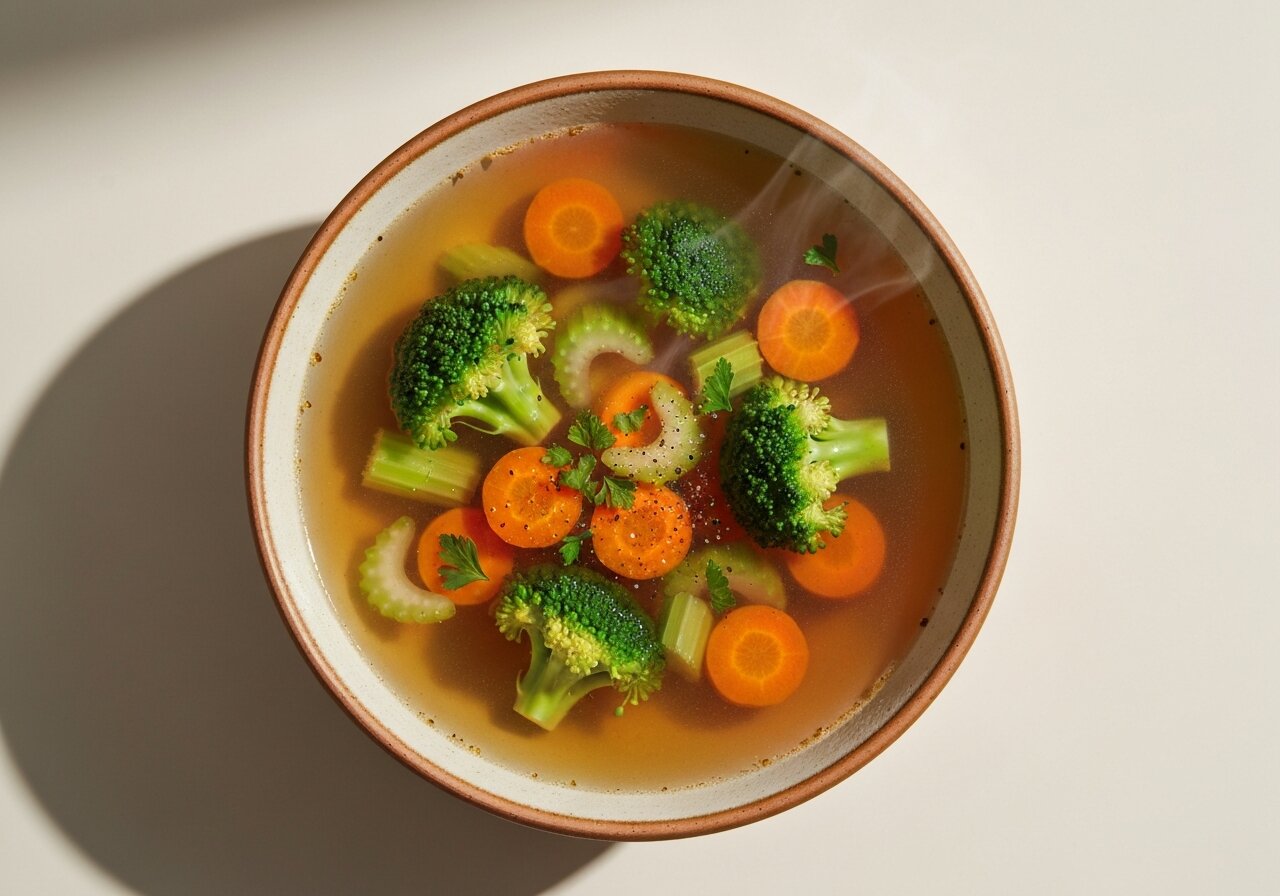 Bone Broth with Vegetables 30 min Clear broth soup with broccoli, carrot, celery and parsley 120 kcal 10g protein 3 synergies
  In the Kitchen
Storage
Location:Refrigerator
Shelf life:1-2 weken vers, maanden ingevroren
Store fresh parsley like a small bouquet in a glass of water in the fridge, or wrap it loosely in a damp cloth. Freezing works well for soups, sauces, and stews, although the texture becomes softer.
Preparation
Add fresh parsley mostly at the end for color, aroma, and fresh taste. Use it generously in tabbouleh, chimichurri, gremolata, herb butter, soups, and sauces; the stems can go into stock or be finely chopped into sauces.
Substitutes
Smart preparation
1Chop parsley just before use to preserve aroma, color, and fresh taste as well as possible.
2Use the stems in broths and sauces; they have a solid herbal taste and do not need to go to waste.
3Choose flat-leaf parsley for intense flavor and curly parsley when you mainly want a firm, decorative garnish.
Caution / Warnings
Parsley is very safe, but there are scientific considerations:
Blood thinners (warfarin) Severe
The very high vitamin K content can influence the effect of warfarin. A small serving of parsley can already make a noticeable contribution to daily vitamin K intake.
Advice:
When using warfarin: keep your intake of parsley and other vitamin K-rich vegetables as consistent as possible and consult your doctor before major changes.
Pregnancy (large amounts) Moderate
Normal cooking amounts are generally appropriate. Very large amounts, concentrated extracts, or seeds are not part of everyday culinary use.
Advice:
Use parsley during pregnancy as a regular culinary herb and avoid concentrated extracts or large amounts without personal advice.
Kidney stones or oxalate sensitivity Mild
Parsley contains oxalates. For most people, normal culinary use is limited, but with a history of oxalate stones, total oxalate intake can be relevant.
Advice:
With a history of kidney stones: use parsley in moderation, drink enough, and seek personal advice if you follow an oxalate-restricted diet.
Traditional use
Mediterranean
Greek and Roman culinary herb
In ancient Greece, parsley was also used in wreaths and funeral rites. The Romans brought it more firmly into the kitchen, after which it became a staple ingredient in many European dishes, sauces, and herb mixtures.
Summary
Parsley is a fresh culinary herb that does much more than finish a plate. It contains high amounts of vitamin K and vitamin C per 100 g, although in practice you usually use small portions of 5–10 g. Flat-leaf parsley has a more intense flavor; curly parsley is milder and stays attractive as a garnish. Chop it shortly before use and add it to hot dishes only at the end. If you use warfarin, keep your intake of vitamin K-rich herbs and vegetables consistent.