- Easy
- 25 min
- 2 serv.
- 11 synergies
- Now at its best: Cauliflower
A warm cauliflower rice pilaf with soft onion, zucchini, carrot and garlic, finished with lemon and parsley. Light enough for weeknights, yet aromatic and satisfying enough to feel like a real dinner.
This pilaf starts softly and fragrantly in the pan: onion and garlic turn sweet, turmeric stains everything a warm gold, and small cubes of zucchini and carrot add just enough bite. Then the cauliflower rice absorbs all that flavour without becoming heavy, while lemon juice at the end brings a bright, clean lift. It is the kind of vegetable-forward dish that feels light to eat, yet still comforting on a busy weeknight.
- 12
- min prep
- 13
- min cook
- 25
- min total
Nutritional Synergies
This recipe combines ingredients that enhance each other:
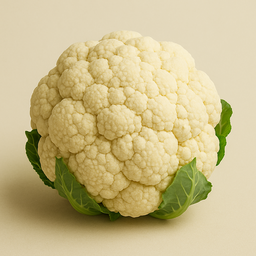 Fresh cauliflower
 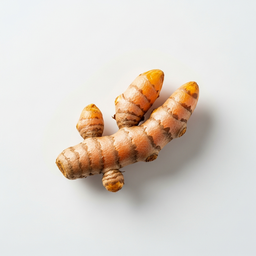 Ground turmeric
 Sulforaphane + curcumin: double NF-κB modulation
Technical: Cauliflower's sulforaphane activates the Nrf2 pathway for phase-II enzyme production. Sulforaphane and curcumin from turmeric are studied in research in connection with NF-κB and COX-2 signaling, each via its own route (IKK and IκBα respectively).
What does this mean for you? Cauliflower-turmeric curry (Gobi Masala) is an Indian classic. It combines two intensively studied plant compounds — sulforaphane and curcumin. Add black pepper for 2000% better curcumin absorption.
Anti-inflammatoryImmune SystemAntioxidants
Fresh cauliflower 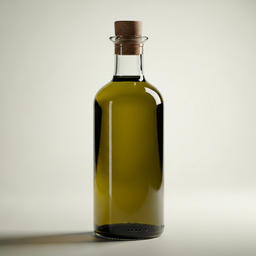 Extra virgin olive oil
 Olive oil improves absorption of cauliflower's vitamin K and sulforaphane
Technical: Cauliflower contains vitamin K and glucosinolates converted to sulforaphane. Olive oil's fats improve absorption of fat-soluble vitamin K, while light roasting in olive oil optimizes glucosinolate conversion to sulforaphane.
What does this mean for you? Roast cauliflower with olive oil — this is the best way to maximize the bioactive compounds from cauliflower.
Anti-inflammatoryImmune SystemAntioxidants
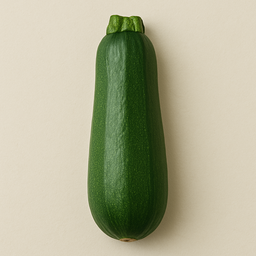 Small zucchini
 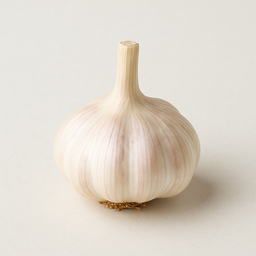 Fresh garlic
 Potassium + allicin: complementary mineral-sulfur pathway
Technical: Zucchini contains 261mg potassium per 100g — potassium contributes to the maintenance of normal blood pressure (EFSA-approved). Garlic's allicin influences angiotensin-converting enzyme (ACE) and stimulates NO production via the nitrate-nitrite-NO pathway. Together they influence vascular physiology via two complementary mechanisms: electrolyte balance and NO signaling.
What does this mean for you? Sautéed zucchini with garlic is a simple side dish with two pathways influencing vascular physiology. Potassium from zucchini and allicin from garlic work complementarily. Add olive oil for extra polyphenols.
HeartAnti-inflammatory
Small zucchini Extra virgin olive oil Better absorption of lutein and zeaxanthin
Technical: Zucchini contains 2125μg lutein + zeaxanthin per 100g — carotenoids that accumulate in the macula lutea (the center of the retina). These are fat-soluble and absorbed up to 6x better with olive oil. Zucchini's mild flavor makes it an ideal carrier for olive oil in various dishes.
What does this mean for you? Sauté zucchini in olive oil or grill with a drizzle of oil. Without fat you barely absorb lutein — the eye pigment that concentrates in your macula. Lutein and zeaxanthin contribute to the maintenance of normal vision.
General Wellness
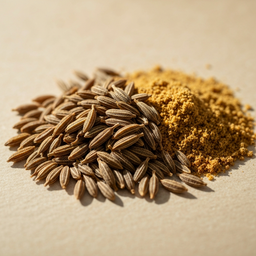 Ground cumin Fresh garlic
 Double digestive support: enzymes + bioactive compounds
Technical: Cumin promotes digestive enzyme activity (amylase, lipase, protease) and increases bile flow. Garlic's allicin has broad bioactivity targeting pathogenic gut bacteria while sparing beneficial ones.
What does this mean for you? Fry garlic and cumin together as base for curries, soups and stews. Classic combination in virtually every cuisine in the world.
DigestionImmune System
Ground cumin Ground turmeric Classic curry base with enhanced digestion
Technical: Cumin promotes production of digestive enzymes (amylase, lipase, protease) and increases bile flow. Turmeric's curcumin modulates NF-κB and COX-2 signal transduction and supports hepatobiliary activity via bile stimulation. Together they provide enhanced digestion + bioactive action.
What does this mean for you? Cumin + turmeric is the base of every curry. The cumin promotes your digestion, the turmeric adds bioactive action — the perfect combination for a nutritious curry.
DigestionAnti-inflammatory
Ground cumin Extra virgin olive oil Fat activates volatile oils and increases cuminaldehyde absorption
Technical: Cumin's active compounds (cuminaldehyde, cymene, terpinene) are volatile, fat-soluble compounds. Frying in olive oil extracts and stabilizes these compounds, and the fat improves their gut absorption.
What does this mean for you? Briefly fry cumin in olive oil before adding other ingredients (tadka/tempering). This is why Indian and Middle Eastern cuisines always fry cumin in oil.
DigestionAnti-inflammatoryBlood Sugar
Extra virgin olive oil Fresh garlic Aglio e olio: allicin + oleocanthal via complementary biochemical pathways
Technical: Garlic contains allicin (formed when cutting/crushing) that influences HMG-CoA reductase (involved in lipid metabolism). Olive oil contains oleocanthal that modulates COX-1/2 enzymes. Together they influence lipid metabolism and prostaglandin cascade via complementary biochemical pathways. The fat also helps absorb fat-soluble garlic compounds.
What does this mean for you? Gently warm garlic in olive oil (don't burn!) as the base for many dishes. This is why 'aglio e olio' pasta is so beloved — two bioactive compounds that reinforce each other.
HeartImmune System
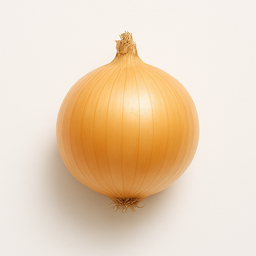 Yellow onion Fresh garlic
 More than 20 organosulfur compounds in one soffritto
Technical: Onion contains diallyl disulfide and quercetin (20-40mg/100g). Garlic contains allicin, ajoene and S-allylcysteine. Together they provide more than 20 different organosulfur compounds that modulate NF-κB. Allium crops are intensively studied in nutrition science for their unique sulfur chemistry.
What does this mean for you? Start every dish with sautéed onion and garlic — not just for flavor, but for the unique concentration of organosulfur compounds. Cut garlic 10 minutes before heating to allow allicin formation.
DigestionImmune System
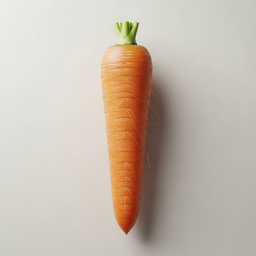 Small carrot Extra virgin olive oil
 Up to 5x more beta-carotene absorption
Technical: Carrot contains 8285μg beta-carotene per 100g, but bioavailability from raw carrot is only 3-4%. Heating + olive oil increases this to 20-25%. Oleic acid (73% of olive oil) forms mixed micelles that efficiently transport beta-carotene to enterocytes for absorption.
What does this mean for you? Roast carrots with olive oil or eat them in a salad with dressing. Without fat you absorb only 3% of beta-carotene — with olive oil up to 5x more.
Skin & HairFocusImmune System
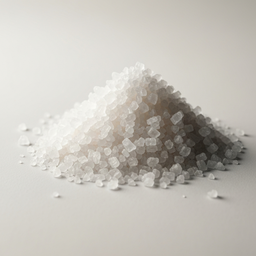 Fine sea salt Extra virgin olive oil
 Minerals + polyphenols for cellular balance
Technical: Sea salt's sodium is essential for the sodium-potassium pump (Na+/K+-ATPase) that regulates every body cell. Olive oil's oleuropein and hydroxytyrosol provide antioxidant protection for cell membranes. The combination supports cell integrity: sea salt regulates ion balance, olive oil protects the membrane. In Mediterranean cuisine, coarse sea salt + olive oil is the most basic flavor profile.
What does this mean for you? Freshly ground sea salt with extra virgin olive oil is the simplest and most nutritious finishing of any dish. The combination provides the basic needs of your cells: minerals for function, polyphenols for protection.
HeartGeneral Wellness
Ingredients (11)
- Fresh cauliflower — 400 g in florets, for food processor or grater
- Small carrot — 1 pc finely diced
- Small zucchini — 1 pc finely diced
Instructions
- 1 Cut the cauliflower into florets and pulse briefly in a food processor until it resembles coarse cauliflower rice. Work in batches so the texture stays light.
- 2 Dice the carrot and zucchini into small cubes. Finely chop the onion and chop the garlic and parsley.
Nutrition per serving
Indicative values per serving.
Timing & Suitability
Shelf life: 3 days in fridge