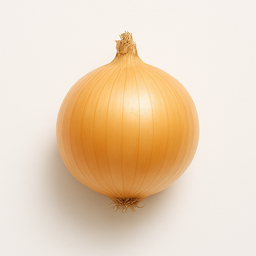
Onion
The Underground Protector
What is this ingredient?
The onion (Allium cepa) is the most cultivated member of the allium family (Alliaceae). It is a bulb vegetable consisting of fleshy layers that grow layer by layer. There are many varieties, but the three main players in health are the yellow onion (most versatile, rich in quercetin), the red onion (also contains anthocyanins) and the white onion (sharper, often used in Mexican cuisine). The onion is known for its defense mechanism: when you damage the cells (cut), a gas is released that reacts with the moisture in your eyes and forms sulfuric acid, which causes tears.
How does it taste?
Sharp and pungent raw, deeply sweet and caramelized when slowly cooked.
Pairs well with:
Pairs well with thymebalsamicbuttergruyere and bay leaf.
Varieties
Yellow Onion
Most versatile, rich in quercetin. Ideal for cooking and stews
Red Onion
Also contains anthocyanins (extra antioxidants). Best raw in salads
White Onion
Sharper taste, often used in Mexican cuisine
Did you know...?
- Onions are one of the oldest cultivated crops in the world, grown for 5,000 years.
- The ancient Egyptians saw the onion as a symbol of eternal life due to its concentric rings.
- In the Middle Ages, onions were used as currency and wedding gifts.
Nutritional Value & Energy
Per 100g
Onion is low in calories thanks to natural nutrients .
Per 100g
Minerals
Vitamins
Omega-3 fatty acids
More nutrients
B-Vitamins
Trace Minerals
What's in a serving?
1 serving
% of daily reference intake (DRI)
EU-approved nutrition claims
There are currently no EFSA-authorized health claims specific for Onion.
What's being researched?
Quercetin and cardiovascular research
Quercetin in onions is being studied for potential heart and vascular health. Meta-analyses of observational studies show associations, but randomized interventions give varying results.
Supported by: [1] Boots (2008)
Sulfur compounds and inflammation reduction
Organic sulfur compounds in onions are being studied for bioactive properties. Preclinical models show modulation of various cellular signaling pathways.
Supported by: [4] Nicastro (2015)
Good Combinations (Synergy)
Combine onion smartly to enhance the effect:
Onion 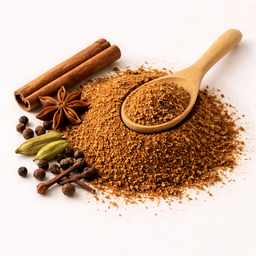 Garam Masala
 Spice blend + quercetin for broad-spectrum bioactive action
Technical: Garam masala combines cinnamon (cinnamaldehyde), cardamom (1,8-cineole), cloves (eugenol) and cumin (cuminaldehyde) — each with its own bioactive signaling pathway. Onion contains quercetin (20mg/100g) that stabilizes mast cells and inhibits histamine release. Together they modulate 5+ independent signaling pathways: NF-κB cascades, COX-2, LOX, TNF-α and histamine. Studies show combined spices are stronger in combination than individual spices.
What does this mean for you? Fry onions with garam masala as the base of your curry — the traditional Indian soffritto. The onion enhances the bioactive action of every spice in the mix.
Onion 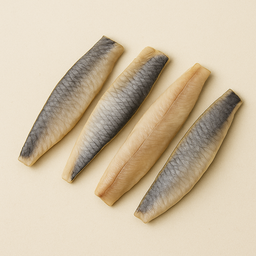 Herring
 Traditional Dutch synergy - omega-3 + prebiotics
Technical: Herring contains 1.7g EPA/DHA omega-3 per 100g that are converted to resolvins. Raw onion contains inulin (4.3g per 100g) — a prebiotic that feeds Bifidobacteria and Lactobacillus, which produce short-chain fatty acids (SCFAs) supporting omega-3 metabolism in the gut. Onion also contains quercetin (20-40mg per 100g), an antioxidant that keeps omega-3 fatty acids stable.
What does this mean for you? Dutch herring with raw onions isn't just tradition — the raw onion helps protect the omega-3 in the herring from oxidation and feeds your gut flora. Eat the onion raw (not fried) for maximum prebiotic and antioxidant effect.
Onion 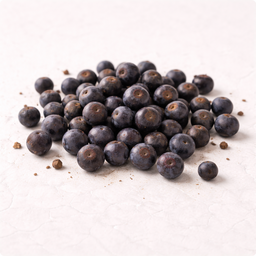 Juniper Berry
 Terpenes + quercetin, aromatic bioactive compounds
Technical: Juniper berries contain α-pinene and myrcene (terpenes) that act as mild diuretics and increase kidney filtration by 15-20%. Onion's quercetin (20mg/100g) is a powerful antioxidant that reduces oxidative stress in renal tubules. The combination offers safe support: juniper stimulates urine production, quercetin reduces oxidative stress in renal tissue during this process. Traditionally used in game dishes (juniper + onion with venison/boar).
What does this mean for you? Use juniper berries with onion in stews and game preparations. Besides the amazing flavor, the combination supports your kidneys and helps with fluid retention naturally.
Onion 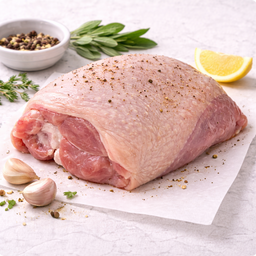 Turkey Thigh
 Zinc + quercetin for complementary mineral absorption
Technical: Turkey thigh provides 3.8mg zinc per 100g (35% RDI) — essential for thymus function and T-cell differentiation. Onion contains quercetin (25-50mg/100g) that acts as zinc ionophore: it transports zinc through cell membranes to intracellular targets. This increases intracellular zinc concentration by 30-40%, enhancing RNA polymerase interaction in cells. Onion's prebiotic fructo-oligosaccharides (FOS, 2-6g/100g) feed bifidobacteria supporting IgA production.
What does this mean for you? Braise turkey thigh with sliced onions. The quercetin from onion helps transport zinc from turkey into your cells — a complementary route for mineral absorption. Eat this weekly for optimal zinc intake.
Onion 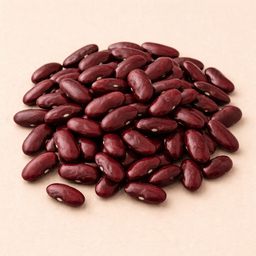 Kidney beans
 Quercetin from onion inhibits phytate binding and increases iron absorption from beans
Quercetin chelates non-heme iron and improves absorption despite phytate (PMID: 15743017)
Technical: Kidney beans contain 6.7mg non-heme iron per 100g, but phytate binds 60-70% of it. Quercetin from onion (13mg/100g) chelates iron and makes it available for DMT-1 transporters, even in the presence of phytate. Sulfur compounds from onion (allyl propyl disulfide) also reduce Fe³⁺ to the better-absorbable Fe²⁺.
What does this mean for you? Kidney beans with sautéed onion (chili, rajma) is an iron-smart combination. The onion breaks through the phytate blockade so you absorb more iron from the beans.
Onion 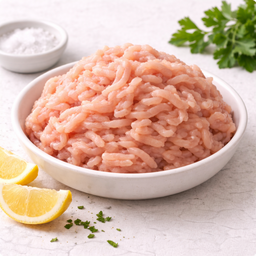 Minced Chicken
 Quercetin protects proteins against glycation
Technical: When heating ground meat (especially >150°C), Advanced Glycation End-products (AGEs) form through Maillard reaction between sugars and proteins. AGEs activate the RAGE receptor, involved in NF-κB signaling. Quercetin from onion (20-40mg per 100g) and organosulfur compounds from garlic inhibit AGE formation by 30-50% by blocking the Maillard reaction.
What does this mean for you? Always mix onion and garlic into your ground chicken before cooking — in meatballs, burgers or stir-fries. The aromatics not only enhance flavor but also reduce harmful compounds formed during cooking.
Onion 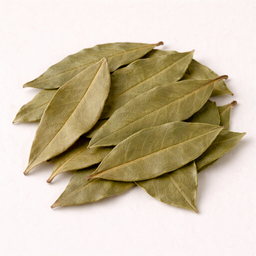 Bay Leaf
 Cineole + quercetin: aromatic broth base
Technical: Bay leaf contains 1,8-cineole (eucalyptol, 50% of oil), an aromatic compound. Onion's quercetin (20mg/100g) is a flavonoid. Bay leaf also contains parthenolide, studied in research in relation to COX signaling. The combination is the base of broth and stews in every Mediterranean cuisine.
What does this mean for you? Always add bay leaves together with onions as the base of your broth or stew. The combination gives a warm, aromatic base to any dish.
Onion 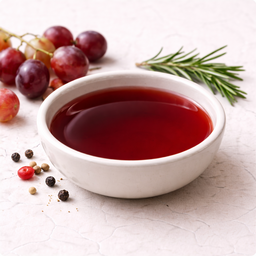 Red wine vinegar
 Resveratrol + quercetin for dual antioxidant support
Technical: Red wine vinegar retains resveratrol and anthocyanins from grapes, plus acetic acid (6-7%) that dampens glycemic response. Onion contains quercetin (20mg/100g) that inhibits LDL oxidation and reduces platelet aggregation. Resveratrol activates SIRT1 and supports vascular function. Together they provide antioxidant support via 3 mechanisms: LDL protection (quercetin), vascular support (resveratrol) and glycemic modulation (acetic acid).
What does this mean for you? Red wine vinegar with red onion in your salad is a potent antioxidant dressing. You get the bioactive compounds of red wine without the alcohol.
Onion 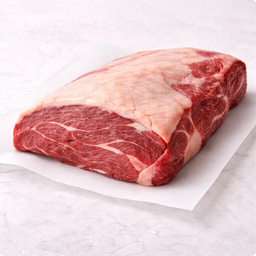 Beef Brisket
 Quercetin balances saturated fat via complementary biochemical routes
Technical: Beef brisket contains 20g protein and 18g fat per 100g (of which 7g saturated). Onion provides quercetin (25-50mg/100g) that counteracts saturated fat-mediated endothelial dysfunction via eNOS activation and NO production. Quercetin inhibits ox-LDL formation by 25-30% and modulates inflammatory markers (CRP, IL-6). Organosulfur compounds (allicin, S-allylcysteine) in onion influence lipid metabolism and the LDL/HDL ratio.
What does this mean for you? Slow-cook beef brisket with 2-3 sliced onions. The onions caramelize for sweet flavor and offer complementary biochemical routes that balance the fatty meat. The quercetin modulates the effects of saturated fat.
Onion 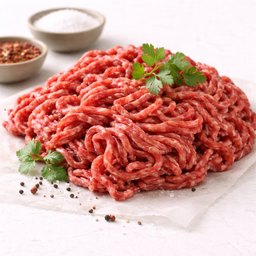 Ground Beef
 Quercetin + zinc for immune function and inflammation reduction
Technical: Ground beef provides 6.3mg zinc per 100g (57% RDI) — essential for T-cell differentiation and thymus function. Onion contains quercetin (25-50mg/100g) that facilitates zinc transport to immunocytes and together modulates NF-κB signaling. Complementary action: IgA secretion +20%, phagocytosis activity +25%, oxidative burst damage reduced. Selenium in beef (16μg/100g) enhances antioxidant capacity via glutathione peroxidase.
What does this mean for you? Always cook ground beef with finely chopped onion (1 onion per 400g meat). The onion adds flavor and moisture plus powerful immune support. Perfect for meatballs, burgers or tacos. Add garlic for synergistic effect.
Onion 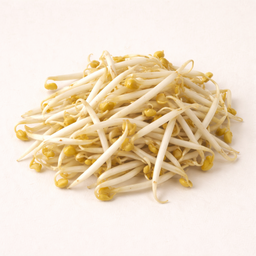 Bean Sprouts (Mung)
 Sprout enzymes + quercetin for digestion and cell support
Technical: Bean sprout's active enzymes (amylase, protease) are activated during germination and support starch and protein digestion. Onion contains quercetin (20-40mg/100g) — a flavonoid intensively studied in science. Onion's fructo-oligosaccharides also feed Bifidobacterium. Together they optimize digestion and provide a broad spectrum of bioactive compounds.
What does this mean for you? Bean sprouts with onion in stir-fry or fried rice is a classic Asian combination. Sprout enzymes support digestion, onion's quercetin adds an extra bioactive dimension.
Onion 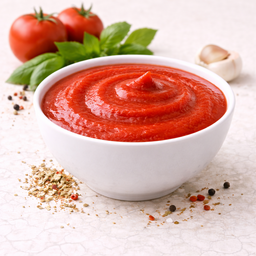 Tomato Passata
 Lycopene + quercetin for broad-spectrum antioxidant protection
Technical: Tomato passata contains bioavailable lycopene (12-15mg/100g) from the cooking process. Onion's quercetin (20mg/100g) is a flavonoid that works complementarily to lycopene: lycopene neutralizes singlet oxygen (lipid phase), quercetin scavenges hydroxyl radicals and superoxide (aqueous phase). Together they cover the complete antioxidant spectrum. Onion's sulfur compounds also support Phase II biotransformation enzymes that process lycopene metabolites.
What does this mean for you? Passata with sauteed onion is the base of Italian cuisine (sugo). It's a top antioxidant duo you can eat daily — simple, affordable and effective.
Onion 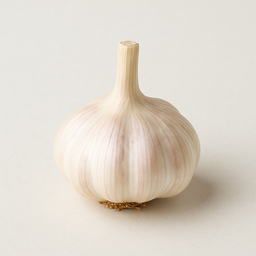 Garlic
 More than 20 organosulfur compounds in one soffritto
Technical: Onion contains diallyl disulfide and quercetin (20-40mg/100g). Garlic contains allicin, ajoene and S-allylcysteine. Together they provide more than 20 different organosulfur compounds that modulate NF-κB. Allium crops are intensively studied in nutrition science for their unique sulfur chemistry.
What does this mean for you? Start every dish with sautéed onion and garlic — not just for flavor, but for the unique concentration of organosulfur compounds. Cut garlic 10 minutes before heating to allow allicin formation.
Onion 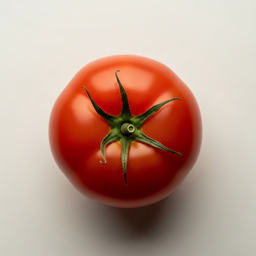 Tomato
 Quercetin + lycopene: synergistic polyphenol-carotenoid combination
Technical: Quercetin from onion (20-40mg/100g) and lycopene from tomato (2573μg/100g) work through different mechanisms. Quercetin chelates metal ions and modulates lipid peroxidation, lycopene quenches singlet oxygen. Combined polyphenols and carotenoids work synergistically — the combination works through complementary mechanisms.
What does this mean for you? Tomato sauce with onion is the base of nearly every Mediterranean cuisine — and rightly so. Quercetin and lycopene enhance each other's action through complementary biochemical pathways. Cooking in olive oil makes carotenoids more absorbable.
Recipes with Onion
Discover delicious recipes featuring onion:
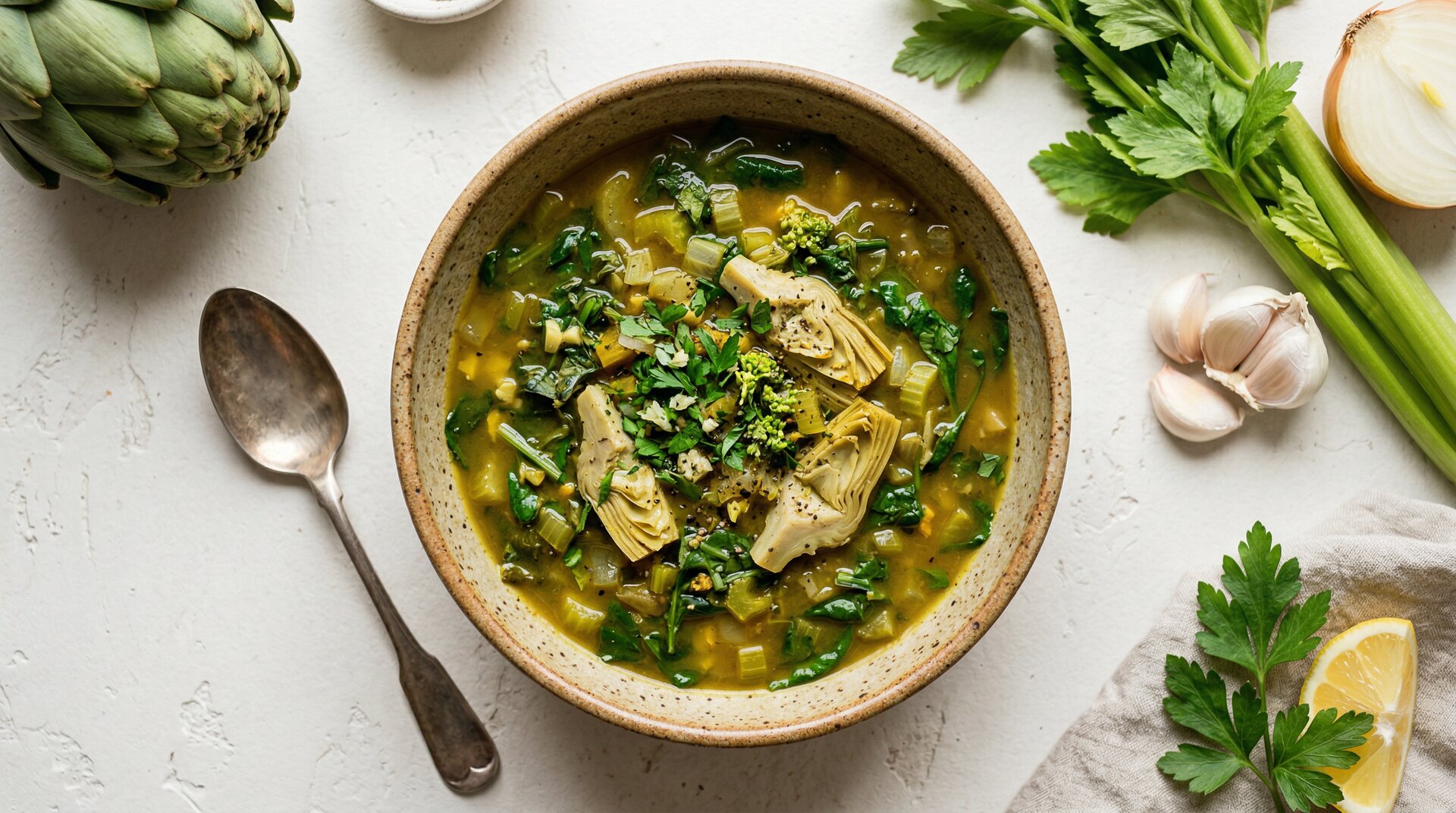 Artichoke Soup with Celery, Spinach and Lemon 36 min Velvety, fresh and gently spiced
  121 kcal
  3g protein 2 synergies
 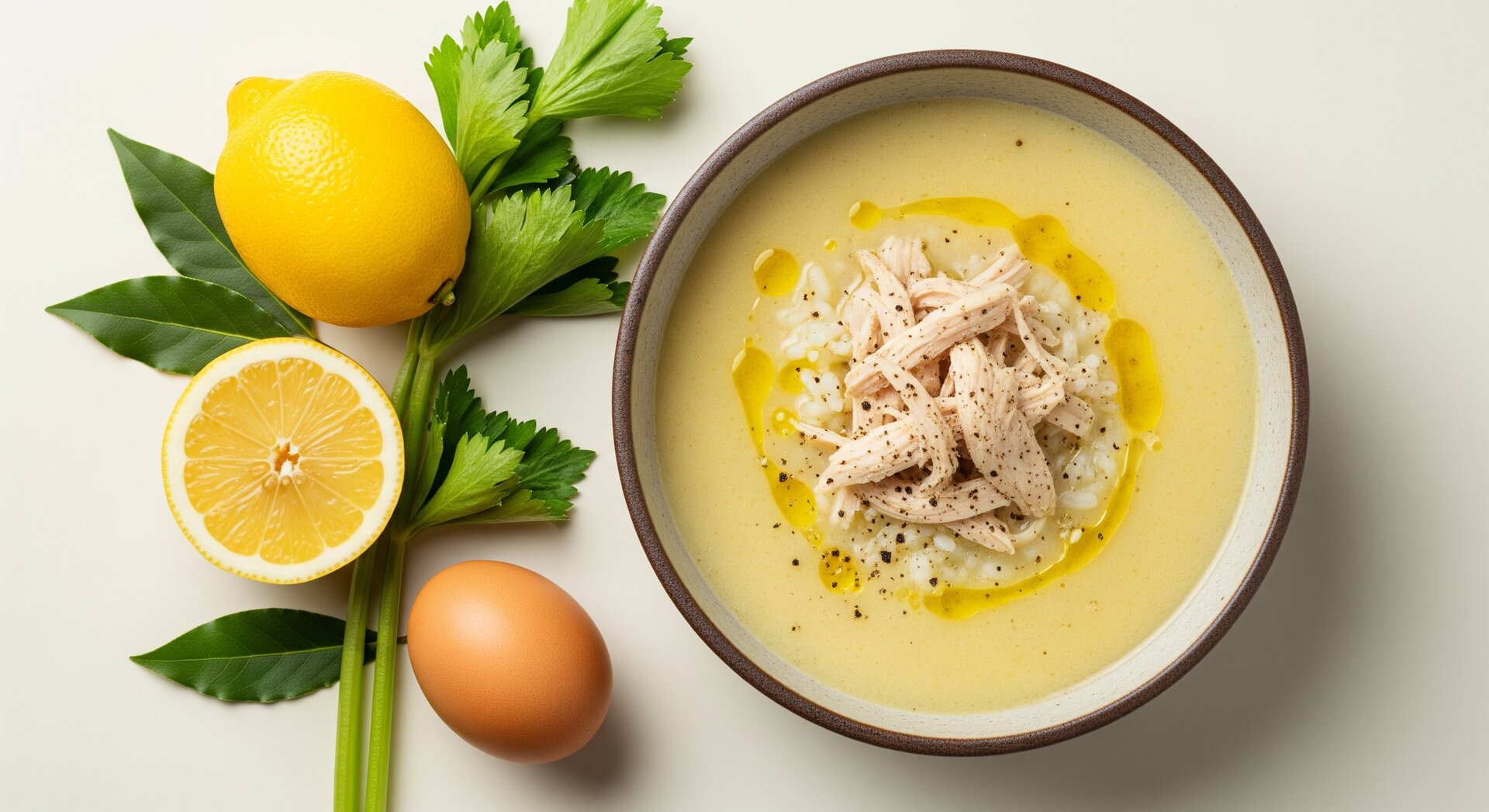 Avgolemono - Greek Lemon-Egg Soup with Chicken 40 min Velvety Greek soup with chicken, rice, lemon and egg 410 kcal 34g protein 3 synergies
 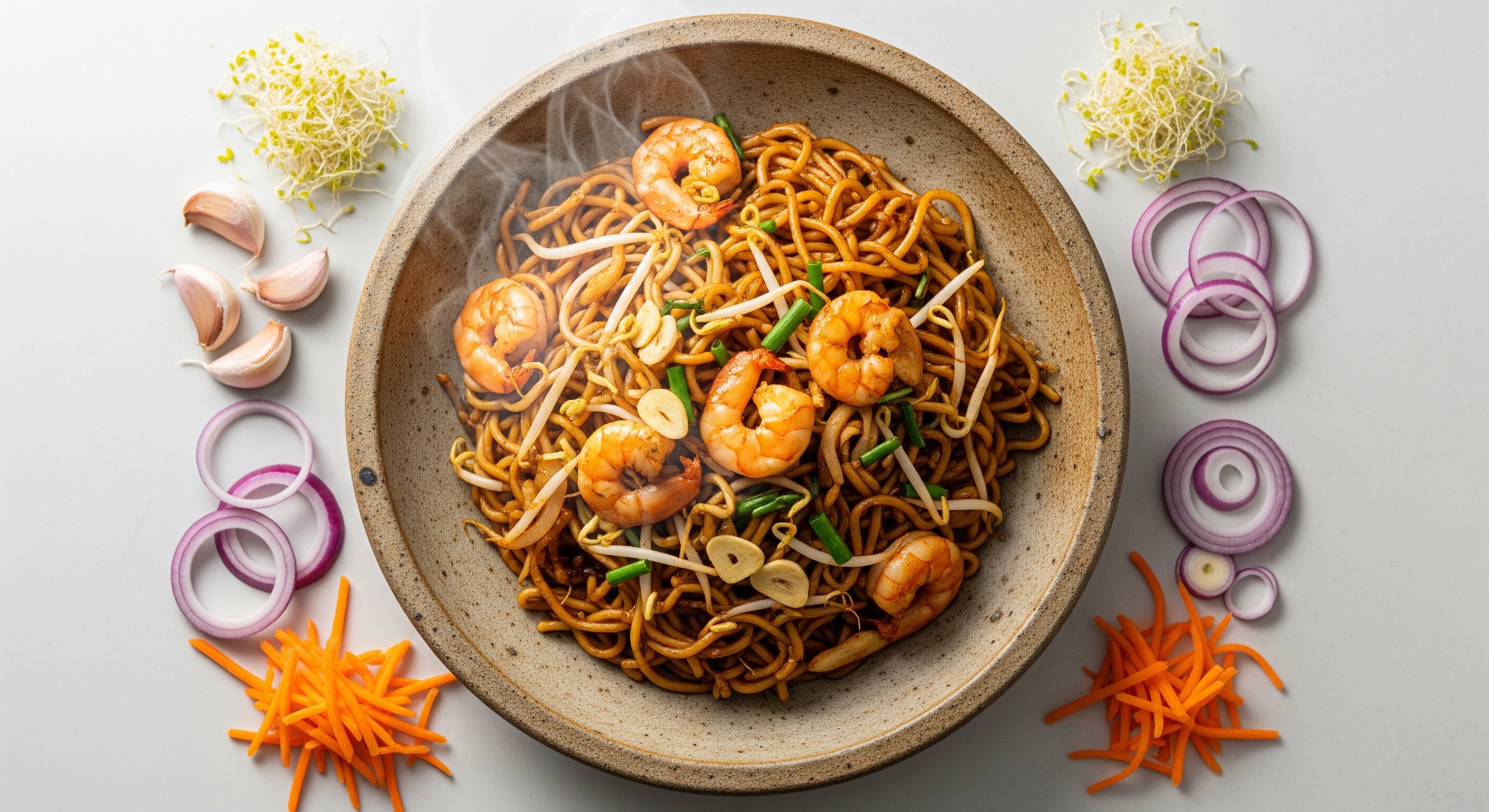 Bami Goreng with Shrimp and Bean Sprouts 30 min Indonesian stir-fry with crispy vegetables and sweet soy sauce 630 kcal 34g protein 2 synergies
 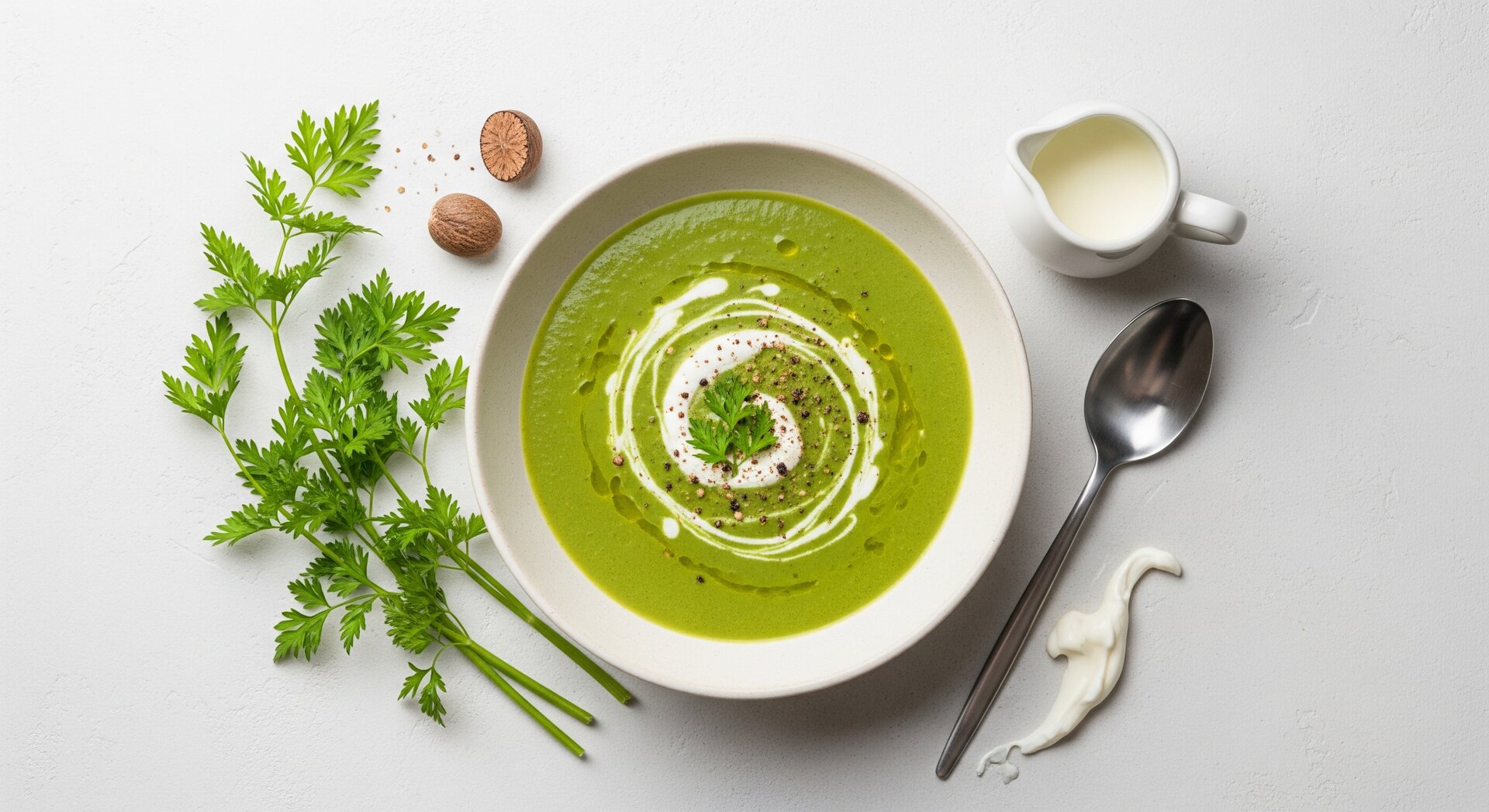 Belgian Chervil Soup with Cream 40 min Classic spring soup with fresh chervil, potato and a hint of nutmeg 265 kcal 5g protein 2 synergies
 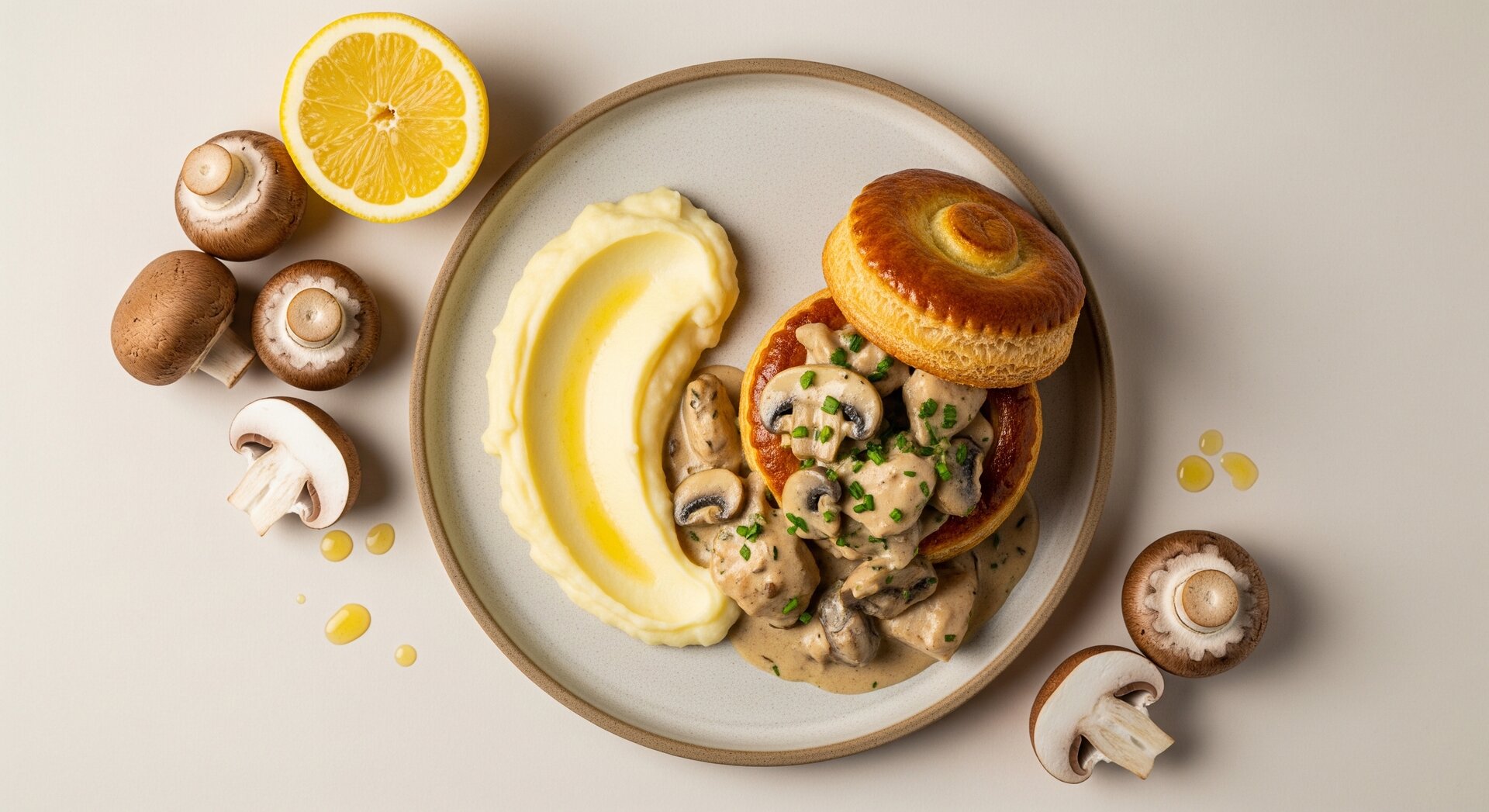 Belgian Vol-au-Vent with Mashed Potatoes 70 min Creamy chicken ragout with mushrooms, leek and soft mash 735 kcal 43g protein 2 synergies
 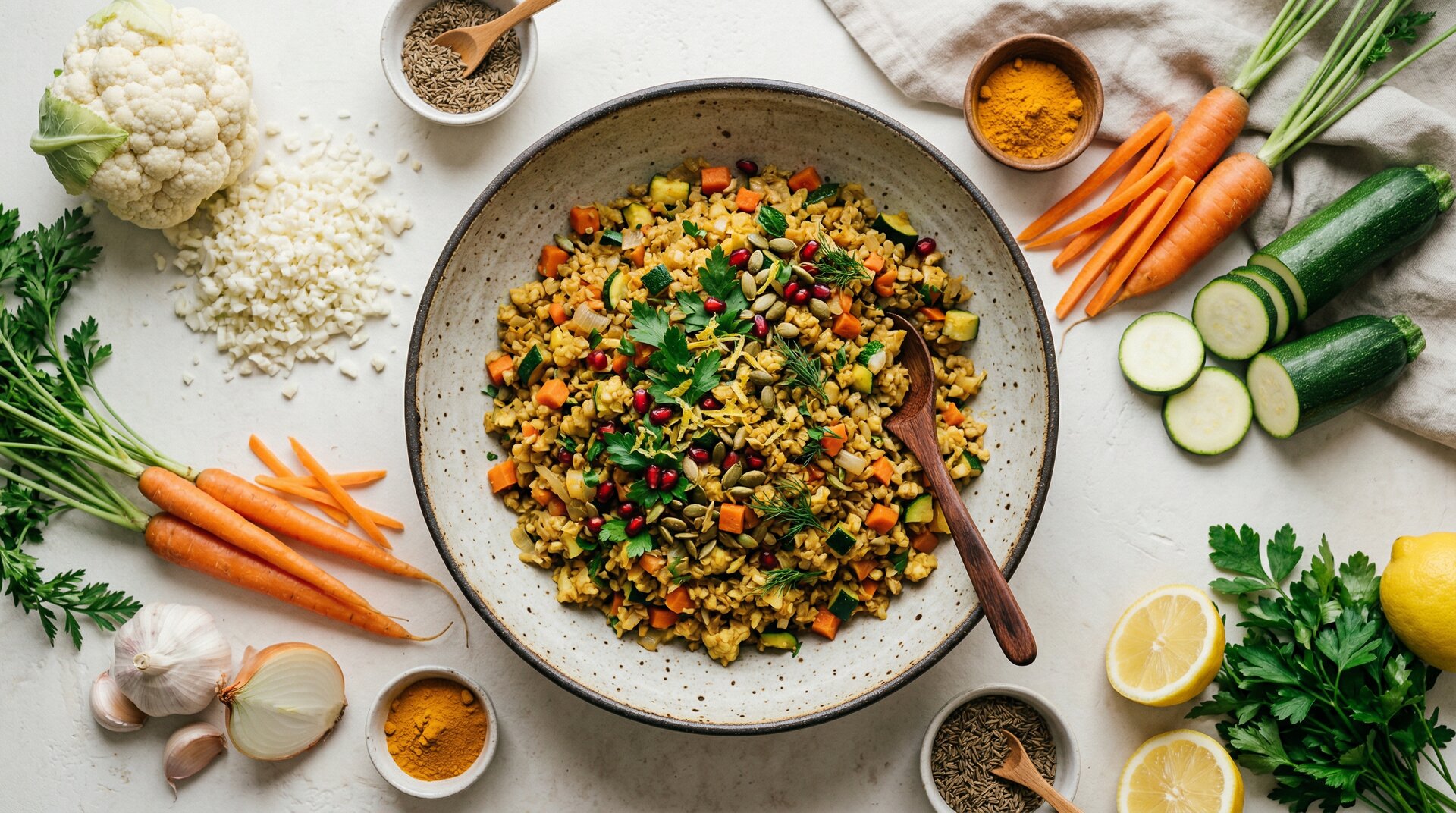 Cauliflower Rice Pilaf with Turmeric and Lemon 25 min Fragrant, golden and bright 165 kcal 6g protein 3 synergies
  In the Kitchen
Storage
Location:Pantry
Shelf life:2-3 maanden (hele ui), 7-10 dagen (gesneden, koelkast)
Store cool, dry and dark. Not near potatoes (speeds spoilage). Cut onion in airtight container.
Preparation
Raw for maximum quercetin (red onion in salad). Don't peel too much - 75% of antioxidants are in outer rings.
Conversions
Substitutes
Smart preparation
1Cut the onion in half and keep the root end intact as a handle.
2Caramelize onions on low heat for 30-40 minutes without rushing.
Why?
Slow cooking converts natural sugars into deep, sweet flavors.
3Chill onions 15 minutes in the freezer before cutting to reduce tears.
Caution / Warnings
Onion is very safe, but there are scientific considerations:
Irritable Bowel Syndrome (FODMAPs) Severe
Onions are one of the biggest sources of fructans - often the #1 trigger for IBS
Advice:
Onion oil can often be tolerated (fructans dissolve in water, not oil), but not the fiber itself
Acid Reflux (GERD) Moderate
Onions can relax the stomach sphincter, allowing stomach acid to rise more easily
Advice:
Raw onion is worse than cooked onion for reflux symptoms
Pets (Toxic) Severe
Like garlic, onions contain substances that cause oxidative damage to red blood cells of dogs and cats
Advice:
Causes Heinz body anemia - never feed scraps with onion to pets
Blood Thinners Moderate
Large amounts of onions (especially extracts) can slow blood clotting
Advice:
Keep intake stable when using blood thinners
Traditional use
Mediterranean
Egyptian and Greek traditional use
Onions have been used in traditional herbalism for over 5000 years. Egyptians swore oaths on onions and Hippocrates used them as a disinfectant and for lung conditions.
Islamic tradition
Prophetic tradition
In Islamic medicine, the onion has been mentioned for centuries as a traditional herb for infections, as an appetite stimulant, and to support general health.
Summary
The onion is more than a flavor enhancer; it's a cheap superhero for your bones and gut flora. For the best health effects, alternate: eat red onion raw in your salad (for heart and antioxidants) and use yellow onion (including the outer rings!) in your soups and stews (for immunity and bones). Have sensitive intestines? Be careful, because the onion is a known 'gas factory'. Note: don't peel too much away - 75% of antioxidants are in the outer rings!