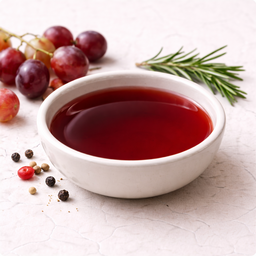
Red wine vinegar
French classic with fruity acidity
What is this ingredient?
Red wine vinegar is a low-calorie condiment with a clear, fruity acidity. Because it is made from red wine, it may retain small amounts of grape polyphenols, although levels are usually much lower than in wine itself. Its main flavor-driving component is acetic acid, supported by aromatic residues from wine fermentation.
In the kitchen, red wine vinegar adds brightness to vinaigrettes, tomato sauces, stews and pickled red onion. It is usually sharper than balsamic vinegar and more aromatic than plain white vinegar, so a small splash is often enough to make richer dishes taste lighter.
In nutrition research, acetic acid is mainly studied in the context of carbohydrate-rich meals and how meals are digested. For everyday use, its value remains primarily culinary: use red wine vinegar diluted in dressings, sauces or marinades, not as a straight drink.
How does it taste?
Robustly sour with grape-like depth, light fruitiness and a dry, wine-like finish.
Pairs well with:
Pairs well with olive oilmustardshallotbeefred onion and tomato sauce.
Did you know...?
- Red wine vinegar is made by further fermenting red wine with acetic acid bacteria.
- The 'mother' in red wine vinegar is a living colony of bacteria and cellulose that can form during natural fermentation.
Nutritional Value & Energy
Per 100ml
Red wine vinegar is low in calories thanks to natural nutrients .
Per 100g
Minerals
Vitamins
More nutrients
Trace Minerals
EU-approved nutrition claims
There are currently no EFSA-authorized health claims specific to red wine vinegar.
What's being researched?
Polyphenols in red wine vinegar
Red wine vinegar may contain traces of resveratrol and other grape polyphenols. The antioxidant activity of vinegars is studied, but concentrations vary widely by product and are usually low.
Supported by: [2] Rinaldi A (2025)
Good Combinations (Synergy)
Combine red wine vinegar smartly to enhance the effect:
Red wine vinegar 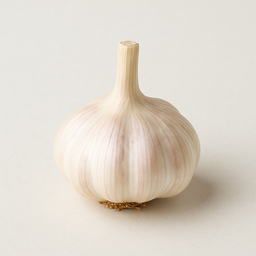 Garlic
 Acetic acid + allicin for vascular support and bioactive action
Technical: Red wine vinegar's acetic acid activates AMPK and modulates angiotensin II production, supporting vascular function. Garlic's allicin modulates ACE (angiotensin-converting enzyme). Together they support vascular function via two complementary angiotensin-modulating mechanisms. Both also have bioactive action: acetic acid via pH lowering, allicin via thiol blockade.
What does this mean for you? Red wine vinegar-garlic dressing is a flavorful way to add bioactive compounds to your salad. Crush garlic and let rest 10 minutes before mixing with vinegar for maximum allicin formation.
Red wine vinegar 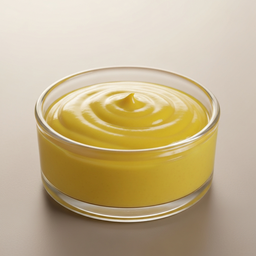 Mustard
 Classic vinaigrette with polyphenol synergy
Technical: Red wine vinegar contains resveratrol and anthocyanins (from red grapes) plus acetic acid. Olive oil provides oleocanthal (a bioactive phenol) and oleuropein. Mustard contains sinigrin (glucosinolate) and emulsifies the dressing. Together three antioxidant classes (polyphenols, oleocanthal, glucosinolates) provide a broad antioxidant spectrum.
What does this mean for you? Make vinaigrette with red wine vinegar, olive oil and mustard. Three ingredients, three types of antioxidants — the perfect salad dressing.
Red wine vinegar 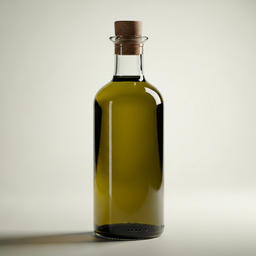 Olive Oil
 Classic vinaigrette with polyphenol synergy
Technical: Red wine vinegar contains resveratrol and anthocyanins (from red grapes) plus acetic acid. Olive oil provides oleocanthal (a bioactive phenol) and oleuropein. Mustard contains sinigrin (glucosinolate) and emulsifies the dressing. Together three antioxidant classes (polyphenols, oleocanthal, glucosinolates) provide a broad antioxidant spectrum.
What does this mean for you? Make vinaigrette with red wine vinegar, olive oil and mustard. Three ingredients, three types of antioxidants — the perfect salad dressing.
Red wine vinegar 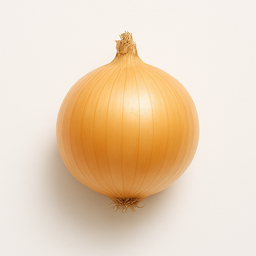 Onion
Onion Resveratrol + quercetin for dual antioxidant support
Technical: Red wine vinegar retains resveratrol and anthocyanins from grapes, plus acetic acid (6-7%) that dampens glycemic response. Onion contains quercetin (20mg/100g) that inhibits LDL oxidation and reduces platelet aggregation. Resveratrol activates SIRT1 and supports vascular function. Together they provide antioxidant support via 3 mechanisms: LDL protection (quercetin), vascular support (resveratrol) and glycemic modulation (acetic acid).
What does this mean for you? Red wine vinegar with red onion in your salad is a potent antioxidant dressing. You get the bioactive compounds of red wine without the alcohol.
Recipes with Red wine vinegar
Discover delicious recipes featuring red wine vinegar:
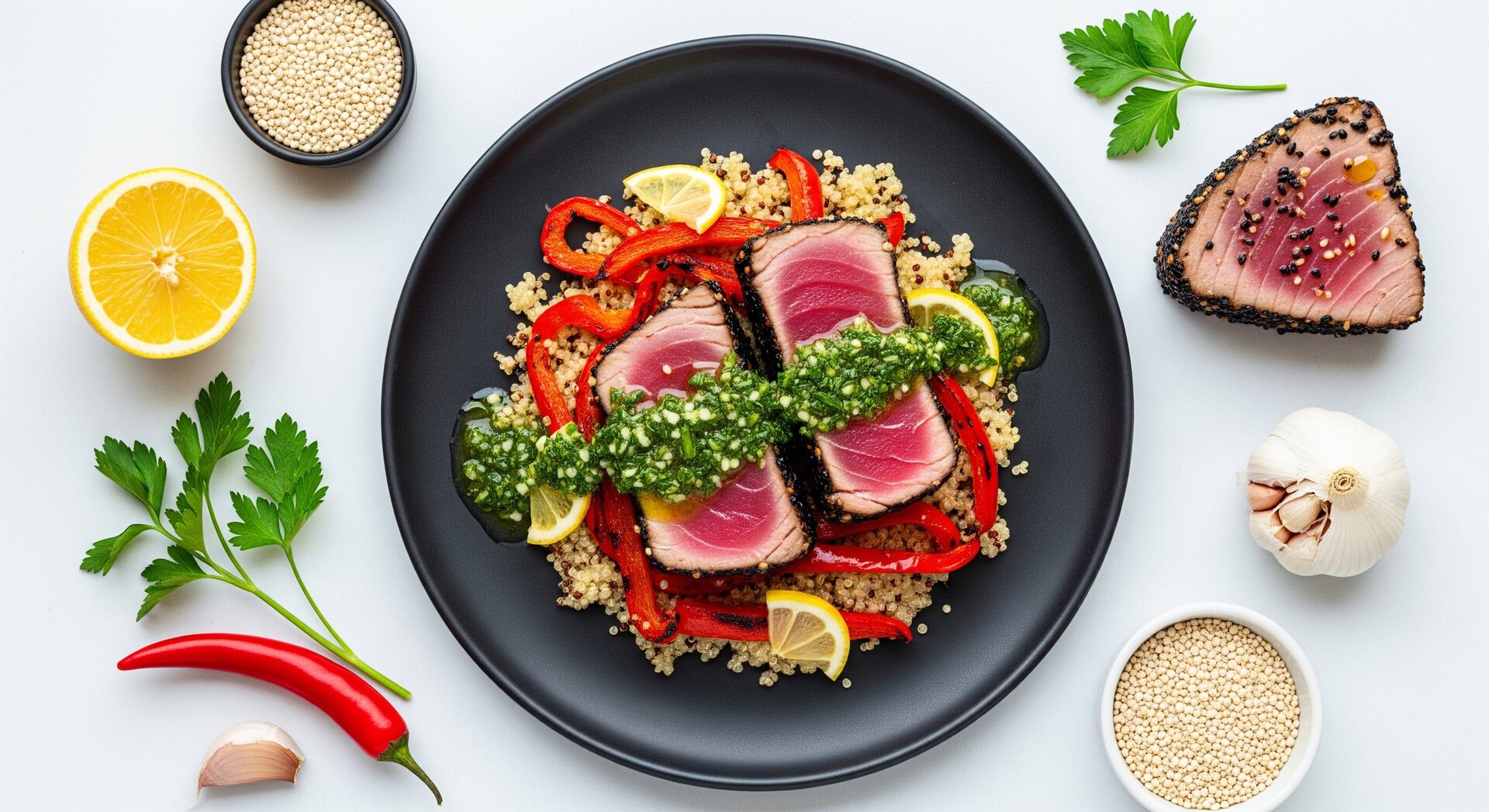 Seared Tuna with Quinoa and Chimichurri 35 min Tuna steak with quinoa and fresh parsley-lemon chimichurri
  675 kcal
  53g protein 2 synergies
 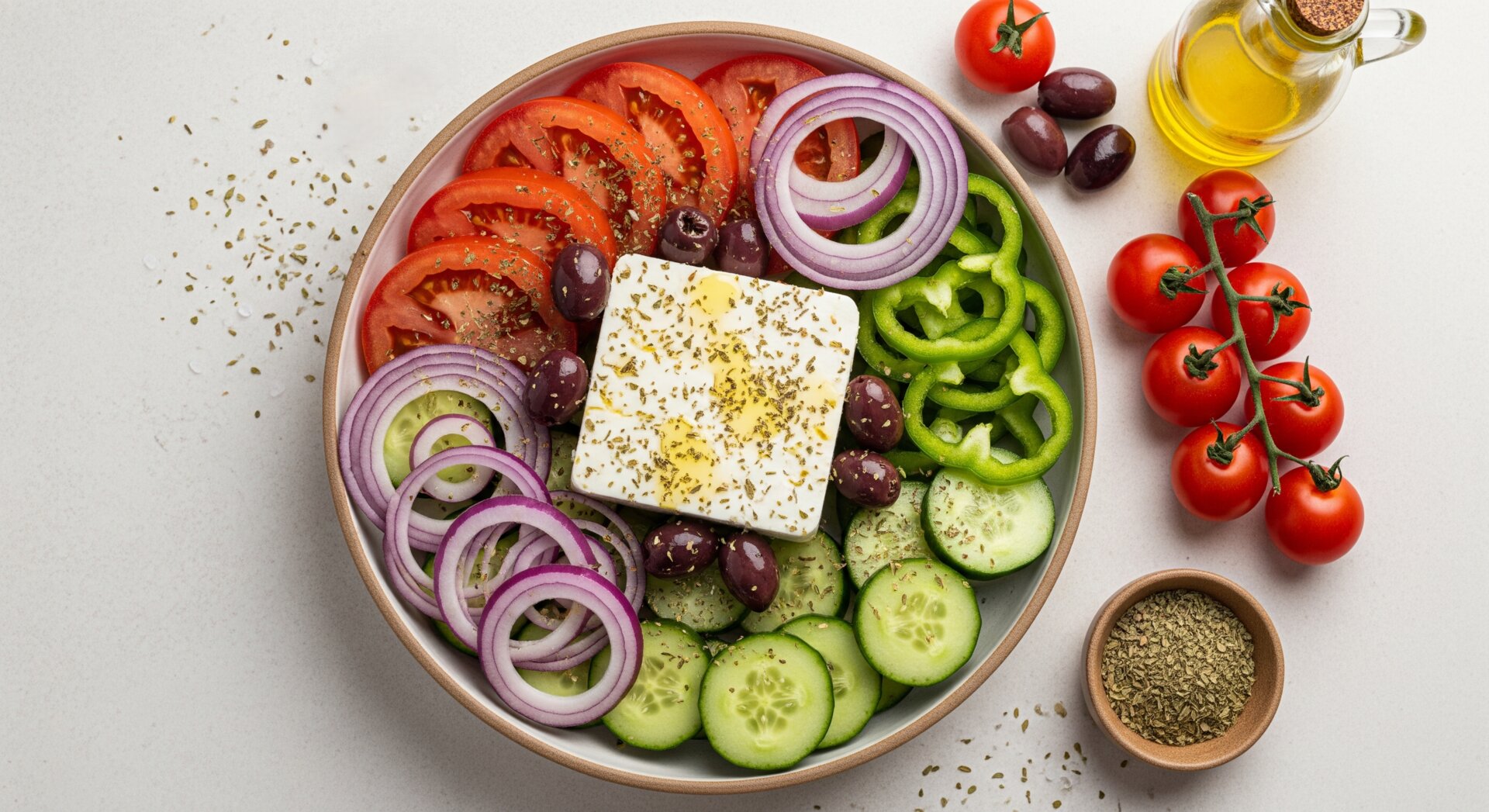 Greek Salad (Horiatiki) 10 min Classic Mediterranean salad with feta, olives and oregano 220 kcal 8g protein 1 synergies
 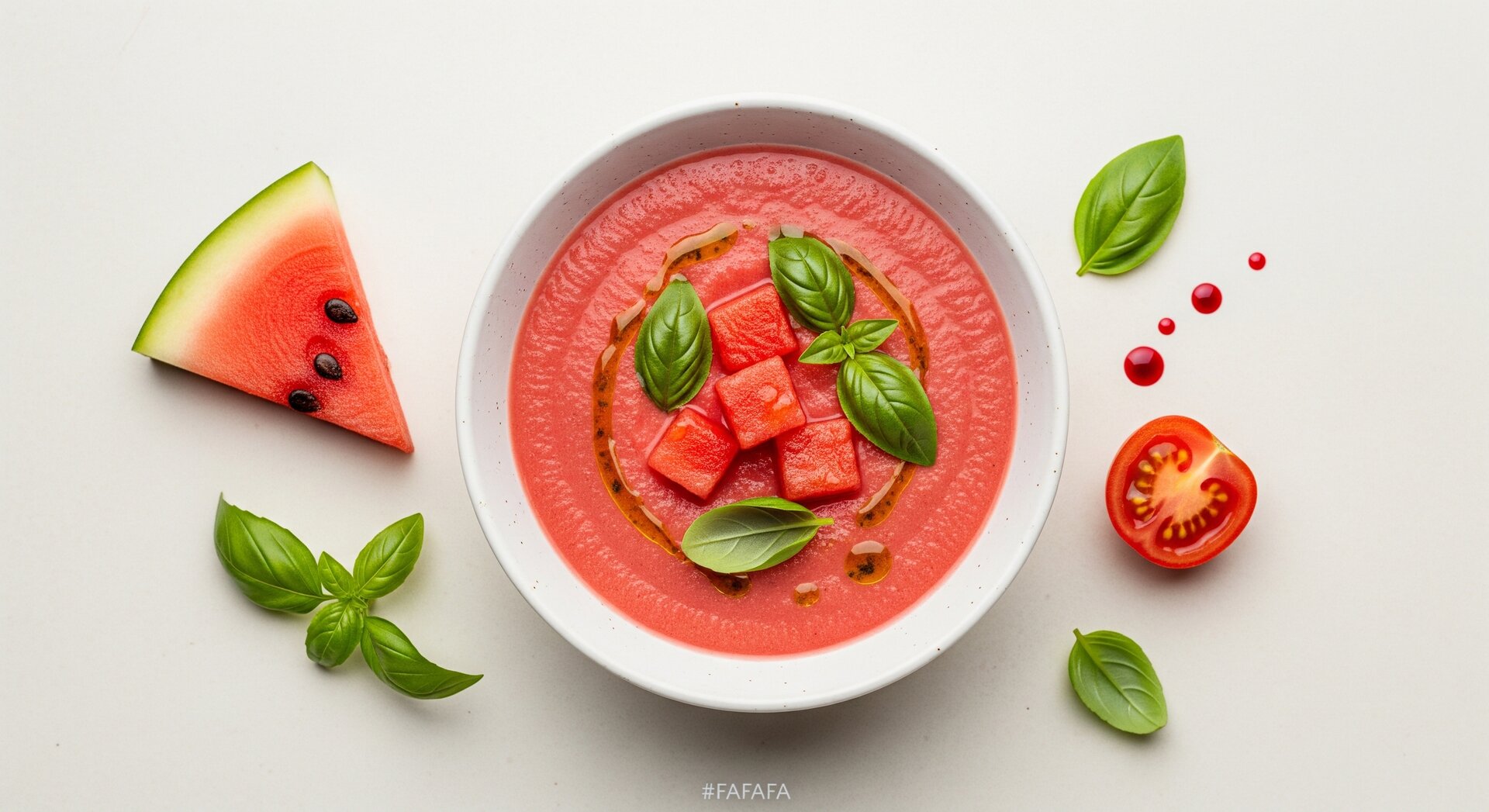 Chilled Watermelon Tomato Soup with Basil 15 min Fresh summer soup with watermelon, ripe tomato and basil 133 kcal 3g protein 1 synergies
 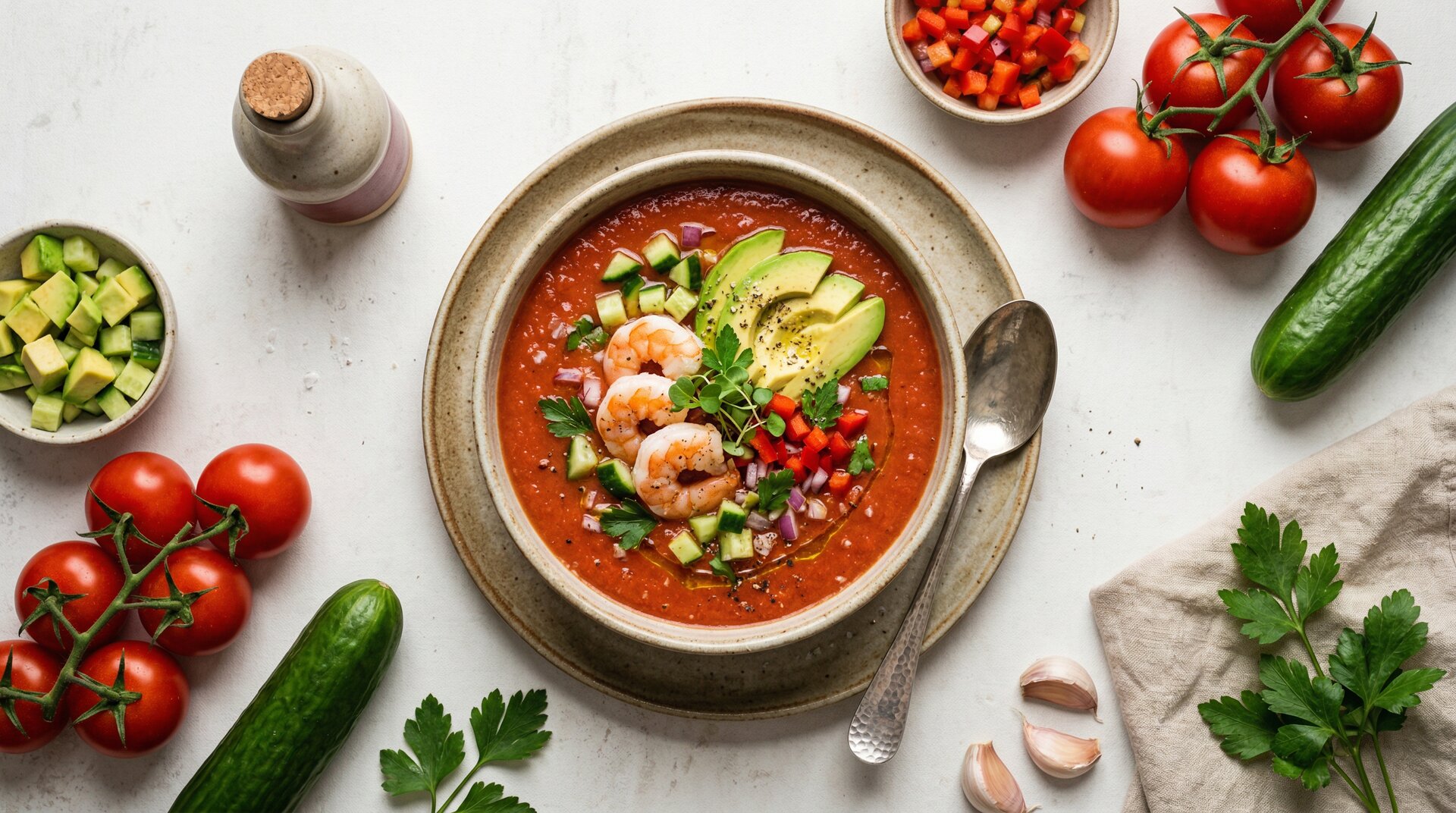 Spanish Gazpacho with Shrimp and Avocado 85 min Ice-cold Spanish tomato soup with pan-fried shrimp and creamy avocado 480 kcal 26g protein 2 synergies
  In the Kitchen
Storage
Location:Pantry
Shelf life:Onbeperkt
Preparation
Mix with olive oil and mustard for a classic vinaigrette. Add a splash at the end of stews, tomato sauce or gravy for extra brightness and balance.
Substitutes
Smart preparation
1Use red wine vinegar in vinaigrettes with olive oil and mustard.
2Add red wine vinegar to gravy or sauces for acidic depth.
Why?
The acidity balances rich, fatty flavors and makes the dish taste fresher.
3Store red wine vinegar in a cool, dark place; it keeps for years.
Caution / Warnings
Red wine vinegar is very safe, but there are scientific considerations:
Tooth erosion Mild
Acidic foods can affect tooth enamel over time, especially with frequent or undiluted use.
Advice:
Do not drink red wine vinegar straight; use it in dressings or food. Optionally rinse with water after an acidic meal.
Traditional use
Mediterranean
Red wine vinegar in Mediterranean tradition
Red wine vinegar has been a staple in French, Spanish and Italian cooking since antiquity, often produced as a practical byproduct of winemaking.
Summary
Red wine vinegar is a quick way to make salads, sauces and stews taste fresh and French-Mediterranean. Use it mainly in vinaigrettes with olive oil and mustard, or add a small splash at the end of rich sauces for more balance.