- Easy
- 15 min
- 4 serv.
- 9 synergies
- Now at its best: Tomato
A chilled, gazpacho-style soup with watermelon, tomato, cucumber, basil, red onion and lime.
This chilled soup is summer in a bowl: juicy, bright and gently savoury, with the fresh sweetness of watermelon and the deeper flavour of ripe tomatoes. Cucumber keeps everything cool, red onion adds a soft sharpness and basil brings that green, herbal aroma that instantly feels like warm weather. Olive oil rounds out the soup, while red wine vinegar and lime add a fresh lift. After a few hours in the fridge, the flavours settle and become fuller. Serve it ice cold, with extra basil on top, as a light lunch or a summery starter.
- 15
- min prep
- 0
- min cook
- 15
- min total
Nutritional Synergies
This recipe combines ingredients that enhance each other:
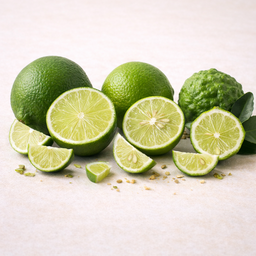 Lime
Lime 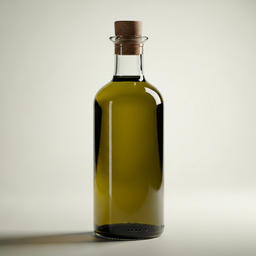 Olive oil
 Vitamin C + olive oil fats for iron absorption and antioxidant action
Technical: Lime's vitamin C (ascorbic acid) improves absorption of non-heme iron from plant sources. Olive oil's fat-soluble polyphenols (hydroxytyrosol) are better absorbed in combination with vitamin C, which acts as an antioxidant keeping the polyphenols stable.
What does this mean for you? Lime-olive oil dressing is a classic combination that helps your body absorb more iron and antioxidants from your salad.
Immune SystemEnergySkin & Hair
Olive oil 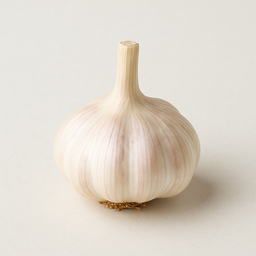 Garlic
 Aglio e olio: allicin + oleocanthal via complementary biochemical pathways
Technical: Garlic contains allicin (formed when cutting/crushing) that influences HMG-CoA reductase (involved in lipid metabolism). Olive oil contains oleocanthal that modulates COX-1/2 enzymes. Together they influence lipid metabolism and prostaglandin cascade via complementary biochemical pathways. The fat also helps absorb fat-soluble garlic compounds.
What does this mean for you? Gently warm garlic in olive oil (don't burn!) as the base for many dishes. This is why 'aglio e olio' pasta is so beloved — two bioactive compounds that reinforce each other.
HeartImmune System
Olive oil 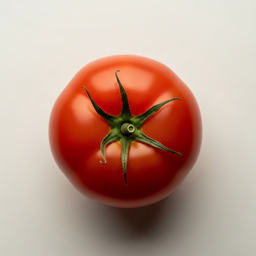 Tomatoes
 Mediterranean golden rule: fat increases lycopene absorption 4x
Fat significantly increases lycopene bioavailability (PMID: 15927929)
Technical: Tomatoes contain lycopene (3-7mg per 100g), a carotenoid with strong antioxidant action. Lycopene is fat-soluble with only 10-15% absorption without fat. Olive oil increases this to 40-60% (2.5-4x improvement). Cooking further increases lycopene bioavailability.
What does this mean for you? Always add olive oil to tomato dishes — sauces, salads, bruschetta. This is why Mediterranean cuisine is so healthy. Cooked tomatoes with olive oil = maximum lycopene.
HeartSkin & Hair
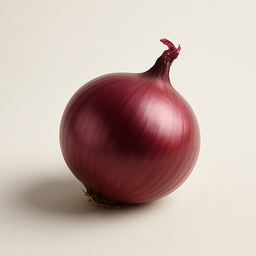 Red onion Olive oil
 Fat increases bioavailability of quercetin from red onion
Technical: Red onion contains 32-65mg quercetin per 100g — the richest food source. Quercetin is poorly water-soluble (2μg/mL) but dissolves well in fats. Olive oil increases quercetin oral bioavailability by 50-70% through lipid-based lymphatic transport instead of the portal vein.
What does this mean for you? Sauté red onion in olive oil (soffritto) for maximum quercetin absorption. Oil dissolves quercetin and improves transport to your bloodstream. Caramelizing also enhances flavor.
Anti-inflammatoryHeart
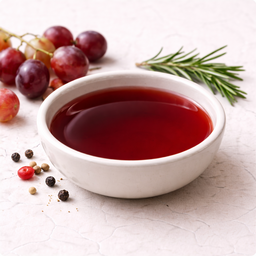 Red wine vinegar Garlic
 Acetic acid + allicin for vascular support and bioactive action
Technical: Red wine vinegar's acetic acid activates AMPK and modulates angiotensin II production, supporting vascular function. Garlic's allicin modulates ACE (angiotensin-converting enzyme). Together they support vascular function via two complementary angiotensin-modulating mechanisms. Both also have bioactive action: acetic acid via pH lowering, allicin via thiol blockade.
What does this mean for you? Red wine vinegar-garlic dressing is a flavorful way to add bioactive compounds to your salad. Crush garlic and let rest 10 minutes before mixing with vinegar for maximum allicin formation.
HeartImmune System
Red wine vinegar Olive oil Classic vinaigrette with polyphenol synergy
Technical: Red wine vinegar contains resveratrol and anthocyanins (from red grapes) plus acetic acid. Olive oil provides oleocanthal (a bioactive phenol) and oleuropein. Mustard contains sinigrin (glucosinolate) and emulsifies the dressing. Together three antioxidant classes (polyphenols, oleocanthal, glucosinolates) provide a broad antioxidant spectrum.
What does this mean for you? Make vinaigrette with red wine vinegar, olive oil and mustard. Three ingredients, three types of antioxidants — the perfect salad dressing.
HeartAnti-inflammatory
 Sea salt Tomatoes
 Minerals improve flavor perception and electrolyte balance
Technical: Sea salt contains trace minerals (magnesium, potassium, calcium) besides sodium. Tomato is rich in potassium (237mg/100g) and lycopene. Avocado adds magnesium (29mg) and potassium (485mg). Together they form a broad electrolyte profile: sodium (salt) + potassium (tomato/avocado) + magnesium (avocado) — essential for fluid balance and nerve function.
What does this mean for you? Sprinkle tomato and avocado with a pinch of sea salt. This is more than flavor — the minerals complement each other for a complete electrolyte balance.
HeartEnergy
Sea salt Olive oil Minerals + polyphenols for cellular balance
Technical: Sea salt's sodium is essential for the sodium-potassium pump (Na+/K+-ATPase) that regulates every body cell. Olive oil's oleuropein and hydroxytyrosol provide antioxidant protection for cell membranes. The combination supports cell integrity: sea salt regulates ion balance, olive oil protects the membrane. In Mediterranean cuisine, coarse sea salt + olive oil is the most basic flavor profile.
What does this mean for you? Freshly ground sea salt with extra virgin olive oil is the simplest and most nutritious finishing of any dish. The combination provides the basic needs of your cells: minerals for function, polyphenols for protection.
HeartGeneral Wellness
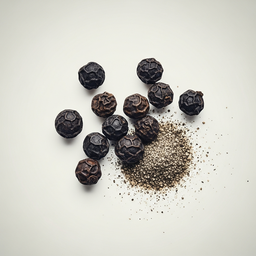 Black pepper Olive oil
 Fat increases piperine absorption and enhances polyphenols
Technical: Piperine is fat-soluble and absorbed 2-3x better with dietary fat. Olive oil's oleocanthal and piperine both modulate COX signal transduction through different mechanisms, providing additive bioactive effect.
What does this mean for you? Grind fresh pepper over salads with olive oil dressing. The combination enhances both pepper absorption and bioactive action.
Anti-inflammatoryHeartDigestion
Ingredients (11)
-
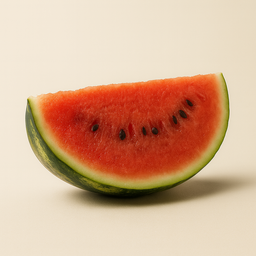 Watermelon — 600 g seedless, cubed
 - Tomatoes — 400 g ripe, in pieces
-
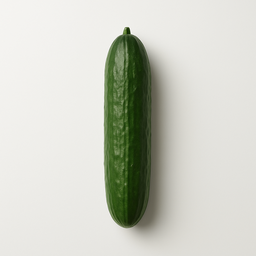 Cucumber — 150 g peeled, in pieces
Instructions
- 1 Add the watermelon, tomato, cucumber, red onion, garlic and almost all of the basil to the blender.
- 2 Blend into a smooth, light soup.
Nutrition per serving
Indicative values per serving.
Timing & Suitability
Shelf life: 2 days in fridge