Black Pepper
The 'King of Spices'
What is this ingredient?
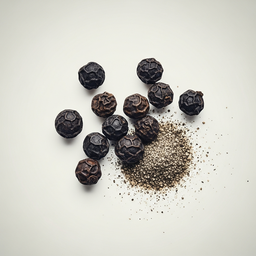
Black pepper (Piper nigrum) is the dried, unripe berry of the pepper plant, a climbing vine native to South India. The peppercorns are briefly cooked or blanched and then dried, which makes the outer skin dark and wrinkled. That skin gives black pepper much of its complex aroma: sharp, woody, citrusy, and warm.
The tingling taste does not mainly come from volatile oils, as it does with many leafy herbs, but from piperine: a stable alkaloid found in the peppercorn. In nutrition research, piperine is often discussed because it can influence the absorption and breakdown of some compounds. For everyday cooking, the practical lesson is simple: a small amount of freshly ground pepper can add aroma, warmth, and depth without adding extra salt.
White pepper and green pepper also exist. White pepper is the ripe berry without its outer skin and tastes earthier and more pungent; green pepper is the unripe berry preserved for a fresher profile. Black pepper is most aromatic when whole peppercorns are ground just before use, because pre-ground pepper quickly loses its volatile aroma compounds.
How does it taste?
Sharp and biting with a warm, woody tingle and a subtle fruity undertone.
Pairs well with:
Pairs well with nearly everything: meatcheesestrawberrylemonbuttertomatoand roasted vegetables.
Did you know...?
- Black pepper was often called ‘black gold’ in the Middle Ages and could serve as a valuable trade good.
- Black pepper has played a major role in the global spice trade for centuries.
- The European search for direct sea routes to pepper-growing regions permanently changed global trade.
Nutritional Value & Energy
Per 100g
Black Pepper provides energy thanks to natural nutrients , buffered by fiber.
Per 100g
Minerals
Vitamins
Omega-3 fatty acids
More nutrients
B-Vitamins
Trace Minerals
What's in a serving?
Black pepper naturally contains vitamin K (163.7 mcg per 100 g dried powder). At typical spice usage (3–9 g), the contribution is limited.
Black pepper naturally contains iron (9.71 mg per 100 g dried powder). At typical spice usage (3–9 g), the contribution is limited.
Black pepper naturally contains calcium (443 mg per 100 g dried powder). At typical spice usage (3–9 g), the contribution is limited.
Black pepper naturally contains magnesium (171 mg per 100 g dried powder). At typical spice usage (3–9 g), the contribution is limited.
Black pepper naturally contains potassium (1329 mg per 100 g dried powder). At typical spice usage (3–9 g), the contribution is limited.
Black pepper naturally contains vitamin K (163.7 mcg per 100 g dried powder). At typical spice usage (3–9 g), the contribution is limited.
% of daily reference intake (DRI)
EU-approved nutrition claims
This ingredient contains nutrients for which EFSA-authorized health claims exist (at nutrient level, not ingredient-specific).
Approved health claims (EU)
Vitamin_k EU 432/2012
Vitamin K contributes to normal blood clotting
Contains 163.7mcg/100g (threshold: ≥11.25mcg/100g)
Vitamin_k EU 432/2012
Vitamin K contributes to the maintenance of normal bones
Contains 163.7mcg/100g (threshold: ≥11.25mcg/100g)
Comparison
vsspinazie
Black pepper contains about 4× more iron per 100 g than spinach, but black pepper is normally used in much smaller amounts.
vsmelk
Black pepper contains about 4× more calcium per 100 g than milk, but black pepper is normally used in much smaller amounts.
vsbanaan
Black pepper contains about 4× more potassium per 100 g than banana, but black pepper is normally used in much smaller amounts.
What's being researched?
Piperine and bioavailability
Piperine in black pepper is studied as a compound that can influence the absorption of certain food components. Its combination with curcumin is a frequently discussed research example.
Supported by: [3] Srinivasan (2007) , [1] Atal (1985) , [4] Park UH (2012) , [2] Shoba G (1998)
Black pepper and digestion research
Piperine is studied in relation to digestive enzymes and gastric acid secretion. Many findings come from experimental or preclinical research.
Supported by: [1] Atal (1985)
Good Combinations (Synergy)
Combine black pepper smartly to enhance the effect:
Black Pepper 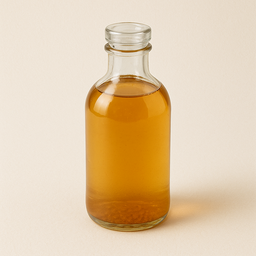 Apple Cider Vinegar
 Acetic acid + piperine for dual bioavailability enhancement
Technical: Apple cider vinegar's acetic acid lowers stomach pH for better mineral absorption. Black pepper's piperine affects CYP3A4 and P-glycoprotein in the gut, allowing more nutrients to reach the bloodstream. Together they improve absorption of other nutrients in the meal.
What does this mean for you? Add apple cider vinegar and black pepper to marinades and dressings — they help your body absorb more nutrients from the entire meal.
Black Pepper 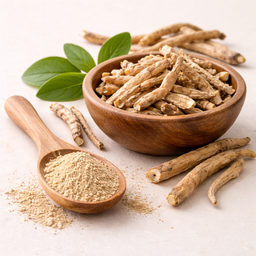 Ashwagandha
 Piperine significantly increases withanolide absorption
Piperine increases bioavailability of many phytochemicals via CYP3A4 inhibition (PMID: 9619120)
Technical: Piperine from black pepper inhibits CYP3A4 and P-glycoprotein in the gut, reducing withanolide breakdown and improving absorption.
What does this mean for you? Add a pinch of black pepper to your ashwagandha, or choose a supplement that already contains piperine (often labeled as BioPerine®).
Black Pepper 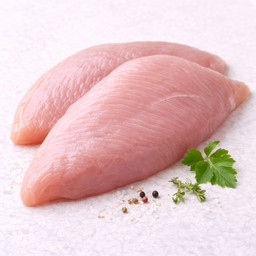 Turkey Breast
 Piperine increases absorption of tryptophan and B vitamins from turkey
Technical: Turkey breast contains 290mg tryptophan per 100g — the highest of all common meats. Tryptophan is converted to serotonin (happiness hormone) and melatonin (sleep hormone) via the kynurenine pathway. Piperine from black pepper inhibits glucuronidation and CYP3A4 in the gut, increasing tryptophan bioavailability by approximately 30%. Piperine also improves absorption of B6 — a co-factor for tryptophan-serotonin conversion.
What does this mean for you? Grind fresh black pepper over your turkey dish. Piperine helps your body absorb more tryptophan, improving your mood and sleep. Combine with whole grain carbs (bread, rice) to maximize tryptophan transport to the brain.
Black Pepper 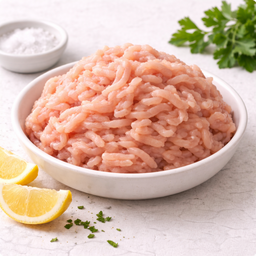 Minced Chicken
 Chicken fat increases curcumin absorption while piperine enhances it 2000%
Technical: Chicken mince contains 8-15g fat per 100g that dissolves curcumin (fat-soluble) into micelles. Curcumin modulates NF-κB, COX-2 and LOX pathways. Piperine from black pepper (5-9%) inhibits UGT glucuronidation in liver and intestine, increasing curcumin bioavailability by 2,000% (Shoba et al., 1998). Chicken mince also provides tryptophan (250mg/100g) — precursor for serotonin, which remains active longer through curcumin's MAO modulation.
What does this mean for you? Make chicken meatballs with turmeric and black pepper — Indian kofta style. The chicken fat dissolves the curcumin, the pepper ensures 20x better absorption. Ideal for joint support or as daily bioactive supplementation.
Black Pepper 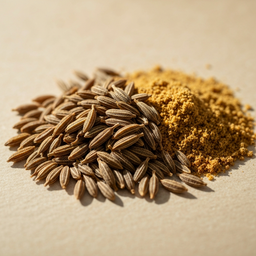 Cumin
Cumin Piperine increases absorption of cumin's active compounds 2-3x
Technical: Cumin contains cuminaldehyde and thymoquinone with digestive-promoting and bioactive properties. Piperine from black pepper inhibits CYP3A4 enzymes, reducing breakdown and improving absorption 2-3x.
What does this mean for you? Always add black pepper to dishes with cumin. This is why many spice blends (garam masala, ras el hanout) contain both.
Black Pepper 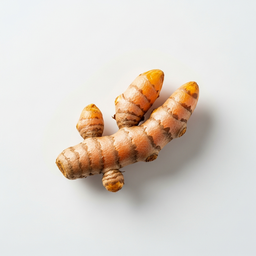 Turmeric
 Increases curcumin absorption by 2000%
Technical: Curcumin from turmeric has bioavailability below 1% due to rapid glucuronidation in the liver. Piperine from black pepper inhibits UGT (UDP-glucuronosyltransferase) and CYP3A4, preventing curcumin breakdown. This increases bioavailability by 2000% (20x). Use ratio ¼ teaspoon pepper to 1 teaspoon turmeric.
What does this mean for you? ALWAYS add black pepper when using turmeric. Without pepper your body absorbs virtually nothing — with pepper 20x more. This is the most important food synergy there is.
Black Pepper 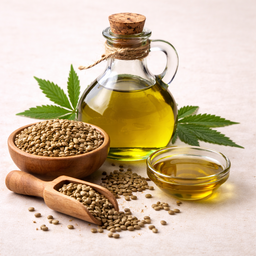 Flaxseed Oil
 ALA omega-3 + curcumin + piperine: three complementary biochemical pathways
Technical: Flaxseed oil provides 53g ALA omega-3 per 100ml — the most concentrated plant omega-3 source. ALA converts to EPA (5-10% conversion) producing series-3 prostaglandins. Curcumin (2-5% in turmeric) modulates NF-κB with IC50 1-5μM. Piperine from black pepper (5-9%) inhibits glucuronidation, increasing curcumin bioavailability by 2,000%. Flaxseed oil dissolves curcumin (fat-soluble) and the three compounds reach complementary biochemical pathways.
What does this mean for you? Mix flaxseed oil with turmeric and black pepper as golden dressing (cold). Three bioactive compounds in one dressing that work via complementary pathways. Don't heat — ALA is heat-sensitive.
Black Pepper 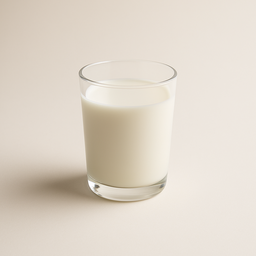 Milk
Milk Golden milk: fats + piperine = 2000% better curcumin absorption
Technical: Milk fat dissolves fat-soluble curcumin and forms micelles improving gut absorption. Piperine from black pepper inhibits the enzyme CYP3A4 and glucuronidation in the liver, preventing curcumin from being immediately broken down. This dual mechanism — better absorption + slower breakdown — increases bioavailability to 2000% (20x). The basis of traditional golden milk.
What does this mean for you? Make golden milk with warm milk, turmeric and a pinch of black pepper. Without the milk fat and pepper your body absorbs virtually nothing from the turmeric — with both ingredients up to 20x more.
Black Pepper 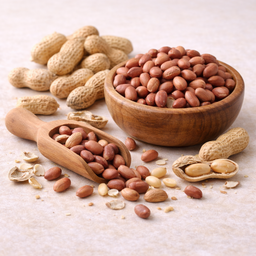 Peanuts
 Piperine increases resveratrol absorption
Technical: Peanuts contain resveratrol, but absorption is extremely low (<1%) due to rapid breakdown in liver and gut. Piperine from black pepper inhibits the enzymes CYP3A4 and glucuronidation that break down resveratrol, increasing bioavailability 10-30x. Same mechanism as turmeric + pepper.
What does this mean for you? Add black pepper to dishes with peanuts — satay sauce with peppercorns or roasted peanuts with pepper. The pepper slows resveratrol breakdown so your body absorbs much more.
Black Pepper 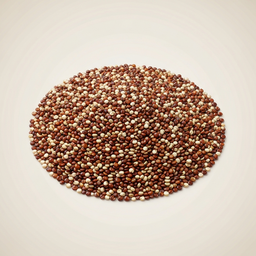 Quinoa
 Improves quercetin absorption from quinoa
Technical: Quinoa contains quercetin (up to 36mg per 100g) and kaempferol, both powerful flavonoids with low bioavailability (25-50%). Piperine from black pepper inhibits glucuronidation in the gut — the process that inactivates flavonoids for excretion. This increases quercetin bioavailability by 30-50%, comparable to the well-known piperine-curcumin effect.
What does this mean for you? Grind fresh black pepper over your quinoa dishes. Just as pepper activates turmeric, it does the same for quinoa's antioxidants. A simple grind of pepper makes your quinoa significantly healthier.
Black Pepper 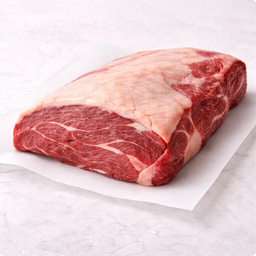 Beef Brisket
 Piperine increases iron and zinc absorption and stimulates thermogenesis
Technical: Beef brisket contains 3.3mg heme iron per 100g (18% RDI) and 8.5mg zinc (77% RDI). Piperine (5-9% in black pepper) inhibits glucuronidase in intestinal wall, increasing iron absorption by 15-20% and zinc by 25-30% via modulation of DMT1 and ZIP transporters. Piperine also increases bioavailability of beta-carotene (+50%), selenium (+30%) and curcumin (+2,000%). Stimulates thermogenesis by 8% via TRPV1 activation.
What does this mean for you? Season beef brisket generously with freshly ground black pepper before and during slow-cooking. The piperine maximizes your mineral absorption from this iron and zinc-rich meat. Ideal for athletes or iron deficiency.
Black Pepper 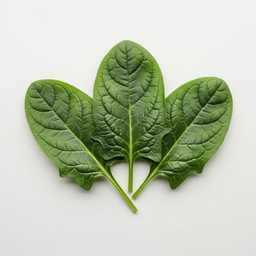 Spinach
 Increases beta-carotene absorption from vegetables
Technical: Spinach contains 5626μg beta-carotene per 100g. Piperine from black pepper (5-9% by weight) inhibits glucuronidation in the gut, keeping beta-carotene in its active form longer. Piperine also increases intestinal epithelium permeability via vanilloid receptor activation.
What does this mean for you? Grind fresh black pepper over spinach. Piperine slows beta-carotene breakdown in your gut so you absorb more. Combine with olive oil for the maximum triple effect.
Black Pepper 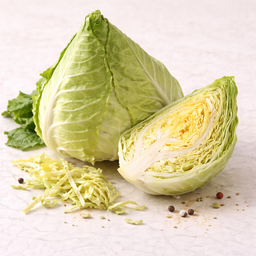 Pointed Cabbage
 Myrosinase from mustard activates glucosinolates
Technical: Pointed cabbage contains glucosinolates (glucobrassicin, sinigrin) converted by myrosinase to indole-3-carbinol and sulforaphane — bioactive compounds intensively studied in scientific research. Cooking deactivates myrosinase. Mustard provides external myrosinase; piperine from black pepper inhibits sulfotransferase keeping sulforaphane active longer.
What does this mean for you? Add mustard or black pepper to cooked pointed cabbage. Cooking destroys an important enzyme, but mustard restores it and pepper extends the effect. A simple trick with big impact.
Black Pepper 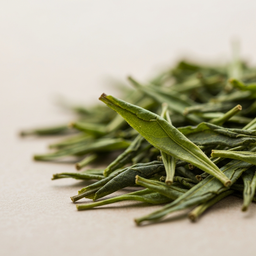 Green Tea
 Keeps antioxidants (EGCG) in bloodstream longer
Technical: Piperine from black pepper inhibits CYP3A4 and glucuronidation — enzymes that break down EGCG (green tea's main antioxidant) in the liver. This extends EGCG's blood half-life, keeping it active longer. A different mechanism than lemon (which stabilizes EGCG in the stomach).
What does this mean for you? Add a pinch of black pepper to your green tea. The pepper slows liver breakdown of EGCG, keeping antioxidants circulating in your blood longer.
Black Pepper 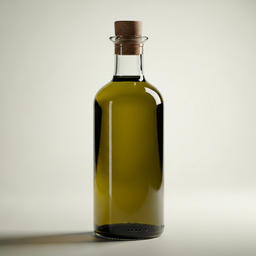 Olive Oil
 Fat increases piperine absorption and enhances polyphenols
Technical: Piperine is fat-soluble and absorbed 2-3x better with dietary fat. Olive oil's oleocanthal and piperine both modulate COX signal transduction through different mechanisms, providing additive bioactive effect.
What does this mean for you? Grind fresh pepper over salads with olive oil dressing. The combination enhances both pepper absorption and bioactive action.
Recipes with Black Pepper
Discover delicious recipes featuring black pepper:
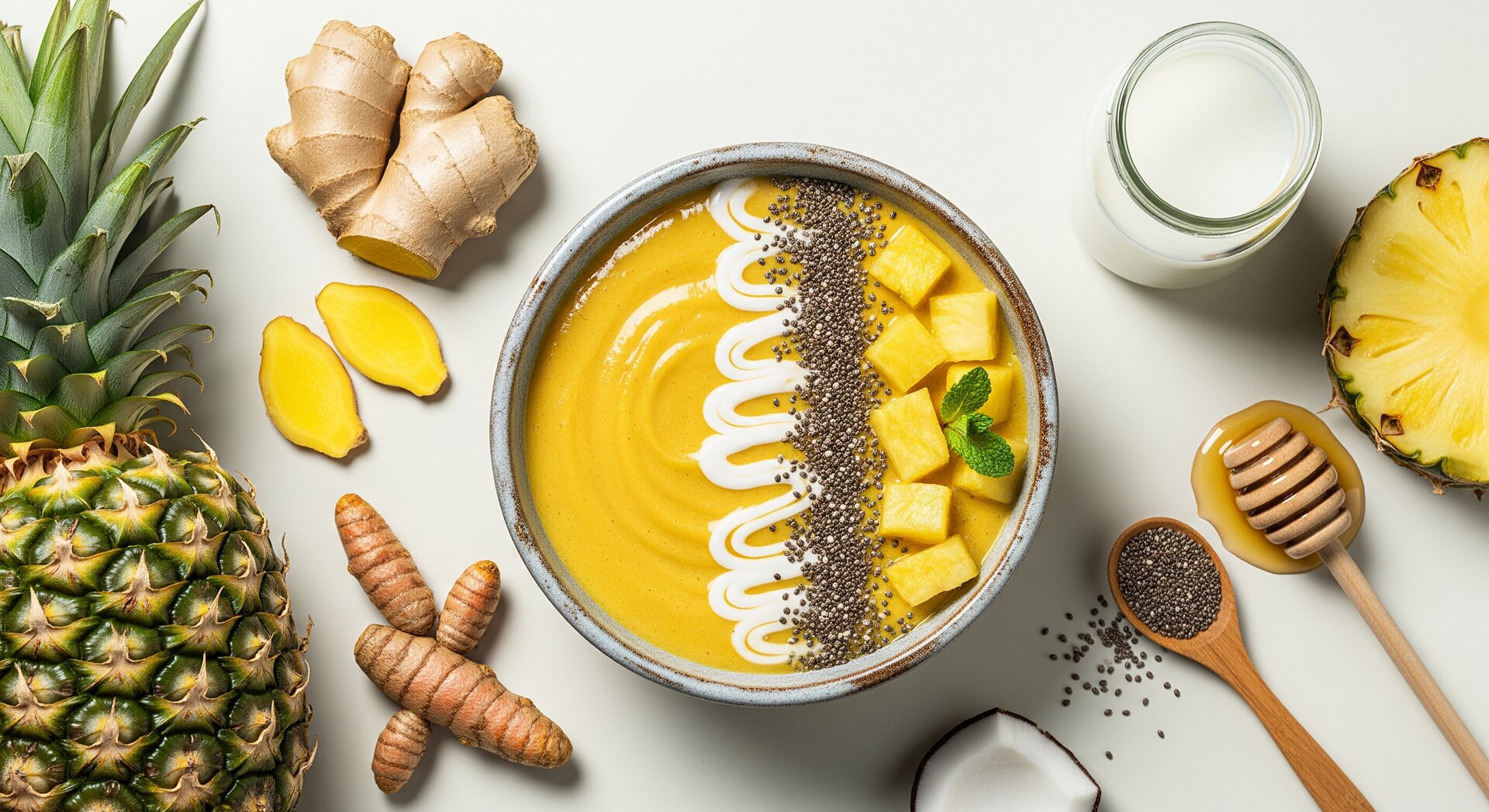 Pineapple Ginger Smoothie 5 min Tropical smoothie with turmeric, chia seeds and coconut milk
  220 kcal
  4g protein 3 synergies
 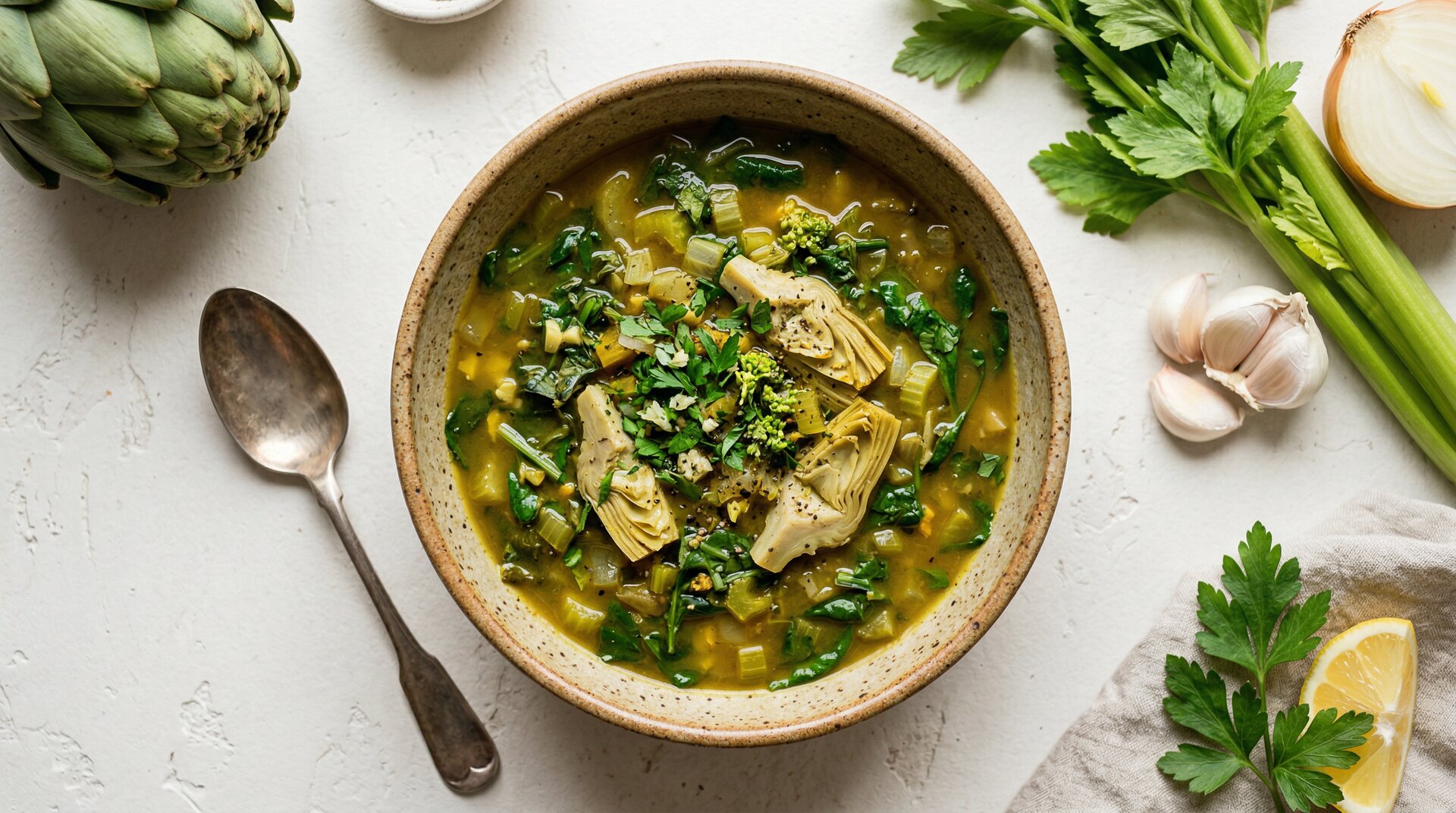 Artichoke Soup with Celery, Spinach and Lemon 36 min Velvety, fresh and gently spiced 121 kcal 3g protein 2 synergies
 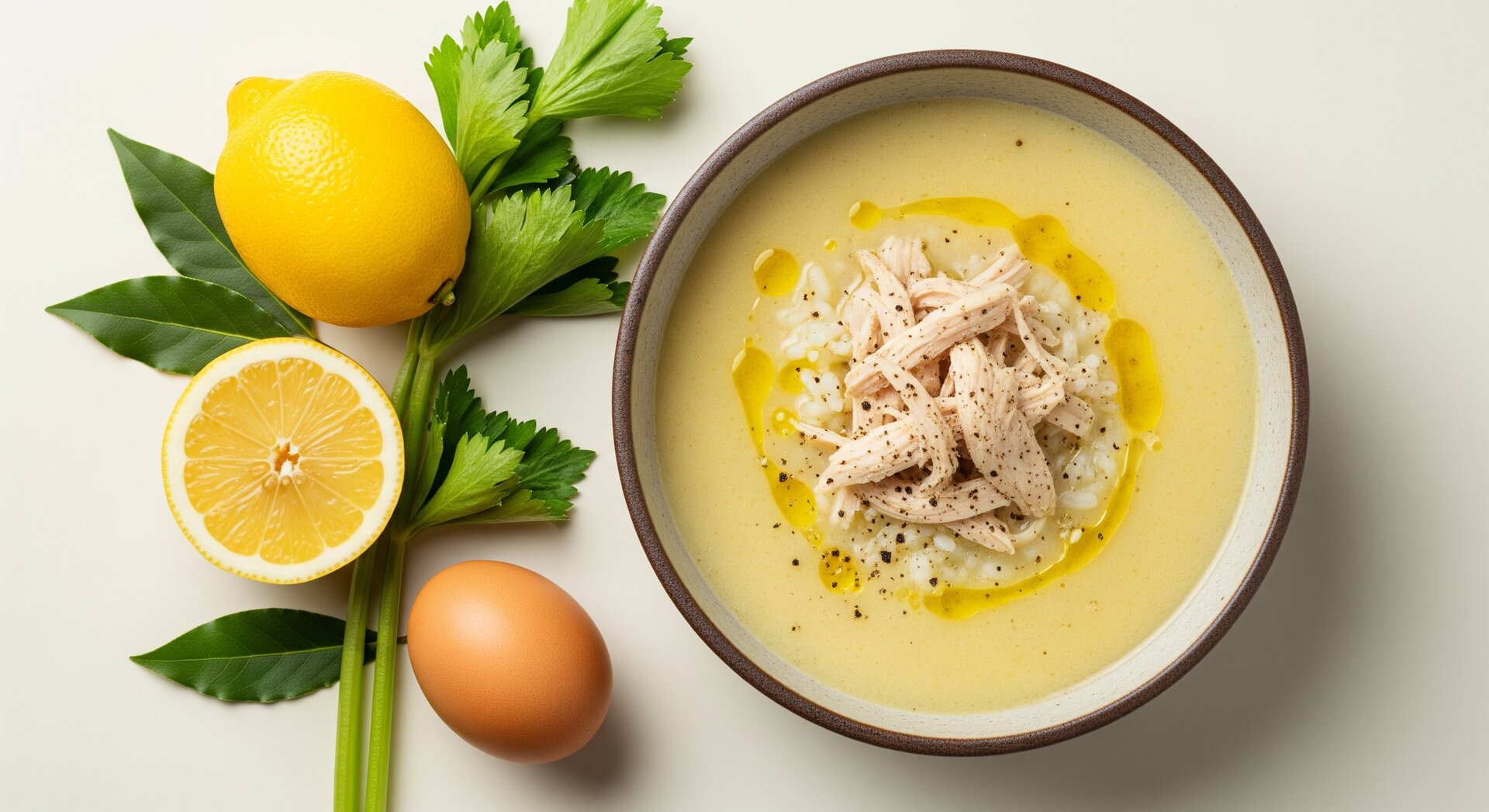 Avgolemono - Greek Lemon-Egg Soup with Chicken 40 min Velvety Greek soup with chicken, rice, lemon and egg 410 kcal 34g protein 3 synergies
 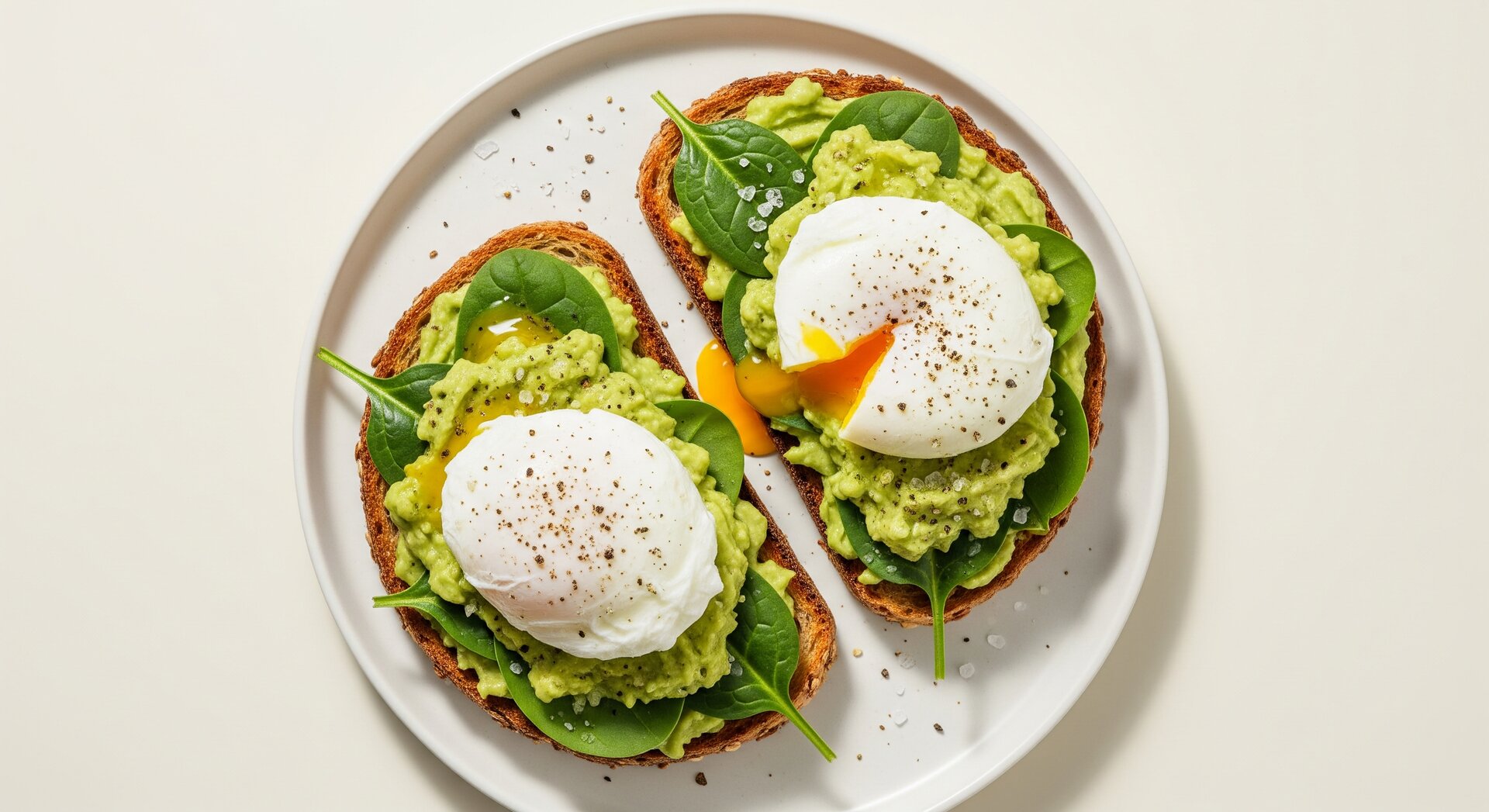 Avocado Toast with Egg and Spinach 15 min Nutritious toast with avocado, egg and spinach 520 kcal 20g protein 2 synergies
 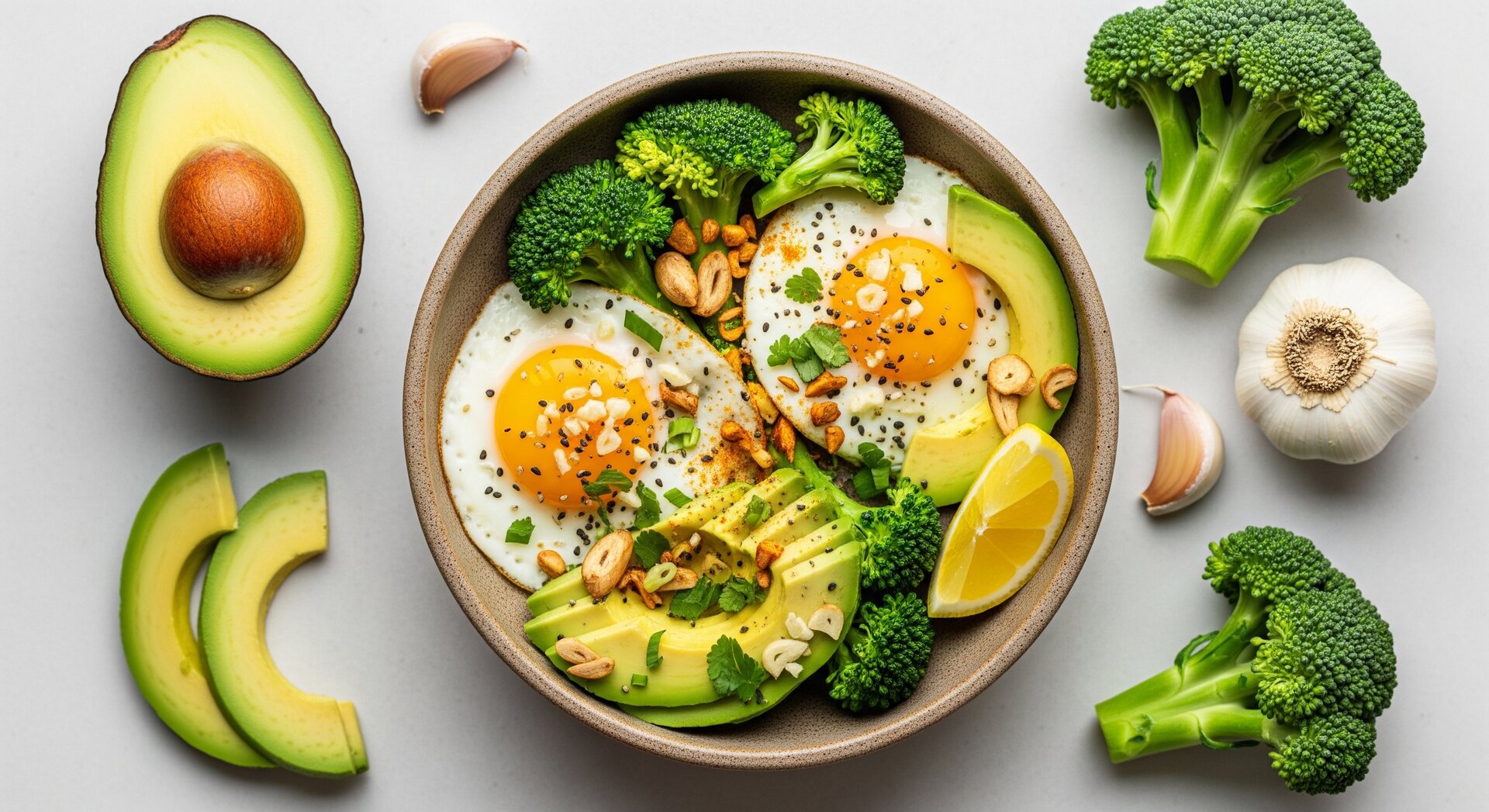 Avocado Eggs with Roasted Broccoli 15 min Golden turmeric and crispy broccoli 365 kcal 16g protein 2 synergies
 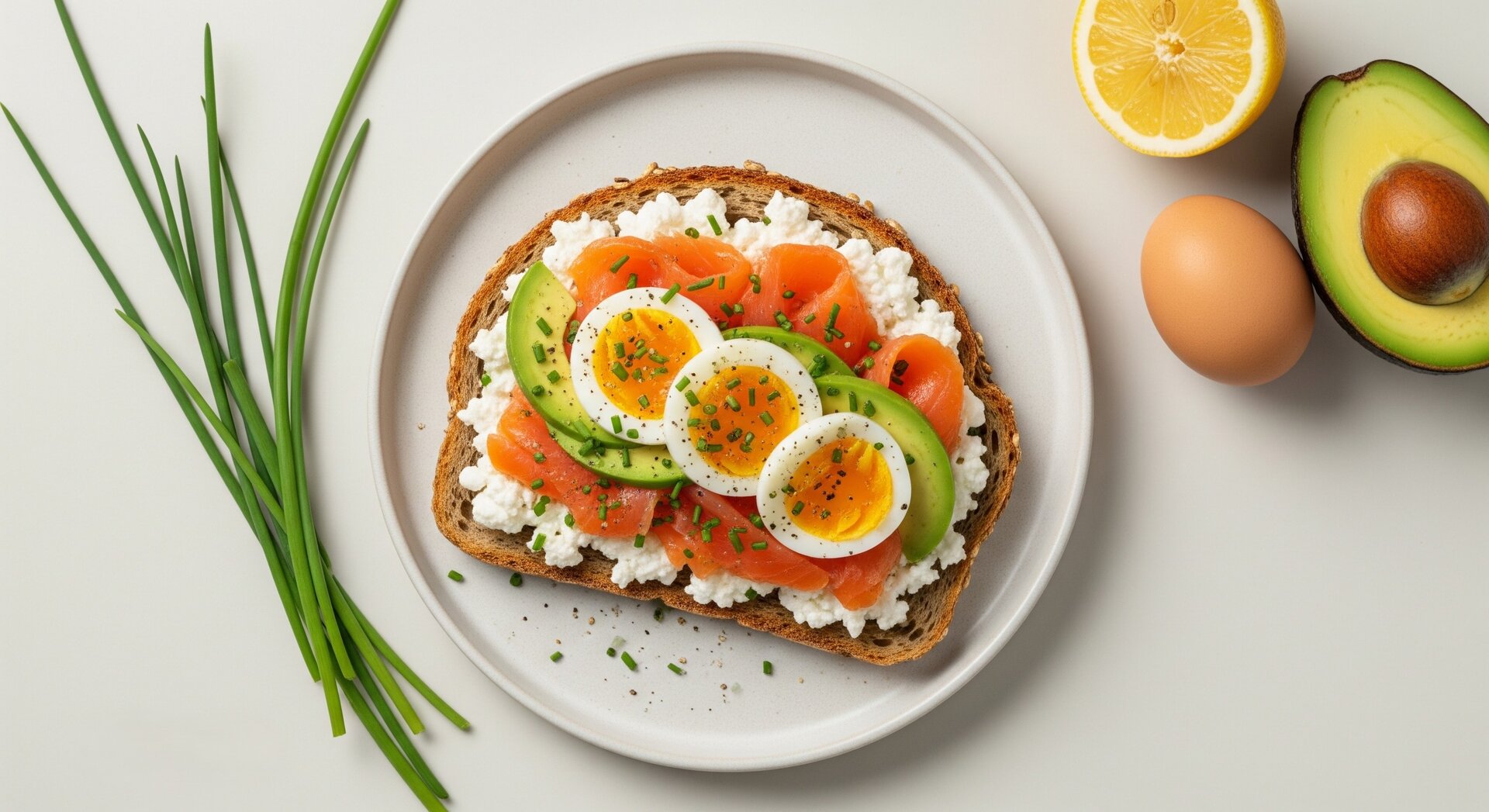 Belgian Open Sandwich with Salmon, Egg and Cottage Cheese 25 min Generously topped open sandwich with three protein sources 492 kcal 35g protein 1 synergies
  In the Kitchen
Storage
Location:Pantry
Shelf life:3-4 jaar (hele korrels), 3-6 maanden (gemalen)
Buy whole peppercorns and grind them fresh. Ground pepper quickly loses its aroma and sharp, warming scent.
Preparation
Add black pepper preferably at the end for maximum aroma, or briefly dry-toast whole peppercorns for a warmer, nuttier note.
Conversions
Substitutes
Smart preparation
1Always grind black pepper fresh; pre-ground pepper quickly loses flavor.
Why?
The volatile aroma compounds evaporate quickly after grinding.
2Add black pepper at the end for a sharp, fresh bite.
3Briefly dry-toast peppercorns before grinding for a warmer, nuttier flavor.
Caution / Warnings
Black Pepper is very safe, but there are scientific considerations:
Medication interactions Severe
Piperine can affect enzymes that break down certain medications. Concentrated piperine supplements in particular may increase exposure to some medicines.
Advice:
Normal culinary use is usually low-dose. Do not use piperine supplements alongside medication without advice from a doctor or pharmacist, especially with blood thinners or anti-epileptic medicines.
Stomach ulcers / gastritis Moderate
Pepper’s sharp bite can be uncomfortable when the stomach lining is already irritated or damaged.
Advice:
Avoid or limit black pepper with active stomach ulcers, gastritis, or clear irritation after use.
Sensitive intestines Mild
In very high amounts, piperine may increase intestinal sensitivity in some sensitive people.
Advice:
Use moderately if you notice pepper irritates your gut; grinding whole peppercorns fresh makes dosing easier.
Traditional use
Ayurveda
Maricha — the king of spices
Black pepper (maricha) has a long-standing place in Ayurveda and is part of Trikatu, a classical blend with ginger and long pepper known in culinary and herbal traditions.
Traditional Chinese Medicine
Hu jiao in Chinese herbal traditions
In Chinese herbal traditions, black pepper is known as hu jiao. It is valued culinarily for its warming character and pronounced sharp taste.
Mediterranean
Black gold in Roman Antiquity
Black pepper was a precious trade good in Roman Antiquity. During the sack of Rome in 410 CE, historical sources say the Visigoths demanded large quantities of pepper among other goods.
Summary
Black pepper is a pantry essential with real culinary impact: freshly ground, it adds warmth, sharpness, and depth to almost any dish. Pair it especially with turmeric, vegetables, meat, cheese, or fruity notes such as strawberry and citrus. Buy whole peppercorns and grind just before use, because pre-ground pepper loses aroma quickly.