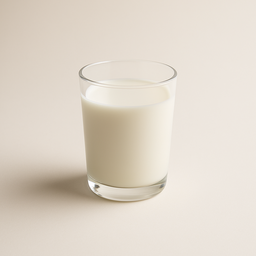
Milk
the complete nutrition source
What is this ingredient?
Milk is the natural nutrition mammals produce for their young and therefore contains all building blocks for growth: complete proteins, calcium for bones, and fat-soluble vitamins A, D, E and K. There's an important difference between milk types: whole milk (3.5% fat) contains all natural fats that help absorb vitamins. Skim milk lacks these fats, so fat-soluble vitamins are less well absorbed. Raw (unpasteurized) milk contains more enzymes and probiotics, but isn't legally available everywhere. For most people, whole pasteurized milk is the best choice.
How does it taste?
Soft, lightly sweet and neutral with a creamy, rounded flavor.
Pairs well with:
Pairs well with vanillacinnamoncocoahoney and grains.
Sunnah
When the Prophet ﷺ was offered milk during Isra and Mi'raj, he chose milk over wine. Jibreel said: You have chosen the fitra (natural disposition).
Muslim #Sahih Muslim 2068
Varieties
Whole Milk
3.5% fat - best nutritional value, optimal vitamin absorption
Semi-Skimmed Milk
1.5% fat - fewer calories but also fewer fat-soluble vitamins
Skim Milk
0.5% fat - lowest calories but poorest vitamin absorption
Did you know...?
- Humans are the only mammals that drink milk from another species as adults.
- Lactose tolerance in adults only emerged about 7,500 years ago through a genetic mutation.
Nutritional Value & Energy
Per 100ml
Milk provides energy thanks to natural nutrients .
Per 100g
Minerals
Vitamins
Omega-3 fatty acids
More nutrients
B-Vitamins
Trace Minerals
What's in a serving?
1 serving
Milk naturally contains vitamin b12 (0.45 mcg per 100 g).
Milk naturally contains calcium (125 mg per 100 g).
Milk naturally contains iodine (34 mcg per 100 g).
% of daily reference intake (DRI)
EU-approved nutrition claims
This ingredient contains nutrients for which EFSA-authorized health claims exist (at nutrient level, not ingredient-specific).
Approved health claims (EU)
Vitamin_b12 EU 432/2012
Vitamin B12 contributes to the normal function of the immune system
Contains 0.45mcg/100g (threshold: ≥0.375mcg/100g)
Vitamin_b12 EU 432/2012
Vitamin B12 contributes to the reduction of tiredness and fatigue
Contains 0.45mcg/100g (threshold: ≥0.375mcg/100g)
Vitamin_b12 EU 432/2012
Vitamin B12 contributes to the normal functioning of the nervous system
Contains 0.45mcg/100g (threshold: ≥0.375mcg/100g)
Calcium EU 432/2012
Calcium is needed for the maintenance of normal bones
Contains 125mg/100g (threshold: ≥120mg/100g)
Vitamin_b12 EU 432/2012
Vitamin B12 contributes to normal energy-yielding metabolism
Contains 0.45mcg/100g (threshold: ≥0.375mcg/100g)
Vitamin_b12 EU 432/2012
Vitamin B12 contributes to normal homocysteine metabolism
Contains 0.45mcg/100g (threshold: ≥0.375mcg/100g)
Vitamin_b12 EU 432/2012
Vitamin B12 contributes to normal psychological function
Contains 0.45mcg/100g (threshold: ≥0.375mcg/100g)
Vitamin_b12 EU 432/2012
Vitamin B12 contributes to normal red blood cell formation
Contains 0.45mcg/100g (threshold: ≥0.375mcg/100g)
Vitamin_b12 EU 432/2012
Vitamin B12 has a role in the process of cell division
Contains 0.45mcg/100g (threshold: ≥0.375mcg/100g)
Calcium EU 432/2012
Calcium is needed for the maintenance of normal teeth
Contains 125mg/100g (threshold: ≥120mg/100g)
Calcium EU 432/2012
Calcium contributes to normal blood clotting
Contains 125mg/100g (threshold: ≥120mg/100g)
Calcium EU 432/2012
Calcium contributes to normal energy-yielding metabolism
Contains 125mg/100g (threshold: ≥120mg/100g)
Calcium EU 432/2012
Calcium contributes to normal muscle function
Contains 125mg/100g (threshold: ≥120mg/100g)
Calcium EU 432/2012
Calcium contributes to normal neurotransmission
Contains 125mg/100g (threshold: ≥120mg/100g)
Calcium EU 432/2012
Calcium contributes to the normal function of digestive enzymes
Contains 125mg/100g (threshold: ≥120mg/100g)
Calcium EU 432/2012
Calcium has a role in the process of cell division and specialisation
Contains 125mg/100g (threshold: ≥120mg/100g)
Iodine EU 432/2012
Iodine contributes to normal cognitive function
Contains 34mcg/100g (threshold: ≥22.5mcg/100g)
Iodine EU 432/2012
Iodine contributes to normal energy-yielding metabolism
Contains 34mcg/100g (threshold: ≥22.5mcg/100g)
Iodine EU 432/2012
Iodine contributes to normal functioning of the nervous system
Contains 34mcg/100g (threshold: ≥22.5mcg/100g)
Iodine EU 432/2012
Iodine contributes to the maintenance of normal skin
Contains 34mcg/100g (threshold: ≥22.5mcg/100g)
Iodine EU 432/2012
Iodine contributes to the normal production of thyroid hormones and normal thyroid function
Contains 34mcg/100g (threshold: ≥22.5mcg/100g)
Iodine EU 432/2012
Iodine contributes to the normal growth of children
Contains 34mcg/100g (threshold: ≥22.5mcg/100g)
What's being researched?
Milk and bone health
The relationship between milk consumption and bone health is one of the longest-running research areas in nutrition science. Results are surprisingly mixed — some large cohort studies show no fracture reduction with higher milk consumption.
Supported by: [2] Tai (2015)
Milk and metabolic health
The association between dairy consumption and type 2 diabetes risk is being studied. Meta-analyses show inverse associations, possibly related to calcium, vitamin D, and whey protein.
Supported by: [1] Thorning (2016) , [2] Tai (2015)
Good Combinations (Synergy)
Combine milk smartly to enhance the effect:
Milk 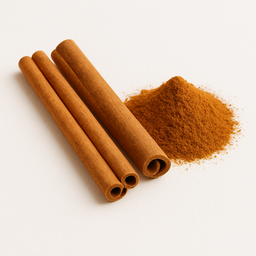 Cinnamon
 Milk calcium + cinnamon polyphenols for bone and blood sugar balance
Technical: Milk's calcium and vitamin D support bone metabolism — calcium contributes to the maintenance of normal bones (EFSA). Cinnamon's polyphenols and cinnamaldehyde activate AMPK and influence insulin signaling. Milk's casein slows absorption, extending cinnamon's effect on glycemic response.
What does this mean for you? Warm milk with cinnamon (as in talbina) is a traditional drink combining both calcium for your bones and bioactive polyphenols.
Milk  Turmeric
 Golden milk: fats + piperine = 2000% better curcumin absorption
Technical: Milk fat dissolves fat-soluble curcumin and forms micelles improving gut absorption. Piperine from black pepper inhibits the enzyme CYP3A4 and glucuronidation in the liver, preventing curcumin from being immediately broken down. This dual mechanism — better absorption + slower breakdown — increases bioavailability to 2000% (20x). The basis of traditional golden milk.
What does this mean for you? Make golden milk with warm milk, turmeric and a pinch of black pepper. Without the milk fat and pepper your body absorbs virtually nothing from the turmeric — with both ingredients up to 20x more.
Milk 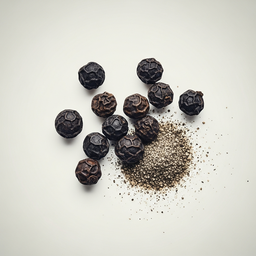 Black Pepper
 Golden milk: fats + piperine = 2000% better curcumin absorption
Technical: Milk fat dissolves fat-soluble curcumin and forms micelles improving gut absorption. Piperine from black pepper inhibits the enzyme CYP3A4 and glucuronidation in the liver, preventing curcumin from being immediately broken down. This dual mechanism — better absorption + slower breakdown — increases bioavailability to 2000% (20x). The basis of traditional golden milk.
What does this mean for you? Make golden milk with warm milk, turmeric and a pinch of black pepper. Without the milk fat and pepper your body absorbs virtually nothing from the turmeric — with both ingredients up to 20x more.
Milk 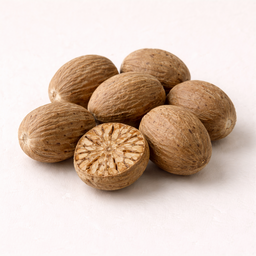 Nutmeg
 Myristicin + tryptophan for sleep promotion and relaxation
Technical: Nutmeg's myristicin has mild sedative properties via MAO inhibition. Milk's tryptophan is converted to serotonin and melatonin. Milk's casein slows absorption, keeping nutmeg's bioactive compounds active longer.
What does this mean for you? Warm milk with nutmeg before bed is an age-old sleep recipe — and it really works through two complementary mechanisms.
Milk 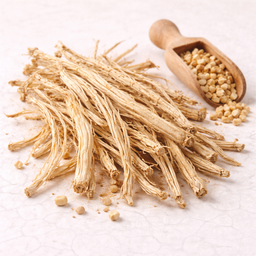 Shatavari
 Traditional Ayurvedic combination for hormonal balance
Technical: Shatavari (Asparagus racemosus) contains steroidal saponins (shatavarins) that modulate estrogen receptors and support hormonal balance as an adaptogen. These saponins are fat-soluble. Milk/ghee provides fats increasing absorption. This is the principle of Ayurvedic 'anupana' — the carrier system.
What does this mean for you? Take shatavari with warm milk or ghee, as in Ayurvedic tradition. The milk fat helps your body better absorb the active compounds.
Recipes with Milk
Discover delicious recipes featuring milk:
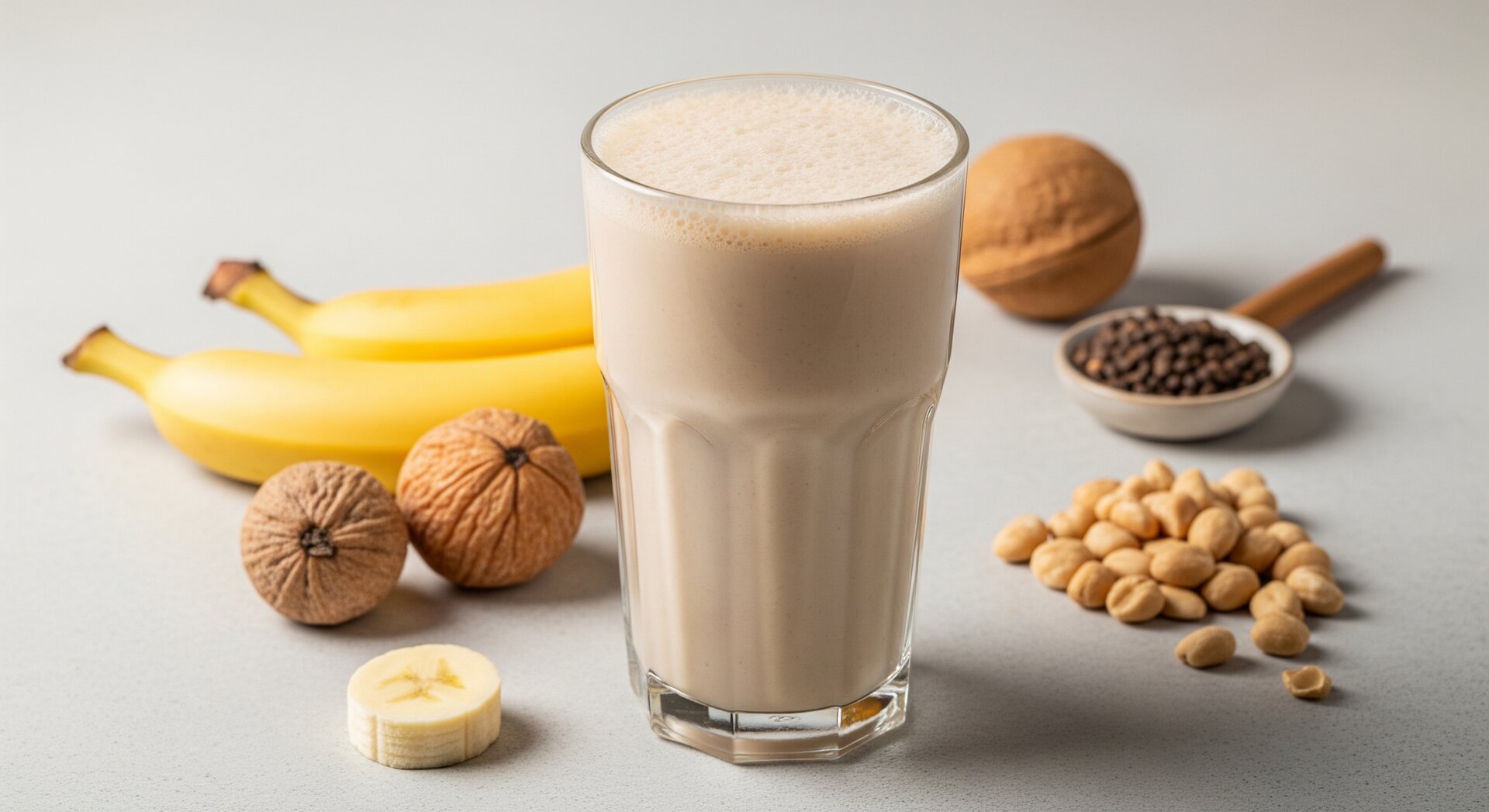 Banana-Date Shake with Walnuts 5 min Hearty shake with Medjool dates, walnuts and Greek yogurt
  1024 kcal
  35g protein 2 synergies
 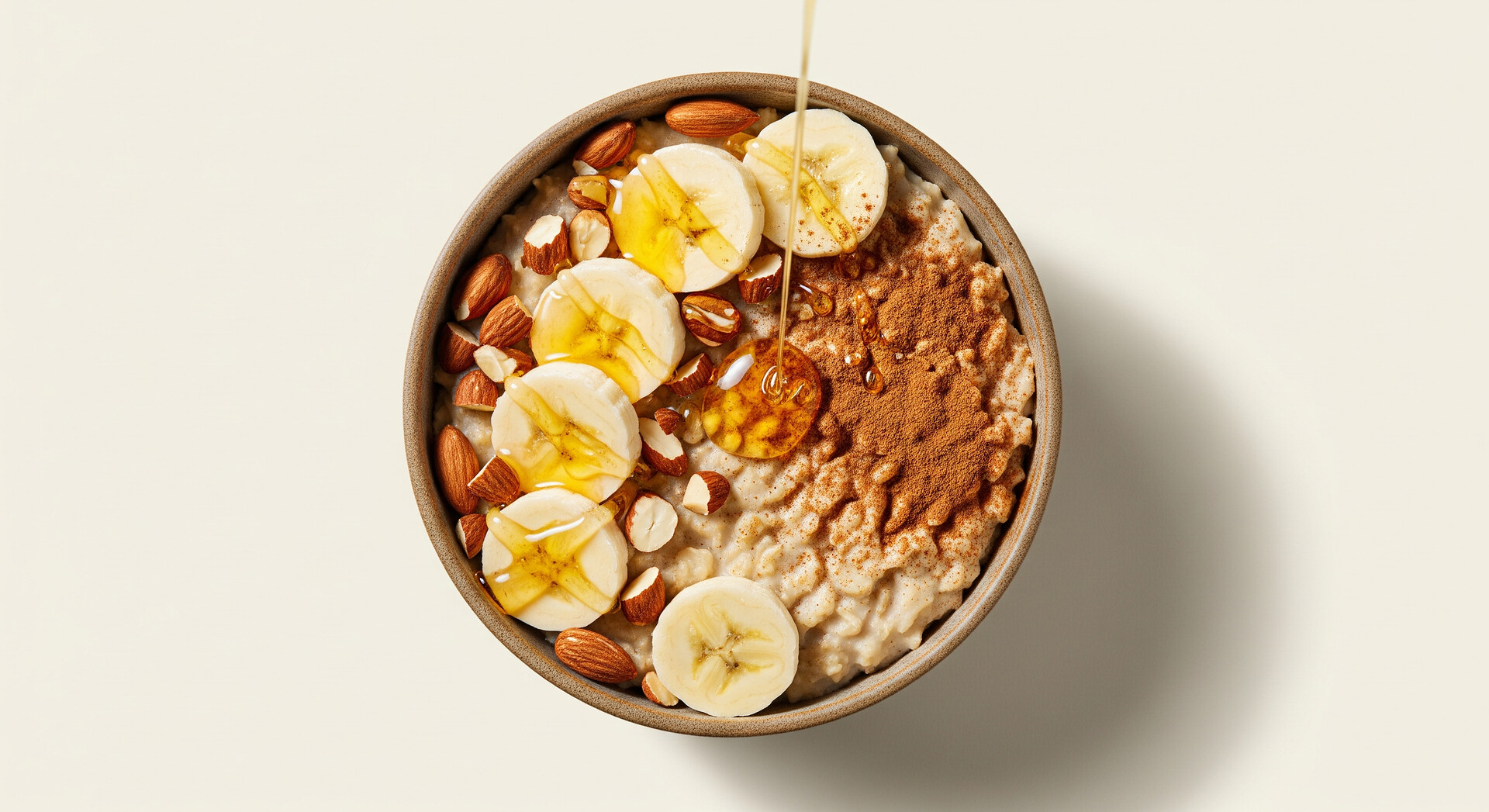 Banana Oatmeal Bowl 12 min Warm oatmeal with banana, almonds, honey and cinnamon 420 kcal 14g protein 3 synergies
 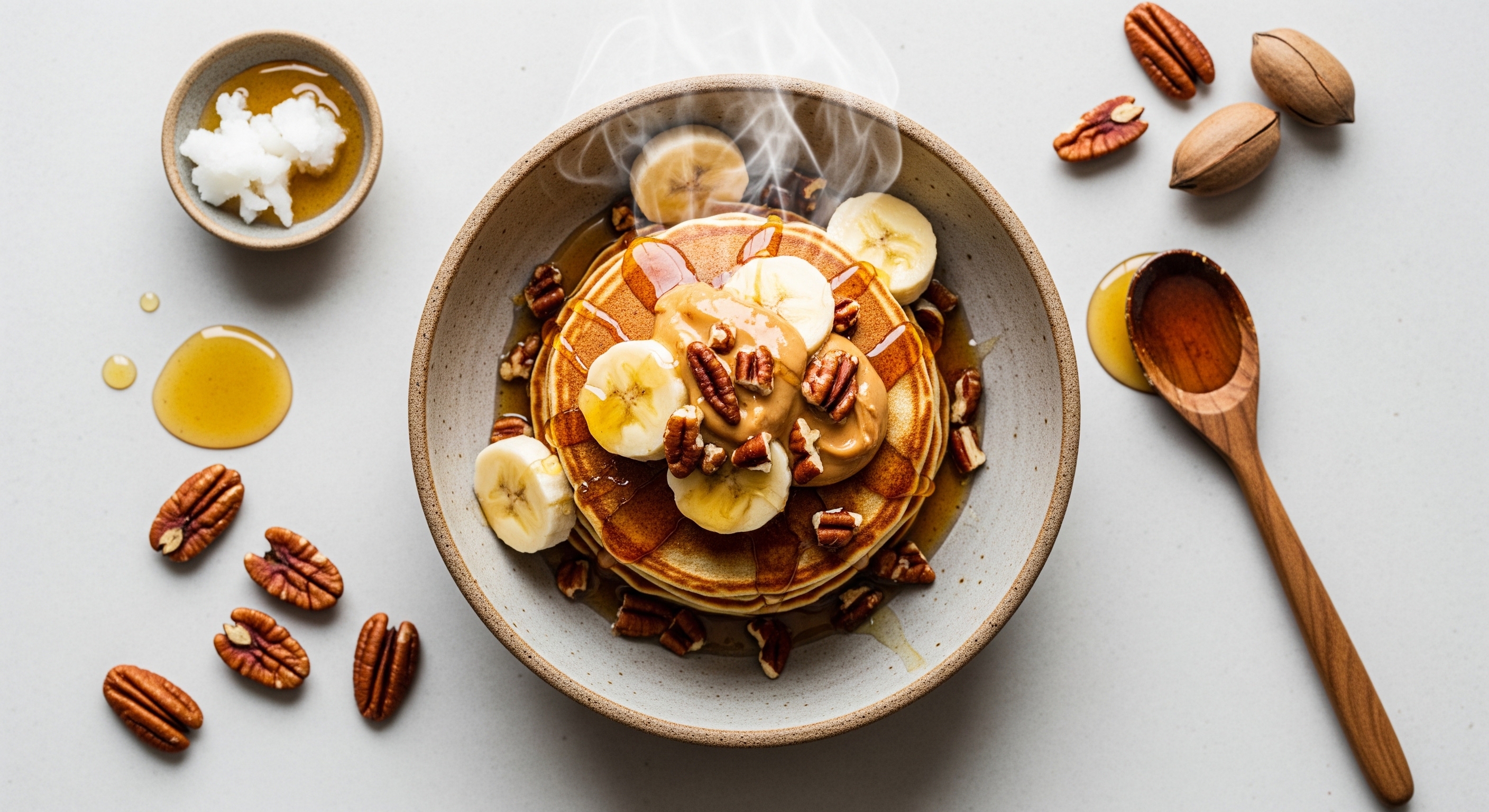 Banana Pancakes with Nuts & Honey 25 min Fluffy oat pancakes with crunchy pecan nuts and golden honey 738 kcal 25g protein 2 synergies
 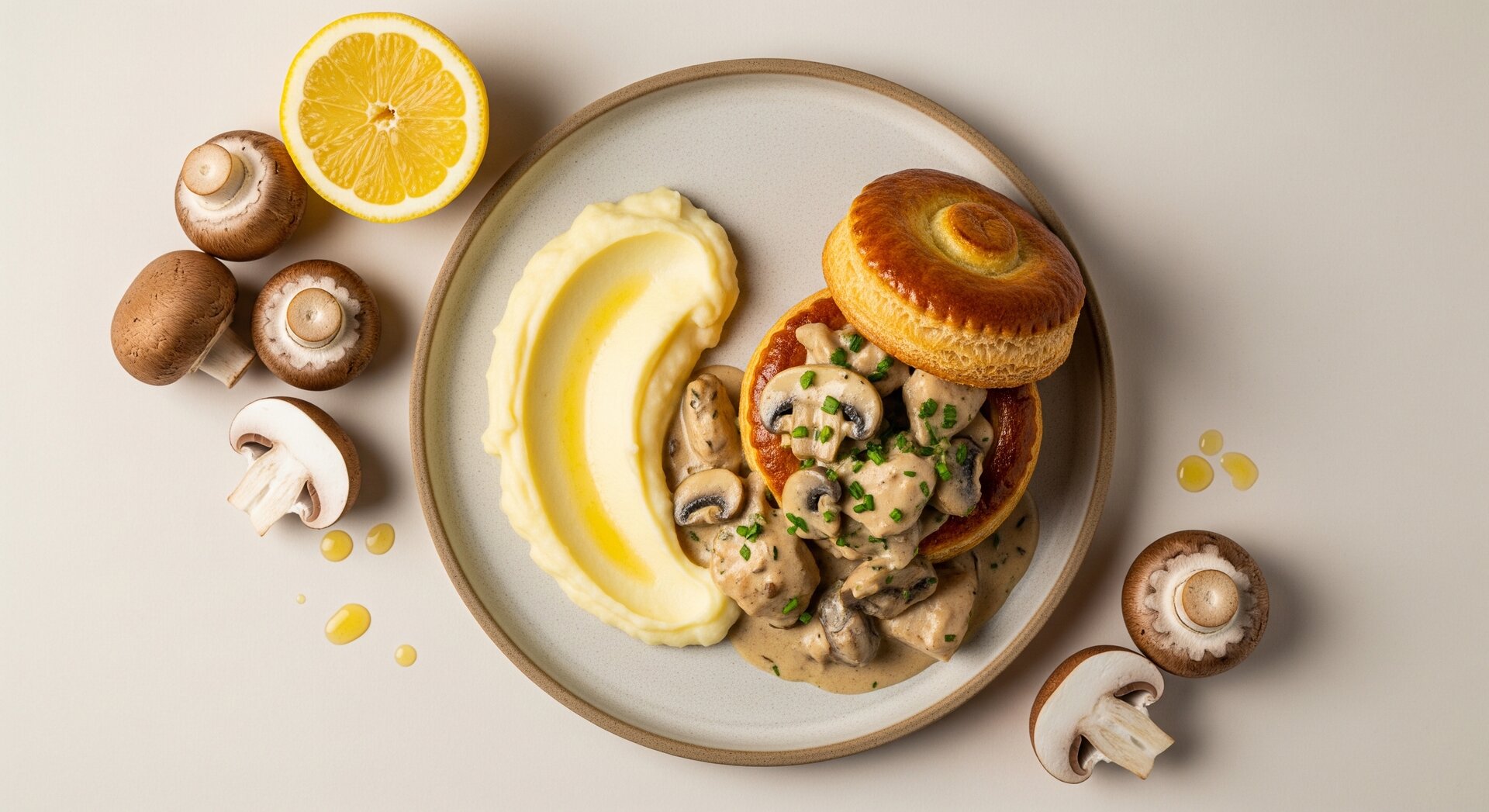 Belgian Vol-au-Vent with Mashed Potatoes 70 min Creamy chicken ragout with mushrooms, leek and soft mash 735 kcal 43g protein 2 synergies
 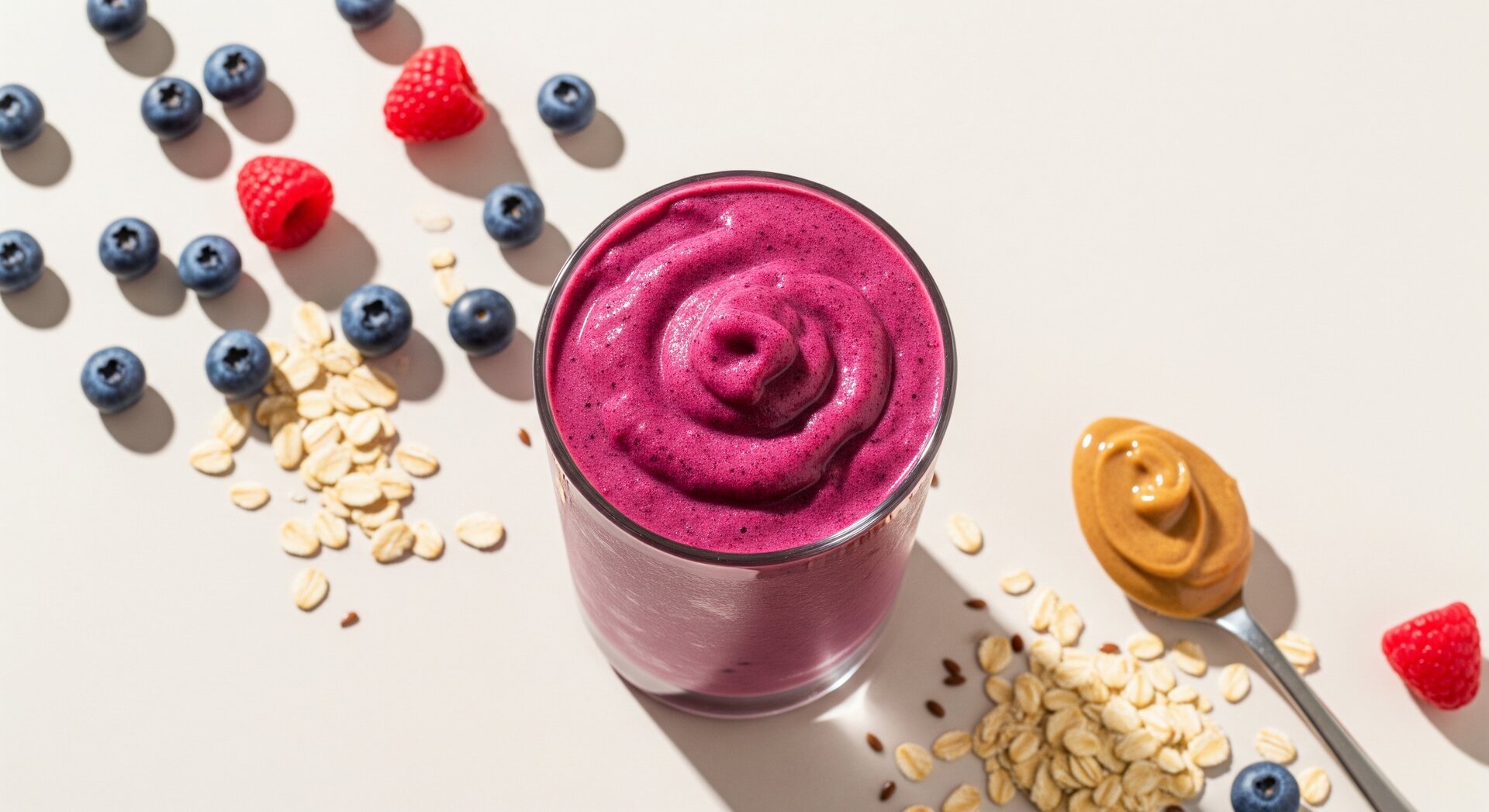 Berry-Oat Shake 5 min Hearty shake with blueberries, raspberries and flaxseed 953 kcal 45g protein 2 synergies
 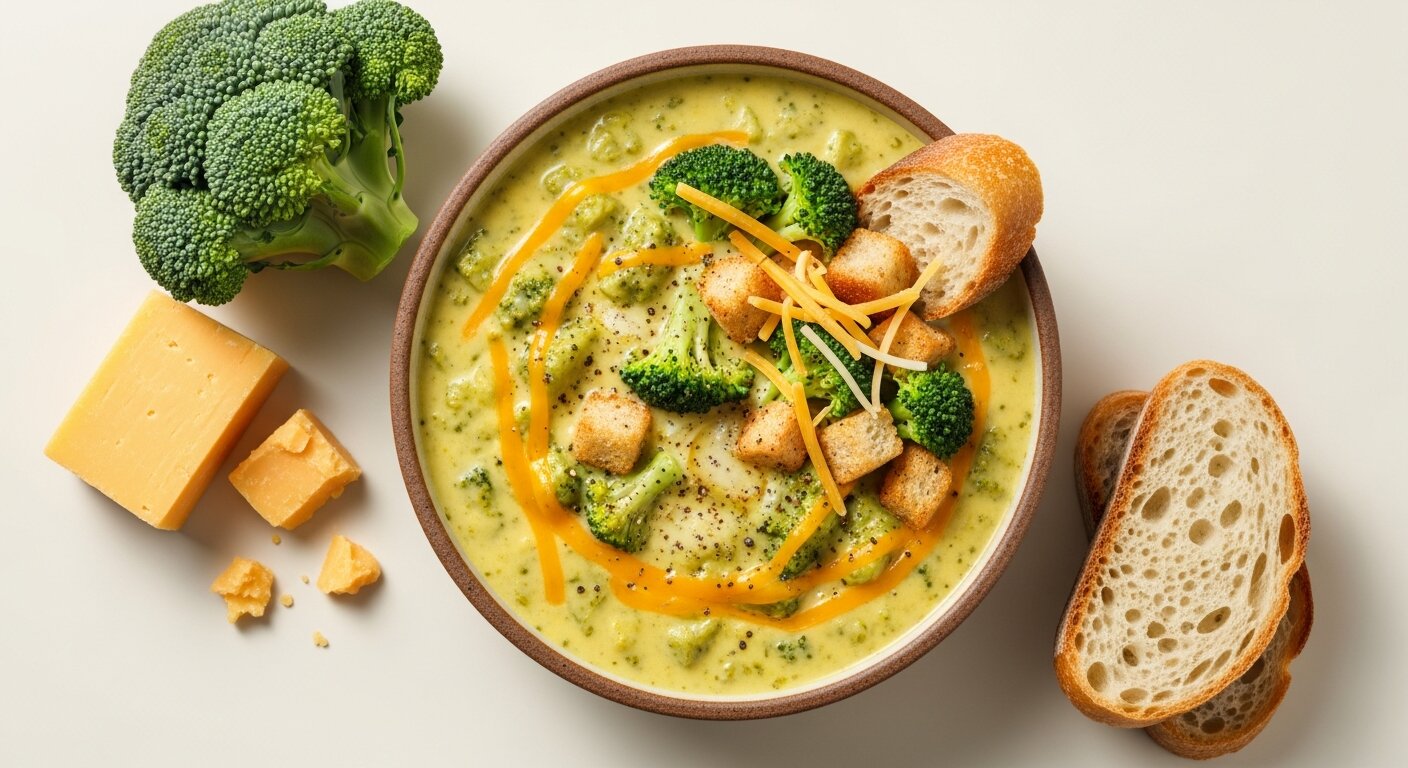 Broccoli Cheddar Soup 40 min Creamy soup with broccoli, aged cheddar and a hint of nutmeg 430 kcal 20g protein 2 synergies
  In the Kitchen
Storage
Location:Refrigerator
Shelf life:7-10 dagen na openen, zie houdbaarheidsdatum
Store in the coldest spot in the fridge (not in the door). Always smell before use.
Preparation
Use in porridge, smoothies, sauces or drink pure. Heat slowly to prevent scorching.
Substitutes
Smart preparation
1Heat milk slowly and stir regularly to prevent burning.
2Rinse the pan with cold water before heating milk.
Why?
The water layer prevents milk proteins from sticking to the bottom.
3Use room temperature milk for batter and dough.
Why?
Cold milk can cause butter to solidify and create lumps.
Caution / Warnings
Milk is very safe, but there are scientific considerations:
Lactose Intolerance Moderate
Inability to digest milk sugar (lactose)
Advice:
Choose lactose-free milk or plant alternatives. Some people tolerate fermented dairy (yogurt, kefir) better
Milk Allergy Severe
Allergic reaction to milk proteins (casein or whey)
Advice:
Avoid all dairy products. Choose plant-based alternatives
Traditional use
Ayurveda
Milk in Ayurveda
In Ayurveda, warm milk is considered one of the most sattvic foods, calming and building for all tissues.
Islamic tradition
Milk in Islamic Tradition
Milk has a special status in Islamic tradition and is mentioned in the Quran as a pure drink and sign of God's blessings.
Summary
Choose whole milk for best nutritional value - the fats help absorb vitamins. Don't drink milk ice cold for better digestion. Warm milk before bed is a tradition with scientific basis (tryptophan).