Turmeric
The golden root where preparation makes the difference
What is this ingredient?
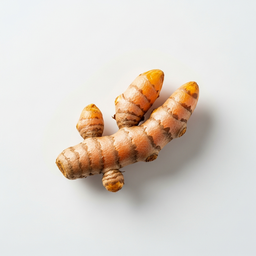
Turmeric (Curcuma longa), also called yellow root, is the bright yellow powder that gives curry its color. Fresh, it resembles a smaller ginger root with a bright orange interior. What makes turmeric unique is its paradox: its characteristic compound curcumin makes up only 3-5% and is barely absorbed by your gut. Only when combined with piperine (from black pepper) and a fat source does absorption increase up to 20x. This makes turmeric one of the few ingredients where preparation matters as much as the ingredient itself.
How does it taste?
Earthy-bitter with a warm, slightly mustardy undertone. Fresh, the flavor is milder and fresher than powder, with a subtle citrus note.
Pairs well with:
Pairs well with gingercoconut milkcumincoriander and cinnamon. Black pepper is essential for absorption.
Did you know...?
- Marco Polo described turmeric in 1280 as 'a plant that has all the properties of saffron' — but turmeric is botanically unrelated to saffron.
- Turmeric's bright yellow color is so intense that it has been used in India for centuries as a textile dye. Buddhist monks dye their robes with it.
- Your body absorbs only ~1% of curcumin without help. With black pepper, absorption increases by 2000% (Shoba et al., 1998).
Nutritional Value & Energy
Per 100g
Turmeric provides energy thanks to natural nutrients , buffered by fiber.
Per 100g
Minerals
Vitamins
Omega-3 fatty acids
More nutrients
Trace Minerals
What's in a serving?
Remarkably high iron content for a spice (41.4 mg/100g). One tablespoon in a curry provides 27% of your daily needs.
Contains potassium (2525 mg/100g), but at normal kitchen usage (3-9g) the contribution is modest.
Remarkably high iron content for a spice (41.4 mg/100g). One tablespoon in a curry provides 27% of your daily needs.
Contains potassium (2525 mg/100g), but at normal kitchen usage (3-9g) the contribution is modest.
Contains magnesium (193 mg/100g). A tablespoon in a dish contributes modestly to your daily intake.
Contains zinc (4.4 mg/100g). Interesting as a supplement in plant-based diets, where zinc can be harder to obtain.
Fresh turmeric root contains vitamin C (25.9 mg/100g). Dry powder loses most of it during processing.
% of daily reference intake (DRI)
EU-approved nutrition claims
This ingredient contains nutrients for which EFSA-authorized health claims exist (at nutrient level, not ingredient-specific).
Approved health claims (EU)
Iron EU 432/2012
Iron contributes to normal energy-yielding metabolism
Contains 41.4mg/100g (threshold: ≥2.1mg/100g)
Iron EU 432/2012
Iron contributes to the reduction of tiredness and fatigue
Contains 41.4mg/100g (threshold: ≥2.1mg/100g)
Iron EU 432/2012
Iron contributes to normal cognitive function
Contains 41.4mg/100g (threshold: ≥2.1mg/100g)
Iron EU 432/2012
Iron contributes to normal formation of red blood cells and haemoglobin
Contains 41.4mg/100g (threshold: ≥2.1mg/100g)
Iron EU 432/2012
Iron contributes to normal oxygen transport in the body
Contains 41.4mg/100g (threshold: ≥2.1mg/100g)
Iron EU 432/2012
Iron contributes to the normal function of the immune system
Contains 41.4mg/100g (threshold: ≥2.1mg/100g)
Iron EU 432/2012
Iron has a role in the process of cell division
Contains 41.4mg/100g (threshold: ≥2.1mg/100g)
Comparison
vsgember
Turmeric and ginger are family (Zingiberaceae). Turmeric has more iron and a bitter taste; ginger is sharper and better absorbed without help.
vssaffraan
Both give a yellow color, but saffron tastes floral-honeyed, while turmeric is earthy-bitter. Turmeric is 100x cheaper.
What's being researched?
Curcumin and inflammatory processes
Curcumin is one of the most studied plant compounds worldwide in relation to inflammatory processes. Laboratory research shows interesting results, but human studies so far give a mixed picture — partly because the body absorbs curcumin in limited amounts.
Supported by: [1] Lim W (2016) , [3] Takada (2004)
Curcumin and brain research
Researchers are studying whether curcumin can influence the production of certain growth factors in the brain. Turmerone, a compound from fresh turmeric root, showed interesting results in animal studies. It remains a challenge to determine how much of these findings also apply to humans.
Supported by: [2] Hucklenbroich (2014) , [5] Sanmukhani (2014)
Curcumin and blood vessels
Early research is looking at whether curcumin can influence the flexibility of blood vessel walls. In a small number of studies, results were observed that were comparable to the effect of regular exercise. Larger-scale research still needs to confirm this.
Supported by: [6] Akazawa (2012)
Curcumin and joint research
A small-scale study with 45 participants compared curcumin to a common painkiller for joint complaints. In that study, curcumin showed favorable results with fewer side effects. This is promising, but larger studies are needed to confirm it.
Supported by: [4] Chandran (2012)
Absorption and black pepper
The body naturally absorbs curcumin in limited amounts. Research by Shoba et al. showed that piperine (the compound that makes black pepper spicy) increases absorption up to 20 times. This explains why turmeric is almost always combined with pepper in traditional cuisines.
Supported by: [7] Shoba (1998)
Curcumin and the gallbladder
Research shows that curcumin influences biliary biomarkers. The more you use, the stronger the effect. This explains why turmeric has traditionally been used after heavy meals, but also why people with gallstones should be cautious.
Supported by: [8] Rasyid (2002)
Good Combinations (Synergy)
Combine turmeric smartly to enhance the effect:
Turmeric 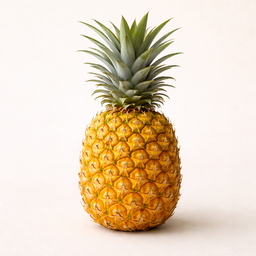 Pineapple
 Bromelain from pineapple enhances curcumin absorption
Bromelain and curcumin have complementary anti-inflammatory effects (PMID: 15588653)
Technical: Pineapple contains bromelain (80-100mg per 100g), a proteolytic enzyme that influences COX-2 and TNF-alpha. Turmeric contains curcumin (3-5%) that addresses multiple biochemical signaling pathways. Together they influence multiple biochemical pathways simultaneously. Bromelain also improves curcumin absorption.
What does this mean for you? Make a golden pineapple smoothie with turmeric and black pepper (for 2000% better curcumin absorption). This combination contains bioactive compounds working via different pathways.
Turmeric 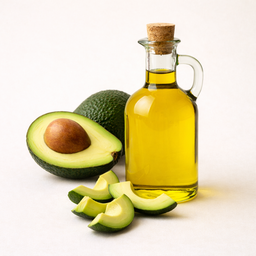 Avocado Oil
 High smoke point + fat increases curcumin absorption 8-10x
Technical: Avocado oil has the highest smoke point of all oils (271°C) and contains 70% oleic acid (omega-9). Curcumin is fat-soluble and barely absorbed without fat (<1% bioavailability). Avocado oil increases bioavailability by 8-10x through effective micelle formation in the gut. Combination with piperine (black pepper) inhibits CYP3A4 and increases absorption by another 2000%.
What does this mean for you? Make golden milk with avocado oil, turmeric and black pepper. Or sauté turmeric in avocado oil — thanks to the high smoke point you can cook at high temperatures without damaging the oil.
Turmeric 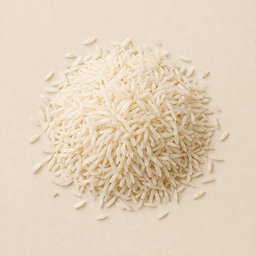 Basmati Rice
 High amylose + curcumin for glycemic balance
Technical: Basmati rice has a high amylose content (22-25%) resulting in slower starch digestion and a GI of 50-58 (vs. 68-80 for jasmine rice). Curcumin from turmeric activates AMPK (AMP-activated protein kinase), an enzyme that stimulates glucose uptake in muscles independently of insulin. This dual mechanism — slow release + improved uptake — minimizes blood sugar fluctuations.
What does this mean for you? Yellow rice (basmati with turmeric) isn't just beautiful on your plate — it's biochemically superior to plain white rice. The turmeric helps your body process glucose from rice more efficiently.
Turmeric 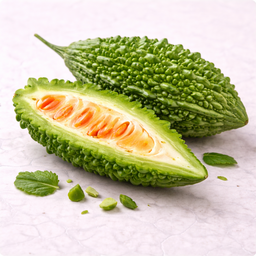 Bitter Melon
 Charantin + curcumin: double AMPK activation
Technical: Bitter melon contains charantin that activates AMPK and stimulates GLUT4 translocation to the cell surface. Curcumin from turmeric modulates TNF-α and NF-κB signaling. Together they influence glucose metabolism via two independent routes: direct GLUT4 activation and NF-κB modulation.
What does this mean for you? Combine bitter melon with turmeric in a curry or stir-fry. Two bioactive compounds each influencing glucose metabolism through their own pathway. Always add black pepper for better curcumin absorption.
Turmeric 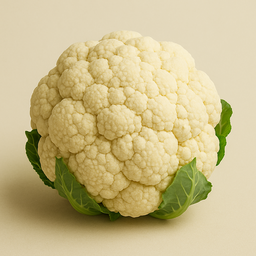 Cauliflower
 Sulforaphane + curcumin: double NF-κB modulation
Technical: Cauliflower's sulforaphane activates the Nrf2 pathway for phase-II enzyme production. Sulforaphane and curcumin from turmeric are studied in research in connection with NF-κB and COX-2 signaling, each via its own route (IKK and IκBα respectively).
What does this mean for you? Cauliflower-turmeric curry (Gobi Masala) is an Indian classic. It combines two intensively studied plant compounds — sulforaphane and curcumin. Add black pepper for 2000% better curcumin absorption.
Turmeric 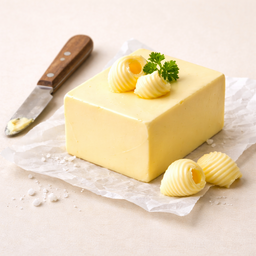 Butter
 Fat from butter increases curcumin absorption (with black pepper up to 2000x)
Fat + piperine drastically increase curcumin bioavailability (PMID: 9619120)
Technical: Curcumin from turmeric is fat-soluble with bioavailability below 1% without fat. Butter contains saturated fat that dissolves curcumin and increases absorption 7-8x. Combined with piperine from black pepper (which inhibits liver enzymes) absorption rises to 2000%. This explains why 'golden milk' is traditionally prepared with fat and pepper.
What does this mean for you? Make golden milk with butter (or ghee), turmeric and a pinch of black pepper. Without fat and pepper your body absorbs almost nothing from the turmeric.
Turmeric 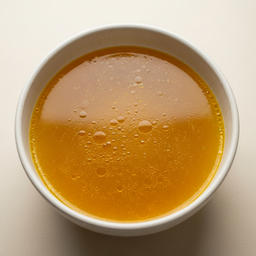 Bone Broth
 Double joint support
Technical: Bone broth provides collagen type II peptides (glycine, proline) that support cartilage repair, plus glucosamine and chondroitin sulfate from the cooking process. Curcumin from turmeric modulates NF-κB signaling — involved in inflammatory processes that activates cartilage breakdown (via MMP enzymes). Together they offer cartilage building + protection against breakdown.
What does this mean for you? Add turmeric (with a pinch of black pepper) to your warm bone broth. The broth provides building material for your cartilage, the turmeric protects it from breakdown. Ideal for joint pain, osteoarthritis or sports injuries.
Turmeric 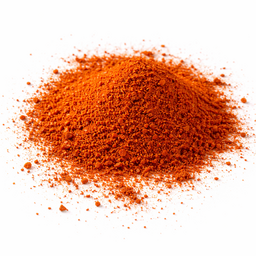 Cayenne Pepper
 Capsaicin increases curcumin absorption
Technical: Capsaicin from cayenne increases intestinal mucosa permeability via TRPV1 activation, allowing larger molecules like curcumin to be better absorbed. This mechanism is similar to but independent from the piperine effect. Capsaicin's thermogenic action also enhances blood flow to the gut.
What does this mean for you? Combine cayenne with turmeric in curries or soups. The cayenne helps your gut absorb more curcumin — a different mechanism than black pepper, so adding both is optimal.
Turmeric 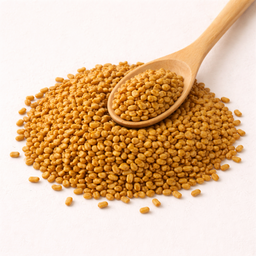 Fenugreek
 Ayurvedic combination for glycemic and bioactive support
Technical: Fenugreek contains diosgenin (steroidal saponin) that activates GLUT4 transporters and supports glucose uptake. Turmeric's curcumin modulates NF-kB signaling pathways and supports glucose metabolism. Together they provide dual glycemic support + bioactive action — the basis of many Ayurvedic preparations.
What does this mean for you? Fenugreek + turmeric is a classic Ayurvedic combination. The fenugreek supports glucose uptake, the turmeric the signaling pathways — together a golden duo.
Turmeric 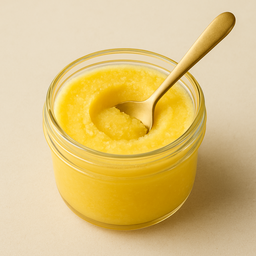 Ghee
Ghee Traditional Ayurvedic combination for maximum curcumin absorption
Technical: Curcumin is fat-soluble with only ~1% bioavailability without dietary fat. Ghee contains short- and medium-chain fatty acids that are rapidly absorbed, plus butyrate that nourishes gut epithelial cells. The saturated fats in ghee form stable micelles that make curcumin 7-8x more absorbable. In the Ayurvedic tradition, turmeric has been combined with ghee for 3000+ years (haldi doodh).
What does this mean for you? Melt a teaspoon of ghee and stir in turmeric and black pepper — this is the basis of 'golden milk' and one of the oldest food combinations in the world. Without the fat, you absorb almost none of the curcumin.
Turmeric 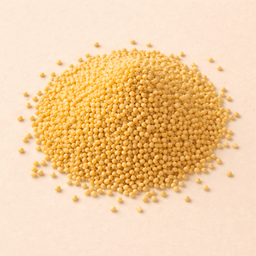 Millet
 Synergistic bioactive action via ferulic acid and curcumin
Ferulic acid and curcumin inhibit NF-κB inflammatory pathway via complementary mechanisms
Technical: Millet contains ferulic acid (phenolic antioxidant) that influences NF-kB signaling and COX-2 activity. Curcumin from turmeric also modulates NF-kB but via different binding sites, plus LOX-5 influence. Together they offer broad-spectrum bioactive action via multiple molecular pathways.
What does this mean for you? Millet with turmeric (as in Indian khichdi) is a powerful bioactive combination. Both spices work via different molecular pathways — together broader than apart.
Turmeric 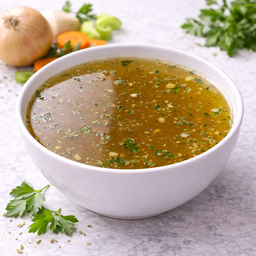 Vegetable Broth
 Mineral-rich broth + curcumin for immune and recovery
Technical: Vegetable broth contains leached minerals (potassium, magnesium, sodium) and glutamate (umami flavor). Turmeric's curcumin (3-5%) modulates NF-kB and COX-2 signaling pathways. The warm broth increases curcumin bioavailability by improving solubility (heat + aqueous matrix). Glutamate in broth also activates T-cell receptors.
What does this mean for you? Add turmeric (plus black pepper) to vegetable broth for a powerful recovery soup. Ideal when you're feeling unwell or recovering from exertion.
Turmeric 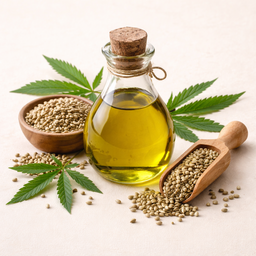 Hemp Seed Oil
 GLA + curcumin: complementary biochemical pathways via prostaglandins and NF-κB
Technical: Hemp seed oil contains 2-4% GLA (gamma-linolenic acid), a unique omega-6 fatty acid. GLA is converted to DGLA → PGE1 (prostaglandin E1) — the opposite of regular omega-6. Curcumin from turmeric modulates NF-κB and COX-2 via a different pathway. Together they reach two complementary biochemical pathways: GLA via prostaglandin modulation, curcumin via transcription factor modulation.
What does this mean for you? Make a dressing of hemp seed oil with turmeric and black pepper — DON'T heat, because both GLA and curcumin are heat-sensitive. Use it cold over salads or vegetables.
Turmeric 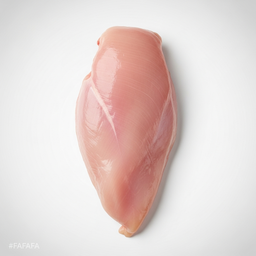 Chicken Breast
 Classic curry combination with complementary bioactive action
Technical: Chicken breast provides 31g protein per 100g with high leucine content (2.4g) for muscle protein synthesis (mTOR activation). After intense exercise, inflammatory processes occur, in part via NF-κB signaling. Curcumin directly modulates NF-κB, supporting muscle recovery without blocking the adaptive training response. Chicken proteins provide building material, curcumin optimizes the recovery process.
What does this mean for you? Make a chicken-turmeric curry as a post-workout meal. The chicken provides proteins for muscle building, the turmeric may support muscle recovery after training. Add black pepper and coconut milk for optimal curcumin absorption.
Turmeric 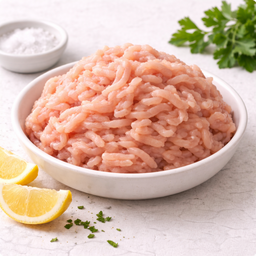 Minced Chicken
 Chicken fat increases curcumin absorption while piperine enhances it 2000%
Technical: Chicken mince contains 8-15g fat per 100g that dissolves curcumin (fat-soluble) into micelles. Curcumin modulates NF-κB, COX-2 and LOX pathways. Piperine from black pepper (5-9%) inhibits UGT glucuronidation in liver and intestine, increasing curcumin bioavailability by 2,000% (Shoba et al., 1998). Chicken mince also provides tryptophan (250mg/100g) — precursor for serotonin, which remains active longer through curcumin's MAO modulation.
What does this mean for you? Make chicken meatballs with turmeric and black pepper — Indian kofta style. The chicken fat dissolves the curcumin, the pepper ensures 20x better absorption. Ideal for joint support or as daily bioactive supplementation.
Turmeric 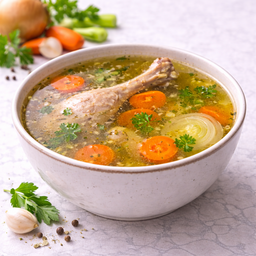 Chicken Stock
 Collagen + curcumin for joints and bioactive support
Technical: Chicken broth contains type II collagen and glycine that support joint cartilage. Turmeric's curcumin modulates NF-kB signaling pathways. The fat in broth increases curcumin absorption.
What does this mean for you? Add turmeric to your chicken broth. The collagen supports your joints, the curcumin provides bioactive support — and the fat in the broth helps curcumin absorption.
Turmeric 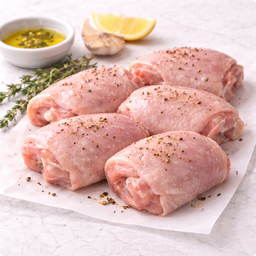 Chicken Thighs
 Thigh fat increases curcumin absorption for joint and bioactive support
Technical: Chicken thighs contain 10-14g fat per 100g (more than breast: 3g), of which 30% MUFA and 20% PUFA. This higher fat content creates superior micelles for curcumin absorption compared to lean meat. Curcumin (diferuloylmethane) is studied in research in connection with NF-κB and COX-2 signaling (IC50 1-5μM). The iron in chicken thighs (1.3mg/100g heme iron) is protected from oxidation by curcumin's iron-chelating properties.
What does this mean for you? Chicken thighs with turmeric (yellow braised) works better than chicken breast with turmeric — the extra fat from the thighs dissolves more curcumin. Perfect for a curry or roasted chicken thighs with turmeric paste.
Turmeric 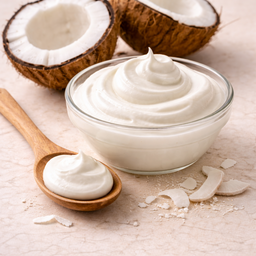 Coconut Cream
 Coconut fat significantly increases curcumin absorption
Technical: Curcumin is fat-soluble with low bioavailability (<1%) in aqueous solution. Coconut cream contains 34% fat (of which 50% lauric acid), forming lipid micelles that transport curcumin through the intestinal wall. The higher fat content of cream versus milk makes this even more effective.
What does this mean for you? Use coconut cream instead of coconut milk for golden milk or curry with turmeric — the extra fat ensures better absorption of curcumin.
Turmeric 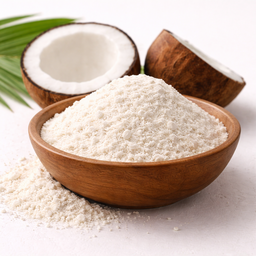 Coconut Flour
 MCTs in coconut flour significantly increase curcumin absorption
Technical: Coconut flour contains MCTs (medium-chain triglycerides) that increase curcumin bioavailability. MCTs pass directly through the gut wall and transport fat-soluble compounds like curcumin more efficiently.
What does this mean for you? Use coconut flour in curries or bake golden latte muffins with coconut flour and turmeric. Add black pepper for 2000% extra boost.
Turmeric 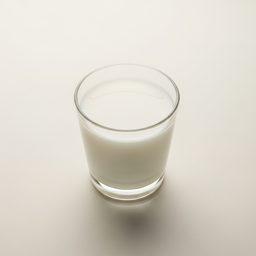 Coconut Milk
 Golden Milk base - optimal curcumin absorption
Technical: Curcumin from turmeric is fat-soluble with bioavailability below 1% without fat. Coconut milk contains lauric acid and other MCTs that dissolve curcumin and significantly increase gut absorption. MCTs are also rapidly absorbed, efficiently transporting curcumin. This is the principle behind traditional Golden Milk.
What does this mean for you? Make golden milk with coconut milk as base — the coconut fat ensures your body actually absorbs the curcumin. Always add a pinch of black pepper for maximum effect.
Turmeric 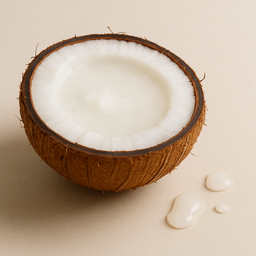 Coconut Oil
 Improves absorption because curcumin is fat-soluble
Technical: Curcumin is fat-soluble and must be bound to fat to pass through the intestinal wall — without fat, bioavailability is only ~1%. Coconut oil contains 60% MCTs (medium-chain triglycerides) that are absorbed very quickly and effectively carry curcumin through the gut wall. The lauric acid component (48%) works via a complementary biochemical pathway.
What does this mean for you? Add a teaspoon of coconut oil to your turmeric milk, curry or smoothie. Coconut oil is one of the best 'carriers' for curcumin thanks to rapid MCT absorption. Don't forget black pepper for an extra 2000% absorption boost.
Turmeric 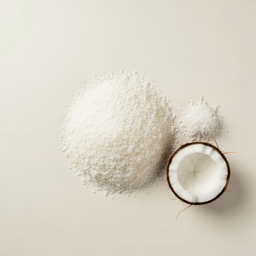 Desiccated Coconut
 MCTs in desiccated coconut improve curcumin absorption
Technical: Desiccated coconut contains 65g fat per 100g, mostly MCTs that are rapidly absorbed. These MCTs form a lipid matrix that efficiently transports fat-soluble curcumin from turmeric through the gut wall. The absorption increase is comparable to coconut milk but in concentrated solid form.
What does this mean for you? Use desiccated coconut together with turmeric in curries, energy balls or granola. The coconut fat in the flakes helps your body better absorb the curcumin.
Turmeric 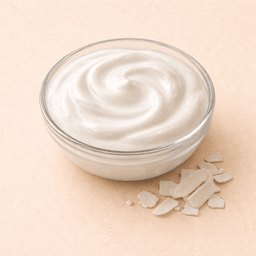 Coconut Yogurt
 MCT fats from coconut increase curcumin absorption up to 10x
MCT emulsions increase curcumin bioavailability by factor 10.6 (PMID: 34067186)
Technical: Coconut yogurt contains 14-18g fat per 100g, 60% being medium-chain triglycerides (MCTs). Curcumin from turmeric is fat-soluble with <1% absorption without fat. MCTs form mixed micelles increasing curcumin solubility and intestinal absorption up to 10x. Lauric acid (C12) additionally stabilizes curcumin micelles.
What does this mean for you? Add turmeric to coconut yogurt (e.g., golden milk bowl). The coconut fats ensure your body absorbs up to 10x more curcumin — a fat-soluble polyphenol that is hardly bioavailable without fat.
Turmeric 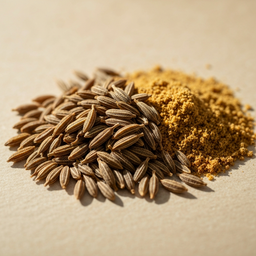 Cumin
Cumin Classic curry base with enhanced digestion
Technical: Cumin promotes production of digestive enzymes (amylase, lipase, protease) and increases bile flow. Turmeric's curcumin modulates NF-κB and COX-2 signal transduction and supports hepatobiliary activity via bile stimulation. Together they provide enhanced digestion + bioactive action.
What does this mean for you? Cumin + turmeric is the base of every curry. The cumin promotes your digestion, the turmeric adds bioactive action — the perfect combination for a nutritious curry.
Turmeric 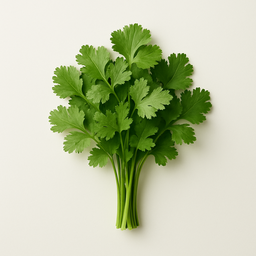 Cilantro
 Linalool + curcumin for enhanced bioactive action
Technical: Coriander's linalool and coriander oil are studied in relation to lipoxygenase modulation. Turmeric's curcumin modulates NF-κB and COX-2 signal transduction. Together they cover more bioactive signaling pathways than each herb alone.
What does this mean for you? Use coriander and turmeric together in curries and Indian dishes — a traditional combination that is scientifically supported.
Turmeric 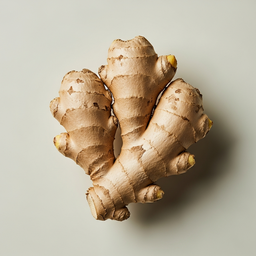 Ginger
 Enhanced bioactive action via two pathways
Technical: Turmeric and ginger belong to the same plant family (Zingiberaceae). Curcumin (turmeric) modulates NF-kB, while gingerol (ginger) modulates COX-2 and LOX (lipoxygenase). Because they target different signaling pathways, they enhance each other's bioactive action.
What does this mean for you? Turmeric + ginger in curry, soup or tea — two related spices that work bioactively via different pathways. Broader together than alone.
Turmeric 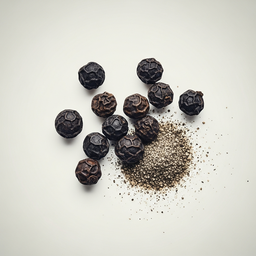 Black Pepper
 Increases curcumin absorption by 2000%
Technical: Curcumin from turmeric has bioavailability below 1% due to rapid glucuronidation in the liver. Piperine from black pepper inhibits UGT (UDP-glucuronosyltransferase) and CYP3A4, preventing curcumin breakdown. This increases bioavailability by 2000% (20x). Use ratio ¼ teaspoon pepper to 1 teaspoon turmeric.
What does this mean for you? ALWAYS add black pepper when using turmeric. Without pepper your body absorbs virtually nothing — with pepper 20x more. This is the most important food synergy there is.
Turmeric 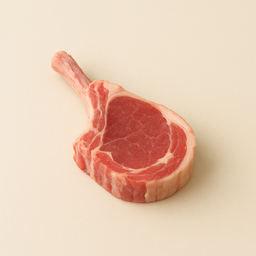 Lamb
Lamb Turmeric modulates the inflammatory response to red meat
Technical: Red meat contains arachidonic acid that is converted via COX-2 and LOX enzymes into pro-inflammatory eicosanoids (PGE2, leukotrienes). Curcumin modulates NF-κB — the transcription factor regulating COX-2 expression — thereby modulating the inflammatory response to red meat. The fat in lamb serves as a fat-soluble carrier improving curcumin absorption.
What does this mean for you? Add turmeric to lamb dishes — as marinade, in a curry or tagine. The turmeric modulates the mild inflammatory response that red meat can cause. Always add black pepper for 2000% better curcumin absorption.
Turmeric 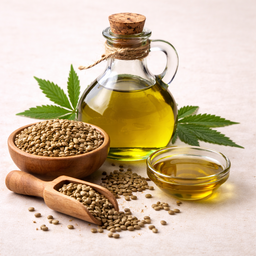 Flaxseed Oil
 ALA omega-3 + curcumin + piperine: three complementary biochemical pathways
Technical: Flaxseed oil provides 53g ALA omega-3 per 100ml — the most concentrated plant omega-3 source. ALA converts to EPA (5-10% conversion) producing series-3 prostaglandins. Curcumin (2-5% in turmeric) modulates NF-κB with IC50 1-5μM. Piperine from black pepper (5-9%) inhibits glucuronidation, increasing curcumin bioavailability by 2,000%. Flaxseed oil dissolves curcumin (fat-soluble) and the three compounds reach complementary biochemical pathways.
What does this mean for you? Mix flaxseed oil with turmeric and black pepper as golden dressing (cold). Three bioactive compounds in one dressing that work via complementary pathways. Don't heat — ALA is heat-sensitive.
Turmeric 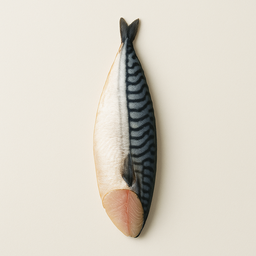 Mackerel
 Omega-3 fats are the perfect carrier for curcumin
Anand P et al. (2007) in Molecular Pharmaceutics showed that fat-soluble curcumin is better absorbed with fats. Mackerel contains 2.6g omega-3 per 100g.
Technical: Mackerel contains 2.6g omega-3 fatty acids (EPA+DHA) per 100g — rich fat-soluble carriers. Curcumin has a bioavailability of only 1-2% without fat carriers, as the hydrophobic molecule barely passes the intestinal wall. The omega-3 fats in mackerel form micelles that encapsulate curcumin and increase absorption by 7-8x. Additionally, omega-3 and curcumin work via complementary biochemical pathways: omega-3 via resolvins, curcumin via NF-κB modulation.
What does this mean for you? Make a yellow fish curry with mackerel, turmeric and black pepper. The fish provides the fat curcumin needs, and piperine increases absorption by another 2000%. Three bioactive compounds working via complementary pathways.
Turmeric 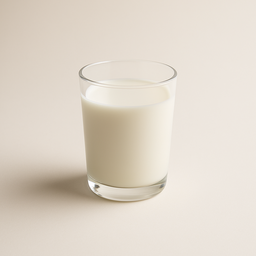 Milk
Milk Golden milk: fats + piperine = 2000% better curcumin absorption
Technical: Milk fat dissolves fat-soluble curcumin and forms micelles improving gut absorption. Piperine from black pepper inhibits the enzyme CYP3A4 and glucuronidation in the liver, preventing curcumin from being immediately broken down. This dual mechanism — better absorption + slower breakdown — increases bioavailability to 2000% (20x). The basis of traditional golden milk.
What does this mean for you? Make golden milk with warm milk, turmeric and a pinch of black pepper. Without the milk fat and pepper your body absorbs virtually nothing from the turmeric — with both ingredients up to 20x more.
Turmeric 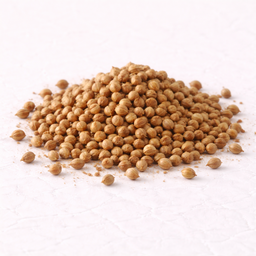 Mustard Seeds
 Allyl isothiocyanate + curcumin for dual bioactive action
Technical: Mustard seed contains sinigrin that when ground is converted by myrosinase into allyl isothiocyanate (AITC) — an isothiocyanate that activates the Nrf2 pathway for antioxidant enzyme production. Turmeric's curcumin modulates NF-κB signal transduction. Together they activate defense (Nrf2 via mustard) and modulate signaling cascades (NF-κB via turmeric) — the two main pillars of cellular defense. Studies show isothiocyanates + curcumin work synergistically against colon cancer.
What does this mean for you? Use mustard seed with turmeric in curries, marinades or dressings. The mustard activates your own protective enzymes, the turmeric modulates signaling cascades — together a powerful duo.
Turmeric 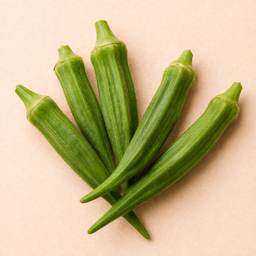 Okra
Okra Double glycemic modulation via mechanical delay and AMPK activation
Okra polysaccharides delay glucose absorption (PMID: 32156377), curcumin activates AMPK and GLUT4 (PMID: 24672885)
Technical: Okra mucilage forms a gel in the gut that mechanically delays glucose absorption, flattening postprandial spikes. Curcumin from turmeric activates the AMPK pathway and stimulates GLUT4 expression. Together they influence glycemic response complementarily: okra slows glucose influx, curcumin modulates cellular glucose uptake via AMPK.
What does this mean for you? Okra curry with turmeric (like bhindi masala) influences glycemic response through two pathways. Okra mechanically slows sugar absorption, turmeric modulates via the AMPK pathway — complementary biochemical mechanisms in one dish.
Turmeric 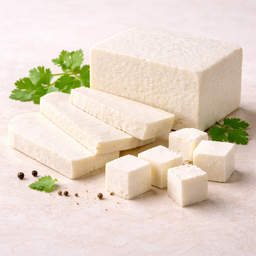 Paneer
 Ayurvedic trio: paneer fat increases curcumin absorption 7-8x
Technical: Paneer contains 22g fat per 100g that dissolves curcumin from turmeric (2-5% curcuminoids). Curcumin, and ginger's gingerols (5-gingerol 80-300mg/100g fresh), are studied in research in connection with NF-κB, COX-2 and LOX signaling. Paneer's fat increases curcumin absorption 7-8x via micelle formation.
What does this mean for you? Paneer tikka masala with turmeric and fresh ginger is Indian nutritional wisdom. The paneer fat ensures the bioactive compounds from spices are actually absorbed — a functional meal with deep culinary roots.
Turmeric 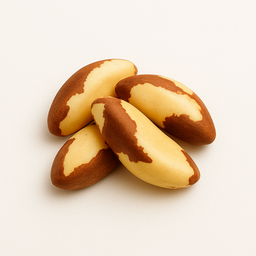 Brazil Nuts
 Selenium + curcumin: complementary antioxidant pathways via selenoproteins and Nrf2 pathway
Technical: Brazil nuts contain 1,917μg selenium per 100g (3,485% RDI) — the most concentrated food source in the world. Selenium activates selenoproteins: glutathione peroxidase (GPx), thioredoxin reductase (TrxR) and selenoprotein P. Curcumin (2-5% in turmeric) modulates NF-κB and activates the Nrf2 pathway — the master regulator of cellular antioxidant enzymes. Selenium and curcumin work via complementary antioxidant pathways: selenium via selenoproteins, curcumin via Nrf2 and phase II enzymes. Brazil nut fat (66g/100g) dissolves curcumin and improves bioavailability.
What does this mean for you? Eat 2-3 brazil nuts per day (not more — selenium is toxic above 400μg) with a turmeric drink. The selenium + curcumin combo works via two complementary antioxidant pathways. Note: maximum 3 brazil nuts per day.
Turmeric 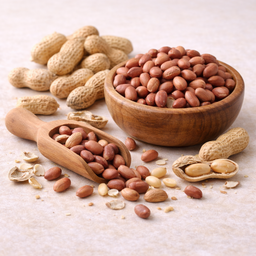 Peanuts
 Resveratrol + curcumin = double SIRT1 activation (longevity)
Technical: Peanuts contain resveratrol (0.05-1.8μg/g) and turmeric contains curcumin (3-5%). Both activate SIRT1 (sirtuins, 'longevity genes') via different mechanisms: resveratrol binds directly to SIRT1, curcumin increases NAD+ (the cofactor SIRT1 needs). This improves mitochondrial function, activates autophagy (cell cleaning) and modulates NF-κB signaling.
What does this mean for you? Use peanuts and turmeric together in a Thai curry or satay sauce. The two compounds activate the same sirtuin genes through two entry points — double effect.
Turmeric 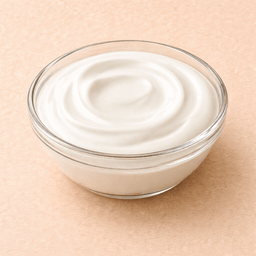 Cream
Cream Milk fat increases curcumin absorption up to 8x
Technical: Cream contains 19.5% milk fat with a unique composition of short-, medium- and long-chain fatty acids. Curcumin from turmeric is fat-soluble with bioavailability below 1% without fat. The phospholipids in cream form micelles that encapsulate curcumin, increasing absorption 7-8x. Short-chain fatty acids (butyric acid) in cream also have their own bioactive properties that complement curcumin's profile.
What does this mean for you? Add a splash of cream to your turmeric sauce or soup. The fat content of cooking cream is just enough to optimally absorb curcumin, without the concentrated calories of pure butter.
Turmeric 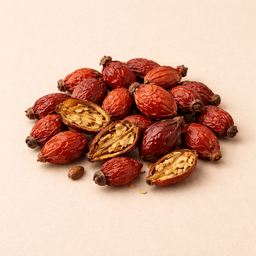 Rosehip
 Complementary joint protection via GOPO and curcumin
GOPO galactolipids inhibit MMP expression and protect cartilage against degradation
Technical: Galactolipids (GOPO) from rose hip inhibit matrix metalloproteinases (MMP) that break down cartilage. Curcumin modulates NF-κB signal transduction. Both support joints via complementary mechanisms: GOPO supports cartilage structurally, curcumin modulates bioactive signaling.
What does this mean for you? Rose hip tea with turmeric is a powerful combination for joint health. Both work together for comprehensive joint support.
Turmeric 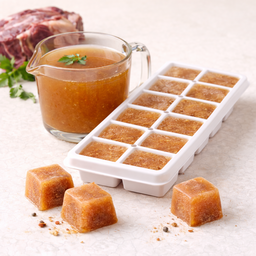 Beef Stock
 Collagen + curcumin for joint support
Technical: Beef broth is rich in type II collagen supporting joint cartilage, plus glycine and proline for connective tissue. Curcumin from turmeric modulates NF-kB and COX-2 — two signaling pathways involved in joint processes. The fat in broth increases curcumin absorption. Together: cartilage building blocks + bioactive support.
What does this mean for you? Add turmeric to your beef broth for joint support. The broth provides building material for your joints, the curcumin provides bioactive support — and the fat helps absorption.
Turmeric 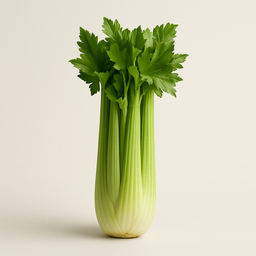 Celery
 Apigenin + gingerols: three complementary bioactive pathways
Technical: Celery contains apigenin (1.5mg/100g) and luteolin — flavonoids that modulate COX-2 and TNF-α. Ginger's 6-gingerol and 6-shogaol influence NF-κB and iNOS. Curcumin from turmeric interacts with more than 40 molecular targets. Together they work through three complementary biochemical pathways.
What does this mean for you? Celery-ginger-turmeric juice combines three ingredients each working through completely different mechanisms — a broader spectrum than each alone. Always add a pinch of black pepper to improve curcumin absorption.
Turmeric 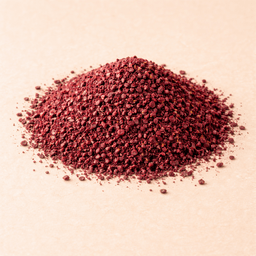 Sumac
Sumac Complementary bioactive action via different signaling pathways
Sumac gallotannins inhibit NF-κB and COX-2 (PMID: 36014419), curcumin inhibits NF-κB and LOX-5
Technical: Gallotannins from sumac and curcumin from turmeric both modulate NF-κB signal transduction, but via different mechanisms. Sumac also modulates COX-2 signal transduction while curcumin modulates 5-LOX, providing broad-spectrum bioactive signaling modulation.
What does this mean for you? Combine sumac and turmeric in dishes for maximum bioactive effect. Both spices enhance each other through complementary signaling pathways.
Turmeric 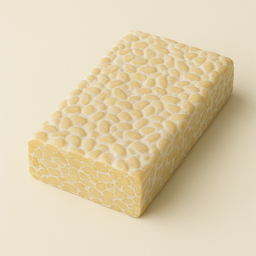 Tempeh
 Fermentation + curcumin: fermented isoflavones with enhanced absorption
Technical: Tempeh contains fermented isoflavones (genistein, daidzein) with higher bioavailability than in tofu. Turmeric's curcumin is fat-soluble and better absorbed through the fats in tempeh. Both compounds are studied in research on NF-κB signaling and cellular mechanisms.
What does this mean for you? Fry tempeh in coconut oil with turmeric and black pepper. A classic Indonesian preparation that also provides complete protein. Black pepper increases curcumin absorption by 2000%.
Turmeric 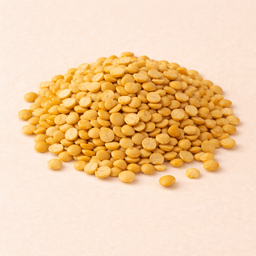 Toor dal (pigeon peas)
 Traditional Indian dal combination: peptides + curcumin
Legumes contain DPP-4 inhibiting peptides, curcumin improves insulin sensitivity
Technical: Toor dal (pigeon peas) contains DPP-4 affecting peptides that protect GLP-1 hormone, relevant for glucose metabolism. Curcumin is studied in research in connection with NF-κB signaling and insulin sensitivity. Traditional Indian dal combination.
What does this mean for you? Dal with turmeric is a traditional Indian combination that is scientifically interesting. Both ingredients provide bioactive compounds actively researched in current nutritional science.
Turmeric 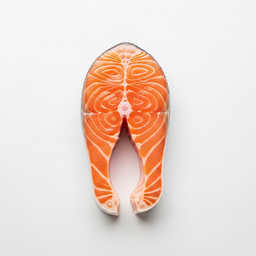 Salmon
 The 'Absorption Hack' - fats are the perfect carrier for curcumin
Technical: Curcumin is a hydrophobic (fat-loving) molecule with extremely low bioavailability (<2%) without fat carriers. Salmon contains 2.5g omega-3 per 100g — ideal fat-soluble carriers that form micelles in the gut, enabling curcumin absorption. The omega-3 fatty acids and curcumin also work via complementary biochemical pathways: omega-3 via SPM resolvins, curcumin via direct NF-κB modulation.
What does this mean for you? Make a salmon-turmeric curry or marinate salmon with turmeric paste. Always add black pepper — piperine increases curcumin absorption by 2000%. This triple combination (salmon + turmeric + pepper) contains three bioactive compounds working via complementary pathways.
Recipes with Turmeric
Discover delicious recipes featuring turmeric:
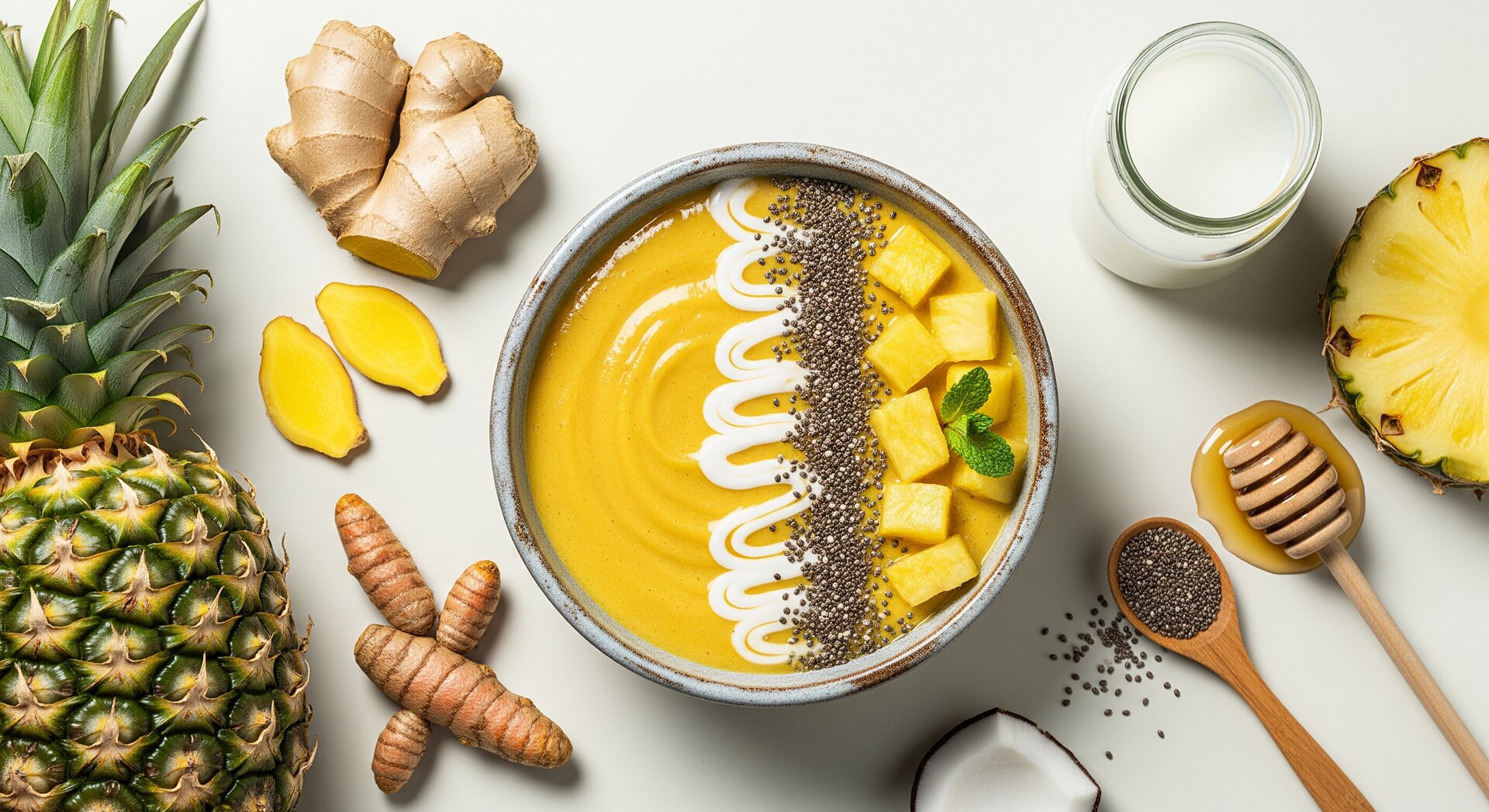 Pineapple Ginger Smoothie 5 min Tropical smoothie with turmeric, chia seeds and coconut milk
  220 kcal
  4g protein 3 synergies
 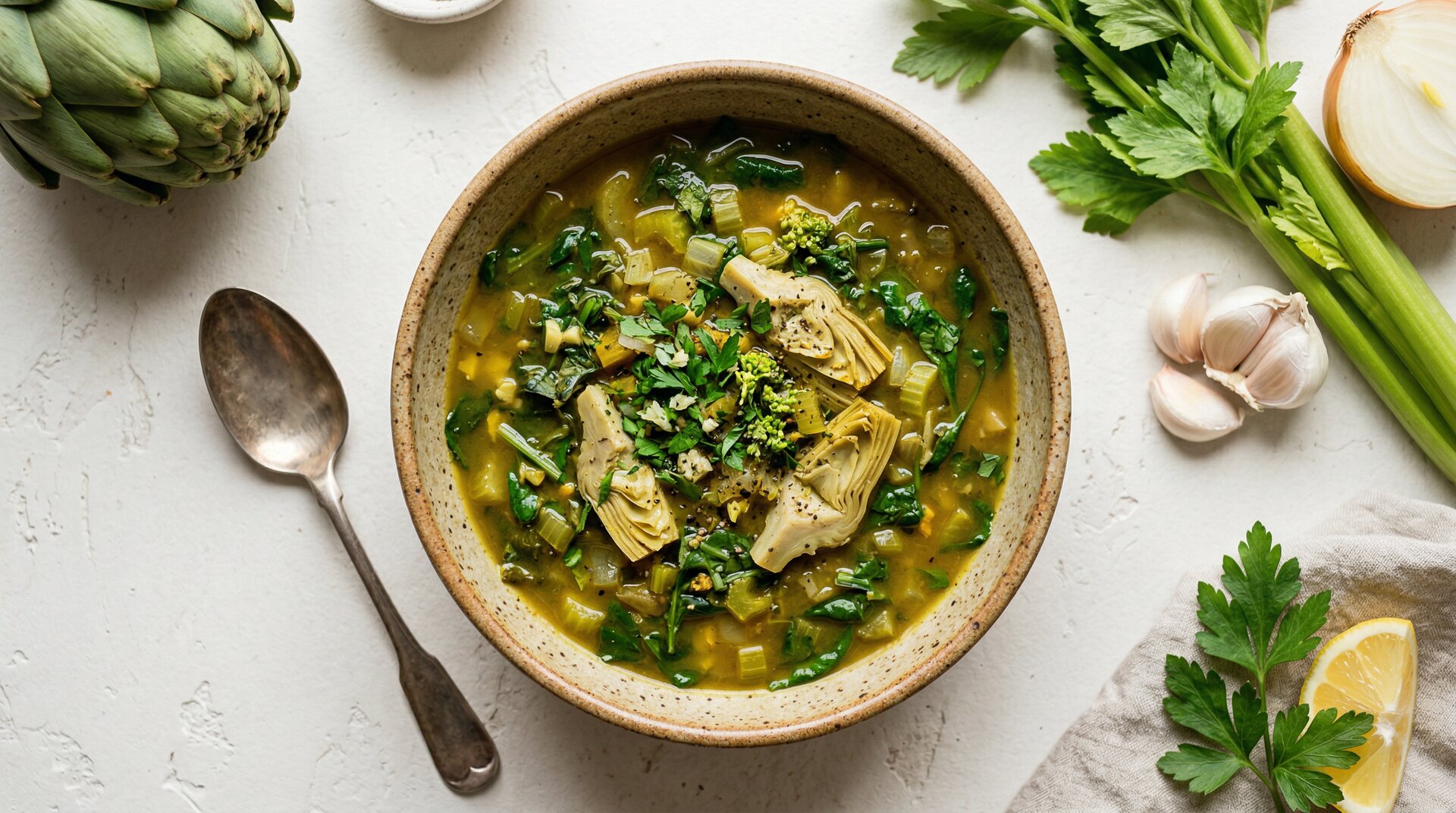 Artichoke Soup with Celery, Spinach and Lemon 36 min Velvety, fresh and gently spiced 121 kcal 3g protein 2 synergies
 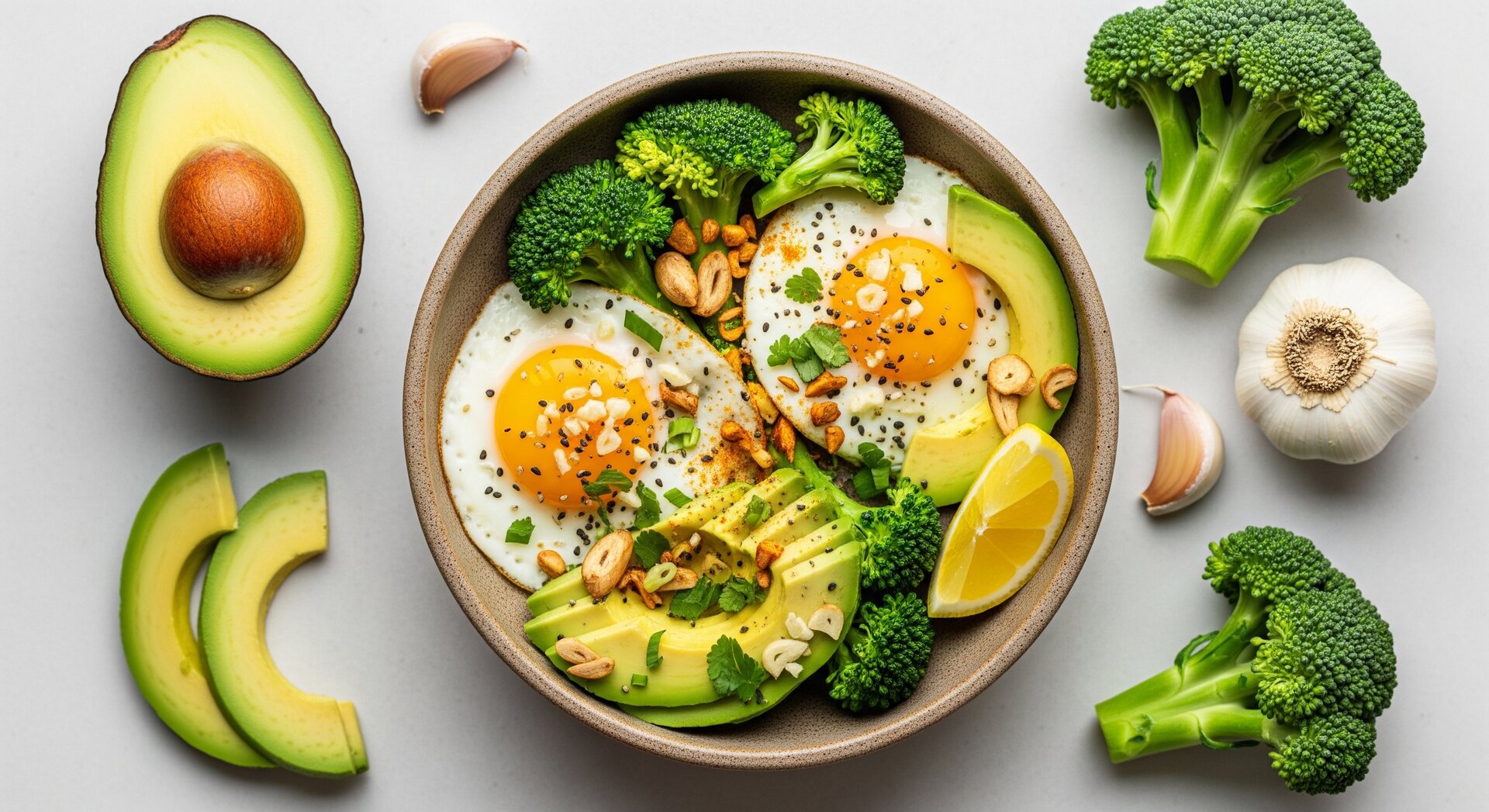 Avocado Eggs with Roasted Broccoli 15 min Golden turmeric and crispy broccoli 365 kcal 16g protein 2 synergies
 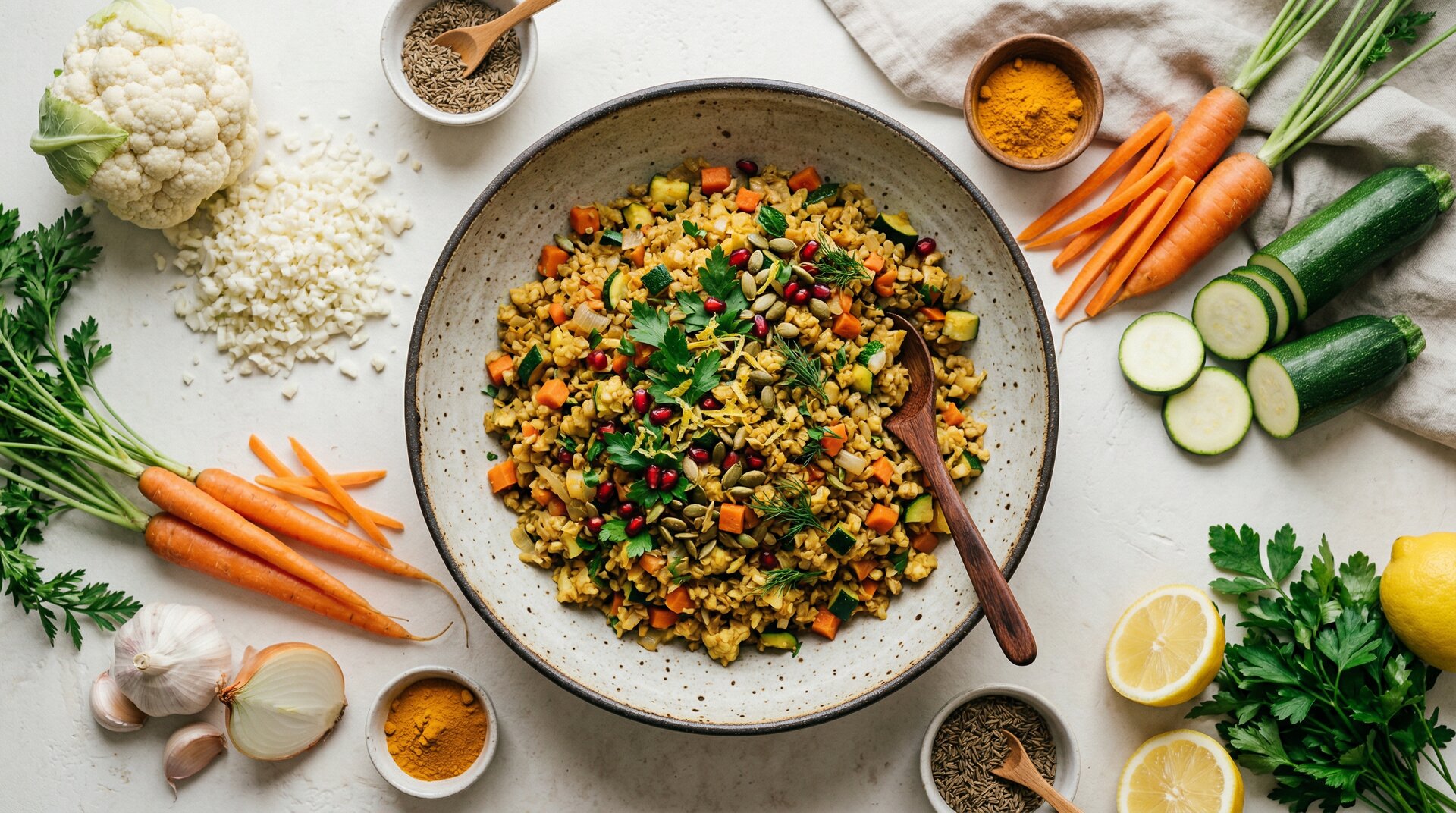 Cauliflower Rice Pilaf with Turmeric and Lemon 25 min Fragrant, golden and bright 165 kcal 6g protein 3 synergies
 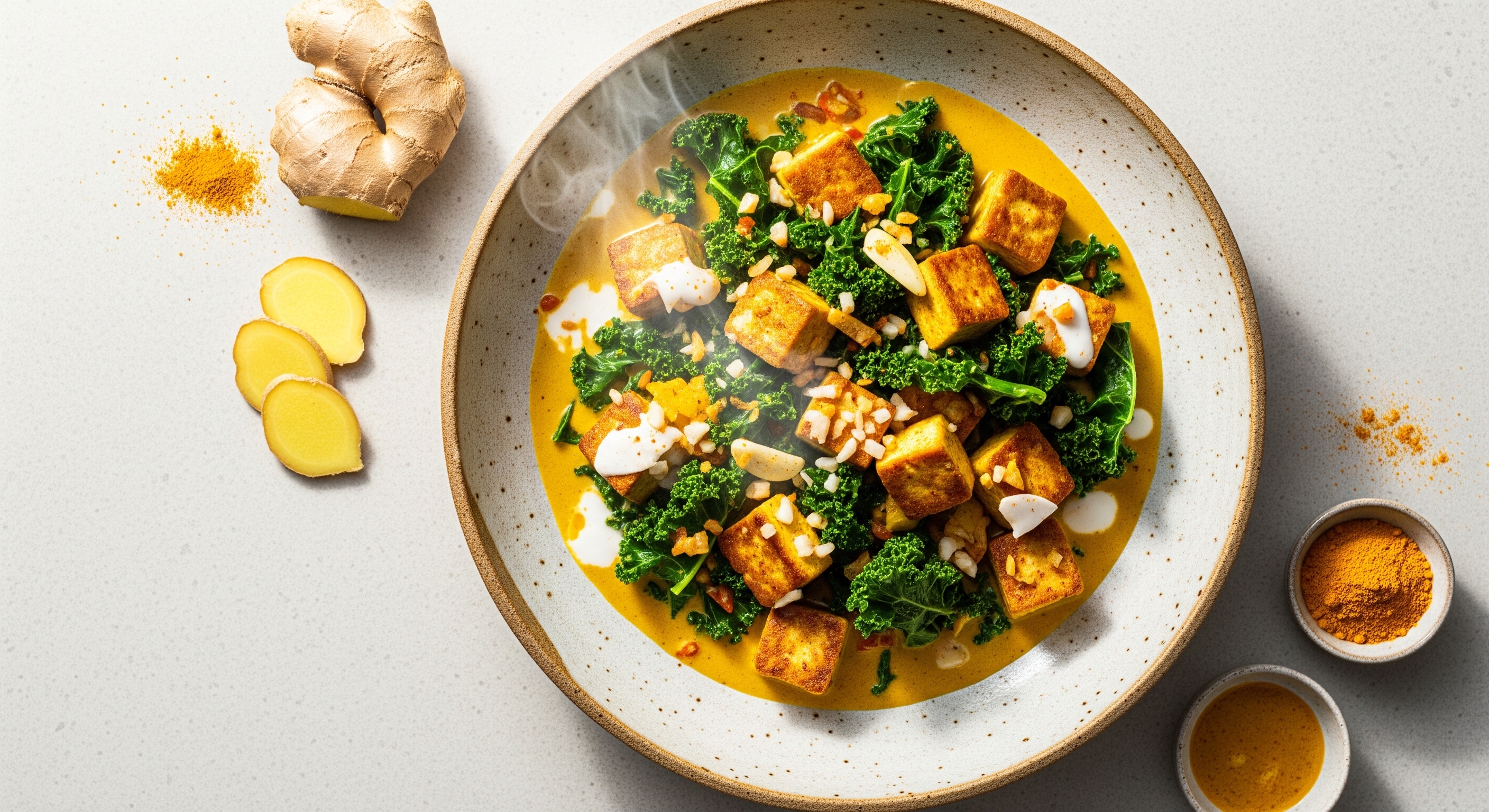 Kale Tofu Curry with Ginger 40 min Creamy curry with crisp tofu and coconut 365 kcal 16g protein 3 synergies
 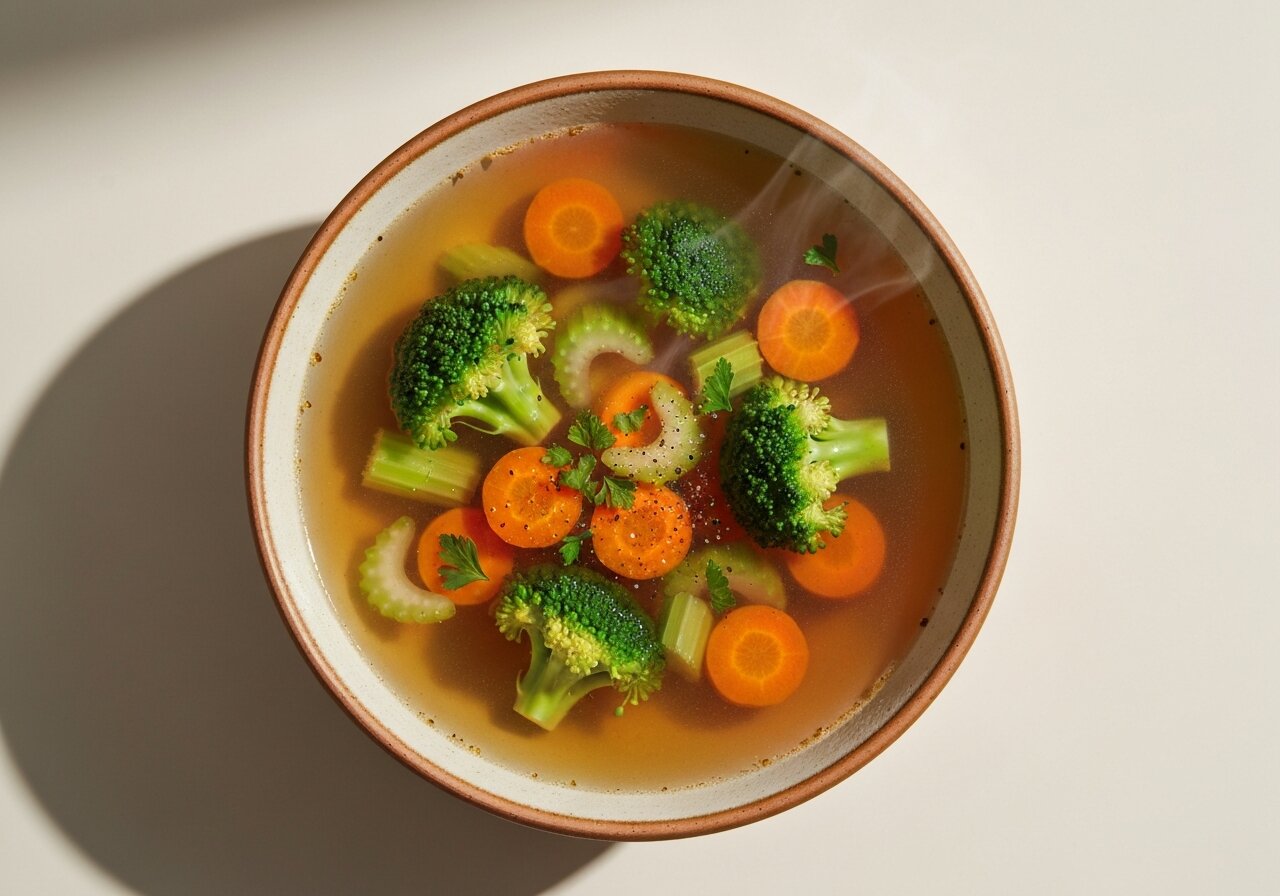 Bone Broth with Vegetables 30 min Clear broth soup with broccoli, carrot, celery and parsley 120 kcal 10g protein 3 synergies
  In the Kitchen
Storage
Location:Pantry
Shelf life:2-3 jaar (poeder), 2-3 weken (vers in koelkast)
Store powder in an airtight container, away from light. Fresh root in paper towel in fridge.
Preparation
Heat briefly in oil or ghee at the start of cooking — this blooms the flavor and promotes absorption of fat-soluble compounds.
Conversions
Substitutes
Smart preparation
1Always combine turmeric with black pepper and a fat source (oil, ghee, coconut milk).
Why?
Piperine in pepper increases curcumin absorption by 2000%. Fat helps because curcumin is fat-soluble.
2Turmeric permanently stains everything yellow — use a separate cutting board or cover your countertop.
3Use fresh turmeric for a milder, fresher flavor. Grate it like ginger.
Why?
Fresh turmeric contains turmerone (an essential oil) that largely disappears during drying.
Caution / Warnings
Turmeric is very safe, but there are scientific considerations:
Gallstones / Gallbladder Problems Severe
Turmeric causes the gallbladder to contract. With gallstones blocking the exit, this can be very painful
Advice:
People with biliary obstructions should avoid turmeric
Blood Thinners Moderate
Turmeric has a mild blood-thinning effect
Advice:
Combined with medications like Warfarin or Aspirin, the risk of bleeding may increase. Consult your doctor.
Iron Deficiency / Anemia Mild
In very large amounts, turmeric can inhibit iron absorption from food
Advice:
With a known iron deficiency: don't take turmeric directly with an iron-rich meal or iron supplement
Surgeries Moderate
Due to bleeding risk from the blood-thinning effect
Advice:
Stop using concentrated turmeric (supplements) 2 weeks before a planned surgery. Normal kitchen use is not a concern.
Traditional use
Ayurveda
Haridra — the golden herb
In Ayurveda, turmeric is called 'haridra' (हरिद्रा, literally: 'that which makes yellow'). It is a core ingredient in traditional skin care pastes and plays a central role in ceremonies, including the haldi ritual where bride and groom are anointed with turmeric paste as a symbol of good fortune and prosperity.
Traditional Chinese Medicine
Jiang huang in Chinese culinary tradition
In traditional Chinese cuisine and herbalism, turmeric is known as jiang huang (姜黄). It has been combined with ginger and black pepper in warming drinks and stews for centuries, and is a staple in five-spice blends in the South Chinese culinary tradition.
Southeast Asian
Jamu — the Javanese herbal drink tradition
Turmeric is a core ingredient of jamu, the Javanese herbal drink tradition practiced since the Majapahit Empire (13th-16th century). Jamu kunyit asam (turmeric-tamarind) is still one of the most popular variants today.
Islamic tradition
Turmeric in Unani tradition and trade history
In the Unani tradition (Greco-Arabic), turmeric is known as 'uqdah safra'. Ibn Sina (Avicenna) described it extensively in his Canon of Medicine (11th century), securing its place in the Arab spice trade along the Silk Road.
Summary
Turmeric is one of the most recognizable spices in Indian cuisine: golden yellow, earthy-bitter and intensely coloring. Its characteristic compound curcumin is naturally limited in absorption. That's why turmeric is classically combined with black pepper and a fat source, such as oil, ghee or coconut milk. This is exactly why golden milk makes culinary sense: warm, creamy and balanced with pepper.