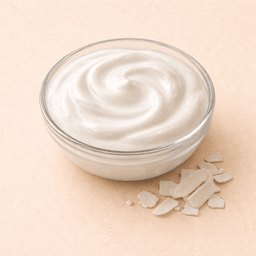
Coconut Yogurt
Plant-based yogurt with fermentation cultures
What is this ingredient?
## Plant-Based Alternative with Fermentation Character
Coconut yogurt is a plant-based fermented product in which coconut milk is combined with lactic acid bacteria such as Lactobacillus acidophilus and Bifidobacterium. Unlike dairy yogurt, it contains no lactose or milk protein. Because coconut milk binds differently from dairy milk, producers often use stabilizers such as psyllium fiber, pectin, or tapioca starch to create a full, spoonable texture.
## Fermentation and Product Quality
Research on plant-based yogurt alternatives describes coconut milk as a suitable base for fermentation cultures, although the strains used, shelf stability, and live culture counts can vary greatly by brand. It is therefore useful to check the label for clearly listed cultures, storage instructions, and a short ingredient list. Unsweetened varieties provide the most neutral base for breakfast bowls, smoothies, and sauces.
## Nutritional Profile and Fortification
Coconut yogurt has a different nutritional profile from dairy yogurt. It usually contains more fat from coconut, including medium-chain fatty acids, but much less protein. Calcium, vitamin D, and vitamin B12 content depend strongly on fortification. When coconut yogurt is used often as a dairy replacement, it is best to choose a variety that lists calcium and to check the sugar content per 100 grams.
## Culinary Uses
The creamy texture and gentle coconut flavor make coconut yogurt suitable as a breakfast base with fruit, granola, seeds, and nuts. It also works well in cold dressings, smoothie bowls, dips, and desserts. For warm dishes, use caution: at high temperatures the structure may split more easily and live fermentation cultures are lost.
## Sustainability and Origin
As a plant-based alternative, coconut yogurt fits into a dairy-free eating pattern, but coconut production differs greatly by region and supply chain. Organic or fair-trade certified varieties can be interesting for people who also consider cultivation, origin, and labor conditions.
How does it taste?
Gently sweet and creamy with a mild coconut flavor and light acidity.
Pairs well with:
Pairs well with granolamangopassion fruitchia seeds and honey.
Did you know...?
- Coconut yogurt is made by fermenting coconut milk with bacterial cultures also used in many yogurt-style products.
- Coconut yogurt is a relatively new supermarket product that became especially popular from the 2010s onward.
Nutritional Value & Energy
Per 100g
Coconut Yogurt provides energy thanks to natural nutrients .
Per 100g
Minerals
Vitamins
More nutrients
B-Vitamins
Trace Minerals
What's in a serving?
1 serving
Coconut yogurt contains calcium (120 mg per 100 g), depending on recipe and fortification.
% of daily reference intake (DRI)
EU-approved nutrition claims
This ingredient contains nutrients for which EFSA-authorized health claims exist (at nutrient level, not ingredient-specific).
Approved health claims (EU)
Calcium EU 432/2012
Calcium is needed for the maintenance of normal bones
Contains 120mg/100g (threshold: ≥120mg/100g)
Calcium EU 432/2012
Calcium is needed for the maintenance of normal teeth
Contains 120mg/100g (threshold: ≥120mg/100g)
Calcium EU 432/2012
Calcium contributes to normal blood clotting
Contains 120mg/100g (threshold: ≥120mg/100g)
Calcium EU 432/2012
Calcium contributes to normal energy-yielding metabolism
Contains 120mg/100g (threshold: ≥120mg/100g)
Calcium EU 432/2012
Calcium contributes to normal muscle function
Contains 120mg/100g (threshold: ≥120mg/100g)
Calcium EU 432/2012
Calcium contributes to normal neurotransmission
Contains 120mg/100g (threshold: ≥120mg/100g)
Calcium EU 432/2012
Calcium contributes to the normal function of digestive enzymes
Contains 120mg/100g (threshold: ≥120mg/100g)
Calcium EU 432/2012
Calcium has a role in the process of cell division and specialisation
Contains 120mg/100g (threshold: ≥120mg/100g)
What's being researched?
Coconut yogurt and plant-based fermentation cultures
Coconut yogurt is being studied as a carrier of fermentation cultures in a dairy-free context. The survival and activity of strains in a coconut medium, compared with a dairy medium, remains an active research area.
Supported by: [1] Gülhan (2025) , [3] Craig (2021) , [4] Sethi (2020)
Good Combinations (Synergy)
Combine coconut yogurt smartly to enhance the effect:
Coconut Yogurt  Banana
 Synbiotic effect: probiotics from coconut yogurt + FOS/inulin from banana support gut flora
Yogurt probiotics + fruit prebiotics form synbiotic combination strengthening gut flora (PMID: 28045445)
Technical: Coconut yogurt contains live Lactobacillus acidophilus and Bifidobacterium strains (10⁶-10⁹ CFU/g). Banana provides fructo-oligosaccharides (FOS) and inulin serving as prebiotic substrate. FOS selectively feed the probiotic strains, increase their survival in the colon and stimulate short-chain fatty acid production (butyrate, propionate).
What does this mean for you? Coconut yogurt with banana is a synbiotic breakfast. The prebiotic fibers from banana feed the probiotics from the yogurt — a dairy-free alternative with the same synbiotic effect.
Coconut Yogurt  Blueberries
 Probiotics metabolize anthocyanins into more bioactive phenolic acids
Gut bacteria metabolize anthocyanins into better absorbable phenolic acids with increased bioactivity (PMID: 29141574)
Technical: Blueberries contain anthocyanins (163mg/100g) of which only 1-2% is absorbed intact. Lactobacillus from coconut yogurt metabolize anthocyanins in the gut into protocatechuic acid and gallic acid — smaller phenolic acids absorbed 10-30x better. These metabolites have higher bioactivity than the original anthocyanins.
What does this mean for you? Mixing blueberries through coconut yogurt increases bioavailability. The probiotics convert the pigments into smaller phenolic acids your body absorbs 10-30x better — a dairy-free alternative with the same biochemical benefits.
Coconut Yogurt  Chia Seeds
 Double synbiotic: chia mucilage prebiotic + coconut probiotics + SCFA production
Seed mucilages increase SCFA production through Lactobacillus and Bifidobacterium fermentation (Santos et al., 2025, Food Chemistry)
Technical: Chia seed mucilage contains indigestible carbohydrates (soluble fibers) serving as prebiotic substrate. Lactobacillus and Bifidobacterium from coconut yogurt ferment these fibers into short-chain fatty acids (SCFAs), especially butyrate and propionate. Research shows seed mucilages significantly increase SCFA production compared to probiotics alone.
What does this mean for you? Chia pudding with coconut yogurt is a synbiotic combination. The mucilage fibers from chia feed the good bacteria from the yogurt — together they produce more short-chain fatty acids than either ingredient alone.
Coconut Yogurt 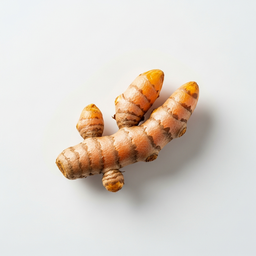 Turmeric
 MCT fats from coconut increase curcumin absorption up to 10x
MCT emulsions increase curcumin bioavailability by factor 10.6 (PMID: 34067186)
Technical: Coconut yogurt contains 14-18g fat per 100g, 60% being medium-chain triglycerides (MCTs). Curcumin from turmeric is fat-soluble with <1% absorption without fat. MCTs form mixed micelles increasing curcumin solubility and intestinal absorption up to 10x. Lauric acid (C12) additionally stabilizes curcumin micelles.
What does this mean for you? Add turmeric to coconut yogurt (e.g., golden milk bowl). The coconut fats ensure your body absorbs up to 10x more curcumin — a fat-soluble polyphenol that is hardly bioavailable without fat.
 In the Kitchen
Storage
Location:Refrigerator
Shelf life:7-14 dagen (na openen, gekoeld)
Store in a sealed package in the refrigerator at 2-4°C. Stir before use to mix any separated liquid and cream. Do not freeze, because the texture often becomes grainier after thawing.
Preparation
Coconut yogurt is usually eaten cold as breakfast or snack. Use it in smoothies, cold dressings, dips, and as a dairy-free substitute in chilled recipes. Avoid strong heating above about 60°C, because the structure may split and live fermentation cultures are lost.
Substitutes
Smart preparation
1Stir coconut yogurt before use, as it can naturally separate.
2Use coconut yogurt mainly in cold or lukewarm dishes.
Why?
With strong heating, the structure can split faster than many dairy-based yogurts.
Caution / Warnings
Coconut Yogurt is very safe, but there are scientific considerations:
Coconut Allergy Severe
Although rare, some people can react to proteins from coconut fruit. Symptoms can range from skin reactions to severe allergic reactions.
Advice:
Avoid completely if you have a known coconut allergy. Cross-reactions with other tropical nuts are uncommon, but possible. When in doubt, test a small amount first and watch for personal reactions.
High fat content Moderate
Coconut yogurt can contain 14-18 g fat per 100 g, depending on brand and recipe. A large part consists of saturated fatty acids from coconut.
Advice:
Use it preferably as part of a varied eating pattern. Combine with fruit, whole-grain granola, nuts, or seeds and choose portions that fit your total energy and fat intake.
Added sugars in commercial varieties Mild
Many commercial coconut yogurts contain 8-15 g added sugar per 150 g serving to round out the naturally slightly tangy taste.
Advice:
Read labels carefully and preferably choose varieties with no more than 5 g sugar per 100 g. Unsweetened coconut yogurt is a neutral base; add your own fruit, cinnamon, or vanilla if desired.
Traditional use
Southeast Asian
Fermented Coconut in Tropical Traditions
Fermenting coconut products has a long culinary tradition in Southeast Asia and on Pacific islands, where coconut is an everyday ingredient.
Summary
Coconut yogurt is a plant-based fermented alternative to dairy yogurt. It has a creamy coconut flavor, contains little protein compared with dairy yogurt, and is most practical when you choose unsweetened varieties, preferably fortified with calcium.