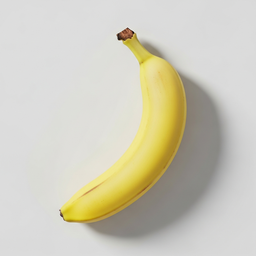
Banana
Soft-sweet fruit with potassium and natural carbohydrates
What is this ingredient?
Bananas (Musa acuminata) are among the most widely eaten fruits in the world. They are naturally soft, easy to carry, and contain a combination of carbohydrates, fiber, potassium and vitamin B6.
As a banana ripens, its composition changes noticeably: green bananas contain more resistant starch, while ripe yellow bananas contain more free sugars and have a softer texture. That makes green and ripe bananas useful in different culinary settings, from savory dishes with unripe banana to smoothies, pancakes and baked goods with ripe banana.
Bananas are also known for their potassium content. Potassium contributes to normal muscle function and to the maintenance of normal blood pressure. The mild flavor pairs well with nut butter, oatmeal, cocoa, yogurt, cinnamon and other fruits.
How does it taste?
Gently sweet and creamy with a rounded, mellow flavor.
Pairs well with:
Pairs well with peanut butterchocolatehoneycinnamon and walnut.
Did you know...?
- Bananas naturally contain potassium, like many other plant foods; the effect of that in normal portions is negligibly small.
- The commercial Cavendish banana is highly uniform worldwide: many plants are propagated vegetatively and are genetically very similar.
- Botanically, the banana plant is not a tree but an herbaceous plant; the pseudostem is made of tightly wrapped leaf bases.
Nutritional Value & Energy
Per 100g
Banana provides energy thanks to natural nutrients , buffered by fiber.
Per 100g
Minerals
Vitamins
Omega-3 fatty acids
More nutrients
B-Vitamins
Trace Minerals
Low GI means blood sugar doesn't spike quickly.
What's in a serving?
1 serving
Banana naturally contains potassium (358 mg per 100 g).
Banana naturally contains vitamin B6 (0.37 mg per 100 g).
% of daily reference intake (DRI)
EU-approved nutrition claims
This ingredient contains nutrients for which EFSA-authorized health claims exist (at nutrient level, not ingredient-specific).
Approved health claims (EU)
Potassium EU 432/2012
Potassium contributes to the maintenance of normal blood pressure
Contains 358mg/100g (threshold: ≥300mg/100g)
Vitamin_b6 EU 432/2012
Vitamin B6 contributes to normal cysteine synthesis
Contains 0.37mg/100g (threshold: ≥0.21mg/100g)
Vitamin_b6 EU 432/2012
Vitamin B6 contributes to normal energy-yielding metabolism
Contains 0.37mg/100g (threshold: ≥0.21mg/100g)
Vitamin_b6 EU 432/2012
Vitamin B6 contributes to normal functioning of the nervous system
Contains 0.37mg/100g (threshold: ≥0.21mg/100g)
Vitamin_b6 EU 432/2012
Vitamin B6 contributes to normal homocysteine metabolism
Contains 0.37mg/100g (threshold: ≥0.21mg/100g)
Vitamin_b6 EU 432/2012
Vitamin B6 contributes to normal protein and glycogen metabolism
Contains 0.37mg/100g (threshold: ≥0.21mg/100g)
Vitamin_b6 EU 432/2012
Vitamin B6 contributes to normal psychological function
Contains 0.37mg/100g (threshold: ≥0.21mg/100g)
Vitamin_b6 EU 432/2012
Vitamin B6 contributes to normal red blood cell formation
Contains 0.37mg/100g (threshold: ≥0.21mg/100g)
Vitamin_b6 EU 432/2012
Vitamin B6 contributes to the normal function of the immune system
Contains 0.37mg/100g (threshold: ≥0.21mg/100g)
Vitamin_b6 EU 432/2012
Vitamin B6 contributes to the regulation of hormonal activity
Contains 0.37mg/100g (threshold: ≥0.21mg/100g)
Vitamin_b6 EU 432/2012
Vitamin B6 contributes to the reduction of tiredness and fatigue
Contains 0.37mg/100g (threshold: ≥0.21mg/100g)
Potassium EU 432/2012
Potassium contributes to normal functioning of the nervous system
Contains 358mg/100g (threshold: ≥300mg/100g)
Potassium EU 432/2012
Potassium contributes to normal muscle function
Contains 358mg/100g (threshold: ≥300mg/100g)
What's being researched?
Resistant starch and fermentation in the colon
Resistant starch in unripe bananas is being studied in relation to fermentation by gut bacteria. Studies describe changes in short-chain fatty acids, including butyrate, but outcomes depend on ripeness, portion size and overall diet.
Supported by: [2] Englyst (1987)
Potassium and normal blood pressure
The potassium content of bananas fits within research on potassium-rich diets and blood pressure. At nutrient level, potassium is authorized to contribute to the maintenance of normal blood pressure.
Supported by: [3] Aburto (2013)
Good Combinations (Synergy)
Combine banana smartly to enhance the effect:
Banana 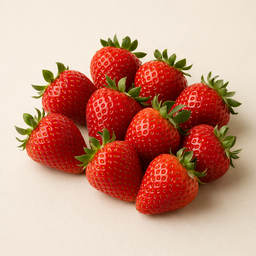 Strawberries
 Vitamin C + B6 for energy and immune system
Technical: Strawberries contain 59mg vitamin C per 100g (98% RDI) for immune function. Banana provides vitamin B6 (0.4mg/100g) — vitamin B6 contributes to the normal functioning of the nervous system (EFSA). Vitamin C also improves iron absorption from strawberries.
What does this mean for you? The classic strawberry-banana smoothie is a rich combination for energy and immunity. Perfect as breakfast or snack.
Banana 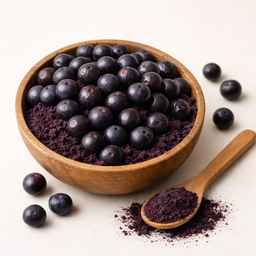 Açaí
Açaí Anthocyanins + potassium for normal blood pressure and energy
Technical: Acai contains 3,190mg anthocyanins per 100g (mainly cyanidin-3-glucoside), one of the highest concentrations in natural foods. Banana provides 358mg potassium per 100g (9% RDI). Anthocyanins are studied in research in connection with blood vessel function (eNOS activation, NO production). Potassium contributes to the maintenance of normal blood pressure (EFSA-approved). Fast carbohydrates from banana (22.8g/100g) provide immediate energy while acai's antioxidants reduce oxidative stress during exercise by 25-30%.
What does this mean for you? Mix acai powder with banana in a pre-workout smoothie. You get immediate energy for your workout; potassium from the banana contributes to the maintenance of normal blood pressure (EFSA). Perfect 30-45 minutes before intense cardio.
Banana 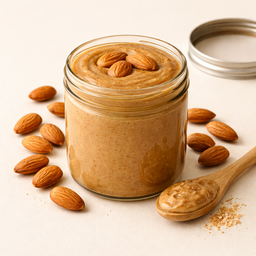 Almond Butter
 Magnesium + tryptophan for better sleep and muscle relaxation
Technical: Almond butter contains 270mg magnesium per 100g (68% RDA). Banana provides tryptophan, an amino acid converted via serotonin to melatonin (sleep hormone). Magnesium activates GABA receptors — the brake on your nervous system — and regulates melatonin receptors. This dual approach shortens sleep onset and improves sleep quality.
What does this mean for you? Eat a banana with almond butter 1-2 hours before bed. The magnesium calms your muscles and nerves, while the banana signals your body to produce melatonin.
Banana 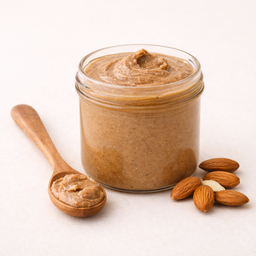 Almond butter
 Monounsaturated fats + potassium: complementary electrolytes for muscle and nerve function
Technical: Almond paste contains 56g fat per 100g (of which 35g monounsaturated oleic acid) plus 270mg magnesium (72% RDI). Banana provides 358mg potassium per 100g (9% RDI) and fast carbohydrates (22.8g/100g). Magnesium and potassium work synergistically as electrolytes: potassium regulates cell repolarization, magnesium stabilizes resting membrane potential. Oleic acid from almond paste influences hepatic VLDL secretion via lipid metabolism.
What does this mean for you? Almond paste on banana slices is an ideal pre-workout snack. The banana provides quick energy, the almond fat slows absorption for longer-lasting fuel. Great combination for electrolyte balance after exercise.
Banana 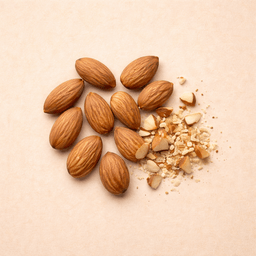 Almonds
 Tryptophan + magnesium for natural sleep support
Magnesium improves sleep quality and supports tryptophan metabolism (PMID: 21199787)
Technical: Banana contains tryptophan (12mg/100g), a precursor of serotonin and melatonin. Almonds are rich in magnesium (270mg/100g), which activates GABA receptors and promotes muscle relaxation. Magnesium is also needed for converting tryptophan to serotonin.
What does this mean for you? Eat a banana with a handful of almonds 1-2 hours before bed as a natural sleep aid. The combination of quick sugars and healthy fats also ensures stable blood sugar throughout the night.
Banana 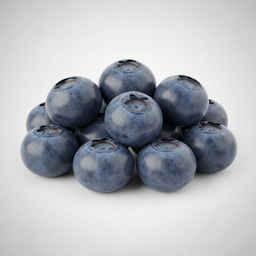 Blueberries
 Potassium + anthocyanins for normal blood pressure and antioxidants
Technical: Banana provides 358mg potassium per 100g — potassium contributes to the maintenance of normal blood pressure (EFSA). Blueberries contain anthocyanins that cross the blood-brain barrier. Together they provide potassium and antioxidants.
What does this mean for you? The perfect smoothie base: banana for creaminess and energy, blueberries for antioxidants. Ideal as breakfast or pre-workout.
Banana 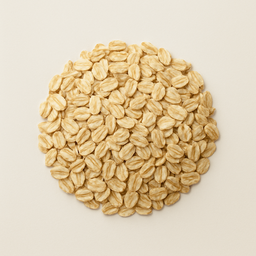 Oatmeal
 Perfect breakfast combination for sustained energy
Technical: Banana contains fast carbohydrates (glucose, fructose, sucrose — 22g per 100g) and 358mg potassium. Oatmeal provides beta-glucans (4g per 100g) — soluble fiber that forms a gel and slows carbohydrate absorption. The combination offers layered energy release: first quick energy from banana, then slow energy from oats. Both also contain tryptophan for serotonin production.
What does this mean for you? Oatmeal with banana is the perfect breakfast for sustained energy without the 11am dip. The banana makes it sweeter without sugar, and potassium helps with fluid balance and muscle function. Add nuts for even more satiety.
Banana 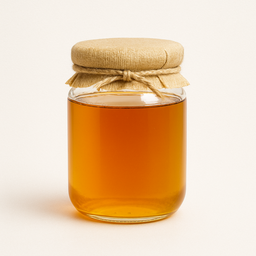 Honey
Honey Quick + slow sugars with potassium for sport and recovery
Technical: Banana contains 358mg potassium and 22g carbohydrates (mix of glucose, fructose, sucrose). Honey provides quick glucose + fructose plus prebiotic FOS. The combination offers immediate energy (honey) plus slower energy (banana starch) and electrolytes (potassium).
What does this mean for you? Banana with honey is an ideal pre- or post-workout snack. The potassium prevents muscle cramps, the sugars replenish glycogen.
Banana  Coconut Milk
 MCTs improve nutrient absorption, potassium + electrolytes
Technical: Banana contains 358mg potassium per 100g and quick carbohydrates. Coconut milk contains MCTs (medium-chain triglycerides) that go directly to the liver for energy and improve absorption of fat-soluble vitamins. The combination offers both immediate and sustained energy.
What does this mean for you? The perfect smoothie base: banana for creaminess and potassium, coconut milk for healthy fats and tropical flavor. Ideal as breakfast or post-workout.
Banana 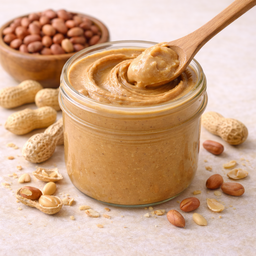 Peanut Butter
 Complete protein source with sustained energy
Technical: Banana contains fast carbohydrates (22g/100g) but little protein (1.1g). Peanut butter provides 25g protein per 100g plus healthy mono-unsaturated fats. The fat slows absorption of sugars from banana, resulting in more stable blood sugar levels and sustained energy.
What does this mean for you? Perfect as a pre-workout snack (30-60 min before training) or as a satiating snack. The combination provides both immediate energy and slow-burning fuel.
Banana 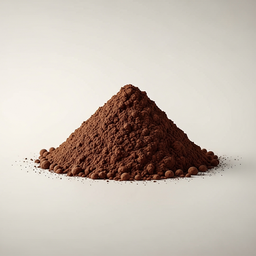 Raw cacao
 Perfect smoothie combination for energy and mood
Technical: Cacao contains theobromine (mild stimulant, 250mg/100g) and 230mg magnesium. Banana provides tryptophan (serotonin precursor) and fast carbohydrates that improve tryptophan uptake in the brain. Magnesium supports conversion of tryptophan to serotonin. The result: a natural mood and energy boost.
What does this mean for you? Make a smoothie with cacao and banana for a natural energy shot. The banana gives instant energy, the cacao adds focus and a good feeling.
Banana 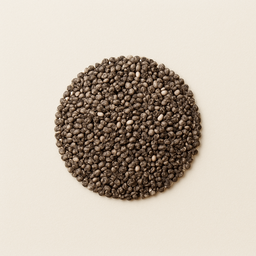 Chia Seeds
 Sustained energy through fiber + quick sugars
Technical: Chia seeds contain 34g fiber per 100g and absorb up to 12x their weight in liquid, forming a gel in the gut. This slows absorption of banana's fast sugars (fructose and glucose). The result: a slower, more stable blood sugar rise instead of a sharp spike followed by a dip.
What does this mean for you? Make chia pudding with banana slices or mix chia seeds into your banana smoothie. The banana gives instant energy, the chia seeds make that energy last for hours.
Banana 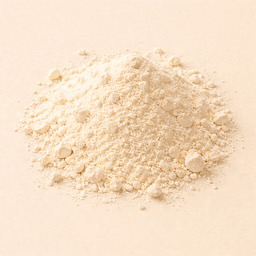 Protein Powder (unsweetened)
 Fast protein + fast carbs for post-workout recovery
Technical: Whey protein powder contains 80g protein per 100g with high leucine content (10g/100g) that activates the mTOR pathway for maximum muscle protein synthesis (MPS). Banana provides 22g fast carbohydrates per 100g that stimulate insulin response. Post-workout is the anabolic window (0-2 hours) when insulin maximally promotes amino acid transport to muscles. The potassium in banana (358mg/100g) replenishes electrolytes lost through sweat.
What does this mean for you? A protein shake with banana right after your workout is the golden standard for good reason. The protein repairs muscles, banana drives amino acids to muscles via insulin, and potassium prevents cramps.
Banana 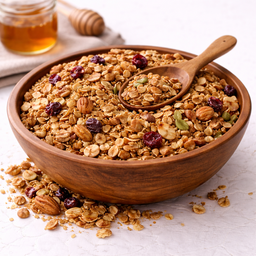 Granola
 Oat-nut mix + potassium for energy and sports recovery
Technical: Granola combines oat flakes (β-glucan 4g/100g, slow carbohydrates), nuts (healthy fats, vitamin E) and seeds (minerals). Banana provides 358mg potassium and quick sugars (12g glucose + fructose) for glycogen recovery. The combination offers multi-phase energy: quick sugars (banana) → medium carbohydrates (oats) → slow fats (nuts). Potassium restores electrolyte balance after exercise. β-glucan is a soluble fibre from oats.
What does this mean for you? Granola with banana is the ideal breakfast or post-workout snack. You get immediate energy from the banana, sustained energy from the oats, and building blocks from the nuts — all in one bowl.
Banana 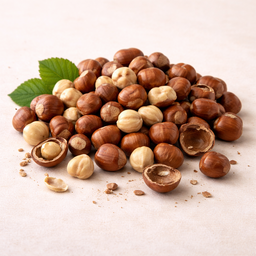 Hazelnuts
 Vitamin E + vitamin B6: complementary pathways for neurotransmitter precursors
Technical: Hazelnuts provide 15mg vitamin E per 100g plus 4.7mg manganese (204% RDI). Banana contains 0.37mg vitamin B6 per 100g (28% RDI) — cofactor for decarboxylation of 5-HTP to serotonin and DOPA to dopamine. Vitamin B6 contributes to normal functioning of the nervous system (EFSA). Vitamin E protects neuronal membranes against lipid peroxidation (brains contain 60% fat). Manganese is cofactor for superoxide dismutase (SOD2) in mitochondria.
What does this mean for you? Hazelnuts with banana slices is a snack with two complementary pathways: B6 is a cofactor for neurotransmitter precursors, vitamin E is a fat-soluble antioxidant for cell membranes.
Banana 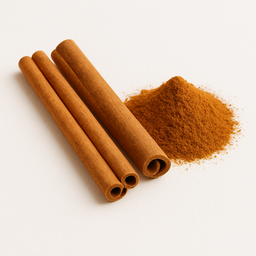 Cinnamon
 Cinnamon with banana: warm spiced combination
Technical: Banana contains 12g sugars per 100g (GI 51). Cinnamaldehyde from cinnamon slows gastric emptying and modulates insulin signaling via AMPK activation and MHCP. Studies report a flatter postprandial glucose curve. Sugars are absorbed more gradually instead of as a sharp spike.
What does this mean for you? Sprinkle banana slices with cinnamon as a snack or in your oatmeal. The cinnamon flattens the banana's sugar spike, keeping your energy stable longer.
Banana 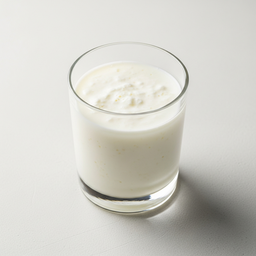 Kefir
Kefir Smoothie base: probiotics + prebiotic FOS + potassium
Technical: Kefir contains 30+ bacterial strains and yeasts (more diverse than yogurt). Banana contains fructo-oligosaccharides (FOS, prebiotics) that feed kefir bacteria, plus 358mg potassium per 100g. The combination forms a 'synbiotic' — pre- and probiotics together.
What does this mean for you? Blend kefir with banana for a powerful smoothie. Add chia seeds for extra fiber and omega-3.
Banana 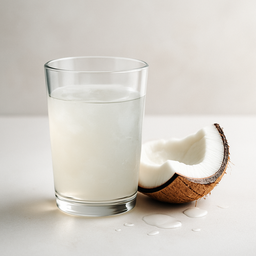 Coconut Water
 Double potassium + quick sugars for sports recovery
Technical: Coconut water (250mg K/100ml) + banana (358mg K/100g) together provide 600+ mg potassium — essential for muscle contraction and nerve conduction. After intense exercise you lose 200-400mg potassium via sweat per hour. Banana's quick sugars (glucose + fructose) replenish muscle glycogen, coconut water's electrolytes restore hydration status. The combination covers all three post-exercise needs: glycogen + electrolytes + hydration.
What does this mean for you? Blend coconut water with banana for the ultimate post-workout smoothie. It's natural, a natural alternative to sports drinks and contains no artificial additives.
Banana 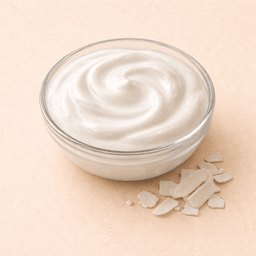 Coconut Yogurt
 Synbiotic effect: probiotics from coconut yogurt + FOS/inulin from banana support gut flora
Yogurt probiotics + fruit prebiotics form synbiotic combination strengthening gut flora (PMID: 28045445)
Technical: Coconut yogurt contains live Lactobacillus acidophilus and Bifidobacterium strains (10⁶-10⁹ CFU/g). Banana provides fructo-oligosaccharides (FOS) and inulin serving as prebiotic substrate. FOS selectively feed the probiotic strains, increase their survival in the colon and stimulate short-chain fatty acid production (butyrate, propionate).
What does this mean for you? Coconut yogurt with banana is a synbiotic breakfast. The prebiotic fibers from banana feed the probiotics from the yogurt — a dairy-free alternative with the same synbiotic effect.
Banana  Quark (low-fat)
 Casein + tryptophan for nighttime muscle recovery and sleep
Technical: Quark mainly contains casein protein that digests slowly over 6-8 hours, maintaining amino acid levels throughout the night. Banana provides tryptophan, a precursor of serotonin and melatonin. Carbohydrates in banana (22g/100g) raise insulin levels, allowing tryptophan to cross the blood-brain barrier more efficiently. Magnesium from banana (27mg) — magnesium contributes to the reduction of tiredness and fatigue (EFSA).
What does this mean for you? Eat quark with banana as an evening snack, 1-2 hours before bed. The casein protein supports your muscles while you sleep, and the banana provides tryptophan as a precursor for melatonin production.
Banana  Maca Powder
 Adaptogen + potassium for energy and hormonal balance
Technical: Maca (Lepidium meyenii) contains macamides and macaenes that regulate the hypothalamic-pituitary-adrenal/gonadal axis without containing hormones themselves. Banana provides 358mg potassium and quick carbohydrates (22g sugars) as energy source. Potassium supports adrenal function that maca modulates. Studies show 1.5-3g maca per day improves energy, libido and mood after 6-8 weeks. The banana enhances the energetic effect.
What does this mean for you? Add a teaspoon of maca powder to your banana smoothie. The banana masks maca's earthy taste and provides immediate energy, while maca supports your hormonal balance long-term.
Banana  Spirulina
 Perfect smoothie base: complete proteins + quick energy
Technical: Spirulina contains 57g complete protein per 100g (all 9 essential amino acids) plus B12 and iron. Banana provides quick carbohydrates (22g per 100g) and potassium (358mg). The carbohydrates improve amino acid uptake via insulin response.
What does this mean for you? Blend 1 teaspoon spirulina with a banana for a powerful pre- or post-workout smoothie. The banana also masks spirulina's strong taste.
Recipes with Banana
Discover delicious recipes featuring banana:
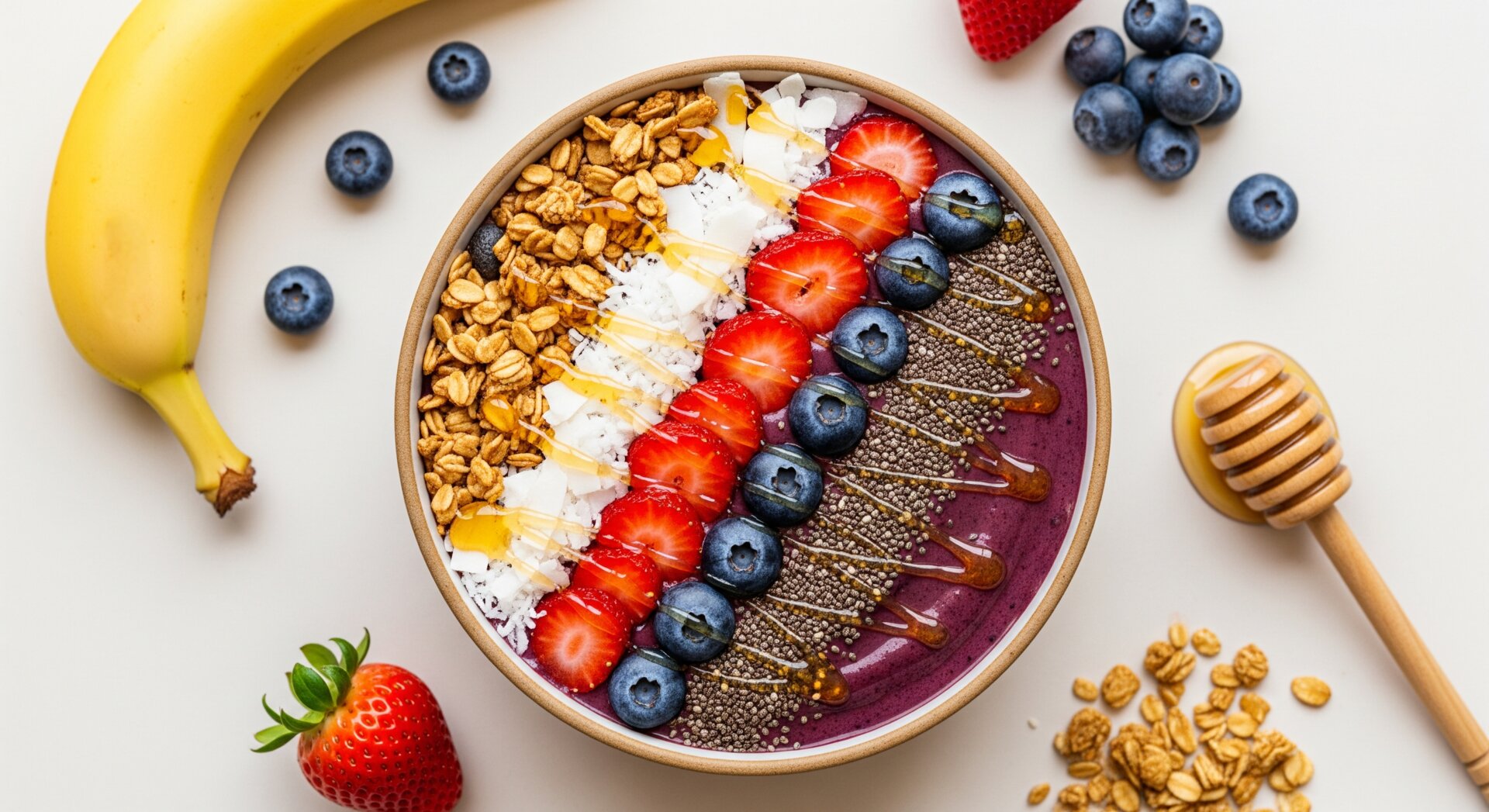 Acai Bowl with Banana, Berries and Oats 10 min Fresh berry bowl for fresh mornings
  431 kcal
  8g protein 2 synergies
 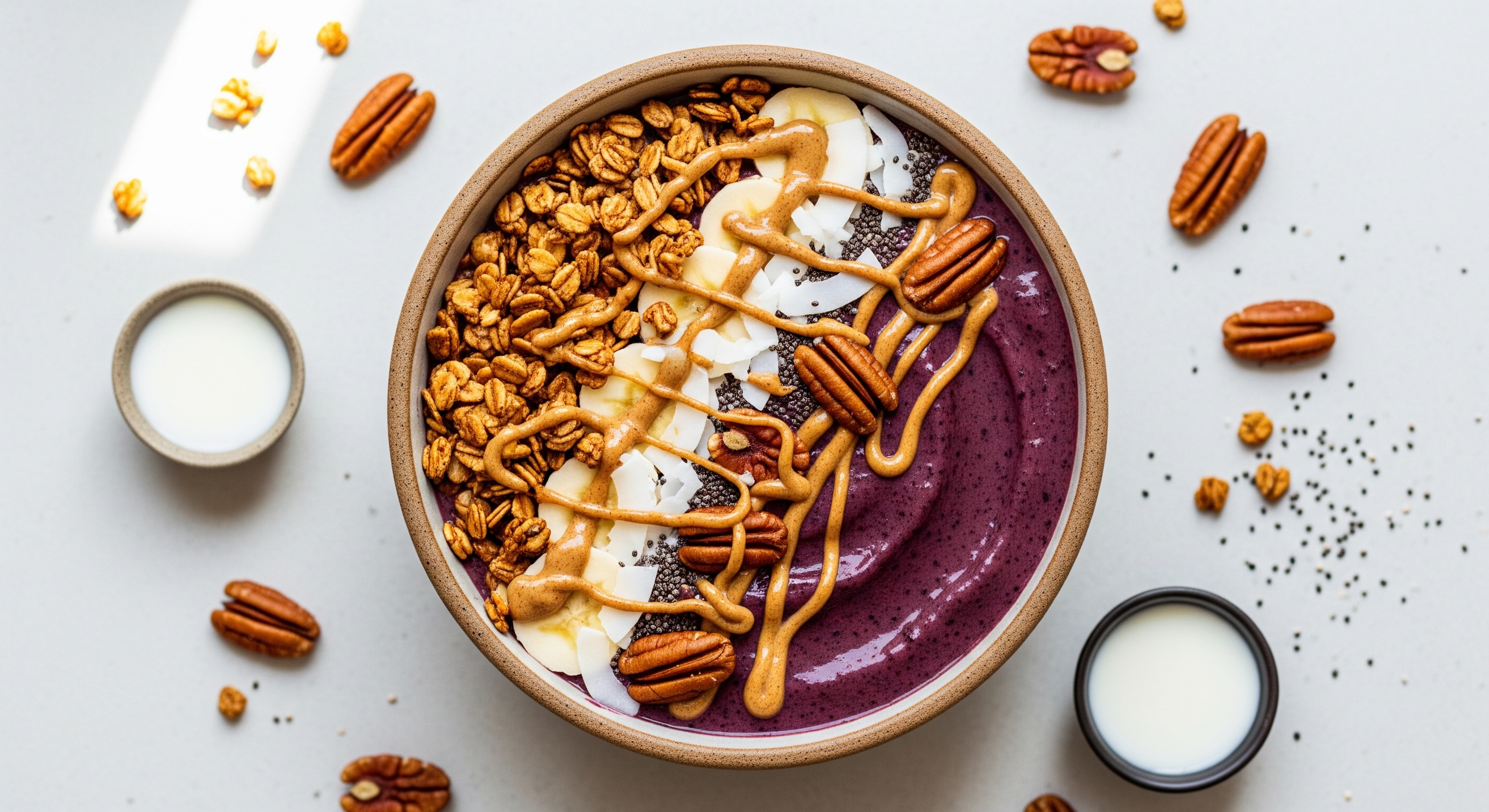 Açaí Bowl with Nuts, Granola & Coconut Base 10 min Colorful bowl with açaí, nuts and seeds on a creamy coconut-banana base 745 kcal 16g protein 2 synergies
 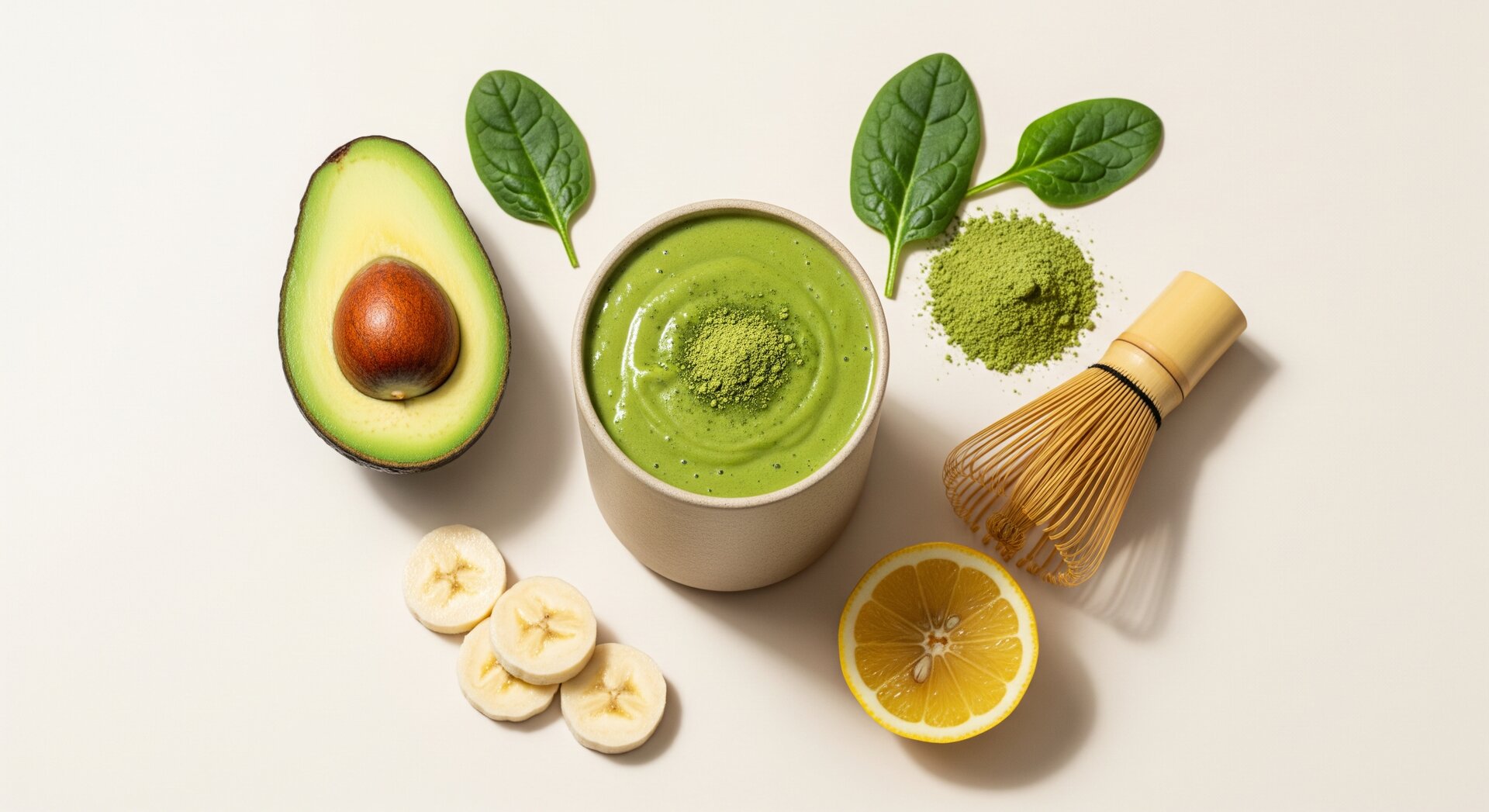 Avocado Matcha Smoothie 5 min Creamy green smoothie with matcha, avocado and spinach 340 kcal 6g protein 2 synergies
 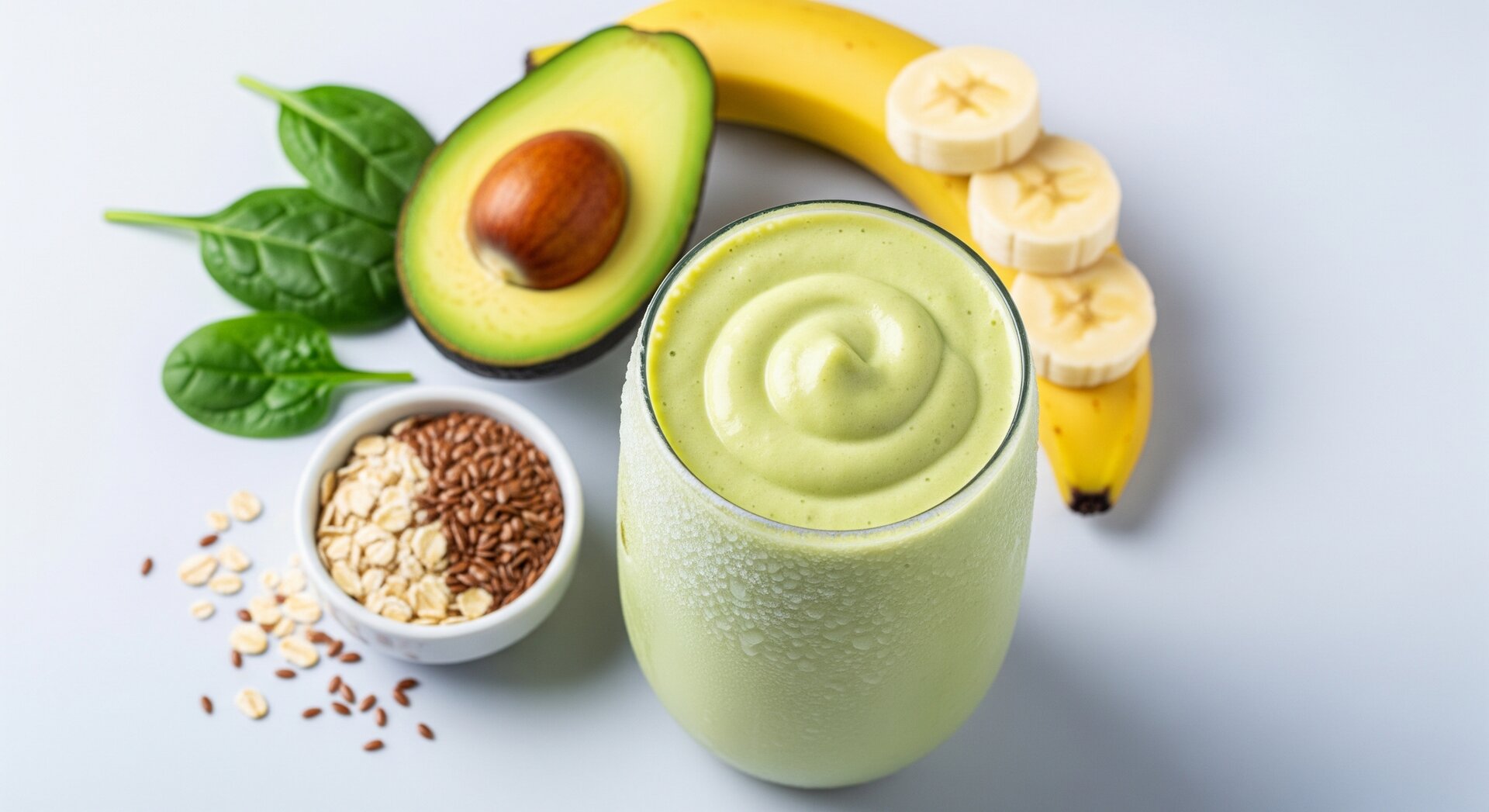 Avocado Spinach Muscle Builder Shake 5 min Creamy green shake with 650 calories for post-workout 546 kcal 28g protein 1 synergies
 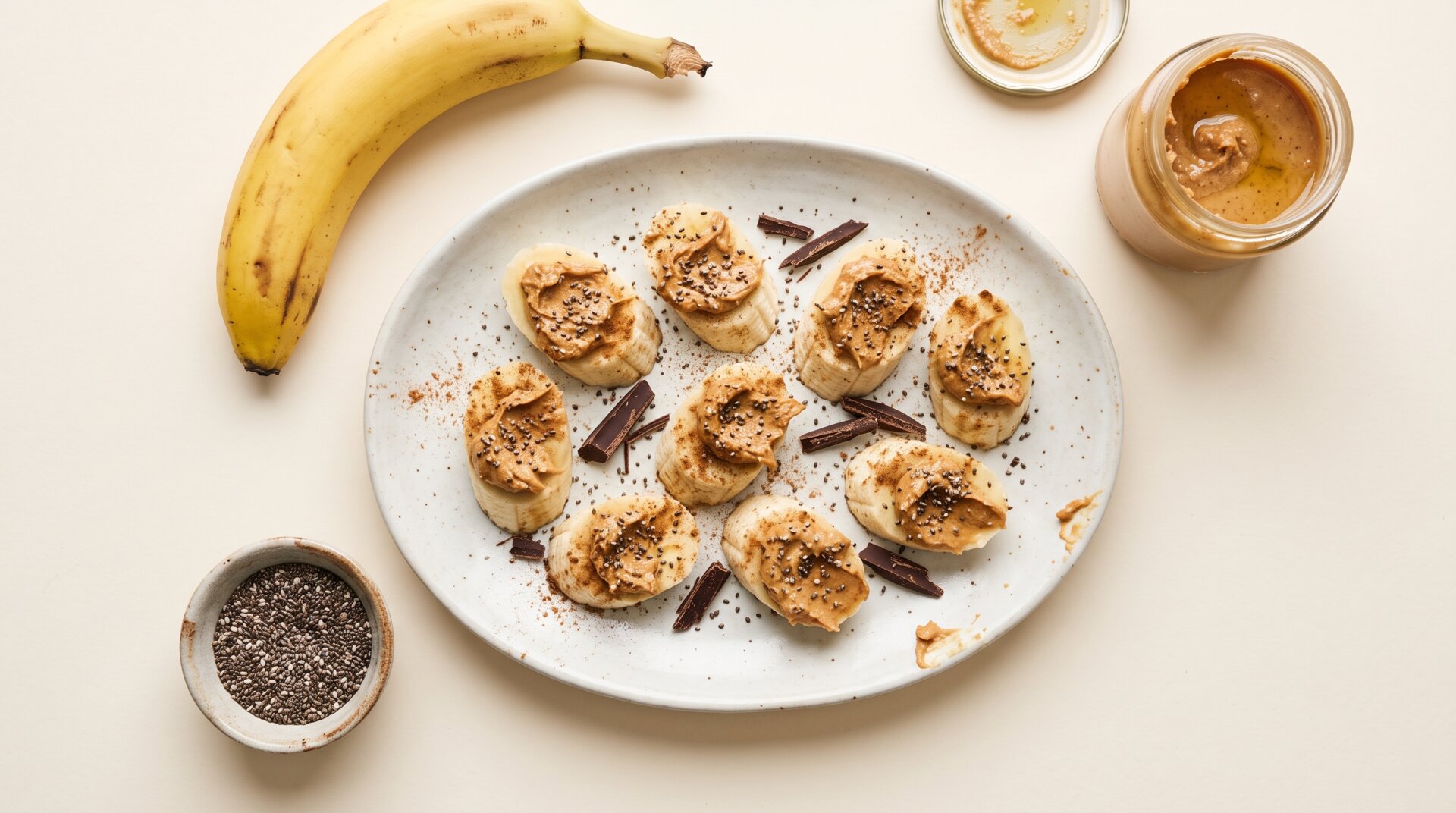 Banana with Peanut Butter and Chia Seeds 3 min Creamy, sweet and ready in three minutes 280 kcal 9g protein 1 synergies
 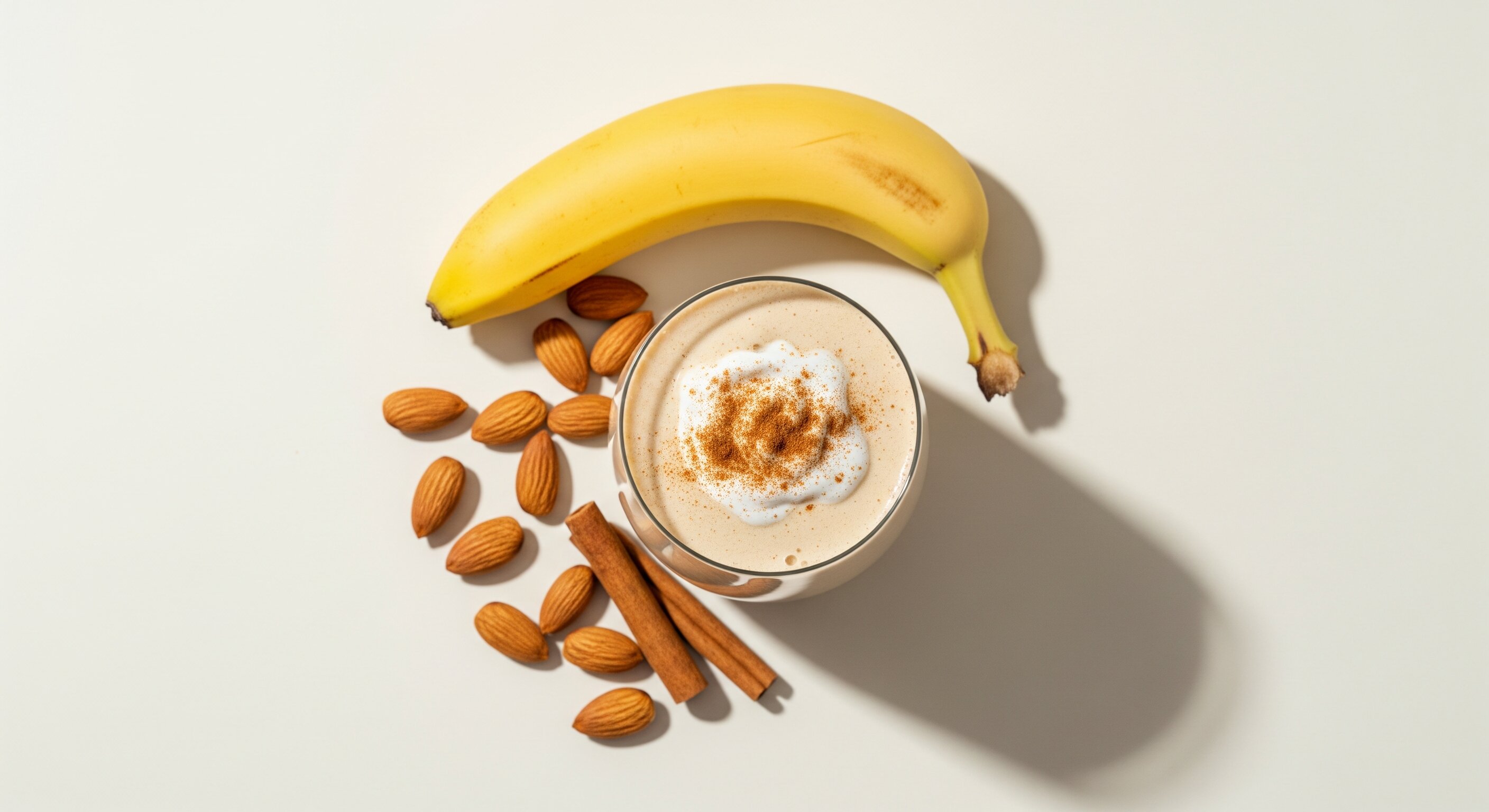 Banana-Almond Evening Shake 5 min Creamy shake with almond butter, yogurt and warm cinnamon 420 kcal 16g protein 2 synergies
  In the Kitchen
Storage
Location:Pantry
Shelf life:5-7 dagen
Store bananas away from delicate fruit because they release ethylene. Ripe bananas can be sliced and frozen for smoothies.
Conversions
Substitutes
Smart preparation
1Peel bananas from the bottom if the stem is hard to open.
Why?
This often keeps the banana intact and lets you use the stem as a handle.
2Use overripe bananas for banana pancakes or banana bread.
Why?
Overripe bananas are sweeter and softer, making them easy to mash.
3Freeze bananas in slices for smoothies.
Caution / Warnings
Banana is very safe, but there are scientific considerations:
Kidney Problems Moderate
With kidney problems, potassium intake may need extra attention depending on the individual situation.
Advice:
Consult a doctor or dietitian about potassium intake with kidney disease.
Latex Allergy Moderate
People with latex allergy may sometimes experience cross-reactions to banana.
Advice:
Test cautiously with a small amount and avoid banana if clear symptoms occur.
Traditional use
Ayurveda
Ayurvedic culinary tradition
In Ayurvedic food traditions, ripe banana is described as a sweet and nourishing fruit. Banana blossom is also prepared as a vegetable in several regions.
Southeast Asian
Southeast Asian food culture
In Southeast Asia, the banana plant has an important cultural and culinary role. Fruit, blossom and leaves are traditionally used in everyday dishes, festive preparations and as natural serving material.
Summary
Bananas are soft, convenient fruits with natural carbohydrates, fiber, potassium and vitamin B6. Ripe yellow bananas are sweeter and easy to use in smoothies, oatmeal or baked goods; greener bananas contain more resistant starch and have a firmer texture. Potassium contributes to normal muscle function and to the maintenance of normal blood pressure. Practical tip: freeze ripe slices for smoothies or use overripe bananas in pancakes and banana bread.