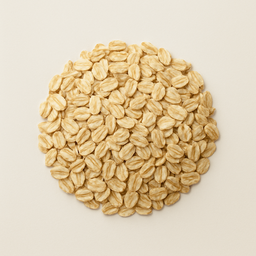
Oatmeal
Fiber-rich whole-grain oats for porridge, breakfast and baking
What is this ingredient?
Oatmeal is made from oat grains (Avena sativa) that are washed, hulled, heated and then cut into pieces or rolled flat. Because the bran, germ and endosperm remain, it is a whole grain with a firm nutritional matrix.
## Whole-grain oats
Oats contain soluble fibers such as beta-glucans, along with naturally occurring protein, unsaturated fats, minerals and polyphenols such as avenanthramides. Compared with many other grains, oats develop a soft, creamy structure when cooked or soaked.
## Kitchen and texture
Oatmeal works well as warm porridge, overnight oats, a base for granola, a binder in patties or a flour substitute in pancakes and cookies. The final thickness depends on the oat type, the amount of liquid and the resting time.
How does it taste?
Gently nutty and mildly sweet with a creamy, warming texture.
Pairs well with:
Pairs well with honeycinnamonapplewalnuts and blueberries.
Varieties
Rolled Oats
Flattened oat grains that cook in 5-10 minutes. This is the most common form for porridge, granola and baking.
Steel-Cut/Irish Oats
Cut oat groats with a nuttier taste and firmer bite. Cooking time is longer: usually 20-30 minutes.
Instant Oatmeal
Pre-steamed and thinly rolled, usually ready in 1-2 minutes. For flavored versions, check the ingredient list for added sugar or flavorings.
Did you know...?
- The oldest oat grains were found in Egypt and date back to around 2,000 BCE.
- In Scotland, oats are so important that Samuel Johnson described them as food for horses in England and people in Scotland.
Nutritional Value & Energy
Per 100g
Oatmeal provides energy thanks to natural nutrients , buffered by fiber.
Per 100g
Minerals
Vitamins
More nutrients
B-Vitamins
Trace Minerals
Low GI means blood sugar doesn't spike quickly.
What's in a serving?
1 serving (dry)
Oatmeal naturally contains iron (4.7 mg per 100 g).
Oatmeal naturally contains zinc (3.97 mg per 100 g).
Oatmeal naturally contains magnesium (177 mg per 100 g).
Oatmeal naturally contains potassium (429 mg per 100 g).
Oatmeal naturally contains phosphorus (523 mg per 100 g).
Oatmeal naturally contains folate (56 mcg per 100 g).
Oatmeal naturally contains selenium (28.9 mcg per 100 g).
Oatmeal naturally contains manganese (4.92 mg per 100 g).
Oatmeal naturally contains copper (0.63 mg per 100 g).
% of daily reference intake (DRI)
EU-approved nutrition claims
This ingredient contains nutrients for which EFSA-authorized health claims exist (at nutrient level, not ingredient-specific).
Approved health claims (EU)
Magnesium EU 432/2012
Magnesium contributes to normal muscle function
Contains 177mg/100g (threshold: ≥56.25mg/100g)
Magnesium EU 432/2012
Magnesium contributes to the reduction of tiredness and fatigue
Contains 177mg/100g (threshold: ≥56.25mg/100g)
Magnesium EU 432/2012
Magnesium contributes to normal functioning of the nervous system
Contains 177mg/100g (threshold: ≥56.25mg/100g)
Zinc EU 432/2012
Zinc contributes to the normal function of the immune system
Contains 3.97mg/100g (threshold: ≥1.5mg/100g)
Zinc EU 432/2012
Zinc contributes to the maintenance of normal skin
Contains 3.97mg/100g (threshold: ≥1.5mg/100g)
Iron EU 432/2012
Iron contributes to normal energy-yielding metabolism
Contains 4.7mg/100g (threshold: ≥2.1mg/100g)
Iron EU 432/2012
Iron contributes to the reduction of tiredness and fatigue
Contains 4.7mg/100g (threshold: ≥2.1mg/100g)
Potassium EU 432/2012
Potassium contributes to the maintenance of normal blood pressure
Contains 429mg/100g (threshold: ≥300mg/100g)
Folate EU 432/2012
Folate contributes to normal blood formation
Contains 56mcg/100g (threshold: ≥30mcg/100g)
Folate EU 432/2012
Folate contributes to normal amino acid synthesis
Contains 56mcg/100g (threshold: ≥30mcg/100g)
Folate EU 432/2012
Folate contributes to normal homocysteine metabolism
Contains 56mcg/100g (threshold: ≥30mcg/100g)
Folate EU 432/2012
Folate contributes to normal psychological function
Contains 56mcg/100g (threshold: ≥30mcg/100g)
Folate EU 432/2012
Folate contributes to the normal function of the immune system
Contains 56mcg/100g (threshold: ≥30mcg/100g)
Folate EU 432/2012
Folate has a role in the process of cell division
Contains 56mcg/100g (threshold: ≥30mcg/100g)
Folate EU 432/2012
Folate contributes to maternal tissue growth during pregnancy
Contains 56mcg/100g (threshold: ≥30mcg/100g)
Phosphorus EU 432/2012
Phosphorus contributes to normal energy-yielding metabolism
Contains 523mg/100g (threshold: ≥105mg/100g)
Phosphorus EU 432/2012
Phosphorus contributes to the normal function of cell membranes
Contains 523mg/100g (threshold: ≥105mg/100g)
Phosphorus EU 432/2012
Phosphorus contributes to the maintenance of normal bones
Contains 523mg/100g (threshold: ≥105mg/100g)
Phosphorus EU 432/2012
Phosphorus contributes to the maintenance of normal teeth
Contains 523mg/100g (threshold: ≥105mg/100g)
Magnesium EU 432/2012
Magnesium contributes to normal energy-yielding metabolism
Contains 177mg/100g (threshold: ≥56.25mg/100g)
Magnesium EU 432/2012
Magnesium contributes to electrolyte balance
Contains 177mg/100g (threshold: ≥56.25mg/100g)
Magnesium EU 432/2012
Magnesium contributes to normal protein synthesis
Contains 177mg/100g (threshold: ≥56.25mg/100g)
Magnesium EU 432/2012
Magnesium contributes to normal psychological function
Contains 177mg/100g (threshold: ≥56.25mg/100g)
Magnesium EU 432/2012
Magnesium contributes to the maintenance of normal bones
Contains 177mg/100g (threshold: ≥56.25mg/100g)
Magnesium EU 432/2012
Magnesium contributes to the maintenance of normal teeth
Contains 177mg/100g (threshold: ≥56.25mg/100g)
Magnesium EU 432/2012
Magnesium has a role in the process of cell division
Contains 177mg/100g (threshold: ≥56.25mg/100g)
Iron EU 432/2012
Iron contributes to normal cognitive function
Contains 4.7mg/100g (threshold: ≥2.1mg/100g)
Iron EU 432/2012
Iron contributes to normal formation of red blood cells and haemoglobin
Contains 4.7mg/100g (threshold: ≥2.1mg/100g)
Iron EU 432/2012
Iron contributes to normal oxygen transport in the body
Contains 4.7mg/100g (threshold: ≥2.1mg/100g)
Iron EU 432/2012
Iron contributes to the normal function of the immune system
Contains 4.7mg/100g (threshold: ≥2.1mg/100g)
Iron EU 432/2012
Iron has a role in the process of cell division
Contains 4.7mg/100g (threshold: ≥2.1mg/100g)
Zinc EU 432/2012
Zinc contributes to normal acid-base metabolism
Contains 3.97mg/100g (threshold: ≥1.5mg/100g)
Zinc EU 432/2012
Zinc contributes to normal carbohydrate metabolism
Contains 3.97mg/100g (threshold: ≥1.5mg/100g)
Zinc EU 432/2012
Zinc contributes to normal cognitive function
Contains 3.97mg/100g (threshold: ≥1.5mg/100g)
Zinc EU 432/2012
Zinc contributes to normal DNA synthesis
Contains 3.97mg/100g (threshold: ≥1.5mg/100g)
Zinc EU 432/2012
Zinc contributes to normal fertility and reproduction
Contains 3.97mg/100g (threshold: ≥1.5mg/100g)
Zinc EU 432/2012
Zinc contributes to normal macronutrient metabolism
Contains 3.97mg/100g (threshold: ≥1.5mg/100g)
Zinc EU 432/2012
Zinc contributes to normal metabolism of fatty acids
Contains 3.97mg/100g (threshold: ≥1.5mg/100g)
Zinc EU 432/2012
Zinc contributes to normal metabolism of vitamin A
Contains 3.97mg/100g (threshold: ≥1.5mg/100g)
Zinc EU 432/2012
Zinc contributes to normal protein synthesis
Contains 3.97mg/100g (threshold: ≥1.5mg/100g)
Zinc EU 432/2012
Zinc contributes to the maintenance of normal bones
Contains 3.97mg/100g (threshold: ≥1.5mg/100g)
Zinc EU 432/2012
Zinc contributes to the maintenance of normal hair
Contains 3.97mg/100g (threshold: ≥1.5mg/100g)
Zinc EU 432/2012
Zinc contributes to the maintenance of normal nails
Contains 3.97mg/100g (threshold: ≥1.5mg/100g)
Zinc EU 432/2012
Zinc contributes to the maintenance of normal testosterone levels in the blood
Contains 3.97mg/100g (threshold: ≥1.5mg/100g)
Zinc EU 432/2012
Zinc contributes to the maintenance of normal vision
Contains 3.97mg/100g (threshold: ≥1.5mg/100g)
Zinc EU 432/2012
Zinc contributes to the protection of cells from oxidative stress
Contains 3.97mg/100g (threshold: ≥1.5mg/100g)
Zinc EU 432/2012
Zinc has a role in the process of cell division
Contains 3.97mg/100g (threshold: ≥1.5mg/100g)
Copper EU 432/2012
Copper contributes to the maintenance of normal connective tissues
Contains 0.63mg/100g (threshold: ≥0.15mg/100g)
Copper EU 432/2012
Copper contributes to normal energy-yielding metabolism
Contains 0.63mg/100g (threshold: ≥0.15mg/100g)
Copper EU 432/2012
Copper contributes to normal functioning of the nervous system
Contains 0.63mg/100g (threshold: ≥0.15mg/100g)
Copper EU 432/2012
Copper contributes to normal hair pigmentation
Contains 0.63mg/100g (threshold: ≥0.15mg/100g)
Copper EU 432/2012
Copper contributes to normal iron transport in the body
Contains 0.63mg/100g (threshold: ≥0.15mg/100g)
Copper EU 432/2012
Copper contributes to normal skin pigmentation
Contains 0.63mg/100g (threshold: ≥0.15mg/100g)
Copper EU 432/2012
Copper contributes to the normal function of the immune system
Contains 0.63mg/100g (threshold: ≥0.15mg/100g)
Copper EU 432/2012
Copper contributes to the protection of cells from oxidative stress
Contains 0.63mg/100g (threshold: ≥0.15mg/100g)
Manganese EU 432/2012
Manganese contributes to normal energy-yielding metabolism
Contains 4.92mg/100g (threshold: ≥0.3mg/100g)
Manganese EU 432/2012
Manganese contributes to the maintenance of normal bones
Contains 4.92mg/100g (threshold: ≥0.3mg/100g)
Manganese EU 432/2012
Manganese contributes to the normal formation of connective tissue
Contains 4.92mg/100g (threshold: ≥0.3mg/100g)
Manganese EU 432/2012
Manganese contributes to the protection of cells from oxidative stress
Contains 4.92mg/100g (threshold: ≥0.3mg/100g)
Selenium EU 432/2012
Selenium contributes to the maintenance of normal hair
Contains 28.9mcg/100g (threshold: ≥8.25mcg/100g)
Selenium EU 432/2012
Selenium contributes to the maintenance of normal nails
Contains 28.9mcg/100g (threshold: ≥8.25mcg/100g)
Selenium EU 432/2012
Selenium contributes to the normal function of the immune system
Contains 28.9mcg/100g (threshold: ≥8.25mcg/100g)
Selenium EU 432/2012
Selenium contributes to normal thyroid function
Contains 28.9mcg/100g (threshold: ≥8.25mcg/100g)
Selenium EU 432/2012
Selenium contributes to normal spermatogenesis
Contains 28.9mcg/100g (threshold: ≥8.25mcg/100g)
Selenium EU 432/2012
Selenium contributes to the protection of cells from oxidative stress
Contains 28.9mcg/100g (threshold: ≥8.25mcg/100g)
Potassium EU 432/2012
Potassium contributes to normal functioning of the nervous system
Contains 429mg/100g (threshold: ≥300mg/100g)
Potassium EU 432/2012
Potassium contributes to normal muscle function
Contains 429mg/100g (threshold: ≥300mg/100g)
Comparison
vsspinazie
Oatmeal contains about twice as much iron per 100 g as spinach.
What's being researched?
Oat beta-glucan and blood cholesterol values
Oat beta-glucan is studied in relation to blood lipids and dietary patterns. Authorized EU health claims apply at nutrient level and depend on daily intake and conditions of use.
Supported by: [1] Bernstein (2013) , [2] Nie (2006)
Oat fiber and the gut microbiome
The relationship between oat fiber, intestinal transit and the gut microbiome is being studied. In laboratory research, beta-glucan can serve as a substrate for certain bacteria; responses differ by person and dietary pattern.
Supported by: [1] Bernstein (2013)
Good Combinations (Synergy)
Combine oatmeal smartly to enhance the effect:
Oatmeal 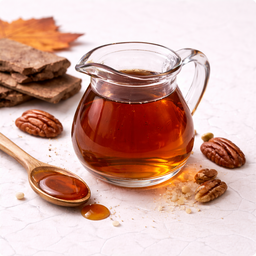 Maple Syrup
 Maple minerals + β-glucan for energy and blood sugar
Technical: Maple syrup provides manganese (3.3mg/60ml, 143% RDI) — essential for mitochondrial SOD enzyme (antioxidant) and glucose metabolism. Oatmeal's β-glucan (4g/100g) slows absorption of maple syrup's sugars (GI 54 — lower than white sugar GI 65). Manganese activates pyruvate carboxylase and isocitrate dehydrogenase in the citric acid cycle for efficient energy production. The combination offers: minerals (maple) + slow-release carbohydrates (oats).
What does this mean for you? Oatmeal with maple syrup is a better choice than oatmeal with sugar. The β-glucan slows sugar absorption, and maple syrup provides unique minerals that sugar doesn't have.
Oatmeal 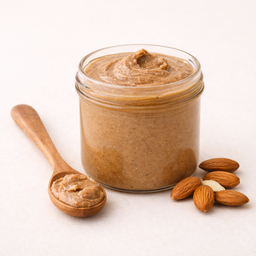 Almond butter
 Monounsaturated fats + beta-glucans: complementary lipid pathways
Technical: Almond paste provides 22g protein per 100g plus 56g fat (35g MUFA). Oatmeal contains 4g beta-glucans per 100g — soluble fibers that bind bile acids in the gut. Oat beta-glucans contribute to the maintenance of normal blood cholesterol levels (EFSA, at minimum 3g/day). Almond MUFA influences hepatic VLDL secretion via complementary lipid pathways. Proteins from almond paste (lysine-poor) are complemented by oatmeal (lysine-richer in cereals).
What does this mean for you? Stir a tablespoon of almond paste into your oatmeal porridge. Two complementary pathways for lipid metabolism plus longer-lasting fullness. Oat beta-glucans contribute to the maintenance of normal blood cholesterol levels (EFSA).
Oatmeal 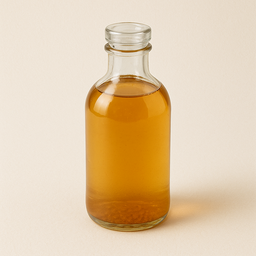 Apple Cider Vinegar
 Dual glycemic slowdown via beta-glucans + acetic acid
Technical: Oatmeal contains beta-glucans (soluble fibers) that form a gel in the gut, slowing carbohydrate absorption. Apple cider vinegar's acetic acid (5%) inhibits the enzyme alpha-amylase, slowing starch breakdown. Together they reduce glycemic response by 30-40% through two independent mechanisms.
What does this mean for you? Add 1 tablespoon apple cider vinegar to your oatmeal water while cooking, or drink it diluted 15 minutes before breakfast. You feel satisfied longer thanks to slower carbohydrate processing.
Oatmeal  Banana
 Perfect breakfast combination for sustained energy
Technical: Banana contains fast carbohydrates (glucose, fructose, sucrose — 22g per 100g) and 358mg potassium. Oatmeal provides beta-glucans (4g per 100g) — soluble fiber that forms a gel and slows carbohydrate absorption. The combination offers layered energy release: first quick energy from banana, then slow energy from oats. Both also contain tryptophan for serotonin production.
What does this mean for you? Oatmeal with banana is the perfect breakfast for sustained energy without the 11am dip. The banana makes it sweeter without sugar, and potassium helps with fluid balance and muscle function. Add nuts for even more satiety.
Oatmeal 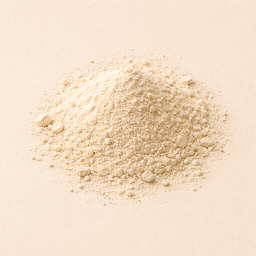 Baobab Powder
 Vitamin C from baobab increases non-heme iron absorption from oats 2-6x
Ascorbic acid increases non-heme iron absorption from grains 2-6x via phytate chelation (PMID: 15743017)
Technical: Oats contain 4.7mg non-heme iron per 100g, but phytate (1.0-1.4g/100g) binds up to 70% of it. Baobab powder contains 150-500mg vitamin C per 100g — one of the highest natural sources. Ascorbic acid reduces Fe³⁺→Fe²⁺ and forms soluble iron-ascorbate complexes bypassing phytate binding, increasing iron absorption from 2-5% to 10-20%.
What does this mean for you? Mix a teaspoon of baobab powder into your oatmeal. The extreme vitamin C breaks through the phytate blockade so you extract up to 6x more iron from your breakfast.
Oatmeal 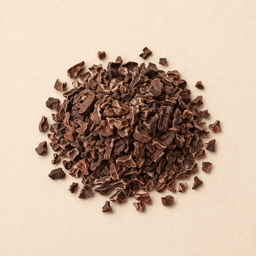 Raw Cacao Nibs
 Magnesium + beta-glucans for energy and microbiome support
Technical: Cacao nibs provide magnesium (essential for ATP production in mitochondria) and flavanols that improve cerebral blood flow. Oats contain beta-glucans (4g/100g), soluble fibers that reduce glycemic response by 30-50% and feed Bifidobacterium as prebiotic. Magnesium supports energy production, while beta-glucans ensure steady glucose release — no sugar spike, no crash.
What does this mean for you? Add cacao nibs to your oatmeal for a chocolate-like breakfast experience with mental and physical energy boost. The crunchy texture adds extra bite to your porridge.
Oatmeal 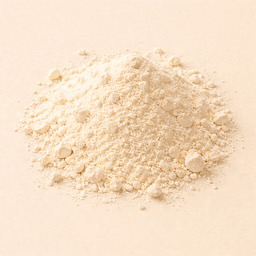 Protein Powder (unsweetened)
 Fast protein + slow carbs for sustained muscle building
Technical: Protein powder (whey) absorbs quickly (30-60 min) reaching peak amino acid levels in blood. Oats provide complex carbohydrates (66g/100g) that digest slowly (GI 55) and gradually raise insulin. This creates an extended anabolic response: the fast amino acid peak from whey triggers MPS, the slow insulin from oats maintains amino acid transport to muscles longer. Beta-glucans (4g/100g) slow gastric emptying and extend the absorption period.
What does this mean for you? Proats (protein + oats) is the ideal breakfast for muscle building. The protein immediately starts muscle repair, while oats provide hours of fuel without a sugar dip.
Oatmeal 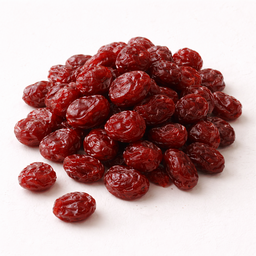 Dried cherries
 Melatonin + magnesium for deep sleep
Technical: Dried cherries provide melatonin. Oatmeal contains magnesium (138mg/100g) and tryptophan. Magnesium activates GABA receptors, tryptophan is converted to serotonin/melatonin.
What does this mean for you? Eat oatmeal porridge with dried cherries 2 hours before bed for natural sleep support.
Oatmeal 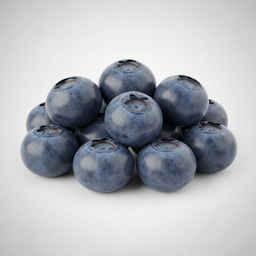 Blueberries
 Vitamin C lifts iron blockade
Technical: Oatmeal contains 3.9mg non-heme iron per 100g, but also phytic acid (0.5-1.4g per 100g) that can inhibit iron absorption by 50-80% by forming insoluble complexes. Blueberries contain 9.7mg vitamin C per 100g that reduces Fe³⁺ (non-absorbable) to Fe²⁺ (absorbable) and forms a soluble iron-ascorbate complex that bypasses phytate binding.
What does this mean for you? Always top your oatmeal with fresh blueberries or other fruit. Without vitamin C, most iron from your oatmeal is lost due to phytic acid. Especially important for vegetarians and women who depend on plant-based iron.
Oatmeal 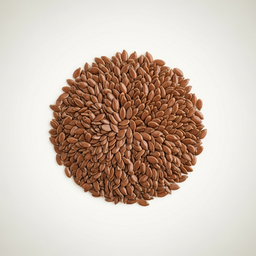 Flaxseed
 Beta-glucans + omega-3 for lipid profile support
Beta-glucans lower LDL cholesterol by 5-10% (PMID: 21631511)
Technical: Oatmeal contains 4g beta-glucans per 100g that bind bile acids in the gut. Flaxseed provides 23g ALA omega-3 per 100g. Together they offer dual lipid profile support via two independent biochemical pathways: bile acid binding + omega-3 fatty acid metabolism.
What does this mean for you? Oatmeal with ground flaxseed is a powerful breakfast. Two ingredients that both support your lipid profile through different mechanisms. Use ground flaxseed (whole flaxseed passes undigested).
Oatmeal 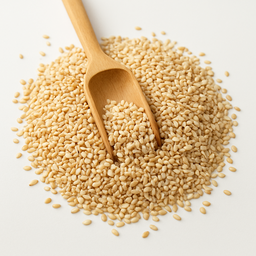 Sesame Seeds
 Beta-glucans + calcium for bone mineralization and lipid profile
Technical: Oatmeal contains beta-glucans that bind bile acids. Sesame seeds provide 975mg calcium per 100g — more than milk! They also contain sesamin (lignan) with antioxidant action. Together they support both lipid profile (beta-glucans) and bone mineralization (calcium).
What does this mean for you? Oatmeal with sesame seeds is a calcium-rich start to the day. The beta-glucans support your lipid profile, the sesame provides more calcium than a glass of milk.
Oatmeal 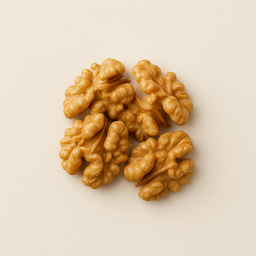 Walnuts
 Soluble fiber + omega-3 for lipid profile and cognition
Technical: Oatmeal's beta-glucans form a gel in the gut that binds bile acids. Walnuts provide ALA omega-3 (9g/100g), melatonin and ellagic acid. The combination supports the lipid profile via two routes: bile acid binding + omega-3 metabolism.
What does this mean for you? Oatmeal with walnuts is a breakfast classic that is genuinely synergistic. The beta-glucans and omega-3 both support your lipid profile, the melatonin in walnuts contributes to your circadian rhythm.
Oatmeal 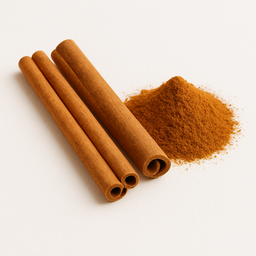 Cinnamon
 Flattens the sugar spike after carbohydrate-rich meals
Technical: Oatmeal contains complex carbohydrates that raise blood sugar. Cinnamon's MHCP (methylhydroxy chalcone polymers) increase insulin activity up to 20x and cinnamaldehyde activates AMPK, improving glucose transport to cells. This lowers postprandial glucose peak by 18-29% and extends satiety.
What does this mean for you? Always add cinnamon to your oatmeal, apple or banana bread. The cinnamon helps keep your blood sugar more stable after these carb-rich meals.
Oatmeal 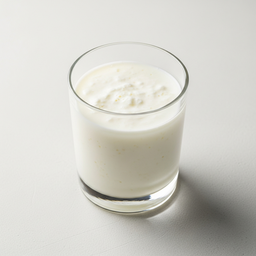 Kefir
Kefir Prebiotics + Probiotics = Synbiotics
Technical: Oatmeal contains beta-glucans — soluble fibers acting as prebiotics. Kefir provides 30-50 probiotic strains. Together they form a synbiotic: beta-glucans selectively feed kefir's probiotics, strongly increasing their survival and colonization in the gut.
What does this mean for you? Pour kefir over your oatmeal instead of milk. The oat fiber feeds the probiotics from kefir — a synbiotic combination for your gut flora.
Oatmeal 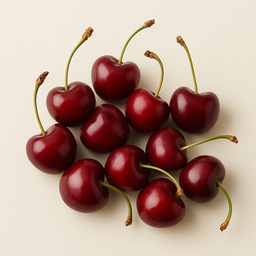 Cherries
 Melatonin + slow carbohydrates for optimal night's rest
Cherries increase melatonin levels and improve sleep (PMID: 22038497)
Technical: Cherries contain natural melatonin (up to 13ng/g in tart cherries). Oatmeal provides tryptophan (147mg/100g) and slow carbohydrates that promote tryptophan uptake in the brain. Beta-glucans ensure stable blood sugar throughout the night.
What does this mean for you? Oatmeal porridge with cherries (fresh or dried) 2 hours before bed is a scientifically-backed sleep aid. Add some almonds for extra magnesium.
Oatmeal 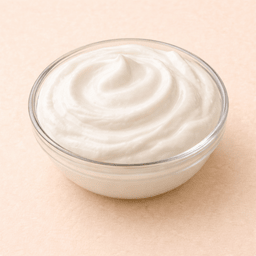 Quark (low-fat)
 Slow protein + beta-glucans for sustained energy
Technical: Quark provides 12g casein protein per 100g that digests over 6-8 hours. Oats contain 4g beta-glucans per 100g, soluble fibers that slow gastric emptying and reduce glycemic response by 30-50%. Together they create an exceptionally low insulin spike: the protein doesn't suppress glucagon release, the fiber slows glucose absorption. This delivers 4-5 hours of stable energy.
What does this mean for you? Mix quark into your oatmeal for a breakfast that gives you energy all morning. The combination prevents the sugar dip you would get from a carb-only breakfast.
Oatmeal 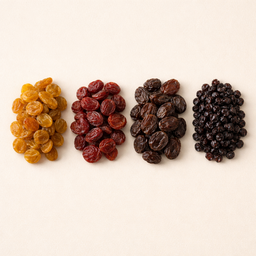 Raisins
 Iron + beta-glucans for energy and lipid metabolism
Technical: Raisins contain 1.88mg iron per 100g (10% RDI) plus 749mg potassium and concentrated polyphenols (procyanidins, catechins). Oatmeal provides 4g beta-glucans per 100g — soluble fibers that bind bile acids. Beta-glucans contribute to the maintenance of normal blood cholesterol levels (EFSA-approved claim at 3g/day). Beta-glucans also slow glucose absorption (GI of raisins drops from 64 to ~50 with oatmeal). Iron from raisins is better absorbed due to organic acids (citric acid, tartaric acid) in the raisins themselves.
What does this mean for you? Oatmeal porridge with raisins is a proven effective combination for stable energy. The raisins provide natural sweetness without refined sugar.
Oatmeal 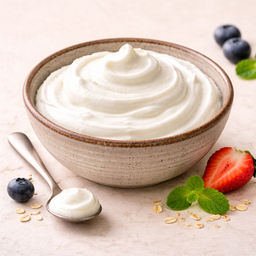 Skyr
Skyr Tri-phasic energy profile: fast + medium + slow for hours of energy
Technical: Skyr contains 10-11% casein protein that digests slowly (6-8 hours). Oatmeal provides beta-glucans (soluble fiber, 4g/100g, GI 55) that modulate glycemic response through delayed glucose absorption. Together they form a breakfast with sustained satiety: slow-digesting protein + slow carbs. Honey's prebiotic FOS feed the probiotics from skyr (synbiotic).
What does this mean for you? Oatmeal porridge with skyr and honey is a triple synbiotic breakfast bowl. The casein protein keeps you satiated for hours, the beta-glucans provide slow energy and the honey feeds the good bacteria from skyr.
Recipes with Oatmeal
Discover delicious recipes featuring oatmeal:
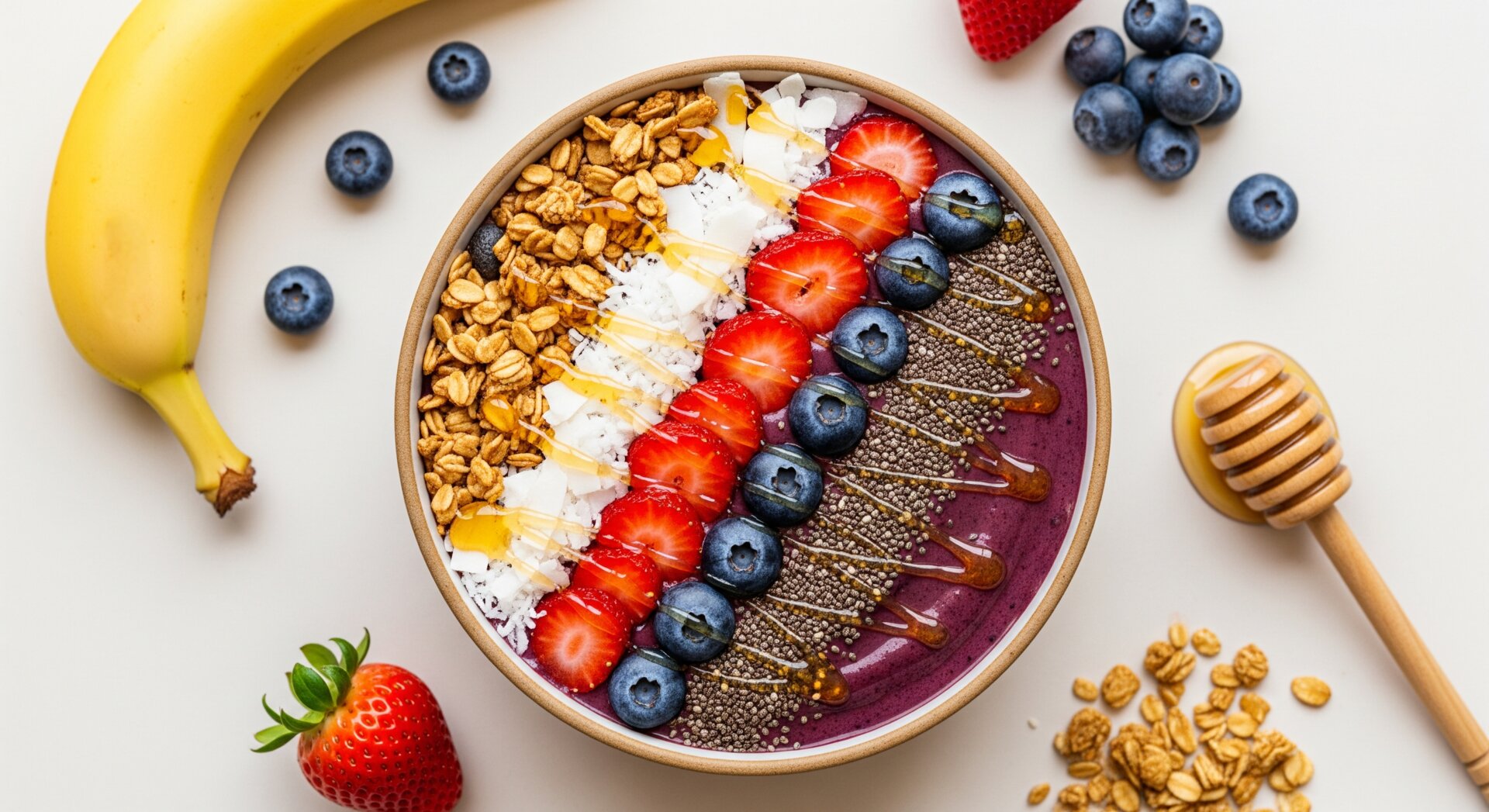 Acai Bowl with Banana, Berries and Oats 10 min Fresh berry bowl for fresh mornings
  431 kcal
  8g protein 2 synergies Acai Bowl with Banana, Berries and Oats 10 min Fresh berry bowl for fresh mornings 431 kcal 8g protein 2 synergies
 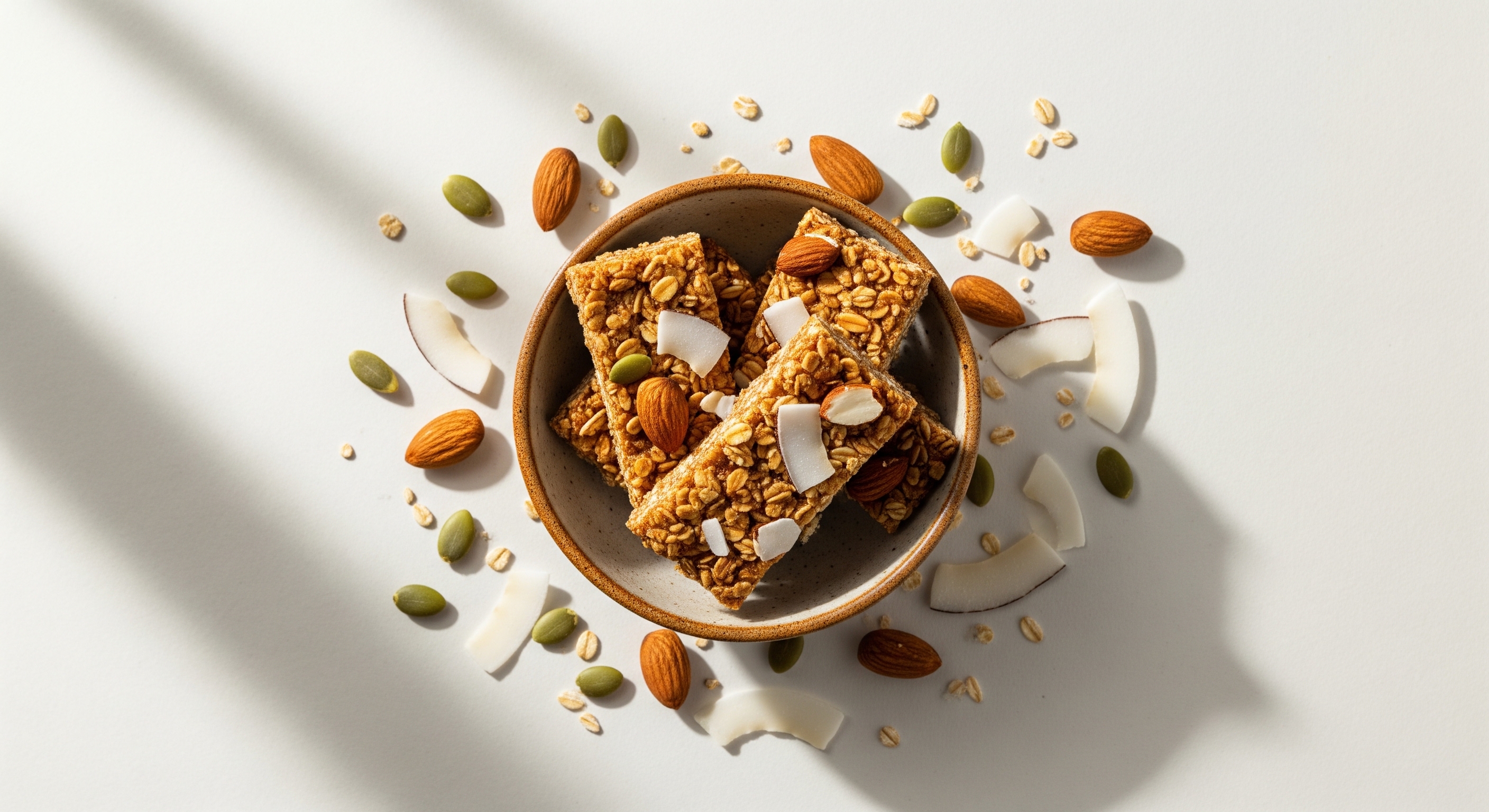 Almond-Coconut Granola Bars 40 min Crunchy, nutty and sweet from honey and apricots 412 kcal 10g protein 2 synergies
 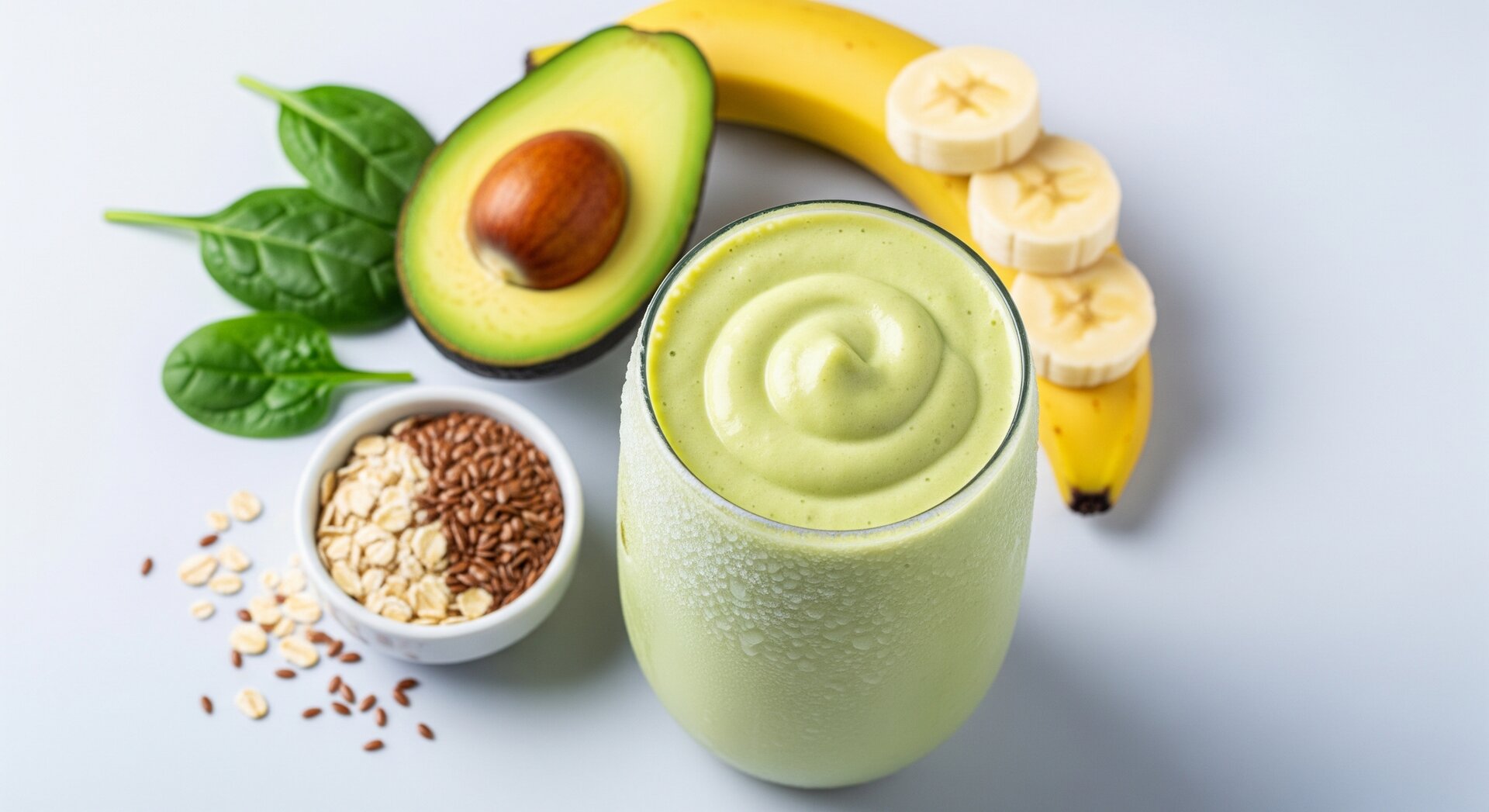 Avocado Spinach Muscle Builder Shake 5 min Creamy green shake with 650 calories for post-workout 546 kcal 28g protein 1 synergies
 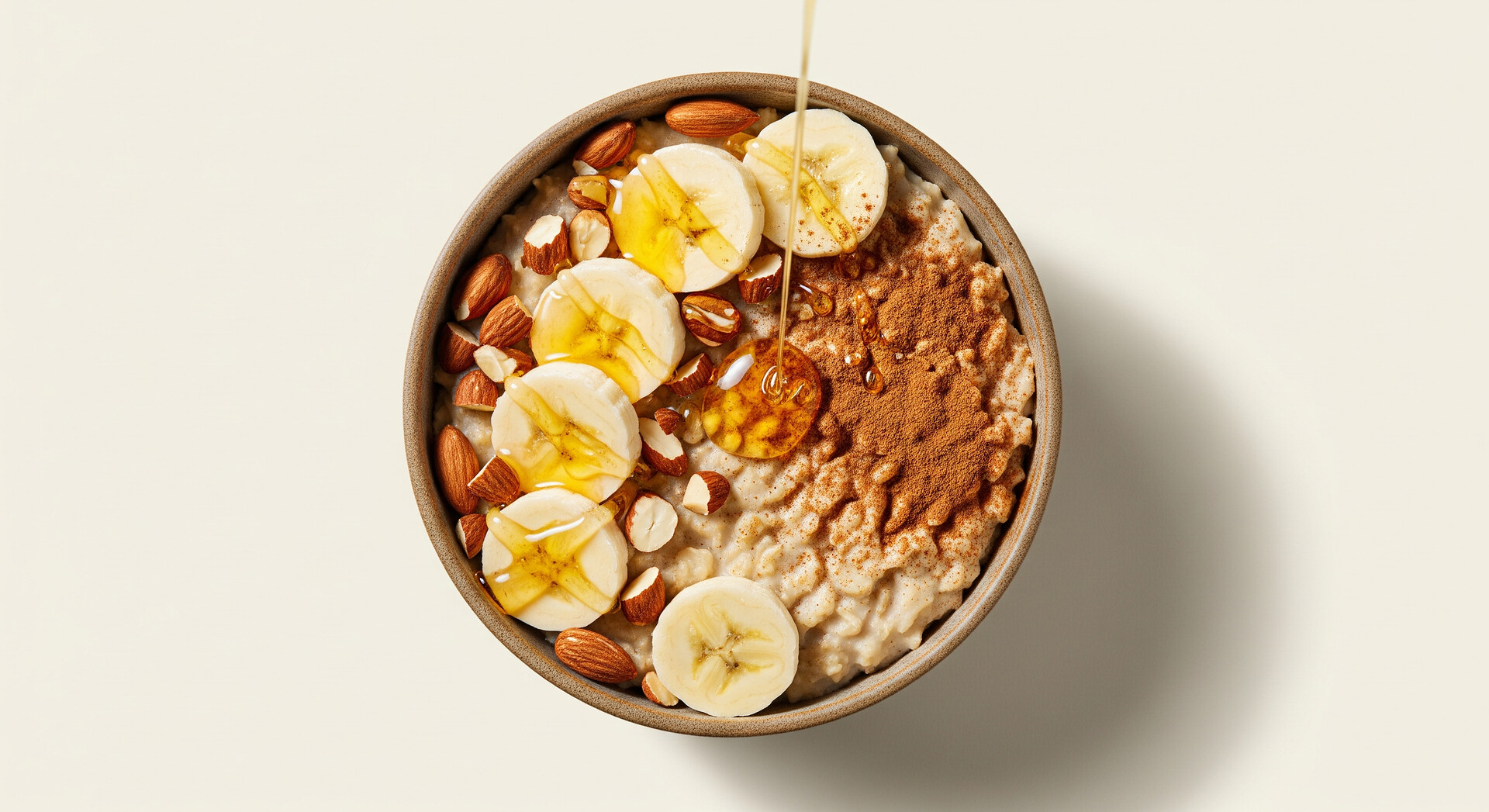 Banana Oatmeal Bowl 12 min Warm oatmeal with banana, almonds, honey and cinnamon 420 kcal 14g protein 3 synergies
 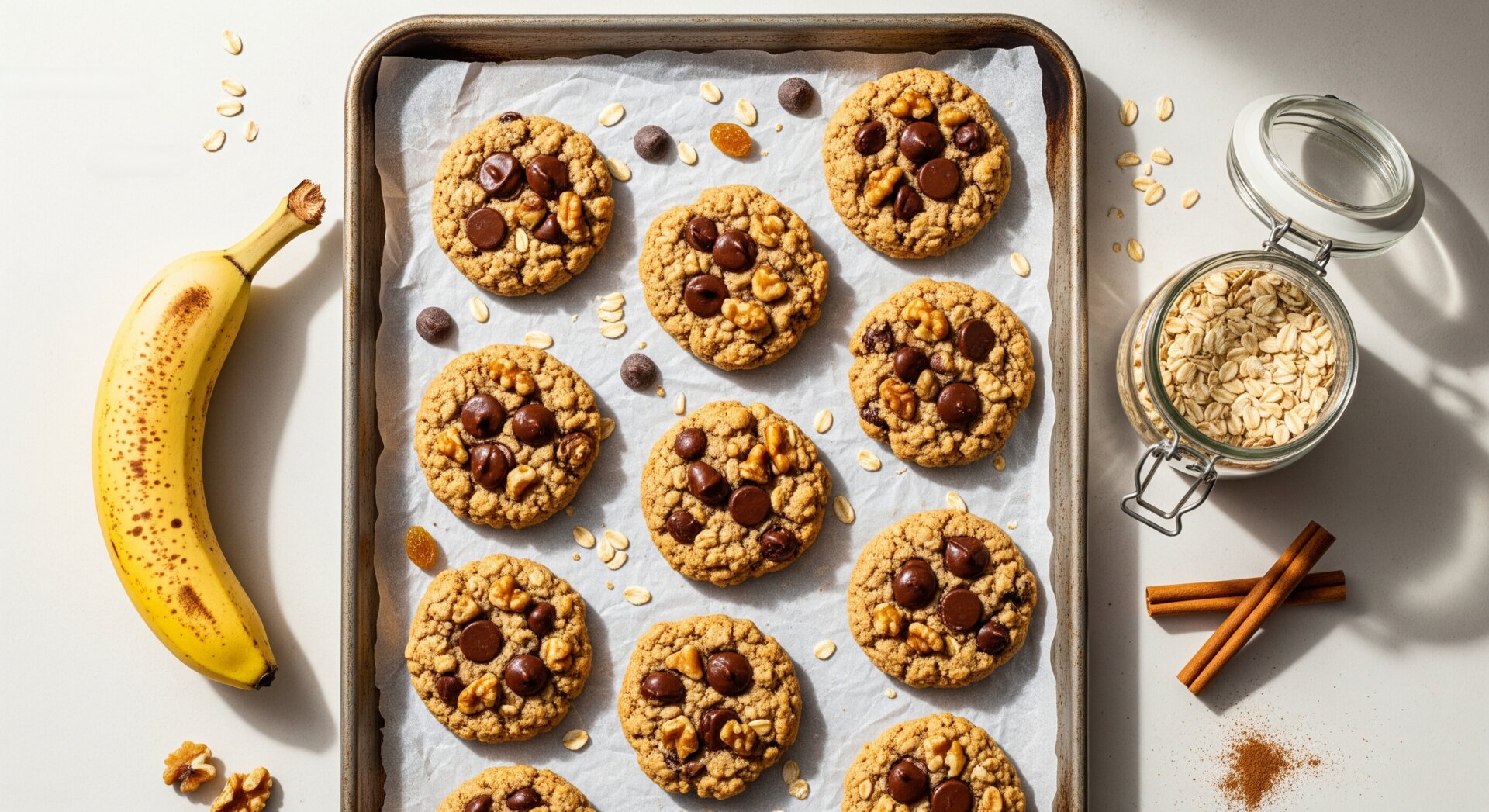 Banana Oatmeal Cookies 28 min Cookies based on two ingredients: ripe banana and oats 110 kcal 3g protein 1 synergies
  In the Kitchen
Storage
Location:Pantry
Shelf life:1-2 jaar (droog, luchtdicht)
Store airtight in a cool, dry place. With celiac disease, use only certified gluten-free oats.
Preparation
Make oatmeal as overnight oats or cook it to your preferred thickness. Good with cinnamon, flaxseed, walnuts and fruit.
Conversions
Substitutes
Smart preparation
1Use rolled oats for porridge and finer oats or oat flour for baking.
2Stir oats into cold water or milk first, then bring them gently to a boil.
Why?
Starting in cold liquid prevents lumps and gives a creamier result.
3Add a pinch of salt to oat porridge for more depth of flavor.
Caution / Warnings
Oatmeal is very safe, but there are scientific considerations:
Celiac disease / gluten-free needed Severe
Oats are naturally gluten-free, but they can come into contact with wheat, barley or rye during cultivation, transport or processing.
Advice:
With celiac disease, use only certified gluten-free oats and follow advice from your doctor or dietitian.
Phytic acid and mineral absorption Mild
Raw oats contain phytic acid, a natural plant compound that can bind minerals such as zinc and iron.
Advice:
Cooking or soaking overnight softens oats and can partly reduce phytic acid content.
Traditional use
Other
Scottish and Celtic staple
Oatmeal has been connected with Scotland and Celtic regions for more than 2,000 years. Oat porridge was eaten as warming winter food and as a substantial meal for laborers.
Summary
Oatmeal is a versatile whole-grain base for breakfast and baking. Make it as warm porridge, overnight oats or granola, and combine it with cinnamon, nuts, seeds and fruit for flavor, texture and variety.