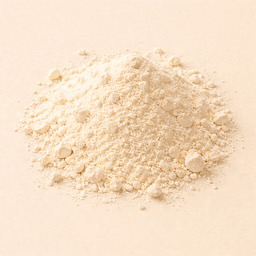
Protein Powder (unsweetened)
Concentrated protein source for shakes, breakfast and baking
What is this ingredient?
Protein powder is a concentrated ingredient made by isolating protein from milk whey, casein, soy, pea, rice or hemp. Production techniques such as membrane filtration and ion exchange often raise the protein content to 70-90%, while part of the carbohydrates and fats is removed. The result is a practical powder for shakes, oatmeal, yogurt, pancakes and other recipes where extra protein is desired.
## Protein and training
Protein contributes to the growth and maintenance of muscle mass. In sports nutrition research, protein powder is often used because it is easy to dose precisely and quick to mix into a meal or shake. Morton et al. (2018) analyzed 49 studies with 1,863 participants and reported that protein supplementation during resistance training was associated with an average of 0.30 kg more fat-free mass than placebo. Whey is relatively rich in leucine (about 10-12 g per 100 g), an essential amino acid that receives substantial attention in muscle protein synthesis research.
## Dosing and timing
Many studies use servings of 20-40 g protein at a time, depending on body weight, total protein intake and training load. A post-workout shake is practical, but total daily protein intake is usually more important than one exact timing window. Casein is often chosen when a thicker, slower-digesting shake is desired; whey is more often used for a lighter shake that mixes quickly.
## Satiety and daily use
Protein-rich meals generally feel more filling than meals with little protein. Protein powder can therefore be useful in breakfast, snacks or smoothies when regular foods alone do not provide enough protein. Prefer an unsweetened version with a short ingredient list and check whether the source fits your dietary preferences: whey or casein for dairy-based options, or pea, rice, soy or hemp for plant-based options.
How does it taste?
Mild, lightly creamy and sometimes subtly malty; the flavor depends on source, processing and any added aromas.
Pairs well with:
Pairs well with bananapeanut butteroatmealcacaostrawberries and plant milk.
Did you know...?
- Whey protein powder was once a by-product of cheese production that was often discarded.
- The first commercial protein powders did not appear until the 1950s.
Nutritional Value & Energy
Per 100g
Protein Powder (unsweetened) provides energy thanks to natural nutrients .
Per 100g
Minerals
Vitamins
Omega-3 fatty acids
More nutrients
B-Vitamins
Trace Minerals
What's in a serving?
1 serving
Protein Powder (unsweetened) naturally contains calcium (600 mg per 100 g).
Protein Powder (unsweetened) naturally contains potassium (350 mg per 100 g).
Protein Powder (unsweetened) naturally contains selenium (20 mcg per 100 g).
Protein Powder (unsweetened) naturally contains vitamin B12 (1.2 mcg per 100 g).
Protein Powder (unsweetened) naturally contains zinc (4 mg per 100 g).
% of daily reference intake (DRI)
EU-approved nutrition claims
This ingredient contains nutrients for which EFSA-authorized health claims exist (at nutrient level, not ingredient-specific).
Approved health claims (EU)
Vitamin_b12 EU 432/2012
Vitamin B12 contributes to the normal function of the immune system
Contains 1.2mcg/100g (threshold: ≥0.375mcg/100g)
Vitamin_b12 EU 432/2012
Vitamin B12 contributes to the reduction of tiredness and fatigue
Contains 1.2mcg/100g (threshold: ≥0.375mcg/100g)
Vitamin_b12 EU 432/2012
Vitamin B12 contributes to the normal functioning of the nervous system
Contains 1.2mcg/100g (threshold: ≥0.375mcg/100g)
Zinc EU 432/2012
Zinc contributes to the normal function of the immune system
Contains 4mg/100g (threshold: ≥1.5mg/100g)
Zinc EU 432/2012
Zinc contributes to the maintenance of normal skin
Contains 4mg/100g (threshold: ≥1.5mg/100g)
Calcium EU 432/2012
Calcium is needed for the maintenance of normal bones
Contains 600mg/100g (threshold: ≥120mg/100g)
Potassium EU 432/2012
Potassium contributes to the maintenance of normal blood pressure
Contains 350mg/100g (threshold: ≥300mg/100g)
Vitamin_b12 EU 432/2012
Vitamin B12 contributes to normal energy-yielding metabolism
Contains 1.2mcg/100g (threshold: ≥0.375mcg/100g)
Vitamin_b12 EU 432/2012
Vitamin B12 contributes to normal homocysteine metabolism
Contains 1.2mcg/100g (threshold: ≥0.375mcg/100g)
Vitamin_b12 EU 432/2012
Vitamin B12 contributes to normal psychological function
Contains 1.2mcg/100g (threshold: ≥0.375mcg/100g)
Vitamin_b12 EU 432/2012
Vitamin B12 contributes to normal red blood cell formation
Contains 1.2mcg/100g (threshold: ≥0.375mcg/100g)
Vitamin_b12 EU 432/2012
Vitamin B12 has a role in the process of cell division
Contains 1.2mcg/100g (threshold: ≥0.375mcg/100g)
Calcium EU 432/2012
Calcium is needed for the maintenance of normal teeth
Contains 600mg/100g (threshold: ≥120mg/100g)
Calcium EU 432/2012
Calcium contributes to normal blood clotting
Contains 600mg/100g (threshold: ≥120mg/100g)
Calcium EU 432/2012
Calcium contributes to normal energy-yielding metabolism
Contains 600mg/100g (threshold: ≥120mg/100g)
Calcium EU 432/2012
Calcium contributes to normal muscle function
Contains 600mg/100g (threshold: ≥120mg/100g)
Calcium EU 432/2012
Calcium contributes to normal neurotransmission
Contains 600mg/100g (threshold: ≥120mg/100g)
Calcium EU 432/2012
Calcium contributes to the normal function of digestive enzymes
Contains 600mg/100g (threshold: ≥120mg/100g)
Calcium EU 432/2012
Calcium has a role in the process of cell division and specialisation
Contains 600mg/100g (threshold: ≥120mg/100g)
Zinc EU 432/2012
Zinc contributes to normal acid-base metabolism
Contains 4mg/100g (threshold: ≥1.5mg/100g)
Zinc EU 432/2012
Zinc contributes to normal carbohydrate metabolism
Contains 4mg/100g (threshold: ≥1.5mg/100g)
Zinc EU 432/2012
Zinc contributes to normal cognitive function
Contains 4mg/100g (threshold: ≥1.5mg/100g)
Zinc EU 432/2012
Zinc contributes to normal DNA synthesis
Contains 4mg/100g (threshold: ≥1.5mg/100g)
Zinc EU 432/2012
Zinc contributes to normal fertility and reproduction
Contains 4mg/100g (threshold: ≥1.5mg/100g)
Zinc EU 432/2012
Zinc contributes to normal macronutrient metabolism
Contains 4mg/100g (threshold: ≥1.5mg/100g)
Zinc EU 432/2012
Zinc contributes to normal metabolism of fatty acids
Contains 4mg/100g (threshold: ≥1.5mg/100g)
Zinc EU 432/2012
Zinc contributes to normal metabolism of vitamin A
Contains 4mg/100g (threshold: ≥1.5mg/100g)
Zinc EU 432/2012
Zinc contributes to normal protein synthesis
Contains 4mg/100g (threshold: ≥1.5mg/100g)
Zinc EU 432/2012
Zinc contributes to the maintenance of normal bones
Contains 4mg/100g (threshold: ≥1.5mg/100g)
Zinc EU 432/2012
Zinc contributes to the maintenance of normal hair
Contains 4mg/100g (threshold: ≥1.5mg/100g)
Zinc EU 432/2012
Zinc contributes to the maintenance of normal nails
Contains 4mg/100g (threshold: ≥1.5mg/100g)
Zinc EU 432/2012
Zinc contributes to the maintenance of normal testosterone levels in the blood
Contains 4mg/100g (threshold: ≥1.5mg/100g)
Zinc EU 432/2012
Zinc contributes to the maintenance of normal vision
Contains 4mg/100g (threshold: ≥1.5mg/100g)
Zinc EU 432/2012
Zinc contributes to the protection of cells from oxidative stress
Contains 4mg/100g (threshold: ≥1.5mg/100g)
Zinc EU 432/2012
Zinc has a role in the process of cell division
Contains 4mg/100g (threshold: ≥1.5mg/100g)
Selenium EU 432/2012
Selenium contributes to the maintenance of normal hair
Contains 20mcg/100g (threshold: ≥8.25mcg/100g)
Selenium EU 432/2012
Selenium contributes to the maintenance of normal nails
Contains 20mcg/100g (threshold: ≥8.25mcg/100g)
Selenium EU 432/2012
Selenium contributes to the normal function of the immune system
Contains 20mcg/100g (threshold: ≥8.25mcg/100g)
Selenium EU 432/2012
Selenium contributes to normal thyroid function
Contains 20mcg/100g (threshold: ≥8.25mcg/100g)
Selenium EU 432/2012
Selenium contributes to normal spermatogenesis
Contains 20mcg/100g (threshold: ≥8.25mcg/100g)
Selenium EU 432/2012
Selenium contributes to the protection of cells from oxidative stress
Contains 20mcg/100g (threshold: ≥8.25mcg/100g)
Potassium EU 432/2012
Potassium contributes to normal functioning of the nervous system
Contains 350mg/100g (threshold: ≥300mg/100g)
Potassium EU 432/2012
Potassium contributes to normal muscle function
Contains 350mg/100g (threshold: ≥300mg/100g)
Comparison
vsmelk
Protein Powder (unsweetened) contains about 5× more calcium per 100 g than milk.
What's being researched?
Protein powder and muscle protein synthesis
Protein powder is widely studied in research on muscle protein synthesis, resistance training and post-exercise recovery. Dosage, protein source and total daily protein intake remain important research topics.
Supported by: [1] Morton RW (2018) , [4] Res PT (2012) , [5] Macnaughton LS (2016)
Good Combinations (Synergy)
Combine protein powder (unsweetened) smartly to enhance the effect:
Protein Powder (unsweetened)  Banana
 Fast protein + fast carbs for post-workout recovery
Technical: Whey protein powder contains 80g protein per 100g with high leucine content (10g/100g) that activates the mTOR pathway for maximum muscle protein synthesis (MPS). Banana provides 22g fast carbohydrates per 100g that stimulate insulin response. Post-workout is the anabolic window (0-2 hours) when insulin maximally promotes amino acid transport to muscles. The potassium in banana (358mg/100g) replenishes electrolytes lost through sweat.
What does this mean for you? A protein shake with banana right after your workout is the golden standard for good reason. The protein repairs muscles, banana drives amino acids to muscles via insulin, and potassium prevents cramps.
Protein Powder (unsweetened) 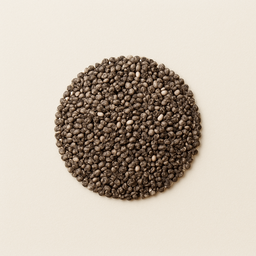 Chia Seeds
 Leucine muscle synthesis + omega-3 bioactive support = complementary post-workout recovery
Leucine activates mTOR muscle protein synthesis, omega-3 ALA inhibits post-exercise COX-2 inflammation
Technical: Protein powder (whey) contains 10-12% leucine — the primary trigger for mTOR-mediated muscle protein synthesis after training. Chia seed provides 17.8g omega-3 ALA per 100g that modulates COX-2 mediated signaling pathways via EPA/DHA conversion. Post-workout, both muscle repair (anabolic) and signaling pathway management are needed — leucine and omega-3 address both needs complementarily.
What does this mean for you? Add chia seeds to your protein shake after working out. The protein repairs your muscles while the omega-3 fatty acids modulate the training response — recovery on two fronts.
Protein Powder (unsweetened) 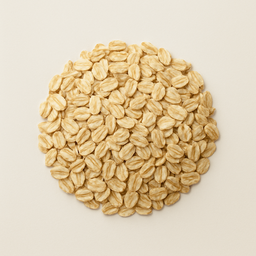 Oatmeal
 Fast protein + slow carbs for sustained muscle building
Technical: Protein powder (whey) absorbs quickly (30-60 min) reaching peak amino acid levels in blood. Oats provide complex carbohydrates (66g/100g) that digest slowly (GI 55) and gradually raise insulin. This creates an extended anabolic response: the fast amino acid peak from whey triggers MPS, the slow insulin from oats maintains amino acid transport to muscles longer. Beta-glucans (4g/100g) slow gastric emptying and extend the absorption period.
What does this mean for you? Proats (protein + oats) is the ideal breakfast for muscle building. The protein immediately starts muscle repair, while oats provide hours of fuel without a sugar dip.
Recipes with Protein Powder (unsweetened)
Discover delicious recipes featuring protein powder (unsweetened):
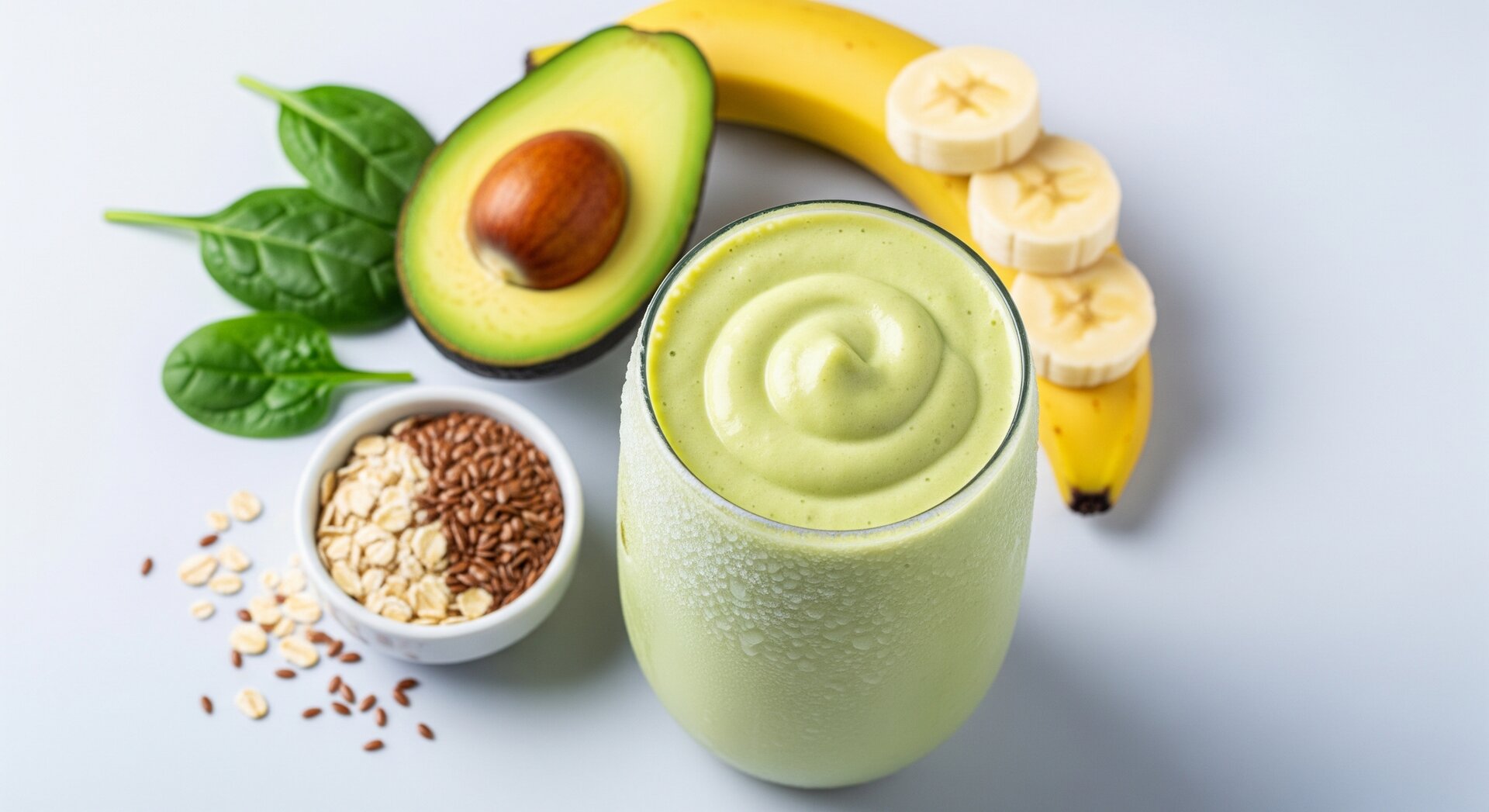 Avocado Spinach Muscle Builder Shake 5 min Creamy green shake with 650 calories for post-workout
  546 kcal
  28g protein 1 synergies
 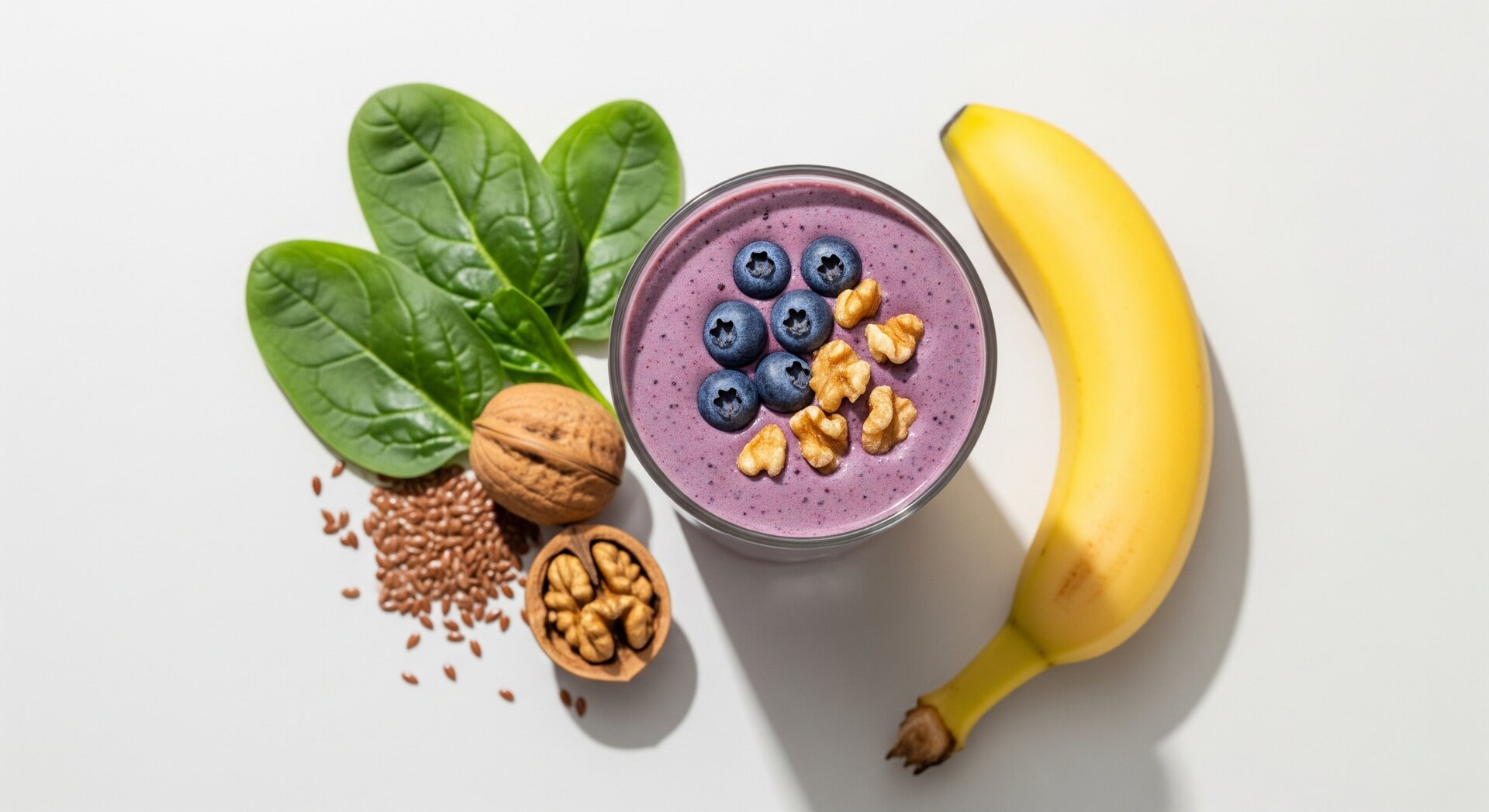 Blueberry Walnut Smoothie 5 min Fruity smoothie with blueberries, walnuts, spinach and flaxseed 359 kcal 19g protein 1 synergies
 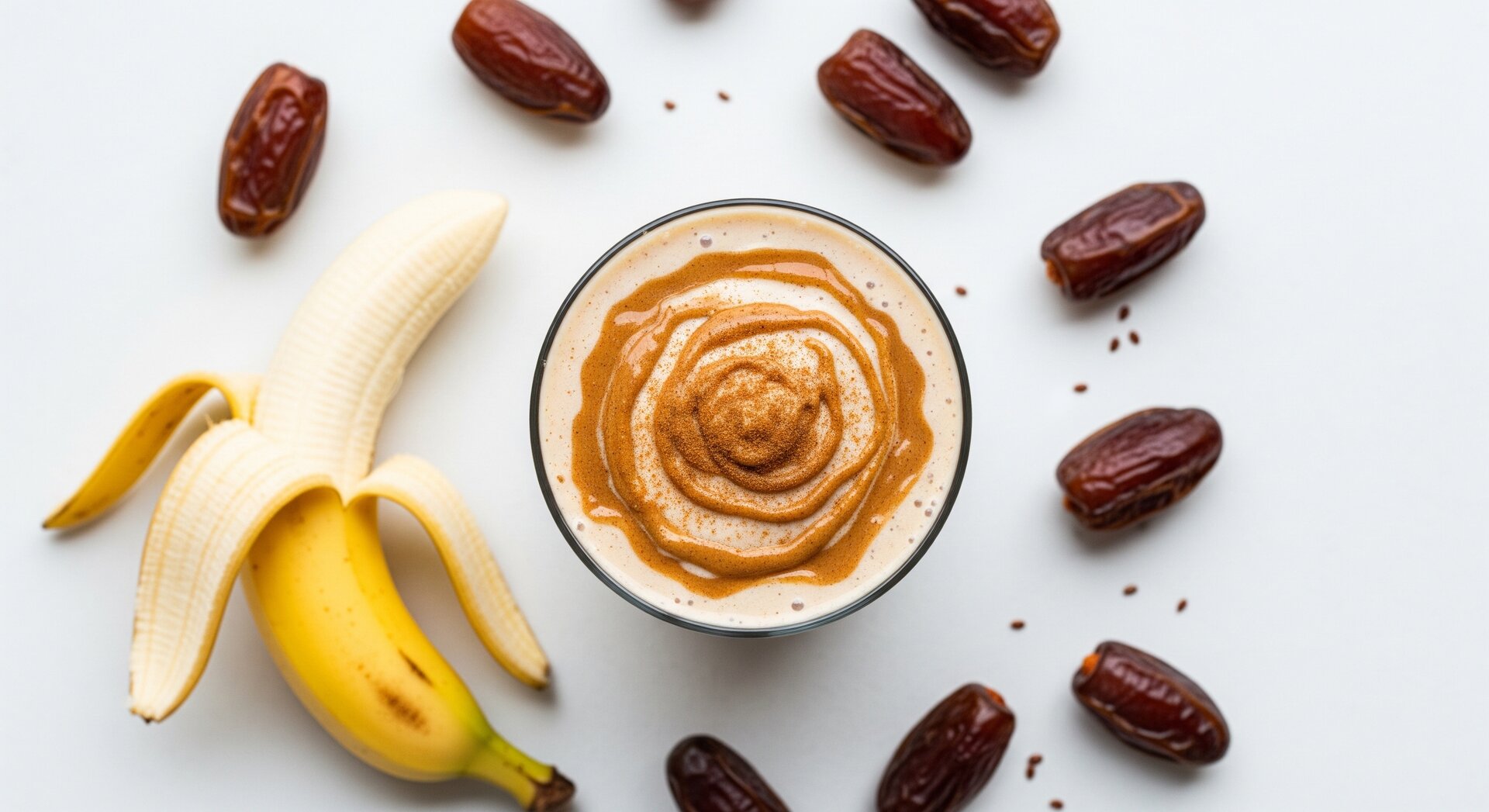 Date Banana Mass Shake 15 min Hearty shake with dates, oats, almond butter and cinnamon 724 kcal 36g protein 1 synergies
 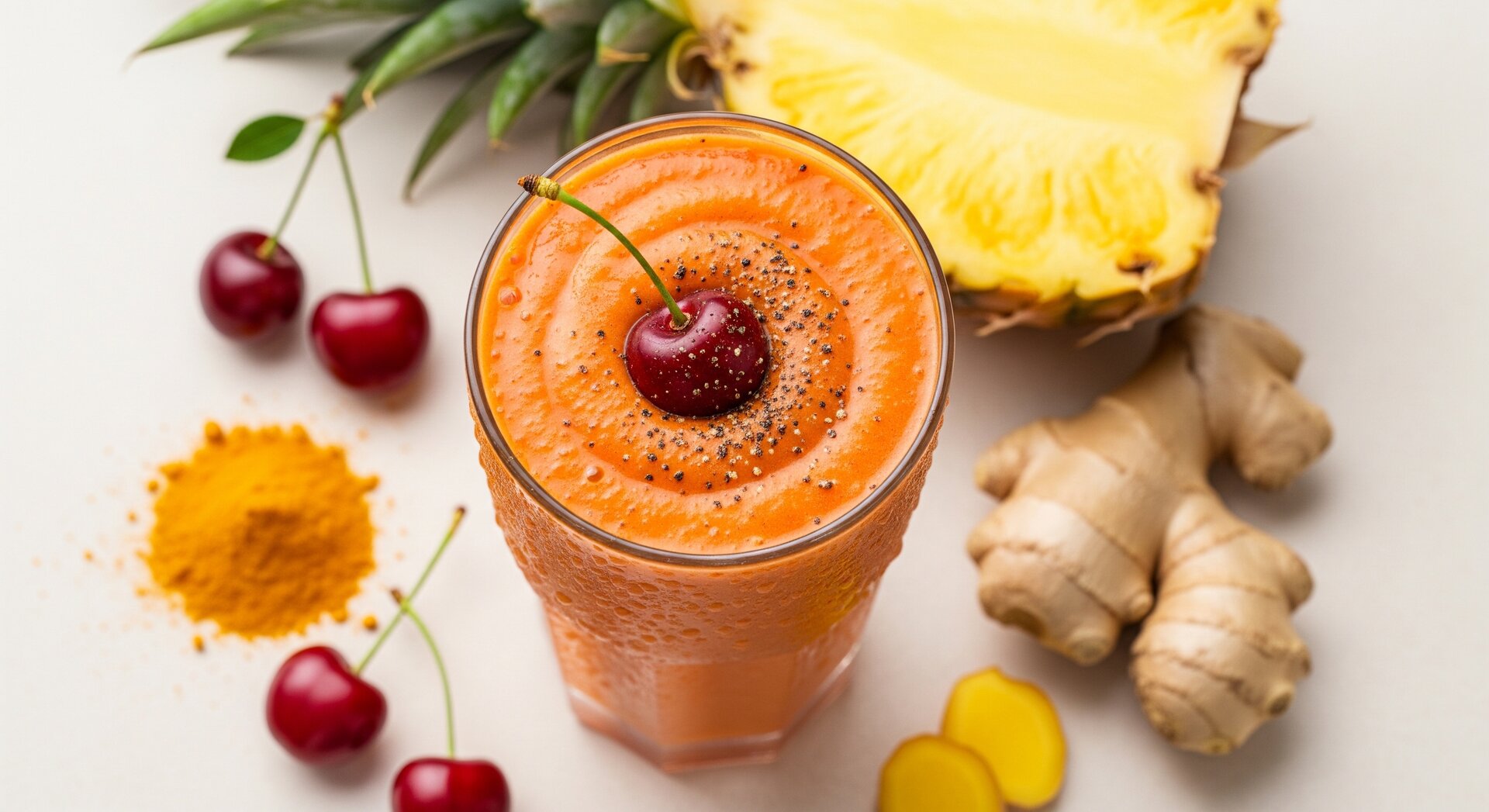 Turmeric Ginger Cherry Smoothie 5 min Spiced smoothie with turmeric, ginger, tart cherries and pineapple 362 kcal 16g protein 2 synergies
 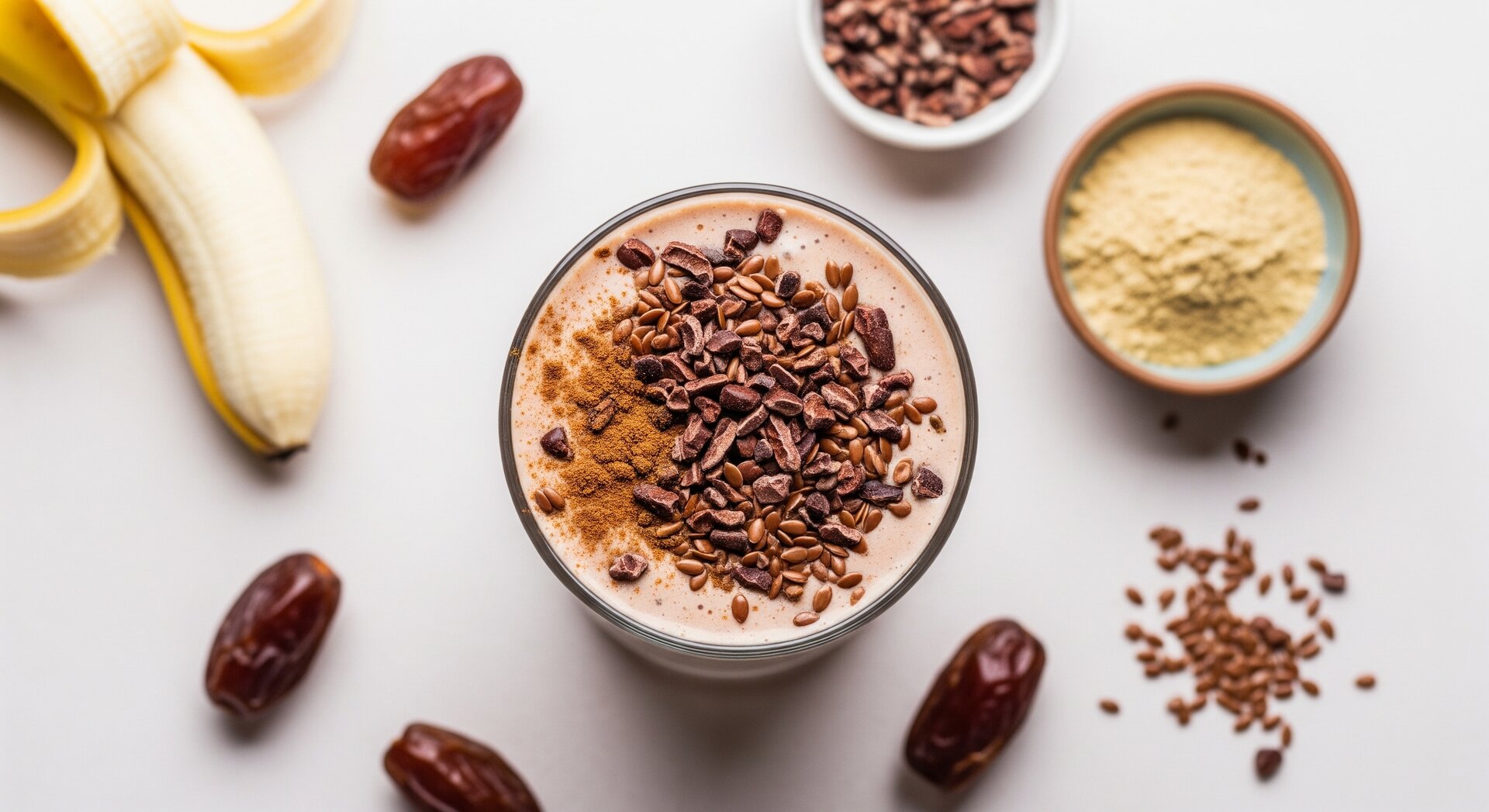 Maca Chocolate Smoothie with Flaxseed 5 min Creamy smoothie with Peruvian maca, cacao and dates 397 kcal 21g protein 1 synergies
 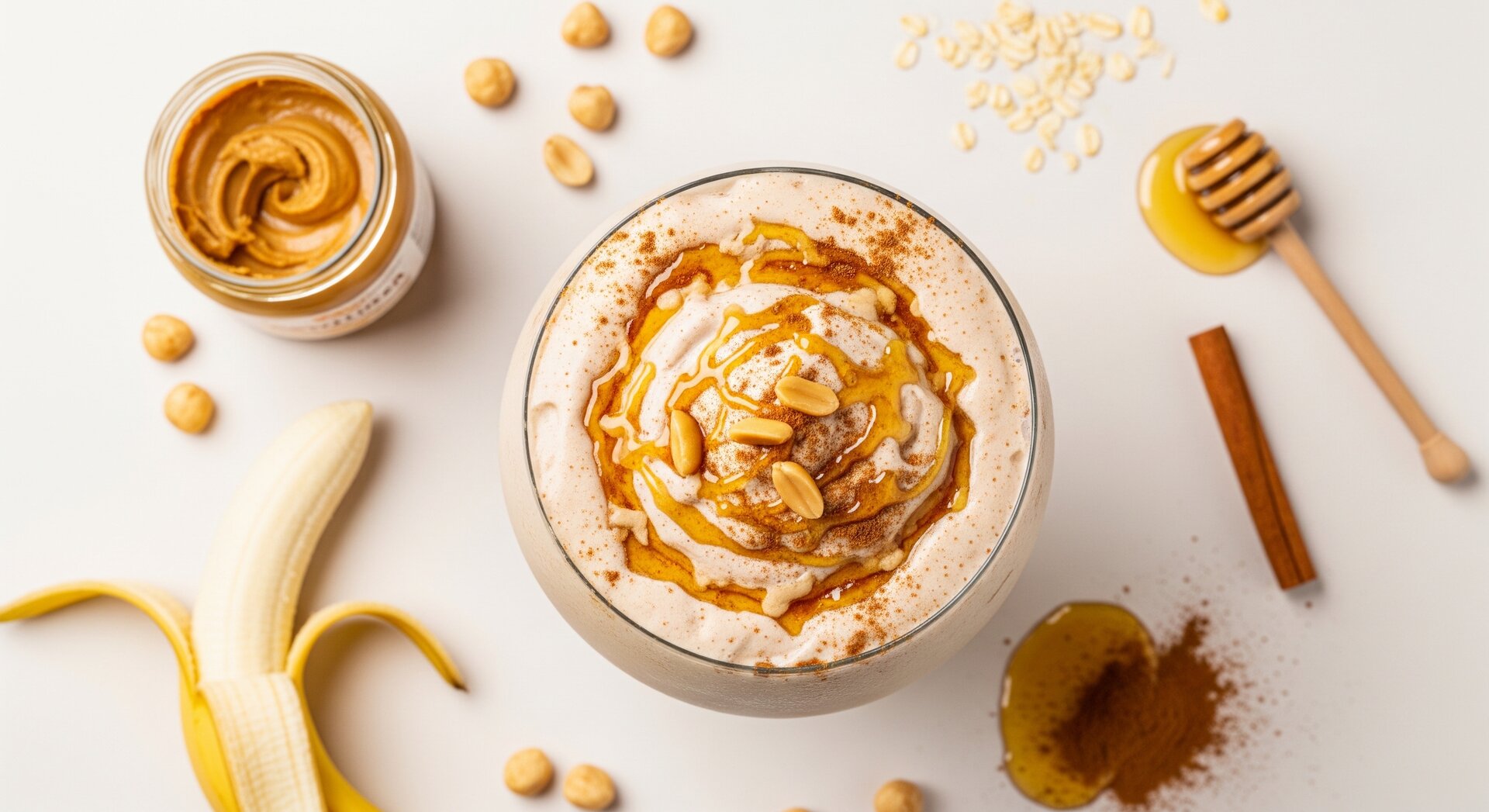 Peanut Butter Oat Power Shake 10 min Thick, nutritious shake with peanut butter, oats, banana and cinnamon 662 kcal 36g protein 1 synergies
  In the Kitchen
Storage
Location:Pantry
Preparation
Mix 1 scoop (25-30 g) with 250-300 ml liquid, such as water, milk or plant milk. Use a shaker or blender for a smooth consistency. You can also stir it into smoothies, oatmeal, yogurt, pancakes or baking recipes. Avoid very high temperatures above 200°C if you want to keep a soft texture.
Substitutes
Smart preparation
1First mix protein powder with a small amount of liquid to form a smooth paste.
Why?
This gives fewer lumps when you add the rest of the liquid afterwards.
2Add protein powder to pancake batter for a higher-protein version.
3Use a shaker or blender for the smoothest consistency.
Caution / Warnings
Protein Powder (unsweetened) is very safe, but there are scientific considerations:
Kidney disease and reduced kidney function Severe
In existing kidney disease, very high protein intake may add extra load because protein breakdown products are excreted through the kidneys.
Advice:
With chronic kidney disease or reduced eGFR: discuss safe protein intake with a doctor or nephrologist and monitor relevant blood values.
Dairy allergy and lactose intolerance (whey/casein) Severe
Whey and casein come from milk. Depending on the type, they may contain lactose and milk proteins.
Advice:
With dairy allergy: choose a fully plant-based protein powder. With lactose intolerance, whey isolate may sometimes suit better, but test a small amount first.
Liver disorders Moderate
In advanced liver problems, processing large amounts of protein may require individualized medical guidance.
Advice:
With liver cirrhosis or hepatic encephalopathy: discuss amount, timing and type of protein with a doctor or hepatologist.
Levodopa (Parkinson medication) Moderate
Large protein portions may affect levodopa absorption because amino acids compete for the same transporters.
Advice:
Do not take protein powder close to levodopa without guidance. Discuss timing and protein distribution through the day with your doctor or neurologist.
Summary
Protein powder is a practical, concentrated protein source with about 80 g protein per 100 g. Protein contributes to the growth and maintenance of muscle mass. Whey mixes lightly and quickly, casein makes a thicker shake, and plant-based options such as pea, rice, soy or hemp suit vegan use. Mix 20-40 g per shake with water, milk or plant milk.