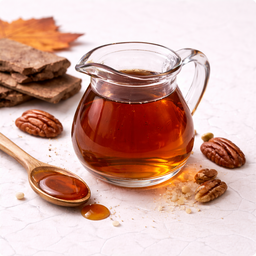
Maple Syrup
Mineral-rich sweetener with deep caramel flavor
What is this ingredient?
Maple syrup is made by collecting sap from sugar maple trees in early spring and slowly boiling it down. It takes about 40 liters of maple sap to make 1 liter of syrup, concentrating the flavor into a deep, woody sweetness with caramel and toffee notes.
## Unique polyphenols
Li & Seeram (2010) identified more than 60 polyphenols in maple syrup in the Journal of Functional Foods, including quebecol. This compound is characteristic of maple syrup and forms during the heating and boiling process.
## Studied in cell models
González-Sarrías et al. (2012) examined maple polyphenols in cellular models. Such studies help researchers understand which compounds are present in the syrup and how they behave in a research setting, without making an ingredient-specific health claim.
Note the quality grades: Grade A light has a soft, delicate flavor, while darker grades taste more robust and generally contain more color and flavor compounds from the boiling process.
How does it taste?
Richly sweet with deep caramel and toffee notes and a woody warmth.
Pairs well with:
Pairs well with pancakeswalnutbaconsweet potato and cinnamon.
Did you know...?
- It takes approximately 40 liters of maple sap to make 1 liter of maple syrup.
- Quebec in Canada produces more than 70% of all maple syrup in the world.
- Canada has a Strategic Maple Syrup Reserve, comparable to a strategic oil reserve.
Nutritional Value & Energy
Per 100ml
Maple Syrup provides energy thanks to natural nutrients .
Per 100g
Minerals
Vitamins
Omega-3 fatty acids
More nutrients
Trace Minerals
Low GI means blood sugar doesn't spike quickly.
What's in a serving?
1 serving
Maple syrup naturally contains manganese (2.9 mg per 100 g).
% of daily reference intake (DRI)
EU-approved nutrition claims
This ingredient contains nutrients for which EFSA-authorized health claims exist (at nutrient level, not ingredient-specific).
Approved health claims (EU)
Manganese EU 432/2012
Manganese contributes to normal energy-yielding metabolism
Contains 2.9mg/100g (threshold: ≥0.3mg/100g)
Manganese EU 432/2012
Manganese contributes to the maintenance of normal bones
Contains 2.9mg/100g (threshold: ≥0.3mg/100g)
Manganese EU 432/2012
Manganese contributes to the normal formation of connective tissue
Contains 2.9mg/100g (threshold: ≥0.3mg/100g)
Manganese EU 432/2012
Manganese contributes to the protection of cells from oxidative stress
Contains 2.9mg/100g (threshold: ≥0.3mg/100g)
What's being researched?
Polyphenols in maple syrup
Maple syrup contains polyphenols such as quebecol and ginnalins. Research on these compounds is mainly in an early, laboratory-focused stage.
Supported by: [1] Bouchard C (2022) , [2] González-Sarrías A (2013)
Good Combinations (Synergy)
Combine maple syrup smartly to enhance the effect:
Maple Syrup 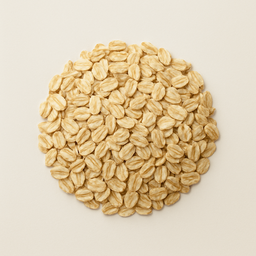 Oatmeal
 Maple minerals + β-glucan for energy and blood sugar
Technical: Maple syrup provides manganese (3.3mg/60ml, 143% RDI) — essential for mitochondrial SOD enzyme (antioxidant) and glucose metabolism. Oatmeal's β-glucan (4g/100g) slows absorption of maple syrup's sugars (GI 54 — lower than white sugar GI 65). Manganese activates pyruvate carboxylase and isocitrate dehydrogenase in the citric acid cycle for efficient energy production. The combination offers: minerals (maple) + slow-release carbohydrates (oats).
What does this mean for you? Oatmeal with maple syrup is a better choice than oatmeal with sugar. The β-glucan slows sugar absorption, and maple syrup provides unique minerals that sugar doesn't have.
Maple Syrup 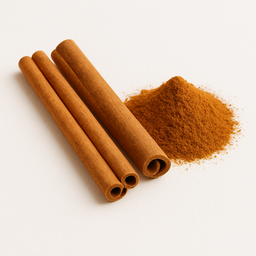 Cinnamon
 Cinnamon dampens glycemic impact of sugars
Technical: Maple syrup has a GI of 54 (lower than honey or sugar). Cinnamon's MHCP (methylhydroxy chalcone polymers) improve insulin signaling and cinnamaldehyde slows gastric emptying. Together this results in a flatter blood sugar curve: maple syrup already peaks less than sugar, cinnamon flattens that peak further.
What does this mean for you? Add cinnamon whenever you use maple syrup — on pancakes, in oatmeal or when baking. The cinnamon helps keep your blood sugar more stable.
Maple Syrup 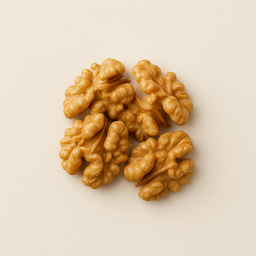 Walnuts
 Maple polyphenols + omega-3 for antioxidant and cognitive support
Technical: Maple syrup contains 67 unique polyphenols including Quebecol (found only in maple syrup) with bioactive properties via COX-2 modulation. Walnuts provide ALA omega-3 (9.1g/100g), ellagic acid and melatonin. Maple polyphenols protect omega-3 fatty acids from oxidation. Walnuts' melatonin + maple syrup's manganese (3.3mg, 143% RDI) support circadian rhythm.
What does this mean for you? Walnuts glazed with maple syrup is more than a snack — it's a combination with polyphenols, omega-3 and melatonin. Use real maple syrup (Grade A Dark) for the most polyphenols.
Recipes with Maple Syrup
Discover delicious recipes featuring maple syrup:
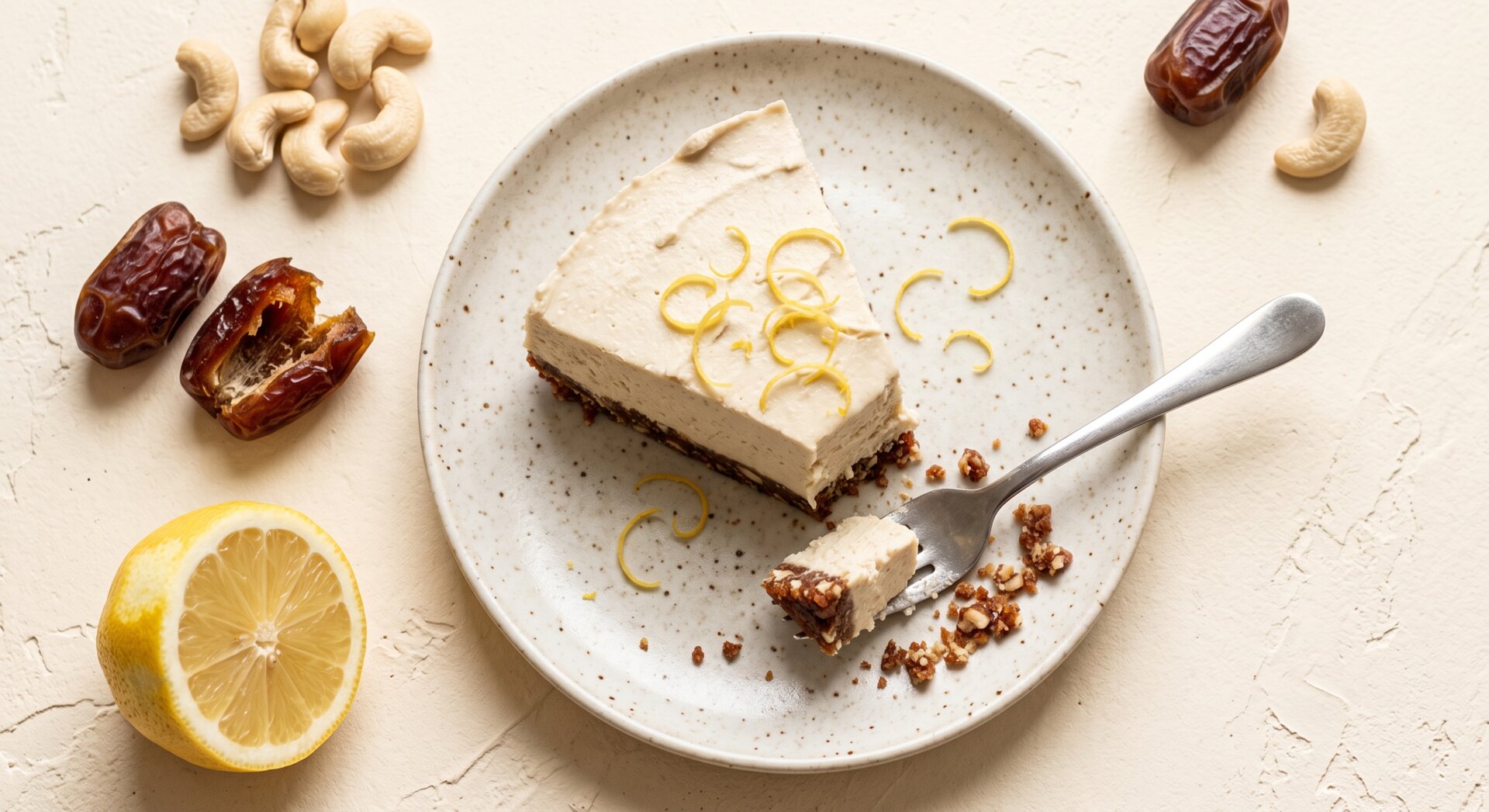 Cashew-Lemon Cheesecake 270 min No-bake cheesecake with an almond-date crust and a silky cashew-lemon filling — without dairy, without refined sugar and without an oven
  255 kcal
  5g protein 2 synergies
 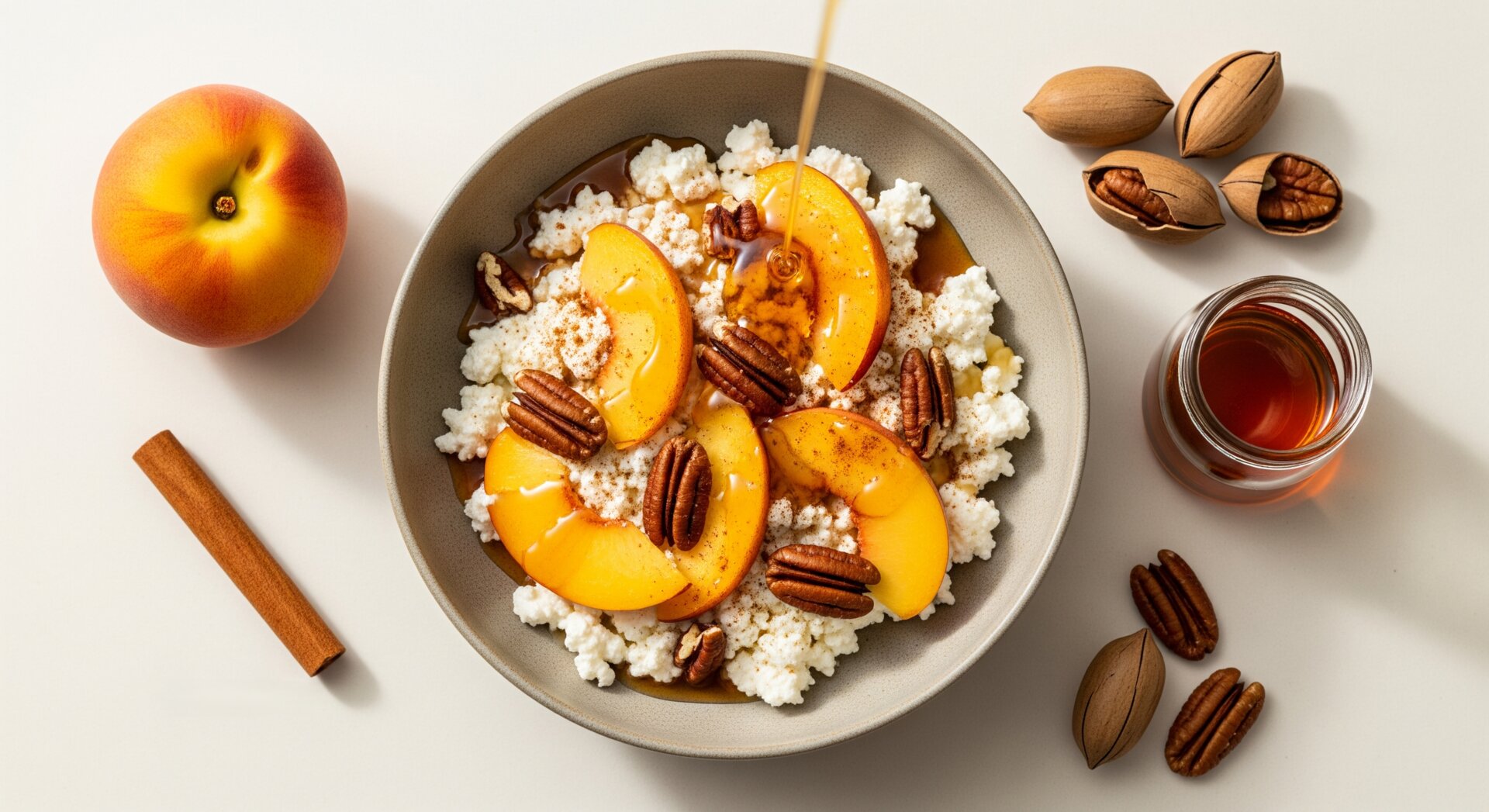 Cottage Cheese Bowl with Peach and Pecans 5 min Creamy morning bowl with fruit and cinnamon 450 kcal 28g protein 2 synergies
 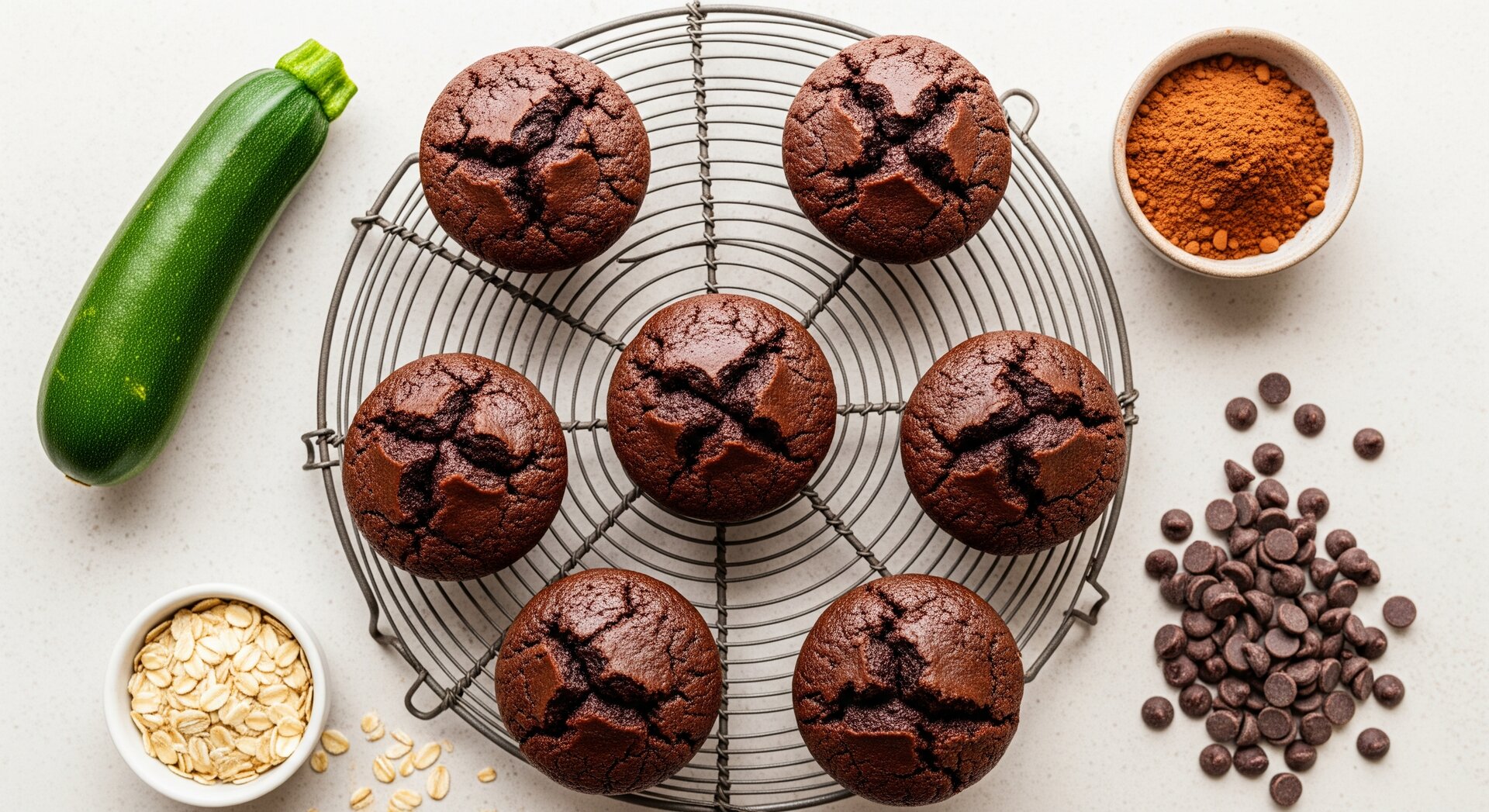 Zucchini Chocolate Muffins 45 min Ultra-moist muffins with hidden vegetable 135 kcal 4g protein 2 synergies
 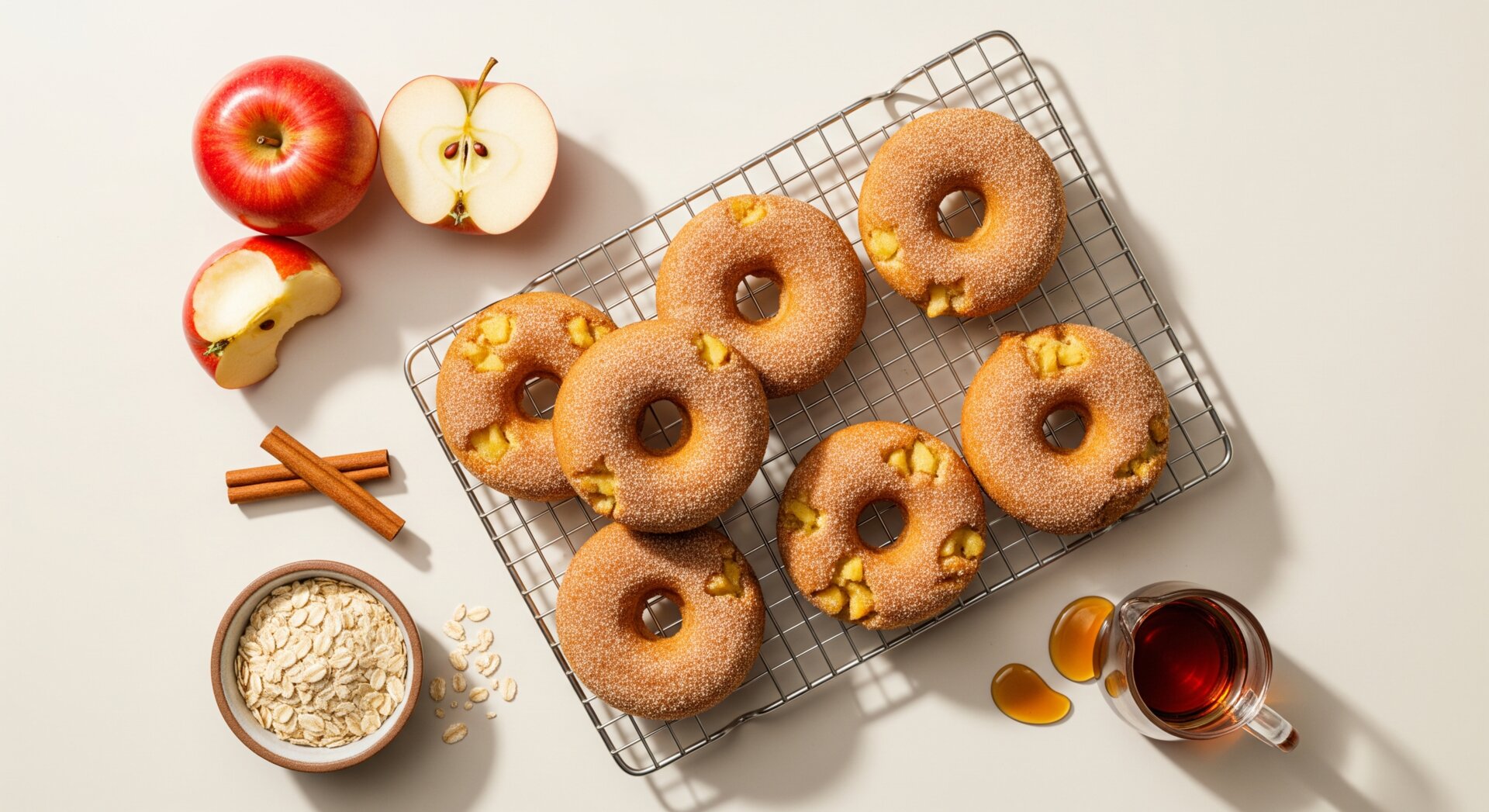 Baked Apple Donuts 33 min Fluffy oven-baked donuts with grated apple, oats and cinnamon 155 kcal 5g protein 2 synergies
 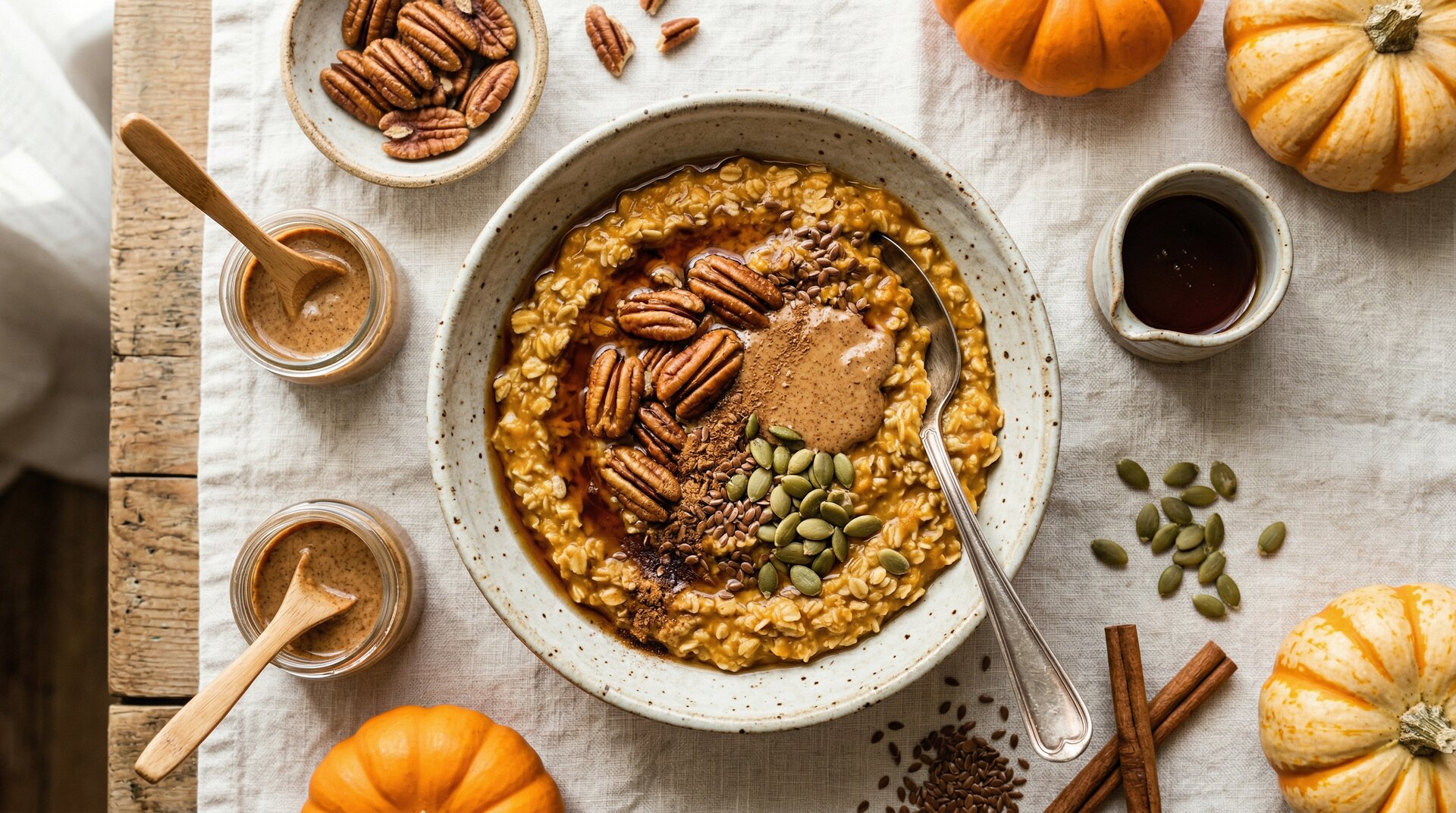 Pumpkin Oatmeal with Pecans & Maple Syrup 20 min Creamy warm oatmeal with pumpkin spice and crunchy nuts 682 kcal 21g protein 2 synergies
 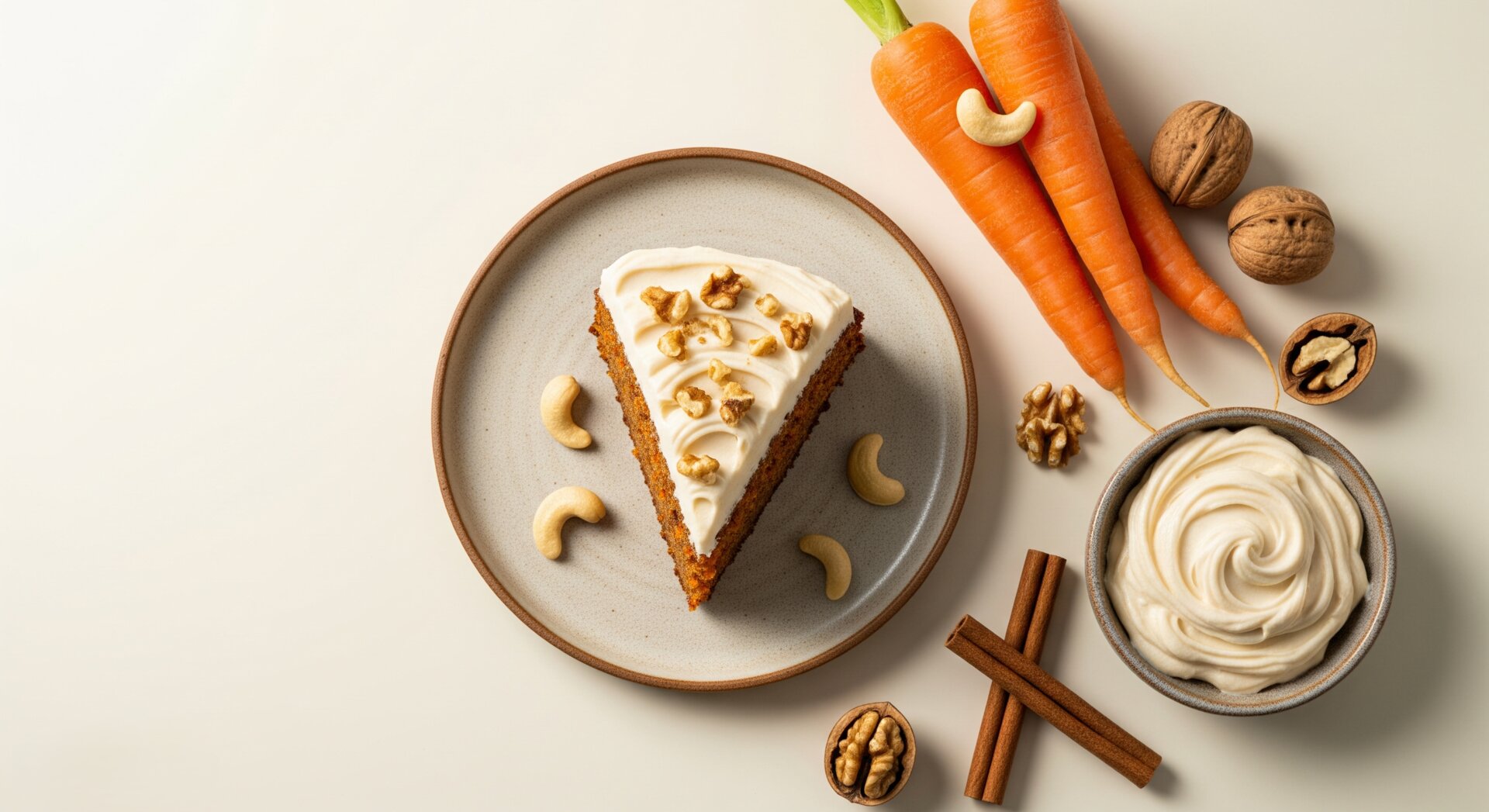 Carrot Cake with Cashew Frosting 70 min Moist carrot cake on a base of almond flour and maple syrup, finished with a creamy cashew frosting — without refined sugar and without cream cheese 245 kcal 6g protein 2 synergies
  In the Kitchen
Storage
Location:Refrigerator
Shelf life:1 jaar (ongeopend), 6 maanden (geopend in koelkast)
Always refrigerate maple syrup after opening. Mold can develop at room temperature, especially when the bottle is opened often.
Preparation
Use maple syrup as an aromatic sweetener in pancakes, granola, yogurt, marinades and glazes. In baking, you can often replace part of the sugar, but reduce the liquid in the recipe slightly because syrup adds moisture.
Conversions
Substitutes
Smart preparation
1Store opened maple syrup in the fridge to avoid mold growth.
2Use Grade A dark for baking and cooking; use Grade A light when you want a subtle topping.
Why?
Darker grades have a more pronounced flavor profile that holds up better with heat.
3Warm maple syrup briefly and gently for a thinner consistency when drizzling.
Caution / Warnings
Maple Syrup is very safe, but there are scientific considerations:
Diabetes Moderate
Although maple syrup has a lower glycemic index than table sugar, it is still made up mostly of sugar.
Advice:
Use in moderation and count it toward your total carbohydrate intake.
Traditional use
Indigenous
Maple Syrup Among North American Peoples
Tapping and reducing maple sap is a tradition of the Indigenous peoples of northeastern North America, long before European colonization. The syrup was valued for its concentrated sweetness, seasonal character and role in local food cultures.
Summary
Maple syrup is an aromatic sweetener made from boiled maple sap, with naturally occurring manganese and a lower glycemic index than table sugar. It is still mainly a source of sugar, so use it in moderation. Choose real maple syrup rather than 'maple-flavoured syrup' and pick darker grades when you want a stronger caramel flavor.