- Easy
- 20 min
- 2 serv.
- 9 synergies
- Now at its best: Pumpkin
Thick, creamy oatmeal cooked with pumpkin, cinnamon, nutmeg and ginger — crowned with crunchy pecans, pumpkin seeds and a golden drizzle of maple syrup. Autumn in a bowl, all year round.
The oatmeal bubbles gently on the stove as the pumpkin melts through into an orange, velvety porridge. Cinnamon, nutmeg and ginger fill the kitchen with that warm, spiced-sweet aroma you associate with autumn baking — but as breakfast. Stirring in a spoonful of almond butter adds that extra creaminess and nutty depth. In the bowl on top: roughly chopped pecans that crack under your tooth, green pumpkin seeds for texture, and a slow drizzle of maple syrup flowing in golden lines over the whole.
- 5
- min prep
- 15
- min cook
- 20
- min total
Nutritional Synergies
This recipe combines ingredients that enhance each other:
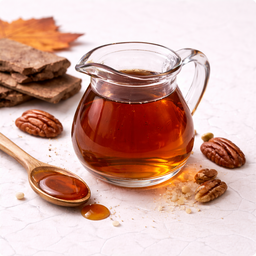 Maple Syrup
 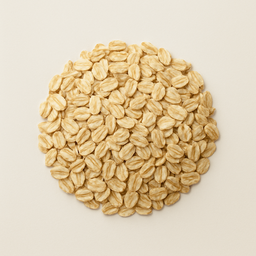 Oatmeal
 Maple minerals + β-glucan for energy and blood sugar
Technical: Maple syrup provides manganese (3.3mg/60ml, 143% RDI) — essential for mitochondrial SOD enzyme (antioxidant) and glucose metabolism. Oatmeal's β-glucan (4g/100g) slows absorption of maple syrup's sugars (GI 54 — lower than white sugar GI 65). Manganese activates pyruvate carboxylase and isocitrate dehydrogenase in the citric acid cycle for efficient energy production. The combination offers: minerals (maple) + slow-release carbohydrates (oats).
What does this mean for you? Oatmeal with maple syrup is a better choice than oatmeal with sugar. The β-glucan slows sugar absorption, and maple syrup provides unique minerals that sugar doesn't have.
EnergyBlood Sugar
Maple Syrup 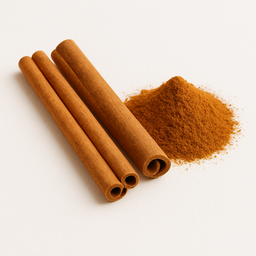 Cinnamon
 Cinnamon dampens glycemic impact of sugars
Technical: Maple syrup has a GI of 54 (lower than honey or sugar). Cinnamon's MHCP (methylhydroxy chalcone polymers) improve insulin signaling and cinnamaldehyde slows gastric emptying. Together this results in a flatter blood sugar curve: maple syrup already peaks less than sugar, cinnamon flattens that peak further.
What does this mean for you? Add cinnamon whenever you use maple syrup — on pancakes, in oatmeal or when baking. The cinnamon helps keep your blood sugar more stable.
Blood Sugar
Oatmeal 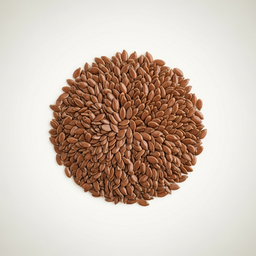 Flaxseed
 Beta-glucans + omega-3 for lipid profile support
Beta-glucans lower LDL cholesterol by 5-10% (PMID: 21631511)
Technical: Oatmeal contains 4g beta-glucans per 100g that bind bile acids in the gut. Flaxseed provides 23g ALA omega-3 per 100g. Together they offer dual lipid profile support via two independent biochemical pathways: bile acid binding + omega-3 fatty acid metabolism.
What does this mean for you? Oatmeal with ground flaxseed is a powerful breakfast. Two ingredients that both support your lipid profile through different mechanisms. Use ground flaxseed (whole flaxseed passes undigested).
HeartDigestion
Cinnamon Oatmeal Flattens the sugar spike after carbohydrate-rich meals
Technical: Oatmeal contains complex carbohydrates that raise blood sugar. Cinnamon's MHCP (methylhydroxy chalcone polymers) increase insulin activity up to 20x and cinnamaldehyde activates AMPK, improving glucose transport to cells. This lowers postprandial glucose peak by 18-29% and extends satiety.
What does this mean for you? Always add cinnamon to your oatmeal, apple or banana bread. The cinnamon helps keep your blood sugar more stable after these carb-rich meals.
EnergyWeight Loss
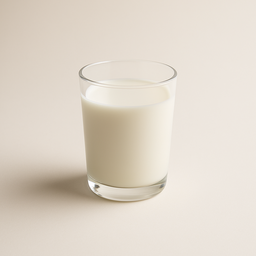 Milk Cinnamon
 Milk calcium + cinnamon polyphenols for bone and blood sugar balance
Technical: Milk's calcium and vitamin D support bone metabolism — calcium contributes to the maintenance of normal bones (EFSA). Cinnamon's polyphenols and cinnamaldehyde activate AMPK and influence insulin signaling. Milk's casein slows absorption, extending cinnamon's effect on glycemic response.
What does this mean for you? Warm milk with cinnamon (as in talbina) is a traditional drink combining both calcium for your bones and bioactive polyphenols.
Blood SugarJointsSleep
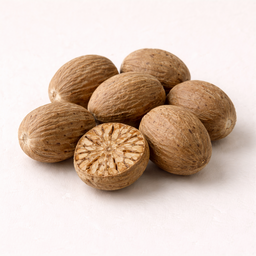 Nutmeg Milk
 Myristicin + tryptophan for sleep promotion and relaxation
Technical: Nutmeg's myristicin has mild sedative properties via MAO inhibition. Milk's tryptophan is converted to serotonin and melatonin. Milk's casein slows absorption, keeping nutmeg's bioactive compounds active longer.
What does this mean for you? Warm milk with nutmeg before bed is an age-old sleep recipe — and it really works through two complementary mechanisms.
SleepStress ReliefGeneral Wellness
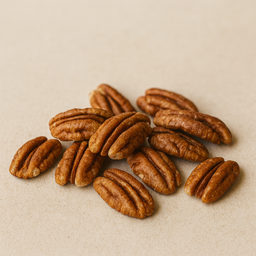 Pecans Cinnamon
 Double antioxidant boost for apple crumble
Technical: Pecans have the highest antioxidant content of all nuts (ORAC 17,940 per 100g) thanks to ellagic acid and gamma-tocopherol. Cinnamon contains cinnamaldehyde and proanthocyanidins (ORAC 131,420). Apple adds quercetin. Together they achieve an exceptionally high total ORAC value, with polyphenols neutralizing free radicals via different mechanisms.
What does this mean for you? Make apple crumble with pecans and cinnamon. This classic dessert is an antioxidant bomb — the pecans, cinnamon and apple reinforce each other as protection against cell damage.
Anti-inflammatoryHeart
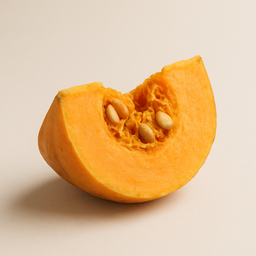 Pumpkin Cinnamon
 Beta-carotene + cinnamaldehyde: provitamin A and GLUT4 modulation
Technical: Pumpkin contains 3100μg beta-carotene per 100g — provitamin A contributing to normal immune system function (EFSA-approved) — and resistant fibers. Cinnamon's cinnamaldehyde modulates GLUT4 translocation and influences glycemic response. Together they provide provitamin A and glycemic modulation.
What does this mean for you? Pumpkin soup with cinnamon is an autumn classic. Cinnamon influences the glycemic response of pumpkin's carbohydrates. Add olive oil for beta-carotene absorption — it's fat-soluble.
Blood SugarImmune System
 Water
Water 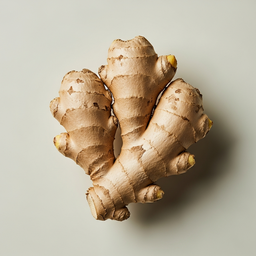 Ginger
 Hydration + gingerols for digestion and metabolism
Technical: Water is the medium for all biochemical reactions and nutrient transport. Ginger's gingerols (1.5-3%) are water-soluble and optimally extracted in warm water. Gingerols are studied in research in relation to thermogenesis and digestion. Warm ginger water contains dissolved gingerols.
What does this mean for you? Start your day with warm ginger water — slice fresh ginger and steep for 10 minutes. It gives a warm, spicy start to your day and hydrates at the same time.
DigestionWeight LossEnergy
Ingredients (13)
+10 more ingredientsInstructions
- 1 Put the oats, milk, water and pumpkin puree in a saucepan. Add the cinnamon, nutmeg, ginger and a pinch of sea salt.
Nutrition per serving
Indicative values per serving.
Timing & Suitability
Shelf life: 3 days in fridge
Tags & Diet
Allergens: Nuts, Gluten, Dairy