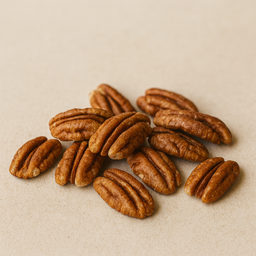
Pecans
The Antioxidant Nut
What is this ingredient?
Pecans are native to North America and have been eaten by indigenous peoples for centuries. What distinguishes pecans is their exceptionally high antioxidant content: they score highest of all nuts on the ORAC scale (17,940 µmol TE/100g). This is due to a unique combination of gamma-tocopherol (a form of vitamin E), ellagic acid and procyanidins. The fat profile consists mainly of oleic acid (the same monounsaturated fatty acid as in olive oil), providing cardiovascular benefits. Pecans are also a good source of thiamine (B1) for energy metabolism.
How does it taste?
Sweet, buttery and warmly nutty with caramel-like tones.
Pairs well with:
Pairs well with maple syrupcinnamonsweet potatobourbon and apple.
Varieties
Stuart Pecan
Large nut, easy to crack
Desirable Pecan
Thin shell, sweet flavor, most popular
Did you know...?
- The name 'pecan' comes from the Algonquin word 'pakani' meaning 'a nut requiring a stone to crack'.
- The pecan is the only commercially grown nut tree native to North America.
Nutritional Value & Energy
Per 100g
Pecans provides energy thanks to natural nutrients , buffered by fiber.
Per 100g
Minerals
Vitamins
Omega-3 fatty acids
More nutrients
B-Vitamins
Trace Minerals
What's in a serving?
1 handful
Pecans naturally contains magnesium (121 mg per 100 g).
Pecans naturally contains iron (2.53 mg per 100 g).
Pecans naturally contains potassium (410 mg per 100 g).
Pecans naturally contains zinc (4.53 mg per 100 g).
% of daily reference intake (DRI)
EU-approved nutrition claims
This ingredient contains nutrients for which EFSA-authorized health claims exist (at nutrient level, not ingredient-specific).
Approved health claims (EU)
Magnesium EU 432/2012
Magnesium contributes to normal muscle function
Contains 121mg/100g (threshold: ≥56.25mg/100g)
Magnesium EU 432/2012
Magnesium contributes to the reduction of tiredness and fatigue
Contains 121mg/100g (threshold: ≥56.25mg/100g)
Magnesium EU 432/2012
Magnesium contributes to normal functioning of the nervous system
Contains 121mg/100g (threshold: ≥56.25mg/100g)
Zinc EU 432/2012
Zinc contributes to the normal function of the immune system
Contains 4.53mg/100g (threshold: ≥1.5mg/100g)
Zinc EU 432/2012
Zinc contributes to the maintenance of normal skin
Contains 4.53mg/100g (threshold: ≥1.5mg/100g)
Iron EU 432/2012
Iron contributes to normal energy-yielding metabolism
Contains 2.53mg/100g (threshold: ≥2.1mg/100g)
Iron EU 432/2012
Iron contributes to the reduction of tiredness and fatigue
Contains 2.53mg/100g (threshold: ≥2.1mg/100g)
Potassium EU 432/2012
Potassium contributes to the maintenance of normal blood pressure
Contains 410mg/100g (threshold: ≥300mg/100g)
Magnesium EU 432/2012
Magnesium contributes to normal energy-yielding metabolism
Contains 121mg/100g (threshold: ≥56.25mg/100g)
Magnesium EU 432/2012
Magnesium contributes to electrolyte balance
Contains 121mg/100g (threshold: ≥56.25mg/100g)
Magnesium EU 432/2012
Magnesium contributes to normal protein synthesis
Contains 121mg/100g (threshold: ≥56.25mg/100g)
Magnesium EU 432/2012
Magnesium contributes to normal psychological function
Contains 121mg/100g (threshold: ≥56.25mg/100g)
Magnesium EU 432/2012
Magnesium contributes to the maintenance of normal bones
Contains 121mg/100g (threshold: ≥56.25mg/100g)
Magnesium EU 432/2012
Magnesium contributes to the maintenance of normal teeth
Contains 121mg/100g (threshold: ≥56.25mg/100g)
Magnesium EU 432/2012
Magnesium has a role in the process of cell division
Contains 121mg/100g (threshold: ≥56.25mg/100g)
Iron EU 432/2012
Iron contributes to normal cognitive function
Contains 2.53mg/100g (threshold: ≥2.1mg/100g)
Iron EU 432/2012
Iron contributes to normal formation of red blood cells and haemoglobin
Contains 2.53mg/100g (threshold: ≥2.1mg/100g)
Iron EU 432/2012
Iron contributes to normal oxygen transport in the body
Contains 2.53mg/100g (threshold: ≥2.1mg/100g)
Iron EU 432/2012
Iron contributes to the normal function of the immune system
Contains 2.53mg/100g (threshold: ≥2.1mg/100g)
Iron EU 432/2012
Iron has a role in the process of cell division
Contains 2.53mg/100g (threshold: ≥2.1mg/100g)
Zinc EU 432/2012
Zinc contributes to normal acid-base metabolism
Contains 4.53mg/100g (threshold: ≥1.5mg/100g)
Zinc EU 432/2012
Zinc contributes to normal carbohydrate metabolism
Contains 4.53mg/100g (threshold: ≥1.5mg/100g)
Zinc EU 432/2012
Zinc contributes to normal cognitive function
Contains 4.53mg/100g (threshold: ≥1.5mg/100g)
Zinc EU 432/2012
Zinc contributes to normal DNA synthesis
Contains 4.53mg/100g (threshold: ≥1.5mg/100g)
Zinc EU 432/2012
Zinc contributes to normal fertility and reproduction
Contains 4.53mg/100g (threshold: ≥1.5mg/100g)
Zinc EU 432/2012
Zinc contributes to normal macronutrient metabolism
Contains 4.53mg/100g (threshold: ≥1.5mg/100g)
Zinc EU 432/2012
Zinc contributes to normal metabolism of fatty acids
Contains 4.53mg/100g (threshold: ≥1.5mg/100g)
Zinc EU 432/2012
Zinc contributes to normal metabolism of vitamin A
Contains 4.53mg/100g (threshold: ≥1.5mg/100g)
Zinc EU 432/2012
Zinc contributes to normal protein synthesis
Contains 4.53mg/100g (threshold: ≥1.5mg/100g)
Zinc EU 432/2012
Zinc contributes to the maintenance of normal bones
Contains 4.53mg/100g (threshold: ≥1.5mg/100g)
Zinc EU 432/2012
Zinc contributes to the maintenance of normal hair
Contains 4.53mg/100g (threshold: ≥1.5mg/100g)
Zinc EU 432/2012
Zinc contributes to the maintenance of normal nails
Contains 4.53mg/100g (threshold: ≥1.5mg/100g)
Zinc EU 432/2012
Zinc contributes to the maintenance of normal testosterone levels in the blood
Contains 4.53mg/100g (threshold: ≥1.5mg/100g)
Zinc EU 432/2012
Zinc contributes to the maintenance of normal vision
Contains 4.53mg/100g (threshold: ≥1.5mg/100g)
Zinc EU 432/2012
Zinc contributes to the protection of cells from oxidative stress
Contains 4.53mg/100g (threshold: ≥1.5mg/100g)
Zinc EU 432/2012
Zinc has a role in the process of cell division
Contains 4.53mg/100g (threshold: ≥1.5mg/100g)
Potassium EU 432/2012
Potassium contributes to normal functioning of the nervous system
Contains 410mg/100g (threshold: ≥300mg/100g)
Potassium EU 432/2012
Potassium contributes to normal muscle function
Contains 410mg/100g (threshold: ≥300mg/100g)
What's being researched?
Pecans and polyphenols
Pecans have one of the highest ORAC values among nuts and are being studied for antioxidant capacity. The high content of ellagic acid and tocopherols contributes to total antioxidant activity.
Supported by: [1] Wu (2004) , [3] Jamnik J (2018)
Pecans and cholesterol
The effects of pecans on lipid profile are being studied. RCTs show significant reductions in total and LDL cholesterol, possibly related to the high content of oleic acid and phytosterols.
Supported by: [2] Bersch-Ferreira ÂC (2024)
Good Combinations (Synergy)
Combine pecans smartly to enhance the effect:
Pecans 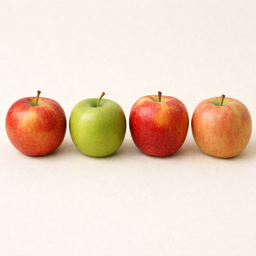 Apple
Apple Double antioxidant boost for apple crumble
Technical: Pecans have the highest antioxidant content of all nuts (ORAC 17,940 per 100g) thanks to ellagic acid and gamma-tocopherol. Cinnamon contains cinnamaldehyde and proanthocyanidins (ORAC 131,420). Apple adds quercetin. Together they achieve an exceptionally high total ORAC value, with polyphenols neutralizing free radicals via different mechanisms.
What does this mean for you? Make apple crumble with pecans and cinnamon. This classic dessert is an antioxidant bomb — the pecans, cinnamon and apple reinforce each other as protection against cell damage.
Pecans 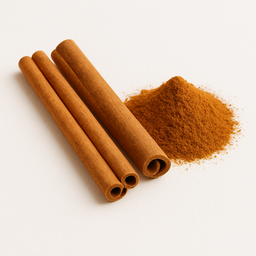 Cinnamon
 Double antioxidant boost for apple crumble
Technical: Pecans have the highest antioxidant content of all nuts (ORAC 17,940 per 100g) thanks to ellagic acid and gamma-tocopherol. Cinnamon contains cinnamaldehyde and proanthocyanidins (ORAC 131,420). Apple adds quercetin. Together they achieve an exceptionally high total ORAC value, with polyphenols neutralizing free radicals via different mechanisms.
What does this mean for you? Make apple crumble with pecans and cinnamon. This classic dessert is an antioxidant bomb — the pecans, cinnamon and apple reinforce each other as protection against cell damage.
Pecans 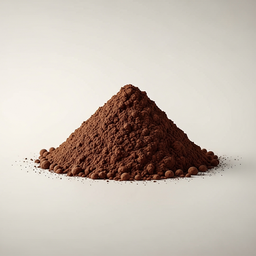 Raw cacao
 Ellagitannins + flavanols: complementary antioxidant pathways via urolithins and BDNF signaling
Technical: Pecans contain 17,940 μmol TE/100g ORAC (highest of all nuts) from ellagitannins and gamma-tocopherol. Cacao provides epicatechin and catechin (43mg/g raw cacao) that influence BDNF (brain-derived neurotrophic factor) via ERK/CREB signaling. Ellagitannins from pecans are converted by gut bacteria to urolithins — metabolites crossing the blood-brain barrier. Gamma-tocopherol (24mg/100g pecans) specifically protects neuronal membranes against reactive nitrogen species (RNS).
What does this mean for you? Pecans with raw cacao in trail mix or as oatmeal topping. The combination influences neuronal processes on two levels: pecans via urolithins, cacao via BDNF signaling.
Pecans 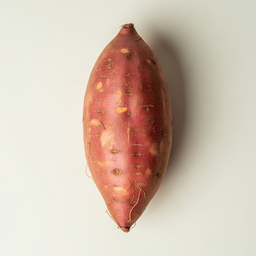 Sweet Potato
 Pecan fat increases beta-carotene absorption from sweet potato by 5x
Technical: Pecans contain 72g fat per 100g (highest of all nuts, 41g MUFA) plus unique ellagitannins and proanthocyanidins. Sweet potato contains 8,509μg beta-carotene per 100g — converted to vitamin A via BCO1 enzyme in enterocytes. Without fat only 5-10% is absorbed; with pecan fat this rises to 40-60%. Vitamin A contributes to the maintenance of normal vision and the normal function of the immune system (EFSA). Ellagitannins from pecans also activate the Nrf2 pathway.
What does this mean for you? Sprinkle roasted sweet potato with chopped pecans. The pecan fat ensures you absorb 5x more beta-carotene — beta-carotene is a precursor of vitamin A. Classic combination (think: sweet potato casserole with pecans).
Recipes with Pecans
Discover delicious recipes featuring pecans:
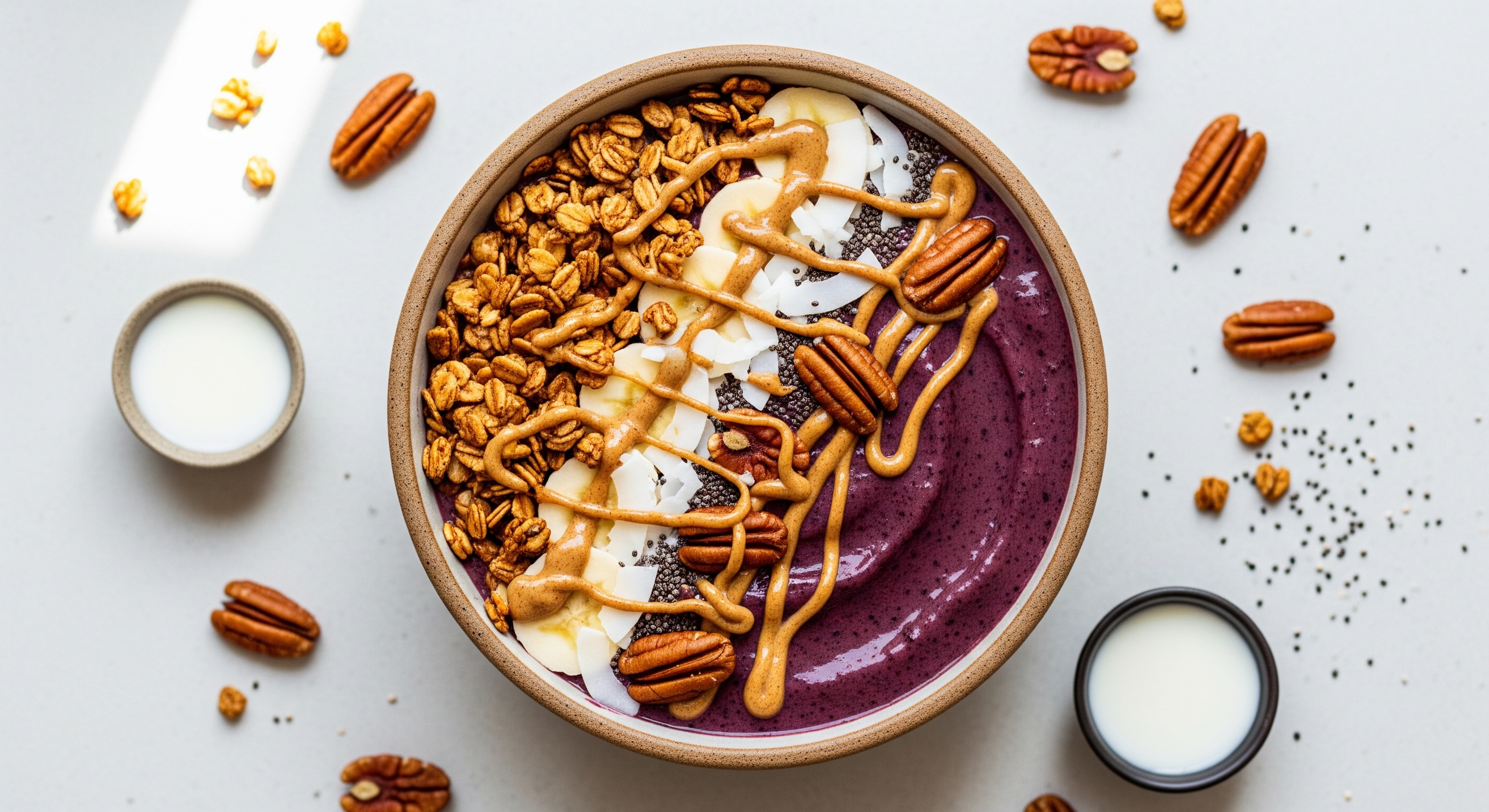 Açaí Bowl with Nuts, Granola & Coconut Base 10 min Colorful bowl with açaí, nuts and seeds on a creamy coconut-banana base
  745 kcal
  16g protein 2 synergies
 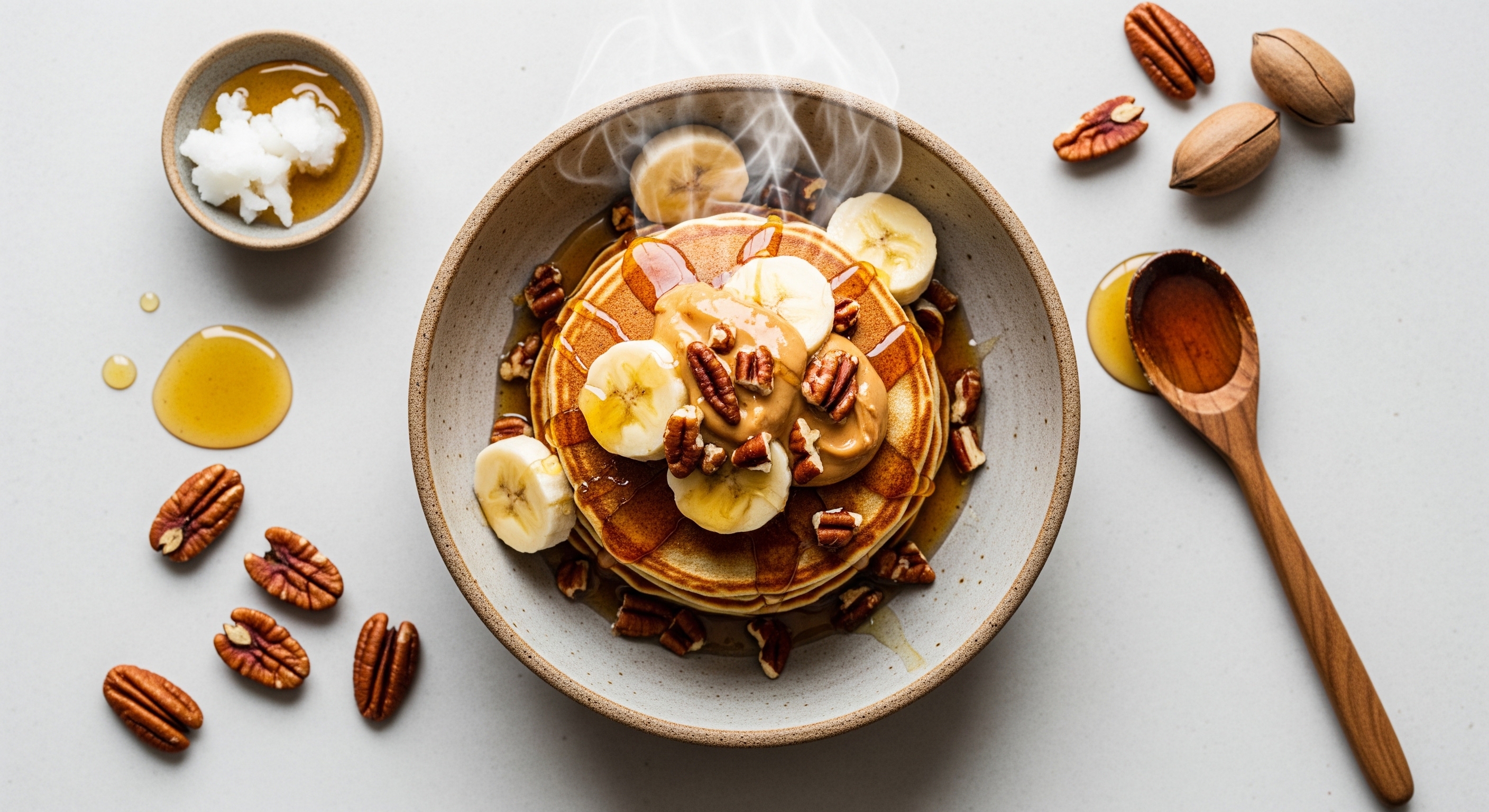 Banana Pancakes with Nuts & Honey 25 min Fluffy oat pancakes with crunchy pecan nuts and golden honey 738 kcal 25g protein 2 synergies
 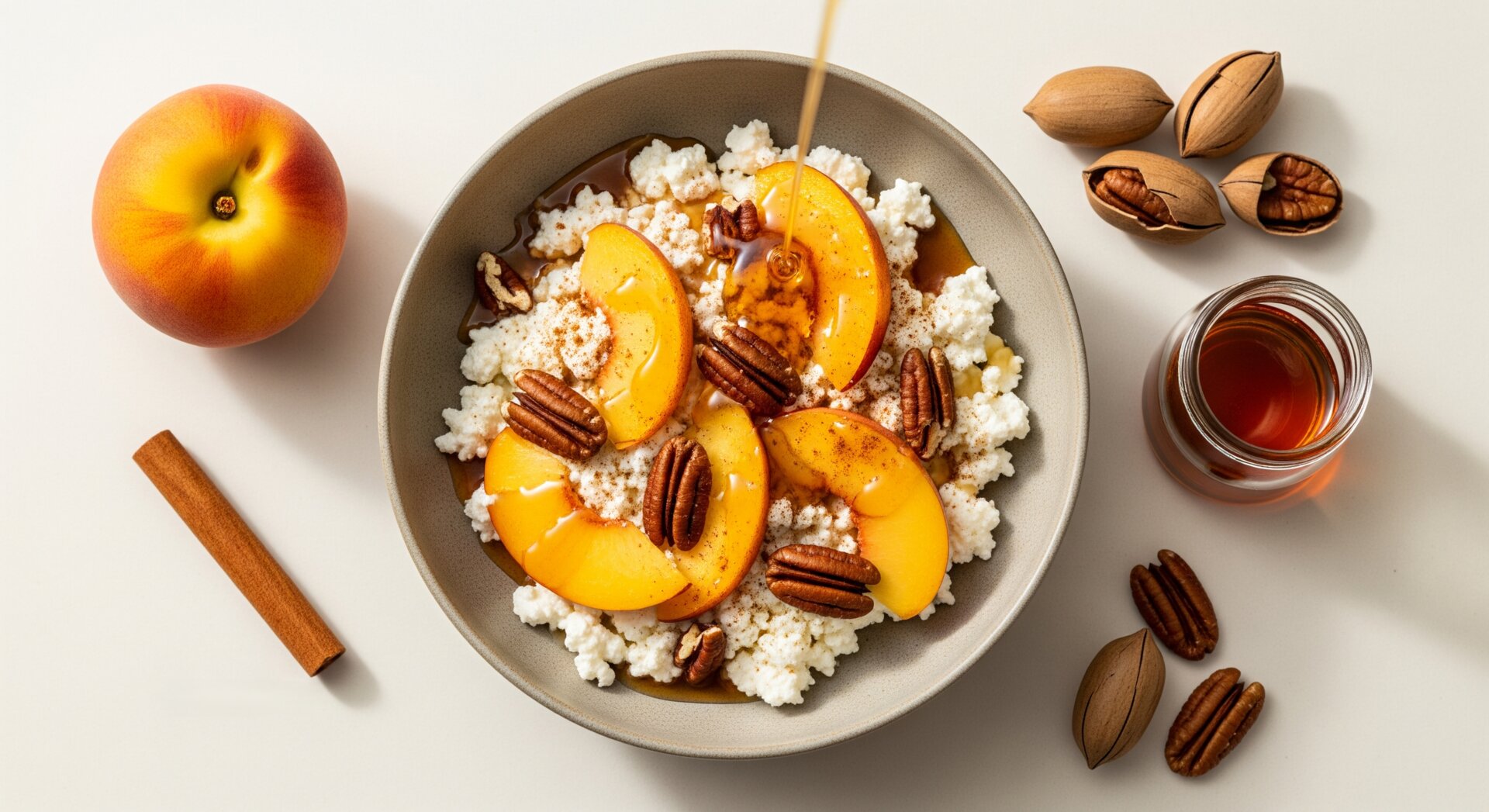 Cottage Cheese Bowl with Peach and Pecans 5 min Creamy morning bowl with fruit and cinnamon 450 kcal 28g protein 2 synergies
 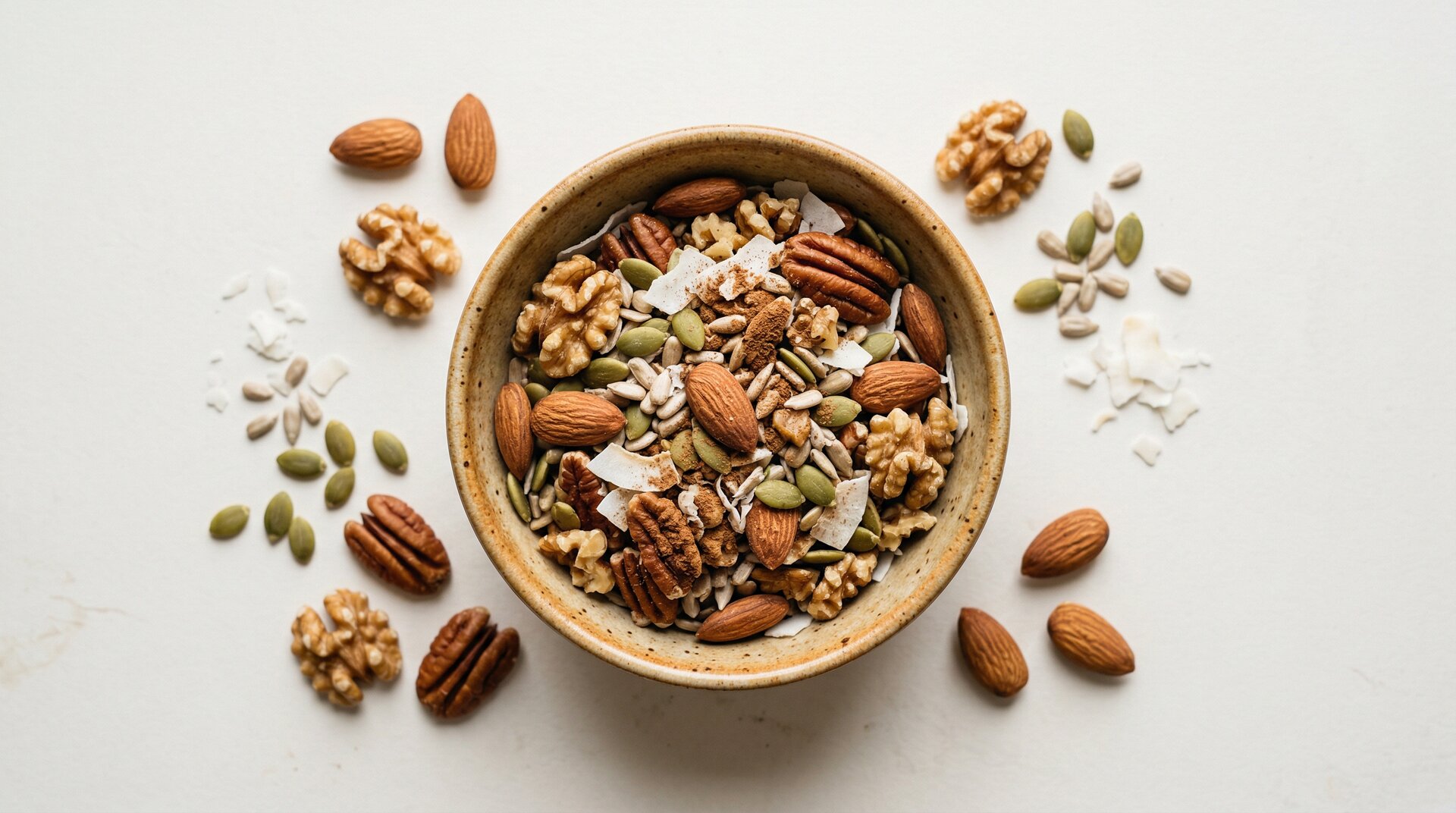 Roasted Nut and Seed Mix with Coconut and Cinnamon 15 min Crunchy, toasty and gently spiced 186 kcal 5.4g protein 3 synergies
 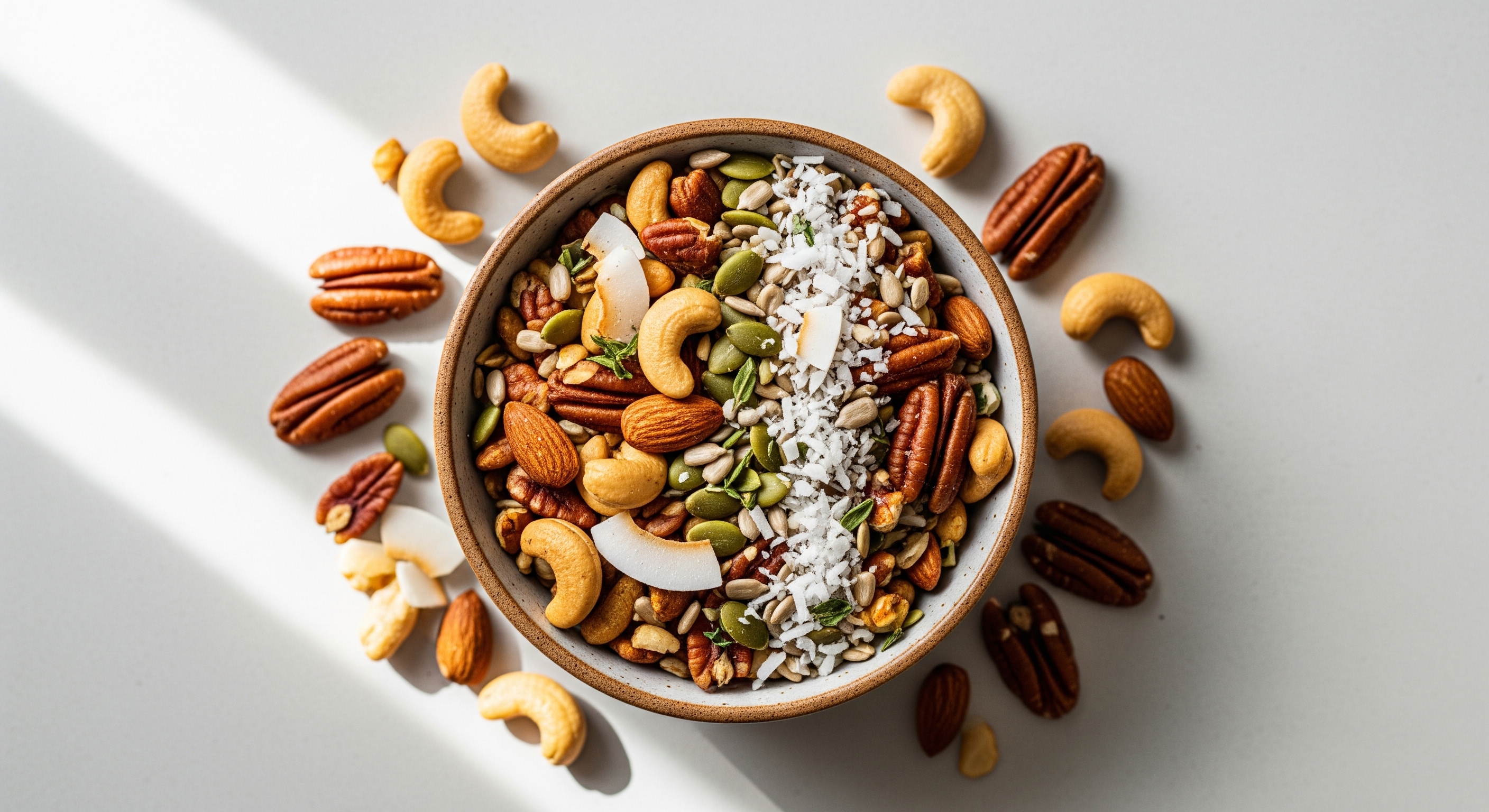 Savory Spiced Nut Mix with Herbs & Coconut 25 min Roasted nuts and seeds with spices, coconut flakes and a hint of cayenne 478 kcal 14g protein 1 synergies
 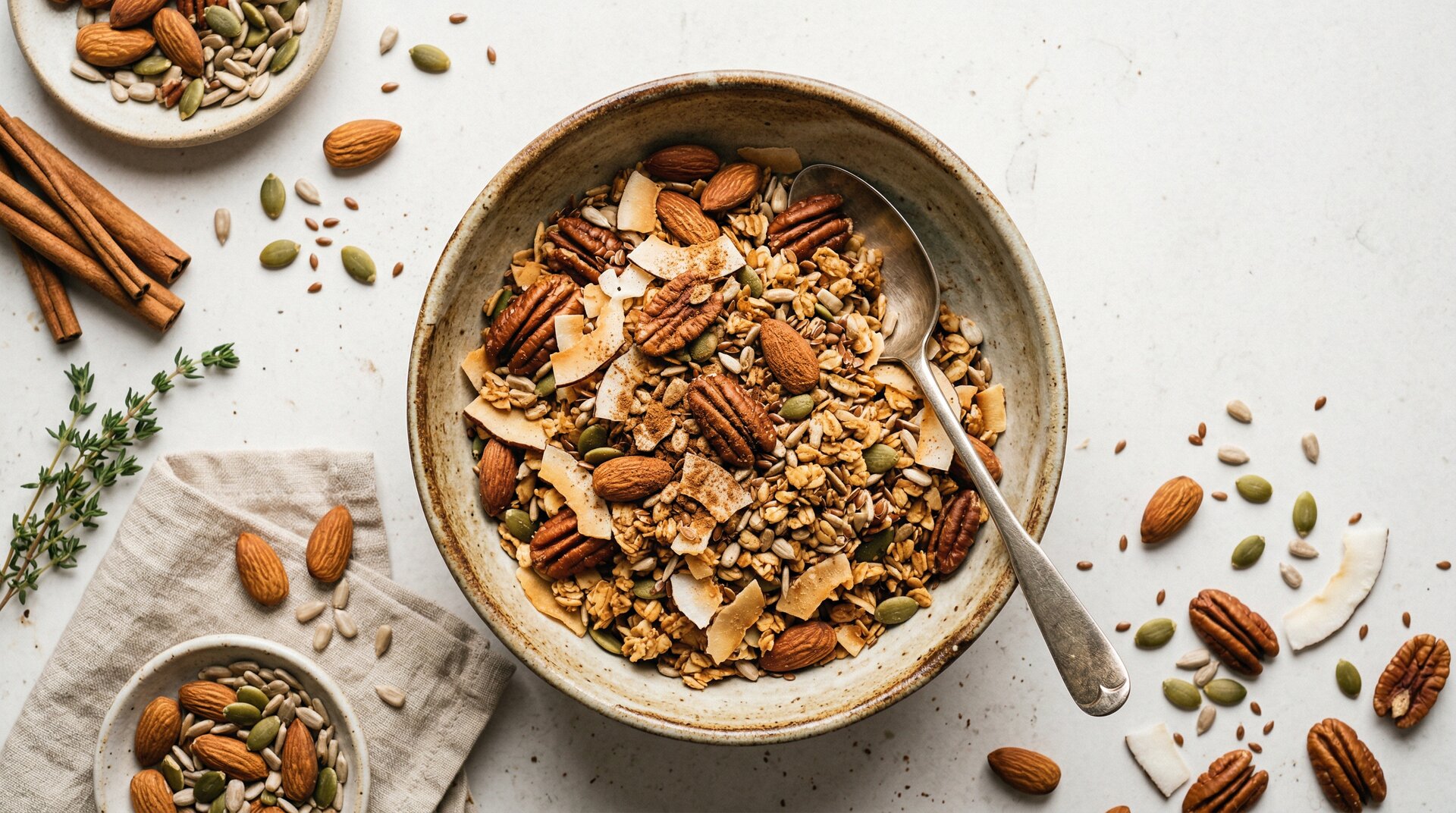 Coconut Almond Granola with Seeds 35 min Crunchy oven-baked clusters with nuts, coconut and cinnamon 340 kcal 9g protein 2 synergies
  In the Kitchen
Storage
Location:Refrigerator
Shelf life:6 maanden in koelkast, 2 jaar in vriezer
High fat content (72%) makes pecans go rancid quickly. Store airtight in refrigerator or freezer.
Preparation
Raw for maximum antioxidants. Light roasting (5 min at 150°C) intensifies flavor. In salads, pies, pralines. BEST SYNERGY: with dark chocolate or cinnamon - enhances antioxidant effect.
Conversions
Substitutes
Smart preparation
1Toast pecans for 5-7 minutes at 175°C for a deeper flavour.
2Store pecans in the freezer — they go rancid quickly.
Why?
Pecans have the highest fat content of all nuts.
3Caramelise pecans with a bit of sugar and salt for snacks.
Caution / Warnings
Pecans is very safe, but there are scientific considerations:
Tree Nut Allergy Severe
Pecans are tree nuts and can cause severe allergic reactions
Advice:
With known tree nut allergy: avoid completely and check cross-contamination on labels
Traditional use
Indigenous
Pecans Among North American Peoples
Pecans were an important food for Indigenous peoples in North America, who ground them into milk and used them as winter provisions.
Summary
Pecans are the antioxidant champion among nuts: ORAC score 17,940 (highest!) plus 60% oleic acid for your heart. BEST SYNERGY: with dark chocolate (also high antioxidants) or in baked goods with cinnamon. Store cool - high fat content makes them rancid with heat.