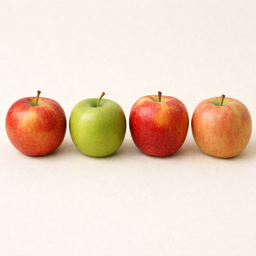
Apple
The everyday fruit classic
What is this ingredient?
Apples belong to the rose family and have been cultivated and eaten for thousands of years. They are popular because they are affordable, store well and are versatile: raw as a snack, in salads, in compote, in baking or stewed with warm spices.
The nutritional interest in apples lies mainly in pectin, a soluble fiber, and in polyphenols such as quercetin, chlorogenic acid and catechins. These compounds are found especially in and just under the skin, so well-washed apples eaten with the skin are the most complete choice. Flavor varies strongly by variety: Granny Smith is crisp and tart, Elstar is crunchy and sweet-tart, Jonagold is juicy and rounded, and Fuji is notably sweet and firm.
Apples naturally have low energy density thanks to their high water content and contain about 2.4 g fiber per 100 g. This makes them easy to include in everyday meals and snacks. Pair apple with nuts, yogurt, oats, cinnamon or cheese for more texture, satiety and flavor balance.
How does it taste?
Crisp and fresh with a balance of sweetness, gentle acidity and floral aromas depending on the variety.
Pairs well with:
Pairs well with cinnamoncaramelwalnutcheddaroatsraisins and ginger.
Varieties
Elstar
Sweet-tart, crisp, popular Dutch apple
Granny Smith
Very tart, green, firm and often lower in sweet taste
Jonagold
Sweet, juicy and large, suitable for eating raw and baking
Fuji
Very sweet, firm, crisp and long-lasting
Did you know...?
- There are over 7,500 apple varieties worldwide, but only a small share is usually found in supermarkets.
- Apples float on water because they have many tiny air pockets in their flesh.
- The science and cultivation study of apples and other pome fruits is called pomology.
Nutritional Value & Energy
Per 100g
Apple provides energy thanks to natural nutrients , buffered by fiber.
Per 100g
Minerals
Vitamins
Omega-3 fatty acids
More nutrients
B-Vitamins
Trace Minerals
Low GI means blood sugar doesn't spike quickly.
Low GL means minimal impact on your blood sugar per serving.
What's in a serving?
1 serving
% of daily reference intake (DRI)
EU-approved nutrition claims
There are currently no EFSA-authorized health claims specific to apple as an ingredient.
What's being researched?
Pectin and cholesterol markers
Pectin in apples is being studied in relation to bile acid binding and changes in cholesterol markers. Clinical studies describe modest, consistent associations with regular consumption.
Supported by: [1] Del Bo' C (2026)
Quercetin and polyphenols in apple skin
Quercetin and other polyphenols in apple skin are being studied for their role as plant compounds. The skin generally contains higher concentrations than the flesh.
Supported by: [2] Johannot L (2006)
Pectin and the gut microbiome
Pectin in apples is being studied as a fermentable fiber for the gut microbiome. Studies describe changes in specific bacterial groups after intake of apple fibers.
Supported by: [1] Del Bo' C (2026)
Good Combinations (Synergy)
Combine apple smartly to enhance the effect:
Apple 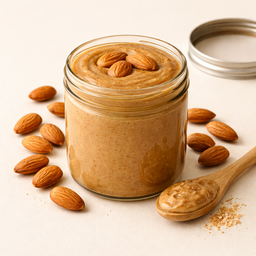 Almond Butter
 Protein and fat slow sugar absorption from apple
Technical: Almond butter's proteins, fats and fiber slow gastric emptying, causing apple's fructose and glucose to be absorbed more gradually. This reduces the glycemic response by ~30%. Almond vitamin E protects apple's polyphenols from oxidation.
What does this mean for you? Apple with almond butter is the perfect snack — it prevents a sugar spike and keeps you satisfied longer.
Apple 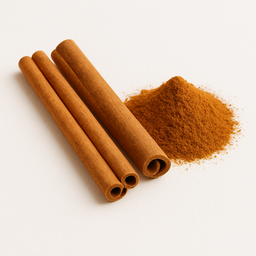 Cinnamon
 Cinnamon stabilizes blood sugar levels after apple consumption
Studies show 18-29% lower postprandial glucose with cinnamon (PMID: 20854384)
Technical: Apples contain 10-12g fructose per fruit and quercetin (4-13mg per 100g in the peel). Cinnamon contains methylhydroxychalcone polymers (MHCP) that activate insulin receptors and stimulate GLUT4 transporters, reducing blood sugar spike by 18-29%. Cinnamon also slows gastric emptying, further dampening the glycemic peak.
What does this mean for you? Sprinkle cinnamon over your apple — as snack, in oatmeal or applesauce. The cinnamon compensates for the sugar spike and makes it a more stable energy source. Use Ceylon cinnamon for best effect.
Apple 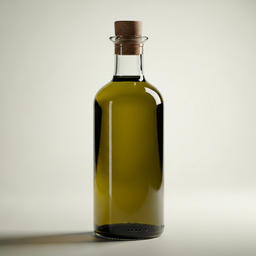 Olive Oil
 Fat improves quercetin absorption from apple
Technical: Apple contains 4-13mg quercetin per 100g (concentrated in the peel) — a flavonoid with bioactive properties. Quercetin is lipophilic and has only 5-10% bioavailability without fat. Olive oil's mono-unsaturated fats form micelles in the gut that increase quercetin absorption by 2-3x. Olive oil also contains oleocanthal — a naturally occurring bioactive phenolic compound.
What does this mean for you? Eat apples WITH peel and combine with olive oil — for example in a Waldorf salad or by dipping apple slices in olive oil. Most quercetin is in the peel, and the oil helps your body absorb it.
Apple 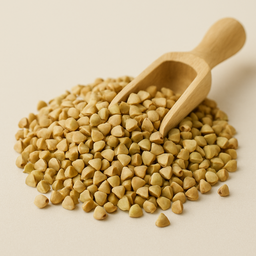 Buckwheat
 Rutin + quercetin: double flavonoid boost for capillary support
Technical: Buckwheat is the richest food source of rutin (25-100mg per 100g), a flavonoid that strengthens capillaries. Apple contains quercetin (4-13mg per apple) with similar capillary support. Together they offer synergistic flavonoid support.
What does this mean for you? Buckwheat pancakes with apple or applesauce — a combination rich in flavonoids. Buckwheat is the best rutin source, the apple completes with quercetin.
Apple 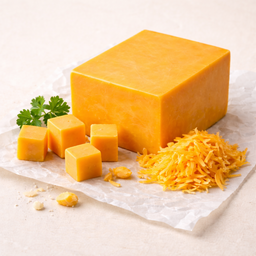 Cheddar
 Calcium from cheddar + quercetin from apple for heart and bones
Technical: Cheddar contains 720mg calcium per 100g and vitamin K2 (menaquinone) from the aging process. K2 directs calcium to bones and away from blood vessels. Apple provides quercetin (4-13mg), a flavonoid that relaxes blood vessels via nitric oxide (NO) production. Two independent biochemical pathways.
What does this mean for you? Snack on cheddar with apple slices — a classic combo that's also scientifically sound. Calcium contributes to the maintenance of normal bones (EFSA), and quercetin is a bioactive polyphenol.
Apple 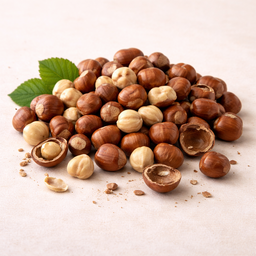 Hazelnuts
 Folate + quercetin: complementary pathways via homocysteine metabolism and NO production
Technical: Hazelnuts contain 113μg folate that lowers homocysteine — an amino acid associated with endothelial dysfunction. Folate contributes to normal homocysteine metabolism (EFSA). Apples provide 4-13mg quercetin, a flavonoid that influences nitric oxide (NO) production and inhibits LDL oxidation. Folate influences the endothelium via homocysteine metabolism, quercetin via the NO pathway. Two independent biochemical pathways.
What does this mean for you? Snack on hazelnuts with apple slices, or add chopped hazelnuts to apple compote. Folate and quercetin work via two complementary biochemical pathways.
Apple 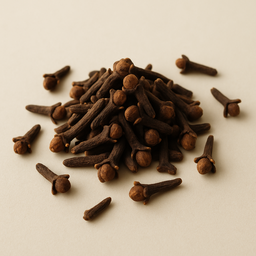 Cloves
 Eugenol absorption 4x increased with fats
Technical: Cloves contain 80-90% eugenol in their essential oil — one of the particularly potent natural antioxidants (ORAC 290,283 per 100g). Eugenol is fat-soluble and poorly absorbed without fat. Olive oil dissolves eugenol and increases bioavailability up to 4x. Apple's pectin delays release for longer action.
What does this mean for you? Use cloves in combination with olive oil or in apple dishes. The fat or pectin helps your body absorb more eugenol from the cloves.
Apple 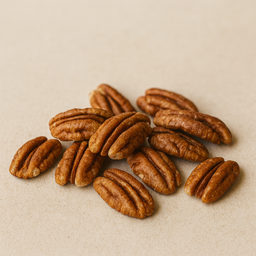 Pecans
 Double antioxidant boost for apple crumble
Technical: Pecans have the highest antioxidant content of all nuts (ORAC 17,940 per 100g) thanks to ellagic acid and gamma-tocopherol. Cinnamon contains cinnamaldehyde and proanthocyanidins (ORAC 131,420). Apple adds quercetin. Together they achieve an exceptionally high total ORAC value, with polyphenols neutralizing free radicals via different mechanisms.
What does this mean for you? Make apple crumble with pecans and cinnamon. This classic dessert is an antioxidant bomb — the pecans, cinnamon and apple reinforce each other as protection against cell damage.
Apple 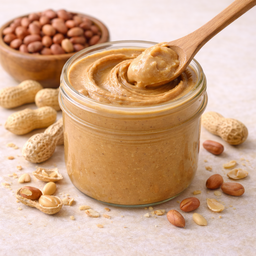 Peanut Butter
 Protein + pectin fiber for satiety and stable glycemic response
Technical: Peanut butter provides protein (25g/100g) and fat that slow gastric emptying. Apple adds 4g pectin fiber that stimulates CCK and GLP-1 (satiety hormones). Peanut butter has a GI of 14, apple 36 — together a very low glycemic response. Studies show this combination reduces calorie intake by 15-20% versus apple alone.
What does this mean for you? Dip apple slices in peanut butter as a snack. The protein and fat from the peanut butter slow sugar absorption from the apple, keeping you satisfied for 3-4 hours.
Apple 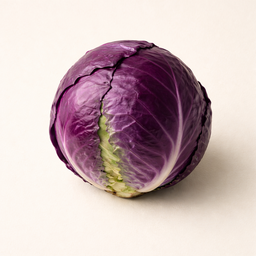 Red Cabbage
 Double anthocyanin source: two complementary polyphenols
Technical: Red cabbage contains 322mg anthocyanins per 100g (mainly cyanidin glycosides) and apples contain 13-75mg anthocyanins in the skin. Anthocyanins cross the blood-brain barrier and stimulate BDNF expression. Together they provide a high concentration of anthocyanins from two sources, each contributing a different glycoside profile.
What does this mean for you? Red cabbage with apple (classic Dutch!) delivers a high concentration of anthocyanins from two sources. Eat the apple peel — that's where most of it is. Add vinegar to stabilize the anthocyanins.
Apple 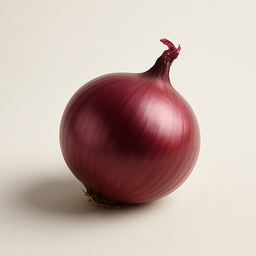 Red Onion
 Double quercetin source through red onion and apple combination
Technical: Red onion is the richest food source of quercetin (32-65mg/100g). Apples contain 4-13mg quercetin per 100g, mainly as quercetin-3-O-galactoside in the skin. The combined dose delivers a high concentration of quercetin — a flavonoid studied in scientific research regarding histamine release from mast cells.
What does this mean for you? Red onion in an apple salad delivers an extra high dose of quercetin. Quercetin is a well-studied flavonoid. Eat the apple peel too, that's where most quercetin is.
Recipes with Apple
Discover delicious recipes featuring apple:
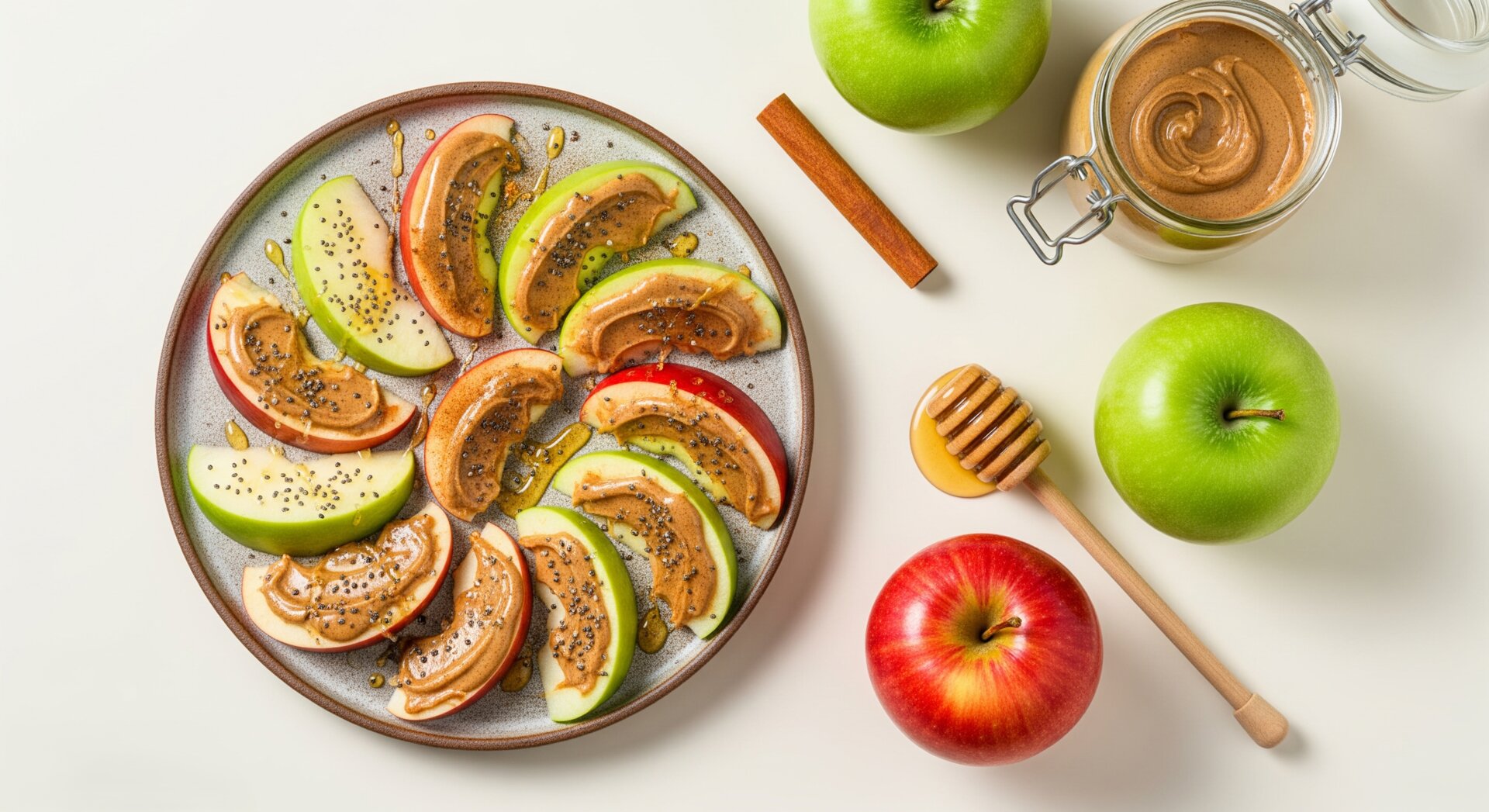 Apple Wedges with Almond Butter 5 min Crunchy, creamy and sprinkled with chia seeds
  260 kcal
  7g protein 1 synergies
 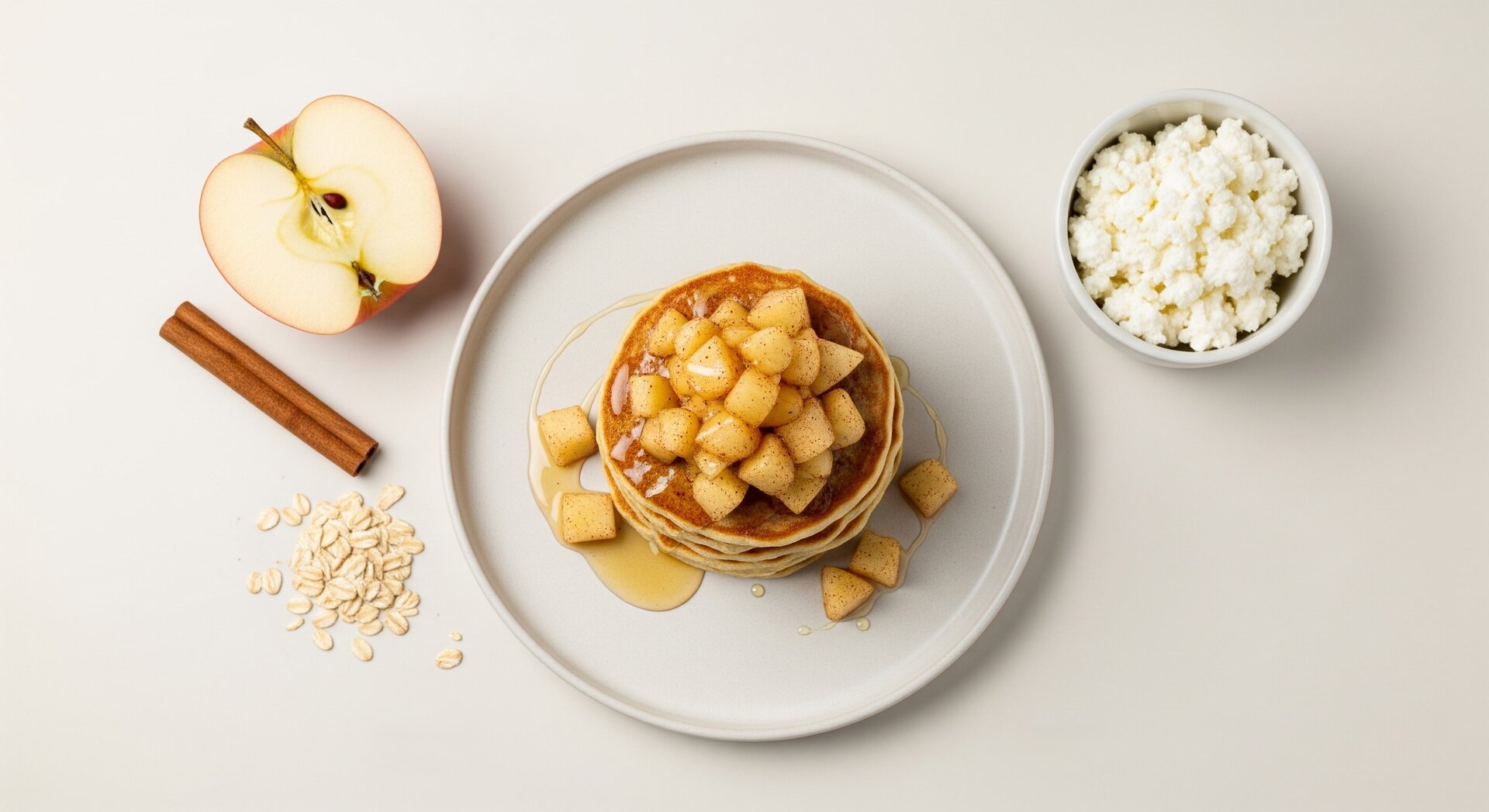 Cottage Cheese Cinnamon Pancakes with Apple 25 min Fluffy pancakes with cottage cheese, oat flour and warm apple compote 202 kcal 11g protein 2 synergies
 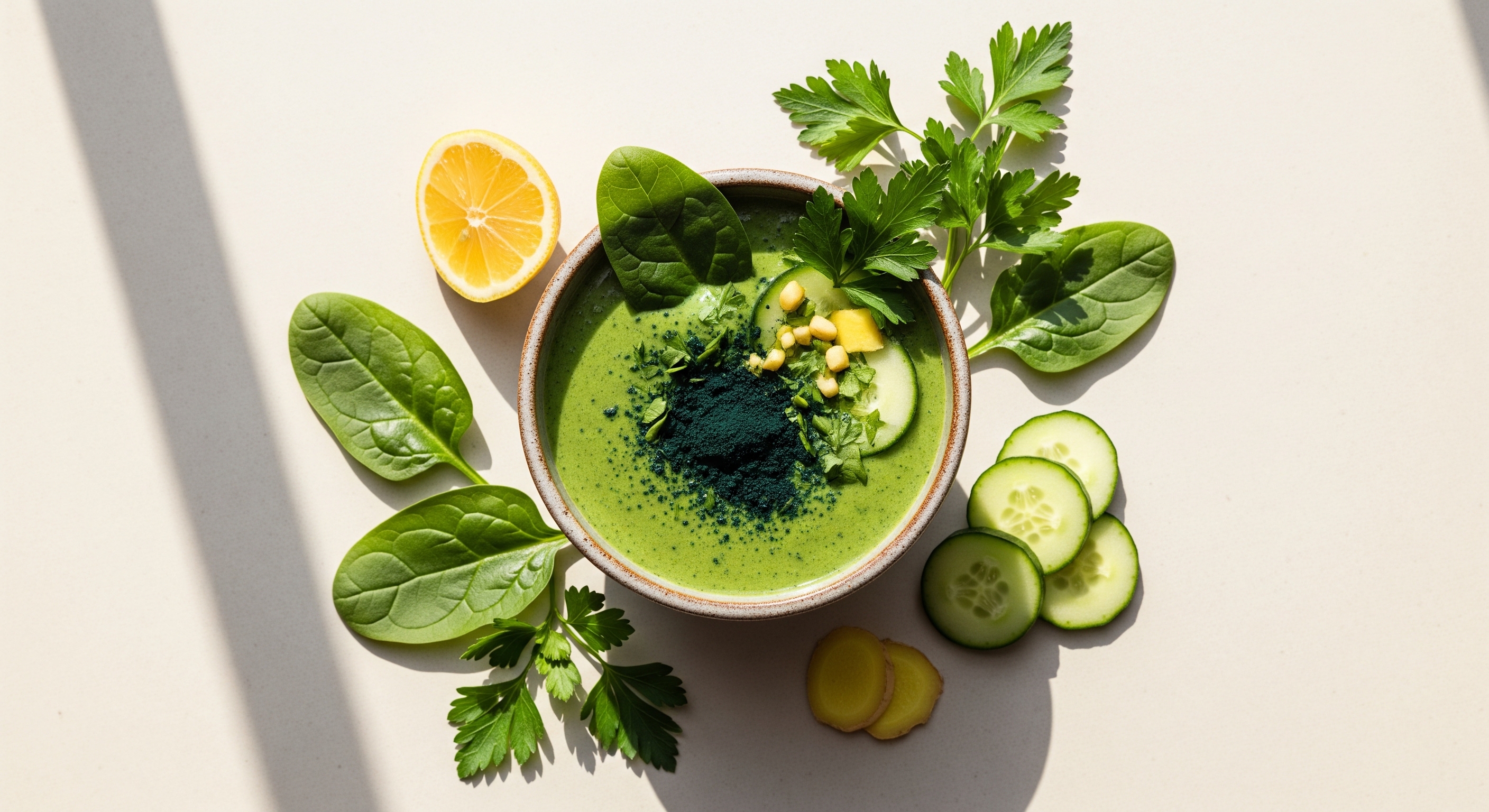 Fresh Green Smoothie with Apple, Parsley and Spirulina 5 min Fresh, herbaceous and citrus-bright 97 kcal 4g protein 2 synergies
 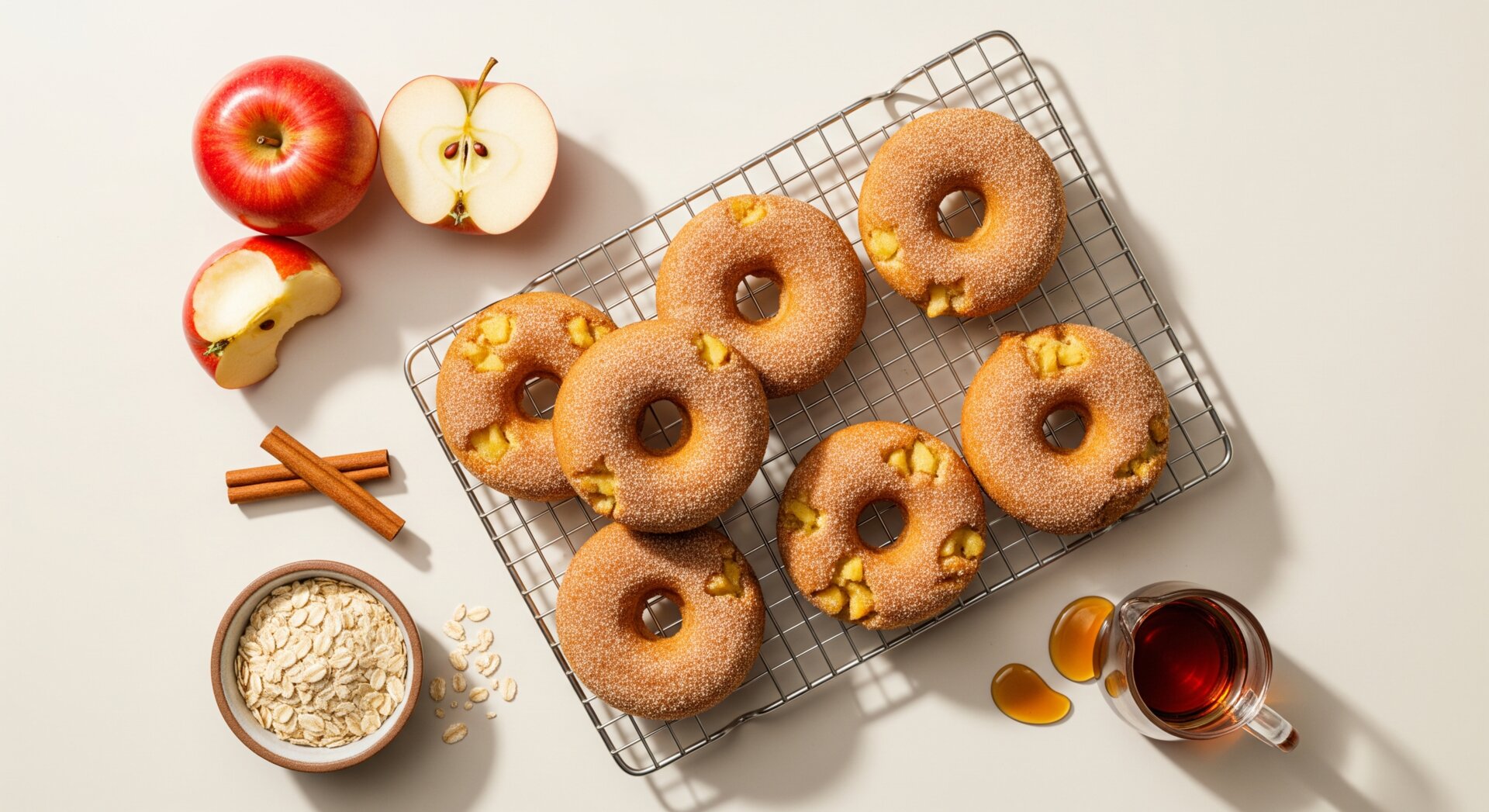 Baked Apple Donuts 33 min Fluffy oven-baked donuts with grated apple, oats and cinnamon 155 kcal 5g protein 2 synergies
 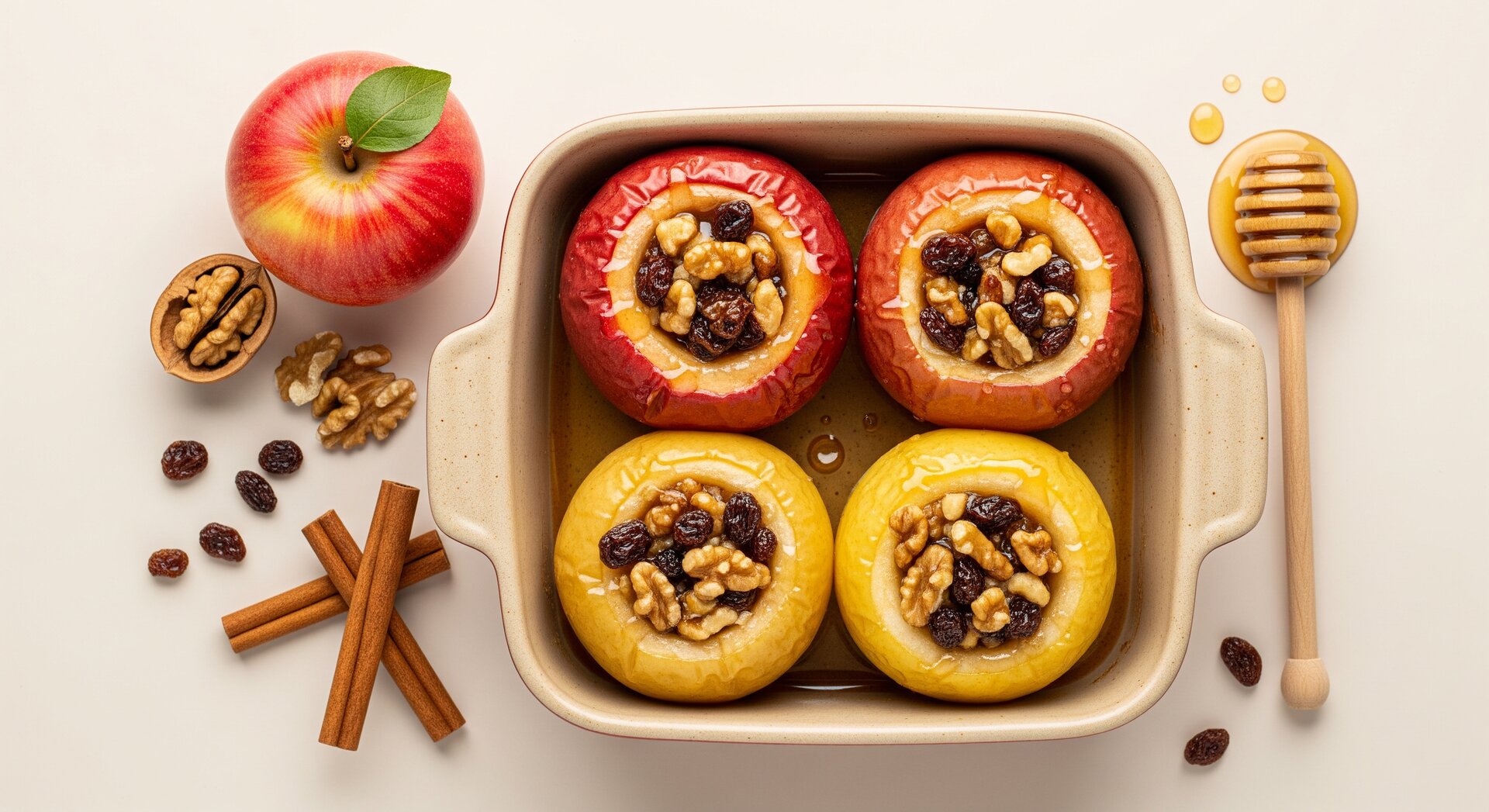 Baked Apples with Cinnamon and Nuts 60 min Warm baked apples filled with nuts, honey and cinnamon 280 kcal 4g protein 2 synergies
 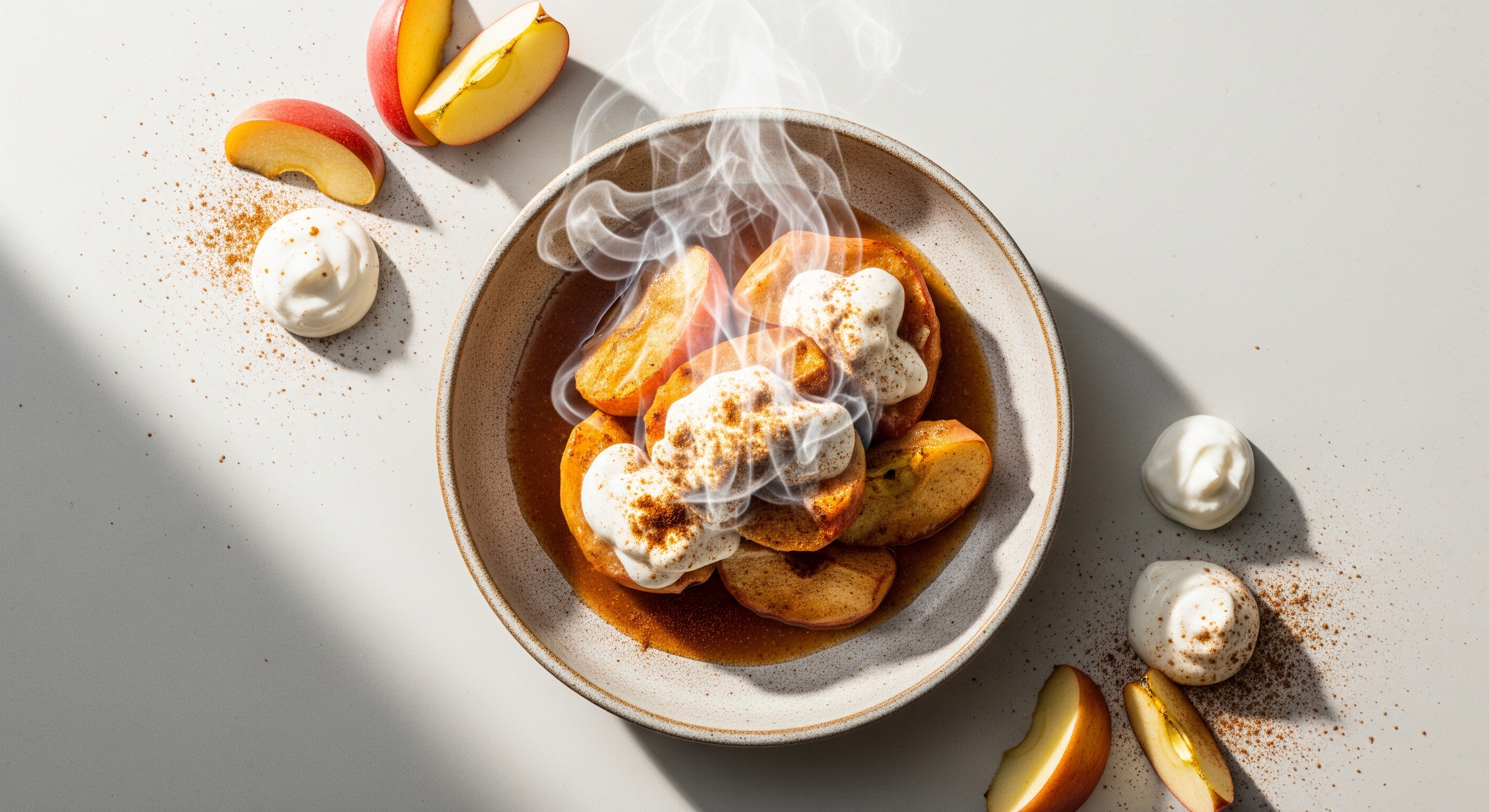 Baked Cinnamon Apple with Coconut Cream 45 min Warm paleo dessert with spiced apple and creamy coconut cream 215 kcal 3g protein 1 synergies
  In the Kitchen
Storage
Location:Refrigerator
Shelf life:1-2 maanden (koelkast), 1 week (kamertemperatuur)
Apples produce ethylene gas, which can make other fruit ripen faster. Store them separately if you want to avoid that, or place them near firm avocados to speed ripening. In the refrigerator, firm varieties often stay crisp for weeks.
Preparation
Eat raw with the skin for the most fiber and polyphenols. For baked apples, choose firm varieties such as Elstar, Jonagold or Granny Smith. Wash apples well; peel only when the recipe calls for it or when you want a softer texture.
Conversions
Substitutes
Smart preparation
1Place cut apple in water with a little lemon juice to limit browning.
2Use multiple apple varieties in pie for more depth in sweetness, acidity and texture.
3Peel apples for smooth sauces and compotes; leave the skin on for pies with more bite.
Caution / Warnings
Apple is very safe, but there are scientific considerations:
IBS or fructose intolerance Moderate
Apples contain fructose and sorbitol, which can cause gas, bloating or abdominal discomfort in sensitive people.
Advice:
Consider smaller portions or a tarter, less ripe apple. Test your personal tolerance and pair with a meal if eating apple on its own causes discomfort.
Dental health Mild
Malic acid and natural sugars can temporarily affect tooth enamel when apples are eaten very frequently or held in the mouth for a long time.
Advice:
Rinse your mouth with water after eating and wait about 30 minutes before brushing your teeth.
Traditional use
Other
European apple traditions
The saying ‘an apple a day keeps the doctor away’ comes from 19th-century Wales. In European food cultures, apples have been used for centuries in compotes, baking, cider, winter dishes and simple everyday snacks.
Traditional Chinese Medicine
Chinese food culture and juicy fruit
In Chinese culinary traditions, apples are often valued as fresh, juicy fruit eaten both raw and lightly stewed. They fit simple fruit plates, desserts and warm preparations with pear, date or ginger.
Summary
The apple is an accessible everyday fruit: affordable, easy to store and rich in flavor differences between varieties. Eat it well washed with the skin for fiber and polyphenols, choose Granny Smith for a tart taste or Fuji for extra sweetness. Enjoy it before a meal, in oats, with nuts or in warm dishes with cinnamon.