- Easy
- 33 min
- 8 serv.
- 7 synergies
- Fully in season
Light, soft oven-baked donuts built on finely grated apple, ground oats, almond flour and yoghurt, sweetened with maple syrup and flavoured with plenty of cinnamon. The apple keeps the batter moist so the donuts stay tender and aromatic without any butter and without frying.
Replaces: donuts, oliebollen, doughnut balls
That soft, sweet donut experience you know from the market or the bakery — but baked in the oven instead of fried. Finely grated apple keeps the batter moist, ground oats and almond flour replace the wheat flour, yoghurt gives a tender crumb, and maple syrup plus cinnamon deliver the classic autumn flavour. No deep-frying, no refined sugar, no artificial flavourings.
Why better: A classic deep-fried donut typically contains around 15-25 g of fat per piece according to standard tables; this baked version comes in at roughly 5 g of fat per donut. Apples provide soluble dietary fibre (including pectin), oats provide beta-glucan (a soluble fibre with a specific EFSA claim for maintaining normal blood cholesterol at intakes of ≥ 3 g/day, EU 432/2012) and almond flour supplies monounsaturated fatty acids. The cinnamon carries the flavour so there's no need to lean on refined sugar.
- 15
- min prep
- 18
- min cook
- 33
- min total
Nutritional Synergies
This recipe combines ingredients that enhance each other:
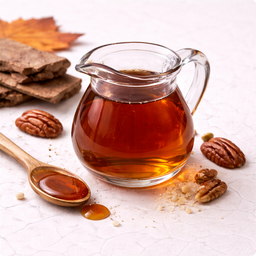 Maple Syrup
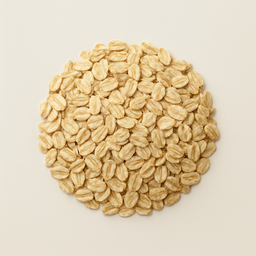 Oatmeal
Maple minerals + β-glucan for energy and blood sugar
Technical: Maple syrup provides manganese (3.3mg/60ml, 143% RDI) — essential for mitochondrial SOD enzyme (antioxidant) and glucose metabolism. Oatmeal's β-glucan (4g/100g) slows absorption of maple syrup's sugars (GI 54 — lower than white sugar GI 65). Manganese activates pyruvate carboxylase and isocitrate dehydrogenase in the citric acid cycle for efficient energy production. The combination offers: minerals (maple) + slow-release carbohydrates (oats).
What does this mean for you? Oatmeal with maple syrup is a better choice than oatmeal with sugar. The β-glucan slows sugar absorption, and maple syrup provides unique minerals that sugar doesn't have.
EnergyBlood Sugar
Maple Syrup 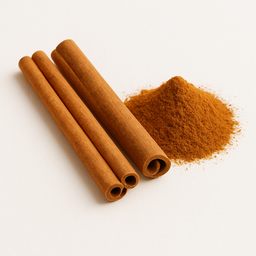 Cinnamon
 dampens glycemic impact of sugars
Technical: Maple syrup has a GI of 54 (lower than honey or sugar). Cinnamon's MHCP (methylhydroxy chalcone polymers) improve insulin signaling and cinnamaldehyde slows gastric emptying. Together this results in a flatter blood sugar curve: maple syrup already peaks less than sugar, cinnamon flattens that peak further.
What does this mean for you? Add cinnamon whenever you use maple syrup — on pancakes, in oatmeal or when baking. The cinnamon helps keep your blood sugar more stable.
Blood Sugar
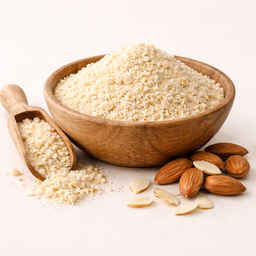 Almond Flour Cinnamon
Magnesium from almond flour + cinnamon: studied in relation to the blood sugar response
Technical: Almond flour contains 270mg magnesium per 100g; magnesium contributes to normal energy-yielding metabolism (EU 432/2012) and is studied in relation to insulin receptors. Cinnamon provides chromium and MHCP polymers, which are researched in relation to GLUT4 transporters and the blood sugar response of baked goods.
What does this mean for you? Use almond flour with cinnamon in pancakes, muffins or smoothies: full of flavour, rich in fibre and protein, with fewer fast carbohydrates than wheat flour.
Blood SugarEnergy
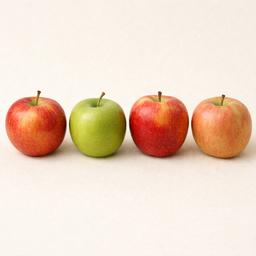 Apple Cinnamon
Cinnamon with apple: MHCP polymers, studied in relation to the blood sugar response
Cinnamon is studied in controlled trials in relation to the postprandial glucose response (PMID: 20854384)
Technical: Apples contain 10-12g fructose per fruit and quercetin (4-13mg per 100g in the peel). Cinnamon contains methylhydroxychalcone polymers (MHCP), which are studied in relation to insulin receptors, GLUT4 transporters and the post-meal blood sugar response; cinnamon's influence on gastric emptying is also being researched.
What does this mean for you? Sprinkle cinnamon over your apple — as a snack, in oatmeal or applesauce. A warm, classic flavour pairing; choose Ceylon cinnamon (low in coumarin) for daily use.
Blood SugarGeneral Wellness
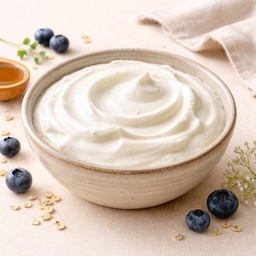 Greek Yogurt Cinnamon
Probiotics + MHCP polymers: Greek yogurt with cinnamon
Cinnamon is studied in relation to insulin sensitivity (PMID: 20854384)
Technical: Greek yogurt has a low GI (11-14) and contains probiotics that are studied in relation to insulin sensitivity (gut-pancreas axis). Cinnamon contains MHCP (methylhydroxy chalcone polymers), studied in relation to AMPK and insulin receptors; the combination is researched in relation to the postprandial glycaemic response.
What does this mean for you? Add a teaspoon of cinnamon to your Greek yogurt: warm and sweet-tasting without added sugar — a classic low-GI breakfast. For daily use, choose Ceylon cinnamon (low in coumarin).
Blood SugarDigestionWeight Loss
Cinnamon Oatmeal Flattens the sugar spike after carbohydrate-rich meals
Technical: Oatmeal contains complex carbohydrates that raise blood sugar. Cinnamon's MHCP (methylhydroxy chalcone polymers) increase insulin activity up to 20x and cinnamaldehyde activates AMPK, improving glucose transport to cells. This lowers postprandial glucose peak by 18-29% and extends satiety.
What does this mean for you? Always add cinnamon to your oatmeal, apple or banana bread. The cinnamon helps keep your blood sugar more stable after these carb-rich meals.
EnergyWeight Loss
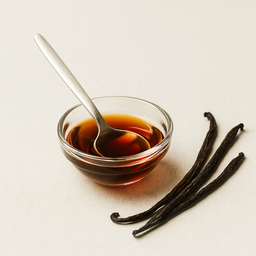 Vanilla Extract Cinnamon
Vanillin + cinnamaldehyde reduce sugar craving
Technical: Vanillin activates sweet receptors (T1R2/T1R3) without providing calories, increasing perceived sweetness of dishes by 30-40%. Cinnamon's cinnamaldehyde activates AMPK and supports glucose uptake in cells, biochemically reducing sugar cravings. Together they lower the need for added sugar: vanilla makes sweeter (sensory), cinnamon supports glucose balance (metabolic).
What does this mean for you? Add vanilla extract + cinnamon to your coffee, oatmeal or yogurt instead of sugar. Your brain experiences sweetness but your glucose balance stays stable — the smartest way to eat less sugar.
Blood SugarWeight Loss
Ingredients (10)
- Apple — 2 pcs about 200 g total, finely grated — Elstar or Jonagold work well
- Oatmeal — 200 g finely ground into oat flour in a blender or food processor
Instructions
- 1 Preheat the oven to 180°C (fan) and lightly grease an 8-hole donut pan with a thin layer of oil. No donut pan? Use a muffin tin or shape the donuts by hand on a parchment-lined baking sheet (see step 6).
- 2 Finely grate the apples on a standard box grater and squeeze them lightly over the sink to remove excess moisture. You want about 180-200 g of lightly squeezed grated apple — a too-wet batter makes heavy donuts.
Nutrition per serving
Indicative values per serving.
Timing & Suitability
Shelf life: 3 days in fridge
Tags & Diet
Allergens: Gluten, Dairy