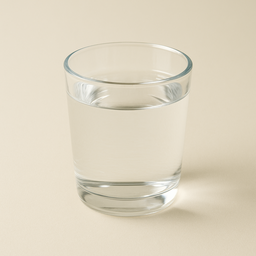
Water
Clear, neutral base for drinking, cooking and baking
What is this ingredient?
Water is a colorless, odorless liquid with the chemical formula H₂O. In the kitchen it acts as a solvent, heat carrier and texture builder: it dissolves salt and sugar, helps starches cook, makes dough flexible and draws aromas from tea, herbs and broth. Because water itself tastes neutral, its quality and mineral composition can subtly shape the final dish or drink.
Tap water in the Netherlands and Belgium is strictly monitored and practical for everyday use. Natural mineral water, spring water and filtered water differ mainly in minerals, carbonation, hardness and taste. Lukewarm water of about 30-40°C is useful for yeast and sourdough because it helps fermentation start without overheating the microorganisms; boiling water is better suited to tea, infusions and blanching ingredients.
How does it taste?
Neutral, clear and almost flavorless; mineral content, hardness and temperature can subtly change the mouthfeel.
Pairs well with:
Pairs with almost everything and is indispensable for brothteadoughsaucessoupsricepasta and rinsing fresh ingredients.
Varieties
Tap Water
In NL/BE excellent quality, strictly controlled and usually low in minerals. It is the cheapest and most eco-friendly choice for daily drinking, cooking and rinsing.
Natural Mineral Water
From a protected underground source, with a constant mineral composition and without treatment that changes its original composition. Examples include Spa, Evian and Gerolsteiner.
Spring Water
Sourced from an underground spring and often softer in taste than hard tap water. It may be filtered, and its mineral composition can vary by bottle or source.
Filtered Water
Tap water passed through an activated carbon, jug or osmosis filter. The taste can become softer because chlorine-like notes, limescale or fine particles are partly reduced.
Did you know...?
- About 97% of all water on Earth is salt water; only a small share is directly available as drinking water.
- A water molecule can move for centuries to millennia through oceans, clouds, rain, rivers and groundwater before it ends up in your glass again.
Nutritional Value & Energy
Per 100ml
Water is low in calories thanks to natural nutrients .
Per 100g
Minerals
Vitamins
Omega-3 fatty acids
More nutrients
Trace Minerals
EU-approved nutrition claims
This file currently contains no linked EFSA claim text for water. The information above is therefore kept descriptive, culinary and educational in wording.
What's being researched?
Water intake and daily functioning
Water intake is studied in relation to fluid balance, thermoregulation, cognitive performance and mood. The suitable amount differs by person and depends, among other things, on diet, temperature, activity and individual circumstances.
Supported by: [1] Popkin (2010) , [2] Ganio (2011)
Good Combinations (Synergy)
Combine water smartly to enhance the effect:
Water 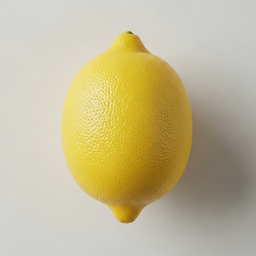 Lemon
Lemon Hydration + vitamin C and citric acid as a refreshing combination
Technical: Water provides the solvent for renal excretion of waste products. Lemon's citric acid is metabolized in the body to bicarbonate, alkalizing urine (paradoxical effect). Alkaline urine dissolves uric acid crystals better and prevents kidney stones. Vitamin C (53mg) also stimulates glutathione production in the liver — the most important endogenous antioxidant. Studies show lemon water increases urinary citrate by 50%, preventing kidney stone formation.
What does this mean for you? Lemon water in the morning isn't a myth — it supports your kidneys, alkalizes your urine and delivers vitamin C. Use half a lemon per large glass of lukewarm water.
Water 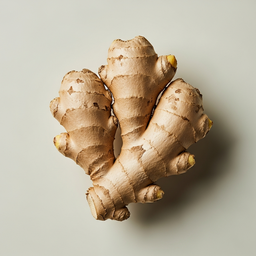 Ginger
 Hydration + gingerols for digestion and metabolism
Technical: Water is the medium for all biochemical reactions and nutrient transport. Ginger's gingerols (1.5-3%) are water-soluble and optimally extracted in warm water. Gingerols are studied in research in relation to thermogenesis and digestion. Warm ginger water contains dissolved gingerols.
What does this mean for you? Start your day with warm ginger water — slice fresh ginger and steep for 10 minutes. It gives a warm, spicy start to your day and hydrates at the same time.
Water 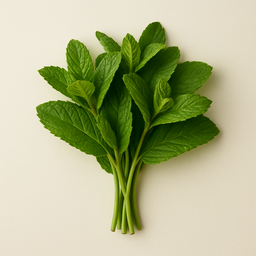 Mint
Mint Hydration + vitamin C and citrate support
Technical: Water is the transport medium for all nutrients and essential for enzymatic reactions. Lemon adds vitamin C (antioxidant), citrate (alkalizing effect on urine) and D-limonene (supports biotransformation). Mint contains menthol that promotes gastric motility and supports digestion. Together, lemon-mint water is ideal hydration.
What does this mean for you? Lemon-mint water is the smartest way to drink more. The lemon adds flavor and vitamin C, the mint promotes digestion — and you naturally drink more.
Recipes with Water
Discover delicious recipes featuring water:
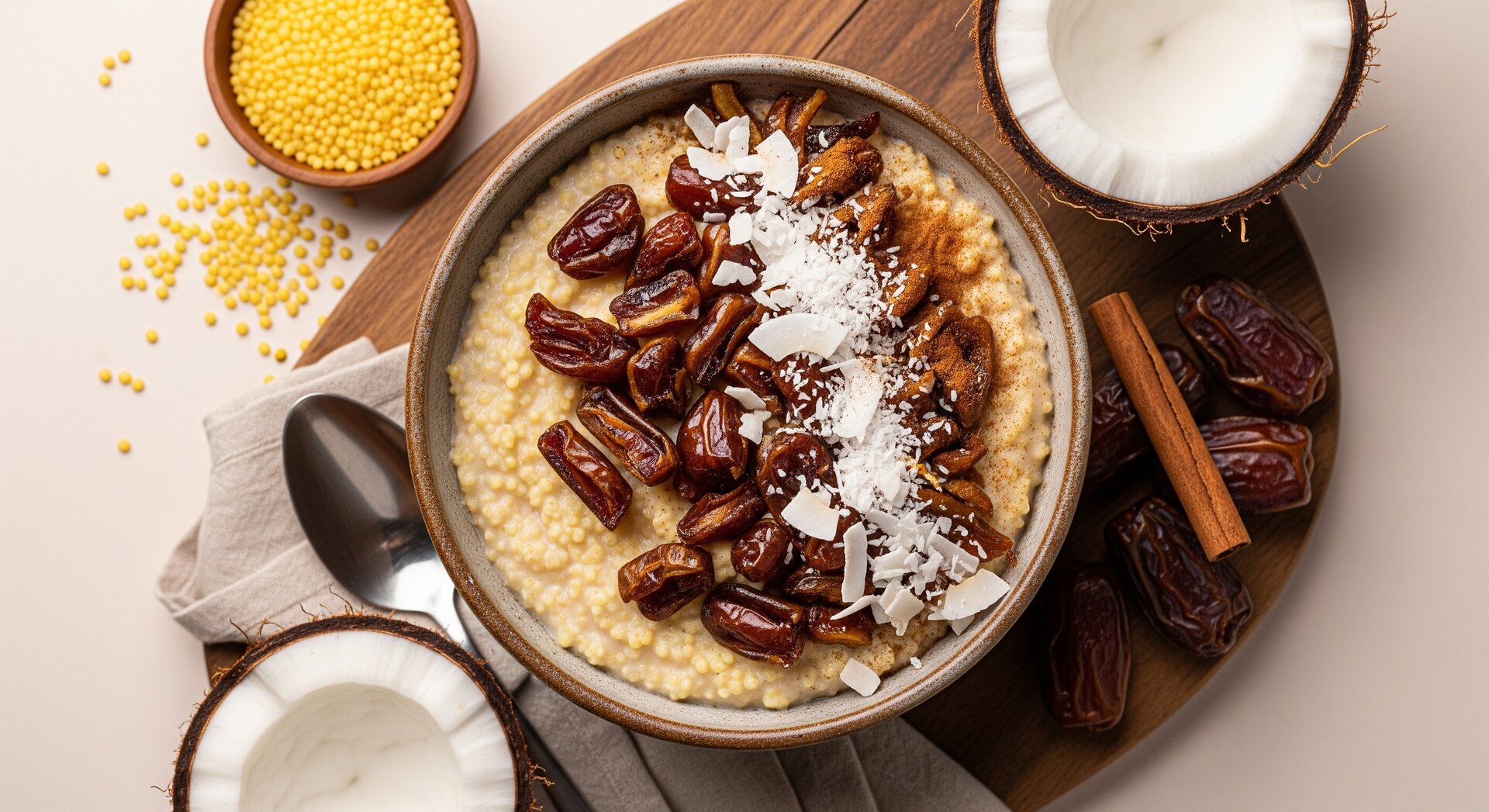 African Millet Porridge with Coconut and Dates 30 min Gluten-free porridge with coconut milk, Medjool dates and cinnamon
  828 kcal
  14g protein 1 synergies
 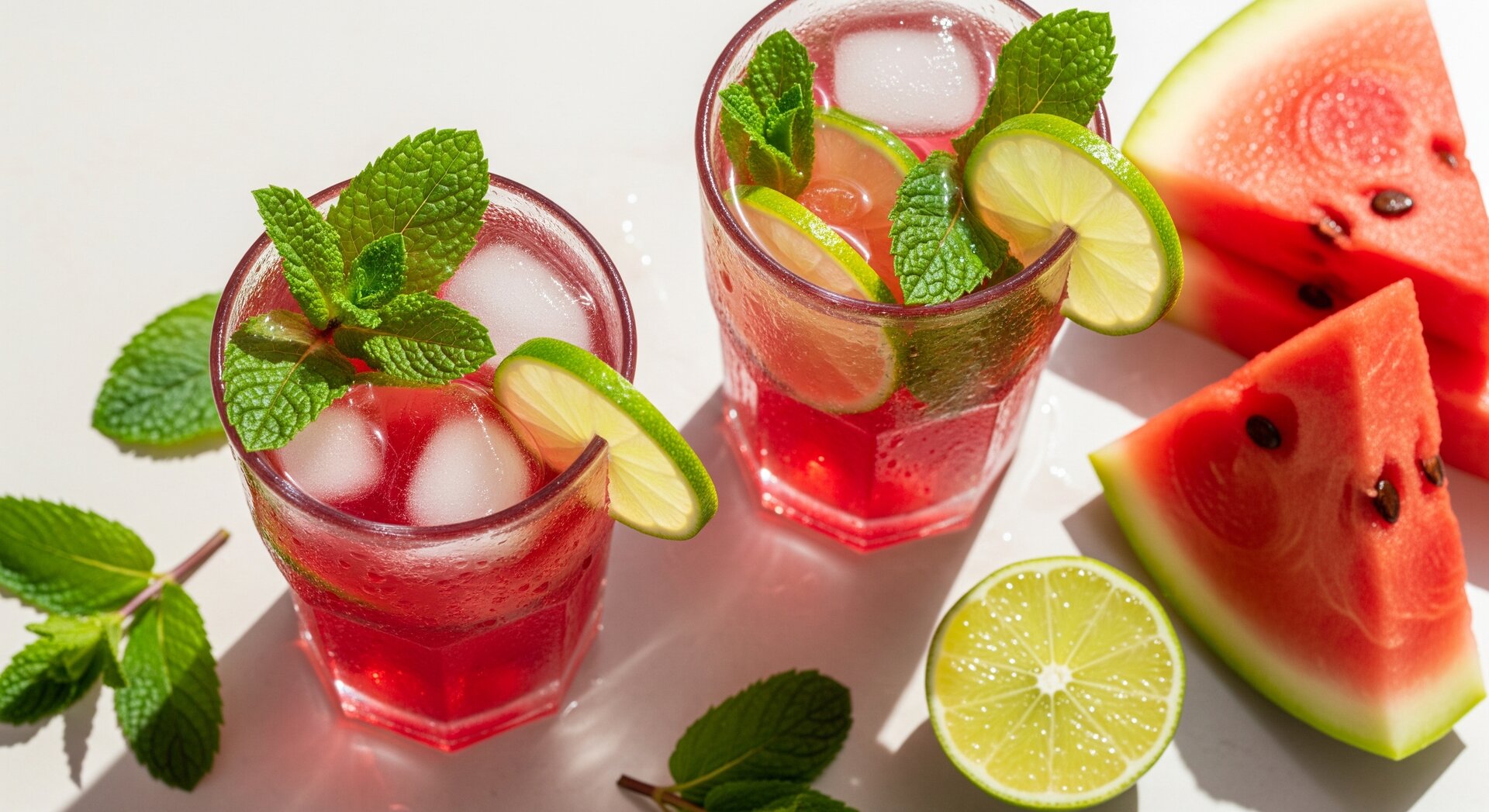 Watermelon Mint Agua Fresca 5 min Mexican refreshing fruit drink with watermelon and mint 110 kcal 2g protein 1 synergies
 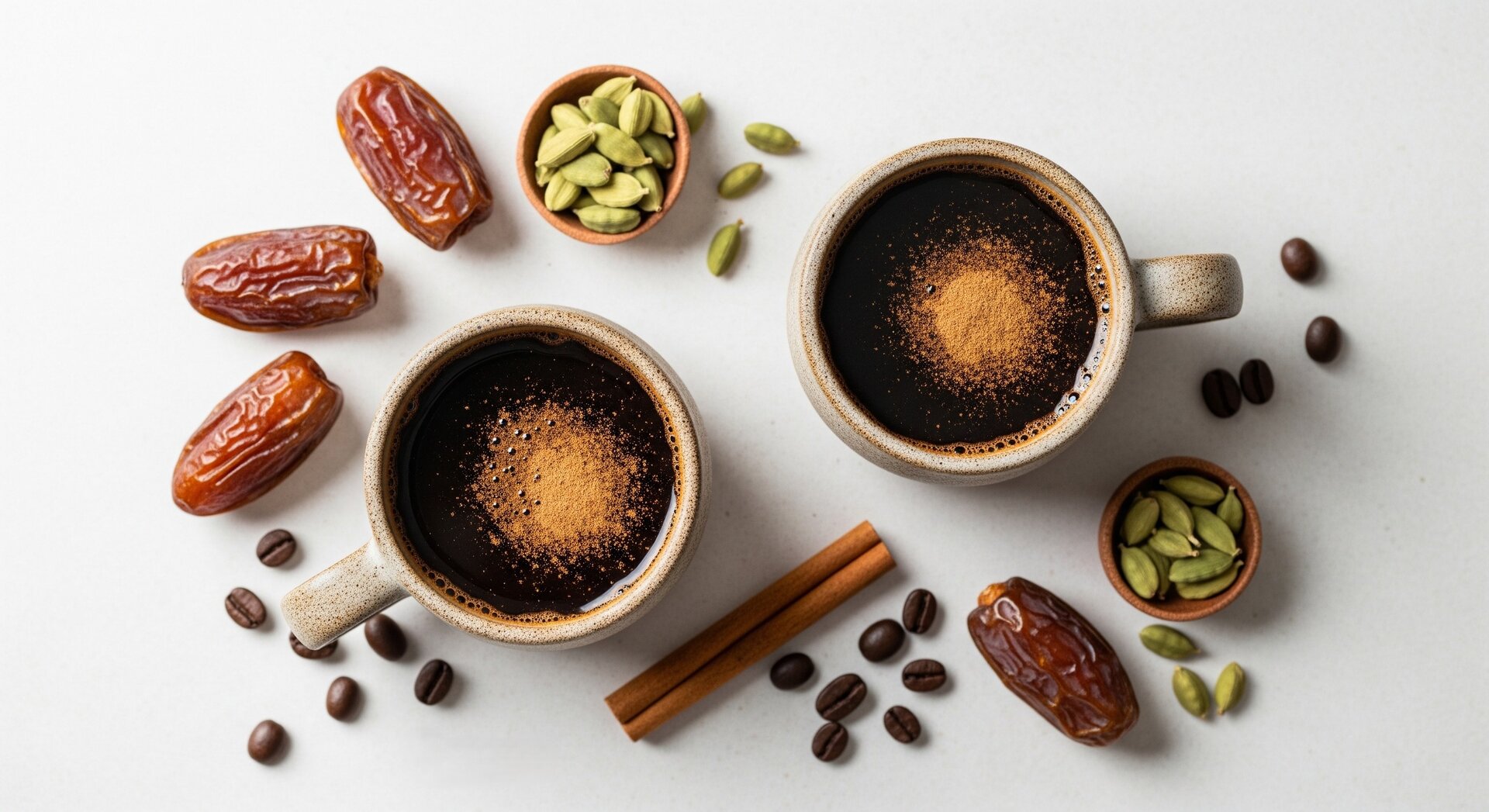 Arabic Cardamom Date Coffee 10 min Traditional Arabic coffee with cardamom and dates 142 kcal 1g protein 1 synergies
 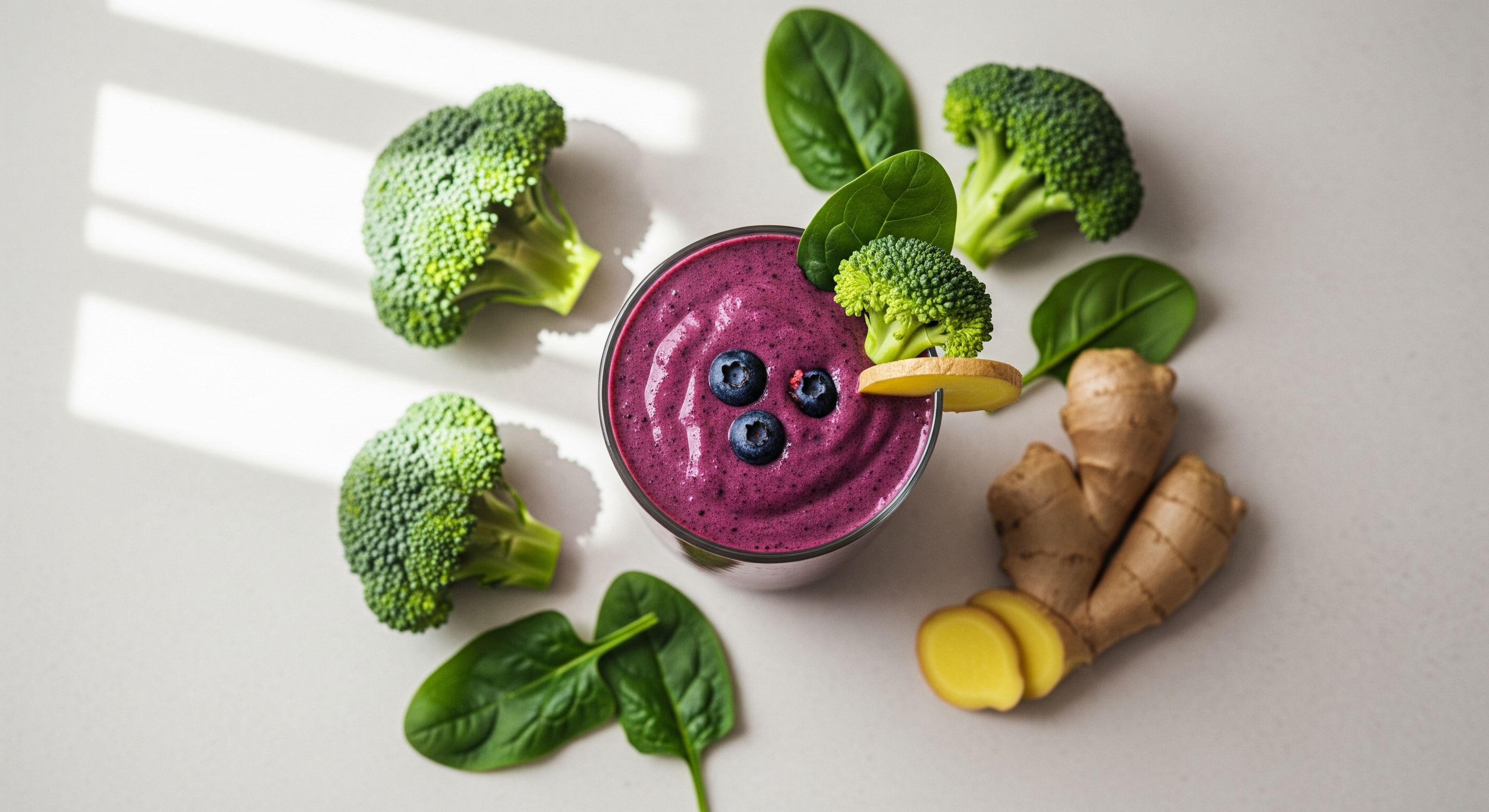 Blueberry Smoothie with Broccoli and Ginger 5 min Fresh, fruity and gently spicy 126 kcal 4g protein 2 synergies
 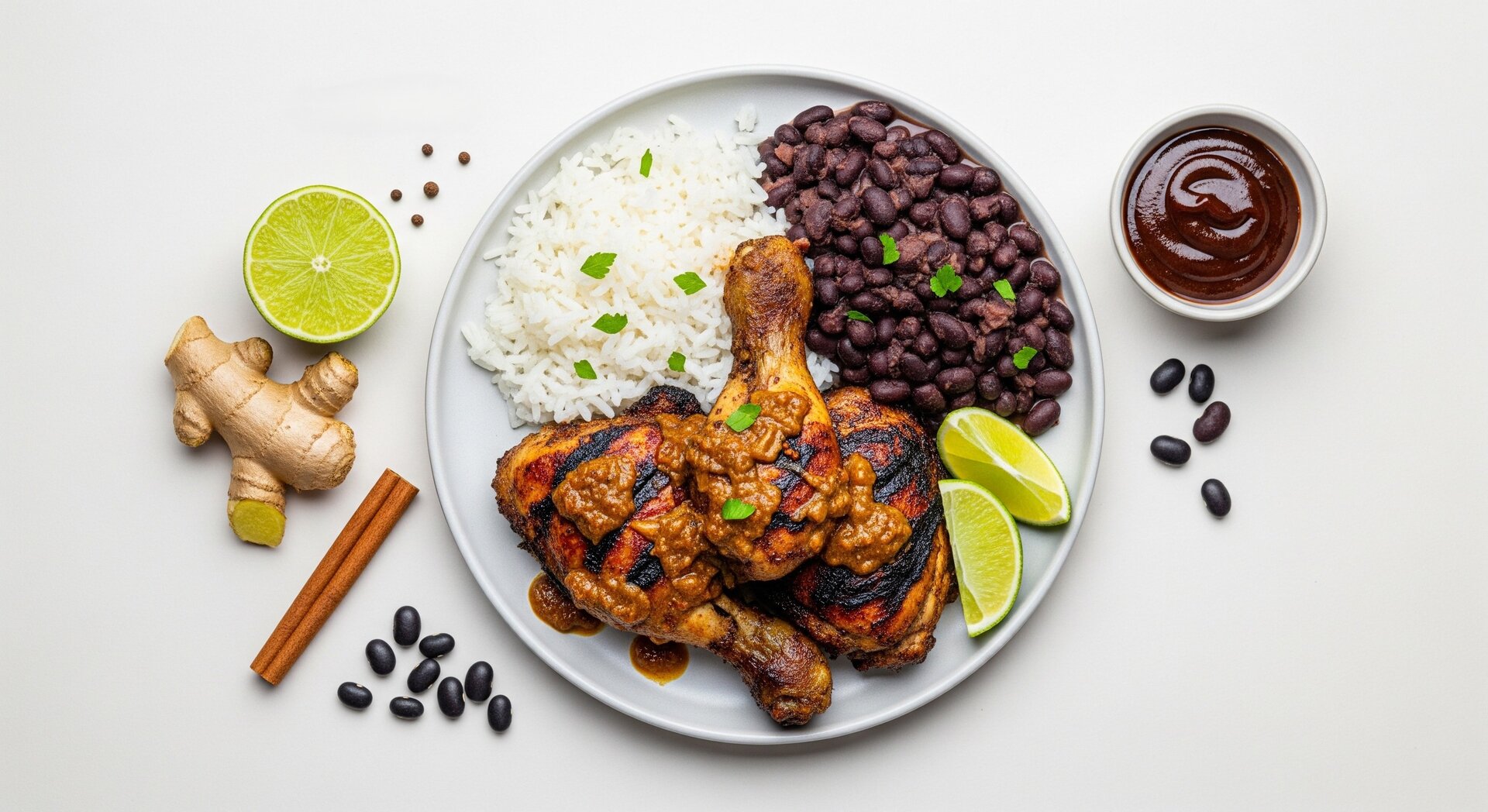 Caribbean Jerk Chicken with Rice and Peas 65 min Spiced chicken with coconut rice and black beans 868 kcal 57g protein 1 synergies
 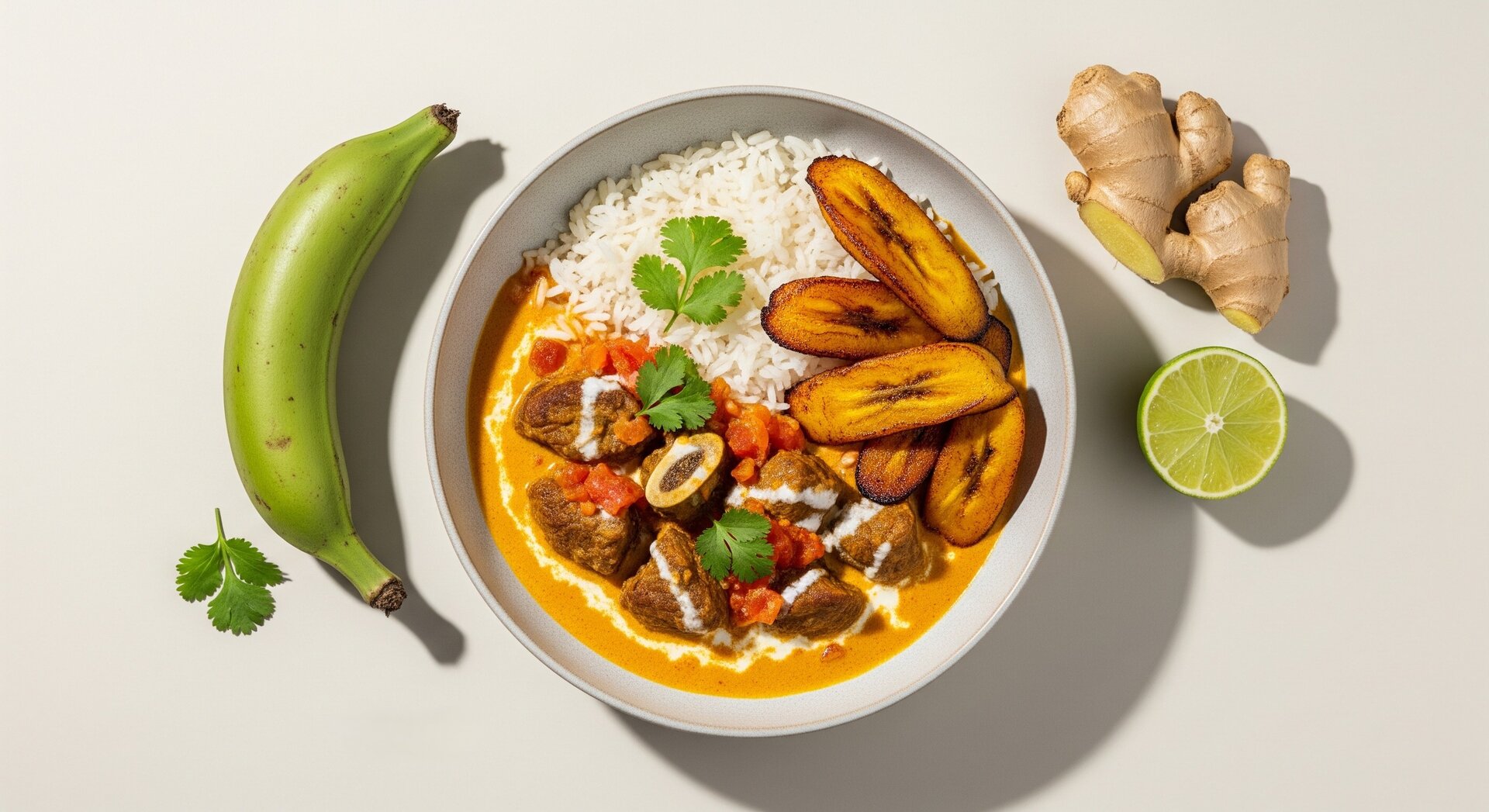 Caribbean Lamb Curry with Rice and Plantain 75 min Spicy curry with coconut milk and sweet plantain 934 kcal 48g protein 1 synergies
  In the Kitchen
Storage
Location:Pantry
Shelf life:onbeperkt
Tap water in the Netherlands and Belgium is safe to drink. Store self-filled water cool and covered, preferably in clean glass bottles that you wash regularly.
Preparation
Use lukewarm water of about 30-40°C for yeast and sourdough, boiling water for tea and infusions, and cold water to rinse vegetables or grains. Ice-cold water slows yeast activity.
Substitutes
Smart preparation
1Start with cold water when cooking or rinsing ingredients; warm tap water can carry more dissolved minerals or flavor traces from pipes.
2Add salt only once the water is warm or boiling, especially when using stainless-steel pans.
Why?
Salt sitting on the bottom in cold water can cause small pits or marks in stainless steel.
3Use filtered or soft water for tea and coffee when you want a cleaner flavor profile.
Caution / Warnings
Water is very safe, but there are scientific considerations:
Excessive intake (hyponatremia) Moderate
Extreme water intake, especially within a short time, can dilute blood sodium too much. This is rare, but relevant during endurance sports, competitions or water-drinking challenges.
Advice:
Drink throughout the day and adjust extra fluid to heat, effort and thirst. During long endurance exercise, a drink or food with electrolytes may be appropriate.
Summary
Water is the simplest base drink and a practical kitchen helper: use it for tea, broth, dough, sauces and for boiling or rinsing ingredients. In hot weather or during exercise you often need more fluid; pay attention to thirst, meal rhythm and personal circumstances.