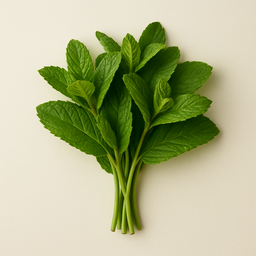
Mint
Refreshing culinary herb with a menthol aroma, popular in teas, salads and desserts
What is this ingredient?
Mint (Mentha) includes more than 25 species, including peppermint (M. piperita) and spearmint (M. spicata). Its characteristic cooling sensation comes mainly from menthol, a volatile aromatic compound that explains mint’s fresh sensory profile. In the kitchen, mint is used both fresh and dried: fresh leaves add brightness to salads, yoghurt, lemonades, teas and desserts, while dried mint works well in spiced sauces, soups and marinades. Peppermint oil and mint aroma are also examined in clinical and sensory research, but in everyday food mint is first of all a powerful aroma and flavour accent that makes dishes feel lighter and fresher.
How does it taste?
Refreshingly cool with a sweet, menthol-like intensity and a green herbal finish.
Pairs well with:
Pairs well with lambcucumberyoghurtchocolatecitruspeas and green tea.
Varieties
Peppermint
Rich in menthol aroma, powerfully fresh in taste and popular for teas, syrups and chocolate desserts.
Spearmint
Milder and sweeter than peppermint, ideal for cooking, salads, cold drinks and cocktails.
Moroccan mint
A spearmint variety with a distinctly fresh aroma, traditionally used for Moroccan mint tea.
Did you know...?
- The word ‘mint’ comes from the Greek nymph Minthe, who according to myth was turned into a plant.
- Mint spreads so easily that gardeners often recommend growing it in pots.
Nutritional Value & Energy
Per 100g
Mint provides energy thanks to natural nutrients , buffered by fiber.
Per 100g
Minerals
Vitamins
Omega-3 fatty acids
More nutrients
Trace Minerals
What's in a serving?
1 tablespoon (in a curry)
Mint naturally contains calcium (243 mg per 100 g fresh). At typical herb use (5–10 g), the contribution is limited.
Mint naturally contains folate (114 mcg per 100 g fresh). At typical herb use (5–10 g), the contribution is limited.
Mint naturally contains iron (5.08 mg per 100 g fresh). At typical herb use (5–10 g), the contribution is limited.
Mint naturally contains potassium (569 mg per 100 g fresh). At typical herb use (5–10 g), the contribution is limited.
Mint naturally contains vitamin c (31.8 mg per 100 g fresh). At typical herb use (5–10 g), the contribution is limited.
% of daily reference intake (DRI)
EU-approved nutrition claims
There are currently no EFSA-authorized health claims specifically for mint. Various applications for herbs and spices have been submitted but not yet assessed (botanical ‘on hold’ list).
Comparison
vsmelk
Mint contains about 2× more calcium per 100 g than milk, but you usually use much less mint per serving.
vsspinazie
Mint contains about 2× more iron per 100 g than spinach, but you usually use much less mint per serving.
vsbanaan
Mint contains about 2× more potassium per 100 g than banana, but you usually use much less mint per serving.
What's being researched?
Peppermint oil in clinical studies
Peppermint oil is described in clinical studies related to irritable bowel syndrome. The results concern concentrated oil products and are not the same as normal culinary use of fresh mint leaves.
Supported by: [1] Khanna (2014)
Good Combinations (Synergy)
Combine mint smartly to enhance the effect:
Mint 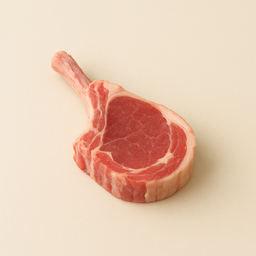 Lamb
Lamb Traditional Middle Eastern combination: mint supports fat digestion
Technical: Mint contains menthol, an aromatic compound traditionally valued with fatty dishes. This helps digest the relatively fatty lamb meat. Mint also neutralizes the strong lamb flavor.
What does this mean for you? Serve lamb with fresh mint sauce (British) or mint-yogurt sauce (Middle Eastern). This is why this combination is so universal.
Mint 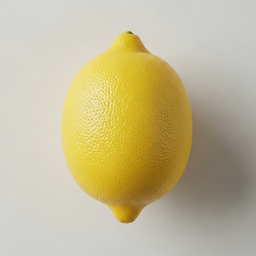 Lemon
Lemon Refreshing biotransformation combination
Technical: Mint promotes bile flow and digestive enzyme activity. Lemon/lime contains citric acid supporting biotransformation and vitamin C for immune function. Together they enhance biotransformation capacity.
What does this mean for you? Mint water with lemon is a simple but delicious combination. Drink it in the morning for good hydration — the mint promotes your digestion, the lemon adds vitamin C.
Mint 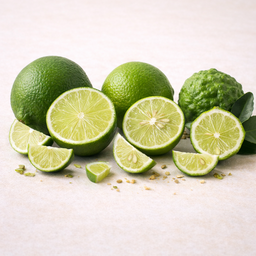 Lime
Lime Refreshing biotransformation combination
Technical: Mint promotes bile flow and digestive enzyme activity. Lemon/lime contains citric acid supporting biotransformation and vitamin C for immune function. Together they enhance biotransformation capacity.
What does this mean for you? Mint water with lemon is a simple but delicious combination. Drink it in the morning for good hydration — the mint promotes your digestion, the lemon adds vitamin C.
Mint 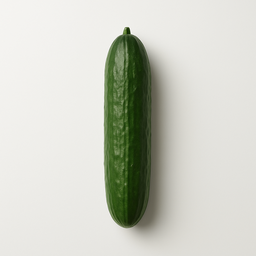 Cucumber
 Ultimate cooling: menthol + water-rich food
Technical: Mint contains menthol (40-50% of essential oil) that activates TRPM8 cooling receptors - you feel cooling without temperature drop. Cucumber is 96% water and provides electrolytes. Together they offer both physiological and sensory cooling.
What does this mean for you? Add fresh mint to cucumber water or raita. Ideal in hot weather, after exercise, or for hot flashes. The combination works better than either ingredient alone.
Mint 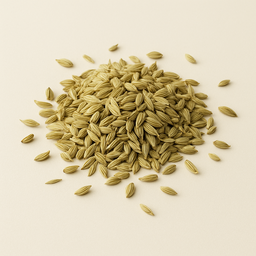 Fennel Seeds
 Triple carminative action against gas
Technical: Fennel seed contains anethole and fenchone that relax intestinal smooth muscles (spasmolytic/carminative). Ginger's gingerol accelerates gastric motility. Mint's menthol activates cooling receptors (TRPM8) in the gut that also induce spasmolysis. Three independent carminative mechanisms — maximum gas relief.
What does this mean for you? Make fennel-ginger-mint tea after a heavy meal. Three herbs each relaxing your intestines through a different route and reducing gas formation.
Mint  Water
Water Hydration + vitamin C and citrate support
Technical: Water is the transport medium for all nutrients and essential for enzymatic reactions. Lemon adds vitamin C (antioxidant), citrate (alkalizing effect on urine) and D-limonene (supports biotransformation). Mint contains menthol that promotes gastric motility and supports digestion. Together, lemon-mint water is ideal hydration.
What does this mean for you? Lemon-mint water is the smartest way to drink more. The lemon adds flavor and vitamin C, the mint promotes digestion — and you naturally drink more.
Mint 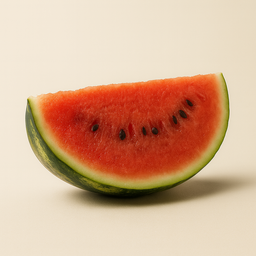 Watermelon
 Cooling combination for digestion and hydration
Technical: Watermelon contains 92% water and citrulline. Mint contains menthol that activates cooling receptors (TRPM8) and calms the stomach. Together they provide ultimate cooling and support digestion.
What does this mean for you? Add fresh mint to watermelon for a refreshing snack that also helps with bloating or indigestion.
Recipes with Mint
Discover delicious recipes featuring mint:
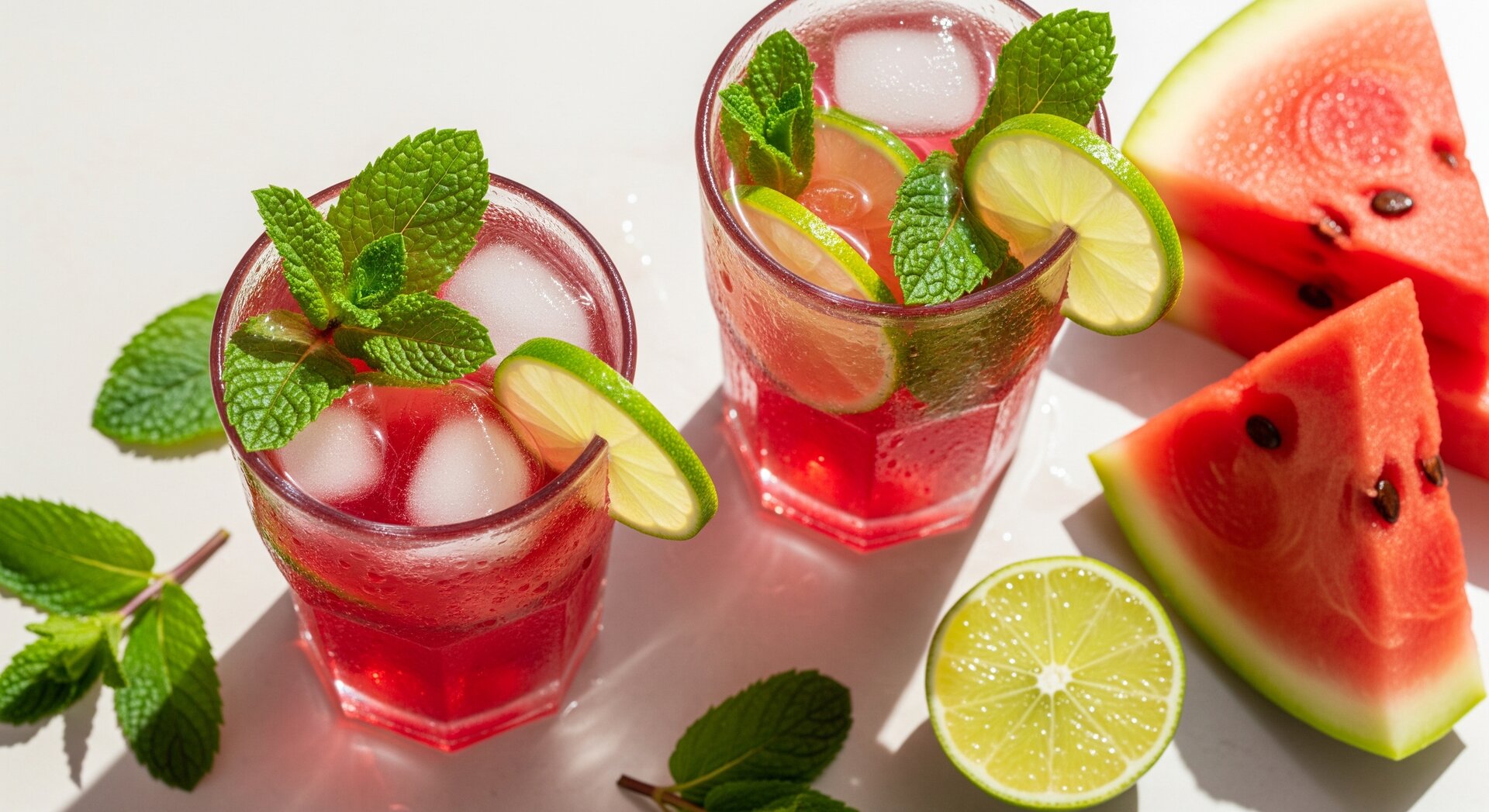 Watermelon Mint Agua Fresca 5 min Mexican refreshing fruit drink with watermelon and mint
  110 kcal
  2g protein 1 synergies
 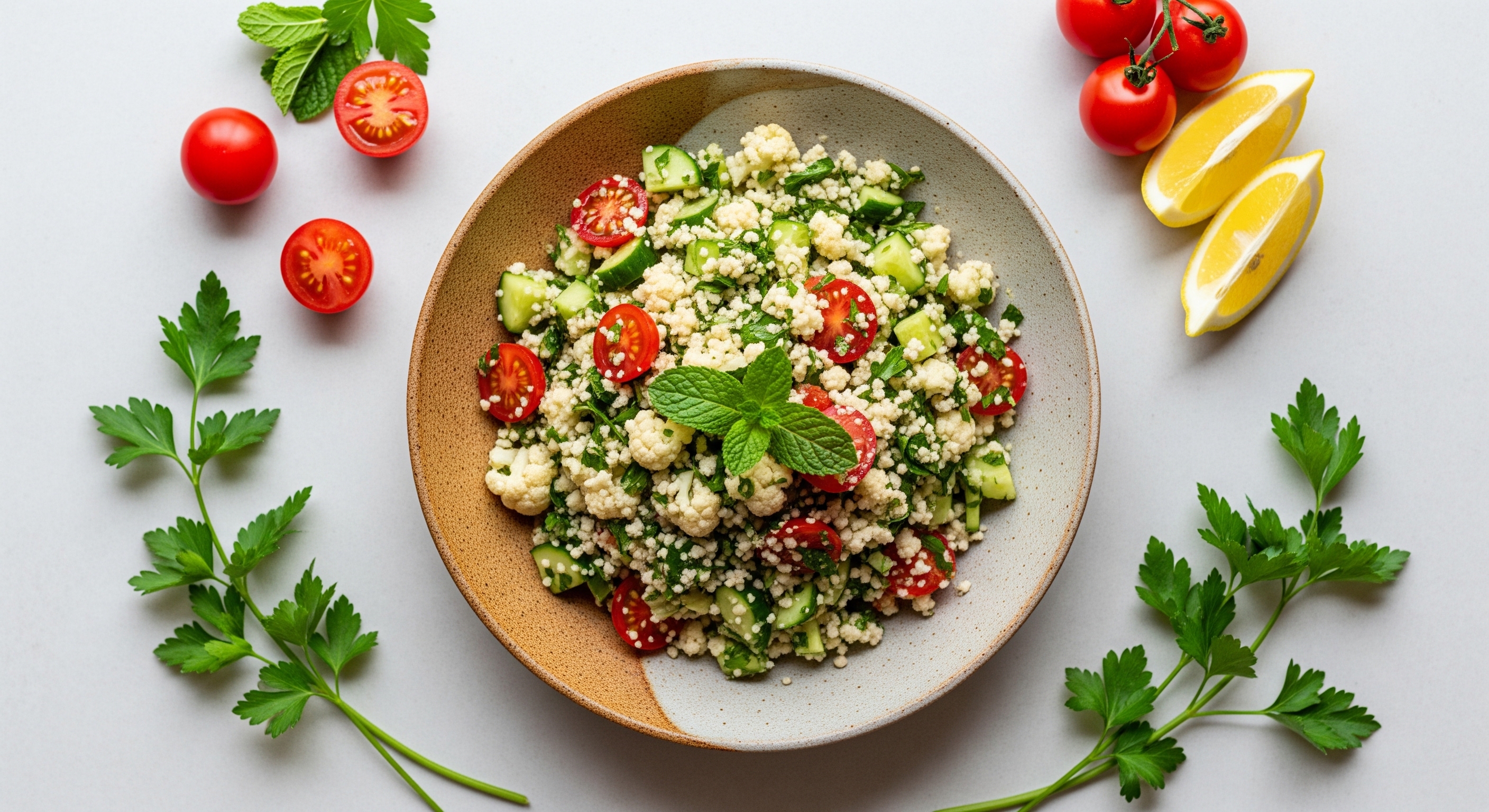 Cauliflower Tabbouleh with Parsley and Mint 20 min Fresh, herby and light 130 kcal 2.5g protein 3 synergies
 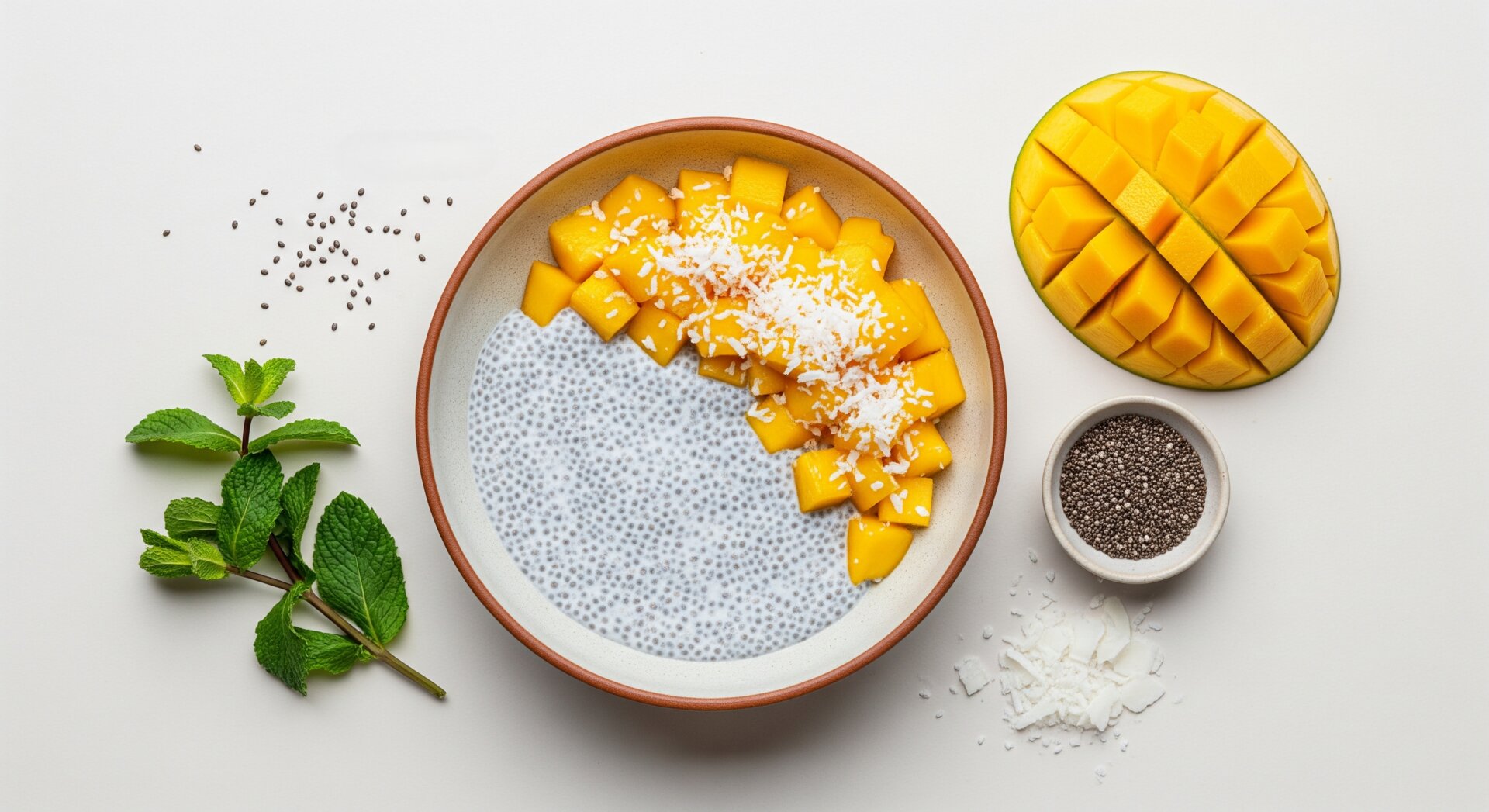 Chia Pudding Mango Coconut 250 min Tropical overnight pudding with fresh mango, coconut milk and mint leaves 320 kcal 5g protein 1 synergies
 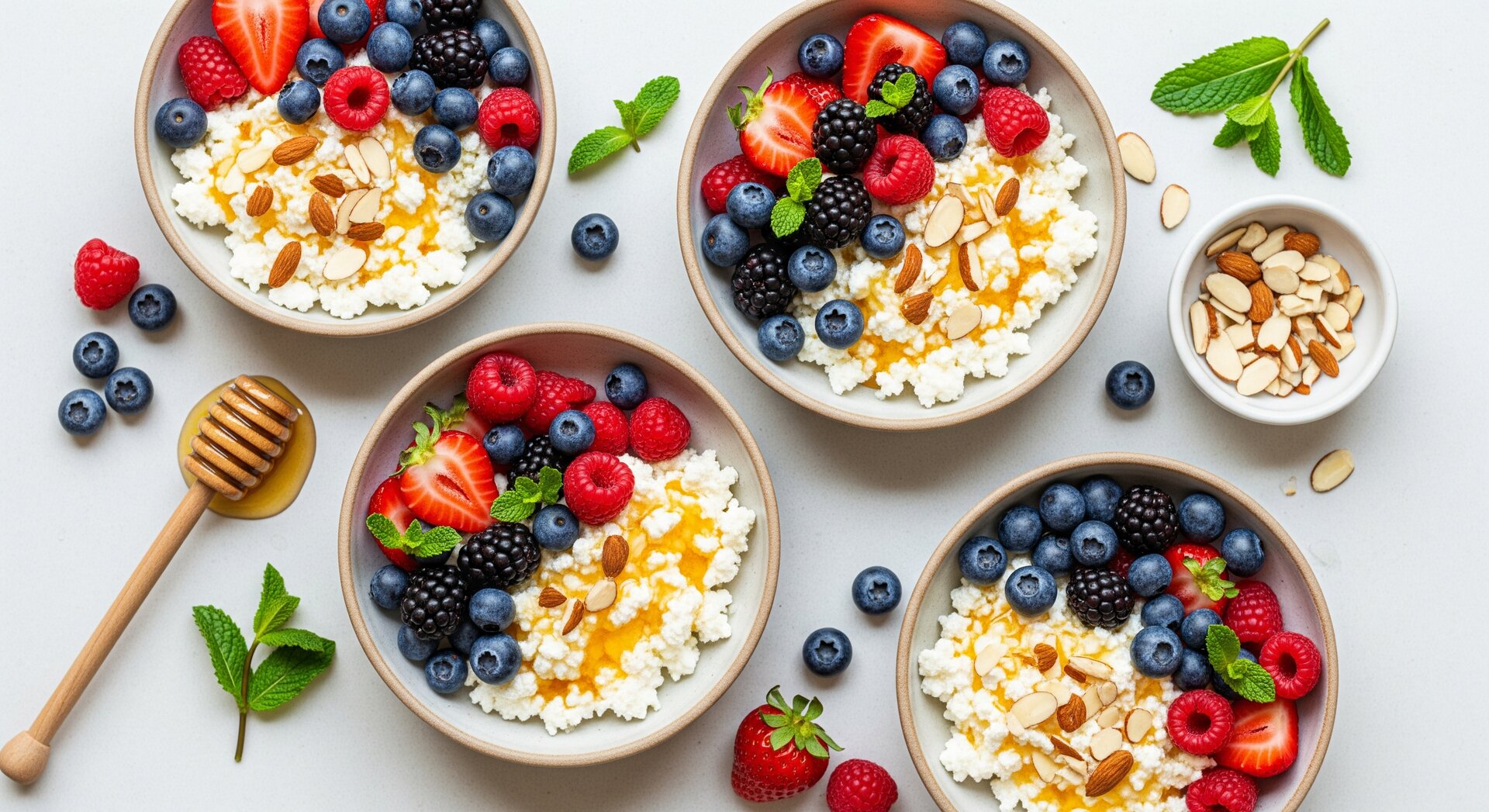 Cottage Cheese with Berries and Honey 5 min Creamy, fruity and ready in five minutes 200 kcal 16g protein 1 synergies
 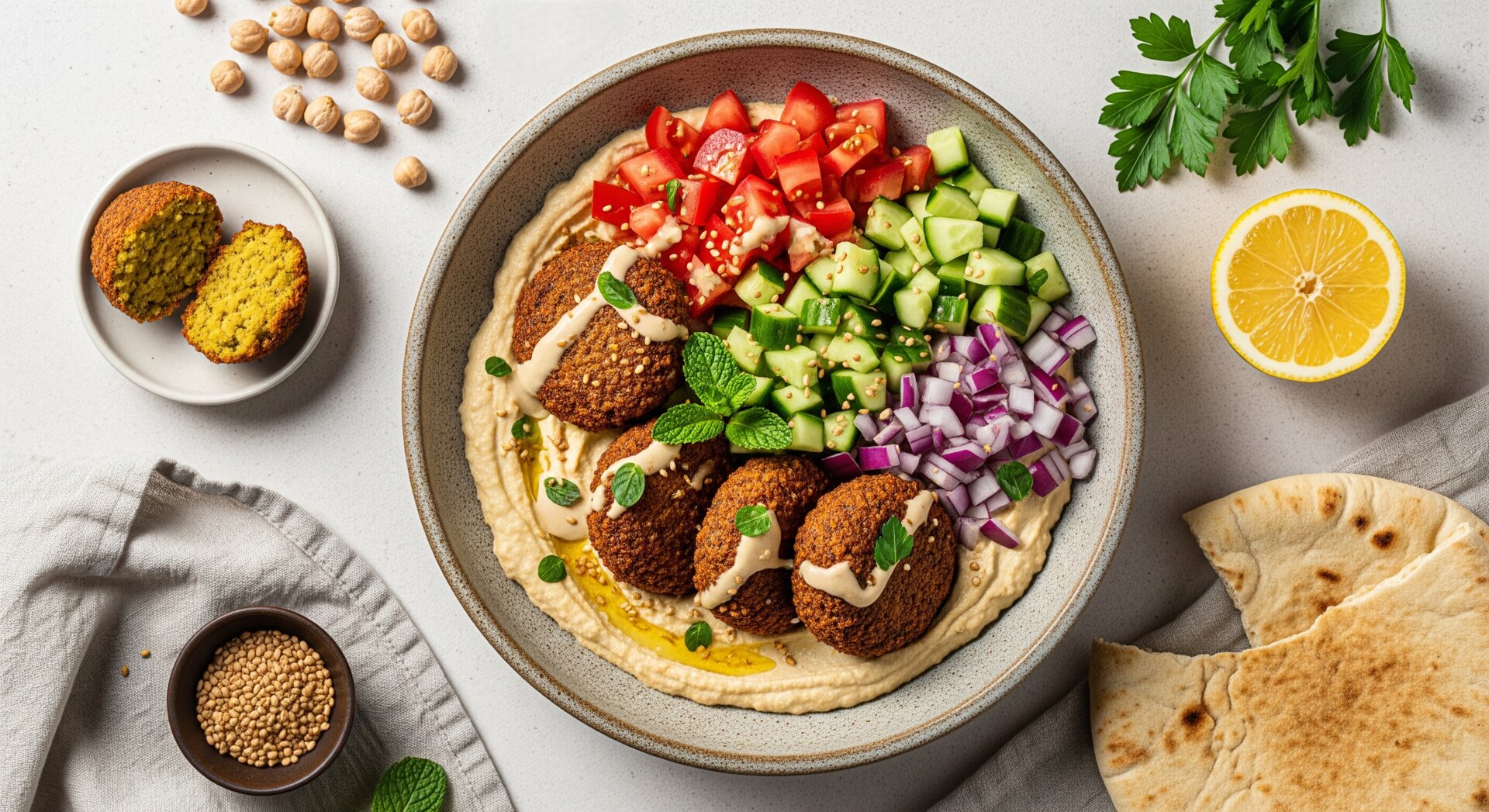 Falafel Bowl with Hummus and Crunchy Vegetables 35 min Middle Eastern bowl with warm spices 520 kcal 18g protein 2 synergies
 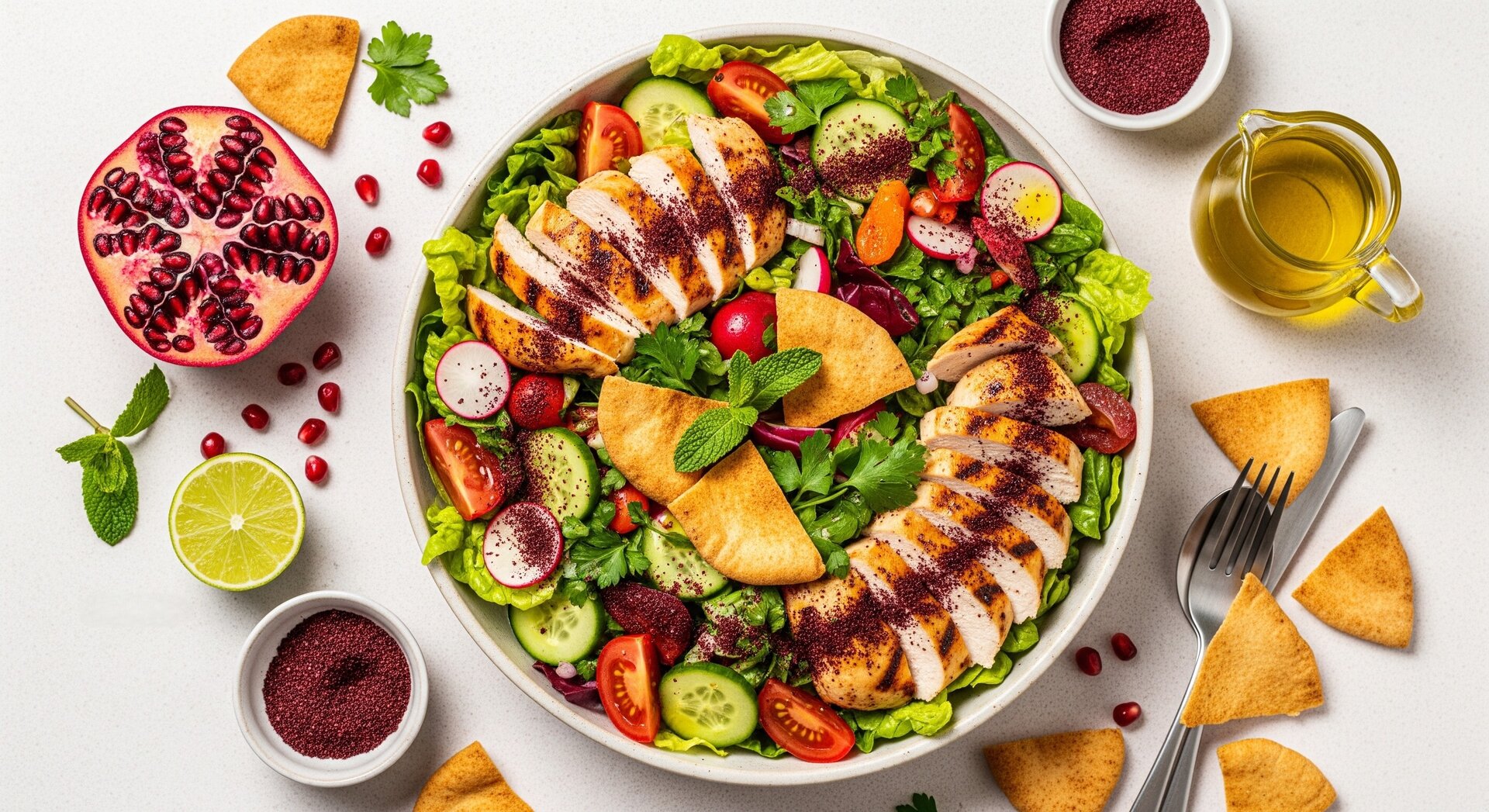 Fattoush Salad with Grilled Chicken and Sumac 35 min Lebanese bread salad with grilled chicken, radish and sumac dressing 660 kcal 48g protein 1 synergies
  In the Kitchen
Storage
Location:Refrigerator
Shelf life:1 week vers, 1 jaar gedroogd
Store fresh mint with the stems in a glass of water, loosely covered in the refrigerator. You can also wrap the leaves in damp paper towel and keep them chilled in a bag or storage box.
Preparation
Add mint preferably fresh to salads, drinks, yoghurt and desserts. For tea, pour hot water that has just come off the boil over the leaves. A classic pairing is green tea with mint in Moroccan mint tea: fresh, fragrant and ideal with sweet or spiced dishes.
Conversions
Substitutes
Smart preparation
1Briefly roll mint leaves between your hands to release the oils and aroma.
2Add mint raw or right at the end as a garnish; long cooking can make the flavour bitter.
Why?
Menthol and other volatile aromatic compounds fade quickly with heat, making the green, fresh notes less pronounced.
3Store mint in a damp cloth or upright in a glass of water in the fridge.
Caution / Warnings
Mint is very safe, but there are scientific considerations:
GERD / Reflux Moderate
Mint may temporarily relax the esophageal sphincter, allowing acidic contents to flow back more easily.
Advice:
Use caution with reflux symptoms and consider a milder herb such as ginger in small amounts.
Gallstones Moderate
Concentrated peppermint oil may affect bile flow; this is especially relevant with existing gallbladder concerns.
Advice:
Do not use concentrated peppermint oil with gallstones without professional advice. Mint tea in moderate amounts is generally considered differently from concentrated oil.
Young children Severe
Strong menthol products can be too intense for the nose and airways of babies and young children.
Advice:
Do not use peppermint oil or very strong mint products for children under 3 unless specifically advised by a healthcare professional.
Traditional use
Mediterranean
Greek mythology and Roman cuisine
Mint was associated with the nymph Minthe in Greek mythology. The Romans used mint extensively in their cuisine and as a fragrant plant at banquets.
Islamic tradition
Mint tea in Arab and Maghreb culture
Mint tea has been a symbol of hospitality in the Arab world and North Africa for centuries, where preparing and serving the tea is an important social ritual.
Summary
Mint gives dishes and drinks a distinctly fresh, cooling taste. Fresh leaves pair well with cucumber, yoghurt, lemon, fruit and green tea. Peppermint oil is the subject of clinical studies, but in the kitchen mint is mainly used as an aromatic accent. Note with reflux: strong mint products may feel uncomfortable for some people.