- Medium
- 35 min
- 2 serv.
- 11 synergies
- Now at its best: Tomato
A spiced bowl with homemade chickpea falafel, creamy hummus, a fresh cucumber-tomato mix and smooth tahini dressing. Warm spices, lemon and fresh herbs make it satisfying yet light.
This bowl starts with aroma: cumin, garlic and warm olive oil in the pan. The falafel gets a thin golden crust while staying soft and spiced inside. In contrast, cool creamy hummus rounds out every bite. Cucumber and tomato add juiciness and freshness, red onion brings a gentle kick, and mint with parsley gives that bright green lift. The lemon-tahini dressing ties everything together without feeling heavy. Each bite shifts in texture and flavor: crisp, creamy, fresh and warm-spiced. It is the kind of bowl that feels like street food, yet still lands on the table refined and balanced.
- 20
- min prep
- 15
- min cook
- 35
- min total
Nutritional Synergies
This recipe combines ingredients that enhance each other:
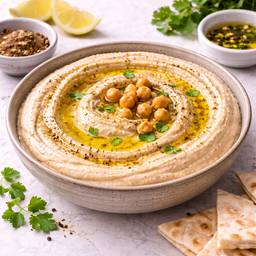 Hummus
 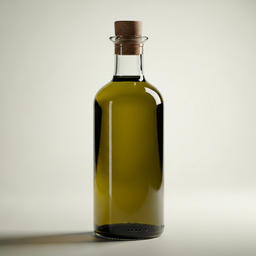 Olive oil
 Legume protein + polyphenols for lipid profile support
Technical: Hummus (chickpeas + tahini) provides plant protein (8g/100g), fiber (4g), iron (1.6mg) and saponins that bind bile acids. Olive oil adds oleocanthal (bioactive phenol, COX modulation) and hydroxytyrosol (LDL oxidation inhibitor). Together they support the lipid profile via two mechanisms: saponins bind bile acids in the gut, olive oil polyphenols protect LDL from oxidation.
What does this mean for you? Always pour a generous drizzle of extra virgin olive oil over your hummus. This isn't just for taste — the olive oil combines with chickpea saponins for optimal lipid profile support.
HeartAnti-inflammatory
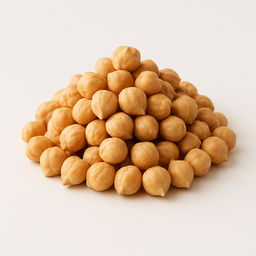 Chickpeas
 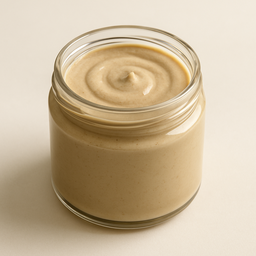 Tahini
 Hummus synergy: complete protein + improved mineral absorption
Technical: Chickpeas are low in methionine, sesame seeds (tahini) are rich in methionine. Together they form complete protein. The fat in tahini (50g/100g) increases absorption of fat-soluble vitamins from chickpeas. Lemon in hummus adds vitamin C for iron absorption.
What does this mean for you? Hummus isn't just a dip — it's a nutritionally optimized combination. Serve with vegetables for an even richer nutrient profile.
Muscle GainEnergy
Chickpeas 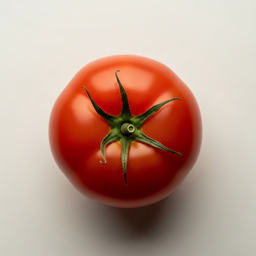 Tomatoes
 Tomato increases iron absorption from chickpeas
Technical: Chickpeas contain 2.9mg non-heme iron per 100g. Tomatoes provide 14mg vitamin C per 100g plus citric acid and malic acid — organic acids that also contribute to iron absorption. When heated, lycopene content in tomatoes increases (up to 4x), while vitamin C is partially lost. The organic acids remain intact and support iron absorption.
What does this mean for you? Cook chickpeas in tomato sauce — this is the basis of chana masala (India), leblebi (Tunisia) and Spanish garbanzos. The tomato sauce not only enriches the flavor but also increases iron absorption. Add lemon juice for extra boost.
Energy
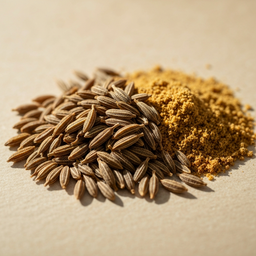 Ground cumin
 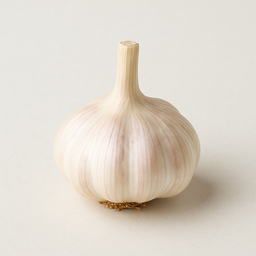 Garlic
 Double digestive support: enzymes + bioactive compounds
Technical: Cumin promotes digestive enzyme activity (amylase, lipase, protease) and increases bile flow. Garlic's allicin has broad bioactivity targeting pathogenic gut bacteria while sparing beneficial ones.
What does this mean for you? Fry garlic and cumin together as base for curries, soups and stews. Classic combination in virtually every cuisine in the world.
DigestionImmune System
Ground cumin Olive oil Fat activates volatile oils and increases cuminaldehyde absorption
Technical: Cumin's active compounds (cuminaldehyde, cymene, terpinene) are volatile, fat-soluble compounds. Frying in olive oil extracts and stabilizes these compounds, and the fat improves their gut absorption.
What does this mean for you? Briefly fry cumin in olive oil before adding other ingredients (tadka/tempering). This is why Indian and Middle Eastern cuisines always fry cumin in oil.
DigestionAnti-inflammatoryBlood Sugar
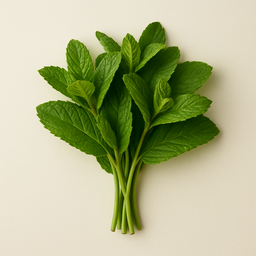 Fresh mint
 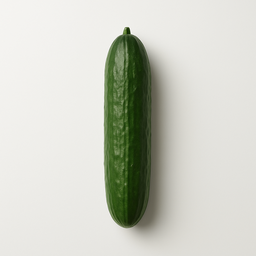 Cucumber
 Ultimate cooling: menthol + water-rich food
Technical: Mint contains menthol (40-50% of essential oil) that activates TRPM8 cooling receptors - you feel cooling without temperature drop. Cucumber is 96% water and provides electrolytes. Together they offer both physiological and sensory cooling.
What does this mean for you? Add fresh mint to cucumber water or raita. Ideal in hot weather, after exercise, or for hot flashes. The combination works better than either ingredient alone.
DigestionStress ReliefEnergy
Olive oil Garlic Aglio e olio: allicin + oleocanthal via complementary biochemical pathways
Technical: Garlic contains allicin (formed when cutting/crushing) that influences HMG-CoA reductase (involved in lipid metabolism). Olive oil contains oleocanthal that modulates COX-1/2 enzymes. Together they influence lipid metabolism and prostaglandin cascade via complementary biochemical pathways. The fat also helps absorb fat-soluble garlic compounds.
What does this mean for you? Gently warm garlic in olive oil (don't burn!) as the base for many dishes. This is why 'aglio e olio' pasta is so beloved — two bioactive compounds that reinforce each other.
HeartImmune System
Olive oil 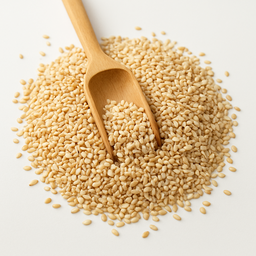 Sesame seeds
 Olive oil fats improve absorption of sesame seed minerals and lignans
Technical: Olive oil's monounsaturated fats (oleic acid) improve absorption of fat-soluble lignans from sesame seeds. Additionally, olive oil polyphenols (oleocanthal) and sesame lignans form a broader antioxidant spectrum.
What does this mean for you? Use olive oil in dishes with sesame seeds — for example in an Asian salad or as a base for tahini dressing.
HeartAnti-inflammatorySkin & Hair
Olive oil Tomatoes Mediterranean golden rule: fat increases lycopene absorption 4x
Fat significantly increases lycopene bioavailability (PMID: 15927929)
Technical: Tomatoes contain lycopene (3-7mg per 100g), a carotenoid with strong antioxidant action. Lycopene is fat-soluble with only 10-15% absorption without fat. Olive oil increases this to 40-60% (2.5-4x improvement). Cooking further increases lycopene bioavailability.
What does this mean for you? Always add olive oil to tomato dishes — sauces, salads, bruschetta. This is why Mediterranean cuisine is so healthy. Cooked tomatoes with olive oil = maximum lycopene.
HeartSkin & Hair
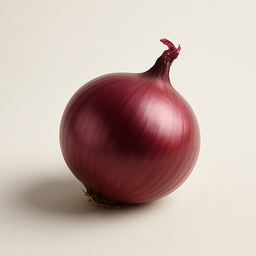 Red onion Olive oil
 Fat increases bioavailability of quercetin from red onion
Technical: Red onion contains 32-65mg quercetin per 100g — the richest food source. Quercetin is poorly water-soluble (2μg/mL) but dissolves well in fats. Olive oil increases quercetin oral bioavailability by 50-70% through lipid-based lymphatic transport instead of the portal vein.
What does this mean for you? Sauté red onion in olive oil (soffritto) for maximum quercetin absorption. Oil dissolves quercetin and improves transport to your bloodstream. Caramelizing also enhances flavor.
Anti-inflammatoryHeart
Tahini Garlic Hummus base with immune support
Technical: Tahini provides calcium (426mg/100g), magnesium (95mg), zinc (4.6mg) and sesamin (antioxidant lignan). Garlic contains allicin that offers bioactive action via T-cell activation. Zinc from tahini contributes to the normal function of the immune system (EFSA) — the nutritional foundation of hummus.
What does this mean for you? Make hummus with tahini and fresh garlic. The tahini gives minerals like zinc, the garlic bioactive compounds — a nutritious dip.
Immune SystemJoints
Ingredients (13)
+10 more ingredientsInstructions
- 1 Roughly mash 200g chickpeas with fork. Mix with garlic, cumin, parsley and 1 tbsp olive oil.
- 2 Form small balls and flatten. Fry in olive oil 3-4 min per side until golden.
Nutrition per serving
Indicative values per serving.
Timing & Suitability
Shelf life: 3 days in fridge
Tags & Diet
Allergens: Sesame