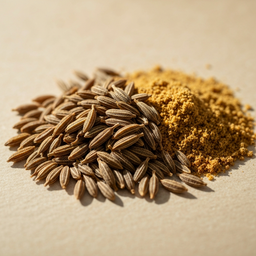
Cumin
Warm earthy spice for curries, stews and spice blends
What is this ingredient?
Cumin (Cuminum cyminum) is one of the oldest spices in the world and has been used for thousands of years from India to the Middle East, North Africa and Mexico. Its characteristic warm, earthy flavor comes mainly from cuminaldehyde, a volatile aromatic compound released when the seeds are crushed, ground or briefly toasted.
In Mediterranean, South Asian and Latin American cooking, cumin often forms the base of spice blends, curries, stews, bean dishes and roasted vegetables. Whole seeds develop a rounder, nuttier flavor when briefly dry-toasted; ground cumin disperses more quickly through sauces and marinades.
Cumin naturally contains minerals such as iron, calcium, magnesium and potassium. Since it is usually used in small amounts, the contribution per serving remains modest, but the spice brings a lot of aroma to dishes without extra salt or sugar.
How does it taste?
Warm, earthy and slightly nutty with a spicy, musky undertone.
Pairs well with:
Pairs well with corianderchililimetomatobeans and lamb.
Sunnah
Cumin is mentioned in Islamic tradition as one of the spices with medicinal properties. It was used in combination with black seed for digestive issues.
Ibn Majah #Sunan Ibn Majah 3457
Did you know...?
- Cumin is one of the most used spices in the world, right after classics such as black pepper.
- In the Middle Ages, cumin was seen in some regions as a symbol of fidelity at weddings.
Nutritional Value & Energy
Per 100g
Cumin provides energy thanks to natural nutrients , buffered by fiber.
Per 100g
Minerals
Vitamins
Omega-3 fatty acids
More nutrients
B-Vitamins
Trace Minerals
What's in a serving?
Cumin naturally contains calcium (931 mg per 100 g dried powder). At typical spice usage (3–9 g), the contribution is limited.
Cumin naturally contains iron (66.4 mg per 100 g dried powder). At typical spice usage (3–9 g), the contribution is limited.
Cumin naturally contains magnesium (366 mg per 100 g dried powder). At typical spice usage (3–9 g), the contribution is limited.
Cumin naturally contains potassium (1788 mg per 100 g dried powder). At typical spice usage (3–9 g), the contribution is limited.
Cumin naturally contains calcium (931 mg per 100 g dried powder). At typical spice usage (3–9 g), the contribution is limited.
Cumin naturally contains iron (66.4 mg per 100 g dried powder). At typical spice usage (3–9 g), the contribution is limited.
Cumin naturally contains magnesium (366 mg per 100 g dried powder). At typical spice usage (3–9 g), the contribution is limited.
Cumin naturally contains potassium (1788 mg per 100 g dried powder). At typical spice usage (3–9 g), the contribution is limited.
Cumin naturally contains zinc (4.8 mg per 100 g dried powder). At typical spice usage (3–9 g), the contribution is limited.
% of daily reference intake (DRI)
EU-approved nutrition claims
This ingredient contains nutrients for which EFSA-authorized health claims exist at nutrient level, not ingredient-specific level.
Approved health claims (EU)
Iron EU 432/2012
Iron contributes to normal energy-yielding metabolism
Contains 66.4mg/100g (threshold: ≥2.1mg/100g)
Iron EU 432/2012
Iron contributes to the reduction of tiredness and fatigue
Contains 66.4mg/100g (threshold: ≥2.1mg/100g)
Iron EU 432/2012
Iron contributes to normal cognitive function
Contains 66.4mg/100g (threshold: ≥2.1mg/100g)
Iron EU 432/2012
Iron contributes to normal formation of red blood cells and haemoglobin
Contains 66.4mg/100g (threshold: ≥2.1mg/100g)
Iron EU 432/2012
Iron contributes to normal oxygen transport in the body
Contains 66.4mg/100g (threshold: ≥2.1mg/100g)
Iron EU 432/2012
Iron contributes to the normal function of the immune system
Contains 66.4mg/100g (threshold: ≥2.1mg/100g)
Iron EU 432/2012
Iron has a role in the process of cell division
Contains 66.4mg/100g (threshold: ≥2.1mg/100g)
Comparison
vsspinazie
Cumin contains about 25× more iron per 100 g than spinach — but you use much less cumin per serving.
vsmelk
Cumin contains about 7× more calcium per 100 g than milk — but you use much less cumin per serving.
vsbanaan
Cumin contains about 5× more potassium per 100 g than banana — but you use much less cumin per serving.
What's being researched?
Cumin in research on digestive enzymes
Cumin is studied in relation to digestive enzymes and traditional use in spice blends. The available studies are limited and mainly exploratory.
Supported by: [1] Agah (2015) , [3] Alizadeh Behbahani B (2019)
Cumin in metabolic research
Several clinical studies examine cumin in relation to body measurements and blood lipids. The results are still preliminary and require larger, better-controlled research.
Supported by: [2] Kaur G (2019)
Good Combinations (Synergy)
Combine cumin smartly to enhance the effect:
Cumin 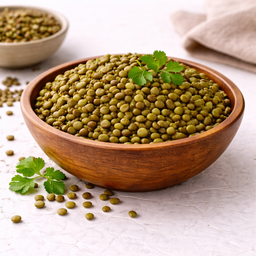 Green Lentils
 Traditional dal combination: iron + enzymes
Technical: Lentils contain 6-8mg iron per 100g and oligosaccharides that cause gas. Cumin contains thymoquinone and cuminaldehyde that activate pancreatic enzymes and work carminatively (reduce gas formation). In Ayurveda this combination is standard.
What does this mean for you? Toast cumin seeds in oil before adding lentils, or sprinkle ground cumin over your dal. This makes lentils more digestible and gives authentic Indian flavor.
Cumin 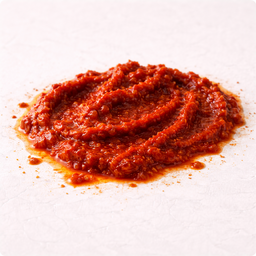 Harissa
 Cumin softens harissa's heat and improves digestion
Technical: Harissa's capsaicin can irritate the stomach lining through TRPV1 activation. Cumin contains cuminaldehyde that promotes digestive enzyme activity (amylase, lipase) and relaxes gastric smooth muscles. This calms the stomach lining during capsaicin irritation while promoting digestion. Traditional harissa always contains cumin for good reason.
What does this mean for you? Add extra cumin to dishes with harissa. The cumin calms your stomach from the heat and helps you digest your food better.
Cumin 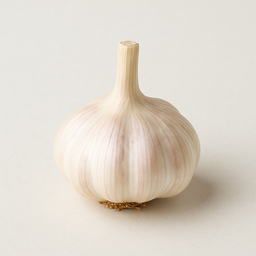 Garlic
 Double digestive support: enzymes + bioactive compounds
Technical: Cumin promotes digestive enzyme activity (amylase, lipase, protease) and increases bile flow. Garlic's allicin has broad bioactivity targeting pathogenic gut bacteria while sparing beneficial ones.
What does this mean for you? Fry garlic and cumin together as base for curries, soups and stews. Classic combination in virtually every cuisine in the world.
Cumin 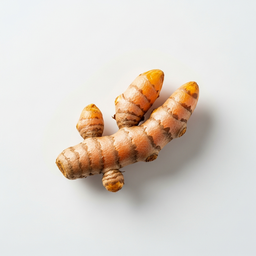 Turmeric
 Classic curry base with enhanced digestion
Technical: Cumin promotes production of digestive enzymes (amylase, lipase, protease) and increases bile flow. Turmeric's curcumin modulates NF-κB and COX-2 signal transduction and supports hepatobiliary activity via bile stimulation. Together they provide enhanced digestion + bioactive action.
What does this mean for you? Cumin + turmeric is the base of every curry. The cumin promotes your digestion, the turmeric adds bioactive action — the perfect combination for a nutritious curry.
Cumin 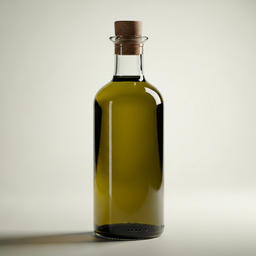 Olive Oil
 Fat activates volatile oils and increases cuminaldehyde absorption
Technical: Cumin's active compounds (cuminaldehyde, cymene, terpinene) are volatile, fat-soluble compounds. Frying in olive oil extracts and stabilizes these compounds, and the fat improves their gut absorption.
What does this mean for you? Briefly fry cumin in olive oil before adding other ingredients (tadka/tempering). This is why Indian and Middle Eastern cuisines always fry cumin in oil.
Cumin 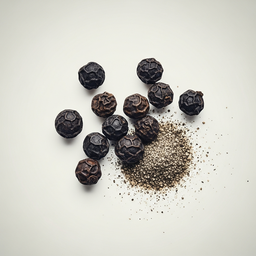 Black Pepper
 Piperine increases absorption of cumin's active compounds 2-3x
Technical: Cumin contains cuminaldehyde and thymoquinone with digestive-promoting and bioactive properties. Piperine from black pepper inhibits CYP3A4 enzymes, reducing breakdown and improving absorption 2-3x.
What does this mean for you? Always add black pepper to dishes with cumin. This is why many spice blends (garam masala, ras el hanout) contain both.
Cumin 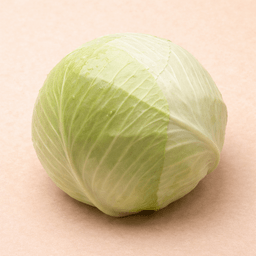 White Cabbage
 Cumin improves digestibility of cruciferous vegetables
Technical: Cabbage contains raffinose and stachyose, oligosaccharides that cause gas in sensitive individuals. Cumin contains thymol (4-10% of essential oil) that activates digestive enzymes and relaxes the intestinal wall (carminative effect). Cuminaldehyde activates pancreatic lipase and bile acid secretion. The combination reduces gas and bloating while keeping cabbage's glucosinolates intact.
What does this mean for you? Add cumin when cooking cabbage — a traditional German/Indian trick against bloating. The cumin relaxes your intestines and helps digest the fiber in cabbage.
Cumin 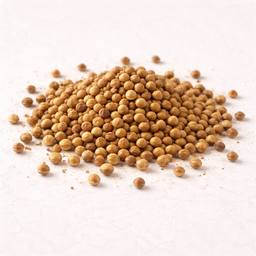 Coriander Seeds
 Linalool + cuminaldehyde for digestion and biotransformation
Technical: Coriander seed contains linalool (60-80% of oil) that acts antispasmodically on the GI tract and promotes bile flow. Cumin's cuminaldehyde (25-35%) promotes pancreatic enzyme activity (amylase, lipase, protease) by 20-30%. Together they promote the complete digestive cascade: coriander seed promotes bile flow (fat digestion), cumin activates pancreatic enzymes (protein/starch digestion). Studies show the combination meaningfully reduces gas formation.
What does this mean for you? Coriander seed + cumin is the Indian digestive duo (jeera-dhaniya). Dry toast both seeds in a pan for maximum aroma development and add to dal, curry or rice.
Cumin 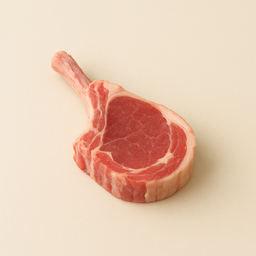 Lamb
Lamb Traditional Middle East: cumin improves fat digestion
Technical: Lamb contains 16-21% fat (depending on cut) with a higher proportion of saturated fat than chicken or fish. Cumin contains cuminaldehyde that promotes secretion of pancreatic lipase and bile salts — both essential for fat emulsification and digestion. Cumin also activates salivary glands and gastric acid secretion, improving overall digestion. Thymoquinone in cumin also has bioactive properties.
What does this mean for you? Use cumin generously with lamb dishes — in marinades, dry rubs or as ground spice. It's no coincidence that Middle Eastern, Indian and North African cuisines have combined lamb with cumin for centuries. Your stomach digests the fat significantly better.
Cumin 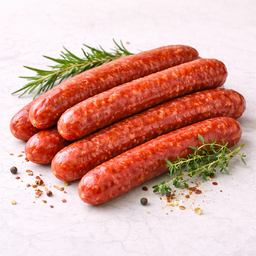 Merguez
 Iron + cuminaldehyde for digestion and iron absorption
Technical: Merguez (lamb sausage) contains 2.3mg heme iron per 100g (13% RDI) with high bioavailability (15-35%). Cumin contains cuminaldehyde and thymol, aromatic compounds traditionally used with meat. This improves both fat digestion and iron absorption by 10-15% via modulation of hepcidin expression. Cumin itself also contains 66mg iron per 100g (as spice), strengthening total iron intake.
What does this mean for you? Merguez already contains cumin in seasoning, but add extra cumin seeds during preparation. Perfect for iron intake and digestion. Combine with vitamin C-rich vegetables (tomato, bell pepper) for maximum iron absorption.
Cumin 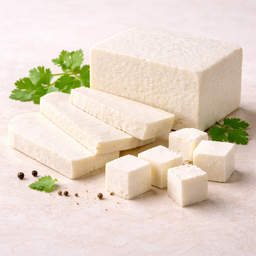 Paneer
 Chana paneer: complete proteins + digestive support
Technical: Paneer provides 18g complete protein per 100g (all EAAs). Chickpeas offer 19g protein per 100g but are low in methionine — paneer complements this perfectly. Cumin contains cuminaldehyde, which is studied in research in connection with digestive enzyme activity (amylase, protease, lipase). Together: complementary protein sources + a lower glycemic response through fiber.
What does this mean for you? Paneer tikka with chickpea dhal and cumin is an Indian protein feast. The paneer fills the missing amino acid in chickpeas — together they provide a complete amino acid profile.
Cumin 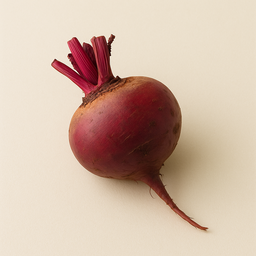 Beetroot
 Iron + digestive enzymes: minerals and digestion
Technical: Red beet contains 0.8mg iron per 100g plus betalains (bioactive pigments). Cumin activates digestive enzyme release and increases nutrient absorption. Cumin also contains iron (66mg/100g dried) and thymol that modulates NF-κB signaling.
What does this mean for you? Sprinkle roasted beets with ground cumin. The earthy flavors combine perfectly and iron sources stack up. Ideal in salads or as a side dish.
Cumin 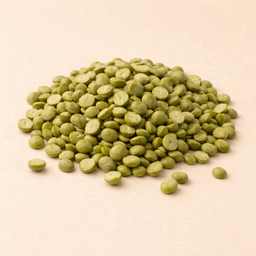 Split peas
 Cumin enzymes improve digestion of legumes
Technical: Split peas contain 25.5g fiber and complex oligosaccharides (raffinose, stachyose) per 100g that can cause gas formation. Cumin contains thymol and cuminaldehyde that promote the production of pancreatic enzymes (amylase, protease, lipase). This accelerates breakdown of oligosaccharides before they reach the colon, where bacteria would otherwise ferment them into gas.
What does this mean for you? Add cumin to your pea soup or dhal — it's no coincidence that Indian and Middle Eastern cuisines always combine cumin with legumes. The cumin promotes digestion and reduces bloating.
Cumin 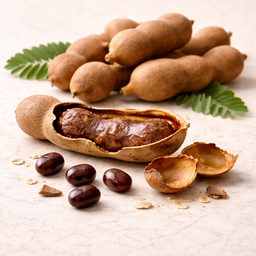 Tamarind
 Tartaric acid + cuminaldehyde for digestion and iron
Technical: Tamarind contains tartaric acid (8-14%) that lowers stomach pH and improves iron absorption. Tamarind is also one of the richest plant sources of iron (2.8mg/100g) and magnesium (92mg). Cumin's cuminaldehyde stimulates pancreatic enzymes by 20-30%. Tartaric acid chelates iron from both sources into soluble forms. The combination is the base of Indian chutneys and rasam soup.
What does this mean for you? Tamarind-cumin chutney or rasam is an Indian digestive aid that's scientifically supported. The sour + spicy profile stimulates every phase of digestion.
Cumin 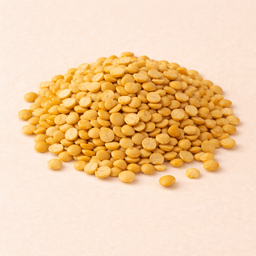 Toor dal (pigeon peas)
 Cumin promotes enzymatic digestion and reduces gas formation
Cuminaldehyde stimulates digestive enzymes and has carminative properties
Technical: Toor dal contains oligosaccharides (raffinose, stachyose) causing gas formation. Cuminaldehyde from cumin promotes the production of pancreatic enzymes (lipase, amylase, protease) and has carminative properties reducing gas formation. Traditional Indian tadka (tempering) technique.
What does this mean for you? The Indian habit of tempering cumin in dal is not just flavor — it promotes the digestion of legumes and reduces bloating.
Cumin 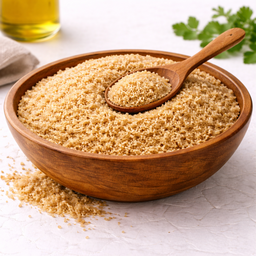 Whole Wheat Couscous
 Whole grain fiber + cuminaldehyde for improved digestion
Technical: Whole grain couscous provides 5g fiber per 100g that regulates intestinal transit time. Cumin contains cuminaldehyde that stimulates production of digestive enzymes (amylase, lipase, protease) by 20-30%. Cumin's essential oils (3-4%) also promote bile secretion, supporting fat digestion. The combination accelerates complex carbohydrate breakdown and reduces gas formation.
What does this mean for you? Stirring cumin through your couscous isn't just a North African flavor tradition — it also aids digestion. Less bloating after eating, and you extract more nutrients from the grains.
Recipes with Cumin
Discover delicious recipes featuring cumin:
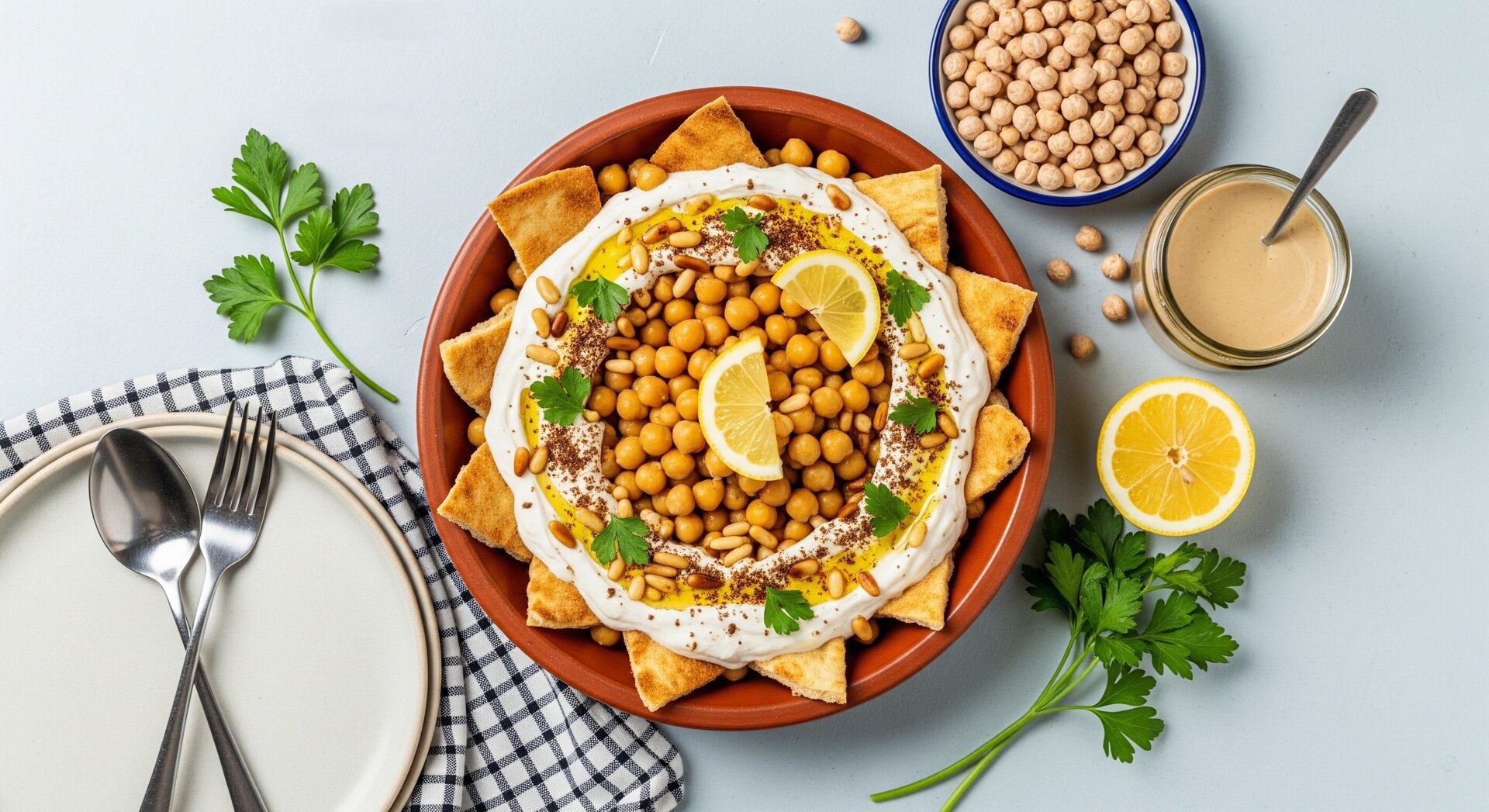 Arabic Fatteh with Chickpeas and Yogurt 25 min Layered Levantine breakfast with crispy bread and tahini
  605 kcal
  24g protein 2 synergies
 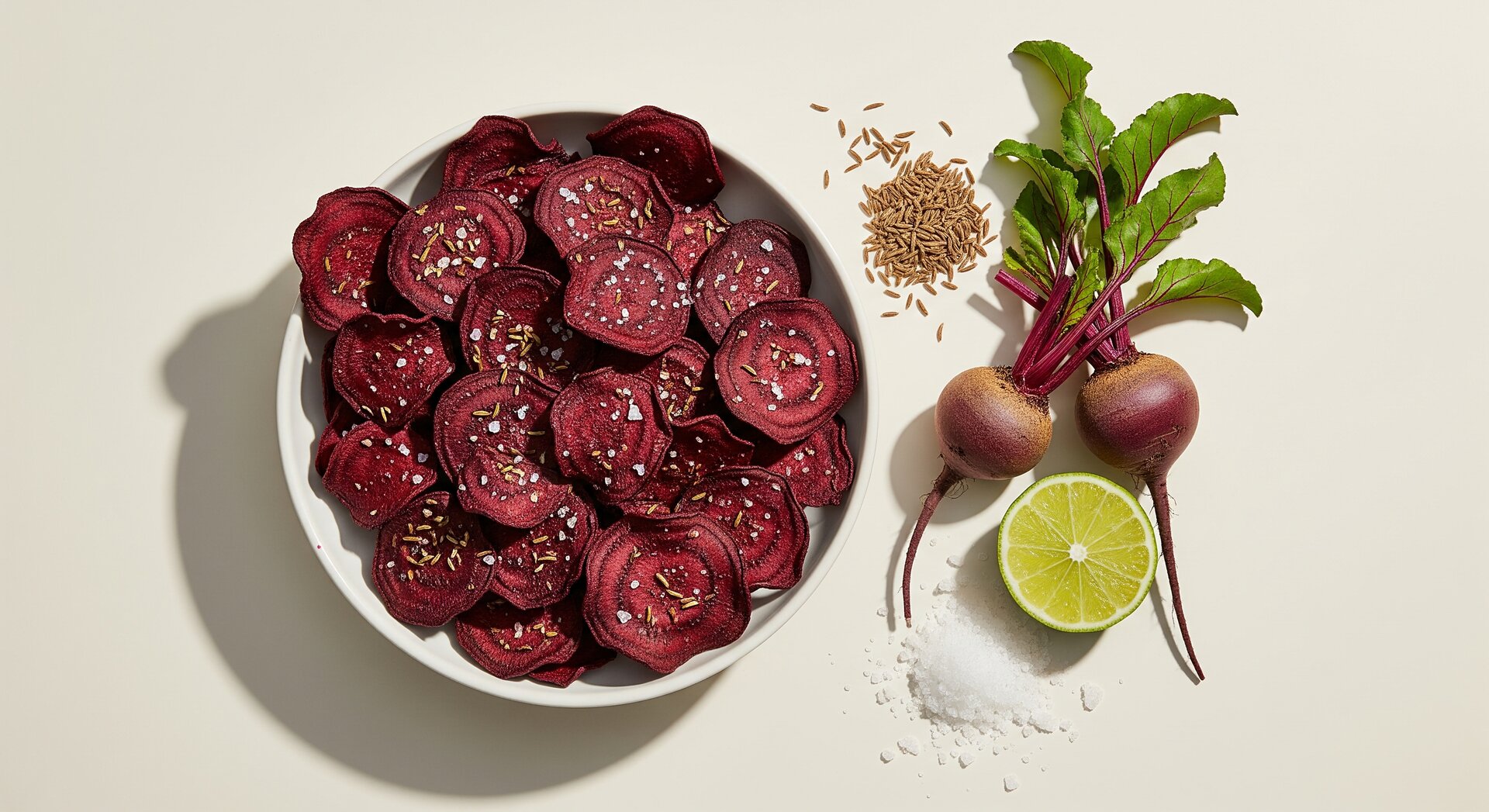 Beetroot Chips with Cumin 40 min Deep-purple oven chips of beetroot with ground cumin and lime zest 95 kcal 2g protein 2 synergies
 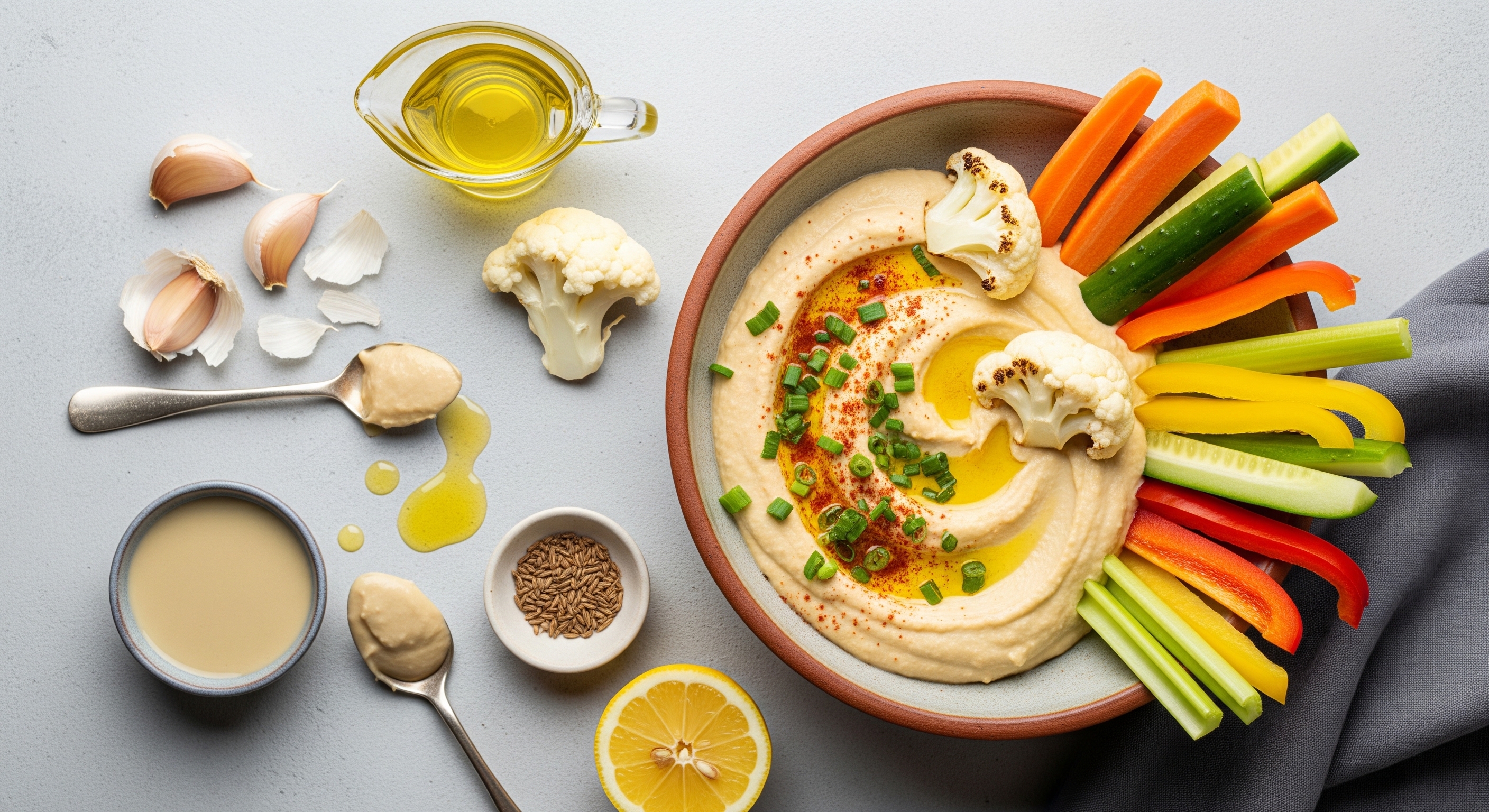 Cauliflower Hummus with Veggie Sticks 25 min Creamy low-carb dip with crunchy vegetables 105 kcal 3g protein 1 synergies
 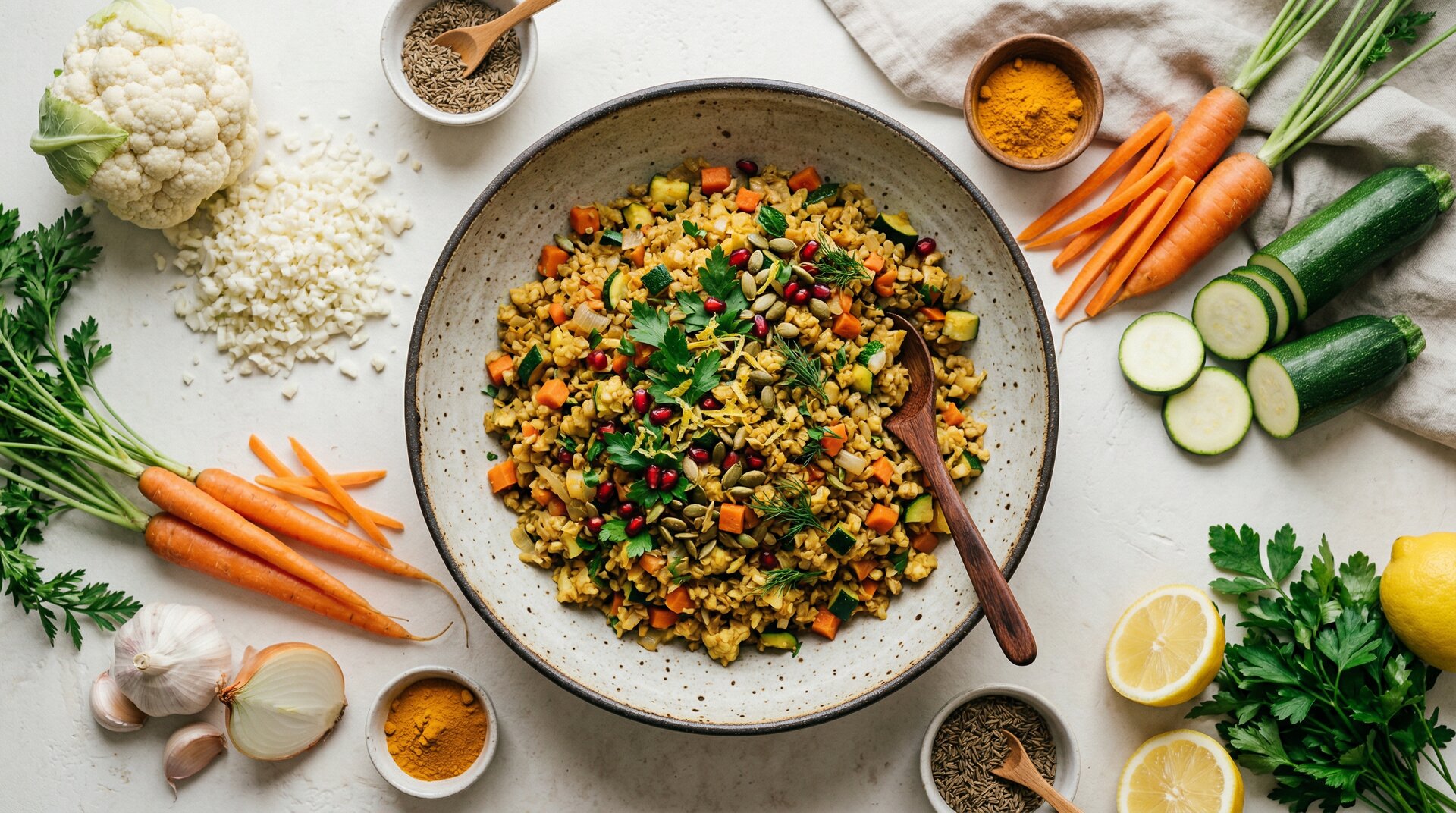 Cauliflower Rice Pilaf with Turmeric and Lemon 25 min Fragrant, golden and bright 165 kcal 6g protein 3 synergies
 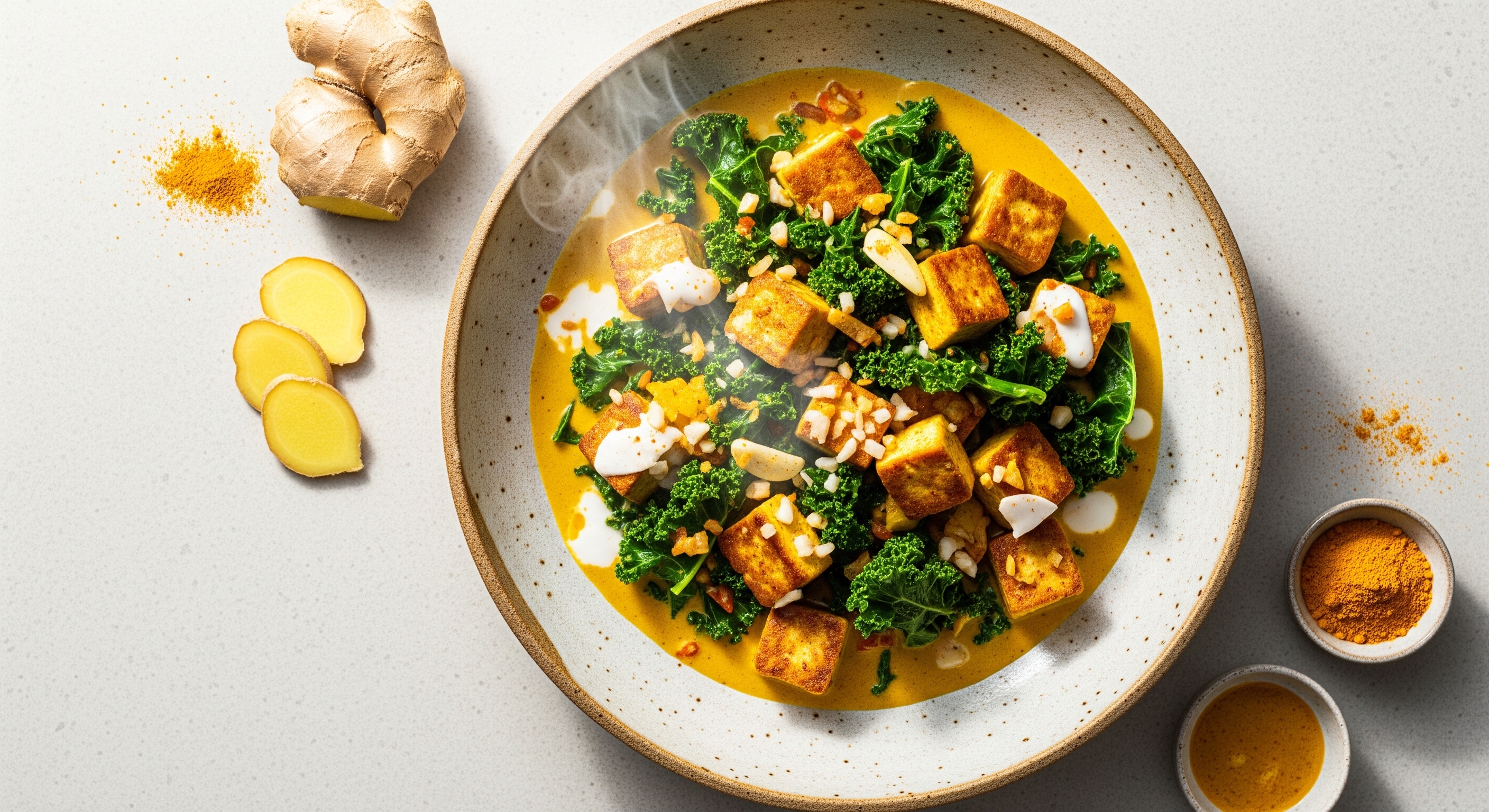 Kale Tofu Curry with Ginger 40 min Creamy curry with crisp tofu and coconut 365 kcal 16g protein 3 synergies
 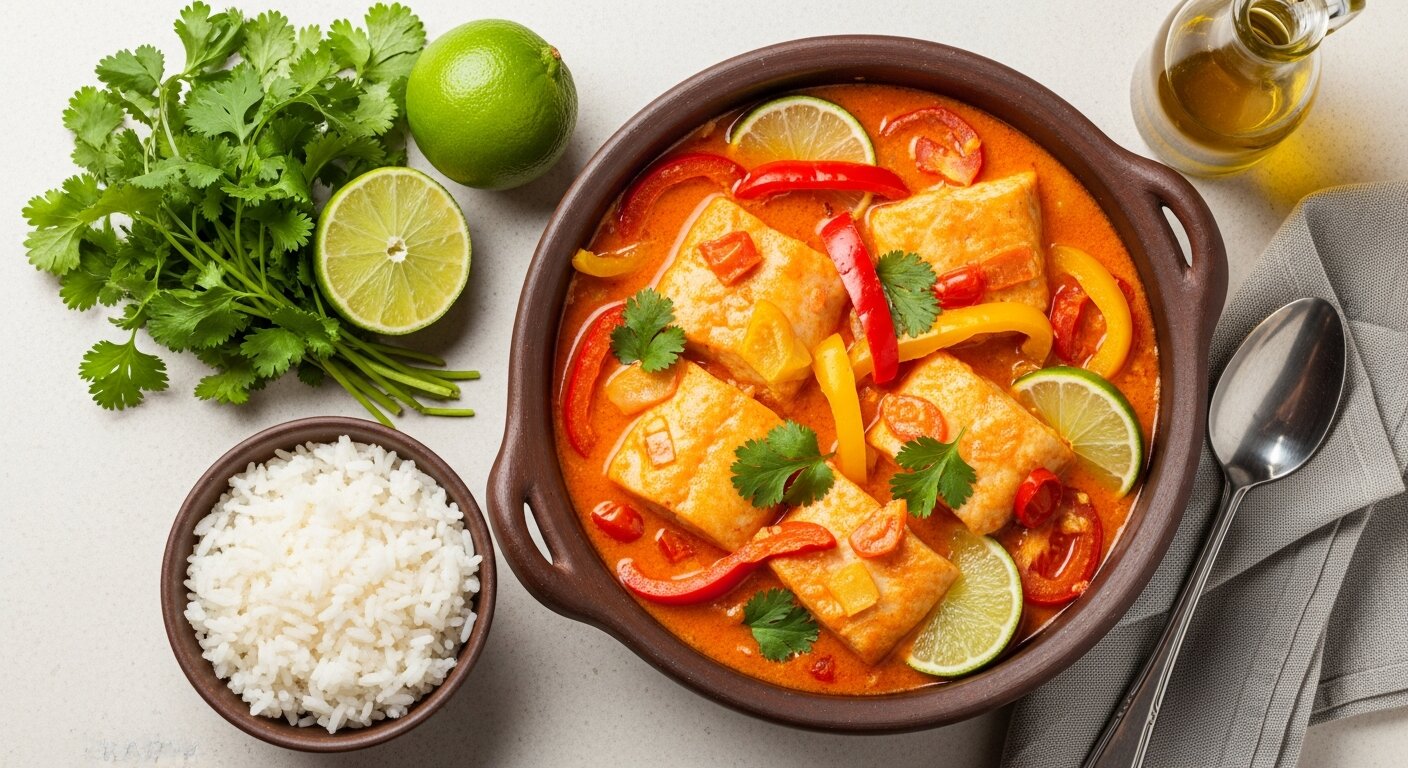 Brazilian Moqueca with White Fish 45 min Creamy coconut fish stew with bell peppers, tomato and lime 420 kcal 32g protein 2 synergies
  In the Kitchen
Storage
Location:Pantry
Shelf life:1 jaar (gemalen), 2-3 jaar (hele zaden)
Preferably buy whole seeds and grind them just before use. Store cumin in an airtight jar, dry, cool and away from light.
Preparation
Briefly dry-toast whole seeds in a pan until fragrant, usually about 30 seconds, then grind them. Add ground cumin early to stews, sauces and curries for a deep, rounded flavor.
Conversions
Substitutes
Smart preparation
1Dry-toast whole cumin seeds in a pan until fragrant.
Why?
Toasting releases the aromatic oils more fully and deepens the nutty flavor.
2Grind toasted cumin seeds just before use for the best flavor.
3Add ground cumin early in the cooking process to stews.
Caution / Warnings
Cumin is very safe, but there are scientific considerations:
Diabetes medication Moderate
Concentrated cumin supplements may influence glucose values and overlap with diabetes medication.
Advice:
Normal culinary amounts are usually limited; be more careful with supplements or high doses.
Bleeding disorders Mild
High doses or supplements may possibly influence blood clotting.
Advice:
Discuss supplement use with a doctor in advance, especially around a planned operation.
Traditional use
Ayurveda
Jeeraka in Ayurveda
Cumin (jeeraka) has been used in Ayurveda for thousands of years as a warm, aromatic culinary spice and is part of many traditional spice blends.
Mediterranean
Biblical and Roman tradition
Cumin is mentioned in the Bible (Isaiah 28:25-27) and was a familiar spice in the Mediterranean region during Roman times.
Summary
Cumin is the warm, earthy base behind curries, chili, bean dishes and many Middle Eastern spice blends. Briefly toast whole seeds in a dry pan before grinding; this releases the aromatic oils more fully and gives the flavor extra depth. Combine with coriander and turmeric for a classic Indian base, or with tomato, lime and chili for Mexican dishes.