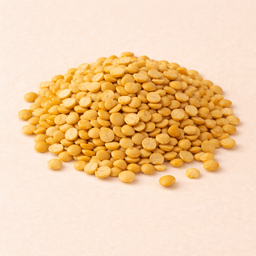
Toor dal (pigeon peas)
Indian staple legume for dal and sambar
What is this ingredient?
## Origin and culinary significance
Toor dal (Cajanus cajan), also known as arhar dal or pigeon pea, is an important legume in South Asia and forms the base of many everyday dal dishes in India. The plant has been cultivated for thousands of years and is often combined with rice, roti or chapati. Once cooked, toor dal develops a soft, creamy texture with a mildly nutty and gently sweet flavour.
## Nutritional value and protein profile
Dried toor dal is naturally high in protein and fibre. Its amino acid profile includes all essential amino acids, while methionine and cysteine are present in relatively lower amounts. That is why toor dal pairs well in cooking with grains such as rice or wheat. It also provides minerals such as iron, magnesium, potassium and phosphorus, plus folate.
## Carbohydrates, fibre and preparation
Toor dal contains starch and fibre that give dal, sambar and stews a soft, full texture during cooking. In nutrition research, toor dal is also studied in foods such as chapati and crackers, including for its combination of protein, fibre and starch digestion. These findings mainly concern composition and preparation, not a medical effect of the ingredient itself.
## Plant compounds
Toor dal contains natural plant compounds such as saponins, flavonoids and phenolic compounds. In laboratory research, pigeon pea protein fractions and peptides are studied, for example for their technological properties in food and their behaviour during digestion. These findings are interesting, but they do not replace ordinary nutrition advice.
## Processing and digestibility
Raw toor dal contains, like many legumes, phytic acid, trypsin inhibitors and tannins. Soaking, rinsing and thorough cooking help reduce these compounds and make the dal softer and more pleasant to eat. A pressure cooker can shorten preparation and creates the creamy texture typical of classic dal dishes.
How does it taste?
Mildly nutty and gently sweet with a creamy texture once cooked.
Pairs well with:
Pairs well with mustard seedcurry leafcuminturmeric and tamarind.
Did you know...?
- Toor dal (pigeon pea) is one of the most used legumes in Indian dal dishes.
- The pigeon pea has been cultivated for over 3,500 years in India and Africa.
Nutritional Value & Energy
Per 100g
Toor dal (pigeon peas) provides energy thanks to natural nutrients , buffered by fiber.
Per 100g
Minerals
Vitamins
More nutrients
Trace Minerals
What's in a serving?
1 serving (dry)
Toor dal naturally contains iron (Gele Splitlinzen).
Toor dal naturally contains calcium (Gele Splitlinzen).
Toor dal naturally contains zinc (Gele Splitlinzen).
Toor dal naturally contains magnesium (Gele Splitlinzen).
Toor dal naturally contains potassium (Gele Splitlinzen).
Toor dal naturally contains folate (Gele Splitlinzen).
Toor dal naturally contains vitamin b6 (Gele Splitlinzen).
Toor dal naturally contains phosphorus (Gele Splitlinzen).
% of daily reference intake (DRI)
EU-approved nutrition claims
This ingredient contains nutrients for which EFSA-authorized health claims exist (at nutrient level, not ingredient-specific).
Approved health claims (EU)
Magnesium EU 432/2012
Magnesium contributes to normal muscle function
Contains 183mg/100g (threshold: ≥56.25mg/100g)
Magnesium EU 432/2012
Magnesium contributes to the reduction of tiredness and fatigue
Contains 183mg/100g (threshold: ≥56.25mg/100g)
Magnesium EU 432/2012
Magnesium contributes to normal functioning of the nervous system
Contains 183mg/100g (threshold: ≥56.25mg/100g)
Zinc EU 432/2012
Zinc contributes to the normal function of the immune system
Contains 2.8mg/100g (threshold: ≥1.5mg/100g)
Zinc EU 432/2012
Zinc contributes to the maintenance of normal skin
Contains 2.8mg/100g (threshold: ≥1.5mg/100g)
Iron EU 432/2012
Iron contributes to normal energy-yielding metabolism
Contains 5.2mg/100g (threshold: ≥2.1mg/100g)
Iron EU 432/2012
Iron contributes to the reduction of tiredness and fatigue
Contains 5.2mg/100g (threshold: ≥2.1mg/100g)
Calcium EU 432/2012
Calcium is needed for the maintenance of normal bones
Contains 130mg/100g (threshold: ≥120mg/100g)
Potassium EU 432/2012
Potassium contributes to the maintenance of normal blood pressure
Contains 1392mg/100g (threshold: ≥300mg/100g)
Folate EU 432/2012
Folate contributes to normal blood formation
Contains 456mcg/100g (threshold: ≥30mcg/100g)
Vitamin_b6 EU 432/2012
Vitamin B6 contributes to normal cysteine synthesis
Contains 0.3mg/100g (threshold: ≥0.21mg/100g)
Vitamin_b6 EU 432/2012
Vitamin B6 contributes to normal energy-yielding metabolism
Contains 0.3mg/100g (threshold: ≥0.21mg/100g)
Vitamin_b6 EU 432/2012
Vitamin B6 contributes to normal functioning of the nervous system
Contains 0.3mg/100g (threshold: ≥0.21mg/100g)
Vitamin_b6 EU 432/2012
Vitamin B6 contributes to normal homocysteine metabolism
Contains 0.3mg/100g (threshold: ≥0.21mg/100g)
Vitamin_b6 EU 432/2012
Vitamin B6 contributes to normal protein and glycogen metabolism
Contains 0.3mg/100g (threshold: ≥0.21mg/100g)
Vitamin_b6 EU 432/2012
Vitamin B6 contributes to normal psychological function
Contains 0.3mg/100g (threshold: ≥0.21mg/100g)
Vitamin_b6 EU 432/2012
Vitamin B6 contributes to normal red blood cell formation
Contains 0.3mg/100g (threshold: ≥0.21mg/100g)
Vitamin_b6 EU 432/2012
Vitamin B6 contributes to the normal function of the immune system
Contains 0.3mg/100g (threshold: ≥0.21mg/100g)
Vitamin_b6 EU 432/2012
Vitamin B6 contributes to the regulation of hormonal activity
Contains 0.3mg/100g (threshold: ≥0.21mg/100g)
Vitamin_b6 EU 432/2012
Vitamin B6 contributes to the reduction of tiredness and fatigue
Contains 0.3mg/100g (threshold: ≥0.21mg/100g)
Folate EU 432/2012
Folate contributes to normal amino acid synthesis
Contains 456mcg/100g (threshold: ≥30mcg/100g)
Folate EU 432/2012
Folate contributes to normal homocysteine metabolism
Contains 456mcg/100g (threshold: ≥30mcg/100g)
Folate EU 432/2012
Folate contributes to normal psychological function
Contains 456mcg/100g (threshold: ≥30mcg/100g)
Folate EU 432/2012
Folate contributes to the normal function of the immune system
Contains 456mcg/100g (threshold: ≥30mcg/100g)
Folate EU 432/2012
Folate has a role in the process of cell division
Contains 456mcg/100g (threshold: ≥30mcg/100g)
Folate EU 432/2012
Folate contributes to maternal tissue growth during pregnancy
Contains 456mcg/100g (threshold: ≥30mcg/100g)
Calcium EU 432/2012
Calcium is needed for the maintenance of normal teeth
Contains 130mg/100g (threshold: ≥120mg/100g)
Calcium EU 432/2012
Calcium contributes to normal blood clotting
Contains 130mg/100g (threshold: ≥120mg/100g)
Calcium EU 432/2012
Calcium contributes to normal energy-yielding metabolism
Contains 130mg/100g (threshold: ≥120mg/100g)
Calcium EU 432/2012
Calcium contributes to normal muscle function
Contains 130mg/100g (threshold: ≥120mg/100g)
Calcium EU 432/2012
Calcium contributes to normal neurotransmission
Contains 130mg/100g (threshold: ≥120mg/100g)
Calcium EU 432/2012
Calcium contributes to the normal function of digestive enzymes
Contains 130mg/100g (threshold: ≥120mg/100g)
Calcium EU 432/2012
Calcium has a role in the process of cell division and specialisation
Contains 130mg/100g (threshold: ≥120mg/100g)
Phosphorus EU 432/2012
Phosphorus contributes to normal energy-yielding metabolism
Contains 367mg/100g (threshold: ≥105mg/100g)
Phosphorus EU 432/2012
Phosphorus contributes to the normal function of cell membranes
Contains 367mg/100g (threshold: ≥105mg/100g)
Phosphorus EU 432/2012
Phosphorus contributes to the maintenance of normal bones
Contains 367mg/100g (threshold: ≥105mg/100g)
Phosphorus EU 432/2012
Phosphorus contributes to the maintenance of normal teeth
Contains 367mg/100g (threshold: ≥105mg/100g)
Magnesium EU 432/2012
Magnesium contributes to normal energy-yielding metabolism
Contains 183mg/100g (threshold: ≥56.25mg/100g)
Magnesium EU 432/2012
Magnesium contributes to electrolyte balance
Contains 183mg/100g (threshold: ≥56.25mg/100g)
Magnesium EU 432/2012
Magnesium contributes to normal protein synthesis
Contains 183mg/100g (threshold: ≥56.25mg/100g)
Magnesium EU 432/2012
Magnesium contributes to normal psychological function
Contains 183mg/100g (threshold: ≥56.25mg/100g)
Magnesium EU 432/2012
Magnesium contributes to the maintenance of normal bones
Contains 183mg/100g (threshold: ≥56.25mg/100g)
Magnesium EU 432/2012
Magnesium contributes to the maintenance of normal teeth
Contains 183mg/100g (threshold: ≥56.25mg/100g)
Magnesium EU 432/2012
Magnesium has a role in the process of cell division
Contains 183mg/100g (threshold: ≥56.25mg/100g)
Iron EU 432/2012
Iron contributes to normal cognitive function
Contains 5.2mg/100g (threshold: ≥2.1mg/100g)
Iron EU 432/2012
Iron contributes to normal formation of red blood cells and haemoglobin
Contains 5.2mg/100g (threshold: ≥2.1mg/100g)
Iron EU 432/2012
Iron contributes to normal oxygen transport in the body
Contains 5.2mg/100g (threshold: ≥2.1mg/100g)
Iron EU 432/2012
Iron contributes to the normal function of the immune system
Contains 5.2mg/100g (threshold: ≥2.1mg/100g)
Iron EU 432/2012
Iron has a role in the process of cell division
Contains 5.2mg/100g (threshold: ≥2.1mg/100g)
Zinc EU 432/2012
Zinc contributes to normal acid-base metabolism
Contains 2.8mg/100g (threshold: ≥1.5mg/100g)
Zinc EU 432/2012
Zinc contributes to normal carbohydrate metabolism
Contains 2.8mg/100g (threshold: ≥1.5mg/100g)
Zinc EU 432/2012
Zinc contributes to normal cognitive function
Contains 2.8mg/100g (threshold: ≥1.5mg/100g)
Zinc EU 432/2012
Zinc contributes to normal DNA synthesis
Contains 2.8mg/100g (threshold: ≥1.5mg/100g)
Zinc EU 432/2012
Zinc contributes to normal fertility and reproduction
Contains 2.8mg/100g (threshold: ≥1.5mg/100g)
Zinc EU 432/2012
Zinc contributes to normal macronutrient metabolism
Contains 2.8mg/100g (threshold: ≥1.5mg/100g)
Zinc EU 432/2012
Zinc contributes to normal metabolism of fatty acids
Contains 2.8mg/100g (threshold: ≥1.5mg/100g)
Zinc EU 432/2012
Zinc contributes to normal metabolism of vitamin A
Contains 2.8mg/100g (threshold: ≥1.5mg/100g)
Zinc EU 432/2012
Zinc contributes to normal protein synthesis
Contains 2.8mg/100g (threshold: ≥1.5mg/100g)
Zinc EU 432/2012
Zinc contributes to the maintenance of normal bones
Contains 2.8mg/100g (threshold: ≥1.5mg/100g)
Zinc EU 432/2012
Zinc contributes to the maintenance of normal hair
Contains 2.8mg/100g (threshold: ≥1.5mg/100g)
Zinc EU 432/2012
Zinc contributes to the maintenance of normal nails
Contains 2.8mg/100g (threshold: ≥1.5mg/100g)
Zinc EU 432/2012
Zinc contributes to the maintenance of normal testosterone levels in the blood
Contains 2.8mg/100g (threshold: ≥1.5mg/100g)
Zinc EU 432/2012
Zinc contributes to the maintenance of normal vision
Contains 2.8mg/100g (threshold: ≥1.5mg/100g)
Zinc EU 432/2012
Zinc contributes to the protection of cells from oxidative stress
Contains 2.8mg/100g (threshold: ≥1.5mg/100g)
Zinc EU 432/2012
Zinc has a role in the process of cell division
Contains 2.8mg/100g (threshold: ≥1.5mg/100g)
Potassium EU 432/2012
Potassium contributes to normal functioning of the nervous system
Contains 1392mg/100g (threshold: ≥300mg/100g)
Potassium EU 432/2012
Potassium contributes to normal muscle function
Contains 1392mg/100g (threshold: ≥300mg/100g)
Comparison
vsbanaan
Toor dal contains about 4× more potassium per 100g than banana.
vsspinazie
Toor dal contains about 2× more iron per 100g than spinach.
vsspinazie
Toor dal contains about 2× more folate per 100g than spinach.
What's being researched?
Toor dal, starch digestion and protein quality
Toor dal is studied in South Asian nutrition research, including in chapati and snack products. The literature mainly describes composition, starch digestion, protein quality and culinary applications.
Supported by: [4] Ketnawa (2023) , [3] Arise (2019)
Good Combinations (Synergy)
Combine toor dal (pigeon peas) smartly to enhance the effect:
Toor dal (pigeon peas) 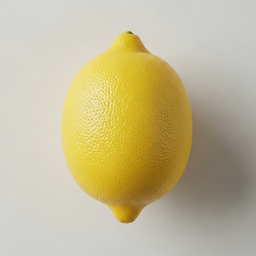 Lemon
Lemon Vitamin C and citric acid chelate minerals from toor dal for increased bioavailability
Ascorbic acid and citric acid increase mineral bioavailability from legumes via phytate chelation (PMID: 15743017)
Technical: Toor dal contains 3.9mg iron and 2.8mg zinc per 100g, but phytate binds up to 60% of these minerals. Ascorbic acid from lemon reduces Fe³⁺→Fe²⁺ for iron absorption, while citric acid forms a soluble chelate with zinc that bypasses phytate binding. In Indian cuisine, lemon is traditionally squeezed over dal — a scientifically optimal habit.
What does this mean for you? Always squeeze lemon over your dal (traditional Indian). This quadruples iron and zinc absorption — crucial because legumes are the main mineral source in plant-based diets.
Toor dal (pigeon peas) 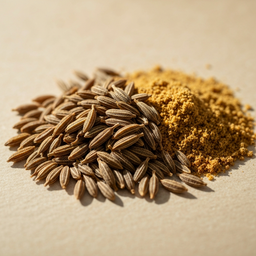 Cumin
Cumin Cumin promotes enzymatic digestion and reduces gas formation
Cuminaldehyde stimulates digestive enzymes and has carminative properties
Technical: Toor dal contains oligosaccharides (raffinose, stachyose) causing gas formation. Cuminaldehyde from cumin promotes the production of pancreatic enzymes (lipase, amylase, protease) and has carminative properties reducing gas formation. Traditional Indian tadka (tempering) technique.
What does this mean for you? The Indian habit of tempering cumin in dal is not just flavor — it promotes the digestion of legumes and reduces bloating.
Toor dal (pigeon peas) 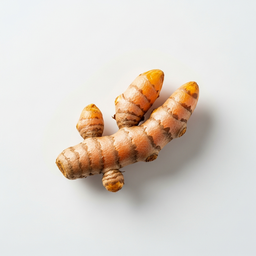 Turmeric
 Traditional Indian dal combination: peptides + curcumin
Legumes contain DPP-4 inhibiting peptides, curcumin improves insulin sensitivity
Technical: Toor dal (pigeon peas) contains DPP-4 affecting peptides that protect GLP-1 hormone, relevant for glucose metabolism. Curcumin is studied in research in connection with NF-κB signaling and insulin sensitivity. Traditional Indian dal combination.
What does this mean for you? Dal with turmeric is a traditional Indian combination that is scientifically interesting. Both ingredients provide bioactive compounds actively researched in current nutritional science.
Recipes with Toor dal (pigeon peas)
Discover delicious recipes featuring toor dal (pigeon peas):
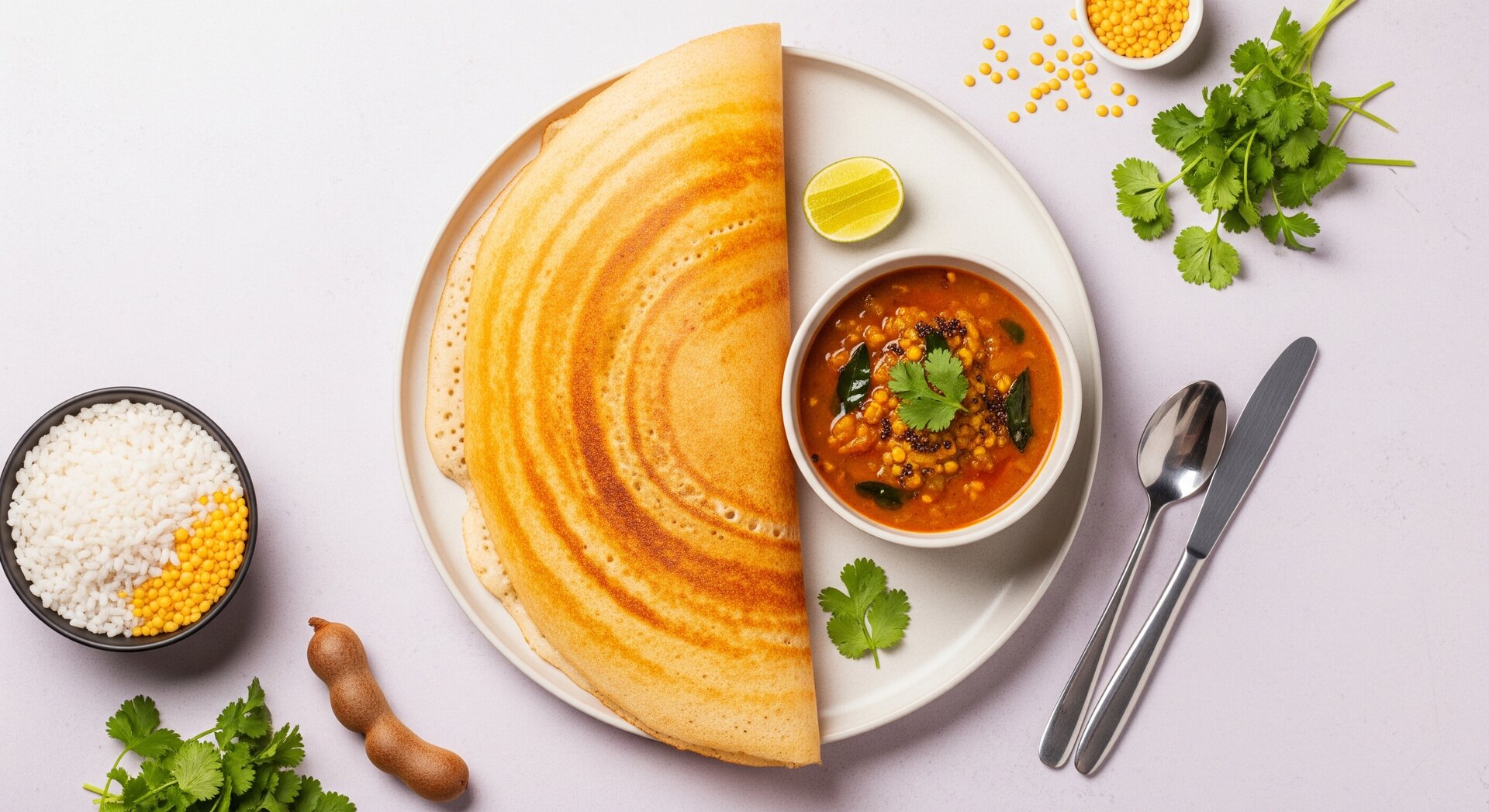 Indian Dosa with Sambar 45 min Crispy rice-lentil pancake with spicy vegetable stew
  591 kcal
  22g protein 1 synergies
 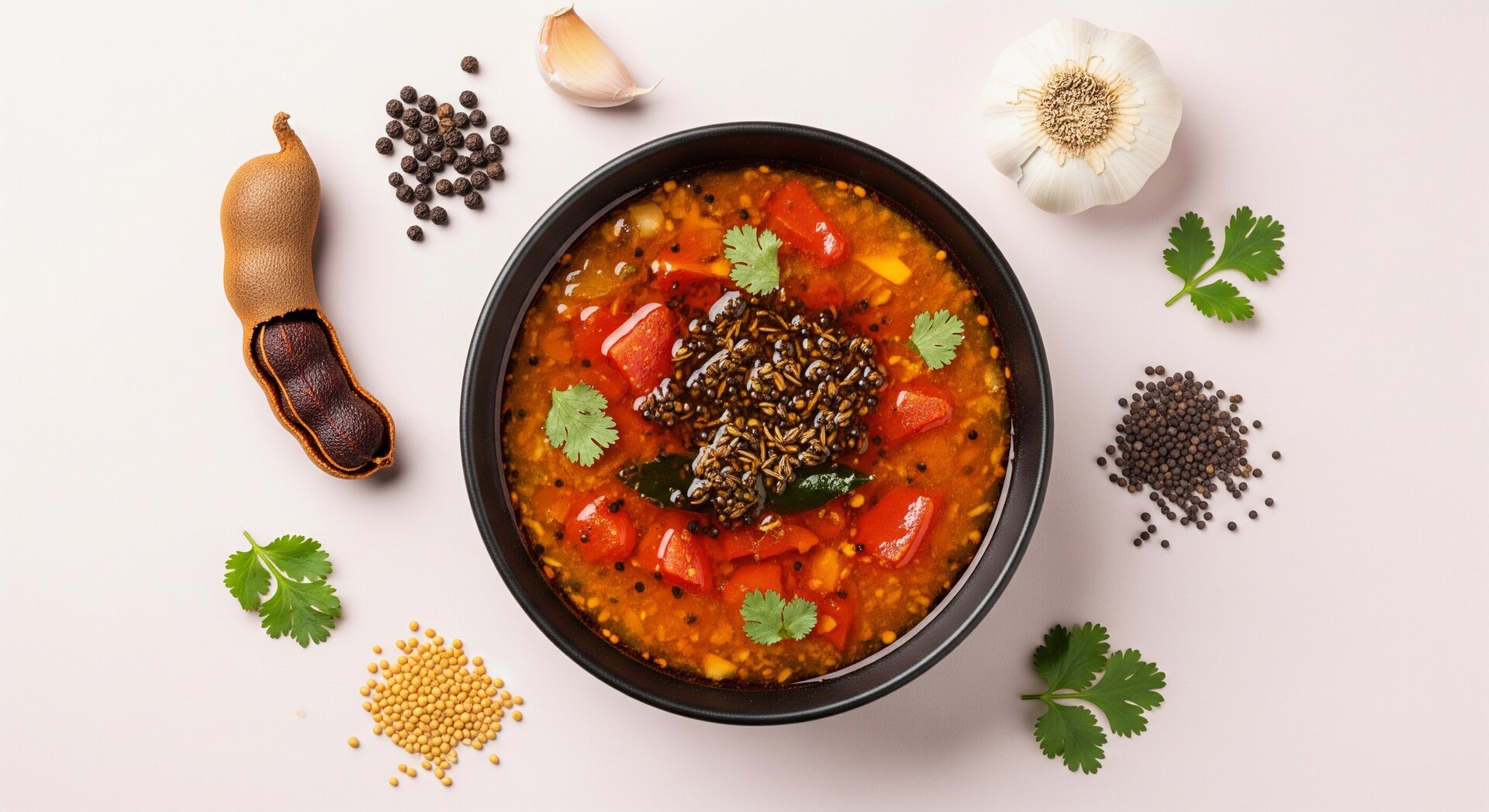 Rasam - Indian Pepper Soup with Tomato 30 min Spicy South Indian tomato soup with tamarind, black pepper and spices 209 kcal 9g protein 2 synergies
  In the Kitchen
Storage
Location:Pantry
Store in a cool, dry place, protected from moisture and insects. Cooked toor dal keeps for 3-4 days in the fridge and can be frozen for up to 3 months.
Preparation
Soak for 6-8 hours, rinse and cook for 45-60 minutes until soft and creamy. In a pressure cooker, 15-20 minutes on high pressure is usually enough. Finish with a tadka of cumin, mustard seeds, turmeric and curry leaves.
Substitutes
Smart preparation
1Soak toor dal for 30 minutes to 2 hours for faster cooking.
2Cook toor dal in a pressure cooker for a quick, creamy result.
Why?
In a pressure cooker it is often done in about 15 minutes; without one it usually takes about 45 minutes.
3Add a tadka of tempered spices in ghee or oil after cooking.
Caution / Warnings
Toor dal (pigeon peas) is very safe, but there are scientific considerations:
Antinutrients and phytic acid Mild
Raw or insufficiently cooked toor dal contains phytic acid, trypsin inhibitors and tannins. These compounds can affect mineral absorption and protein digestion.
Advice:
Soak toor dal for 6-8 hours or follow the package instructions, rinse well and cook until soft. Combine in dishes with tomato, lemon or other fresh ingredients.
Gas and sensitive digestion Mild
Toor dal contains oligosaccharides such as raffinose and stachyose. In sensitive people, these can ferment in the colon and lead to gas and bloating.
Advice:
Start with small portions and increase gradually. Soaking, rinsing well and cooking fully can make the serving easier to tolerate. Use cumin, ginger or asafoetida for a classic dal flavour if desired.
Legume allergy Moderate
People with an allergy to other legumes, such as soy, peanuts, chickpeas or lentils, may also react to toor dal due to cross-reactivity.
Advice:
Avoid toor dal with a known legume allergy unless a doctor or allergist advises otherwise. Watch for itching, rash, swelling, abdominal symptoms or breathing difficulty.
Traditional use
Ayurveda
Ayurvedic daily staple
Toor dal (pigeon pea) has been a staple food in India for over 3500 years. In Ayurvedic cooking traditions it is used in simple dals, often with rice, ghee and spices.
African
East African protein crop
The pigeon pea has been cultivated in East Africa for centuries as a drought-resistant crop and is an important staple food in countries such as Kenya and Tanzania.
Summary
Toor dal is a protein- and fibre-rich yellow split legume that cooks soft and creamy. Use it for dal, sambar, soups and curries, often with rice or flatbread.