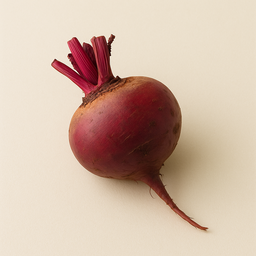
Beetroot
The Performance Booster
What is this ingredient?
The beetroot (Beta vulgaris) is a root vegetable with a deep purple-red color. Once considered poor man's food, now embraced by elite athletes. The earthy taste comes from the compound geosmin. Beets are low in calories but contain some natural sugars and are very rich in folate (20% RDA per 100g), crucial for cell division.
How does it taste?
Intensely earthy and sweet with a deep, mineral flavor and velvety texture.
Pairs well with:
Pairs well with goat cheesewalnuthorseradishdill and balsamic.
Did you know...?
- Beetroot was used by the Romans as an aphrodisiac; Pompeii's walls also contain beet imagery.
- The red color of beets comes from betacyanin, the same pigment found in amaranth.
Nutritional Value & Energy
Per 100g
Beetroot is low in calories thanks to natural nutrients , buffered by fiber.
Per 100g
Minerals
Vitamins
Omega-3 fatty acids
More nutrients
B-Vitamins
Trace Minerals
What's in a serving?
1 serving
Beetroot naturally contains potassium (325 mg per 100 g).
Beetroot naturally contains folate (109 mcg per 100 g).
% of daily reference intake (DRI)
EU-approved nutrition claims
This ingredient contains nutrients for which EFSA-authorized health claims exist (at nutrient level, not ingredient-specific).
Approved health claims (EU)
Potassium EU 432/2012
Potassium contributes to the maintenance of normal blood pressure
Contains 325mg/100g (threshold: ≥300mg/100g)
Folate EU 432/2012
Folate contributes to normal blood formation
Contains 109mcg/100g (threshold: ≥30mcg/100g)
Folate EU 432/2012
Folate contributes to normal amino acid synthesis
Contains 109mcg/100g (threshold: ≥30mcg/100g)
Folate EU 432/2012
Folate contributes to normal homocysteine metabolism
Contains 109mcg/100g (threshold: ≥30mcg/100g)
Folate EU 432/2012
Folate contributes to normal psychological function
Contains 109mcg/100g (threshold: ≥30mcg/100g)
Folate EU 432/2012
Folate contributes to the normal function of the immune system
Contains 109mcg/100g (threshold: ≥30mcg/100g)
Folate EU 432/2012
Folate has a role in the process of cell division
Contains 109mcg/100g (threshold: ≥30mcg/100g)
Folate EU 432/2012
Folate contributes to maternal tissue growth during pregnancy
Contains 109mcg/100g (threshold: ≥30mcg/100g)
Potassium EU 432/2012
Potassium contributes to normal functioning of the nervous system
Contains 325mg/100g (threshold: ≥300mg/100g)
Potassium EU 432/2012
Potassium contributes to normal muscle function
Contains 325mg/100g (threshold: ≥300mg/100g)
What's being researched?
Nitrate and blood pressure research
Nitrate in beetroot is being studied for potential blood pressure reduction via nitric oxide production. Multiple clinical studies show significant effects, particularly with short-term use, but long-term data is more limited.
Supported by: [3] Siervo (2013) , [1] Webb (2008) , [4] Kapil (2013)
Betalains and exercise performance
Beetroot juice is being studied for potential improvement of endurance through increased nitric oxide availability. Results are promising in recreational athletes, but variable in elite athletes.
Supported by: [2] Jones (2014)
Good Combinations (Synergy)
Combine beetroot smartly to enhance the effect:
Beetroot 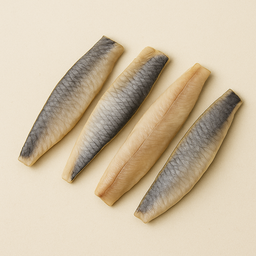 Herring
 Omega-3 + nitrates: complementary pathways via prostaglandins and NO pathway
Technical: Herring contains 1.7g omega-3 per 100g that influence prostaglandin modulation. Beets contain nitrates that are converted by oral bacteria into nitric oxide (NO), stimulating vasodilation. Together they reach blood vessels via two complementary biochemical pathways: prostaglandin cascade (omega-3) and NO pathway (nitrates).
What does this mean for you? Combine herring with beet salad or grated beets. This is a traditional Eastern European combination that combines two bioactive pathways. Tip: chew well to promote NO production from nitrates.
Beetroot 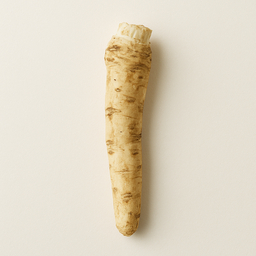 Horseradish
 Chrain: enzymes + nitrates for digestion and nitrate-nitrite-NO pathway
Technical: Horseradish activates gastric juice release via gastrin via AITC and activates phase-II enzymes. Beetroot provides 250-300mg nitrate per 100g. Via the nitrate-nitrite-NO pathway this is converted to nitric oxide (NO). Horseradish's antioxidants also protect nitrates from unwanted oxidation. This is the basis of chrain — a classic Jewish condiment.
What does this mean for you? Grated horseradish with beetroot (chrain) has been a meat accompaniment in Eastern European cuisine for centuries. It activates gastric juice release via gastrin with protein-rich meals and provides nitrate for NO production.
Beetroot 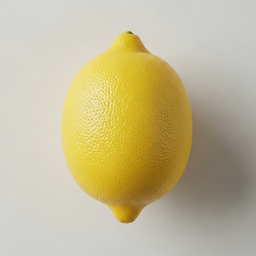 Lemon
Lemon Vitamin C protects the nitrates
Technical: Beetroot contains 250-300mg nitrate per 100g converted by oral bacteria to nitrite then nitric oxide (NO). Vitamin C from lemon (53mg/100g) prevents unwanted conversion of nitrite to nitrosamines, while promoting beneficial NO production via the nitrate-nitrite-NO pathway.
What does this mean for you? Always add lemon juice to beet juice or salad. Vitamin C steers nitrate conversion in the desired direction and prevents unwanted byproducts. Bonus: the sour taste perfectly balances the earthy sweetness.
Beetroot 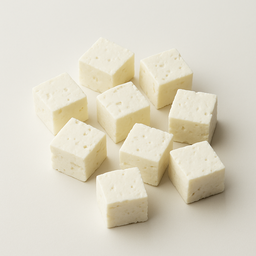 Feta Cheese
 Protein + minerals complement betalains
Technical: Goat cheese provides 22g protein and 500mg calcium per 100g. The fats (21g) in cheese increase absorption of fat-soluble betalains from beetroot. The salty taste also balances the earthy sweetness of the beet.
What does this mean for you? Combine roasted beetroot with crumbled goat cheese or feta, walnuts and some balsamic. A classic salad that's also nutritionally well-composed — cheese fat makes betalains more absorbable.
Beetroot 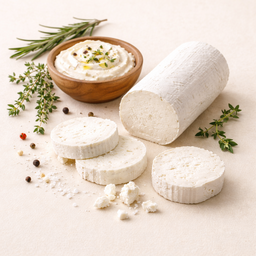 Goat Cheese (Chèvre)
 Protein + minerals complement betalains
Technical: Goat cheese provides 22g protein and 500mg calcium per 100g. The fats (21g) in cheese increase absorption of fat-soluble betalains from beetroot. The salty taste also balances the earthy sweetness of the beet.
What does this mean for you? Combine roasted beetroot with crumbled goat cheese or feta, walnuts and some balsamic. A classic salad that's also nutritionally well-composed — cheese fat makes betalains more absorbable.
Beetroot 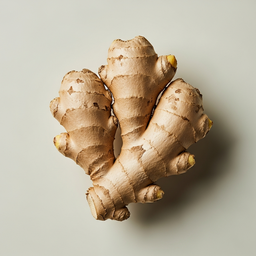 Ginger
 Beetroot nitrates + gingerols: double NO and circulation pathway
Technical: Beetroot's nitrates are converted via the nitrate-nitrite-NO pathway to nitric oxide (NO) involved in vasodilation. Ginger's gingerols influence peripheral circulation via calcium channel modulation. Together they influence blood flow through two complementary mechanisms.
What does this mean for you? Combine beetroot and ginger in a smoothie or juice — a nitrate-rich combination. Beetroot provides nitrate for the NO pathway, ginger influences circulation via calcium channels. Popular as pre-workout drink.
Beetroot 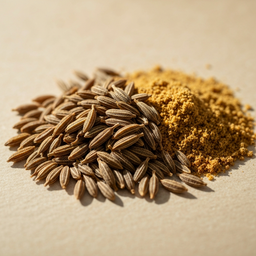 Cumin
Cumin Iron + digestive enzymes: minerals and digestion
Technical: Red beet contains 0.8mg iron per 100g plus betalains (bioactive pigments). Cumin activates digestive enzyme release and increases nutrient absorption. Cumin also contains iron (66mg/100g dried) and thymol that modulates NF-κB signaling.
What does this mean for you? Sprinkle roasted beets with ground cumin. The earthy flavors combine perfectly and iron sources stack up. Ideal in salads or as a side dish.
Beetroot 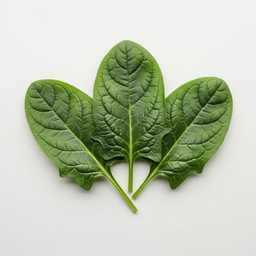 Spinach
 Double nitrate source for maximum NO production
Technical: Beetroot (250-300mg nitrate/100g) and spinach (741mg nitrate/100g) are two of the highest natural nitrate sources. Nitrate is converted via the nitrate-nitrite-NO pathway to nitric oxide (NO). NO is involved in vasodilation and oxygen transport. The combination is popular in sports nutrition as pre-workout.
What does this mean for you? Make a smoothie or salad of beetroot and spinach for a nitrate-rich combination. Spinach actually contains more nitrate than beetroot! Ideal 2-3 hours before exercise as a natural nitrate source.
Beetroot 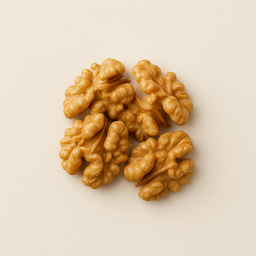 Walnuts
 Nitrates + ALA omega-3: complementary vascular pathways
Technical: Beetroot provides nitrates converted via the nitrate-nitrite-NO pathway to nitric oxide (NO), involved in vasodilation. Walnuts contain 9g ALA omega-3 per 100g — an essential fatty acid. Together they influence vascular physiology via two routes: NO signaling and omega-3 fatty acid metabolism.
What does this mean for you? Make a salad of roasted beetroot with walnuts, goat cheese and arugula. Beetroot for NO production, walnuts for omega-3 — two complementary vascular pathways in one salad.
Beetroot 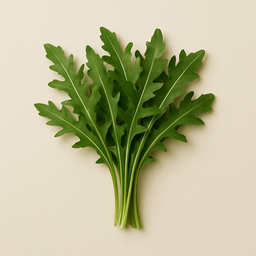 Arugula
 Double nitrate source for maximum NO production
Technical: Arugula contains 480mg nitrate per 100g (highest of all leafy greens) and beetroot 250-300mg/100g. Nitrate is converted by oral bacteria to nitrite then nitric oxide (NO) via the nitrate-nitrite-NO pathway. NO is involved in vasodilation. The double nitrate dose delivers substantial NO production.
What does this mean for you? Arugula-beet salad is one of the richest nitrate combinations you can eat. Arugula actually contains more nitrate than beetroot! Popular in sports nutrition, ideal 2-3 hours before exercise.
Recipes with Beetroot
Discover delicious recipes featuring beetroot:
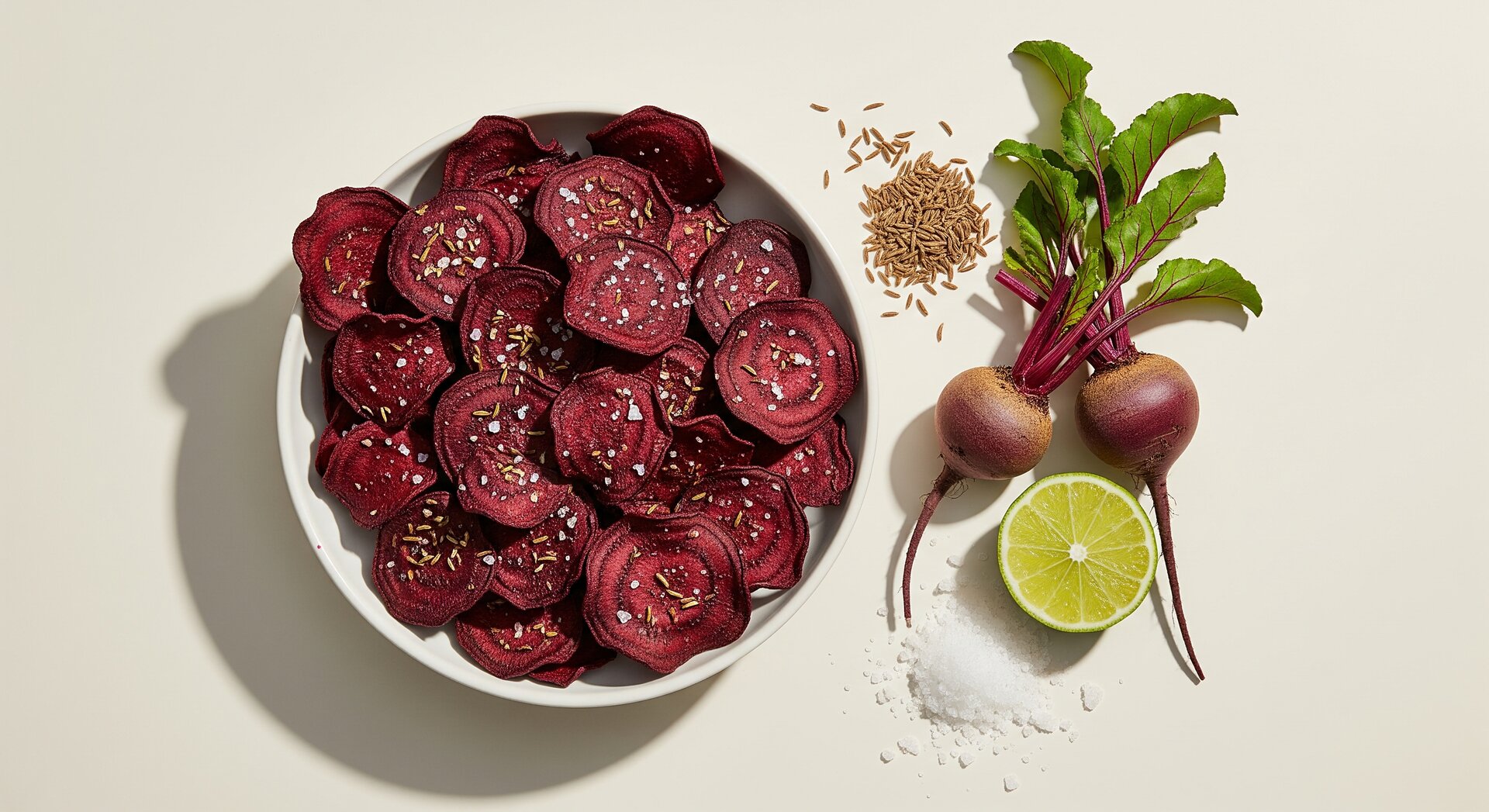 Beetroot Chips with Cumin 40 min Deep-purple oven chips of beetroot with ground cumin and lime zest
  95 kcal
  2g protein 2 synergies
 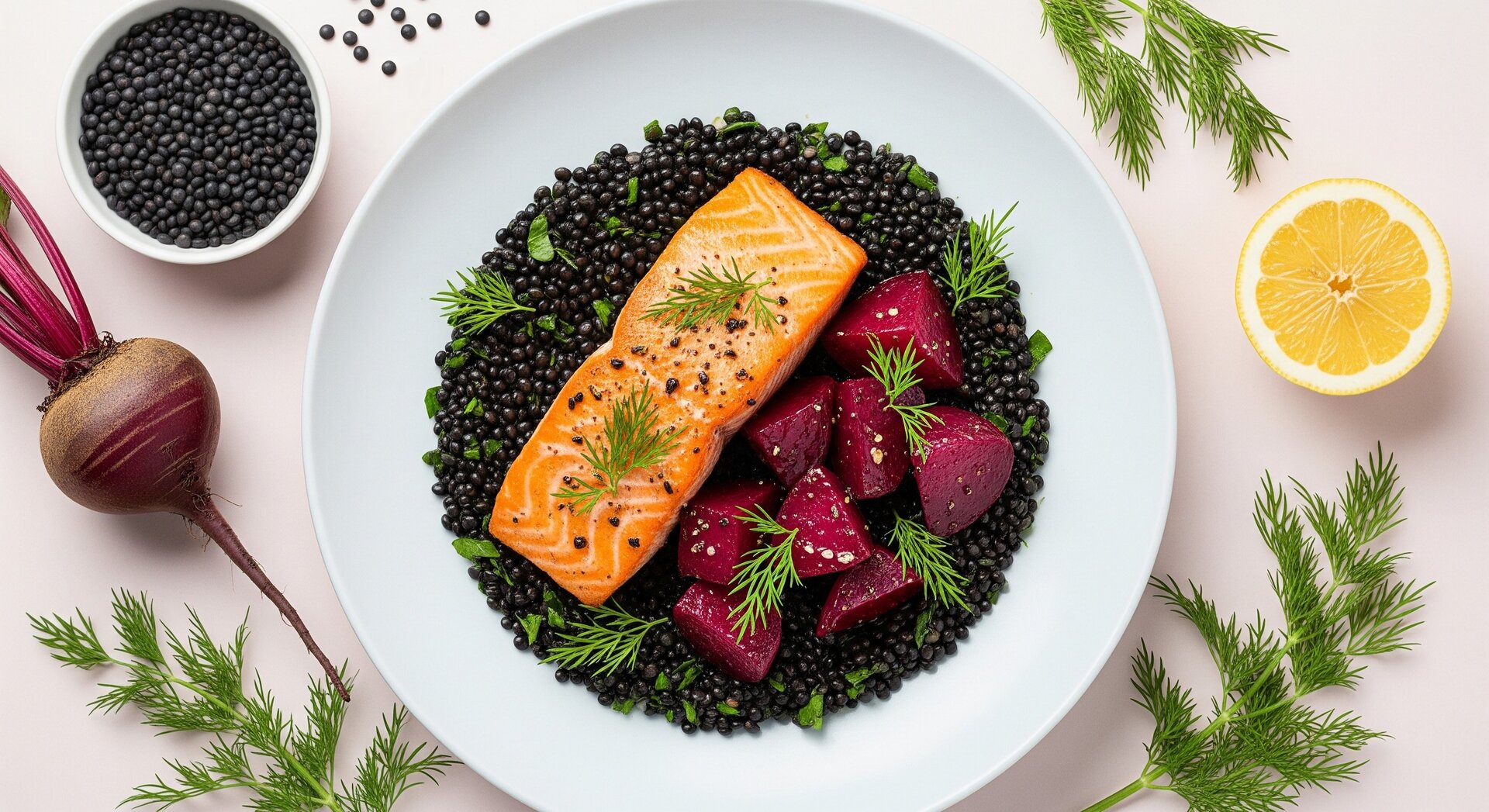 Pan-Fried Salmon with Beluga Lentils and Beets 45 min Pan-fried salmon on earthy lentils with roasted beets and dill 577 kcal 39g protein 1 synergies
 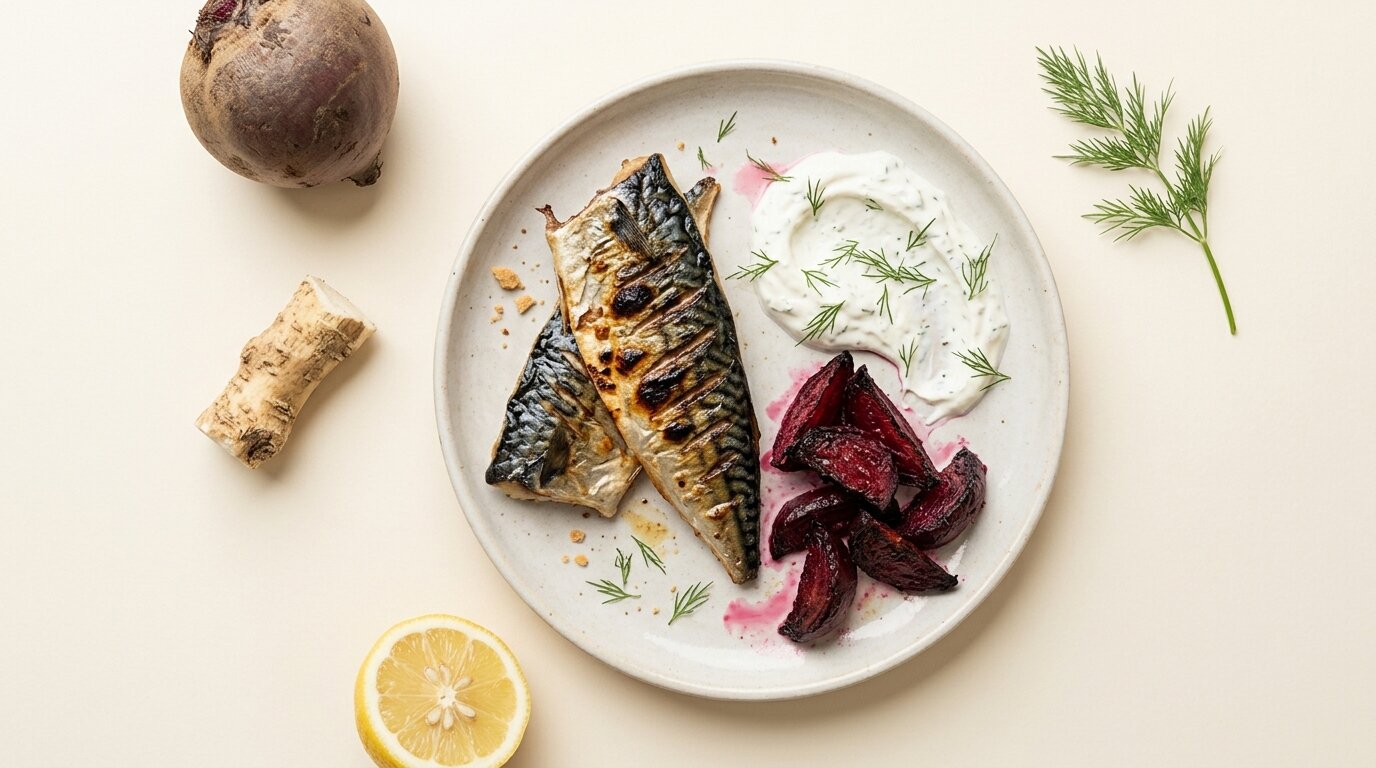 Grilled Mackerel with Beetroot and Horseradish 25 min Oily fish with earthy beetroot, fresh lemon and sharp horseradish yogurt 520 kcal 32g protein 2 synergies
 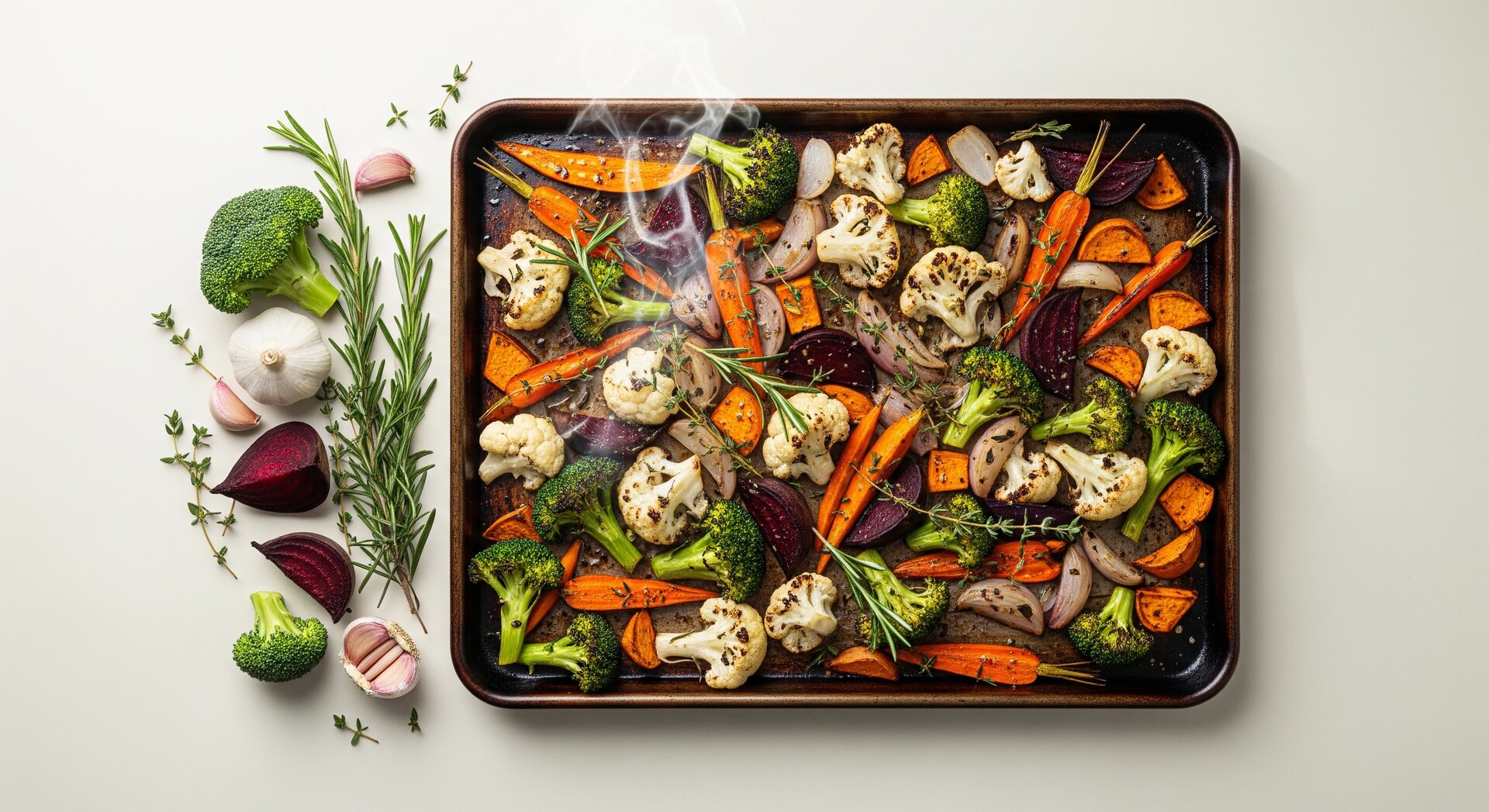 Roasted Cruciferous Vegetables with Beetroot 55 min Crispy roasted seasonal vegetables with thyme and lemon 220 kcal 8g protein 2 synergies
 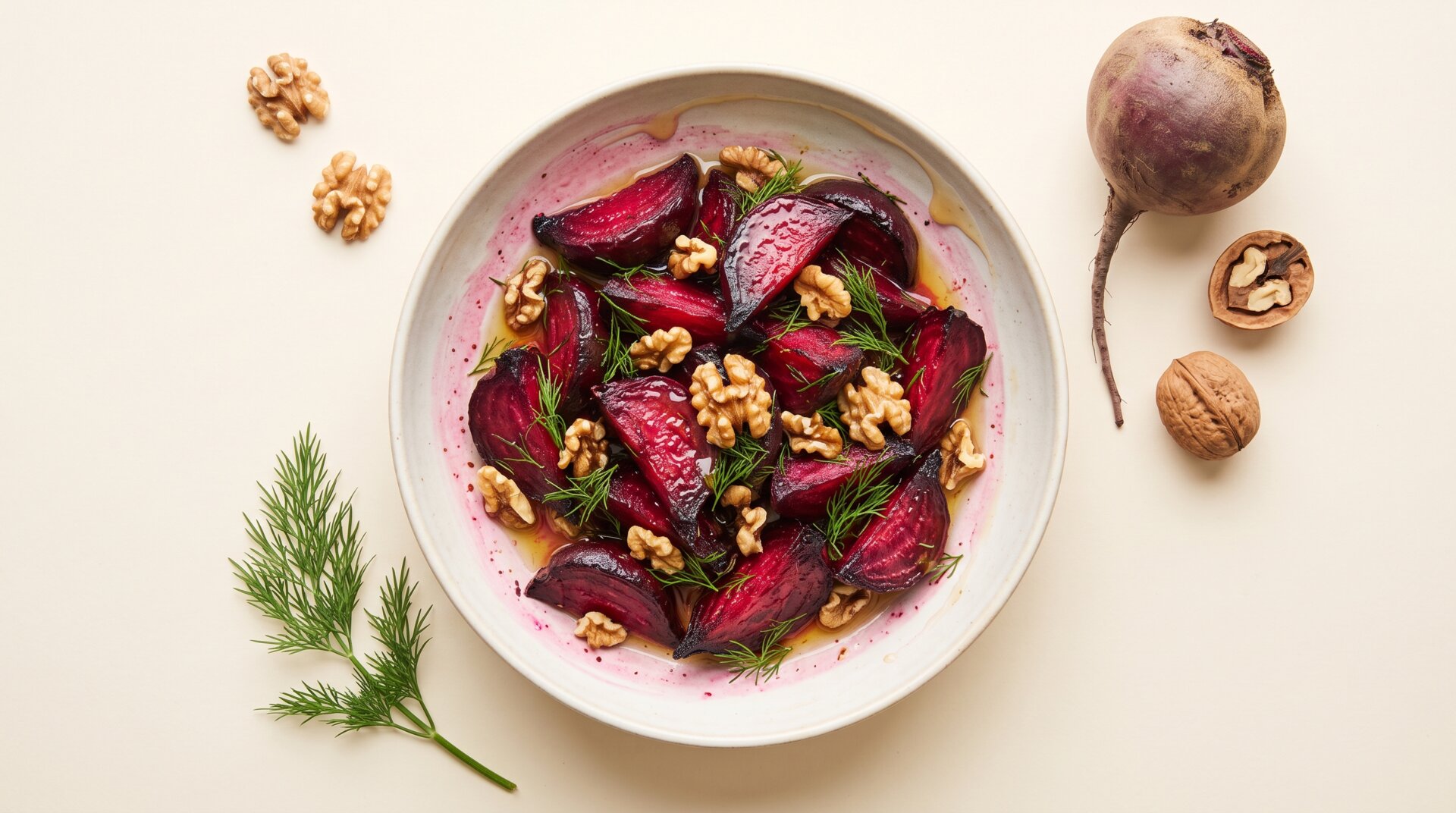 Roasted Beets with Walnuts and Dill 60 min Earthy, sweet beets from the oven with crunchy walnuts and fresh dill 220 kcal 6g protein 1 synergies
 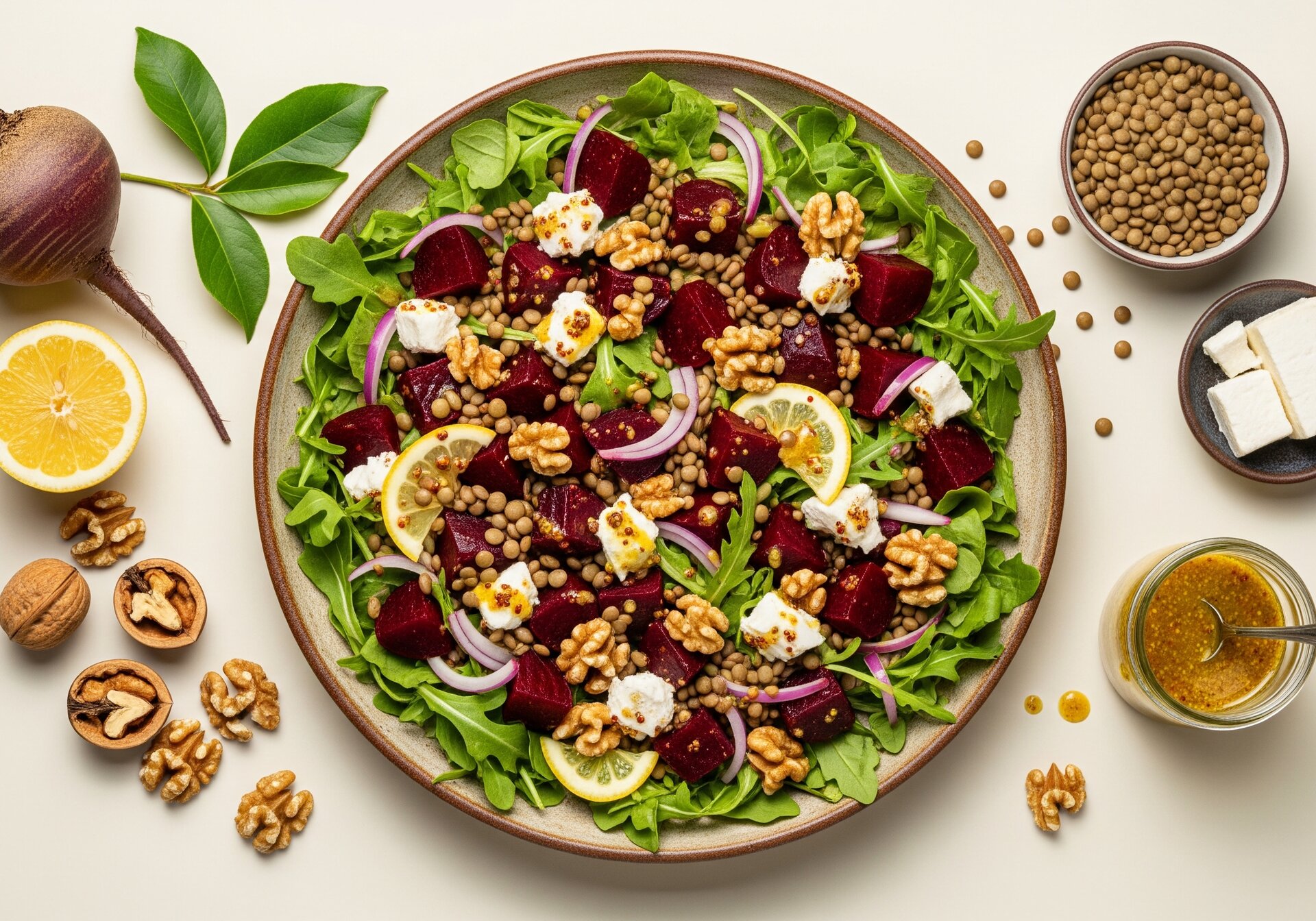 Lentil Beet Salad 60 min Hearty salad with lentils, roasted beets and goat cheese 380 kcal 18g protein 1 synergies
  In the Kitchen
Storage
Location:Refrigerator
Shelf life:2-3 weken (vers), 10-12 maanden (ingevroren/ingekookt)
Remove greens (store separately, also edible). Store in crisper drawer without washing.
Preparation
Raw (grated in salad) or roast in skin (45-60 min at 200°C). Drink beet juice 2-3 hours before exercise.
Conversions
Substitutes
Smart preparation
1Cook beetroot with skin and tail to prevent color bleeding.
2Wear gloves when peeling to prevent stains.
3Add a splash of vinegar to the cooking water to preserve the color.
4The skin comes off easily after cooking by rubbing with your fingers.
Caution / Warnings
Beetroot is very safe, but there are scientific considerations:
Antibacterial Mouthwash (CRUCIAL) Severe
The conversion of nitrate to healthy nitrite happens by bacteria on your tongue. If you use antibacterial mouthwash, you kill these bacteria
Advice:
Don't use antibacterial mouthwash around the time you eat beets, otherwise the blood pressure lowering effect won't work
Kidney Stones (Oxalates) Moderate
Beets are rich in oxalates
Advice:
People prone to kidney stones should moderate intake
Beeturia Mild
In 10-14% of the population, urine or stool turns red/pink after eating beets
Advice:
This is completely harmless, no cause for concern
Traditional use
Mediterranean
Greco-Roman traditional use
Ancient Greeks and Romans valued beets both in cooking and in their culture. Beet leaves were used in various ways.
Other
Eastern European folk tradition
In Eastern Europe, beet kvass (fermented beet juice) was drunk for centuries as a strengthening tonic and digestive aid.
Summary
Beetroot is the secret weapon of elite athletes. The nitrates dilate your blood vessels, lower your blood pressure and make your muscles use oxygen more efficiently. Drink beetroot juice 2-3 hours before exercise for maximum effect. Note: don't use antiseptic mouthwash, otherwise it won't work!