- Medium
- 25 min
- 2 serv.
- 9 synergies
- Now at its best: Beetroot
Grilled mackerel with beetroot, lemon, dill and a fresh horseradish yogurt. A bold yet elegant plate where rich fish is balanced by earthy beetroot, creamy yogurt and sharp freshness.
This is the kind of dish where a short ingredient list does a lot of work. The mackerel gets crisp skin in the pan while staying juicy and full-flavoured inside. Underneath sits beetroot: sweet, earthy and deeply coloured, dressed with lemon, garlic and olive oil. The horseradish yogurt brings exactly what the fish needs — creaminess, freshness and a sharp kick that wakes everything up. Dill and lemon zest make the plate lighter and more elegant. The result is quick to prepare but feels restaurant-worthy: satisfying enough for dinner, fresh enough for lunch and beautiful on the plate.
- 15
- min prep
- 10
- min cook
- 25
- min total
Nutritional Synergies
This recipe combines ingredients that enhance each other:
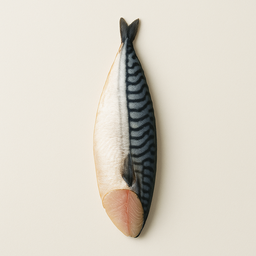 Mackerel fillets
 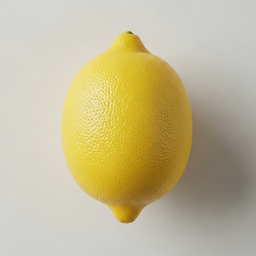 Lemon
Lemon Improves digestion of fatty fish
Technical: Mackerel is one of the fattiest fish with 2.6g omega-3 per 100g and 13.9g total fat. The citric acid in lemon works as an emulsifier — it helps break down fat droplets into smaller micelles, giving lipase enzymes a larger surface area to digest the fats. This is particularly relevant for mackerel due to its high fat content. NB: mackerel contains heme iron that is already well absorbed.
What does this mean for you? Always serve mackerel with lemon — not just for flavor but also for better fat digestion. Grilled mackerel with lemon juice is one of the most nutritious combinations: maximum omega-3 absorption with improved digestibility.
DigestionHeart
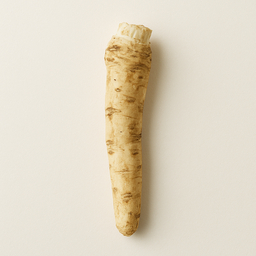 Fresh horseradish Lemon
 Isothiocyanates + vitamin C: complementary bioactive pathways
Technical: Horseradish contains sinigrin and gluconasturtiin converted to allyl and phenethyl isothiocyanates (AITC, PEITC) — bioactive sulfur compounds. Vitamin C from lemon (53mg/100g) contributes to the normal function of the immune system (EFSA-approved) and enhances neutrophil function. Together they provide bioactive sulfur and vitamin pathways.
What does this mean for you? Horseradish with lemon juice is a traditional Eastern European combination. The sharp isothiocyanates give a pungent, fresh kick while vitamin C contributes to normal immune system function.
Immune SystemDigestion
Fresh horseradish 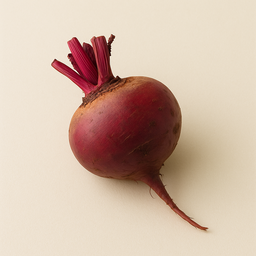 Beetroot
 Chrain: enzymes + nitrates for digestion and nitrate-nitrite-NO pathway
Technical: Horseradish activates gastric juice release via gastrin via AITC and activates phase-II enzymes. Beetroot provides 250-300mg nitrate per 100g. Via the nitrate-nitrite-NO pathway this is converted to nitric oxide (NO). Horseradish's antioxidants also protect nitrates from unwanted oxidation. This is the basis of chrain — a classic Jewish condiment.
What does this mean for you? Grated horseradish with beetroot (chrain) has been a meat accompaniment in Eastern European cuisine for centuries. It activates gastric juice release via gastrin with protein-rich meals and provides nitrate for NO production.
DigestionHeart
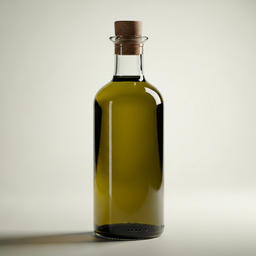 Extra virgin olive oil Lemon
 Oleic acid + citric acid: complementary pathways for glycemic response
Technical: Lemon contains citric acid that slows gastric emptying, causing carbohydrates from the meal to be absorbed more slowly. Olive oil's fats reinforce this effect by further influencing glycemic response. Together they influence the postprandial glucose response via two complementary mechanisms. Olive oil's oleocanthal and lemon's vitamin C additionally provide complementary antioxidant action.
What does this mean for you? A simple dressing of olive oil and lemon juice over your salad is one of the smartest combinations you can make. The two mechanisms (delayed gastric emptying + fat slowing) work together to influence the glucose response after your meal.
EnergyDigestion
Extra virgin olive oil 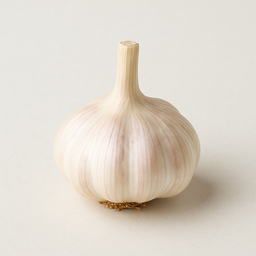 Garlic
 Aglio e olio: allicin + oleocanthal via complementary biochemical pathways
Technical: Garlic contains allicin (formed when cutting/crushing) that influences HMG-CoA reductase (involved in lipid metabolism). Olive oil contains oleocanthal that modulates COX-1/2 enzymes. Together they influence lipid metabolism and prostaglandin cascade via complementary biochemical pathways. The fat also helps absorb fat-soluble garlic compounds.
What does this mean for you? Gently warm garlic in olive oil (don't burn!) as the base for many dishes. This is why 'aglio e olio' pasta is so beloved — two bioactive compounds that reinforce each other.
HeartImmune System
Beetroot Lemon Vitamin C protects the nitrates
Technical: Beetroot contains 250-300mg nitrate per 100g converted by oral bacteria to nitrite then nitric oxide (NO). Vitamin C from lemon (53mg/100g) prevents unwanted conversion of nitrite to nitrosamines, while promoting beneficial NO production via the nitrate-nitrite-NO pathway.
What does this mean for you? Always add lemon juice to beet juice or salad. Vitamin C steers nitrate conversion in the desired direction and prevents unwanted byproducts. Bonus: the sour taste perfectly balances the earthy sweetness.
Heart
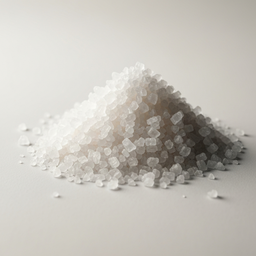 Sea salt Lemon
 Trace minerals + vitamin C for electrolytes and immune system
Technical: Unrefined sea salt contains 80+ trace elements (magnesium 0.5%, potassium 0.4%, calcium 0.1%, plus iodine, zinc, selenium in trace amounts) alongside sodium. Lemon's vitamin C improves absorption of non-heme iron and zinc from sea salt. Sodium + potassium together regulate cellular osmosis. Vitamin C is also essential for collagen synthesis where sea salt minerals serve as cofactors.
What does this mean for you? A glass of warm water with a pinch of unrefined sea salt and lemon juice in the morning is an effective hydration ritual. The minerals + vitamin C start your day with good electrolyte balance.
EnergyImmune System
Sea salt Extra virgin olive oil Minerals + polyphenols for cellular balance
Technical: Sea salt's sodium is essential for the sodium-potassium pump (Na+/K+-ATPase) that regulates every body cell. Olive oil's oleuropein and hydroxytyrosol provide antioxidant protection for cell membranes. The combination supports cell integrity: sea salt regulates ion balance, olive oil protects the membrane. In Mediterranean cuisine, coarse sea salt + olive oil is the most basic flavor profile.
What does this mean for you? Freshly ground sea salt with extra virgin olive oil is the simplest and most nutritious finishing of any dish. The combination provides the basic needs of your cells: minerals for function, polyphenols for protection.
HeartGeneral Wellness
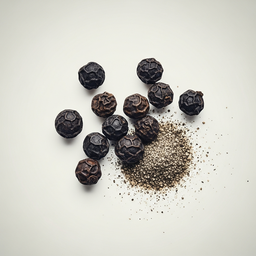 Black pepper Extra virgin olive oil
 Fat increases piperine absorption and enhances polyphenols
Technical: Piperine is fat-soluble and absorbed 2-3x better with dietary fat. Olive oil's oleocanthal and piperine both modulate COX signal transduction through different mechanisms, providing additive bioactive effect.
What does this mean for you? Grind fresh pepper over salads with olive oil dressing. The combination enhances both pepper absorption and bioactive action.
Anti-inflammatoryHeartDigestion
Ingredients (10)
- Mackerel fillets — 2 pcs skin-on, about 150 g each
- Beetroot — 300 g pre-cooked, sliced or cut into wedges
Instructions
- 1 Mix the yogurt with the horseradish, 1 tablespoon lemon juice and half the dill. Chill until serving.
- 2 Cut the beetroot into thin slices or wedges.
Nutrition per serving
Indicative values per serving.
Timing & Suitability
Shelf life: 1 days in fridge
Tags & Diet
Allergens: Fish, Dairy