- Medium
- 40 min
- 4 serv.
- 4 synergies
- Now at its best: Beetroot
Wafer-thin slices of beetroot, dusted with earthy cumin and finished with lime zest. The purple hue holds up through baking; the edges darken and crisp up, the middle stays softly sweet and earthy.
Replaces: Doritos, spicy paprika chips, nacho chips
The prettiest chips you'll put on the table this year — deep purple with a faintly caramelised edge, a solid earthy flavour reminiscent of grilled beet, and a cumin-spiced tail that nods to Middle Eastern kitchens. A shower of lime zest over the hot chips adds the sharp counterpoint the earthiness needs.
Why better: No corn-meal base with paprika powder, no maltodextrin. Instead, whole vegetable slices with a thin layer of olive oil. Beetroot is a natural source of folate (contributes to normal blood formation, EU 432/2012) and also contains dietary nitrates, whose role in vascular physiology has been extensively studied in the scientific literature (Lundberg et al., 2008, Nature Reviews Drug Discovery).
- 15
- min prep
- 25
- min cook
- 40
- min total
Nutritional Synergies
This recipe combines ingredients that enhance each other:
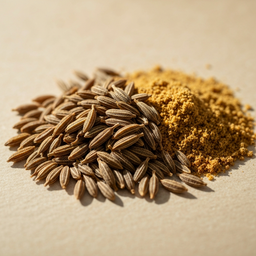 Ground cumin
 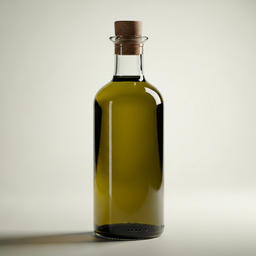 Olive Oil
 Fat activates volatile oils and increases cuminaldehyde absorption
Technical: Cumin's active compounds (cuminaldehyde, cymene, terpinene) are volatile, fat-soluble compounds. Frying in olive oil extracts and stabilizes these compounds, and the fat improves their gut absorption.
What does this mean for you? Briefly fry cumin in olive oil before adding other ingredients (tadka/tempering). This is why Indian and Middle Eastern cuisines always fry cumin in oil.
DigestionAnti-inflammatoryBlood Sugar
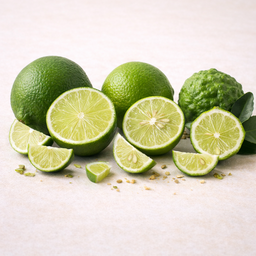 Lime Olive Oil
 Vitamin C + olive oil fats for iron absorption and antioxidant action
Technical: Lime's vitamin C (ascorbic acid) improves absorption of non-heme iron from plant sources. Olive oil's fat-soluble polyphenols (hydroxytyrosol) are better absorbed in combination with vitamin C, which acts as an antioxidant keeping the polyphenols stable.
What does this mean for you? Lime-olive oil dressing is a classic combination that helps your body absorb more iron and antioxidants from your salad.
Immune SystemEnergySkin & Hair
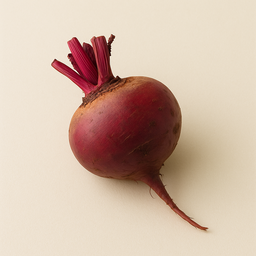 Beetroot Ground cumin
 Iron + digestive enzymes: minerals and digestion
Technical: Red beet contains 0.8mg iron per 100g plus betalains (bioactive pigments). Cumin activates digestive enzyme release and increases nutrient absorption. Cumin also contains iron (66mg/100g dried) and thymol that modulates NF-κB signaling.
What does this mean for you? Sprinkle roasted beets with ground cumin. The earthy flavors combine perfectly and iron sources stack up. Ideal in salads or as a side dish.
DigestionEnergyAnti-inflammatory
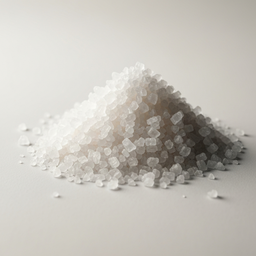 Sea Salt Olive Oil
 Minerals + polyphenols for cellular balance
Technical: Sea salt's sodium is essential for the sodium-potassium pump (Na+/K+-ATPase) that regulates every body cell. Olive oil's oleuropein and hydroxytyrosol provide antioxidant protection for cell membranes. The combination supports cell integrity: sea salt regulates ion balance, olive oil protects the membrane. In Mediterranean cuisine, coarse sea salt + olive oil is the most basic flavor profile.
What does this mean for you? Freshly ground sea salt with extra virgin olive oil is the simplest and most nutritious finishing of any dish. The combination provides the basic needs of your cells: minerals for function, polyphenols for protection.
HeartGeneral Wellness
Ingredients (5)
+3 more ingredientsInstructions
- 1 Preheat the oven to 175°C (fan) and line two baking sheets with parchment paper. Consider wearing disposable gloves — raw beetroot stains your hands pink for hours.
- 2 Peel the beetroots with a vegetable peeler and slice them with a mandoline into very thin rounds of about 2 mm. Even thickness is critical — thicker slices stay rubbery instead of crisping up.
Nutrition per serving
Indicative values per serving.
Timing & Suitability
Shelf life: 3 days in fridge