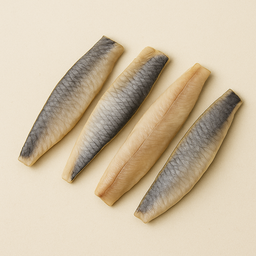
Herring
Creatine-rich oily sea fish from Northern European kitchens
What is this ingredient?
Herring (Clupea harengus) is deeply rooted in Dutch, Scandinavian and Baltic food culture. Dutch 'Nieuwe' is a seasonal product with strict characteristics: the fish is gibbed at sea, lightly salted and traditionally contains at least 16% fat. This gives it a soft, creamy texture and a distinctly briny taste.
## Creatine and protein
Herring naturally contains creatine, a nitrogen-containing compound that also occurs in meat and other fish. With values often reported around 6.5-10 g per kg, herring belongs among the more creatine-rich fish. Together with about 23 g protein per 100 g, it is a compact, nutrient-dense choice in fish dishes.
## Omega-3 fatty acids
Herring provides about 1.6-1.7 g long-chain omega-3 fatty acids (EPA + DHA) per 100 g. These fatty acids are part of the natural fat profile of oily sea fish and contribute to its full flavor and tender texture. Levels can vary by season, fishing area and preparation.
## Vitamin D, B12 and iodine
Herring naturally contains vitamin D, vitamin B12, selenium and iodine. This combination makes it an interesting fish in a varied eating pattern, especially in Northern European cuisines where herring is traditionally served with onion, rye bread, potato, pickles or sour cream.
## Varieties and storage
You can find herring lightly brined as Dutch 'Nieuwe', marinated as matjes herring, smoked as kipper or used in salads. Fresh and lightly salted versions keep only briefly; smoked, pickled or heavily salted versions last longer, but often contain more salt and have a stronger taste.
How does it taste?
Briny, full and oily with a pronounced, rich fish flavor.
Pairs well with:
Pairs well with onionpicklesrye breadmustard and chives.
Varieties
Dutch New Herring
Lightly salted seasonal herring with at least 16% fat, traditionally eaten raw.
Matjes Herring
Tender young herring in sweet-sour brine or marinade.
Smoked Herring/Kipper
Smoked herring with a firmer texture and more intense aroma.
Did you know...?
- In the Netherlands, Dutch 'Nieuwe' is a national tradition that starts each year around June.
- Herrings swim in enormous schools that sometimes contain millions of fish.
Nutritional Value & Energy
Per 100g
Herring provides energy thanks to natural nutrients .
Per 100g
Minerals
Vitamins
Omega-3 fatty acids
More nutrients
B-Vitamins
Trace Minerals
What's in a serving?
1 serving
Herring naturally contains potassium (327 mg per 100 g).
Herring naturally contains selenium (36.5 mcg per 100 g).
Herring naturally contains vitamin B12 (13.67 mcg per 100 g).
Herring naturally contains vitamin D (16.5 mcg per 100 g).
Herring naturally contains iodine (42 mcg per 100 g).
% of daily reference intake (DRI)
EU-approved nutrition claims
This ingredient contains nutrients for which EFSA-authorized health claims exist (at nutrient level, not ingredient-specific).
Approved health claims (EU)
Vitamin_b12 EU 432/2012
Vitamin B12 contributes to the normal function of the immune system
Contains 13.67mcg/100g (threshold: ≥0.375mcg/100g)
Vitamin_b12 EU 432/2012
Vitamin B12 contributes to the reduction of tiredness and fatigue
Contains 13.67mcg/100g (threshold: ≥0.375mcg/100g)
Vitamin_b12 EU 432/2012
Vitamin B12 contributes to the normal functioning of the nervous system
Contains 13.67mcg/100g (threshold: ≥0.375mcg/100g)
Vitamin_d EU 432/2012
Vitamin D contributes to the maintenance of normal bones
Contains 16.5mcg/100g (threshold: ≥0.75mcg/100g)
Vitamin_d EU 432/2012
Vitamin D contributes to the normal function of the immune system
Contains 16.5mcg/100g (threshold: ≥0.75mcg/100g)
Potassium EU 432/2012
Potassium contributes to the maintenance of normal blood pressure
Contains 327mg/100g (threshold: ≥300mg/100g)
Vitamin_b12 EU 432/2012
Vitamin B12 contributes to normal energy-yielding metabolism
Contains 13.67mcg/100g (threshold: ≥0.375mcg/100g)
Vitamin_b12 EU 432/2012
Vitamin B12 contributes to normal homocysteine metabolism
Contains 13.67mcg/100g (threshold: ≥0.375mcg/100g)
Vitamin_b12 EU 432/2012
Vitamin B12 contributes to normal psychological function
Contains 13.67mcg/100g (threshold: ≥0.375mcg/100g)
Vitamin_b12 EU 432/2012
Vitamin B12 contributes to normal red blood cell formation
Contains 13.67mcg/100g (threshold: ≥0.375mcg/100g)
Vitamin_b12 EU 432/2012
Vitamin B12 has a role in the process of cell division
Contains 13.67mcg/100g (threshold: ≥0.375mcg/100g)
Vitamin_d EU 432/2012
Vitamin D contributes to normal absorption/utilisation of calcium and phosphorus
Contains 16.5mcg/100g (threshold: ≥0.75mcg/100g)
Vitamin_d EU 432/2012
Vitamin D contributes to normal blood calcium levels
Contains 16.5mcg/100g (threshold: ≥0.75mcg/100g)
Vitamin_d EU 432/2012
Vitamin D contributes to the maintenance of normal muscle function
Contains 16.5mcg/100g (threshold: ≥0.75mcg/100g)
Vitamin_d EU 432/2012
Vitamin D contributes to the maintenance of normal teeth
Contains 16.5mcg/100g (threshold: ≥0.75mcg/100g)
Vitamin_d EU 432/2012
Vitamin D has a role in the process of cell division
Contains 16.5mcg/100g (threshold: ≥0.75mcg/100g)
Selenium EU 432/2012
Selenium contributes to the maintenance of normal hair
Contains 36.5mcg/100g (threshold: ≥8.25mcg/100g)
Selenium EU 432/2012
Selenium contributes to the maintenance of normal nails
Contains 36.5mcg/100g (threshold: ≥8.25mcg/100g)
Selenium EU 432/2012
Selenium contributes to the normal function of the immune system
Contains 36.5mcg/100g (threshold: ≥8.25mcg/100g)
Selenium EU 432/2012
Selenium contributes to normal thyroid function
Contains 36.5mcg/100g (threshold: ≥8.25mcg/100g)
Selenium EU 432/2012
Selenium contributes to normal spermatogenesis
Contains 36.5mcg/100g (threshold: ≥8.25mcg/100g)
Selenium EU 432/2012
Selenium contributes to the protection of cells from oxidative stress
Contains 36.5mcg/100g (threshold: ≥8.25mcg/100g)
Iodine EU 432/2012
Iodine contributes to normal cognitive function
Contains 42mcg/100g (threshold: ≥22.5mcg/100g)
Iodine EU 432/2012
Iodine contributes to normal energy-yielding metabolism
Contains 42mcg/100g (threshold: ≥22.5mcg/100g)
Iodine EU 432/2012
Iodine contributes to normal functioning of the nervous system
Contains 42mcg/100g (threshold: ≥22.5mcg/100g)
Iodine EU 432/2012
Iodine contributes to the maintenance of normal skin
Contains 42mcg/100g (threshold: ≥22.5mcg/100g)
Iodine EU 432/2012
Iodine contributes to the normal production of thyroid hormones and normal thyroid function
Contains 42mcg/100g (threshold: ≥22.5mcg/100g)
Iodine EU 432/2012
Iodine contributes to the normal growth of children
Contains 42mcg/100g (threshold: ≥22.5mcg/100g)
Potassium EU 432/2012
Potassium contributes to normal functioning of the nervous system
Contains 327mg/100g (threshold: ≥300mg/100g)
Potassium EU 432/2012
Potassium contributes to normal muscle function
Contains 327mg/100g (threshold: ≥300mg/100g)
What's being researched?
Herring and omega-3 fatty acids
Herring is often discussed in nutrition research because of its EPA and DHA content. In Northern European eating patterns, herring appears regularly, making it a relevant fish in studies on fish consumption and fatty acid profiles.
Supported by: [3] Grosso (2014)
Herring and vitamin D
The vitamin D content of herring is studied in the context of dietary sources of vitamin D. Oily fish such as herring, salmon, sardines and mackerel are among the natural foods in which this fat-soluble vitamin occurs.
Supported by: [2] Beharka A (1997)
Good Combinations (Synergy)
Combine herring smartly to enhance the effect:
Herring 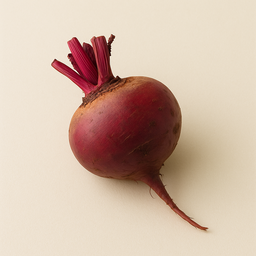 Beetroot
 Omega-3 + nitrates: complementary pathways via prostaglandins and NO pathway
Technical: Herring contains 1.7g omega-3 per 100g that influence prostaglandin modulation. Beets contain nitrates that are converted by oral bacteria into nitric oxide (NO), stimulating vasodilation. Together they reach blood vessels via two complementary biochemical pathways: prostaglandin cascade (omega-3) and NO pathway (nitrates).
What does this mean for you? Combine herring with beet salad or grated beets. This is a traditional Eastern European combination that combines two bioactive pathways. Tip: chew well to promote NO production from nitrates.
Herring 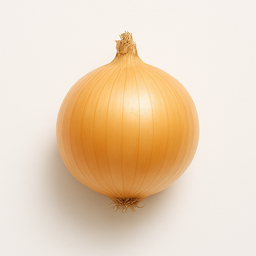 Onion
Onion Traditional Dutch synergy - omega-3 + prebiotics
Technical: Herring contains 1.7g EPA/DHA omega-3 per 100g that are converted to resolvins. Raw onion contains inulin (4.3g per 100g) — a prebiotic that feeds Bifidobacteria and Lactobacillus, which produce short-chain fatty acids (SCFAs) supporting omega-3 metabolism in the gut. Onion also contains quercetin (20-40mg per 100g), an antioxidant that keeps omega-3 fatty acids stable.
What does this mean for you? Dutch herring with raw onions isn't just tradition — the raw onion helps protect the omega-3 in the herring from oxidation and feeds your gut flora. Eat the onion raw (not fried) for maximum prebiotic and antioxidant effect.
Herring 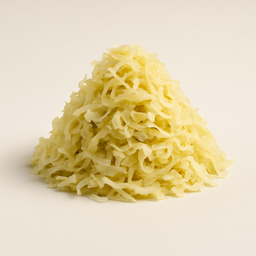 Sauerkraut
 Omega-3 + probiotics + prebiotics: synbiotic combination
Technical: Herring contains 1.7g omega-3 per 100g plus vitamin D (216 IU). Sauerkraut contains live Lactobacillus strains (probiotics, up to 10⁸ CFU/ml) that support gut flora, plus prebiotic fibers serving as food for these bacteria. This makes it a synbiotic combination. The short-chain fatty acids (SCFAs) produced by gut bacteria facilitate omega-3 metabolism. Omega-3, probiotics and SCFAs influence the gut environment via three complementary biochemical pathways.
What does this mean for you? The traditional combination of herring with sauerkraut is a synbiotic trio: omega-3 from the herring, live bacteria from the sauerkraut, and fibers feeding those bacteria. Use raw (unpasteurized) sauerkraut for maximum probiotics.
Recipes with Herring
Discover delicious recipes featuring herring:
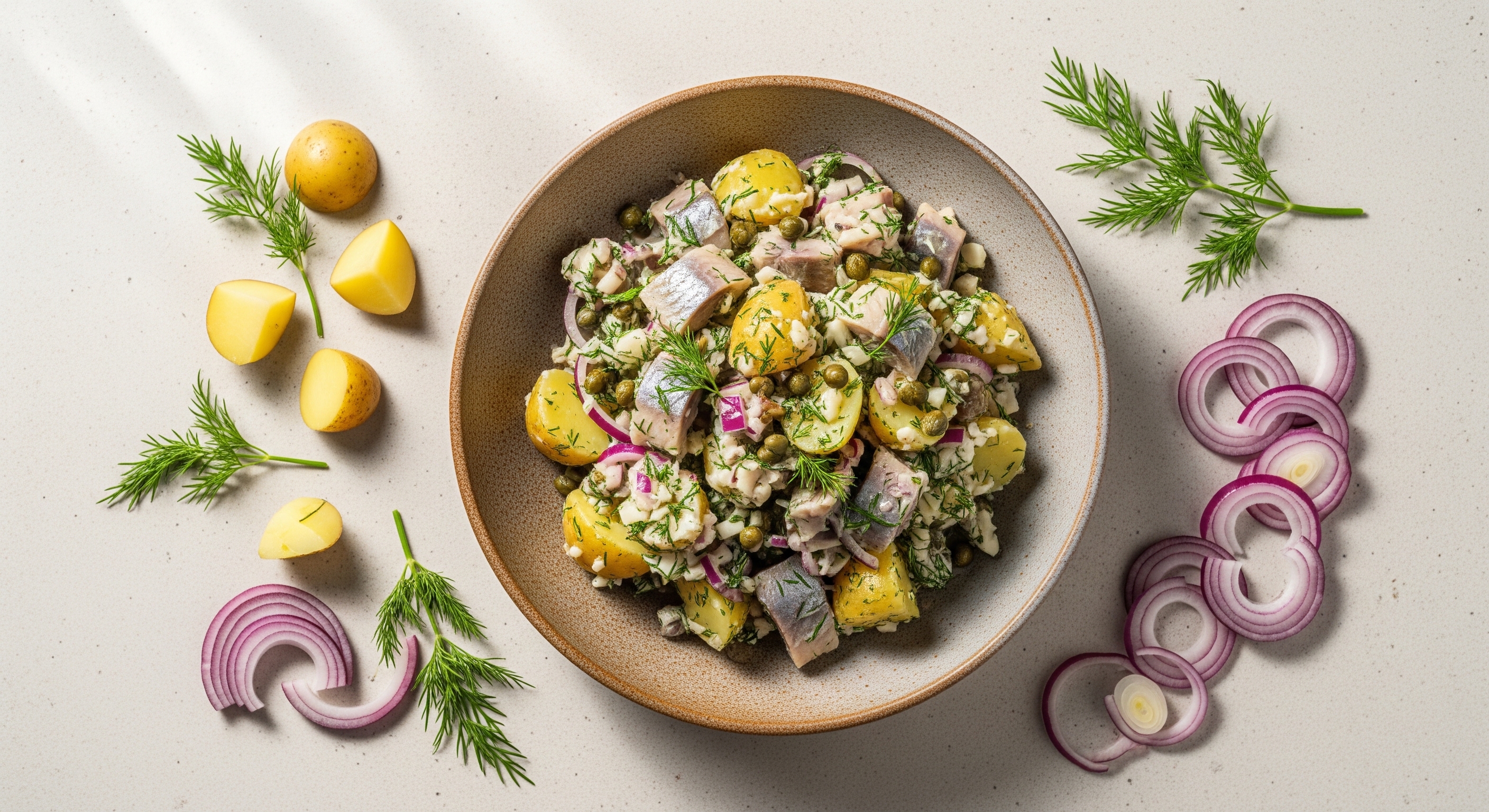 Herring Potato Salad with Dill and Capers 35 min Dutch potato salad with matjes herring, fresh dill and briny capers
  520 kcal
  28g protein 2 synergies
  Scandinavian Herring with Rye Bread 25 min Open rye sandwich with herring, egg, dill and mustard cream 610 kcal 36g protein 2 synergies
  In the Kitchen
Storage
Location:Refrigerator
Shelf life:1-2 dagen vers, weken tot maanden gerookt/gemarineerd
Dutch 'Nieuwe' is best eaten the same day or kept well chilled for no more than 1 day. Smoked herring keeps longer in the refrigerator. Matjes herring and other pickled versions should stay in their brine or marinade according to the package.
Preparation
Dutch 'Nieuwe' is eaten raw or lightly brined with onion and pickles. Smoked herring can be served cold or gently warmed. Matjes herring pairs well with potato, sour cream, apple, dill or rye bread; add something acidic to balance the oily character.
Conversions
Substitutes
Smart preparation
1Rinse salted herring and soak it for 12 hours in milk or water.
Why?
Soaking draws out excess salt without losing the characteristic flavor completely.
2Fry fresh herring briefly over high heat, 2-3 minutes per side.
3Remove bones from fresh herring by gently pressing the fish flat.
Caution / Warnings
Herring is very safe, but there are scientific considerations:
Gout Moderate
Herring contains purines, compounds that the body converts into uric acid.
Advice:
With active gout: discuss herring with your doctor or dietitian. With stable gout: keep portions small and follow personalized advice.
Histamine Intolerance Severe
Smoked, marinated and longer-stored herring can contain a lot of histamine.
Advice:
With histamine intolerance: choose only very fresh herring if you tolerate it and avoid smoked or marinated versions.
Traditional use
Other
Herring in Northern European Tradition
For centuries, herring was an important staple food for coastal communities around the North Sea and Baltic Sea. Salting, smoking and pickling kept the fish preserved for longer and made long-distance trade possible.
Summary
Herring is an oily North Sea fish with plenty of creatine, omega-3 fatty acids, vitamin D, vitamin B12 and selenium. Dutch 'Nieuwe' is the best-known Dutch seasonal style; with onion, pickles or rye bread, the flavor stays fresh and classic. With smoked, salted or pickled versions, watch the salt and histamine content.