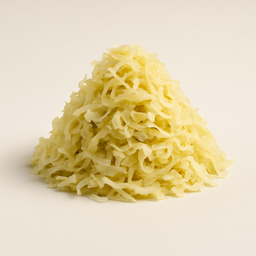
Sauerkraut
The Probiotic Champion
What is this ingredient?
Sauerkraut is white cabbage that has been fermented by lactic acid bacteria. It is one of the oldest ways to preserve vegetables. It was used on ships against scurvy due to its high vitamin C content. During fermentation, the bacteria also produce Vitamin K2, crucial for bone health and preventing arterial calcification.
How does it taste?
Sharp-sour with a crunchy bite and deep, fermented cabbage flavor.
Pairs well with:
Pairs well with sausagepotatocarawayapple and mustard.
Did you know...?
- Sauerkraut was taken by Captain Cook on sea voyages to prevent scurvy.
- Despite the German association, sauerkraut originally comes from China, over 2,000 years ago.
Nutritional Value & Energy
Per 100g
Sauerkraut is low in calories thanks to natural nutrients , buffered by fiber.
Per 100g
Minerals
Vitamins
Omega-3 fatty acids
More nutrients
Trace Minerals
What's in a serving?
1 serving
Sauerkraut naturally contains vitamin c (14.7 mg per 100 g).
Sauerkraut naturally contains vitamin k (13 mcg per 100 g).
% of daily reference intake (DRI)
EU-approved nutrition claims
This ingredient contains nutrients for which EFSA-authorized health claims exist (at nutrient level, not ingredient-specific).
Approved health claims (EU)
Vitamin_c EU 432/2012
Vitamin C contributes to the normal function of the immune system
Contains 14.7mg/100g (threshold: ≥12mg/100g)
Vitamin_c EU 432/2012
Vitamin C contributes to the reduction of tiredness and fatigue
Contains 14.7mg/100g (threshold: ≥12mg/100g)
Vitamin_c EU 432/2012
Vitamin C contributes to normal collagen formation for the normal function of skin
Contains 14.7mg/100g (threshold: ≥12mg/100g)
Vitamin_c EU 432/2012
Vitamin C contributes to normal collagen formation for the normal function of blood vessels
Contains 14.7mg/100g (threshold: ≥12mg/100g)
Vitamin_c EU 432/2012
Vitamin C contributes to normal collagen formation for the normal function of bones
Contains 14.7mg/100g (threshold: ≥12mg/100g)
Vitamin_c EU 432/2012
Vitamin C contributes to normal collagen formation for the normal function of cartilage
Contains 14.7mg/100g (threshold: ≥12mg/100g)
Vitamin_c EU 432/2012
Vitamin C contributes to normal collagen formation for the normal function of gums
Contains 14.7mg/100g (threshold: ≥12mg/100g)
Vitamin_c EU 432/2012
Vitamin C contributes to normal collagen formation for the normal function of teeth
Contains 14.7mg/100g (threshold: ≥12mg/100g)
Vitamin_c EU 432/2012
Vitamin C contributes to normal energy-yielding metabolism
Contains 14.7mg/100g (threshold: ≥12mg/100g)
Vitamin_c EU 432/2012
Vitamin C contributes to normal functioning of the nervous system
Contains 14.7mg/100g (threshold: ≥12mg/100g)
Vitamin_c EU 432/2012
Vitamin C contributes to normal psychological function
Contains 14.7mg/100g (threshold: ≥12mg/100g)
Vitamin_c EU 432/2012
Vitamin C contributes to the protection of cells from oxidative stress
Contains 14.7mg/100g (threshold: ≥12mg/100g)
Vitamin_c EU 432/2012
Vitamin C contributes to the regeneration of the reduced form of vitamin E
Contains 14.7mg/100g (threshold: ≥12mg/100g)
Vitamin_c EU 432/2012
Vitamin C increases iron absorption
Contains 14.7mg/100g (threshold: ≥12mg/100g)
Vitamin_c EU 432/2012
Vitamin C contributes to maintain the normal function of the immune system during and after intense physical exercise
Contains 14.7mg/100g (threshold: ≥12mg/100g)
Vitamin_k EU 432/2012
Vitamin K contributes to normal blood clotting
Contains 13mcg/100g (threshold: ≥11.25mcg/100g)
Vitamin_k EU 432/2012
Vitamin K contributes to the maintenance of normal bones
Contains 13mcg/100g (threshold: ≥11.25mcg/100g)
What's being researched?
Sauerkraut and gut microbiome
Sauerkraut is studied as a source of Lactobacillus strains and their effect on gut flora. Research shows increase of beneficial gut bacteria.
Supported by: [1] Walther (2013)
Sauerkraut and immune function
Probiotic bacteria and vitamin C in sauerkraut are studied for immunomodulatory effects. Evidence is mainly indirect via microbiome studies.
Supported by: [1] Walther (2013)
Good Combinations (Synergy)
Combine sauerkraut smartly to enhance the effect:
Sauerkraut 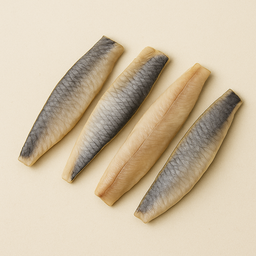 Herring
 Omega-3 + probiotics + prebiotics: synbiotic combination
Technical: Herring contains 1.7g omega-3 per 100g plus vitamin D (216 IU). Sauerkraut contains live Lactobacillus strains (probiotics, up to 10⁸ CFU/ml) that support gut flora, plus prebiotic fibers serving as food for these bacteria. This makes it a synbiotic combination. The short-chain fatty acids (SCFAs) produced by gut bacteria facilitate omega-3 metabolism. Omega-3, probiotics and SCFAs influence the gut environment via three complementary biochemical pathways.
What does this mean for you? The traditional combination of herring with sauerkraut is a synbiotic trio: omega-3 from the herring, live bacteria from the sauerkraut, and fibers feeding those bacteria. Use raw (unpasteurized) sauerkraut for maximum probiotics.
Sauerkraut 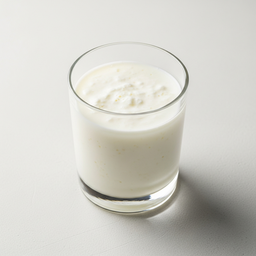 Kefir
Kefir Double probiotic diversity
Technical: Kefir contains 30-50 probiotic strains (bacteria and yeasts), sauerkraut contains different strains (primarily Lactobacillus plantarum and L. brevis). Together they provide maximum microbiome diversity. Diverse bacterial populations produce a broader spectrum of short-chain fatty acids.
What does this mean for you? Eat kefir and sauerkraut on the same day (not necessarily in one bite). Two different probiotic sources give your gut the most diversity — and diversity is the most important characteristic of varied gut flora.
Sauerkraut 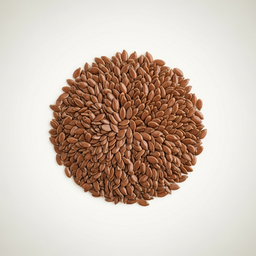 Flaxseed
 Probiotics + Prebiotics = Synbiotics
Technical: Sauerkraut contains live Lactobacillus probiotics (L. plantarum, L. brevis) in high concentrations (up to 10⁸ CFU/g). Flaxseed contains mucilage and soluble fibers that serve as prebiotics — they feed the probiotic bacteria from sauerkraut and extend their survival in the gut by 2-4x. This synbiotic action (pre- + probiotics) enhances each component.
What does this mean for you? Add ground flaxseed to your sauerkraut as a side dish. The flaxseed fibers help the good bacteria from sauerkraut establish themselves better in your gut.
Sauerkraut  Yogurt
 Double probiotic diversity
Technical: Sauerkraut provides Lactobacillus strains (L. plantarum, L. brevis) from vegetable fermentation. Yogurt provides different strains (L. bulgaricus, S. thermophilus) from dairy fermentation. Different strains colonize different niches in the intestinal tract. The more diverse your probiotic intake, the more resilient your microbiome.
What does this mean for you? Eat sauerkraut and yogurt on the same day (not necessarily in the same dish). By regularly eating different fermented foods, you build a more diverse gut environment. Variety is key here.
 In the Kitchen
Storage
Location:Refrigerator
Shelf life:6+ maanden (koelkast, ongeopend), 2 weken (geopend)
Buy RAW sauerkraut from refrigerated section/barrel - pasteurized contains dead bacteria. Keep sauerkraut always submerged in liquid.
Preparation
RAW RULE: Never heat - this kills probiotics. Stir into warm food only at the last moment. Perfect with sausage or mashed dishes.
Conversions
Substitutes
Smart preparation
1Do not rinse sauerkraut; the brine contains a lot of flavor.
2Add raw sauerkraut after cooking to preserve the fermentation cultures.
Why?
Heating above 60 degrees kills the live bacteria cultures.
3Braise sauerkraut low and slow with apple and juniper for a classic side dish.
Caution / Warnings
Sauerkraut is very safe, but there are scientific considerations:
DO NOT Heat (The Raw Rule) Severe
Sauerkraut from a supermarket bag is often pasteurized (heated). The bacteria are then dead
Advice:
Buy raw sauerkraut (from the barrel/refrigerated section) or make it yourself. Don't cook it in the dish, but stir it in raw at the end
Histamine Intolerance Moderate
Fermentation produces histamine
Advice:
People with histamine intolerance may get headaches or rashes from fermented products
Traditional use
Traditional Chinese Medicine
Fermented Cabbage in Chinese Tradition
Fermenting cabbage originated in China, where workers on the Great Wall ate fermented cabbage as early as the 3rd century BCE.
Other
Sauerkraut in European Tradition
Sauerkraut became a staple of Central and Eastern European cuisine and was essential on sea voyages for preventing scurvy.
Summary
Sauerkraut is one of the most widely recognized probiotics you can eat - but only if it's RAW. Pasteurized sauerkraut from the supermarket contains dead bacteria. Buy it fresh from the barrel or refrigerated section, and stir it into your food only at the last moment. This way you get live bacteria AND Vitamin K2 for your bones.