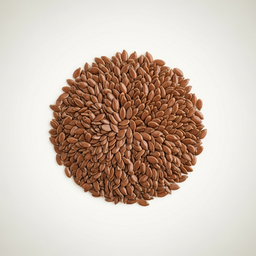
Flaxseed
Plant-based source of ALA omega-3
What is this ingredient?
Flaxseeds are the small, flat seeds of the flax plant (Linum usitatissimum). Flax is one of the world’s oldest cultivated crops: it was first valued for linen fibre and later also as a nutritious kitchen seed. There are two main varieties, brown and golden flaxseed. Nutritionally they are very similar, while golden flaxseed can taste slightly milder. Because whole seeds often pass through undigested, they are best used ground or freshly milled. This makes them easy to add to oatmeal, yogurt, bread dough, crackers and smoothies.
How does it taste?
Mildly nutty with a slightly earthy, grassy flavour.
Pairs well with:
Pairs well with oatmealyogurtbananahoney and cinnamon.
Varieties
Brown flaxseed
The most common variety, with a slightly nuttier taste and a darker colour in bread, muesli and crackers.
Golden flaxseed
A lighter variety with a mild taste, useful when you want flaxseed to look subtler in lighter dishes.
Did you know...?
- Flax, the plant that gives flaxseed, was used by the Egyptians to weave linen for mummy wrappings.
- Charlemagne decreed in the 8th century that flaxseed should have a place in his subjects’ food.
Nutritional Value & Energy
Per 100g
Flaxseed provides energy thanks to natural nutrients , buffered by fiber.
Per 100g
Minerals
Vitamins
Omega-3 fatty acids
More nutrients
B-Vitamins
Trace Minerals
What's in a serving?
1 handful
Flaxseed naturally contains iron (5.73 mg per 100 g).
Flaxseed naturally contains calcium (255 mg per 100 g).
Flaxseed naturally contains zinc (4.34 mg per 100 g).
Flaxseed naturally contains magnesium (392 mg per 100 g).
Flaxseed naturally contains potassium (813 mg per 100 g).
Flaxseed naturally contains selenium (25.4 mcg per 100 g).
Flaxseed naturally contains folate (87 mcg per 100 g).
% of daily reference intake (DRI)
EU-approved nutrition claims
This ingredient contains nutrients for which EFSA-authorized health claims exist (at nutrient level, not ingredient-specific).
Approved health claims (EU)
Magnesium EU 432/2012
Magnesium contributes to normal muscle function
Contains 392mg/100g (threshold: ≥56.25mg/100g)
Magnesium EU 432/2012
Magnesium contributes to the reduction of tiredness and fatigue
Contains 392mg/100g (threshold: ≥56.25mg/100g)
Magnesium EU 432/2012
Magnesium contributes to normal functioning of the nervous system
Contains 392mg/100g (threshold: ≥56.25mg/100g)
Zinc EU 432/2012
Zinc contributes to the normal function of the immune system
Contains 4.34mg/100g (threshold: ≥1.5mg/100g)
Zinc EU 432/2012
Zinc contributes to the maintenance of normal skin
Contains 4.34mg/100g (threshold: ≥1.5mg/100g)
Iron EU 432/2012
Iron contributes to normal energy-yielding metabolism
Contains 5.73mg/100g (threshold: ≥2.1mg/100g)
Iron EU 432/2012
Iron contributes to the reduction of tiredness and fatigue
Contains 5.73mg/100g (threshold: ≥2.1mg/100g)
Calcium EU 432/2012
Calcium is needed for the maintenance of normal bones
Contains 255mg/100g (threshold: ≥120mg/100g)
Potassium EU 432/2012
Potassium contributes to the maintenance of normal blood pressure
Contains 813mg/100g (threshold: ≥300mg/100g)
Folate EU 432/2012
Folate contributes to normal blood formation
Contains 87mcg/100g (threshold: ≥30mcg/100g)
Folate EU 432/2012
Folate contributes to normal amino acid synthesis
Contains 87mcg/100g (threshold: ≥30mcg/100g)
Folate EU 432/2012
Folate contributes to normal homocysteine metabolism
Contains 87mcg/100g (threshold: ≥30mcg/100g)
Folate EU 432/2012
Folate contributes to normal psychological function
Contains 87mcg/100g (threshold: ≥30mcg/100g)
Folate EU 432/2012
Folate contributes to the normal function of the immune system
Contains 87mcg/100g (threshold: ≥30mcg/100g)
Folate EU 432/2012
Folate has a role in the process of cell division
Contains 87mcg/100g (threshold: ≥30mcg/100g)
Folate EU 432/2012
Folate contributes to maternal tissue growth during pregnancy
Contains 87mcg/100g (threshold: ≥30mcg/100g)
Calcium EU 432/2012
Calcium is needed for the maintenance of normal teeth
Contains 255mg/100g (threshold: ≥120mg/100g)
Calcium EU 432/2012
Calcium contributes to normal blood clotting
Contains 255mg/100g (threshold: ≥120mg/100g)
Calcium EU 432/2012
Calcium contributes to normal energy-yielding metabolism
Contains 255mg/100g (threshold: ≥120mg/100g)
Calcium EU 432/2012
Calcium contributes to normal muscle function
Contains 255mg/100g (threshold: ≥120mg/100g)
Calcium EU 432/2012
Calcium contributes to normal neurotransmission
Contains 255mg/100g (threshold: ≥120mg/100g)
Calcium EU 432/2012
Calcium contributes to the normal function of digestive enzymes
Contains 255mg/100g (threshold: ≥120mg/100g)
Calcium EU 432/2012
Calcium has a role in the process of cell division and specialisation
Contains 255mg/100g (threshold: ≥120mg/100g)
Magnesium EU 432/2012
Magnesium contributes to normal energy-yielding metabolism
Contains 392mg/100g (threshold: ≥56.25mg/100g)
Magnesium EU 432/2012
Magnesium contributes to electrolyte balance
Contains 392mg/100g (threshold: ≥56.25mg/100g)
Magnesium EU 432/2012
Magnesium contributes to normal protein synthesis
Contains 392mg/100g (threshold: ≥56.25mg/100g)
Magnesium EU 432/2012
Magnesium contributes to normal psychological function
Contains 392mg/100g (threshold: ≥56.25mg/100g)
Magnesium EU 432/2012
Magnesium contributes to the maintenance of normal bones
Contains 392mg/100g (threshold: ≥56.25mg/100g)
Magnesium EU 432/2012
Magnesium contributes to the maintenance of normal teeth
Contains 392mg/100g (threshold: ≥56.25mg/100g)
Magnesium EU 432/2012
Magnesium has a role in the process of cell division
Contains 392mg/100g (threshold: ≥56.25mg/100g)
Iron EU 432/2012
Iron contributes to normal cognitive function
Contains 5.73mg/100g (threshold: ≥2.1mg/100g)
Iron EU 432/2012
Iron contributes to normal formation of red blood cells and haemoglobin
Contains 5.73mg/100g (threshold: ≥2.1mg/100g)
Iron EU 432/2012
Iron contributes to normal oxygen transport in the body
Contains 5.73mg/100g (threshold: ≥2.1mg/100g)
Iron EU 432/2012
Iron contributes to the normal function of the immune system
Contains 5.73mg/100g (threshold: ≥2.1mg/100g)
Iron EU 432/2012
Iron has a role in the process of cell division
Contains 5.73mg/100g (threshold: ≥2.1mg/100g)
Zinc EU 432/2012
Zinc contributes to normal acid-base metabolism
Contains 4.34mg/100g (threshold: ≥1.5mg/100g)
Zinc EU 432/2012
Zinc contributes to normal carbohydrate metabolism
Contains 4.34mg/100g (threshold: ≥1.5mg/100g)
Zinc EU 432/2012
Zinc contributes to normal cognitive function
Contains 4.34mg/100g (threshold: ≥1.5mg/100g)
Zinc EU 432/2012
Zinc contributes to normal DNA synthesis
Contains 4.34mg/100g (threshold: ≥1.5mg/100g)
Zinc EU 432/2012
Zinc contributes to normal fertility and reproduction
Contains 4.34mg/100g (threshold: ≥1.5mg/100g)
Zinc EU 432/2012
Zinc contributes to normal macronutrient metabolism
Contains 4.34mg/100g (threshold: ≥1.5mg/100g)
Zinc EU 432/2012
Zinc contributes to normal metabolism of fatty acids
Contains 4.34mg/100g (threshold: ≥1.5mg/100g)
Zinc EU 432/2012
Zinc contributes to normal metabolism of vitamin A
Contains 4.34mg/100g (threshold: ≥1.5mg/100g)
Zinc EU 432/2012
Zinc contributes to normal protein synthesis
Contains 4.34mg/100g (threshold: ≥1.5mg/100g)
Zinc EU 432/2012
Zinc contributes to the maintenance of normal bones
Contains 4.34mg/100g (threshold: ≥1.5mg/100g)
Zinc EU 432/2012
Zinc contributes to the maintenance of normal hair
Contains 4.34mg/100g (threshold: ≥1.5mg/100g)
Zinc EU 432/2012
Zinc contributes to the maintenance of normal nails
Contains 4.34mg/100g (threshold: ≥1.5mg/100g)
Zinc EU 432/2012
Zinc contributes to the maintenance of normal testosterone levels in the blood
Contains 4.34mg/100g (threshold: ≥1.5mg/100g)
Zinc EU 432/2012
Zinc contributes to the maintenance of normal vision
Contains 4.34mg/100g (threshold: ≥1.5mg/100g)
Zinc EU 432/2012
Zinc contributes to the protection of cells from oxidative stress
Contains 4.34mg/100g (threshold: ≥1.5mg/100g)
Zinc EU 432/2012
Zinc has a role in the process of cell division
Contains 4.34mg/100g (threshold: ≥1.5mg/100g)
Selenium EU 432/2012
Selenium contributes to the maintenance of normal hair
Contains 25.4mcg/100g (threshold: ≥8.25mcg/100g)
Selenium EU 432/2012
Selenium contributes to the maintenance of normal nails
Contains 25.4mcg/100g (threshold: ≥8.25mcg/100g)
Selenium EU 432/2012
Selenium contributes to the normal function of the immune system
Contains 25.4mcg/100g (threshold: ≥8.25mcg/100g)
Selenium EU 432/2012
Selenium contributes to normal thyroid function
Contains 25.4mcg/100g (threshold: ≥8.25mcg/100g)
Selenium EU 432/2012
Selenium contributes to normal spermatogenesis
Contains 25.4mcg/100g (threshold: ≥8.25mcg/100g)
Selenium EU 432/2012
Selenium contributes to the protection of cells from oxidative stress
Contains 25.4mcg/100g (threshold: ≥8.25mcg/100g)
Potassium EU 432/2012
Potassium contributes to normal functioning of the nervous system
Contains 813mg/100g (threshold: ≥300mg/100g)
Potassium EU 432/2012
Potassium contributes to normal muscle function
Contains 813mg/100g (threshold: ≥300mg/100g)
Comparison
vsspinazie
Flaxseed contains about 2× more iron per 100 g than spinach.
vsmelk
Flaxseed contains about 2× more calcium per 100 g than milk.
vsbanaan
Flaxseed contains about 2× more potassium per 100 g than banana.
What's being researched?
Flaxseed and blood pressure values
Flaxseed has been studied in research on cardiovascular risk markers, including blood pressure measurements and dietary patterns with ground flaxseed. The results are discussed in the literature at population and intervention level, without replacing ingredient-specific health advice.
Supported by: [1] Rodriguez-Leyva (2010) , [3] Rodriguez-Leyva (2013)
Flaxseed lignans and oxidative-stress markers
The lignan secoisolariciresinol diglucoside (SDG) in flaxseed is studied in nutrition research on polyphenols, gut microbiota and oxidative-stress markers. Gut bacteria can convert SDG into enterolactone, a compound often measured in observational and intervention studies.
Supported by: [1] Rodriguez-Leyva (2010) , [2] Lowcock (2013)
Good Combinations (Synergy)
Combine flaxseed smartly to enhance the effect:
Flaxseed 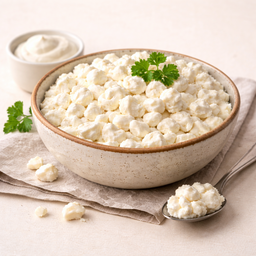 Cottage Cheese
 Casein + omega-3 ALA for optimal protein-fat balance
Technical: Cottage cheese provides high-quality casein protein with all essential amino acids. Flaxseed adds ALA (alpha-linolenic acid, omega-3). The combination of slow protein + healthy fats + flaxseed fiber maximizes satiety.
What does this mean for you? Add flaxseed to your cottage cheese — the fiber and omega-3 make it a complete, satisfying meal.
Flaxseed 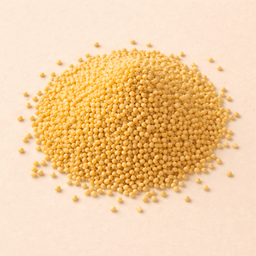 Millet
 Magnesium for nervous system + omega-3 for eicosanoid metabolism
Magnesium modulates NMDA receptors and GABA signaling, omega-3 ALA reduces neuroinflammation (PMID: 28445426)
Technical: Millet contains 114mg magnesium per 100g — essential as cofactor for NMDA receptor regulation and GABA production in the nervous system. Flaxseed provides 22.8g omega-3 ALA per 100g that systemically modulates eicosanoid metabolism. Together they offer complementary support: neural (magnesium) and systemic (omega-3).
What does this mean for you? Millet porridge with ground flaxseed combines two nutritional powerhouses. The magnesium from the millet + the omega-3 from the flaxseed work complementarily at different levels.
Flaxseed 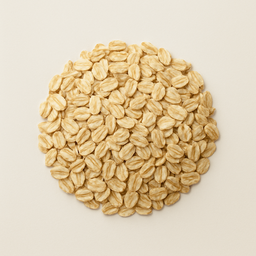 Oatmeal
 Beta-glucans + omega-3 for lipid profile support
Beta-glucans lower LDL cholesterol by 5-10% (PMID: 21631511)
Technical: Oatmeal contains 4g beta-glucans per 100g that bind bile acids in the gut. Flaxseed provides 23g ALA omega-3 per 100g. Together they offer dual lipid profile support via two independent biochemical pathways: bile acid binding + omega-3 fatty acid metabolism.
What does this mean for you? Oatmeal with ground flaxseed is a powerful breakfast. Two ingredients that both support your lipid profile through different mechanisms. Use ground flaxseed (whole flaxseed passes undigested).
Flaxseed 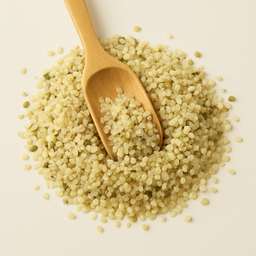 Hemp Seeds
 Complementary omega-3 profiles for a more favorable fatty acid balance
Technical: Hemp seeds have an ideal omega-6:3 ratio of 3:1 (gamma-linolenic acid + alpha-linolenic acid). Chia seeds and flaxseed are particularly rich in ALA omega-3. Combined, the total fatty acid balance shifts toward a more favorable profile. This is relevant because the modern diet often has a 15:1 to 20:1 omega-6:3 ratio — much higher than the recommended 4:1 or lower.
What does this mean for you? Sprinkle hemp seeds together with chia seeds or flaxseed over your oatmeal or salads. The combination brings the fatty acid balance closer to recommended ratios — beneficial for heart and blood vessels.
Flaxseed  Olive Oil
 ALA omega-3 + oleic acid: complementary fatty acids for heart and brain
Technical: Flaxseed contains 23g ALA (omega-3) per 100g. Olive oil contains 73% oleic acid (omega-9) with proven cardiovascular benefits. ALA is partly converted to EPA/DHA, while oleic acid lowers LDL. Together they offer complementary lipid modulation.
What does this mean for you? Add ground flaxseed to salads with olive oil dressing, or mix into pesto. Two fatty acid sources that protect your heart through different routes.
Flaxseed  Yogurt
 Proteins and fats complement each other for long-lasting satiety
Technical: Yogurt contains live probiotics (Lactobacillus, Bifidobacterium) that strengthen gut flora. Flaxseed contains prebiotic mucilage fibers and lignans that serve as food for these bacteria. This synbiotic effect — pre- and probiotics together — increases colonization of beneficial gut bacteria and production of short-chain fatty acids (butyrate).
What does this mean for you? Stir ground flaxseed into your yogurt. The yogurt plants good bacteria, the flaxseed feeds them — your gut gets both the soldiers and the fuel.
Flaxseed 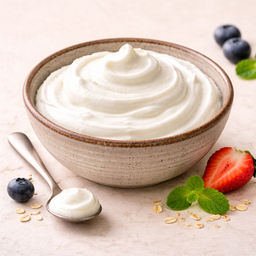 Skyr
Skyr High-quality casein protein + omega-3 ALA for recovery
Technical: Skyr contains 10-11% protein (3-4x more than yogurt) with PDCAAS 1.0. Casein digests over 6-8 hours → slow amino acid release ideal for muscle recovery. Flaxseed provides 20g ALA (alpha-linolenic acid, omega-3) per 100g — the highest plant source. ALA is partially converted to EPA/DHA (5-10% conversion) producing resolvins. Casein slows ALA absorption, keeping it available longer for conversion.
What does this mean for you? Skyr with ground flaxseed after training is a powerful recovery meal. The slow protein contributes to muscle recovery for hours, the omega-3 provides bioactive fatty acids. Plant-based alternative to fish omega-3.
Flaxseed  Spinach
 ALA omega-3 + iron and folate: essential nutrients
Technical: Spinach provides iron (2.7mg/100g) — iron contributes to normal cognitive function (EFSA-approved) — and folate (194μg/100g). Flaxseed contains 23g ALA omega-3 per 100g supporting neuronal membranes. Omega-3 fatty acids also modulate gut permeability which can influence iron absorption.
What does this mean for you? Add ground flaxseed to spinach smoothies or salads. Iron contributes to normal cognitive function, ALA omega-3 is essential for cell membranes. Use ground flaxseed — whole seeds pass through undigested.
Flaxseed 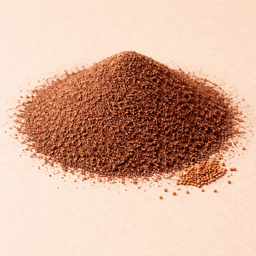 Teff Flour
 Complementary bioactive action via resistant starch and omega-3
Butyrate from resistant starch reduces gut inflammation, omega-3 ALA reduces systemic inflammation
Technical: Teff contains resistant starch fermented to butyrate, a short-chain fatty acid in the gut. Flaxseed provides omega-3 ALA (22.8g/100g) that systemically influences eicosanoid metabolism. Together they work bioactively at different levels: local (gut via butyrate) and systemic (omega-3 fatty acids).
What does this mean for you? Teff pancakes with ground flaxseed — the combination provides both prebiotic fiber and omega-3. Both ingredients are nutritional powerhouses in their category.
Flaxseed  Sauerkraut
 Probiotics + Prebiotics = Synbiotics
Technical: Sauerkraut contains live Lactobacillus probiotics (L. plantarum, L. brevis) in high concentrations (up to 10⁸ CFU/g). Flaxseed contains mucilage and soluble fibers that serve as prebiotics — they feed the probiotic bacteria from sauerkraut and extend their survival in the gut by 2-4x. This synbiotic action (pre- + probiotics) enhances each component.
What does this mean for you? Add ground flaxseed to your sauerkraut as a side dish. The flaxseed fibers help the good bacteria from sauerkraut establish themselves better in your gut.
Recipes with Flaxseed
Discover delicious recipes featuring flaxseed:
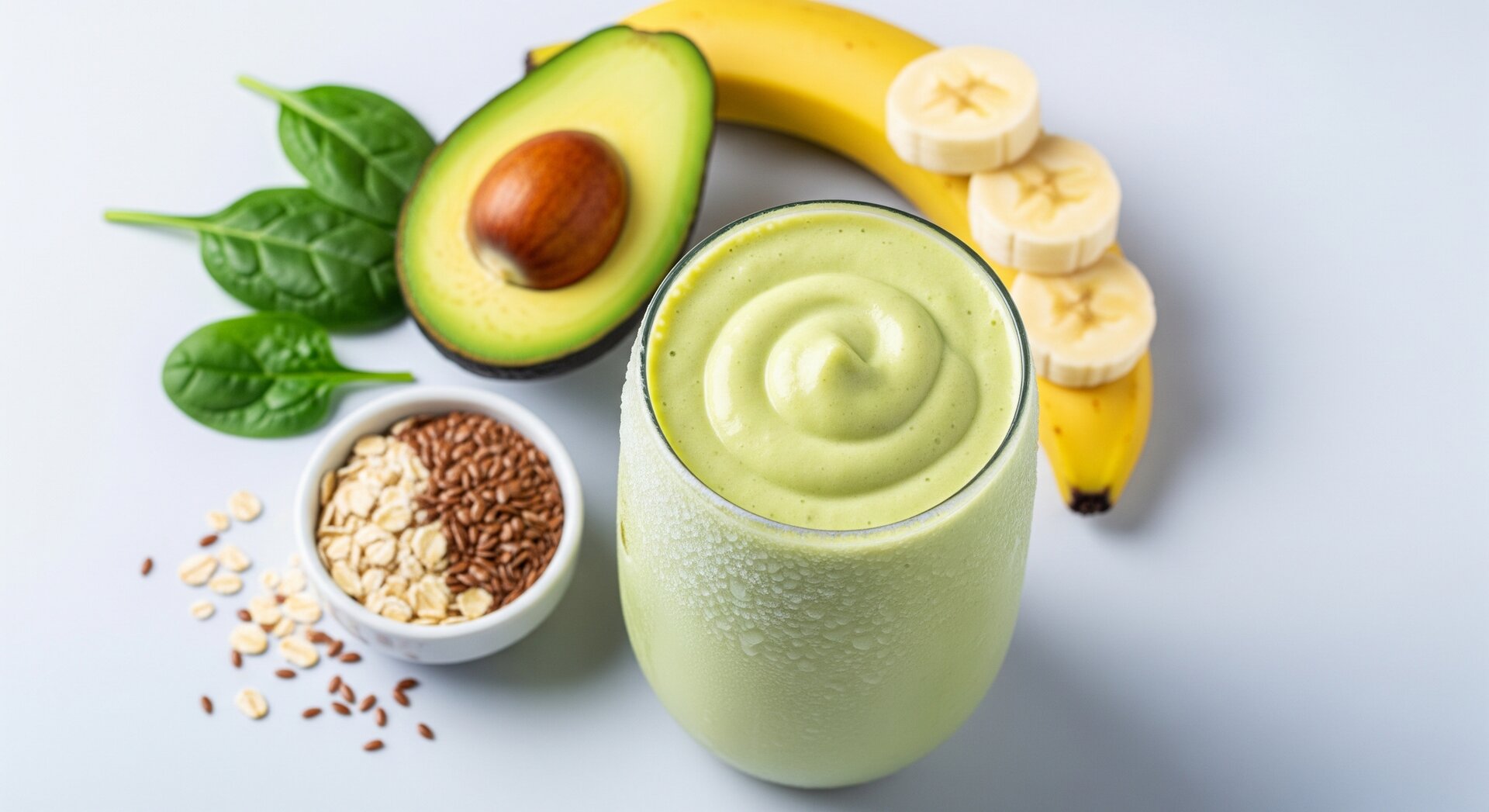 Avocado Spinach Muscle Builder Shake 5 min Creamy green shake with 650 calories for post-workout
  546 kcal
  28g protein 1 synergies
 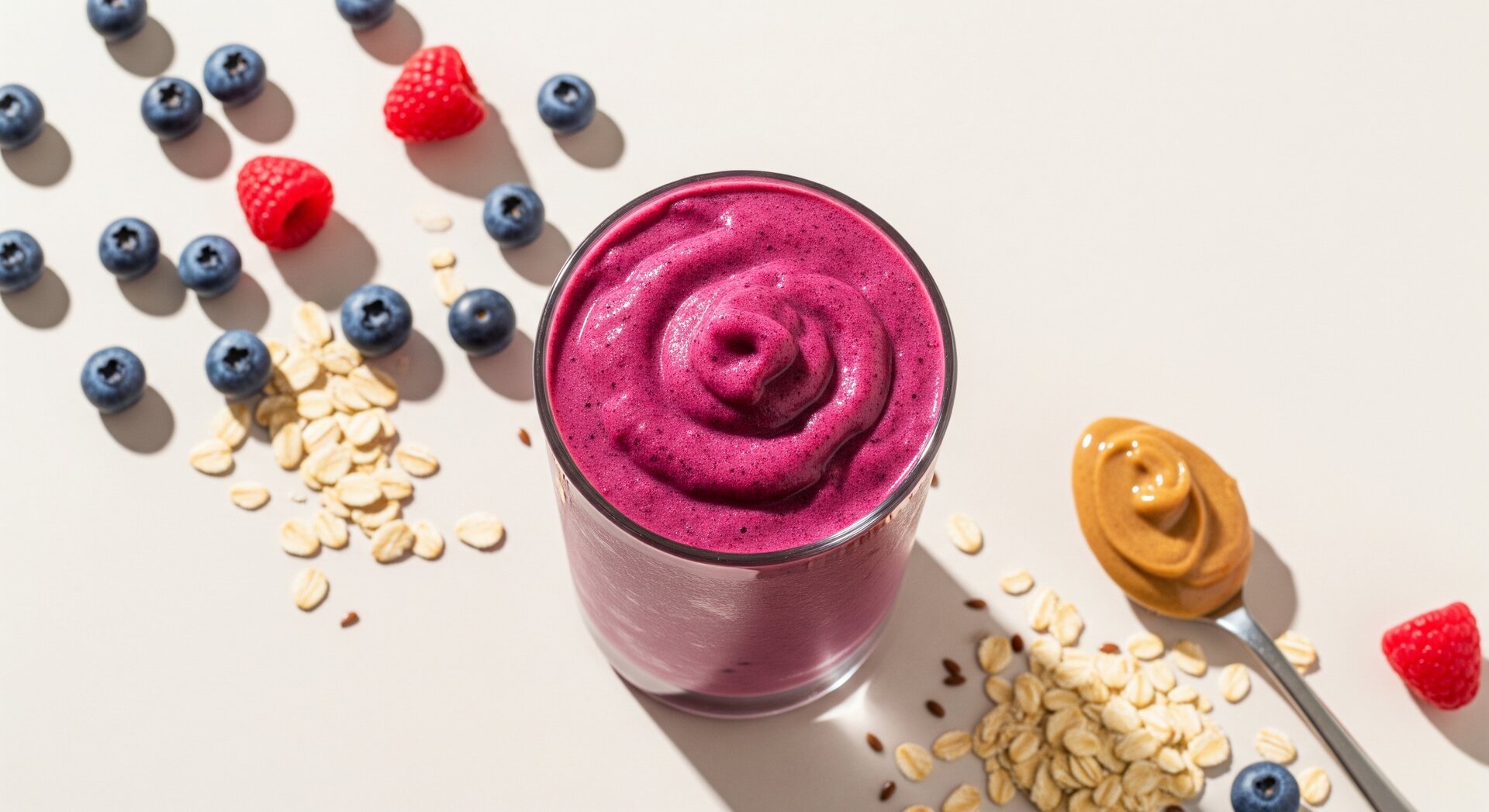 Berry-Oat Shake 5 min Hearty shake with blueberries, raspberries and flaxseed 953 kcal 45g protein 2 synergies
 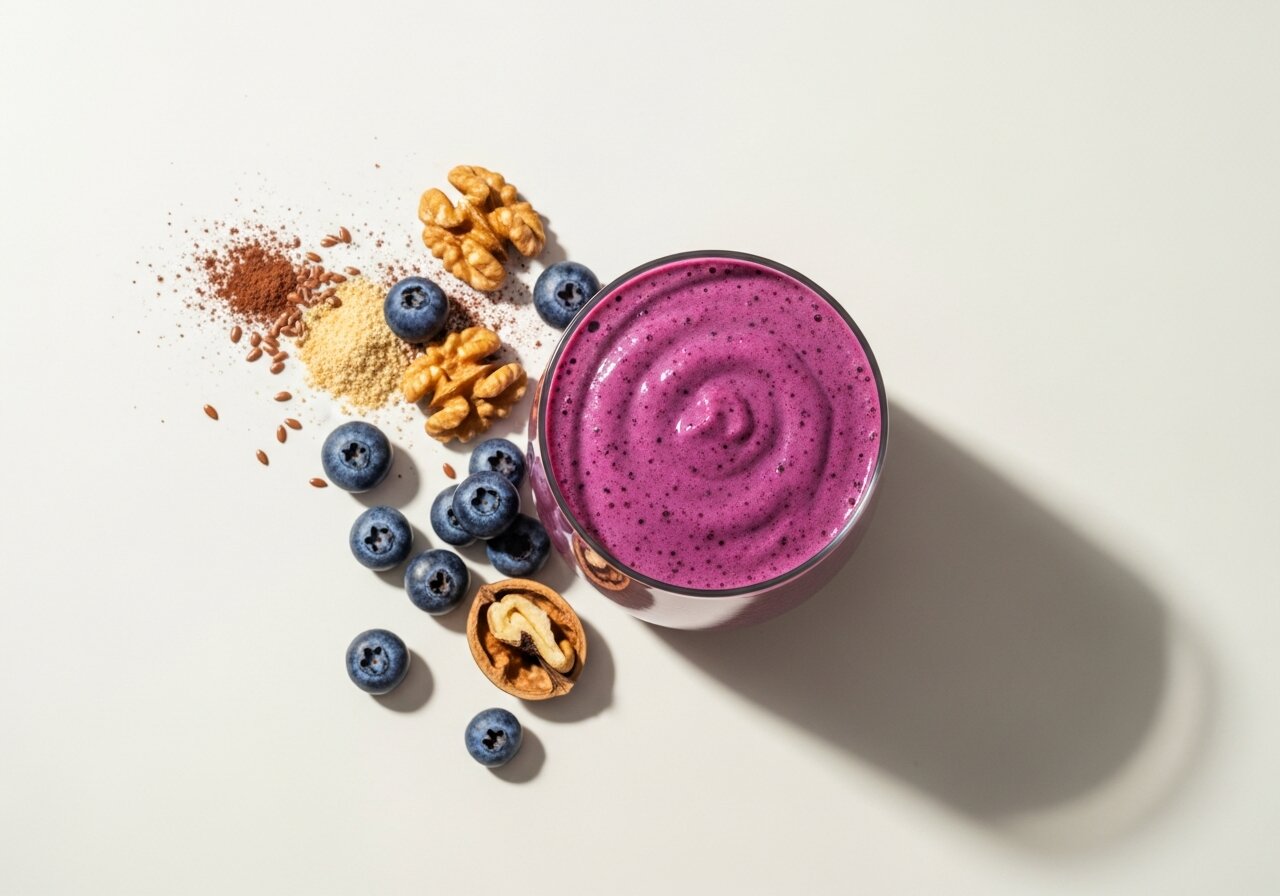 Blueberry Walnut Smoothie 3 min Creamy smoothie with blueberries, walnuts and flaxseed 350 kcal 8g protein 1 synergies
 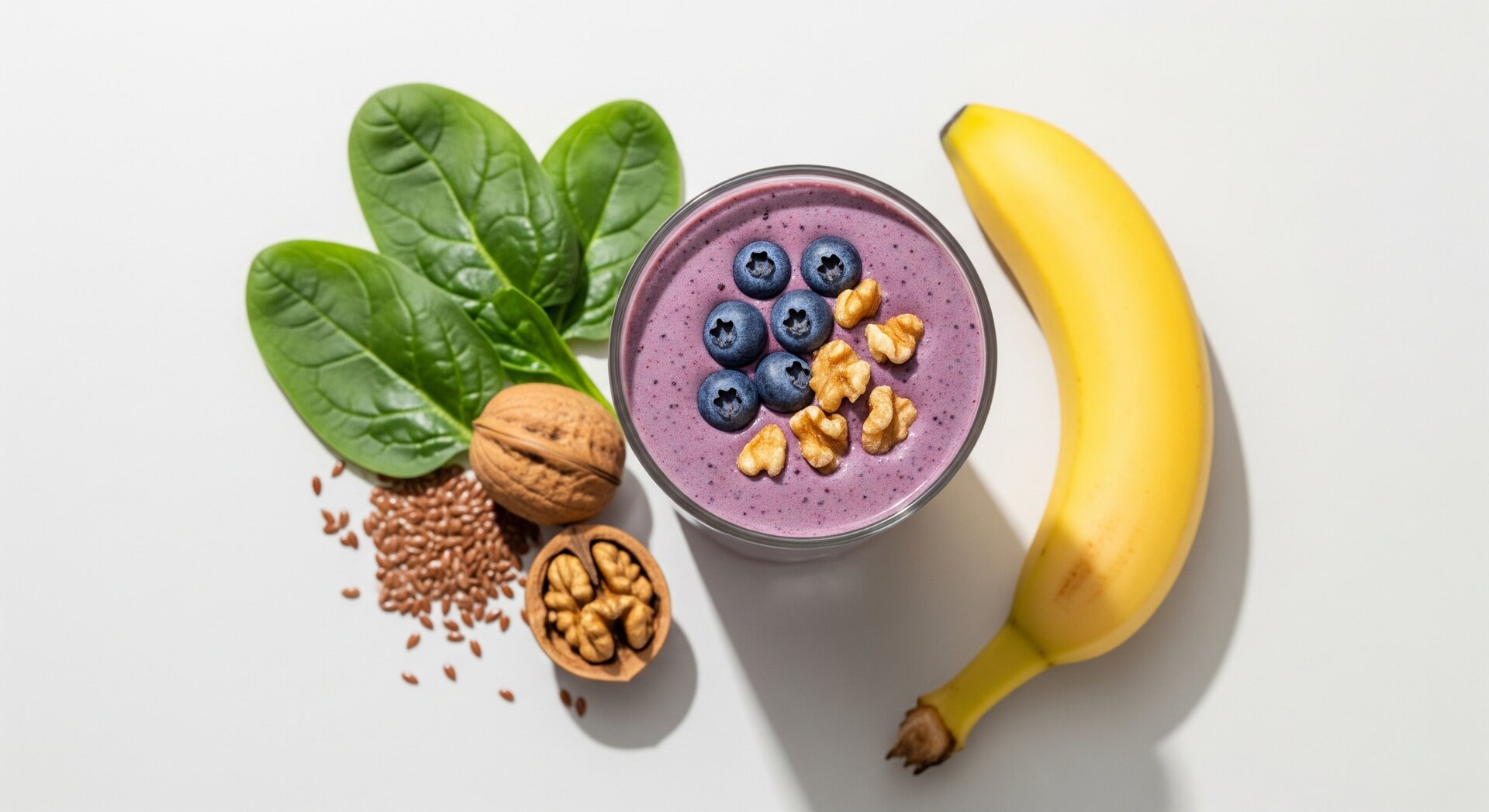 Blueberry Walnut Smoothie 5 min Fruity smoothie with blueberries, walnuts, spinach and flaxseed 359 kcal 19g protein 1 synergies
  Kale Tofu Curry with Ginger 40 min Creamy curry with crisp tofu and coconut 365 kcal 16g protein 3 synergies
  Cottage Cheese Bowl with Peach and Pecans 5 min Creamy morning bowl with fruit and cinnamon 450 kcal 28g protein 2 synergies
  In the Kitchen
Storage
Location:Refrigerator
Shelf life:1 jaar (heel, koelkast), 1 week (gemalen, koelkast)
GRIND RULE: whole flaxseed often stays intact during digestion. Grind it just before use or choose ground flaxseed. Store it dark, cool and airtight.
Preparation
Use 1–2 tablespoons per day in oatmeal, yogurt, smoothies or bread dough. Drink enough water, because the fibre absorbs liquid. Preferably take it 1–2 hours apart from oral medication.
Conversions
Substitutes
Smart preparation
1Grind flaxseed just before use in a coffee grinder.
Why?
Whole flaxseed often passes through undigested; ground flaxseed releases its nutrients better.
2Use ground flaxseed as an egg substitute: 1 tablespoon flaxseed with 3 tablespoons water.
Why?
After about 5 minutes it forms a gel-like texture that helps bind pancakes, muffins and cookies.
3Store ground flaxseed in the refrigerator or freezer, not for long periods at room temperature.
Why?
Ground flaxseed reacts quickly with air and light; cold, dark storage keeps its taste and smell fresh for longer.
Caution / Warnings
Flaxseed is very safe, but there are scientific considerations:
Oxidation and rancidity Severe
The fats in ground or cracked flaxseed react quickly with air, light and heat. Rancid flaxseed smells sharp or paint-like and tastes bitter.
Advice:
Store ground flaxseed dark, cool and airtight, preferably in the refrigerator or freezer. If it smells sharp or tastes bitter, do not use it anymore.
Cyanogenic glycosides Moderate
Raw flaxseed contains natural plant compounds that may form unwanted breakdown products when eaten raw in very large amounts.
Advice:
Use flaxseed in normal kitchen portions, for example 1–2 tablespoons per day. Do not eat whole cups of raw flaxseed; baking or heating reduces these compounds.
Timing around oral medication Moderate
Flaxseed forms a gel-like mass with liquid. This can change the pace at which oral medication moves through the stomach and intestines.
Advice:
Take flaxseed preferably 1–2 hours apart from oral medication, especially when timing matters for the medicine. Ask for personal advice if unsure.
Whole seeds and absorption Severe
Whole flaxseeds have a firm outer layer. As a result, they can pass through the body largely undigested.
Advice:
Grind whole seeds just before use or buy ground flaxseed. This helps it mix better into dishes and makes the nutrients more available.
Traditional use
Other
Flaxseed in ancient civilizations
Flaxseed was cultivated in ancient Egypt and Babylonia. Flax provided fibre for linen, and the seeds found a place in historical eating habits and farming traditions.
Ayurveda
Flaxseed in Ayurveda
In Ayurvedic culinary traditions, flaxseed, often called atasi, is known as a warming seed. It is used in simple preparations with grains, porridge and warm drinks.
Summary
Flaxseed is an affordable seed with plenty of fibre, ALA omega-3 and lignans. It is most practical when ground or cracked, because whole seeds often remain undigested. Store ground flaxseed cool, dark and airtight, and drink enough water with it. One to two tablespoons per day in oatmeal, yogurt, smoothies or bread dough is a simple kitchen portion.