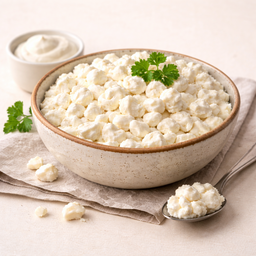
Cottage Cheese
Light and protein-rich dairy product
What is this ingredient?
Cottage cheese is made by coagulating milk with acid (e.g. vinegar, lemon juice) or rennet, causing casein proteins to form clumps (curds). Whey is drained, curds rinsed with water (removes lactose and acid), and optionally mixed with cream for creaminess. Result is fresh cheese with grainy texture, very high protein (11-13g/100g), low in fat (1-4% variants) and calories (~80-120 kcal/100g). Casein forms gel in stomach → very slow digestion (7-8 hours), gradual amino acid release. Ideal for muscle building, weight loss (high satiety) and overnight recovery. Also rich in selenium (20-30µg/100g, 30-40% RDA) — essential for thyroid function and antioxidant enzymes. Popular with bodybuilders as 'slow-release' protein for anti-catabolic effects during sleep.
How does it taste?
Mild, fresh and slightly tangy with a soft, grainy texture.
Pairs well with:
Pairs well with tomatocucumberdillhoney and flaxseed.
Did you know...?
- Cottage cheese gets its name from being traditionally made in farmhouse cottages.
- Cottage cheese is one of the oldest cheese types and was already made in ancient Mesopotamia.
Nutritional Value & Energy
Per 100g
Cottage Cheese provides energy thanks to natural nutrients .
Per 100g
Minerals
Vitamins
Omega-3 fatty acids
More nutrients
B-Vitamins
Trace Minerals
What's in a serving?
1 serving
Cottage Cheese naturally contains selenium (9 mcg per 100 g).
Cottage Cheese naturally contains vitamin b12 (0.43 mcg per 100 g).
Cottage Cheese naturally contains iodine (26 mcg per 100 g).
% of daily reference intake (DRI)
EU-approved nutrition claims
This ingredient contains nutrients for which EFSA-authorized health claims exist (at nutrient level, not ingredient-specific).
Approved health claims (EU)
Vitamin_b12 EU 432/2012
Vitamin B12 contributes to the normal function of the immune system
Contains 0.43mcg/100g (threshold: ≥0.375mcg/100g)
Vitamin_b12 EU 432/2012
Vitamin B12 contributes to the reduction of tiredness and fatigue
Contains 0.43mcg/100g (threshold: ≥0.375mcg/100g)
Vitamin_b12 EU 432/2012
Vitamin B12 contributes to the normal functioning of the nervous system
Contains 0.43mcg/100g (threshold: ≥0.375mcg/100g)
Vitamin_b12 EU 432/2012
Vitamin B12 contributes to normal energy-yielding metabolism
Contains 0.43mcg/100g (threshold: ≥0.375mcg/100g)
Vitamin_b12 EU 432/2012
Vitamin B12 contributes to normal homocysteine metabolism
Contains 0.43mcg/100g (threshold: ≥0.375mcg/100g)
Vitamin_b12 EU 432/2012
Vitamin B12 contributes to normal psychological function
Contains 0.43mcg/100g (threshold: ≥0.375mcg/100g)
Vitamin_b12 EU 432/2012
Vitamin B12 contributes to normal red blood cell formation
Contains 0.43mcg/100g (threshold: ≥0.375mcg/100g)
Vitamin_b12 EU 432/2012
Vitamin B12 has a role in the process of cell division
Contains 0.43mcg/100g (threshold: ≥0.375mcg/100g)
Selenium EU 432/2012
Selenium contributes to the maintenance of normal hair
Contains 9mcg/100g (threshold: ≥8.25mcg/100g)
Selenium EU 432/2012
Selenium contributes to the maintenance of normal nails
Contains 9mcg/100g (threshold: ≥8.25mcg/100g)
Selenium EU 432/2012
Selenium contributes to the normal function of the immune system
Contains 9mcg/100g (threshold: ≥8.25mcg/100g)
Selenium EU 432/2012
Selenium contributes to normal thyroid function
Contains 9mcg/100g (threshold: ≥8.25mcg/100g)
Selenium EU 432/2012
Selenium contributes to normal spermatogenesis
Contains 9mcg/100g (threshold: ≥8.25mcg/100g)
Selenium EU 432/2012
Selenium contributes to the protection of cells from oxidative stress
Contains 9mcg/100g (threshold: ≥8.25mcg/100g)
Iodine EU 432/2012
Iodine contributes to normal cognitive function
Contains 26mcg/100g (threshold: ≥22.5mcg/100g)
Iodine EU 432/2012
Iodine contributes to normal energy-yielding metabolism
Contains 26mcg/100g (threshold: ≥22.5mcg/100g)
Iodine EU 432/2012
Iodine contributes to normal functioning of the nervous system
Contains 26mcg/100g (threshold: ≥22.5mcg/100g)
Iodine EU 432/2012
Iodine contributes to the maintenance of normal skin
Contains 26mcg/100g (threshold: ≥22.5mcg/100g)
Iodine EU 432/2012
Iodine contributes to the normal production of thyroid hormones and normal thyroid function
Contains 26mcg/100g (threshold: ≥22.5mcg/100g)
Iodine EU 432/2012
Iodine contributes to the normal growth of children
Contains 26mcg/100g (threshold: ≥22.5mcg/100g)
What's being researched?
Cottage cheese and muscle protein synthesis
The casein content of cottage cheese and its effects on overnight muscle protein synthesis are being studied. Studies show casein as a slow-digesting protein may support protein balance overnight.
Supported by: [4] Dalgaard LB (2024) , [3] Zhang H (2025) , [6] Shulhai AM (2024)
Good Combinations (Synergy)
Combine cottage cheese smartly to enhance the effect:
Cottage Cheese 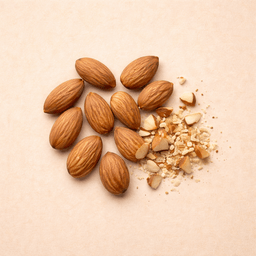 Almonds
 Slow casein + healthy fats for overnight recovery and muscle growth
Technical: Cottage cheese contains 80% casein — a protein that digests slowly over 6-8 hours continuously releasing amino acids. Nuts add healthy fats that further slow digestion, plus magnesium (270mg/100g in almonds). Magnesium contributes to the reduction of tiredness and fatigue (EFSA). This provides continuous amino acid release: your muscles are fed throughout the night.
What does this mean for you? Eat cottage cheese with a handful of almonds or walnuts before bed. The protein feeds your muscles all night, the magnesium contributes to reducing tiredness.
Cottage Cheese 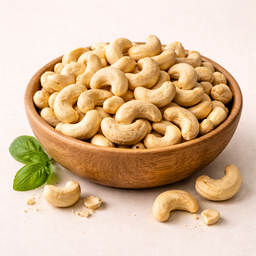 Cashew nuts
 Slow casein + healthy fats for overnight recovery and muscle growth
Technical: Cottage cheese contains 80% casein — a protein that digests slowly over 6-8 hours continuously releasing amino acids. Nuts add healthy fats that further slow digestion, plus magnesium (270mg/100g in almonds). Magnesium contributes to the reduction of tiredness and fatigue (EFSA). This provides continuous amino acid release: your muscles are fed throughout the night.
What does this mean for you? Eat cottage cheese with a handful of almonds or walnuts before bed. The protein feeds your muscles all night, the magnesium contributes to reducing tiredness.
Cottage Cheese 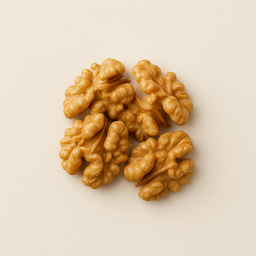 Walnuts
 Slow casein + healthy fats for overnight recovery and muscle growth
Technical: Cottage cheese contains 80% casein — a protein that digests slowly over 6-8 hours continuously releasing amino acids. Nuts add healthy fats that further slow digestion, plus magnesium (270mg/100g in almonds). Magnesium contributes to the reduction of tiredness and fatigue (EFSA). This provides continuous amino acid release: your muscles are fed throughout the night.
What does this mean for you? Eat cottage cheese with a handful of almonds or walnuts before bed. The protein feeds your muscles all night, the magnesium contributes to reducing tiredness.
Cottage Cheese  Pineapple
 Bromelain from pineapple improves protein digestion of cottage cheese
Technical: Cottage cheese contains 11g protein per 100g, of which 80% is casein that digests slowly. Pineapple contains bromelain (80-100mg/100g), a proteolytic enzyme that breaks down protein and speeds amino acid absorption. Bromelain is the only plant enzyme that remains active at stomach pH and can effectively cleave casein.
What does this mean for you? Combine cottage cheese with fresh pineapple chunks. The pineapple helps your body digest and absorb the protein from cottage cheese faster — a tasty combination with biochemical added value.
Cottage Cheese 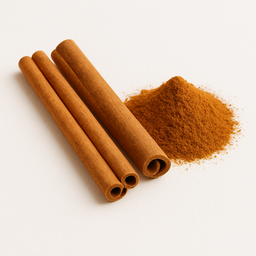 Cinnamon
 Casein protein + cinnamaldehyde for stable blood sugar and satiety
Technical: Cottage cheese's casein is a slow-digesting protein that gradually releases amino acids. Cinnamon's cinnamaldehyde activates AMPK and influences insulin signaling. Together they modulate glycemic response via protein delay and AMPK activation.
What does this mean for you? Cottage cheese with cinnamon for breakfast keeps you satisfied for hours and your blood sugar stable — a smart combination for a balanced start to the day.
Cottage Cheese 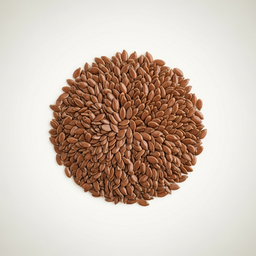 Flaxseed
 Casein + omega-3 ALA for optimal protein-fat balance
Technical: Cottage cheese provides high-quality casein protein with all essential amino acids. Flaxseed adds ALA (alpha-linolenic acid, omega-3). The combination of slow protein + healthy fats + flaxseed fiber maximizes satiety.
What does this mean for you? Add flaxseed to your cottage cheese — the fiber and omega-3 make it a complete, satisfying meal.
Recipes with Cottage Cheese
Discover delicious recipes featuring cottage cheese:
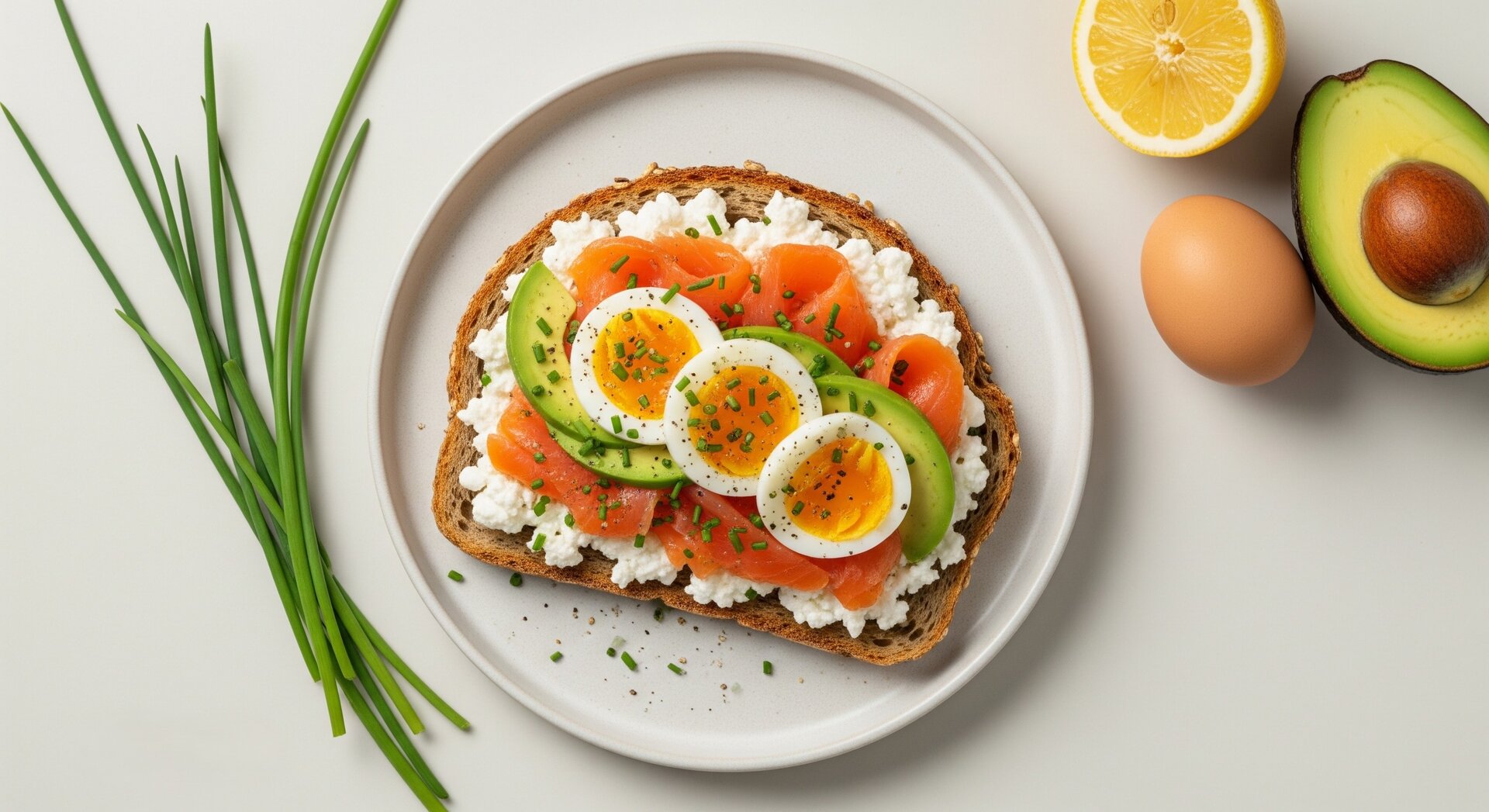 Belgian Open Sandwich with Salmon, Egg and Cottage Cheese 25 min Generously topped open sandwich with three protein sources
  492 kcal
  35g protein 1 synergies
 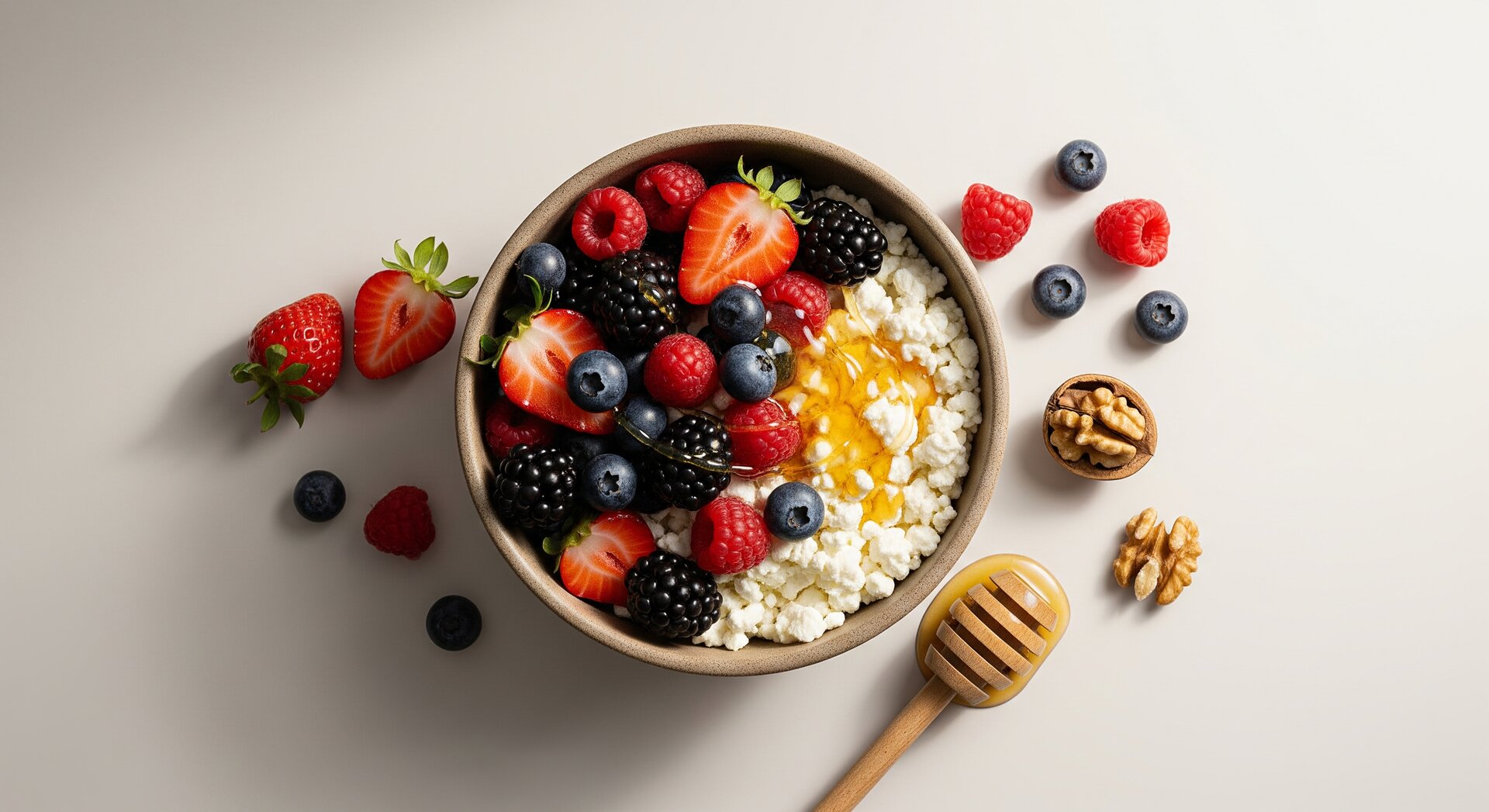 Cottage Cheese Berry Bowl 5 min Creamy berry bowl with nutty crunch 510 kcal 33g protein 2 synergies
 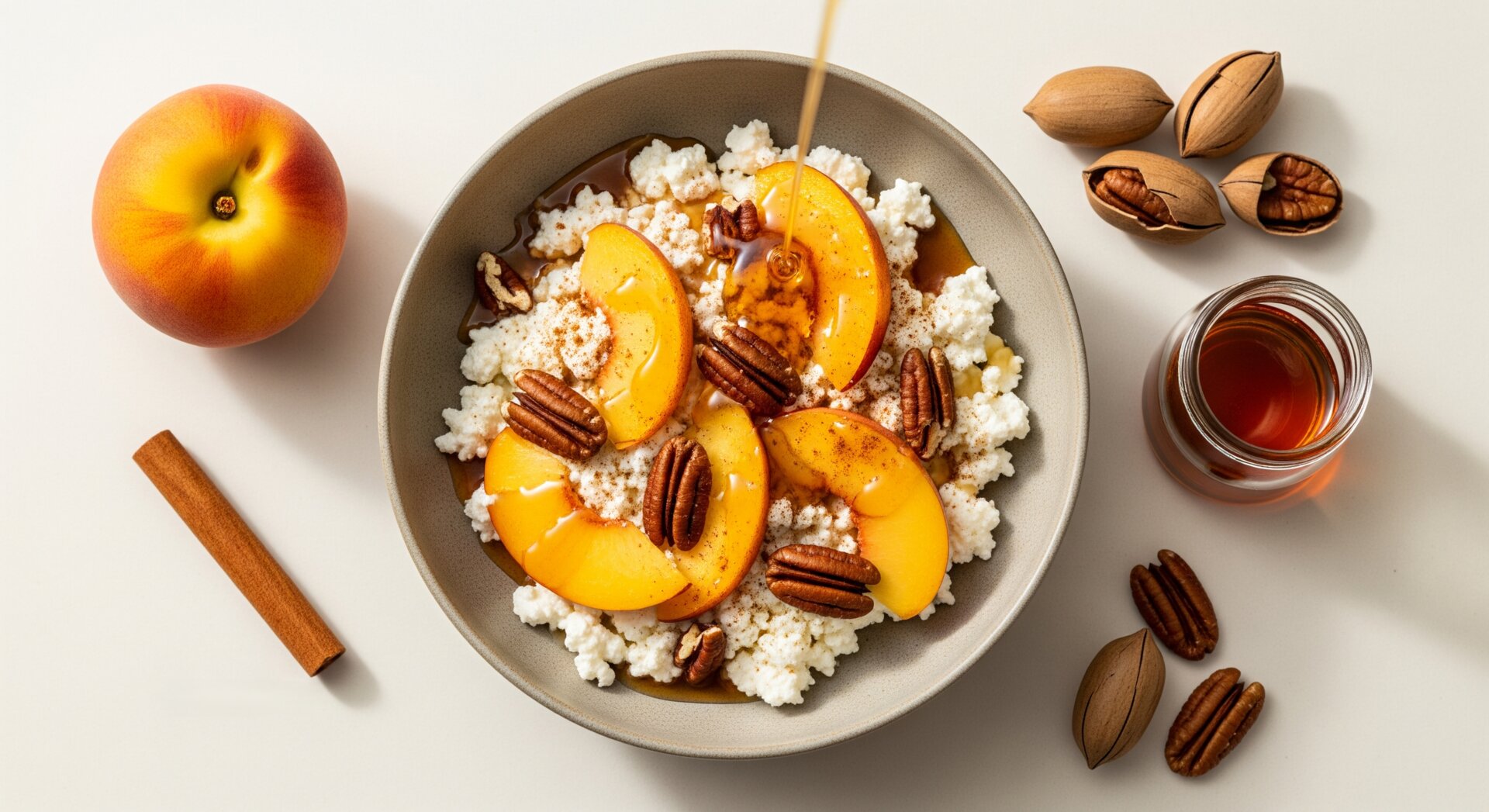 Cottage Cheese Bowl with Peach and Pecans 5 min Creamy morning bowl with fruit and cinnamon 450 kcal 28g protein 2 synergies
 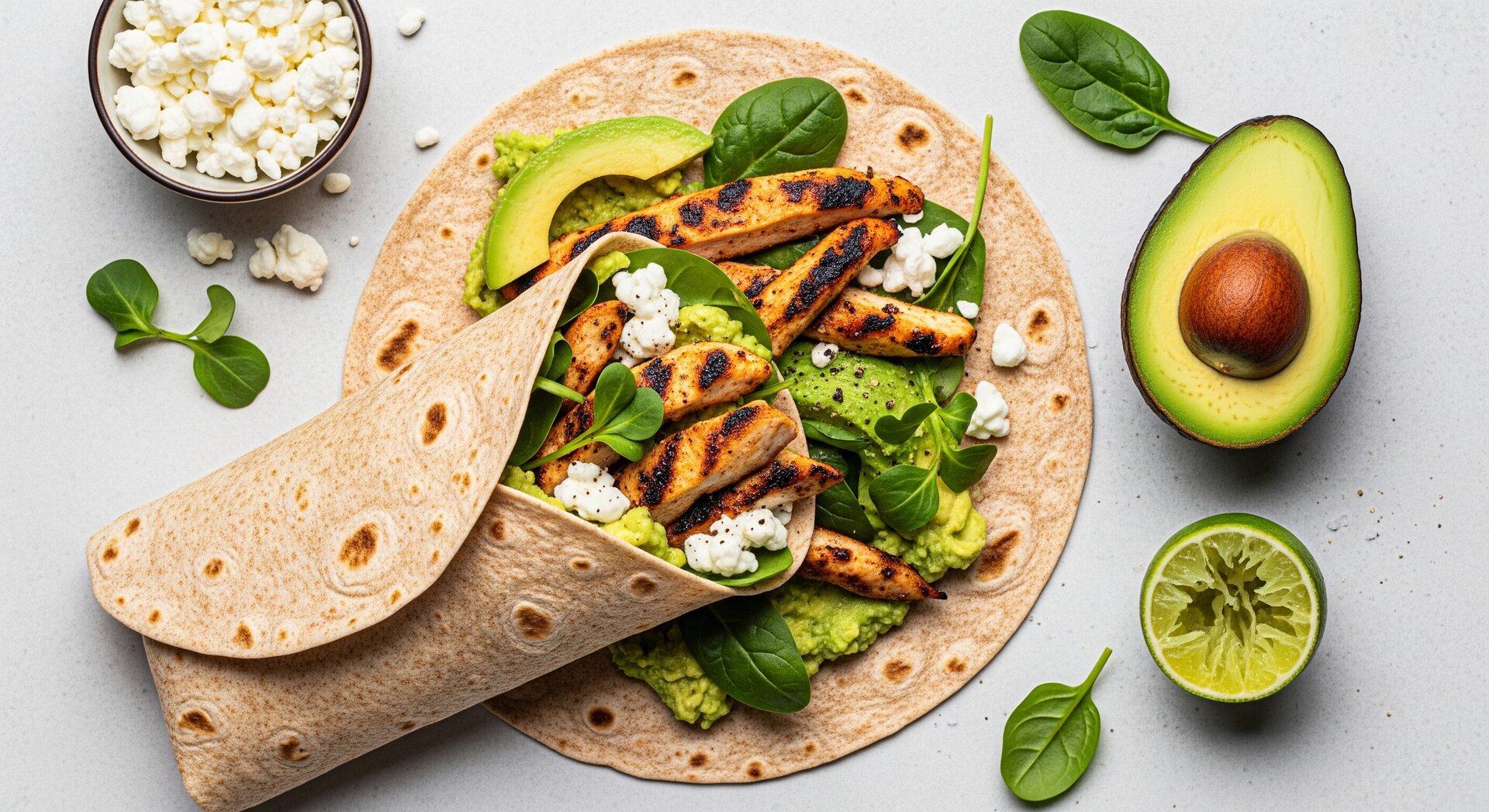 Cottage Cheese Protein Wrap with Chicken and Avocado 20 min Hearty wrap with grilled chicken, creamy avocado and fresh spinach 455 kcal 39g protein 1 synergies
 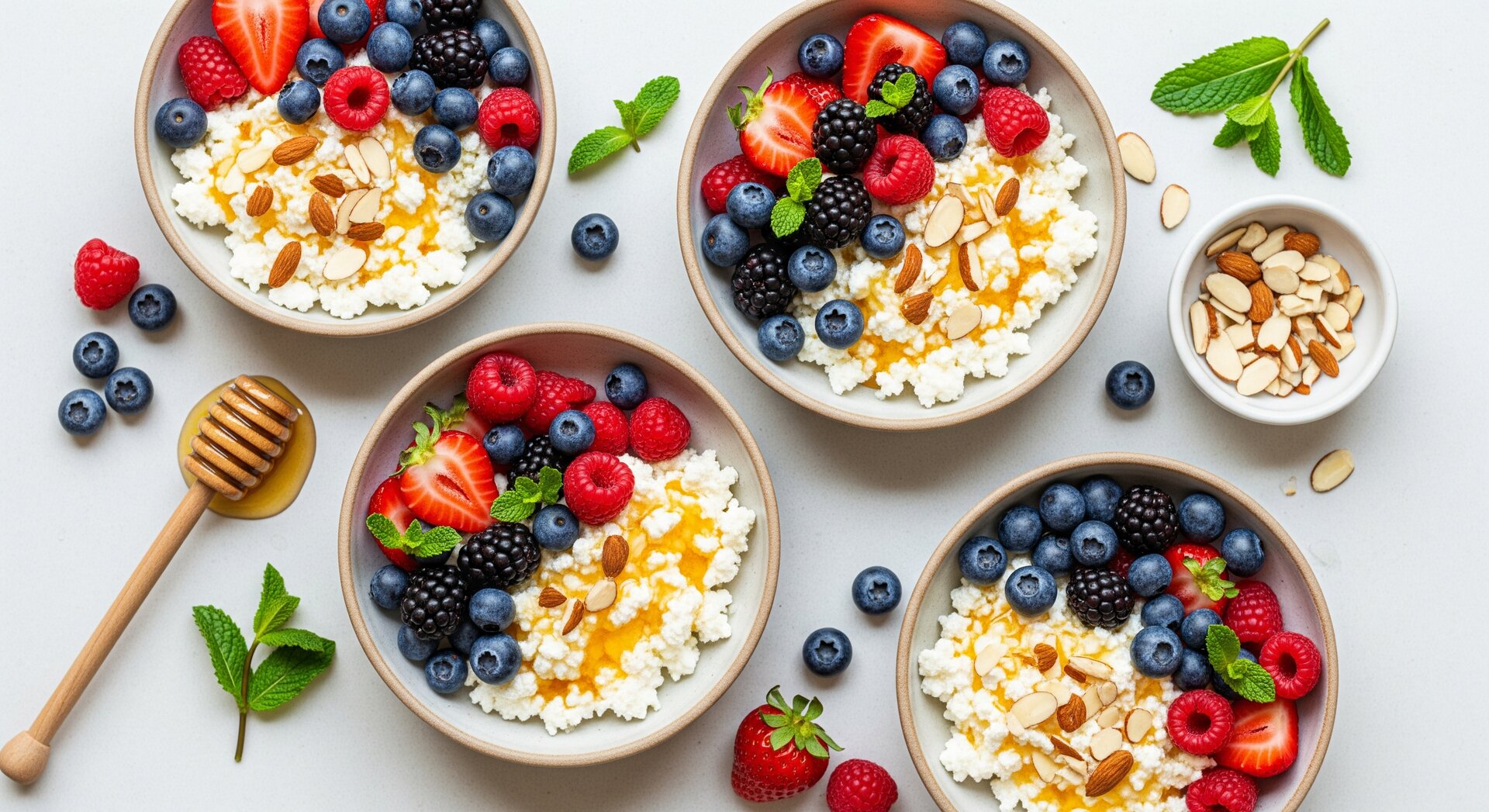 Cottage Cheese with Berries and Honey 5 min Creamy, fruity and ready in five minutes 200 kcal 16g protein 1 synergies
 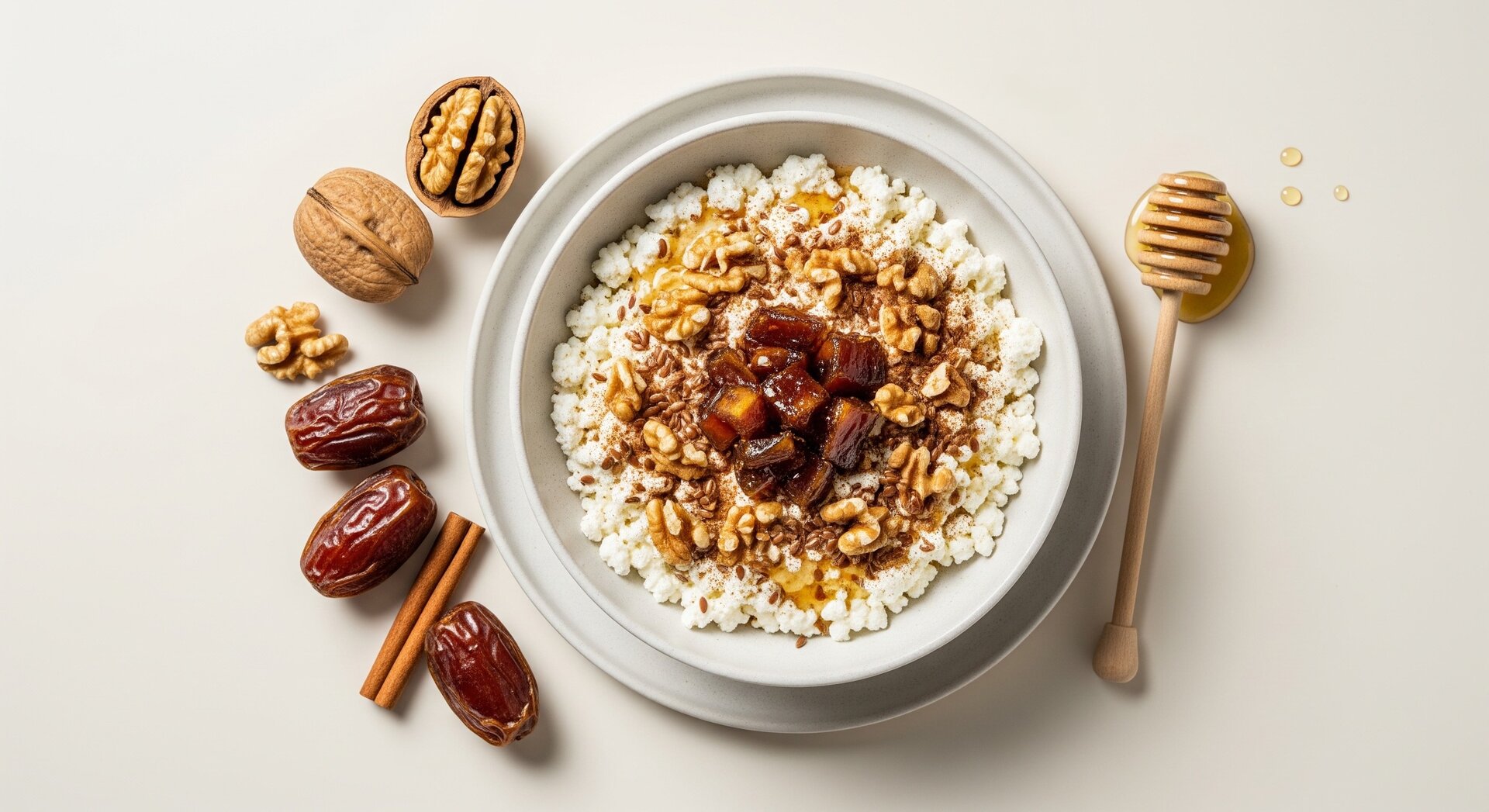 Cottage Cheese with Walnuts, Dates and Honey 5 min Creamy, nutty and sweet — ready in five minutes 887 kcal 43g protein 1 synergies
  In the Kitchen
Storage
Location:Refrigerator
Substitutes
Smart preparation
1Drain cottage cheese in a sieve for a drier texture.
Why?
Less moisture works better in stuffed pasta and pancakes.
2Blend cottage cheese smooth for use as a sauce base.
3Add cottage cheese only at the end to warm dishes.
Why?
Heating too long makes cottage cheese grainy.
Caution / Warnings
Cottage Cheese is very safe, but there are scientific considerations:
High sodium content Moderate
Commercial cottage cheese often contains 300-450mg sodium/100g (~20% RDA) from added salt
Advice:
flavor and preservation. Daily <2300mg sodium. hypertension, kidney problems or heart failure: choose low-sodium variants (<150mg/100g) or rinse curds water to remove excess salt. High sodium intake can raise blood pressure in salt-sensitive individuals.
Dairy allergy Severe
Advice:
IgE-mediated milk protein allergy (casein/whey) — completely avoid. Symptoms: rash, gastrointestinal complaints, swelling, in severe cases anaphylaxis. Differs from lactose intolerance (enzyme deficiency). Cottage cheese contains ~3% lactose (lower than milk 4.8% from rinsing curds), but still relevant intolerance. Test small amounts. Alternatives: plant-based tofu 'cottage cheese' (soy curds).
Kidney problems & high-protein diet Moderate
Advice:
reduced kidney function (GFR <60), high-protein diet (>1.5g/kg/day) can burden kidneys through increased urea and creatinine production. Cottage cheese is very high in protein (11g/100g) — 200g provides 22g protein. Consult doctor chronic kidney disease. healthy kidneys, high protein (1.6-2.2g/kg/day) is safe and may even be protective. Also phosphorus (159mg/100g) can be problematic in kidney failure (phosphorus retention → hyperphosphatemia).
Summary
Cottage cheese is the ultimate high-protein, low-calorie nutritional choice for muscle building and weight loss. With 11g casein per 100g you get slow-release protein that digests slowly for 7-8 hours — ideal for overnight recovery (eat before bed) or anti-catabolic effect between meals. Also rich in selenium (30% RDA) for thyroid function. Choose low-fat variant (1-2% fat) for maximum protein-calorie ratio, or full-fat for more satiety. Watch sodium: choose low-sodium or rinse curds. Combine with fruit (vitamin C increases calcium absorption), flaxseed (omega-3), or tomatoes (lycopene synergy). Perfect for athletes, weight loss, and anyone with high protein needs.