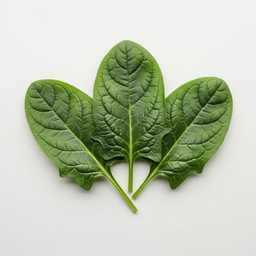
Spinach
Dark leafy green rich in folate and vitamin K, with plant-based iron
What is this ingredient?
Spinach (Spinacia oleracea) is a dark green leafy vegetable from the amaranth family (related to beets and quinoa). Originally from Persia (present-day Iran), it is now a staple food worldwide. We distinguish roughly two variants: Baby spinach (young harvest, more tender, lower oxalate content, often eaten raw) and Mature spinach (later harvest, thicker stems, more fiber, better for cooking).
How does it taste?
Mild, slightly earthy and faintly metallic with a soft, wilting texture.
Pairs well with:
Pairs well with garlicnutmegcreamfeta and lemon.
Varieties
Baby Spinach
Young harvest (15-35 days), more tender, lower oxalate content, often eaten raw
Mature Spinach
Later harvest, thicker stems, more fiber, better suited for cooking
Did you know...?
- The myth that spinach is extremely high in iron came from a decimal point error in 19th-century research.
- Spinach originates from Persia (Iran) and was brought to Europe via the Moors.
- Popeye's spinach increased US spinach consumption by 33% in the 1930s.
Nutritional Value & Energy
Per 100g
Spinach is low in calories thanks to natural nutrients , buffered by fiber.
Per 100g
Minerals
Vitamins
Omega-3 fatty acids
More nutrients
B-Vitamins
Trace Minerals
What's in a serving?
1 serving
Spinach naturally contains folate (194 mcg per 100 g).
Spinach naturally contains iron (2.71 mg per 100 g).
Spinach naturally contains magnesium (79 mg per 100 g).
Spinach naturally contains potassium (558 mg per 100 g).
Spinach naturally contains vitamin a (469 mcg per 100 g).
Spinach naturally contains vitamin c (28 mg per 100 g).
Spinach naturally contains vitamin k (483 mcg per 100 g).
% of daily reference intake (DRI)
EU-approved nutrition claims
This ingredient contains nutrients for which EFSA-authorized health claims exist (at nutrient level, not ingredient-specific).
Approved health claims (EU)
Vitamin_c EU 432/2012
Vitamin C contributes to the normal function of the immune system
Contains 28mg/100g (threshold: ≥12mg/100g)
Vitamin_c EU 432/2012
Vitamin C contributes to the reduction of tiredness and fatigue
Contains 28mg/100g (threshold: ≥12mg/100g)
Vitamin_c EU 432/2012
Vitamin C contributes to normal collagen formation for the normal function of skin
Contains 28mg/100g (threshold: ≥12mg/100g)
Magnesium EU 432/2012
Magnesium contributes to normal muscle function
Contains 79mg/100g (threshold: ≥56.25mg/100g)
Magnesium EU 432/2012
Magnesium contributes to the reduction of tiredness and fatigue
Contains 79mg/100g (threshold: ≥56.25mg/100g)
Magnesium EU 432/2012
Magnesium contributes to normal functioning of the nervous system
Contains 79mg/100g (threshold: ≥56.25mg/100g)
Iron EU 432/2012
Iron contributes to normal energy-yielding metabolism
Contains 2.71mg/100g (threshold: ≥2.1mg/100g)
Iron EU 432/2012
Iron contributes to the reduction of tiredness and fatigue
Contains 2.71mg/100g (threshold: ≥2.1mg/100g)
Potassium EU 432/2012
Potassium contributes to the maintenance of normal blood pressure
Contains 558mg/100g (threshold: ≥300mg/100g)
Folate EU 432/2012
Folate contributes to normal blood formation
Contains 194mcg/100g (threshold: ≥30mcg/100g)
Vitamin_a EU 432/2012
Vitamin A contributes to the normal function of the immune system
Contains 469mcg/100g (threshold: ≥120mcg/100g)
Vitamin_a EU 432/2012
Vitamin A contributes to the maintenance of normal skin
Contains 469mcg/100g (threshold: ≥120mcg/100g)
Vitamin_a EU 432/2012
Vitamin A contributes to the maintenance of normal mucous membranes
Contains 469mcg/100g (threshold: ≥120mcg/100g)
Vitamin_a EU 432/2012
Vitamin A contributes to the maintenance of normal vision
Contains 469mcg/100g (threshold: ≥120mcg/100g)
Vitamin_a EU 432/2012
Vitamin A contributes to normal iron metabolism
Contains 469mcg/100g (threshold: ≥120mcg/100g)
Vitamin_a EU 432/2012
Vitamin A has a role in the process of cell specialisation
Contains 469mcg/100g (threshold: ≥120mcg/100g)
Folate EU 432/2012
Folate contributes to normal amino acid synthesis
Contains 194mcg/100g (threshold: ≥30mcg/100g)
Folate EU 432/2012
Folate contributes to normal homocysteine metabolism
Contains 194mcg/100g (threshold: ≥30mcg/100g)
Folate EU 432/2012
Folate contributes to normal psychological function
Contains 194mcg/100g (threshold: ≥30mcg/100g)
Folate EU 432/2012
Folate contributes to the normal function of the immune system
Contains 194mcg/100g (threshold: ≥30mcg/100g)
Folate EU 432/2012
Folate has a role in the process of cell division
Contains 194mcg/100g (threshold: ≥30mcg/100g)
Folate EU 432/2012
Folate contributes to maternal tissue growth during pregnancy
Contains 194mcg/100g (threshold: ≥30mcg/100g)
Vitamin_c EU 432/2012
Vitamin C contributes to normal collagen formation for the normal function of blood vessels
Contains 28mg/100g (threshold: ≥12mg/100g)
Vitamin_c EU 432/2012
Vitamin C contributes to normal collagen formation for the normal function of bones
Contains 28mg/100g (threshold: ≥12mg/100g)
Vitamin_c EU 432/2012
Vitamin C contributes to normal collagen formation for the normal function of cartilage
Contains 28mg/100g (threshold: ≥12mg/100g)
Vitamin_c EU 432/2012
Vitamin C contributes to normal collagen formation for the normal function of gums
Contains 28mg/100g (threshold: ≥12mg/100g)
Vitamin_c EU 432/2012
Vitamin C contributes to normal collagen formation for the normal function of teeth
Contains 28mg/100g (threshold: ≥12mg/100g)
Vitamin_c EU 432/2012
Vitamin C contributes to normal energy-yielding metabolism
Contains 28mg/100g (threshold: ≥12mg/100g)
Vitamin_c EU 432/2012
Vitamin C contributes to normal functioning of the nervous system
Contains 28mg/100g (threshold: ≥12mg/100g)
Vitamin_c EU 432/2012
Vitamin C contributes to normal psychological function
Contains 28mg/100g (threshold: ≥12mg/100g)
Vitamin_c EU 432/2012
Vitamin C contributes to the protection of cells from oxidative stress
Contains 28mg/100g (threshold: ≥12mg/100g)
Vitamin_c EU 432/2012
Vitamin C contributes to the regeneration of the reduced form of vitamin E
Contains 28mg/100g (threshold: ≥12mg/100g)
Vitamin_c EU 432/2012
Vitamin C increases iron absorption
Contains 28mg/100g (threshold: ≥12mg/100g)
Vitamin_c EU 432/2012
Vitamin C contributes to maintain the normal function of the immune system during and after intense physical exercise
Contains 28mg/100g (threshold: ≥12mg/100g)
Vitamin_k EU 432/2012
Vitamin K contributes to normal blood clotting
Contains 483mcg/100g (threshold: ≥11.25mcg/100g)
Vitamin_k EU 432/2012
Vitamin K contributes to the maintenance of normal bones
Contains 483mcg/100g (threshold: ≥11.25mcg/100g)
Magnesium EU 432/2012
Magnesium contributes to normal energy-yielding metabolism
Contains 79mg/100g (threshold: ≥56.25mg/100g)
Magnesium EU 432/2012
Magnesium contributes to electrolyte balance
Contains 79mg/100g (threshold: ≥56.25mg/100g)
Magnesium EU 432/2012
Magnesium contributes to normal protein synthesis
Contains 79mg/100g (threshold: ≥56.25mg/100g)
Magnesium EU 432/2012
Magnesium contributes to normal psychological function
Contains 79mg/100g (threshold: ≥56.25mg/100g)
Magnesium EU 432/2012
Magnesium contributes to the maintenance of normal bones
Contains 79mg/100g (threshold: ≥56.25mg/100g)
Magnesium EU 432/2012
Magnesium contributes to the maintenance of normal teeth
Contains 79mg/100g (threshold: ≥56.25mg/100g)
Magnesium EU 432/2012
Magnesium has a role in the process of cell division
Contains 79mg/100g (threshold: ≥56.25mg/100g)
Iron EU 432/2012
Iron contributes to normal cognitive function
Contains 2.71mg/100g (threshold: ≥2.1mg/100g)
Iron EU 432/2012
Iron contributes to normal formation of red blood cells and haemoglobin
Contains 2.71mg/100g (threshold: ≥2.1mg/100g)
Iron EU 432/2012
Iron contributes to normal oxygen transport in the body
Contains 2.71mg/100g (threshold: ≥2.1mg/100g)
Iron EU 432/2012
Iron contributes to the normal function of the immune system
Contains 2.71mg/100g (threshold: ≥2.1mg/100g)
Iron EU 432/2012
Iron has a role in the process of cell division
Contains 2.71mg/100g (threshold: ≥2.1mg/100g)
Potassium EU 432/2012
Potassium contributes to normal functioning of the nervous system
Contains 558mg/100g (threshold: ≥300mg/100g)
Potassium EU 432/2012
Potassium contributes to normal muscle function
Contains 558mg/100g (threshold: ≥300mg/100g)
Comparison
vsbanaan
Spinach contains about 2× more potassium per 100g than banana.
What's being researched?
Lutein and zeaxanthin in relation to the retina
High concentrations of lutein and zeaxanthin in spinach are being studied for potential protective effects against age-related macular degeneration. Observational studies show consistent associations.
Supported by: [4] Delcourt (2006) , [6] Pool-Zobel (1997)
Folate and cognitive function
The high folate content in spinach is being studied in relation to cognitive function and neurodegeneration. Epidemiological studies show associations between folate intake and cognitive preservation in older age.
Supported by: [7] Morris (2018)
Thylakoid membranes and appetite research
Thylakoids from spinach are being studied for potential satiating effects and appetite regulation. Clinical studies show promising results, but long-term effects are still being investigated.
Supported by: [8] Stenblom (2015)
Good Combinations (Synergy)
Combine spinach smartly to enhance the effect:
Spinach 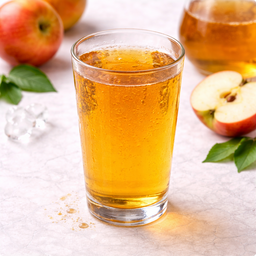 Apple Juice
 Vitamin C increases iron absorption 3-6x
Technical: Apple juice contains vitamin C that reduces non-heme iron (Fe³⁺) from plant sources to Fe²⁺, the better absorbable form. Red lentils contain 6.5mg iron per 100g, spinach 2.7mg. Without vitamin C absorption is only 2-5%; with vitamin C it rises to 10-20% — a 3-6x improvement.
What does this mean for you? Drink a glass of apple juice with meals containing lentils or spinach, or use it in the sauce. Especially crucial for vegetarians: you absorb 3-6x more iron.
Spinach 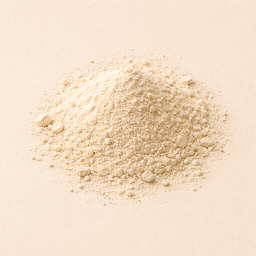 Baobab Powder
 Extremely high vitamin C increases iron absorption from spinach 2-6x
Ascorbic acid increases non-heme iron absorption 2-6x via Fe³⁺→Fe²⁺ reduction (PMID: 15743017)
Technical: Baobab powder contains 280mg vitamin C per 100g, one of the highest natural sources worldwide. This vitamin C reduces Fe³⁺ to Fe²⁺, improving non-heme iron absorption from spinach (2.7mg/100g) up to 6x via DMT-1 transporters.
What does this mean for you? Mix baobab powder in your green smoothie with spinach. The extreme vitamin C multiplies iron absorption, crucial for vegetarians and people with iron deficiency.
Spinach 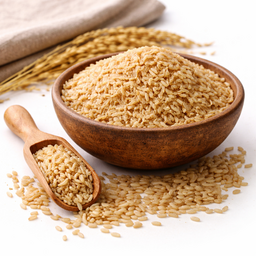 Brown Rice
 Vitamin C from spinach lifts iron blockade in brown rice
Technical: Brown rice contains 0.8mg iron per 100g (cooked), but also phytic acid that can inhibit iron absorption by 50-80%. Spinach contains 28mg vitamin C per 100g that forms an iron-ascorbate complex, bypassing the phytic acid blockade and restoring iron absorption.
What does this mean for you? Add fresh spinach to your brown rice bowl, or serve with sautéed spinach. The combination is especially important for vegetarians who depend on plant-based iron.
Spinach 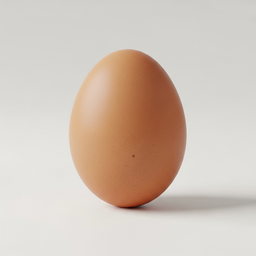 Eggs
Eggs Increases vitamin E absorption by factor 4-7
Technical: Spinach contains vitamin E (2mg/100g), lutein and beta-carotene — all fat-soluble. A study showed that adding an egg (with 5g fat) to a raw vegetable salad increased vitamin E absorption by a factor of 4-7. The egg yolk creates a lipid emulsion serving as transport for these fat-soluble nutrients.
What does this mean for you? Always add an egg to your spinach salad or cook spinach with an egg. Without the egg fat you absorb up to 7x less vitamin E from the spinach.
Spinach 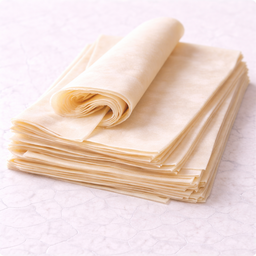 Filo Pastry
 Spanakopita: crispy + creamy + minerals
Technical: Phyllo dough baked in olive oil or butter provides fat-soluble carriers. Spinach contains 483μg vitamin K per 100g (fat-soluble) and 2.7mg iron. Feta provides 493mg calcium per 100g. The fat from baked phyllo increases vitamin K absorption by 3-5x. The combination of iron (spinach) + calcium (feta) + vitamin K (spinach) supports both bones and blood formation.
What does this mean for you? Spanakopita (Greek spinach-feta pie) is more than comfort food — it's a nutritionally smart combination. The crispy phyllo provides not only texture but also the fat needed to absorb vitamin K from the spinach.
Spinach 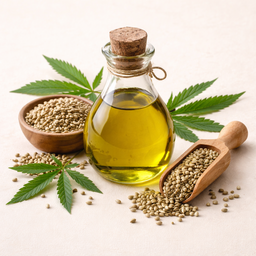 Hemp Seed Oil
 GLA + omega-3 increase iron and carotenoid absorption from spinach
Technical: Hemp seed oil contains a unique fatty acid mix: 55-60% LA (omega-6), 15-20% ALA (omega-3), 2-4% GLA (gamma-linolenic acid). GLA is converted to DGLA → PGE1 (prostaglandin E1), which influences gut barrier function. The fat (total 100g/100ml) dissolves fat-soluble carotenoids from spinach: lutein (12,198μg/100g), beta-carotene (5,626μg/100g). The omega-6:omega-3 ratio of 3:1 in hemp seed oil is considered ideal in nutritional science.
What does this mean for you? Use hemp seed oil as dressing on spinach salad (DON'T heat — use cold). Add lemon for vitamin C that makes iron even more absorbable. Ideal for vegans.
Spinach 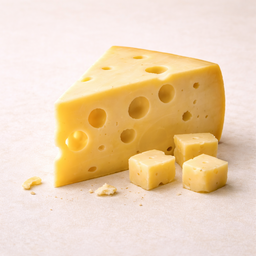 Cheese (general)
 Cheese fat increases spinach carotenoid absorption by 4-6x
Technical: Cheese contains 20-34g fat per 100g that dissolves fat-soluble carotenoids from spinach. Spinach contains lutein (12,198μg/100g) and beta-carotene (5,626μg/100g) which are barely absorbed without fat. The milk fat creates mixed micelles in the small intestine that transport these carotenoids 4-6x more effectively to enterocytes. Calcium from cheese (500-700mg/100g) does NOT interfere with carotenoid absorption as they use different transporters (SRB1 vs TRPV6).
What does this mean for you? Spinach with grated cheese in lasagna, quiche or salad is not just delicious — the cheese fat ensures you absorb up to 6x more lutein. Perfect for screen workers.
Spinach 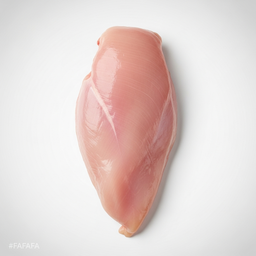 Chicken Breast
 Protein + iron + vitamin C in one complete meal
Technical: Chicken breast provides 31g complete protein per 100g with all essential amino acids. Spinach contains 2.7mg iron plus 28mg vitamin C that improves iron absorption. The proteins from chicken support muscle building while iron supports energy production.
What does this mean for you? Chicken with sautéed spinach is one of the most complete fitness meals: lean protein, iron, vitamin C, and few calories. Add garlic for extra flavor and nutritional value.
Spinach 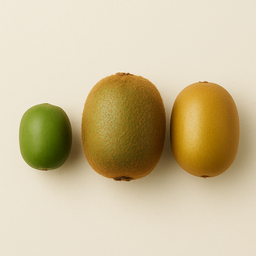 Kiwi
Kiwi Vitamin C from kiwi increases iron absorption from spinach up to 6x
Vitamin C significantly increases non-heme iron absorption (PMID: 2507689)
Technical: Kiwi contains 93mg vitamin C per 100g (155% RDI) — more than orange! Spinach contains 2.7mg non-heme iron per 100g, but this iron (Fe³⁺) is poorly absorbed (only 2-10%). Vitamin C reduces Fe³⁺ to Fe²⁺, the form your gut can absorb. Studies show 3-6x higher iron absorption when combined with vitamin C.
What does this mean for you? Add kiwi to your spinach salad or smoothie. One kiwi with 100g spinach can double to quadruple your iron absorption. Perfect for vegetarians, menstruating women, or anyone fatigued from low iron levels.
Spinach 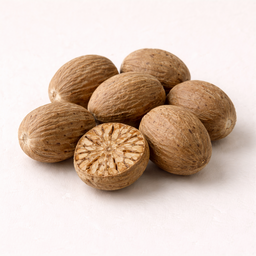 Nutmeg
 Classic combination supporting iron absorption
Technical: Spinach contains oxalates giving a bitter taste that can bind calcium/iron. Nutmeg's myristicin and macelignan mask this bitterness via flavor interaction. Nutmeg also promotes bile flow, improving fat absorption — important for spinach's fat-soluble vitamins (K, A, E).
What does this mean for you? Add a pinch of nutmeg to spinach dishes. It masks the bitterness and improves vitamin absorption from spinach — a classic combination for good reason.
Spinach 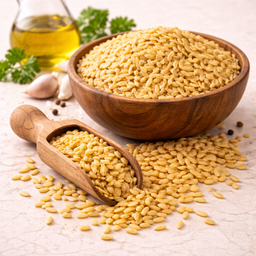 Orzo Pasta
 Slow carbs + iron and folate for blood building
Technical: Orzo provides slow carbohydrates (GI 45-50) and B-vitamins. Spinach is exceptionally rich in folate (194μg, 49% RDI) and non-heme iron (2.7mg). Folate is essential for DNA synthesis and red blood cell formation, while carbohydrates from orzo provide energy substrates for this process. The combination offers a complete hematopoietic package.
What does this mean for you? Orzo with spinach (and a squeeze of lemon) is a powerful meal for blood building. Ideal when you're tired, menstruating or recovering — the folate and iron work together for healthy blood.
Spinach 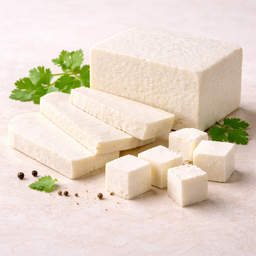 Paneer
 Palak paneer: calcium + iron with vitamin C
Technical: Paneer provides 18g protein and 321mg calcium per 100g. Spinach contains 2.7mg iron and 194μg folate. Tomato adds vitamin C that reduces Fe³⁺ (non-heme iron) to Fe²⁺, increasing iron absorption 3-6x. Paneer's calcium and spinach's iron are absorbed via different transporters, so they don't compete. Classic Indian nutritional wisdom.
What does this mean for you? Palak paneer with tomato is a nutritionally well-composed meal. The paneer gives protein and calcium, the spinach iron and folate, the tomato ensures the iron is properly absorbed.
Spinach 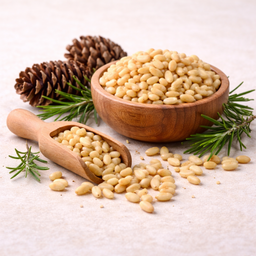 Pine Nuts
 Pinolenic acid + fat increase iron and carotenoid absorption from spinach
Technical: Pine nuts contain pinolenic acid (14-19% of fatty acids) — a unique omega-6 that stimulates CCK (cholecystokinin) release by 60% → strong satiety. Total fat content (68g/100g) dissolves fat-soluble carotenoids from spinach (lutein 12,198μg, beta-carotene 5,626μg). Pine nuts also provide 5.5mg iron per 100g (non-heme) that together with spinach's iron (2.7mg) increases total intake. Adding vitamin C increases absorption of both iron sources.
What does this mean for you? Pine nuts over spinach salad (pesto-style) is double iron plus much better lutein absorption. The pinolenic acid also gives a strong feeling of fullness.
Spinach 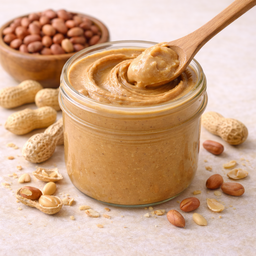 Peanut Butter
 Fat from nut butter increases carotenoid absorption by 3-6x
Technical: Carotenoids (beta-carotene, lutein, lycopene) in vegetables are fat-soluble and poorly absorbed without fat (5-10%). Nut butters contain 50-60g fat per 100g. Just 3-5g fat (1 tablespoon nut butter) increases carotenoid absorption to 30-60% — a 3-6x improvement. This applies to carrot, bell pepper, spinach and other colorful vegetables.
What does this mean for you? Dip veggie sticks in peanut butter or almond butter. The fat from the nut butter ensures your body absorbs 3-6x more vitamins from the vegetables.
Spinach 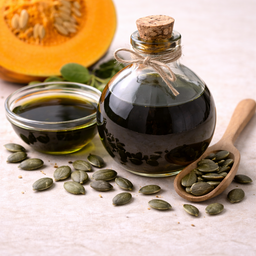 Pumpkin Seed Oil
 Phytosterols + carotenoids: delta-7-sterols dissolve fat-soluble pigments
Technical: Pumpkin seed oil contains 265mg phytosterols per 100ml (beta-sitosterol dominant), which influence 5-alpha-reductase and are involved in DHT metabolism. The dark green oil (chlorophyll A and B) dissolves lycopene from tomato (3-7mg/100g) and lutein from spinach (12,198μg/100g). Phytosterols compete with cholesterol for intestinal absorption, influencing lipid metabolism.
What does this mean for you? Drizzle pumpkin seed oil over a spinach-tomato salad. The oil increases your carotenoid absorption thanks to the fat-rich medium. The deep nutty flavor makes it a full dressing on its own.
Spinach 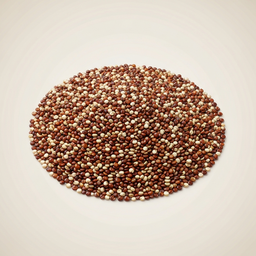 Quinoa
 Complete meal with all amino acids and iron
Technical: Quinoa contains all 9 essential amino acids with 14g protein per 100g (dry) — unique for a pseudograin. Spinach provides 2.7mg non-heme iron per 100g plus 28mg vitamin C that increases iron absorption from both quinoa and spinach through Fe³⁺ → Fe²⁺ reduction. Spinach's folic acid (194μg per 100g) complements quinoa's mineral profile.
What does this mean for you? Quinoa-spinach salad is one of the most complete plant-based meals. The vitamin C in spinach ensures you actually absorb the iron from both ingredients. Add lemon juice for even more effect.
Spinach 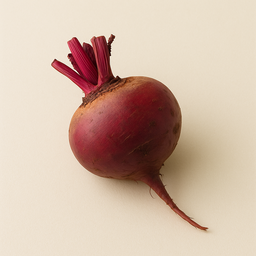 Beetroot
 Double nitrate source for maximum NO production
Technical: Beetroot (250-300mg nitrate/100g) and spinach (741mg nitrate/100g) are two of the highest natural nitrate sources. Nitrate is converted via the nitrate-nitrite-NO pathway to nitric oxide (NO). NO is involved in vasodilation and oxygen transport. The combination is popular in sports nutrition as pre-workout.
What does this mean for you? Make a smoothie or salad of beetroot and spinach for a nitrate-rich combination. Spinach actually contains more nitrate than beetroot! Ideal 2-3 hours before exercise as a natural nitrate source.
Spinach 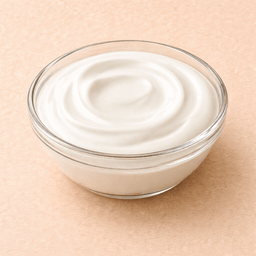 Cream
Cream Cream fat increases lutein/zeaxanthin absorption from spinach up to 4x
Dietary fat increases lutein bioavailability from spinach 4x via micelle formation (PMID: 15570047)
Technical: Spinach contains 12.2mg lutein + zeaxanthin per 100g — the highest concentration of all vegetables. These carotenoids are fat-soluble with <5% absorption without fat. Cream contains 35-40g fat per 100g, with saturated fat being particularly effective for micelle formation. Studies show full-fat dairy increases lutein absorption from spinach up to 4x compared to fat-free preparation. Lutein is the primary macular pigment and is intensively studied in science.
What does this mean for you? Creamed spinach is an excellent choice for absorbing fat-soluble carotenoids. The cream fat ensures you absorb up to 4x more lutein — the primary macular pigment in your eyes.
Spinach 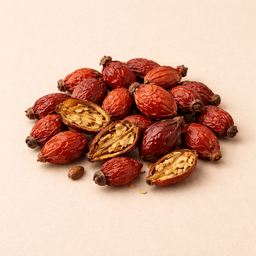 Rosehip
 Extreme vitamin C increases iron absorption from spinach 2-6x
Ascorbic acid increases non-heme iron absorption 2-6x via Fe³⁺→Fe²⁺ reduction (PMID: 2507689)
Technical: Rose hip contains 426mg vitamin C per 100g, one of the highest natural sources. Vitamin C reduces Fe³⁺ to Fe²⁺, improving non-heme iron absorption from spinach (2.7mg/100g) up to 6x via DMT-1 transporters in the gut.
What does this mean for you? Drink rose hip tea with spinach meals to multiply iron absorption. Particularly valuable for vegetarians and people with iron deficiency.
Spinach 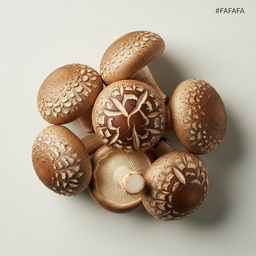 Shiitake
 Vitamin D + K synergy for bone health
Technical: UV-exposed shiitake (or shiitake that has been in the sun) contains vitamin D2 (up to 1100 IU per 100g). Spinach contains 483μg vitamin K per 100g. Vitamin D increases calcium absorption, vitamin K activates osteocalcin that directs calcium to bones. Together they optimize calcium use.
What does this mean for you? Stir-fry shiitake with spinach in olive oil (fat needed for D absorption). Place shiitake in the sun for 15-60 minutes before cooking to increase vitamin D content.
Spinach 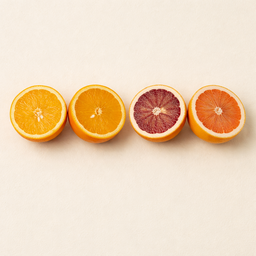 Orange
 Vitamin C from orange increases iron absorption from spinach up to 6x
Vitamin C significantly increases non-heme iron absorption (PMID: 2507689)
Technical: Orange contains 53mg vitamin C per 100g (88% RDI). Spinach contains 2.7mg non-heme iron per 100g, but this iron (Fe³⁺) is poorly absorbed (only 2-10%). Vitamin C reduces Fe³⁺ to Fe²⁺, the form your gut can absorb. Studies show 3-6x higher iron absorption when combined with vitamin C.
What does this mean for you? Add orange segments to your spinach salad, or drink fresh orange juice with your meal containing leafy greens. This is a simple way to get more iron from your diet.
Spinach 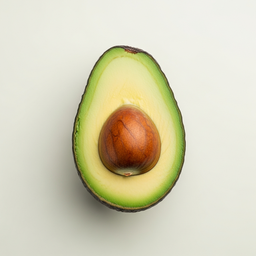 Avocado
 Fat source for better absorption of fat-soluble nutrients
Technical: Spinach contains 12.2mg lutein per 100g — highest of all vegetables. Avocado provides 15g monounsaturated fats per 100g that increase carotenoid bioavailability up to 15x (Molecular Nutrition & Food Research). Avocado's own lutein (0.27mg/100g) also contributes.
What does this mean for you? Spinach salad with avocado is an excellent combination for your eye pigments. Without fat you barely absorb lutein — with avocado up to 15x more. Lutein and zeaxanthin contribute to the maintenance of normal vision.
Spinach 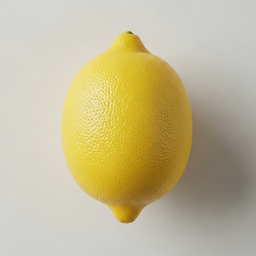 Lemon
Lemon Increases iron absorption up to 300% by breaking oxalate binding
Technical: Spinach contains 2.7mg non-heme iron per 100g, but also 970mg oxalic acid that binds iron into insoluble calcium oxalate. Vitamin C (53mg/100g in lemon) reduces Fe³⁺ to Fe²⁺ (ferroreduction) and forms soluble iron-ascorbate complexes that break oxalate binding. Iron absorption rises from 2% to 6-12%.
What does this mean for you? Always squeeze lemon over spinach — this is the 'Popeye hack'. Vitamin C breaks the oxalate trap blocking iron absorption. Without lemon you barely absorb any iron from spinach.
Spinach 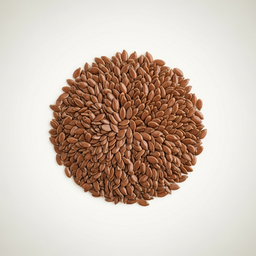 Flaxseed
 ALA omega-3 + iron and folate: essential nutrients
Technical: Spinach provides iron (2.7mg/100g) — iron contributes to normal cognitive function (EFSA-approved) — and folate (194μg/100g). Flaxseed contains 23g ALA omega-3 per 100g supporting neuronal membranes. Omega-3 fatty acids also modulate gut permeability which can influence iron absorption.
What does this mean for you? Add ground flaxseed to spinach smoothies or salads. Iron contributes to normal cognitive function, ALA omega-3 is essential for cell membranes. Use ground flaxseed — whole seeds pass through undigested.
Spinach 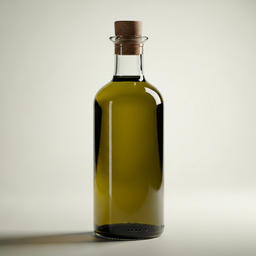 Olive Oil
 Makes fat-soluble vitamins and antioxidants available
Technical: Spinach contains 483μg vitamin K (403% RDI), 5626μg beta-carotene, 2mg vitamin E and 12.2mg lutein — all fat-soluble. Without fat only 5-10% is absorbed. Olive oil's monounsaturated fats (73% oleic acid) form micelles that increase absorption 2-5x.
What does this mean for you? Always eat spinach with olive oil or another fat source. Without fat you waste most of spinach's impressive vitamin profile. A drizzle of olive oil is essential for proper absorption.
Spinach 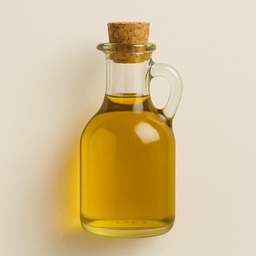 Sesame Oil
 Sesame oil increases fat-soluble vitamin absorption from spinach 3-5x
Technical: Spinach contains vitamin K (483μg/100g, 400% RDI), beta-carotene and lutein - all fat-soluble. Sesame oil contains lignans (sesamin) that act as antioxidants and 50% monounsaturated fats that stimulate micelle formation.
What does this mean for you? Drizzle spinach with sesame oil (Korean/Japanese style) for maximum nutrient absorption. This is why namul (Korean spinach) is always made with sesame oil.
Spinach 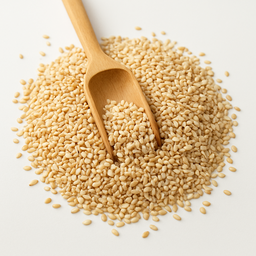 Sesame Seeds
 Iron + calcium + copper: mineral synergy
Technical: Spinach contains 2.7mg iron per 100g (15% RDI). Sesame seeds contain 975mg calcium per 100g (highest of all seeds!) plus 14.5mg iron. The combination delivers a rich mineral dose. Sesame seeds also contain copper (4.1mg/100g) — copper contributes to normal iron transport in the body (EFSA-approved).
What does this mean for you? Korean namul (sesame spinach) is not only delicious but also exceptionally mineral-rich. Copper from sesame seeds contributes to normal iron transport. Ideal for vegetarians.
Spinach 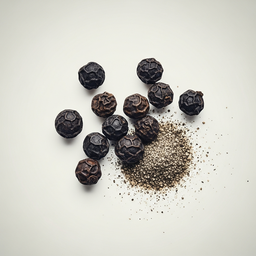 Black Pepper
 Increases beta-carotene absorption from vegetables
Technical: Spinach contains 5626μg beta-carotene per 100g. Piperine from black pepper (5-9% by weight) inhibits glucuronidation in the gut, keeping beta-carotene in its active form longer. Piperine also increases intestinal epithelium permeability via vanilloid receptor activation.
What does this mean for you? Grind fresh black pepper over spinach. Piperine slows beta-carotene breakdown in your gut so you absorb more. Combine with olive oil for the maximum triple effect.
Spinach 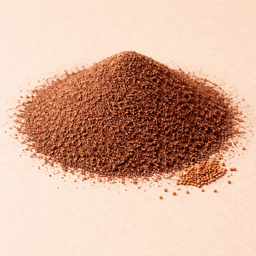 Teff Flour
 Complementary iron sources with folate for blood cell formation
Teff has high iron bioavailability due to low phytate:iron ratio, folate is essential for erythropoiesis (PMID: 15743017)
Technical: Teff contains 7.6mg non-heme iron per 100g (one of the highest grains) with uniquely high bioavailability due to low phytate concentration. Spinach provides 2.7mg iron plus 194μg folate per 100g. Folate (vitamin B9) is essential for erythropoiesis — without folate, iron cannot be effectively incorporated into hemoglobin. Iron contributes to the normal formation of red blood cells and haemoglobin, and folate contributes to normal blood formation (EFSA-approved).
What does this mean for you? Teff injera with spinach is an iron-rich combination. Teff provides the iron, spinach the folate needed to build that iron into red blood cells — crucial for vegetarians.
Spinach 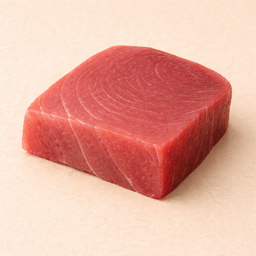 Tuna
Tuna Iron + vitamin B12 + folate: three building blocks for red blood cells
Technical: Tuna provides vitamin B12 (9.4μg/100g, 390% RDI) and iron (1.3mg/100g). Spinach contains folate (194μg/100g) and non-heme iron (2.7mg/100g). B12, folate and iron are all three essential for erythropoiesis (red blood cell production). B12 activates methionine synthase which recycles folate, while iron is incorporated into hemoglobin. Without any one of the three, blood cell production is suboptimal.
What does this mean for you? Tuna salad with fresh spinach combines three essential building blocks for your blood cell production. Add lemon juice for extra vitamin C that increases iron absorption — then you have all four factors together.
Spinach 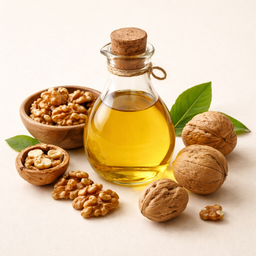 Walnut Oil
 Omega-3 increases fat-soluble vitamin absorption from spinach
Technical: Walnut oil contains 10-15% ALA (omega-3) and ellagic acid (polyphenol). Spinach is rich in lutein (12198μg/100g), vitamin K (483μg, 400% RDI) and folate — all fat-soluble or fat-dependent for absorption. The fat from walnut oil increases absorption of lutein and vitamin K by 3-5x. Ellagic acid from the oil protects unsaturated fats in spinach from oxidation.
What does this mean for you? Make a spinach salad with walnut oil as dressing. The oil helps your body absorb the lutein, vitamin K and beta-carotene from spinach. The nutty flavor pairs perfectly with spinach.
Spinach 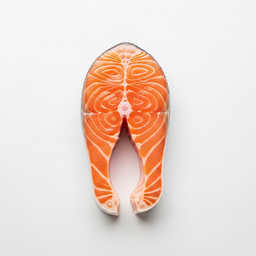 Salmon
 Vitamin D + K + lutein: bone metabolism and macular pigment
Technical: Salmon contains 526 IU vitamin D per 100g and DHA omega-3 (essential for the retina). Spinach contains 483μg vitamin K per 100g that activates osteocalcin, plus lutein (12mg per 100g) and zeaxanthin — carotenoids that concentrate in the macula lutea of the eye. DHA from salmon is a building block of the retina itself. Lutein is the primary macular pigment and is intensively studied in science.
What does this mean for you? Salmon with spinach combines vitamin D + K for your bone metabolism with DHA + lutein as macular pigments. The vitamin D + K combination optimizes calcium use. Ideal if you spend lots of time behind a screen.
Recipes with Spinach
Discover delicious recipes featuring spinach:
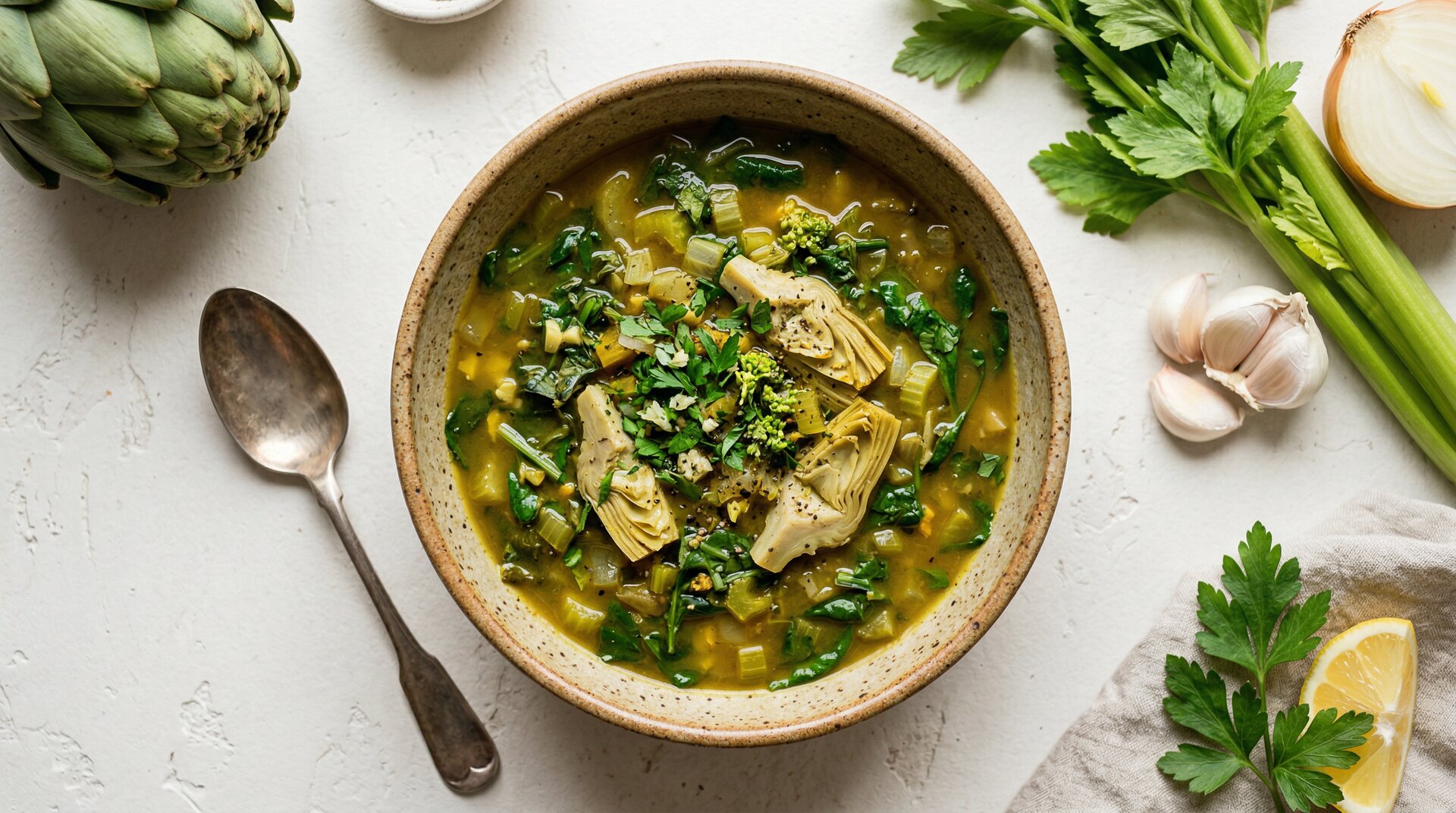 Artichoke Soup with Celery, Spinach and Lemon 36 min Velvety, fresh and gently spiced
  121 kcal
  3g protein 2 synergies
 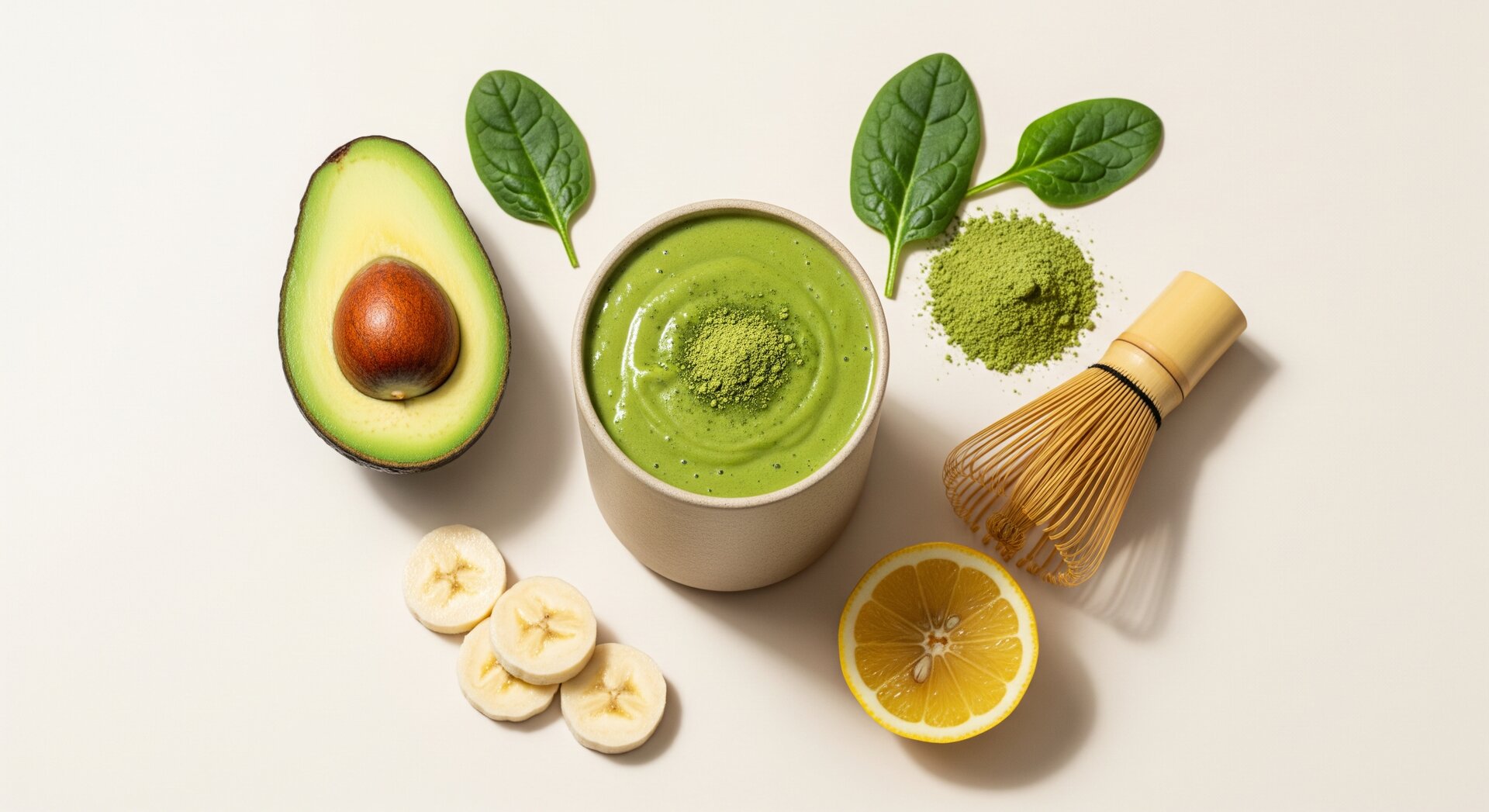 Avocado Matcha Smoothie 5 min Creamy green smoothie with matcha, avocado and spinach 340 kcal 6g protein 2 synergies
 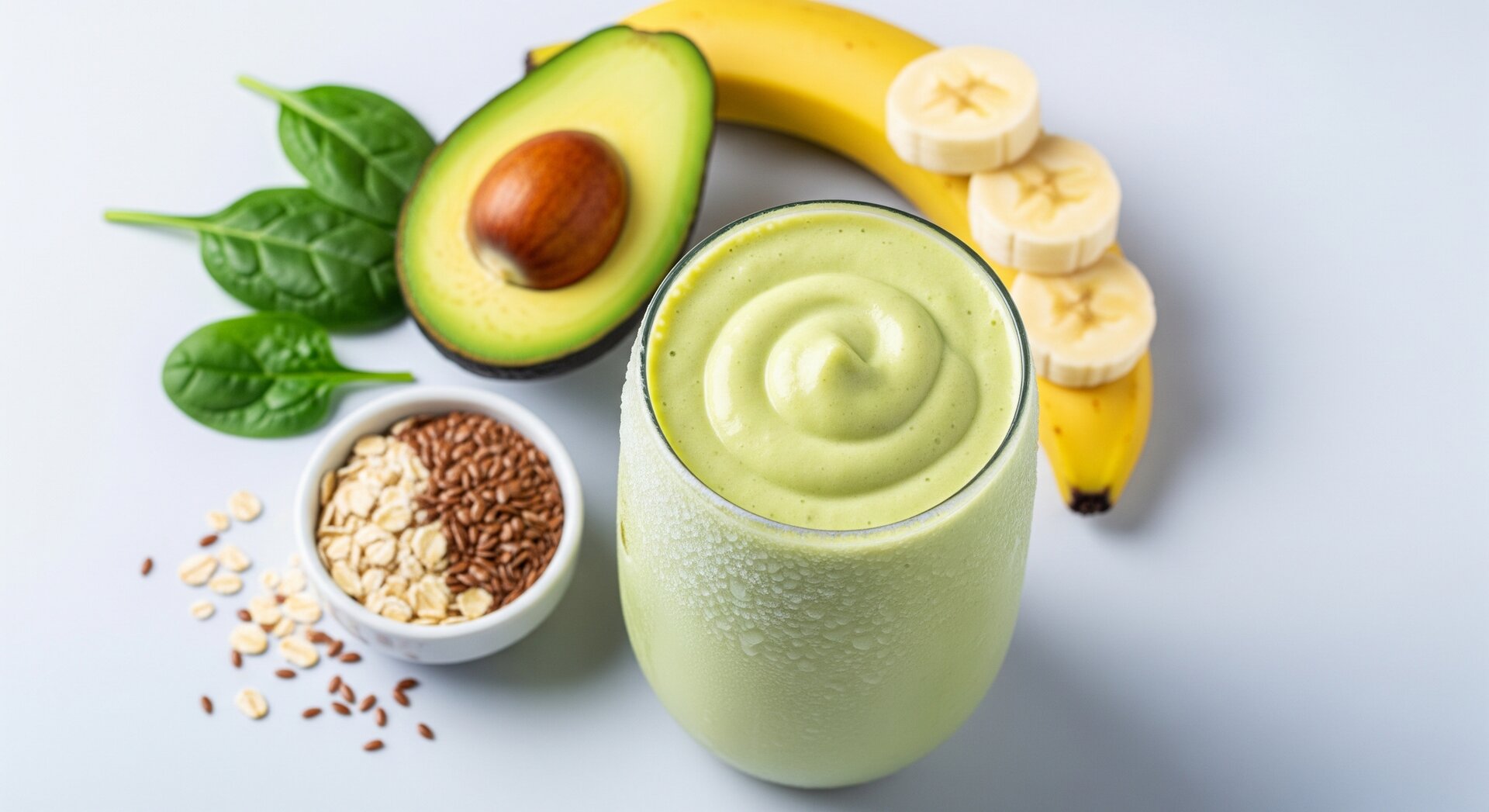 Avocado Spinach Muscle Builder Shake 5 min Creamy green shake with 650 calories for post-workout 546 kcal 28g protein 1 synergies
 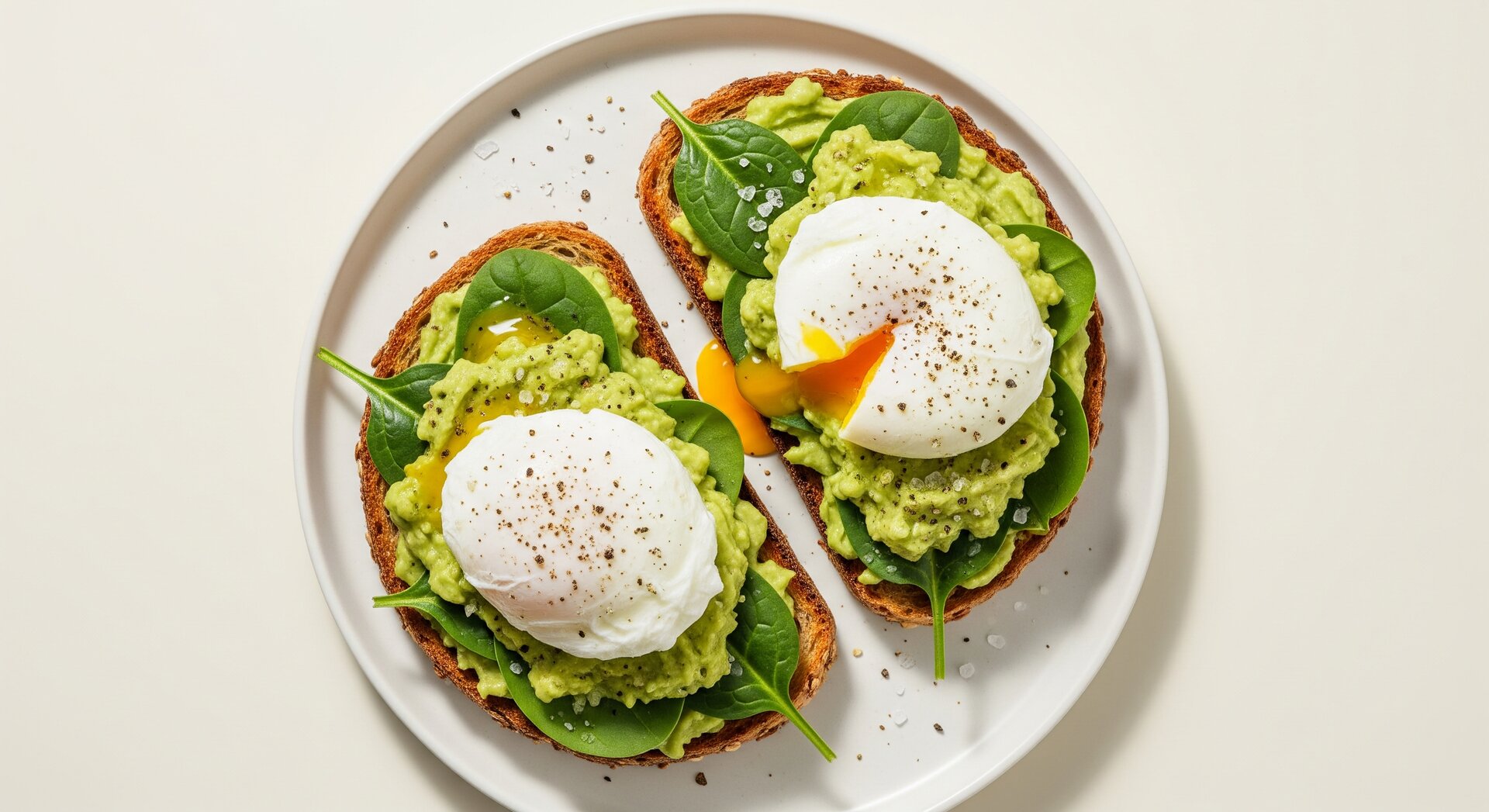 Avocado Toast with Egg and Spinach 15 min Nutritious toast with avocado, egg and spinach 520 kcal 20g protein 2 synergies
 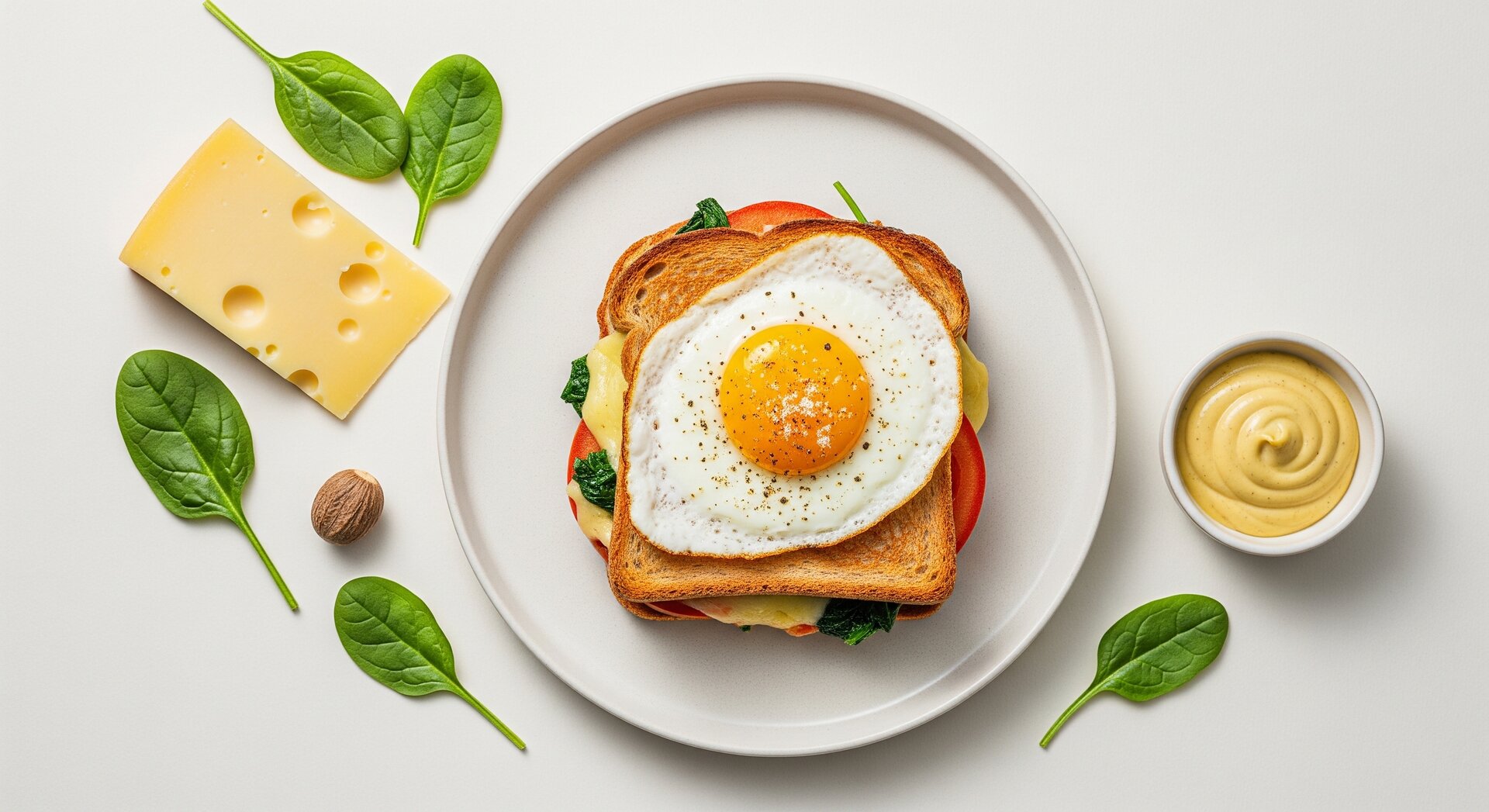 Belgian Whole Wheat Croque with Egg and Vegetables 17 min Belgian croque-madame with spinach and tomato 410 kcal 25g protein 1 synergies
 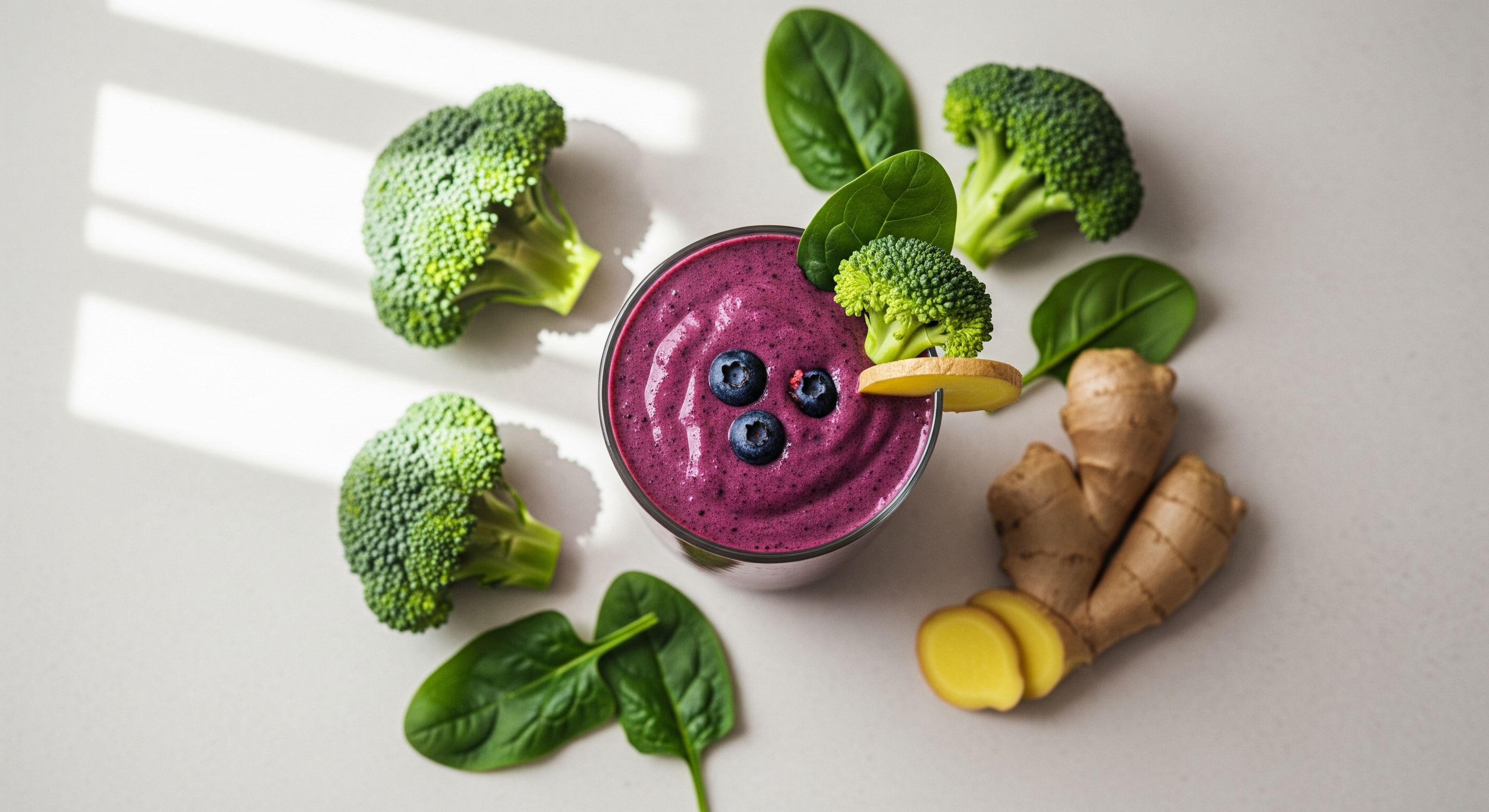 Blueberry Smoothie with Broccoli and Ginger 5 min Fresh, fruity and gently spicy 126 kcal 4g protein 2 synergies
  In the Kitchen
Storage
Location:Refrigerator
Shelf life:5-7 dagen (vers), 10-12 maanden (ingevroren)
Store in closed container with paper towel to absorb moisture. Wash just before use.
Preparation
Raw in salads with lemon (iron absorption) or briefly sauté with olive oil (fat-soluble vitamins).
Conversions
Substitutes
Smart preparation
1Wash spinach multiple times in plenty of water to remove all sand.
2Add spinach in large quantities; it wilts to a tenth of its volume.
3Squeeze cooked spinach well before using in dishes.
Why?
Excess moisture makes quiches, pastas, and fillings watery.
Caution / Warnings
Spinach is very safe, but there are scientific considerations:
Kidney Stones (Calcium Oxalate) Severe
Spinach is one of the richest sources of oxalate, the main cause of kidney stones
Advice:
Limit intake or always combine with calcium-rich foods (cheese/yogurt) so oxalate binds in gut, not kidneys
Blood Thinners (Vitamin K) Severe
Due to extreme amounts of Vitamin K1, spinach can block the action of Warfarin or Acenocoumarol
Advice:
Keep intake consistent when using blood thinners. Discuss significant changes in spinach consumption with your doctor or anticoagulation clinic
Gout Mild
Spinach contains purines that can worsen gout symptoms in some people
Advice:
Plant purines are less risky than animal ones, but be careful with severe gout
Traditional use
Islamic tradition
Spinach in Arab Tradition
Spinach ('isfānākh') was first extensively described in the Arab world around the 9th century. Arab scholars called it 'the prince of vegetables' for its culinary versatility. Through Andalusian traders, the crop reached all of Europe — the English word 'spinach' ultimately derives from the Arabic 'isfānākh'.
Traditional Chinese Medicine
Spinach in Chinese Tradition
In China, spinach is known as 'bōcài' (菠菜) and has been cultivated since the Tang Dynasty (7th century). It was introduced from Nepal and has since been valued as a versatile leafy green in seasonal dishes. In Chinese culinary tradition, it is often briefly blanched with sesame oil and garlic.
Summary
Spinach is more versatile than you might think. It's rich in folate and vitamin K, and also contains plant-based iron. The famous Popeye myth isn't quite right — the iron in spinach is better absorbed with a squeeze of lemon juice. Don't eat it 'plain', but with a little oil or butter: this helps fat-soluble nutrients come into their own. If you use blood thinners, it's wise to discuss your intake with your doctor.