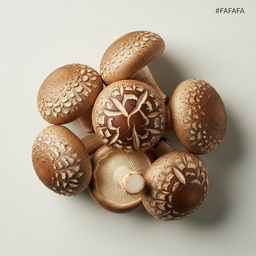
Shiitake
Meaty East Asian mushroom with deep umami
What is this ingredient?
The shiitake (Lentinula edodes) is an edible mushroom from East Asia, loved for its meaty texture, deep umami and woody aroma. It is used fresh and dried in broths, noodle dishes, stir-fries and rice dishes. Dried shiitake produces soaking water rich in savory compounds, so it is often used as a base for dashi or broth.
Mushrooms are biologically neither plants nor animals, but fungi. This gives them different components from vegetables, such as ergosterol. When shiitake is exposed to UV light during growth or drying, ergosterol can be converted into vitamin D2. The tough stems are less pleasant to eat, but add a lot of flavor to broth.
How does it taste?
Deep umami with a meaty bite, woody aroma and earthy undertones.
Pairs well with:
Pairs well with soy saucegarlicgingerbuckwheatmiso and sesame oil.
Did you know...?
- The name shiitake comes from ‘shii’ (a Japanese tree species) and ‘take’ (mushroom).
- Shiitake has been cultivated for over 1,000 years in Japan and China, traditionally on tree logs.
- After the button mushroom, shiitake is one of the most cultivated mushrooms in the world.
Nutritional Value & Energy
Per 100g
Shiitake is low in calories thanks to natural nutrients , buffered by fiber.
Per 100g
Minerals
Vitamins
Omega-3 fatty acids
More nutrients
Trace Minerals
What's in a serving?
1 serving
Shiitake naturally contains potassium (304 mg per 100 g).
% of daily reference intake (DRI)
EU-approved nutrition claims
This ingredient contains nutrients for which EFSA-authorized health claims exist (at nutrient level, not ingredient-specific).
Approved health claims (EU)
Potassium EU 432/2012
Potassium contributes to the maintenance of normal blood pressure
Contains 304mg/100g (threshold: ≥300mg/100g)
Potassium EU 432/2012
Potassium contributes to normal functioning of the nervous system
Contains 304mg/100g (threshold: ≥300mg/100g)
Potassium EU 432/2012
Potassium contributes to normal muscle function
Contains 304mg/100g (threshold: ≥300mg/100g)
What's being researched?
Lentinan in shiitake
Lentinan, a beta-glucan from shiitake, is studied in nutrition and clinical contexts. The literature mainly describes extracts and isolated compounds; findings from those studies cannot be translated one-to-one to regular portions of the mushroom.
Supported by: [2] Dai (2015)
Shiitake and eritadenine
Eritadenine is a compound found in shiitake and studied in relation to lipid metabolism. The available evidence is mainly preclinical; for regular food portions, the practical relevance remains limited and a subject for further research.
Supported by: [2] Dai (2015) , [1] Ina (2013)
Good Combinations (Synergy)
Combine shiitake smartly to enhance the effect:
Shiitake 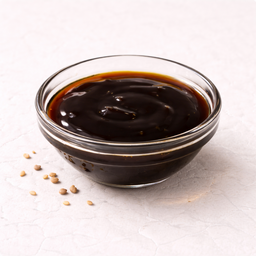 Oyster Sauce
 Double umami source for intense flavor
Technical: Oyster sauce contains glutamate from oysters (umami source 1). Shiitake contains guanylate (GMP) — a nucleotide that via the synergistic umami effect amplifies flavor perception up to 8x when combined with glutamate. Bok choy adds sulforaphane (biotransformation enzyme activator). This is the ultimate Chinese umami trio.
What does this mean for you? Oyster sauce + shiitake + bok choy in the wok — this is the ultimate Chinese umami combination. Three ingredients that exponentially amplify each other's flavor.
Shiitake 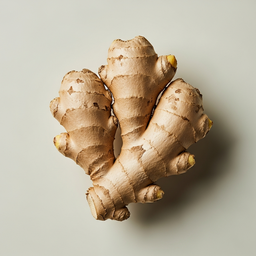 Ginger
 Asian combination of beta-glucans and gingerols
Technical: Shiitake contains lentinan (a beta-1,3-glucan) and, after UV exposure, provides vitamin D — one of the few plant-based sources. Ginger contains gingerols, the bioactive compounds behind its pungency that are studied in research in connection with inflammatory processes. Together they provide complementary plant compounds.
What does this mean for you? Stir-fry shiitake with fresh ginger in sesame oil — a classic Asian combination. Good to know: vitamin D contributes to the normal function of the immune system (EFSA-approved), and UV-exposed shiitake is a rare plant-based source of it.
Shiitake 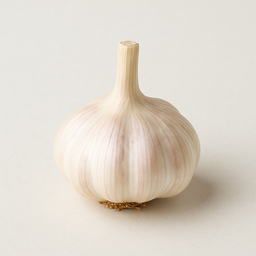 Garlic
 Asian staple combination of shiitake and garlic
Technical: Shiitake contains lentinan, a beta-1,3-glucan that activates natural killer (NK) cells and macrophages via Dectin-1 receptors. Garlic contains allicin, which acts through a different biochemical pathway involving T-cells and interferon production. The two ingredients thus combine distinct bioactive compounds.
What does this mean for you? Stir-fry shiitake with garlic in a wok or soup — it's a staple of Asian cuisine for good reason. Good to know: vitamin D contributes to the normal function of the immune system (EFSA-approved), and UV-exposed shiitake is one of the few plant-based sources of it.
Shiitake 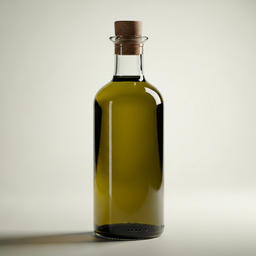 Olive Oil
 Essential for Vitamin D absorption
Technical: Shiitake is one of the few plant-based sources of vitamin D2 (ergocalciferol), with up to 1100 IU per 100g after UV exposure. Vitamin D is fat-soluble and barely absorbed without dietary fat. Olive oil's unsaturated fats form micelles in the gut that increase D2 absorption by 3-5x.
What does this mean for you? Always sauté your shiitake in olive oil — without fat, most vitamin D is lost. Bonus tip: place shiitake gill-side up in the sun for 15 minutes for extra vitamin D.
Shiitake 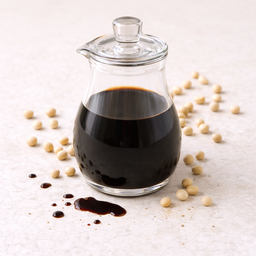 Soy Sauce
 Double umami for satiety + less salt needed
Technical: Shiitake contains guanylate (GMP), soy sauce contains glutamate (MSG). Together they create 'umami synergy' — the flavor-enhancing effect is 7-8x stronger than either alone. This activates T1R1/T1R3 receptors on the tongue AND in the stomach, triggering satiety signals.
What does this mean for you? Use shiitake with soy sauce instead of extra salt. You need less soy sauce for the same flavor intensity, supporting sodium reduction.
Shiitake 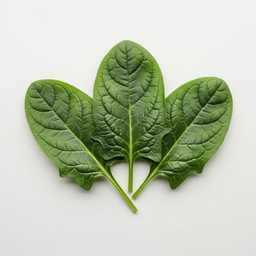 Spinach
 Vitamin D + K synergy for bone health
Technical: UV-exposed shiitake (or shiitake that has been in the sun) contains vitamin D2 (up to 1100 IU per 100g). Spinach contains 483μg vitamin K per 100g. Vitamin D increases calcium absorption, vitamin K activates osteocalcin that directs calcium to bones. Together they optimize calcium use.
What does this mean for you? Stir-fry shiitake with spinach in olive oil (fat needed for D absorption). Place shiitake in the sun for 15-60 minutes before cooking to increase vitamin D content.
Recipes with Shiitake
Discover delicious recipes featuring shiitake:
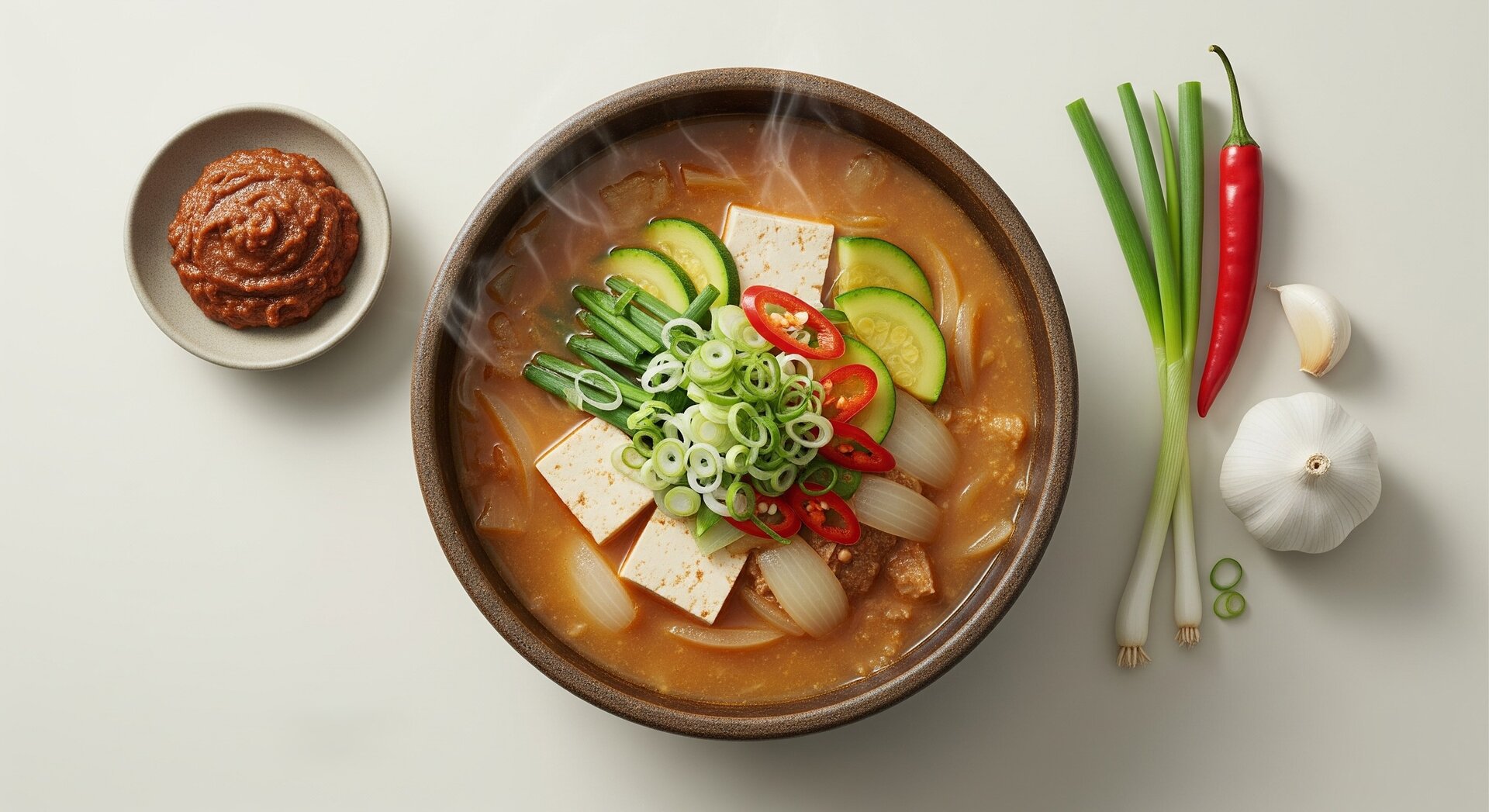 Doenjang Jjigae - Korean Soybean Paste Soup 30 min Umami-rich Korean soup with doenjang, tofu, zucchini and shiitake
  175 kcal
  13g protein 3 synergies
 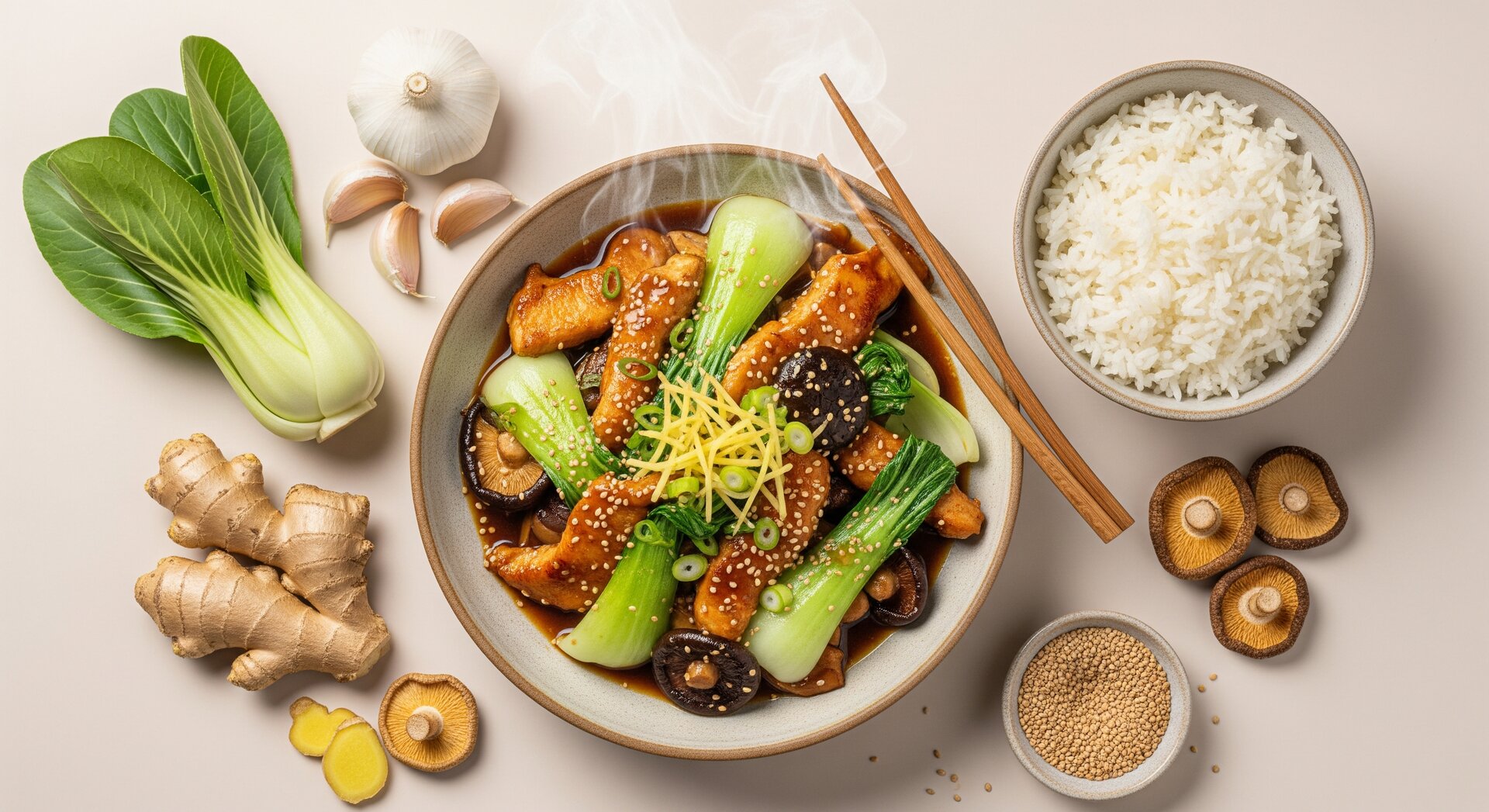 Ginger Chicken with Shiitake and Bok Choy 30 min Asian stir-fry with ginger, mushrooms and sesame 380 kcal 42g protein 2 synergies
 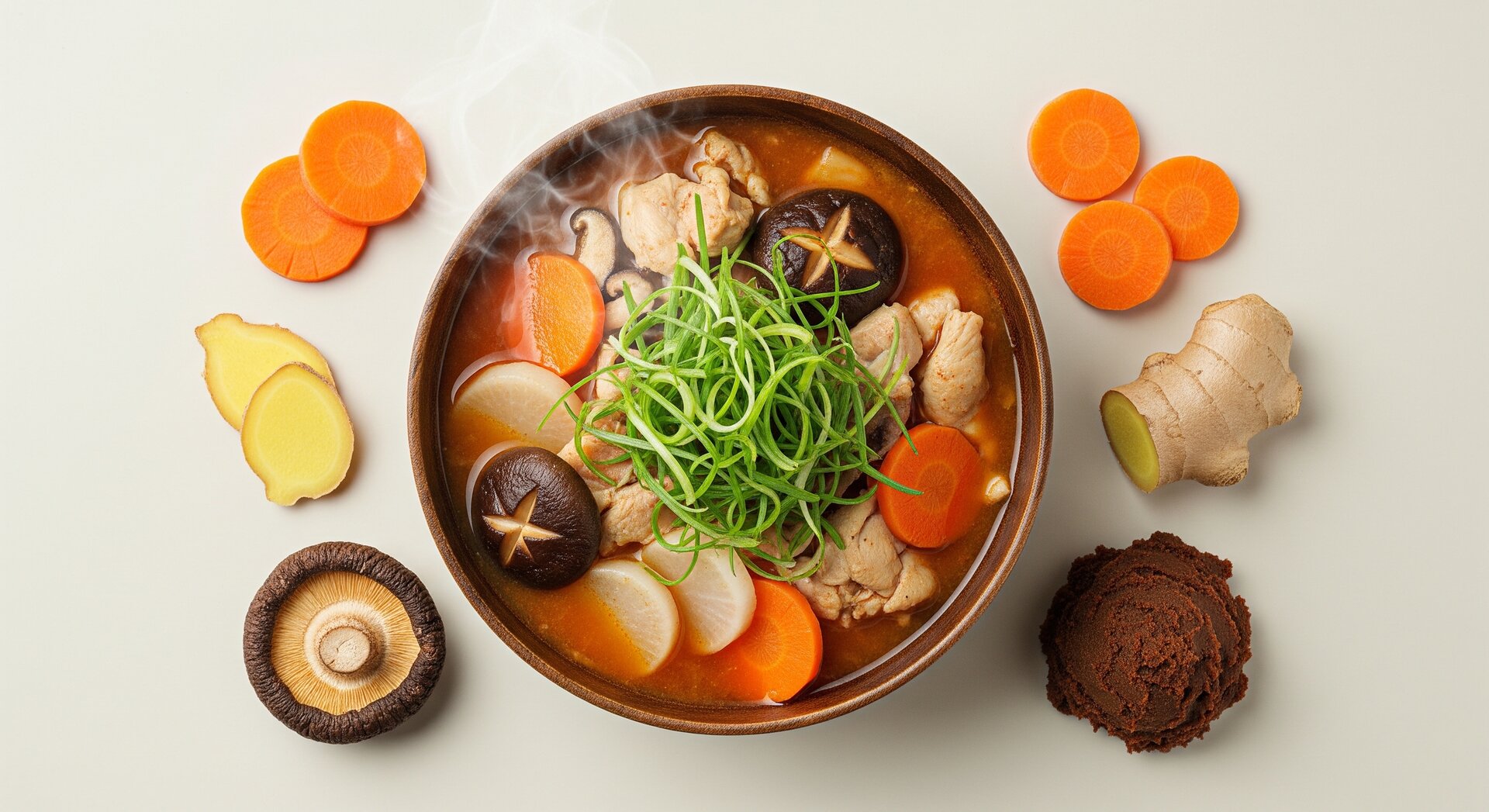 Japanese Tonjiru with Chicken and Root Vegetables 40 min Savoury miso soup with chicken, root vegetables, shiitake and ginger 235 kcal 24g protein 1 synergies
 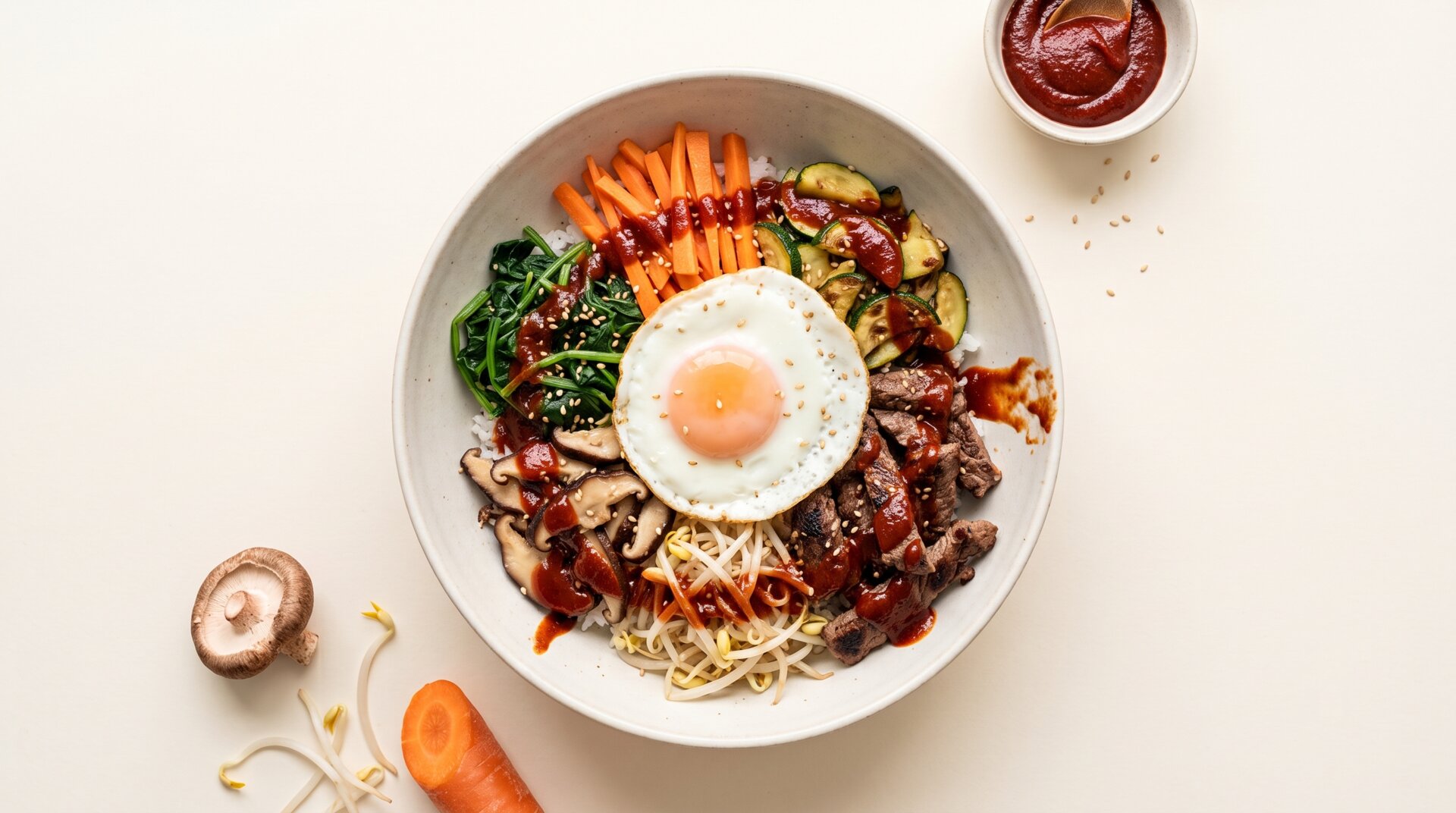 Korean Bibimbap 55 min Colorful rice bowl with vegetables, egg and gochujang 580 kcal 32g protein 1 synergies
 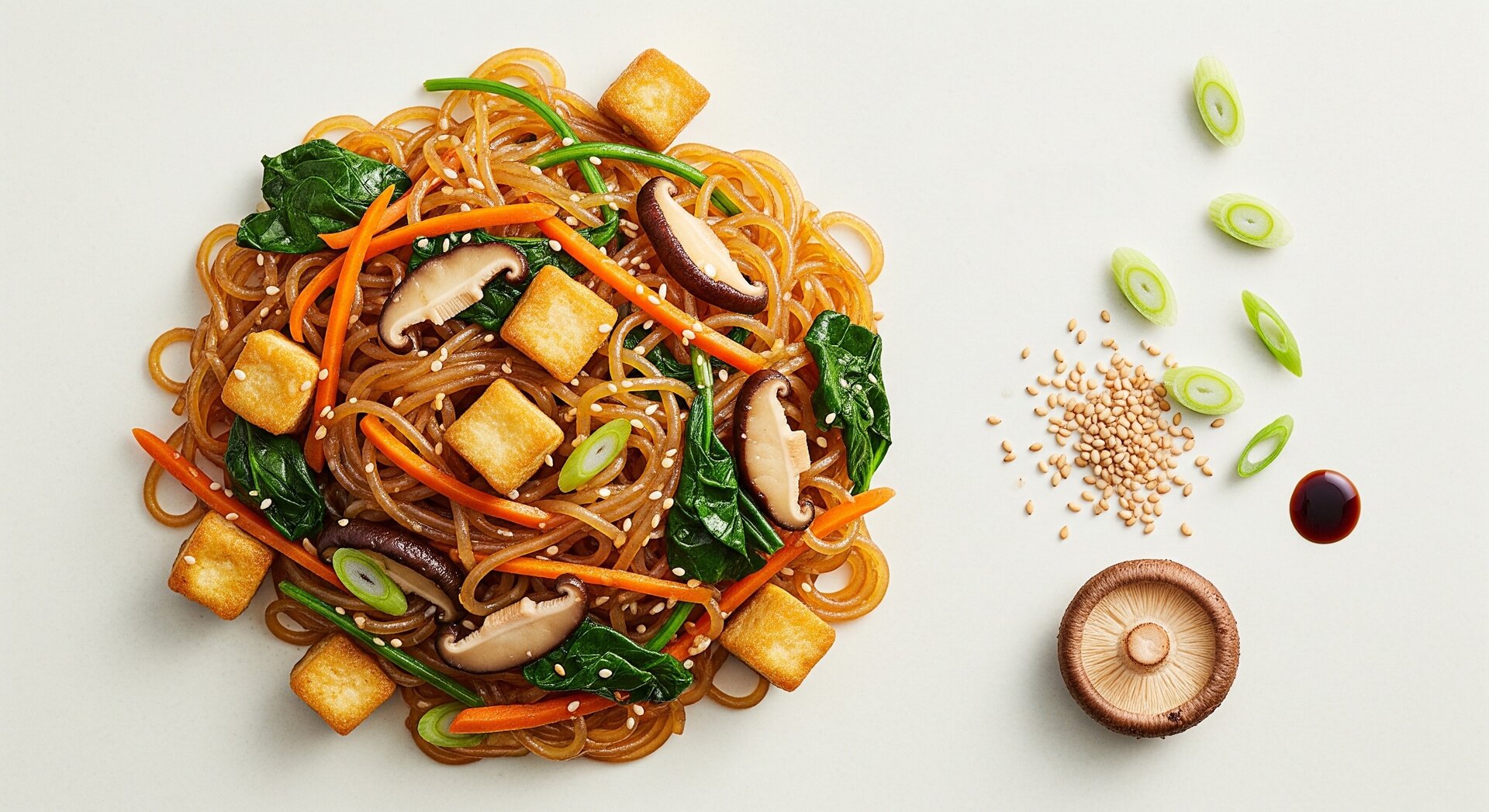 Korean Japchae with Pan-Fried Tofu 45 min Glass noodles with tofu & sesame vegetables 787 kcal 34g protein 2 synergies
 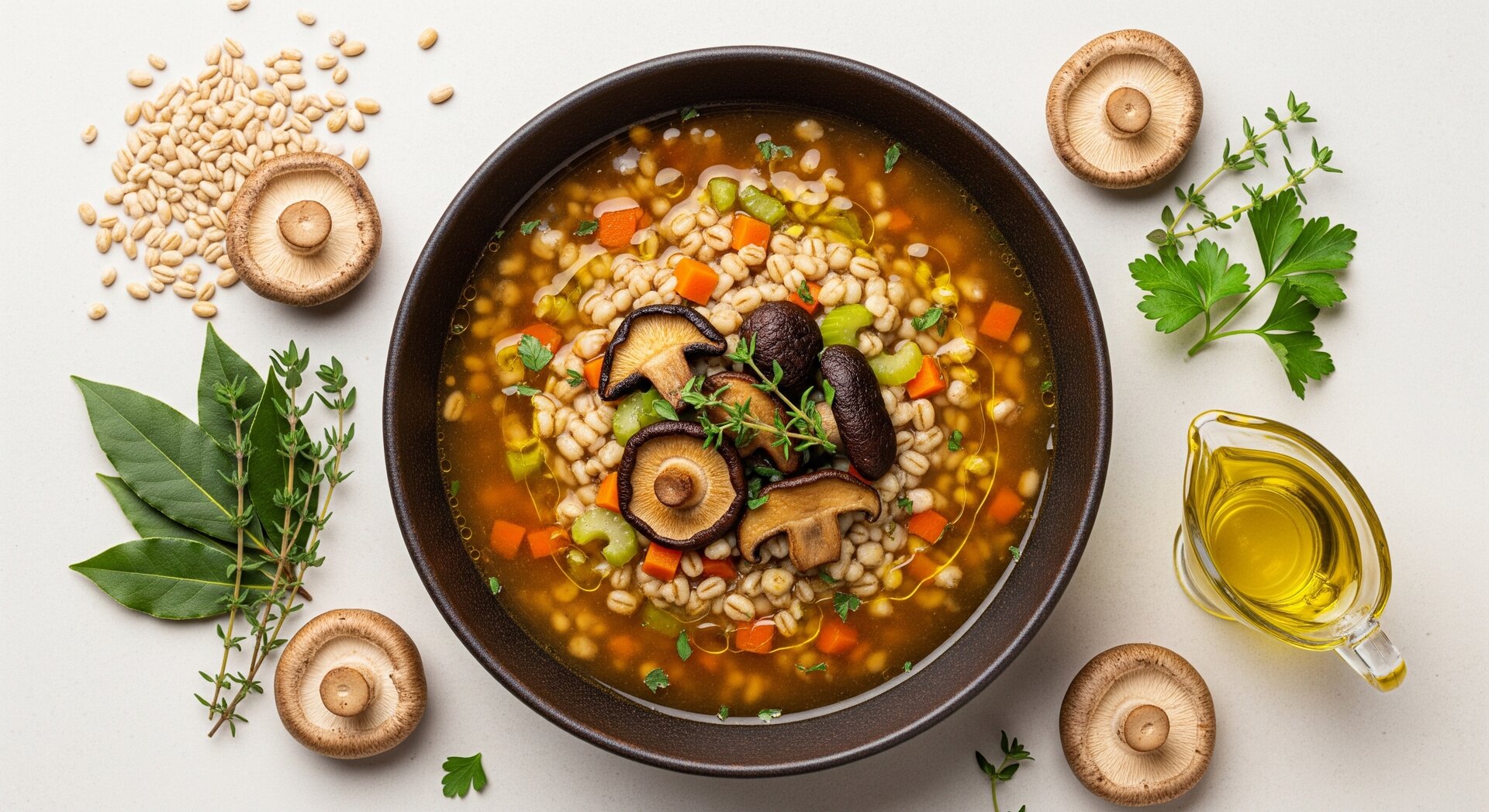 Mushroom Barley Soup with Thyme 80 min Hearty soup with mixed mushrooms, pearl barley, carrot, celery and fresh thyme 316 kcal 10g protein 2 synergies
  In the Kitchen
Storage
Location:Refrigerator
Shelf life:1-2 weken (vers, koelkast), 1 jaar (gedroogd, pantry)
Store fresh shiitake in a paper bag in the refrigerator so moisture can escape. Dried shiitake keeps well in a tightly closed jar in a dry, dark place. Sun-dried shiitake may contain more vitamin D2 than varieties not exposed to light.
Preparation
Do not eat shiitake raw. Soak dried shiitake in warm water for about 30 minutes, save the soaking water for broth, then fry, boil or stew the mushrooms until thoroughly cooked.
Conversions
Substitutes
Smart preparation
1Remove the tough stems; use them for broth.
Why?
The stems are fibrous to eat, but release a lot of deep umami flavor into liquid.
2Soak dried shiitake for at least 30 minutes in warm water.
3Save the soaking water as dashi or broth base.
Why?
The soaking water contains glutamate and other savory compounds that add depth to soups and sauces.
Caution / Warnings
Shiitake is very safe, but there are scientific considerations:
Shiitake dermatitis from raw or undercooked shiitake Severe
Raw or insufficiently cooked shiitake can cause a distinctive, streak-like skin reaction in some people.
Advice:
Do not eat shiitake raw. Fry, boil or stew it until fully cooked, and use dried shiitake only after soaking and heating.
Gout and purines Moderate
Mushrooms naturally contain purines, compounds that are broken down in the body into uric acid.
Advice:
With severe gout or a strict purine-restricted diet: keep portions moderate and follow personal advice from a doctor or dietitian.
Traditional use
Traditional Chinese Medicine
Shiitake in Chinese culinary heritage
Shiitake (xiang gu) has been cultivated in China for over 2,000 years. In Chinese culinary traditions, it is valued for its deep aroma, firm texture and rich flavor in broths, braised dishes and festive meals.
Other
Shiitake in Japanese tradition
In Japan, shiitake has been cultivated on oak logs since the Kamakura period (1185–1333). Dried shiitake is a classic flavor base for dashi, rice dishes and soba.
Summary
Shiitake is a meaty East Asian mushroom with deep umami, ideal for broth, stir-fries, noodles and rice. Dried shiitake gives extra concentrated flavor, and sun-dried varieties may contain vitamin D2 through UV exposure. Use the stems for broth and do not eat shiitake raw: thorough cooking gives the best texture and safety.