- Easy
- 40 min
- 4 serv.
- 9 synergies
- Now at its best: Carrot
A savoury Japanese-inspired miso soup with chicken, dashi, carrot, radish, shiitake, ginger and spring onion.
This chicken tonjiru is a deep, savoury bowl of soup with the calm warmth of miso, dashi and ginger. While classic tonjiru is often made with pork, this halal-friendly version gets its body from chicken and root vegetables. The chicken is first lightly browned in sesame oil, giving the broth more character from the start. Carrot and radish soften while staying distinct, shiitake adds an earthy umami note and the miso is stirred in only at the end so its rounded, salty depth stays clear. Spring onion finishes each bowl with just enough freshness and bite.
- 15
- min prep
- 25
- min cook
- 40
- min total
Nutritional Synergies
This recipe combines ingredients that enhance each other:
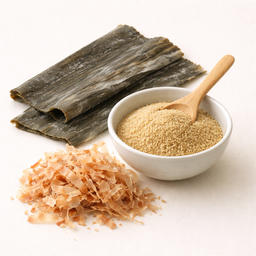 Dashi
Dashi 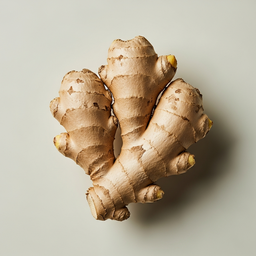 Fresh ginger
 Glutamate-nucleotide umami + gingerols for Japanese recovery food
Technical: Dashi (kombu + bonito) contains the strongest umami duo: glutamate from kombu (2240mg/100g) + inosinate (IMP) from bonito. Glutamate + IMP amplify each other's umami by factor 8 (synergistic umami effect). Ginger's gingerols promote gastric motility and bile production. Dashi's iodine from kombu (1500ug/100g) supports thyroid function.
What does this mean for you? Dashi with ginger is the base of many Japanese broths. Steep kombu in cold water (8 hours) and warm with bonito and fresh ginger for the most umami-rich, digestible broth.
DigestionEnergyHormonal Balance
Dashi 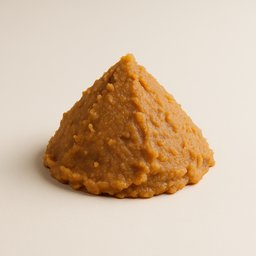 Brown miso
 Umami stacking: glutamate + inosinate = 8x flavor
Technical: Dashi (kombu + bonito) combines two umami sources: glutamate from kombu and inosinate from bonito. Miso/soy sauce adds a third source: more glutamate from soy fermentation. The synergistic effect of glutamate + inosinate amplifies flavor perception up to 8x — the scientific basis of Japanese cuisine.
What does this mean for you? Dissolve miso in dashi for the most flavorful soup. The combination activates your taste buds 8x stronger than each ingredient alone — this is Japan's umami secret.
General Wellness
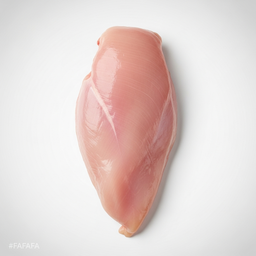 Halal chicken breast Fresh ginger
 Gingerols improve protein digestion and modulate the inflammatory response
Technical: Chicken breast contains 31g high-quality protein per 100g. Ginger contains gingerols that stimulate proteolytic enzymes (pepsin, trypsin), breaking down proteins more efficiently. Ginger also reduces formation of AGEs (Advanced Glycation End-products) when cooking meat.
What does this mean for you? Marinate chicken with fresh ginger or add ginger when cooking. This is the basis of many Asian chicken dishes (ginger chicken, congee) and improves both flavor and digestibility.
Muscle GainDigestionAnti-inflammatory
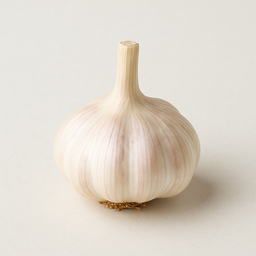 Garlic Fresh ginger
 Allicin + gingerols: complementary bioactive action
Technical: Garlic's allicin works via thiol enzyme inhibition — effective against gram-positive bacteria (Staphylococcus, Streptococcus). Ginger's gingerols and shogaols influence viral replication and stimulate interferon production. Together they cover both bacterial and viral pathways.
What does this mean for you? Garlic-ginger tea is a classic combination. Garlic works via thiol enzymes, ginger via interferon pathways. Cut both fresh for maximum active compounds — allicin only forms after 10 minutes of air exposure.
Immune System
Brown miso Fresh ginger Japanese soup base: enzymes + gingerols
Technical: Miso contains Aspergillus oryzae enzymes (amylase, protease) that support digestion, plus isoflavones. Ginger contains gingerols that speed up gastric emptying. Together they optimize digestion through complementary mechanisms: miso enzymes break down food components, gingerols promote gut transit.
What does this mean for you? Add grated ginger to your miso soup just before serving (don't boil with miso — this kills the enzymes). This is an authentic Japanese variation.
DigestionAnti-inflammatory
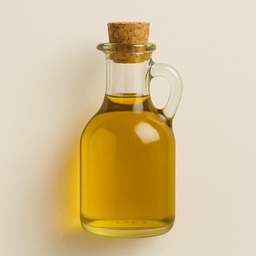 Sesame oil Fresh ginger
 Asian cooking base: lignans + gingerols via complementary pathways
Technical: Sesame oil contains sesamin and sesamolin (lignans) with antioxidant action. Ginger contains gingerols that modulate COX-2. Both compounds influence NF-κB via complementary mechanisms. The fat in sesame oil also improves absorption of fat-soluble gingerols.
What does this mean for you? Start Asian dishes with sesame oil + ginger as flavor base. This is the fundamental start of wok dishes and combines two bioactive compounds via complementary pathways.
Anti-inflammatoryDigestion
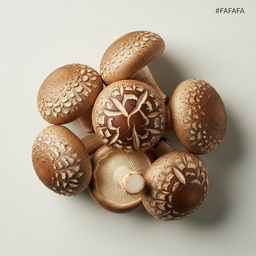 Shiitake mushrooms Fresh ginger
 Asian combination of beta-glucans and gingerols
Technical: Shiitake contains lentinan (a beta-1,3-glucan) and, after UV exposure, provides vitamin D — one of the few plant-based sources. Ginger contains gingerols, the bioactive compounds behind its pungency that are studied in research in connection with inflammatory processes. Together they provide complementary plant compounds.
What does this mean for you? Stir-fry shiitake with fresh ginger in sesame oil — a classic Asian combination. Good to know: vitamin D contributes to the normal function of the immune system (EFSA-approved), and UV-exposed shiitake is a rare plant-based source of it.
Immune SystemAnti-inflammatory
Shiitake mushrooms Garlic Asian staple combination of shiitake and garlic
Technical: Shiitake contains lentinan, a beta-1,3-glucan that activates natural killer (NK) cells and macrophages via Dectin-1 receptors. Garlic contains allicin, which acts through a different biochemical pathway involving T-cells and interferon production. The two ingredients thus combine distinct bioactive compounds.
What does this mean for you? Stir-fry shiitake with garlic in a wok or soup — it's a staple of Asian cuisine for good reason. Good to know: vitamin D contributes to the normal function of the immune system (EFSA-approved), and UV-exposed shiitake is one of the few plant-based sources of it.
Immune System
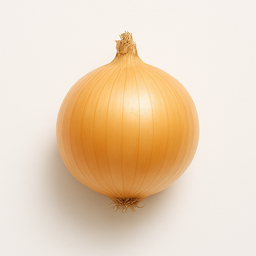 Onion Garlic
 More than 20 organosulfur compounds in one soffritto
Technical: Onion contains diallyl disulfide and quercetin (20-40mg/100g). Garlic contains allicin, ajoene and S-allylcysteine. Together they provide more than 20 different organosulfur compounds that modulate NF-κB. Allium crops are intensively studied in nutrition science for their unique sulfur chemistry.
What does this mean for you? Start every dish with sautéed onion and garlic — not just for flavor, but for the unique concentration of organosulfur compounds. Cut garlic 10 minutes before heating to allow allicin formation.
DigestionImmune System
Ingredients (11)
- Halal chicken breast — 250 g cubed
-
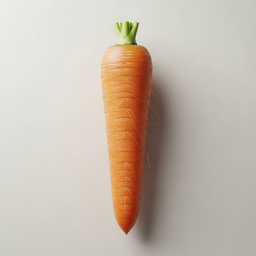 Carrot — 150 g thinly sliced
 -
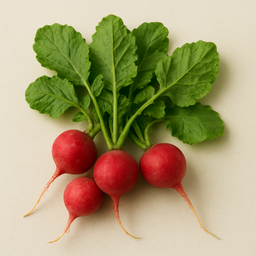 Radish or daikon — 150 g sliced into half-moons
Instructions
- 1 Heat the sesame oil in a soup pot and cook the chicken for 5 minutes over medium heat until lightly browned on the outside.
- 2 Add the ginger and garlic and sauté for 1 minute until fragrant.
Nutrition per serving
Indicative values per serving.
Timing & Suitability
Shelf life: 3 days in fridge
Tags & Diet
Allergens: Soy, Fish, Sesame