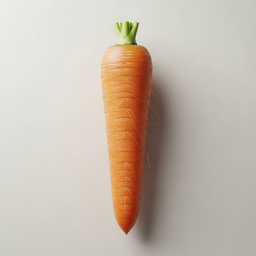
Carrot
The Beta-Carotene Champion
What is this ingredient?
Carrots (Daucus carota) owe their orange color to beta-carotene, a carotenoid the body converts to vitamin A. One medium carrot contains more than 200% of the daily recommended vitamin A.
Importantly, beta-carotene is fat-soluble. This means you should combine carrots with a little fat (olive oil, avocado) to optimally absorb the nutrients. Cooked carrots even release more beta-carotene than raw ones, as cell walls are broken down.
How does it taste?
Sweet, earthy and faintly spicy. Roasting intensifies the sweetness.
Pairs well with:
Pairs well with gingerhoneycumincilantro and butter.
Did you know...?
- Carrots were originally purple or white; the orange variety was bred in the Netherlands in the 17th century.
- The story that carrots help you see in the dark was British WWII propaganda to keep radar secret.
Nutritional Value & Energy
Per 100g
Carrot is low in calories thanks to natural nutrients , buffered by fiber.
Per 100g
Minerals
Vitamins
Omega-3 fatty acids
More nutrients
B-Vitamins
Trace Minerals
Low GI means blood sugar doesn't spike quickly.
Low GL means minimal impact on your blood sugar per serving.
What's in a serving?
1 serving
Carrot naturally contains vitamin a (334 mcg per 100 g).
Carrot naturally contains vitamin k (16 mcg per 100 g).
% of daily reference intake (DRI)
EU-approved nutrition claims
This ingredient contains nutrients for which EFSA-authorized health claims exist (at nutrient level, not ingredient-specific).
Approved health claims (EU)
Vitamin_a EU 432/2012
Vitamin A contributes to the normal function of the immune system
Contains 334mcg/100g (threshold: ≥120mcg/100g)
Vitamin_a EU 432/2012
Vitamin A contributes to the maintenance of normal skin
Contains 334mcg/100g (threshold: ≥120mcg/100g)
Vitamin_a EU 432/2012
Vitamin A contributes to the maintenance of normal mucous membranes
Contains 334mcg/100g (threshold: ≥120mcg/100g)
Vitamin_a EU 432/2012
Vitamin A contributes to the maintenance of normal vision
Contains 334mcg/100g (threshold: ≥120mcg/100g)
Vitamin_a EU 432/2012
Vitamin A contributes to normal iron metabolism
Contains 334mcg/100g (threshold: ≥120mcg/100g)
Vitamin_a EU 432/2012
Vitamin A has a role in the process of cell specialisation
Contains 334mcg/100g (threshold: ≥120mcg/100g)
Vitamin_k EU 432/2012
Vitamin K contributes to normal blood clotting
Contains 16mcg/100g (threshold: ≥11.25mcg/100g)
Vitamin_k EU 432/2012
Vitamin K contributes to the maintenance of normal bones
Contains 16mcg/100g (threshold: ≥11.25mcg/100g)
What's being researched?
Beta-carotene and provitamin A activity
Beta-carotene in carrots is an important source of provitamin A. Research focuses on bioavailability, which increases with heating and fat addition, and antioxidant activity.
Supported by: [2] Rock (1998) , [1] Stahl (2012) , [3] Seddon (1994)
Polyacetylene and cardiovascular research
Falcarinol and other polyacetylenes in carrots are being studied for potential cardiovascular effects. Preclinical evidence is promising, but human studies are in an early stage.
Supported by: [4] Christensen (2011)
Good Combinations (Synergy)
Combine carrot smartly to enhance the effect:
Carrot 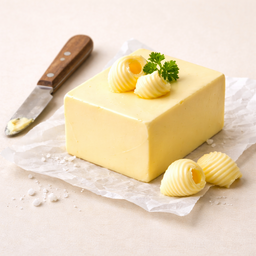 Butter
 Butter increases beta-carotene absorption from carrot by 6x
Fat is essential for carotenoid absorption (PMID: 15927929)
Technical: Carrot contains 8285μg beta-carotene per 100g — the highest concentration of all vegetables. Without fat only 5-10% is absorbed because beta-carotene is fat-soluble. Butter's saturated fat promotes micelle formation in the small intestine, efficiently packaging beta-carotene for absorption. Just 3-5g butter increases uptake 3-6x.
What does this mean for you? Always eat carrots with some butter or other fat. Without fat most beta-carotene is lost — a knob of butter makes a world of difference.
Carrot 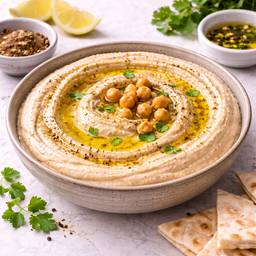 Hummus
 Fats in hummus increase beta-carotene absorption 4x
Technical: Hummus contains tahini (sesame fat) and olive oil — two fat sources that increase carotenoid absorption. Carrot contains 8285μg beta-carotene, bell pepper 2094μg — both fat-soluble with only 5-10% absorption without fat. The fat in hummus increases beta-carotene absorption up to 4x, making more provitamin A available.
What does this mean for you? Dip carrots and bell peppers in hummus as a snack. The fats from tahini and olive oil in the hummus ensure you get 4x more vitamins from the vegetables.
Carrot 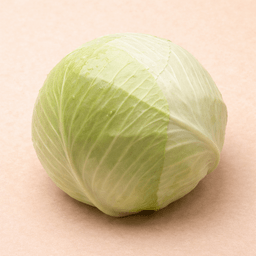 White Cabbage
 Glucosinolates + beta-carotene (provitamin A): complementary bioactive pathways
Technical: Cabbage contains glucosinolates converted to isothiocyanates (ITC) during digestion — compounds that modulate NF-κB signaling and activate phase-II enzymes. Carrot provides 8285μg beta-carotene per 100g — provitamin A that contributes to the normal function of the immune system (EFSA-approved). Together they offer two complementary bioactive pathways.
What does this mean for you? Coleslaw (cabbage-carrot salad) is more than a side dish. The raw combination maximizes both glucosinolates (heat-sensitive) and beta-carotene. Vitamin A contributes to normal immune system function.
Carrot 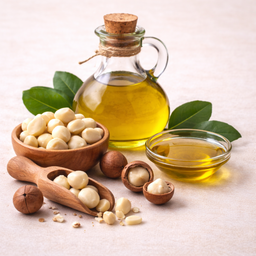 Macadamia Oil
 Palmitoleic + oleic acid increase beta-carotene absorption by 5-6x
Technical: Macadamia oil is unique with 16-25% palmitoleic acid (omega-7, C16:1) alongside 55-65% oleic acid (omega-9). Palmitoleic acid is rare in food and influences lipokine signaling. Carrots contain 8,285μg beta-carotene per 100g. Without fat only 5-10% is absorbed; macadamia oil's monounsaturated fats create optimal micelles increasing absorption to 40-60%.
What does this mean for you? Sauté carrots in macadamia oil or use it as dressing on grated carrot. You absorb up to 6x more beta-carotene (provitamin A). Beta-carotene is a precursor of vitamin A — which contributes to the maintenance of normal vision (EFSA). The nutty flavor pairs perfectly with carrot.
Carrot 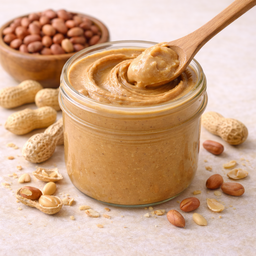 Peanut Butter
 Fat from nut butter increases carotenoid absorption by 3-6x
Technical: Carotenoids (beta-carotene, lutein, lycopene) in vegetables are fat-soluble and poorly absorbed without fat (5-10%). Nut butters contain 50-60g fat per 100g. Just 3-5g fat (1 tablespoon nut butter) increases carotenoid absorption to 30-60% — a 3-6x improvement. This applies to carrot, bell pepper, spinach and other colorful vegetables.
What does this mean for you? Dip veggie sticks in peanut butter or almond butter. The fat from the nut butter ensures your body absorbs 3-6x more vitamins from the vegetables.
Carrot 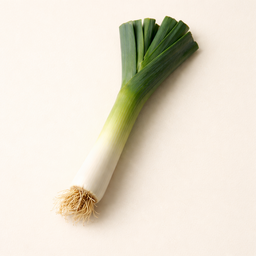 Leek
Leek Prebiotic inulin + beta-carotene
Technical: Leek's inulin (2-5g/100g) feeds Bifidobacterium producing short-chain fatty acids (butyrate) for colonocytes. Carrot provides 8285μg beta-carotene per 100g. A healthy gut flora (fed by inulin) increases beta-carotene absorption efficiency, as gut bacteria optimize enterocyte function.
What does this mean for you? Leek-carrot soup is a classic combination. Inulin from leek feeds your gut flora, and a healthy gut flora in turn improves beta-carotene absorption from carrot. Double benefit from two simple ingredients.
Carrot 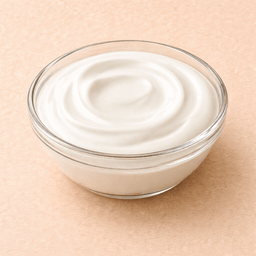 Cream
Cream Cream fat increases beta-carotene absorption from carrot by 5x
Technical: Carrot contains 8285μg beta-carotene per 100g. Without fat only 5-10% is absorbed because beta-carotene is fat-soluble. Cream (19.5% fat) provides sufficient fat for micelle formation in the small intestine. The emulsifying properties of cream (casein + phospholipids) are particularly effective in forming stable micelles that encapsulate beta-carotene.
What does this mean for you? A splash of cream in carrot soup isn't just for flavor — it's essential to absorb the vitamins from the carrot. Without fat you lose most of the beta-carotene.
Carrot 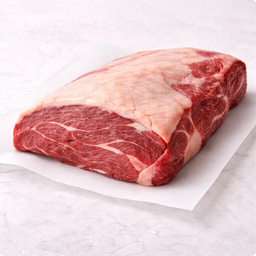 Beef Brisket
 Mirepoix vegetables buffer acids and add minerals
Technical: Beef brisket is rich in collagen type I (connective tissue) that hydrolyzes into gelatin during slow cooking (80-95°C, 6-12 hours) — a soluble protein that adds to the dish's texture and amino acid profile. Mirepoix vegetables (carrot, onion, celery) provide minerals, pectin and quercetin. Carrots' beta-carotene (8285μg per 100g) is better absorbed through the fat in the brisket. Onion inulin works prebiotic.
What does this mean for you? Slow-cook brisket with carrot, onion and celery for a rich, nutritious broth. The vegetables add not just flavor but also minerals and prebiotics. The gelatin in the broth supports your joints and gut wall.
Carrot 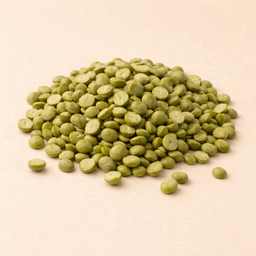 Split peas
 Folate + beta-carotene for blood cell formation
Technical: Split peas contain 274μg folate per 100g (dry, 69% RDA), essential for DNA synthesis and red blood cell formation. Carrot provides 8285μg beta-carotene per 100g, converted to vitamin A — important for immune cell maturation and mucosal integrity. Folate and vitamin A work synergistically in hematopoiesis (blood cell formation): folate for DNA replication, vitamin A for differentiation.
What does this mean for you? Classic pea soup with carrots isn't just comfort food — the combination of folate from peas and vitamin A from carrots supports your blood cell formation. Ideal in winter.
Carrot 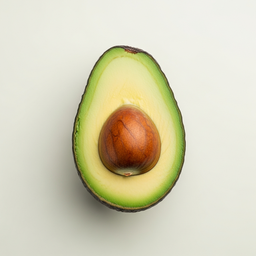 Avocado
 Avocado fat improves beta-carotene absorption from carrot
Technical: Carrot contains 8285μg beta-carotene per 100g — the richest source. Avocado provides 15g monounsaturated fats that stimulate micelle formation. Studies show avocado increases beta-carotene absorption from vegetables by 4.6x through improved micelle incorporation and lymphatic transport.
What does this mean for you? Add avocado to carrot salad or a carrot smoothie. The fats in avocado are the ideal carrier — without fat you barely absorb the beta-carotene.
Carrot  Olive Oil
 Up to 5x more beta-carotene absorption
Technical: Carrot contains 8285μg beta-carotene per 100g, but bioavailability from raw carrot is only 3-4%. Heating + olive oil increases this to 20-25%. Oleic acid (73% of olive oil) forms mixed micelles that efficiently transport beta-carotene to enterocytes for absorption.
What does this mean for you? Roast carrots with olive oil or eat them in a salad with dressing. Without fat you absorb only 3% of beta-carotene — with olive oil up to 5x more.
Recipes with Carrot
Discover delicious recipes featuring carrot:
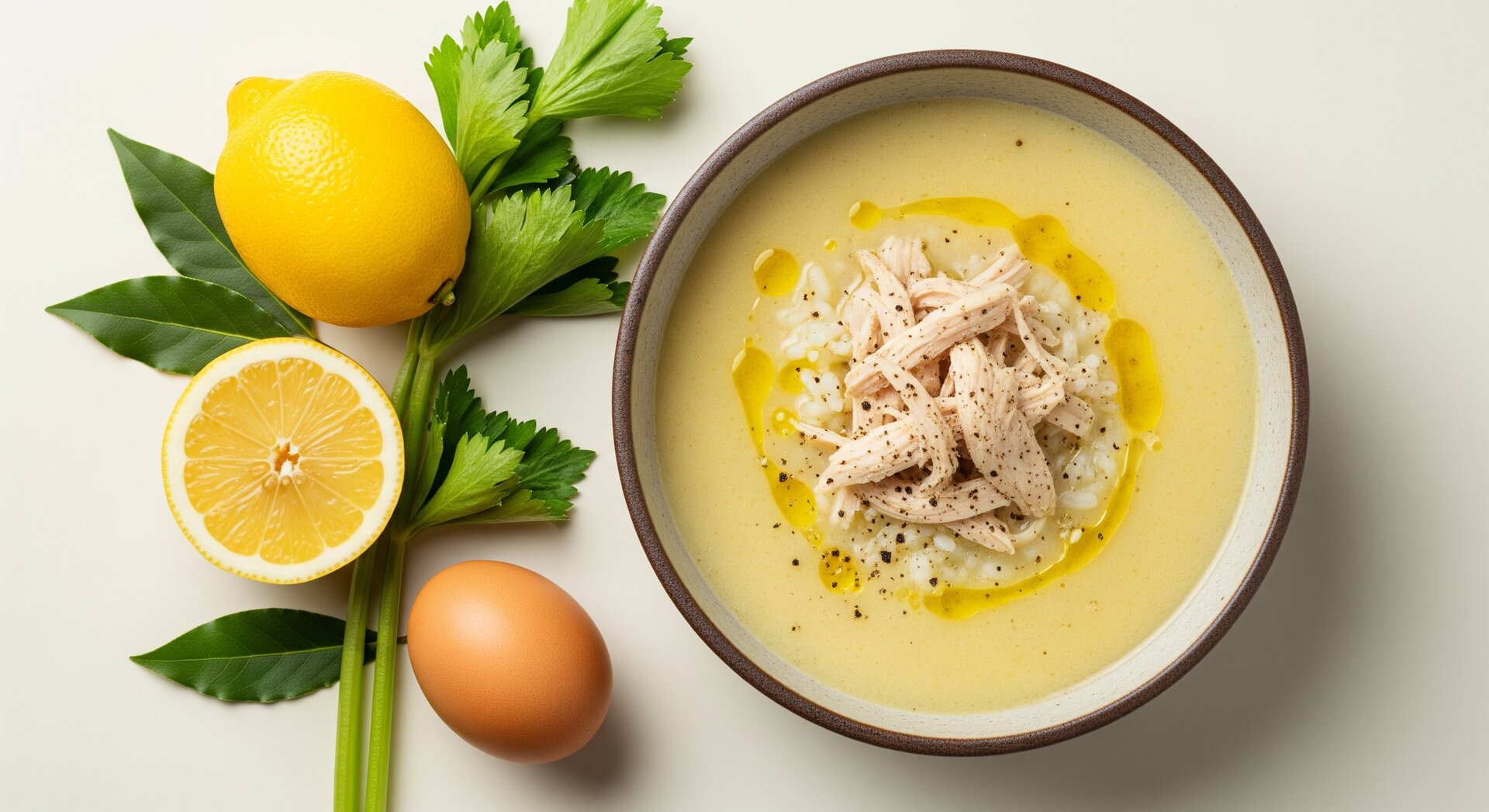 Avgolemono - Greek Lemon-Egg Soup with Chicken 40 min Velvety Greek soup with chicken, rice, lemon and egg
  410 kcal
  34g protein 3 synergies
 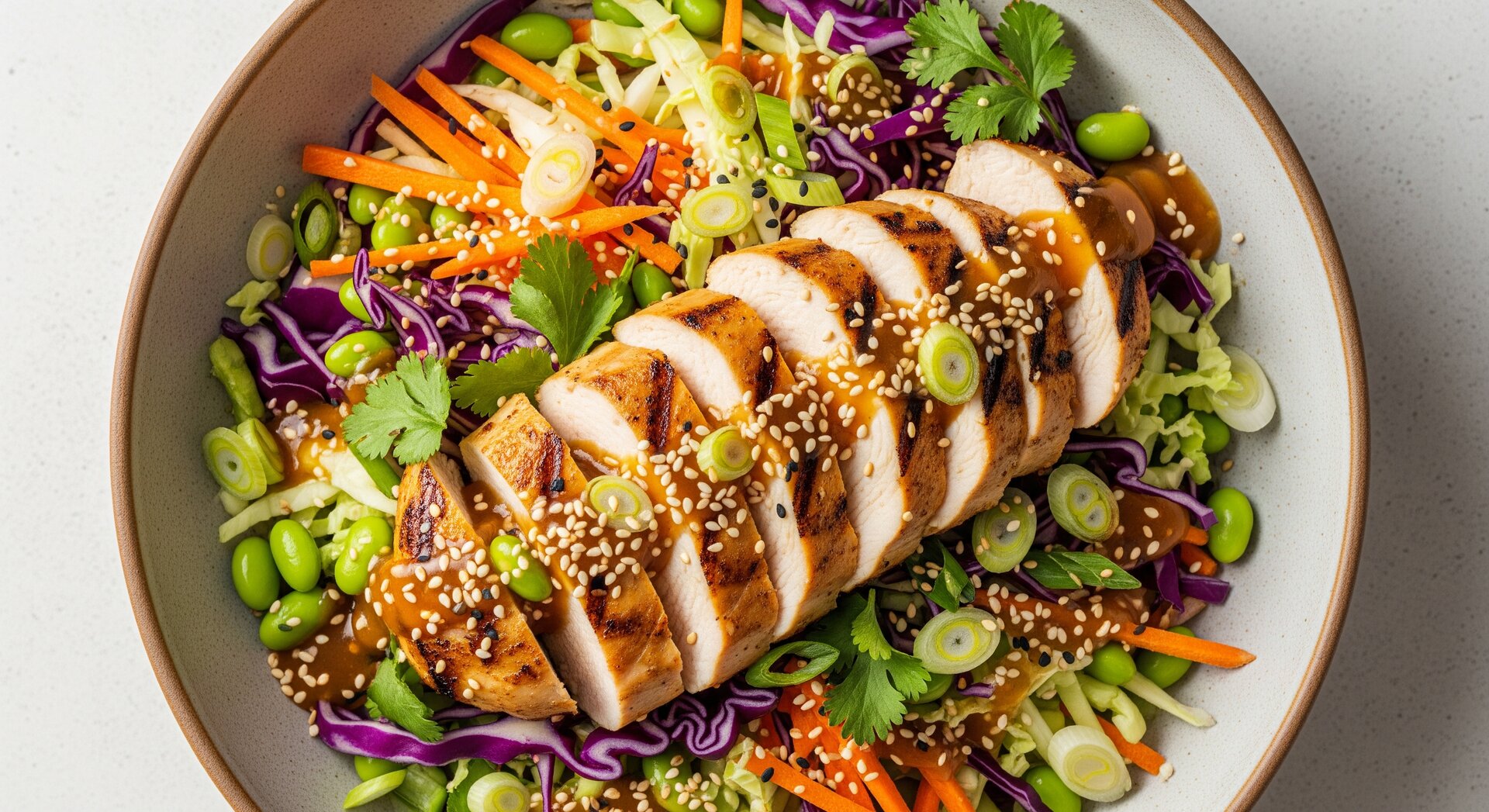 Asian Sesame Chicken Salad 25 min Crispy salad with grilled chicken and ginger-sesame dressing 320 kcal 28g protein 1 synergies
 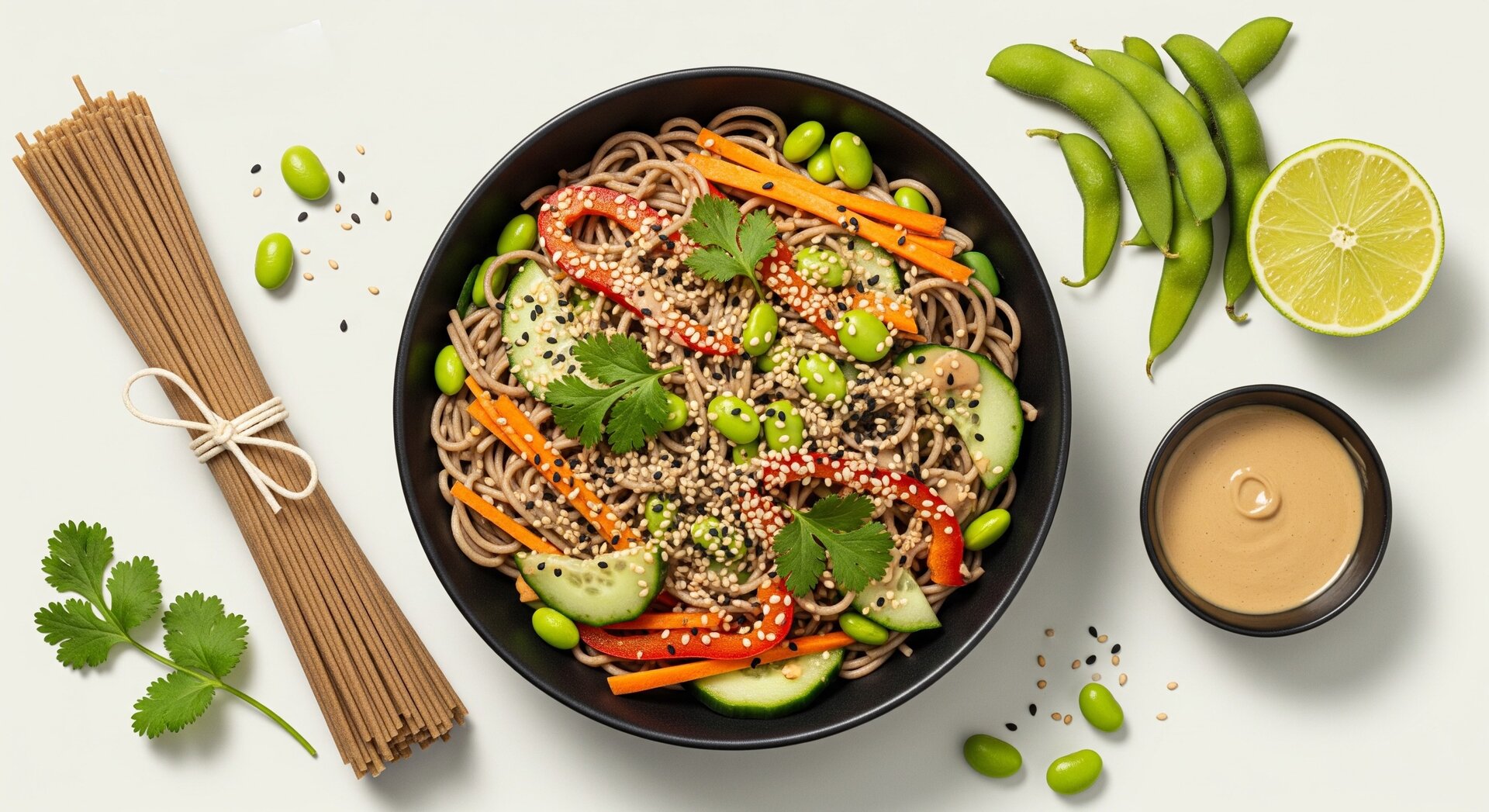 Asian Sesame-Soba Noodle Salad with Edamame 25 min Cold noodle salad with sesame dressing and edamame 751 kcal 31g protein 1 synergies
 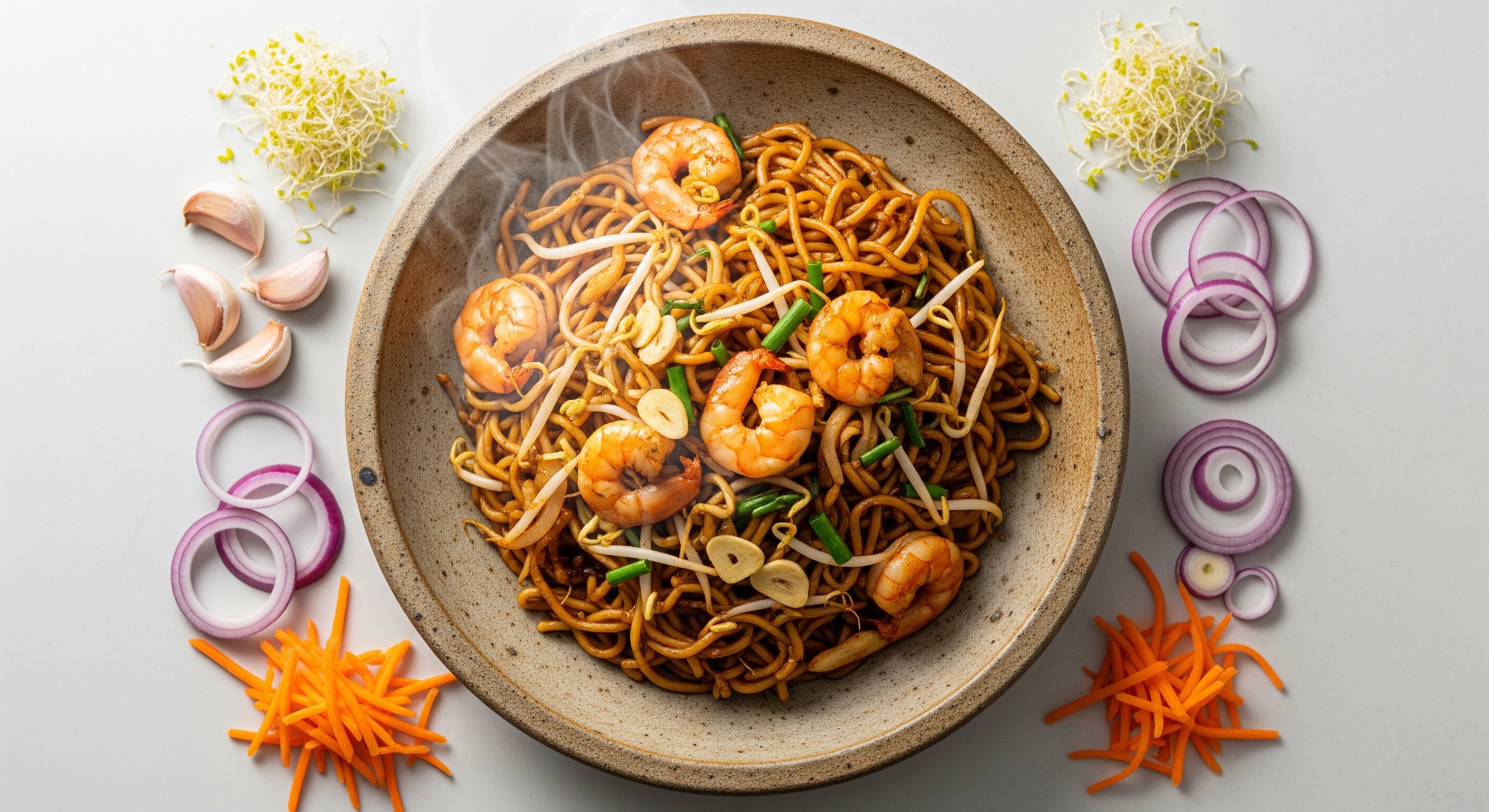 Bami Goreng with Shrimp and Bean Sprouts 30 min Indonesian stir-fry with crispy vegetables and sweet soy sauce 630 kcal 34g protein 2 synergies
 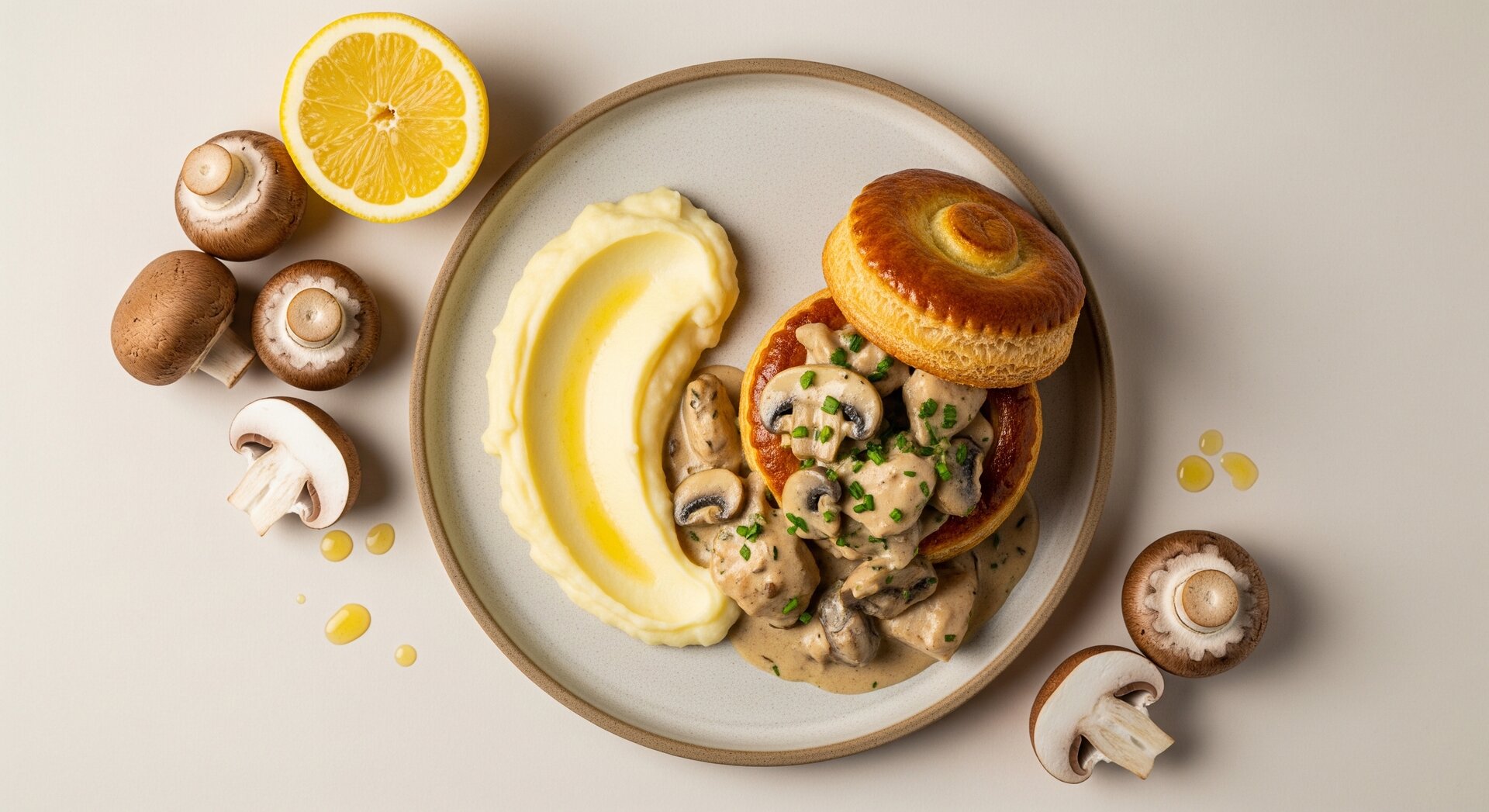 Belgian Vol-au-Vent with Mashed Potatoes 70 min Creamy chicken ragout with mushrooms, leek and soft mash 735 kcal 43g protein 2 synergies
 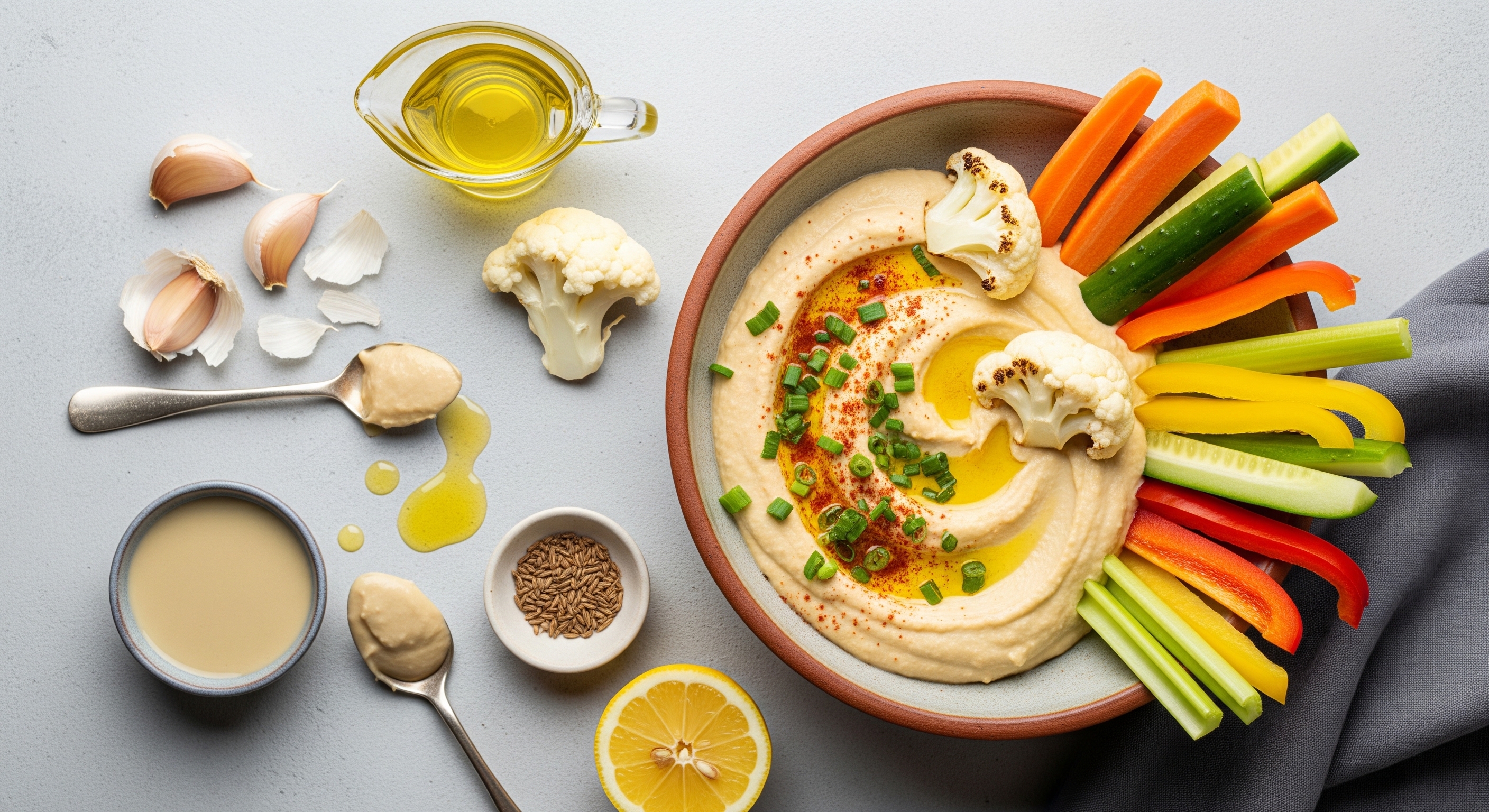 Cauliflower Hummus with Veggie Sticks 25 min Creamy low-carb dip with crunchy vegetables 105 kcal 3g protein 1 synergies
  In the Kitchen
Storage
Location:Refrigerator
Shelf life:2-3 weken
Remove tops to prevent drying out. Store in a plastic bag in the vegetable drawer.
Preparation
Boiled or roasted with a little oil for maximum beta-carotene absorption
Conversions
Substitutes
Smart preparation
1Peel carrots only if they are not organic; the skin holds much flavor.
2Cut carrots diagonally for more surface area and faster cooking.
3Add carrots early to stews; they have a long cooking time.
4Roast carrots with honey for natural caramelization.
Caution / Warnings
Carrot is very safe, but there are scientific considerations:
Carotenodermia Mild
Extremely high intake can cause harmless yellow-orange skin discoloration
Advice:
Completely harmless - disappears on its own with normal consumption. No medical risk.
Traditional use
Ayurveda
Ayurvedic eye food
In Ayurveda, carrots are considered nourishing for the eyes and as a Pitta-calming food. Carrot juice was traditionally prescribed as a blood tonic.
Islamic tradition
Arab development of the carrot
Arab scholars around the 10th century extensively described the herbal properties of carrots. It was in the Middle East that the carrot was bred from white to purple.
Summary
Carrots are the best food source of beta-carotene, which your body converts to vitamin A. For maximum absorption: eat them cooked with a little olive oil or combined with avocado. You can never get too much beta-carotene - at worst your palms turn slightly orange (carotenodermia), which is harmless.