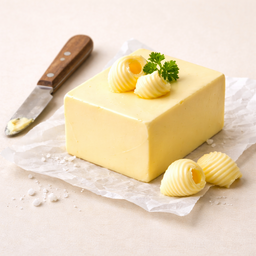
Butter
Classic dairy fat for baking, frying and creamy preparations
What is this ingredient?
Butter is made by churning cream that contains about 30-40% milk fat. Mechanical movement breaks the fat globules, makes them cluster together and separates buttermilk from the milk fat. The result is a firm emulsion with usually around 80% fat, a small amount of water and traces of milk protein and lactose. Its flavor is rounded, creamy and slightly sweet; when heated, water and milk solids change and nutty aromas develop, especially when butter browns. Butter naturally contains short-chain fatty acids such as butyric acid, alongside palmitic acid, oleic acid and smaller amounts of polyunsaturated fatty acids. Grass-fed butter can contain more carotenoids and conjugated linoleic acid, contributing to a yellower color and a fuller aroma profile. Nutritionally, butter mainly provides energy and fat-soluble vitamins: vitamin A, D, E and small amounts of K2. Because of its high energy density and high proportion of saturated fat, butter fits best as a flavoring ingredient in moderate portions, for example on bread, with vegetables, in sauces, pastries or egg dishes. For higher temperatures, clarified butter or ghee is more practical because water and milk solids have largely been removed.
How does it taste?
Creamy and rich with a soft, sweet base and a nutty undertone when the butter browns.
Pairs well with:
Pairs well with sagegarliclemonmushroomspotatoesbread and honey.
Did you know...?
- In ancient Scandinavia, butter was sometimes stored or left in bogs; archaeologists have found so-called 'bog butter' that can be thousands of years old.
- It takes about 20 to 25 liters of milk to make 1 kilogram of butter, depending on the fat content of the milk and cream.
Nutritional Value & Energy
Per 100g
Butter provides energy thanks to natural nutrients .
Per 100g
Minerals
Vitamins
Omega-3 fatty acids
More nutrients
B-Vitamins
Trace Minerals
What's in a serving?
1 serving
Butter naturally contains Vitamin A (684 mcg per 100 g).
Butter naturally contains Vitamin D (1.5 mcg per 100 g).
Butter naturally contains Vitamin E (2.32 mg per 100 g).
% of daily reference intake (DRI)
EU-approved nutrition claims
This ingredient contains nutrients for which EFSA-authorized health claims exist at nutrient level, not as an ingredient-specific claim.
Approved health claims (EU)
Vitamin_d EU 432/2012
Vitamin D contributes to the maintenance of normal bones
Contains 1.5mcg/100g (threshold: ≥0.75mcg/100g)
Vitamin_d EU 432/2012
Vitamin D contributes to the normal function of the immune system
Contains 1.5mcg/100g (threshold: ≥0.75mcg/100g)
Vitamin_a EU 432/2012
Vitamin A contributes to the normal function of the immune system
Contains 684mcg/100g (threshold: ≥120mcg/100g)
Vitamin_a EU 432/2012
Vitamin A contributes to the maintenance of normal skin
Contains 684mcg/100g (threshold: ≥120mcg/100g)
Vitamin_a EU 432/2012
Vitamin A contributes to the maintenance of normal mucous membranes
Contains 684mcg/100g (threshold: ≥120mcg/100g)
Vitamin_a EU 432/2012
Vitamin A contributes to the maintenance of normal vision
Contains 684mcg/100g (threshold: ≥120mcg/100g)
Vitamin_a EU 432/2012
Vitamin A contributes to normal iron metabolism
Contains 684mcg/100g (threshold: ≥120mcg/100g)
Vitamin_a EU 432/2012
Vitamin A has a role in the process of cell specialisation
Contains 684mcg/100g (threshold: ≥120mcg/100g)
Vitamin_d EU 432/2012
Vitamin D contributes to normal absorption/utilisation of calcium and phosphorus
Contains 1.5mcg/100g (threshold: ≥0.75mcg/100g)
Vitamin_d EU 432/2012
Vitamin D contributes to normal blood calcium levels
Contains 1.5mcg/100g (threshold: ≥0.75mcg/100g)
Vitamin_d EU 432/2012
Vitamin D contributes to the maintenance of normal muscle function
Contains 1.5mcg/100g (threshold: ≥0.75mcg/100g)
Vitamin_d EU 432/2012
Vitamin D contributes to the maintenance of normal teeth
Contains 1.5mcg/100g (threshold: ≥0.75mcg/100g)
Vitamin_d EU 432/2012
Vitamin D has a role in the process of cell division
Contains 1.5mcg/100g (threshold: ≥0.75mcg/100g)
Vitamin_e EU 432/2012
Vitamin E contributes to the protection of cells from oxidative stress
Contains 2.32mg/100g (threshold: ≥1.8mg/100g)
What's being researched?
Butter in nutrition research on cardiovascular risk
Research on butter consumption mainly examines portion size, saturated fatty acids, the dairy matrix and the overall dietary pattern. Meta-analyses describe mixed or relatively neutral associations, so context and replacement by other fat sources remain important in interpretation.
Supported by: [4] Dehghan M (2018) , [6] Kumma WP (2023)
Good Combinations (Synergy)
Combine butter smartly to enhance the effect:
Butter 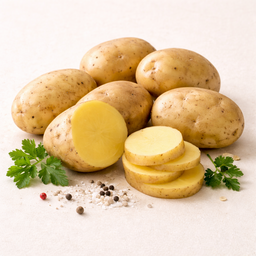 Potato
 Better absorption of carotenoids and vitamin A
Technical: Yellow potatoes contain up to 400μg carotenoids per 100g (lutein, zeaxanthin). Butter provides saturated fats (52g/100g) plus its own vitamin A (684μg retinol). Saturated fats improve micelle formation for carotenoid absorption up to 3x. Butter also contains butyrate precursors that nourish colonocytes.
What does this mean for you? Butter on your potato isn't just tasty — it increases carotenoid absorption up to 3x. Choose yellow potato varieties for the most beta-carotene.
Butter 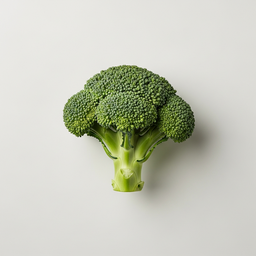 Broccoli
 Butter fat increases absorption of broccoli's fat-soluble vitamins
Technical: Broccoli contains vitamin K1 and beta-carotene that are fat-soluble. Butter's saturated fat and cholesterol form effective micelles for absorption. Additionally, butter itself contains vitamins A and D that work synergistically with broccoli's vitamin K.
What does this mean for you? Broccoli with a knob of butter is more than comfort food — the butter fat ensures you absorb much more vitamins from the broccoli.
Butter 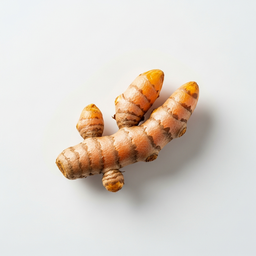 Turmeric
 Fat from butter increases curcumin absorption (with black pepper up to 2000x)
Fat + piperine drastically increase curcumin bioavailability (PMID: 9619120)
Technical: Curcumin from turmeric is fat-soluble with bioavailability below 1% without fat. Butter contains saturated fat that dissolves curcumin and increases absorption 7-8x. Combined with piperine from black pepper (which inhibits liver enzymes) absorption rises to 2000%. This explains why 'golden milk' is traditionally prepared with fat and pepper.
What does this mean for you? Make golden milk with butter (or ghee), turmeric and a pinch of black pepper. Without fat and pepper your body absorbs almost nothing from the turmeric.
Butter 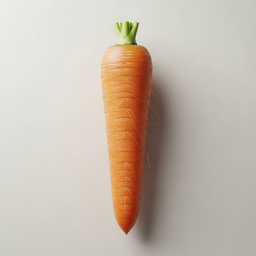 Carrot
 Butter increases beta-carotene absorption from carrot by 6x
Fat is essential for carotenoid absorption (PMID: 15927929)
Technical: Carrot contains 8285μg beta-carotene per 100g — the highest concentration of all vegetables. Without fat only 5-10% is absorbed because beta-carotene is fat-soluble. Butter's saturated fat promotes micelle formation in the small intestine, efficiently packaging beta-carotene for absorption. Just 3-5g butter increases uptake 3-6x.
What does this mean for you? Always eat carrots with some butter or other fat. Without fat most beta-carotene is lost — a knob of butter makes a world of difference.
Butter 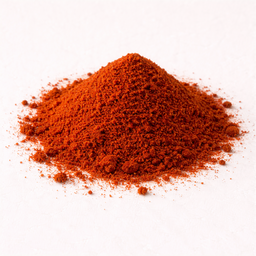 Paprika powder (sweet)
 3x better carotenoid absorption with fats
Technical: Paprika powder is extremely rich in carotenoids: beta-carotene, capsanthin and cryptoxanthin. These are all fat-soluble with only 5-10% absorption without fat. Olive oil or butter create micelles increasing absorption up to 3x. Additionally, vitamin E from olive oil protects carotenoids from oxidation.
What does this mean for you? Always briefly fry paprika powder in oil or butter before adding liquid. This activates the color and increases vitamin absorption up to 3x — the basis of Hungarian goulash.
Recipes with Butter
Discover delicious recipes featuring butter:
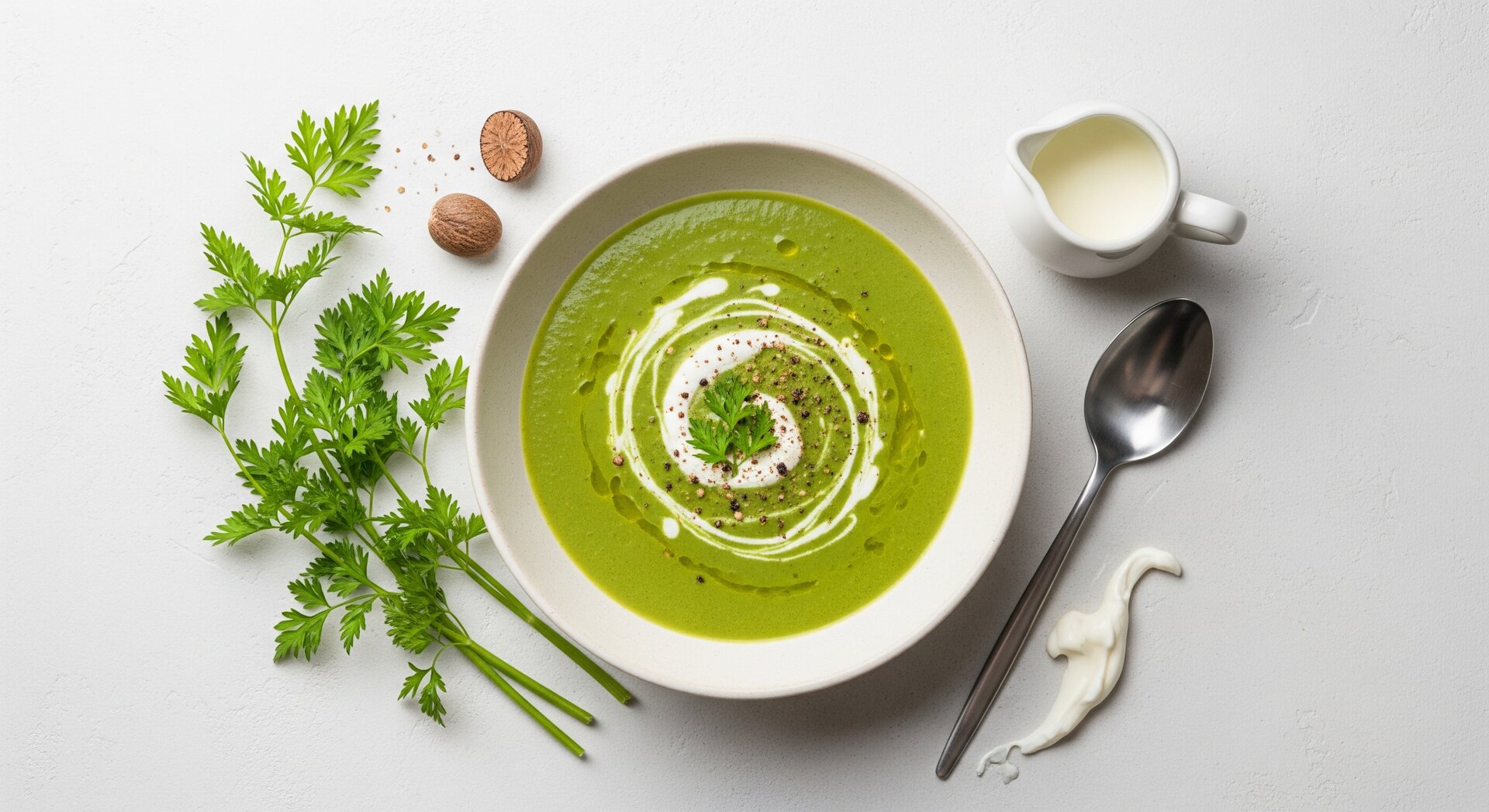 Belgian Chervil Soup with Cream 40 min Classic spring soup with fresh chervil, potato and a hint of nutmeg
  265 kcal
  5g protein 2 synergies
 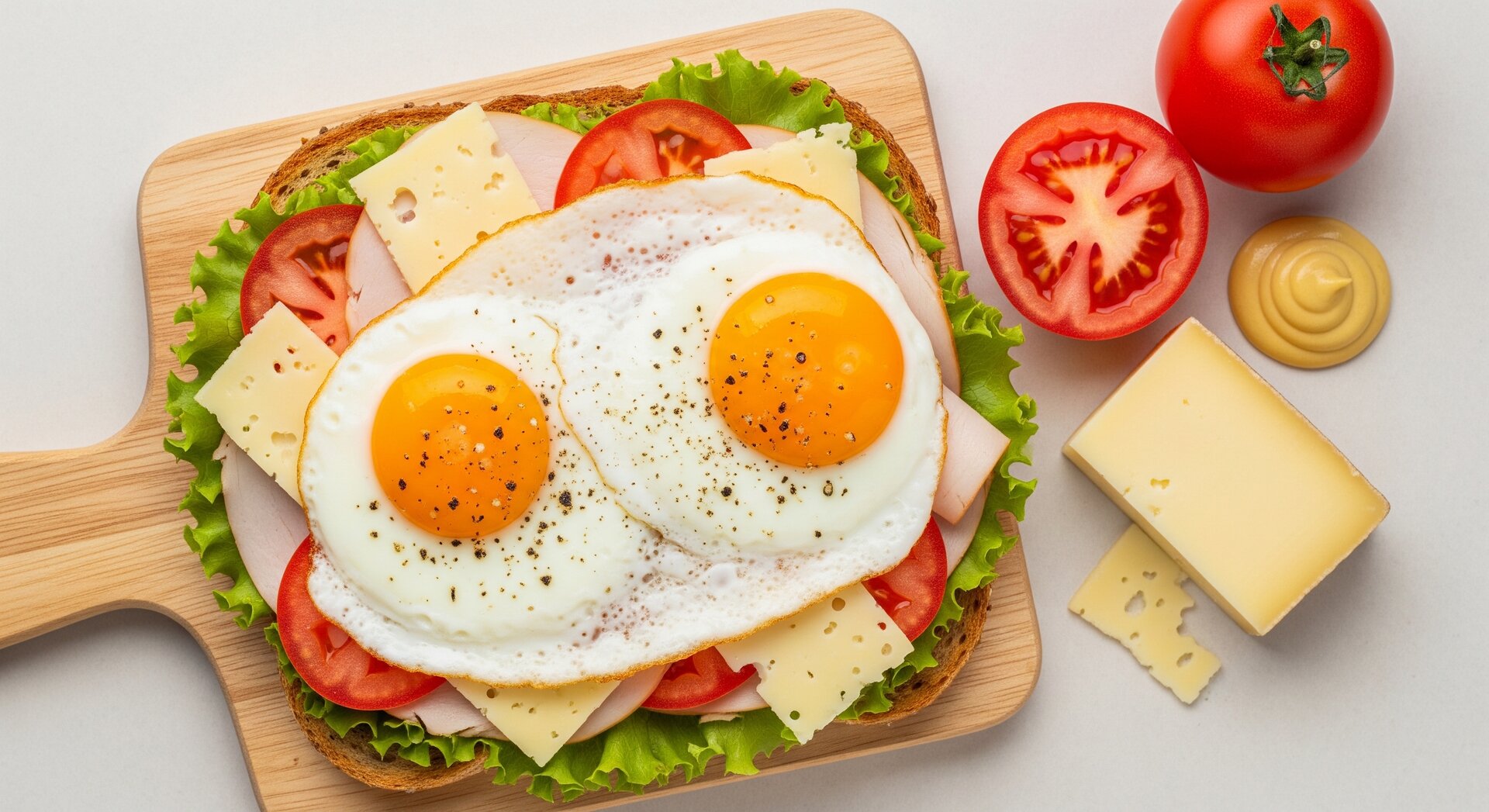 Belgian Uitsmijter with Aged Cheese and Tomato 18 min Classic Belgian lunch with fried egg and aged cheese 823 kcal 55g protein 2 synergies
 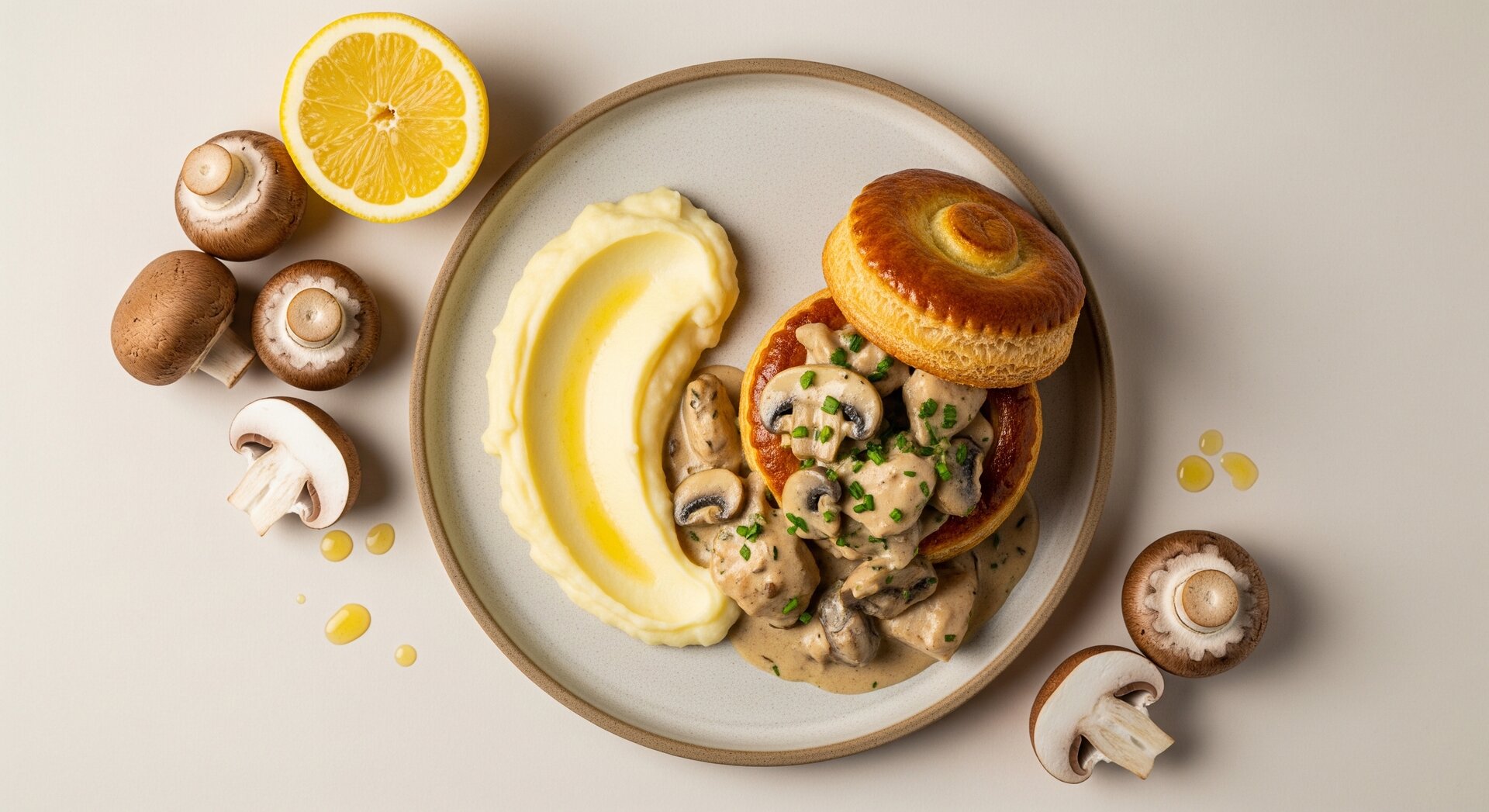 Belgian Vol-au-Vent with Mashed Potatoes 70 min Creamy chicken ragout with mushrooms, leek and soft mash 735 kcal 43g protein 2 synergies
 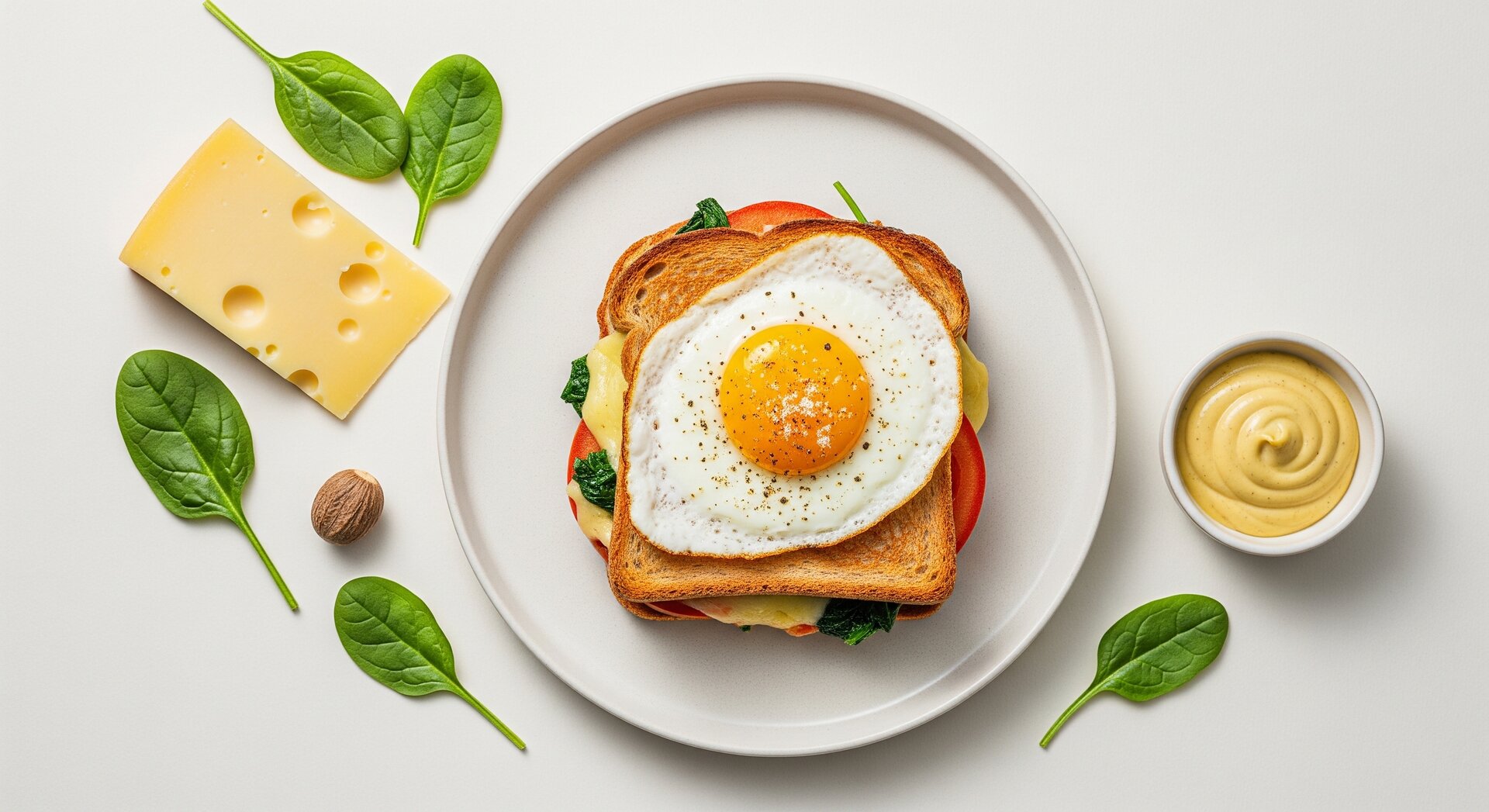 Belgian Whole Wheat Croque with Egg and Vegetables 17 min Belgian croque-madame with spinach and tomato 410 kcal 25g protein 1 synergies
 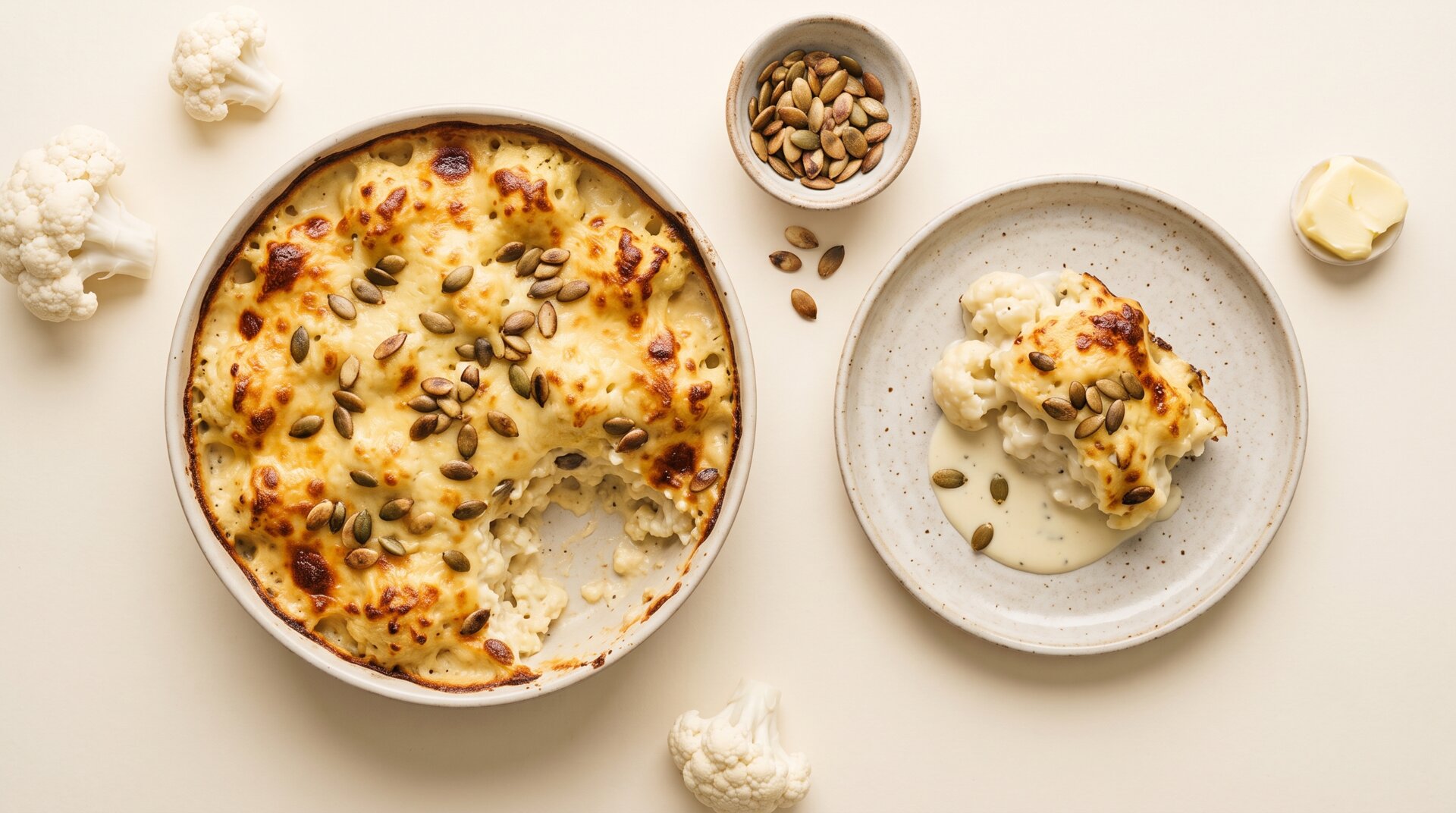 Cauliflower Cheese Gratin with Pumpkin Seeds 45 min Creamy oven bake with a crunchy seed topping 425 kcal 19g protein 2 synergies
 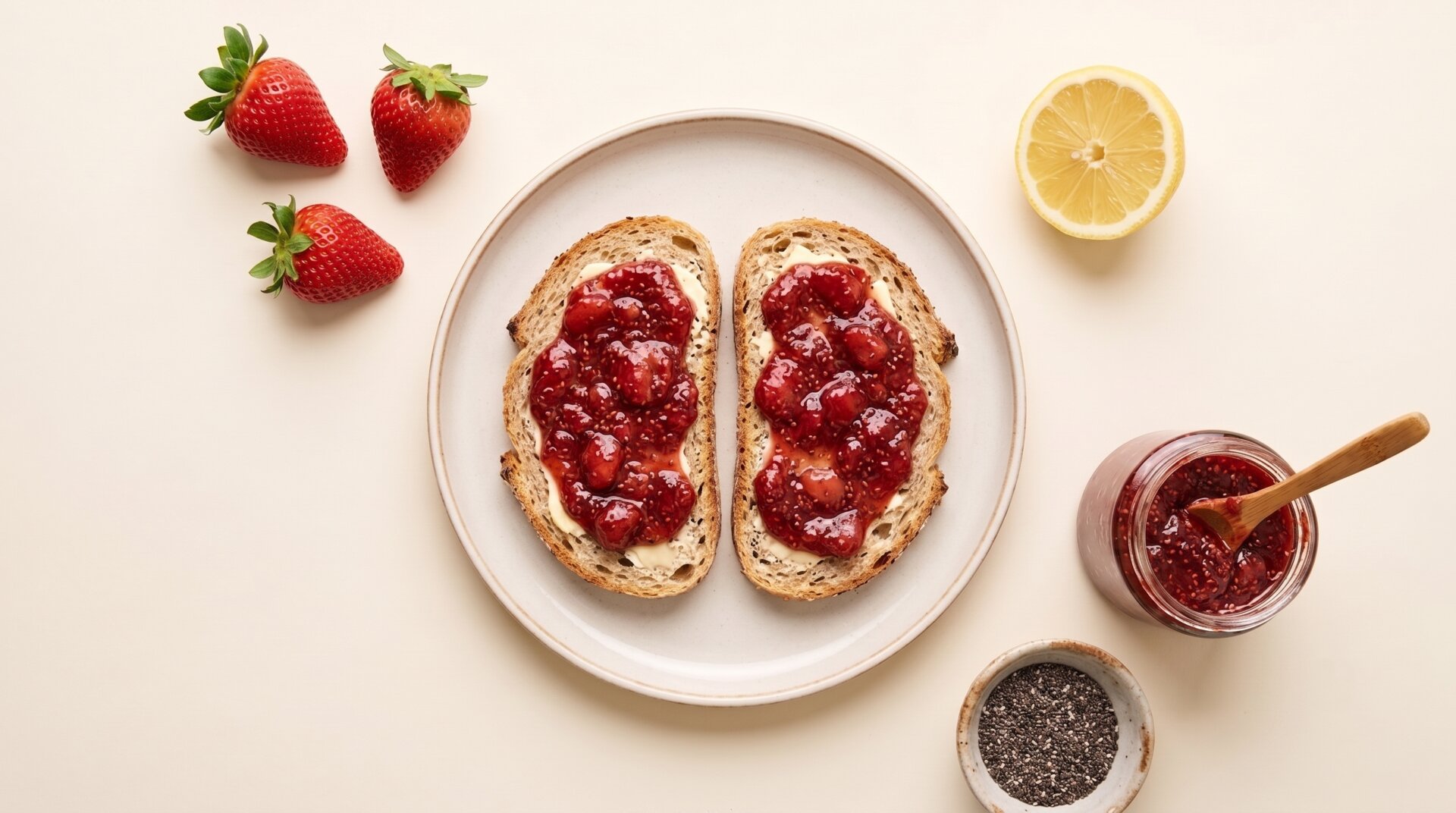 Bread with jam 3 min Whole grain bread with a little butter and homemade strawberry chia jam 257 kcal 10g protein
  In the Kitchen
Storage
Location:Refrigerator
Substitutes
Smart preparation
1Use room-temperature butter when mixing it into cake batter, cookie dough or buttercream.
Why?
Soft butter distributes more evenly and holds air better while being beaten.
2Clarify butter by melting it slowly, skimming off the foam and separating the clear fat from the milk solids.
Why?
Clarified butter contains less water and fewer milk solids, making it more practical for higher-temperature cooking.
3Use ice-cold cubes of butter for puff pastry, crumble dough and scones.
Why?
Cold butter stays in small layers in the dough; during baking, steam forms and creates a light, crumbly texture.
Caution / Warnings
Butter is very safe, but there are scientific considerations:
High energy density and high saturated fat content Moderate
Butter is very energy-dense: 717 kcal per 100 g. A 10 g portion provides about 72 kcal and 20 g about 144 kcal. Its fat profile is mainly saturated and monounsaturated fatty acids.
Advice:
Use butter mainly as a flavoring ingredient in measured portions, for example 5-15 g per meal, depending on your overall diet and energy needs. Anyone watching energy intake or saturated fat can replace part of it with olive oil, yogurt, vegetable purée or broth, depending on the recipe. With butter, choose flavor and quality rather than large amounts.
Milk allergy or sensitivity to milk protein traces Mild
Butter contains much less milk protein than milk, but it is not completely protein-free. Small amounts of casein or whey can remain, especially in regular butter.
Advice:
With a confirmed milk allergy, it is sensible to avoid regular butter unless a doctor or dietitian advises otherwise. Ghee or clarified butter contains less water and less milk protein, but it is not automatically suitable for everyone with a milk allergy. With lactose intolerance, butter is often better tolerated than milk because of its very low lactose content, but individual tolerance differs.
Cholesterol content and personal nutrition context Mild
Butter contains 215 mg cholesterol per 100 g; a 10 g portion provides about 21.5 mg. The relevance depends on the overall diet, portion size, family history and medical advice.
Advice:
If you have familial hypercholesterolemia, cardiovascular disease, or personal cholesterol advice, align butter use with a doctor or dietitian. For general culinary use, portion control helps: use a thin layer, combine with plenty of plant ingredients and vary with unsaturated fats such as olive oil or nut butter.
Traditional use
Ayurveda
Butter in Ayurvedic food culture
In Ayurvedic food culture, butter, and especially ghee, appears as a rich cooking fat and carrier for spices. It is used in warm dishes, rice preparations and ritual or festive meals where aroma, texture and keeping quality matter.
Mediterranean
Butter in European culinary traditions
In Northern and Western Europe, butter was an important dairy product for bread, porridge, pastries, sauces and preservation for centuries. Salted butter kept longer and was also traded in some regions as a valuable farm product.
Summary
Butter is a traditional dairy fat emulsion with about 80% milk fat, a creamy taste and a versatile role in the kitchen. It gives bread, vegetables, sauces, pastries and egg dishes a full texture and develops a nutty aroma when browned. Butter mainly provides energy, saturated and monounsaturated fatty acids and fat-soluble vitamins such as A, D and E. Grass-fed butter can be yellower because of carotenoids and may have a slightly fuller flavor profile. Because of its high energy density, butter is best used in measured amounts, for example 5-15 g per meal. For cooking at higher temperatures, ghee or clarified butter is often more practical because water and milk solids have largely been removed.