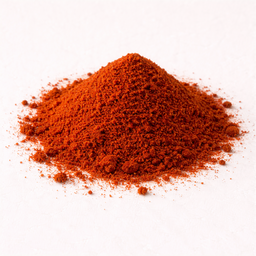
Paprika powder (sweet)
The red kitchen spice for color, warmth, and gentle pepper flavor
What is this ingredient?
Paprika powder is more than just color in the pan. It is made from Capsicum annuum varieties that naturally contain carotenoids, including capsanthin and beta-carotene, the pigments behind its deep red hue. Sweet, hot, and smoked varieties exist; this entry focuses on the mild standard variety with gentle pepper flavor, suited to stews, sauces, marinades, potato dishes, and Hungarian or Spanish culinary traditions.
How does it taste?
Sweet, mild, and rounded, with a full pepper flavor and sometimes a very light smoky note.
Pairs well with:
Pairs well with oniongarlictomatocreamchickenpotatobeansand gentle stews.
Did you know...?
- Paprika powder was introduced to Europe in the 16th century through Spanish trade routes from Central America.
- Hungary considers paprika its national spice and recognizes several official quality grades, from mild and sweet to hot.
Nutritional Value & Energy
Per 100g
Paprika powder (sweet) provides energy thanks to natural nutrients , buffered by fiber.
Per 100g
Minerals
Vitamins
Omega-3 fatty acids
More nutrients
Trace Minerals
What's in a serving?
Paprika powder (sweet) naturally contains vitamin e (29.1 mg per 100 g dried powder). At typical spice usage (3–9 g), the contribution is limited.
Paprika powder (sweet) naturally contains iron (21.1 mg per 100 g dried powder). At typical spice usage (3–9 g), the contribution is limited.
Paprika powder (sweet) naturally contains potassium (2280 mg per 100 g dried powder). At typical spice usage (3–9 g), the contribution is limited.
Paprika powder (sweet) naturally contains vitamin b6 (2.1 mg per 100 g dried powder). At typical spice usage (3–9 g), the contribution is limited.
Paprika powder (sweet) naturally contains vitamin e (29.1 mg per 100 g dried powder). At typical spice usage (3–9 g), the contribution is limited.
Paprika powder (sweet) naturally contains iron (21.1 mg per 100 g dried powder). At typical spice usage (3–9 g), the contribution is limited.
Paprika powder (sweet) naturally contains potassium (2280 mg per 100 g dried powder). At typical spice usage (3–9 g), the contribution is limited.
Paprika powder (sweet) naturally contains vitamin b6 (2.1 mg per 100 g dried powder). At typical spice usage (3–9 g), the contribution is limited.
Paprika powder (sweet) naturally contains magnesium (178 mg per 100 g dried powder). At typical spice usage (3–9 g), the contribution is limited.
Paprika powder (sweet) naturally contains zinc (4.3 mg per 100 g dried powder). At typical spice usage (3–9 g), the contribution is limited.
Paprika powder (sweet) naturally contains copper (0.7 mg per 100 g dried powder). At typical spice usage (3–9 g), the contribution is limited.
Paprika powder (sweet) naturally contains manganese (1.6 mg per 100 g dried powder). At typical spice usage (3–9 g), the contribution is limited.
Paprika powder (sweet) naturally contains phosphorus (314 mg per 100 g dried powder). At typical spice usage (3–9 g), the contribution is limited.
% of daily reference intake (DRI)
EU-approved nutrition claims
This ingredient contains nutrients for which EFSA-authorized health claims exist at nutrient level, not as an ingredient-specific claim for paprika powder.
Approved health claims (EU)
Vitamin_e EU 432/2012
Vitamin E contributes to the protection of cells from oxidative stress
Contains 29.1mg/100g (threshold: ≥1.8mg/100g)
Comparison
vsspinazie
Paprika powder (sweet) contains about 8× more iron per 100 g than spinach, but you usually use much less of it per serving.
vsbanaan
Paprika powder (sweet) contains about 6× more potassium per 100 g than banana, but as a spice you usually use only a few grams.
What's being researched?
Carotenoids in paprika powder
Paprika powder contains carotenoids such as capsanthin and beta-carotene. Research examines the composition of these pigments and their bioavailability from paprika oleoresin.
Supported by: [2] Pérez-Gálvez (2003) , [1] Deli (2001)
Good Combinations (Synergy)
Combine paprika powder (sweet) smartly to enhance the effect:
Paprika powder (sweet) 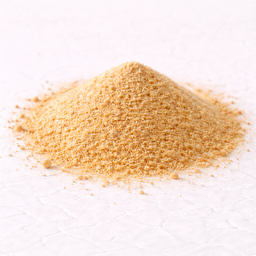 Garlic Powder
 Allicin activates capsaicinoids for increased thermogenesis
Technical: Garlic powder's allicin and ajoene activate TRPA1 receptors, while paprika's capsaicinoids activate TRPV1 receptors. Together they stimulate thermogenesis through two complementary TRP channel pathways.
What does this mean for you? Garlic powder with paprika in sauces and rubs not only adds flavor, but also a warming kick.
Paprika powder (sweet) 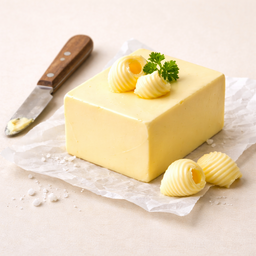 Butter
 3x better carotenoid absorption with fats
Technical: Paprika powder is extremely rich in carotenoids: beta-carotene, capsanthin and cryptoxanthin. These are all fat-soluble with only 5-10% absorption without fat. Olive oil or butter create micelles increasing absorption up to 3x. Additionally, vitamin E from olive oil protects carotenoids from oxidation.
What does this mean for you? Always briefly fry paprika powder in oil or butter before adding liquid. This activates the color and increases vitamin absorption up to 3x — the basis of Hungarian goulash.
Paprika powder (sweet) 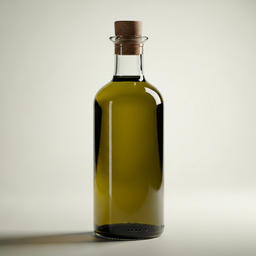 Olive Oil
 3x better carotenoid absorption with fats
Technical: Paprika powder is extremely rich in carotenoids: beta-carotene, capsanthin and cryptoxanthin. These are all fat-soluble with only 5-10% absorption without fat. Olive oil or butter create micelles increasing absorption up to 3x. Additionally, vitamin E from olive oil protects carotenoids from oxidation.
What does this mean for you? Always briefly fry paprika powder in oil or butter before adding liquid. This activates the color and increases vitamin absorption up to 3x — the basis of Hungarian goulash.
Paprika powder (sweet) 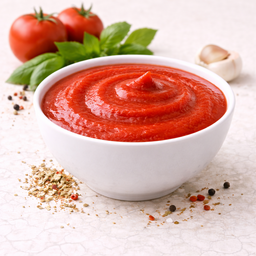 Tomato Passata
 Double carotenoids: lycopene + capsanthin for antioxidant power
Technical: Tomato passata is concentrated lycopene (cooked tomatoes contain 2-3x more bioavailable lycopene). Paprika powder contains capsanthin and beta-carotene. Together they form a broad spectrum of carotenoids with synergistic antioxidant action.
What does this mean for you? Add paprika to tomato sauces - this is why Hungarian goulash and Spanish dishes are so colorful and healthy.
Recipes with Paprika powder (sweet)
Discover delicious recipes featuring paprika powder (sweet):
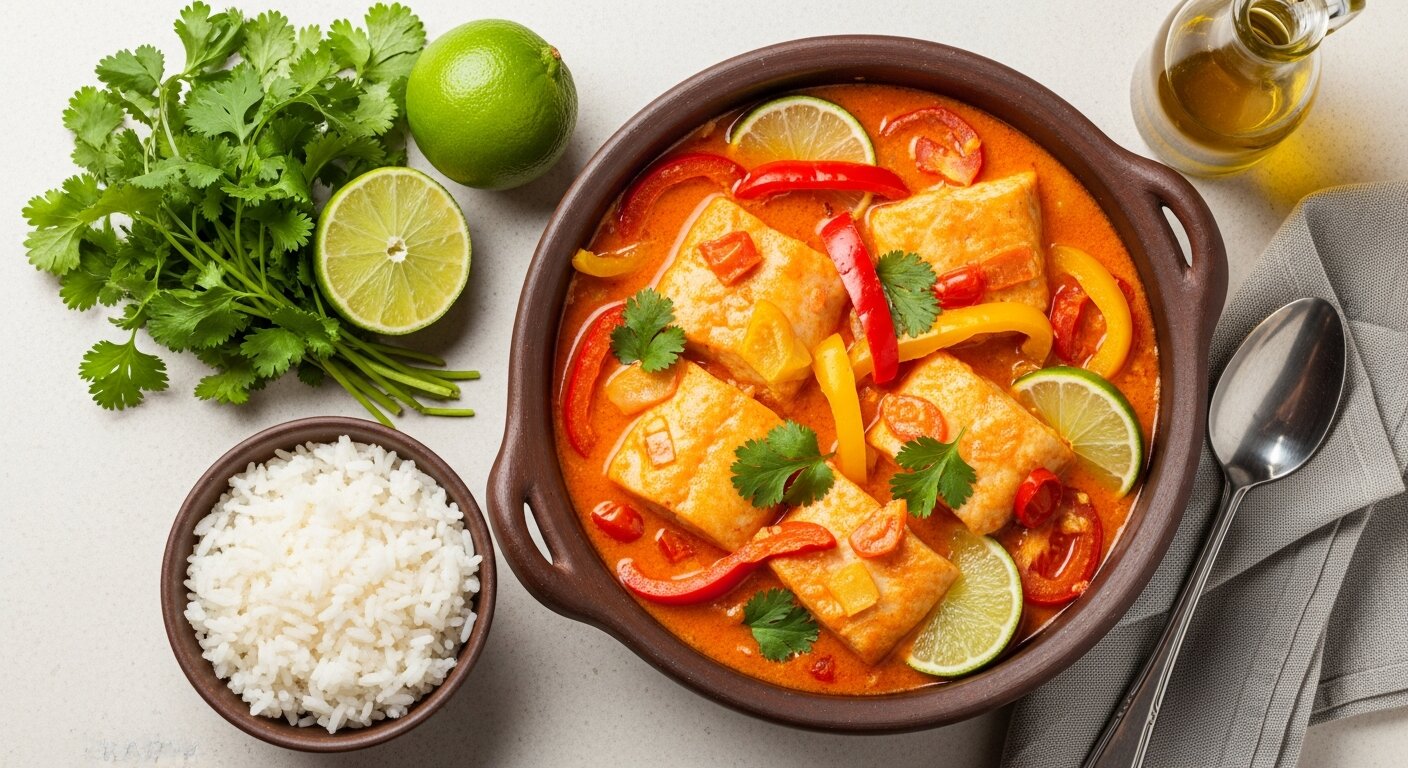 Brazilian Moqueca with White Fish 45 min Creamy coconut fish stew with bell peppers, tomato and lime
  420 kcal
  32g protein 2 synergies
 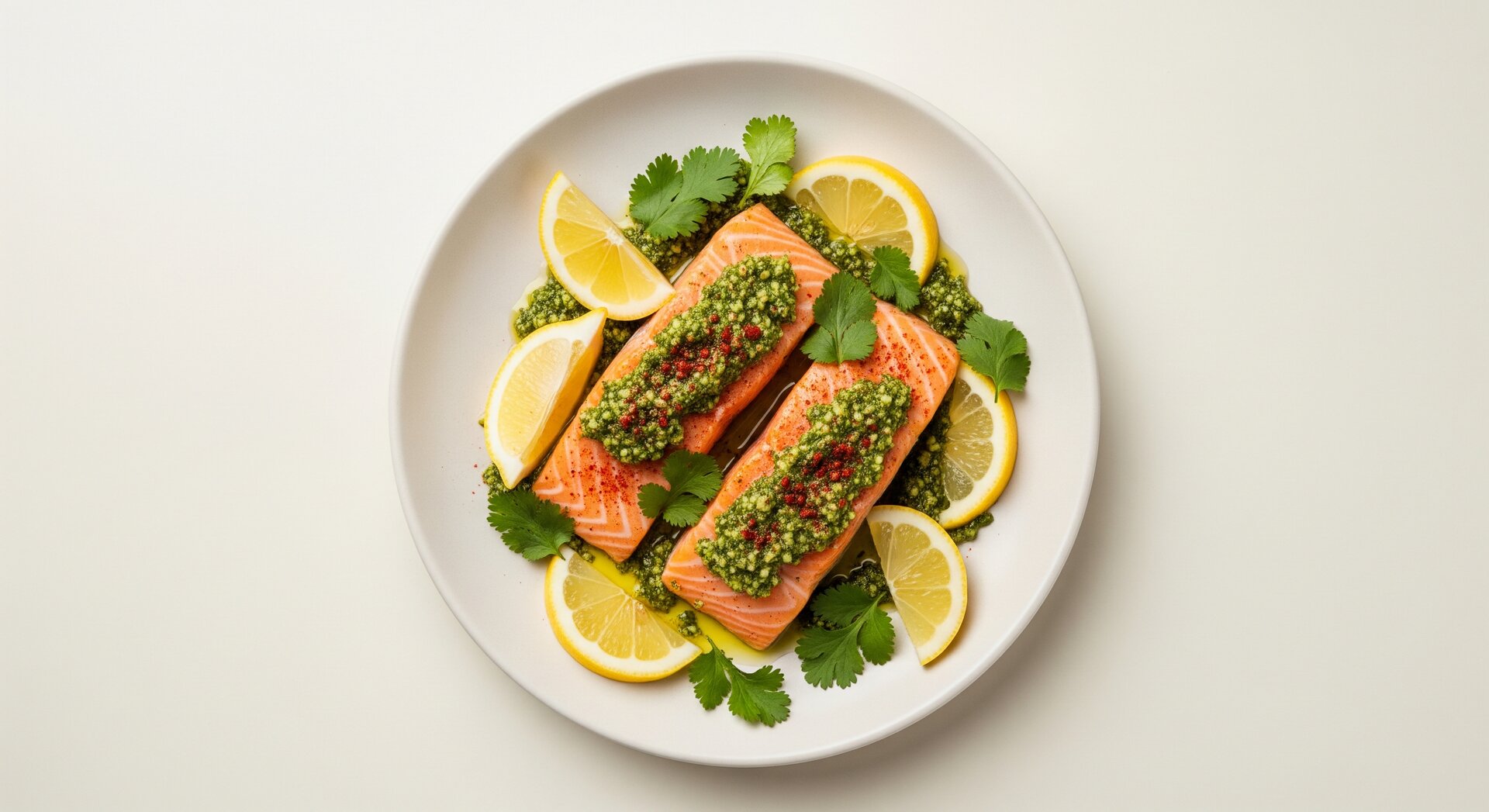 Chermoula Salmon - Moroccan Spiced Fish 55 min Marinated salmon with fresh herbs and citrus 385 kcal 32g protein 2 synergies
 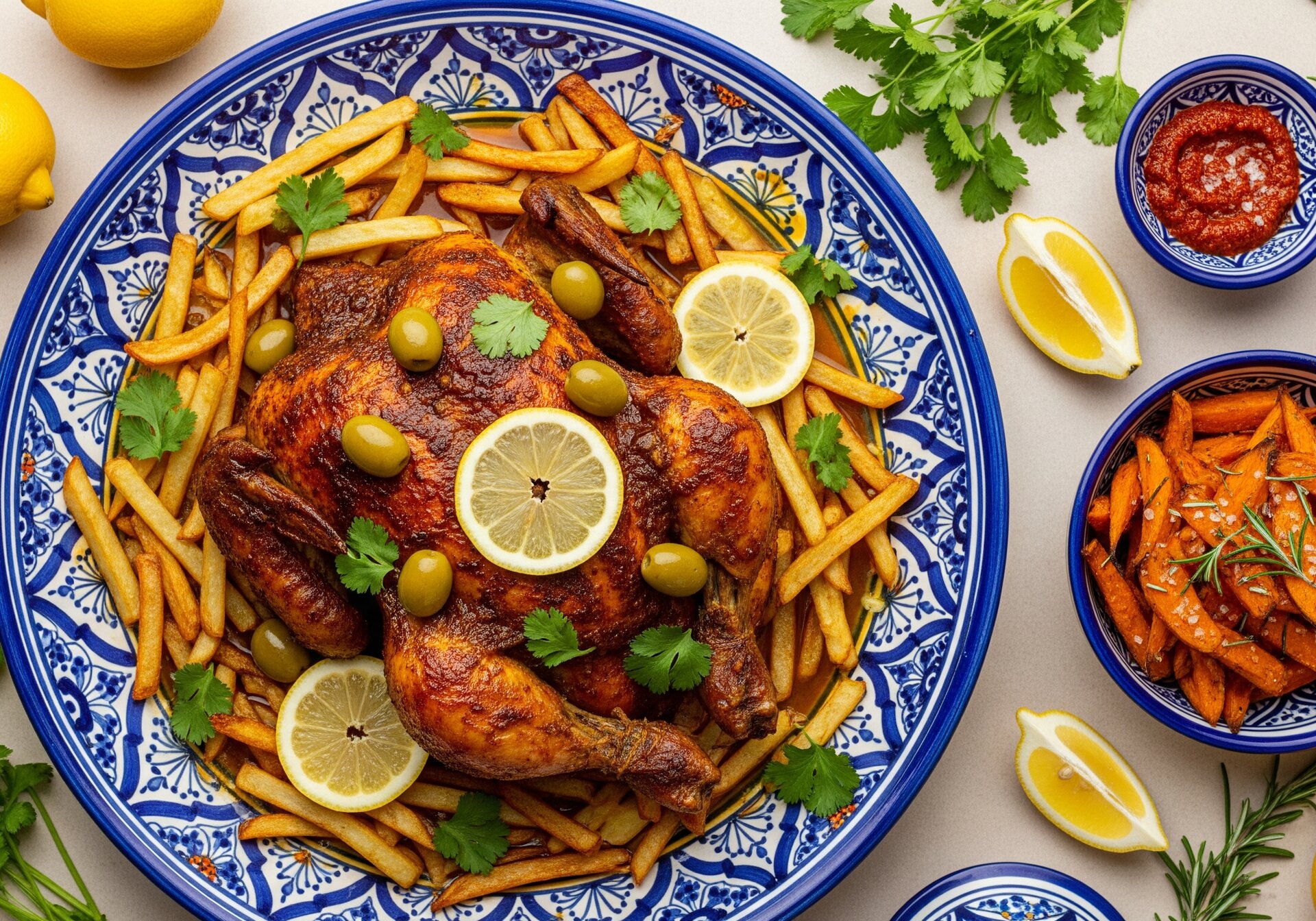 Djaaj Mhammer - Whole Rotisserie Chicken 130 min Golden roasted with green olives and preserved lemon 520 kcal 38g protein 2 synergies
 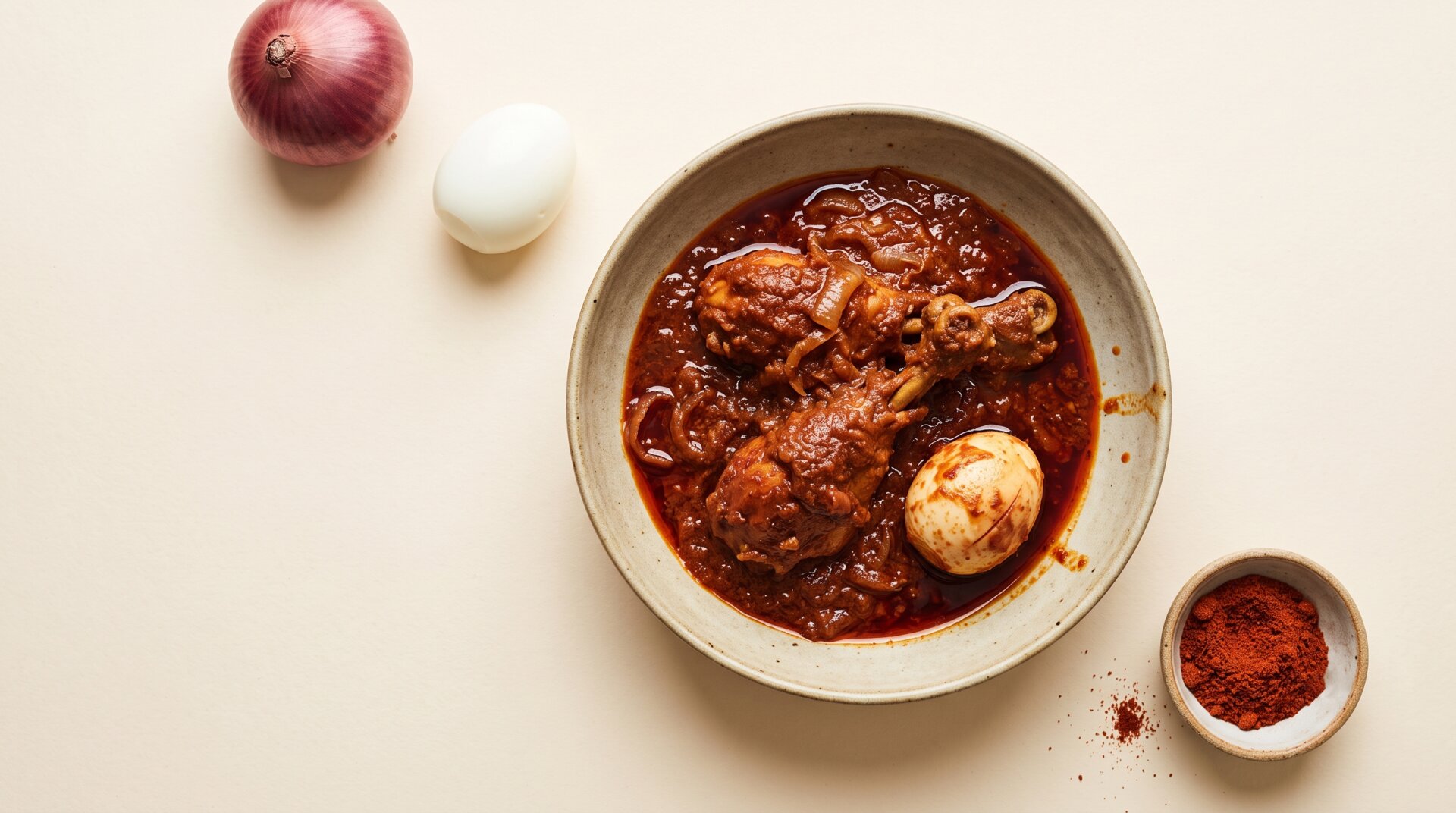 Ethiopian Doro Wat 105 min Spicy chicken stew with berbere spices and hard-boiled eggs 480 kcal 42g protein 2 synergies
 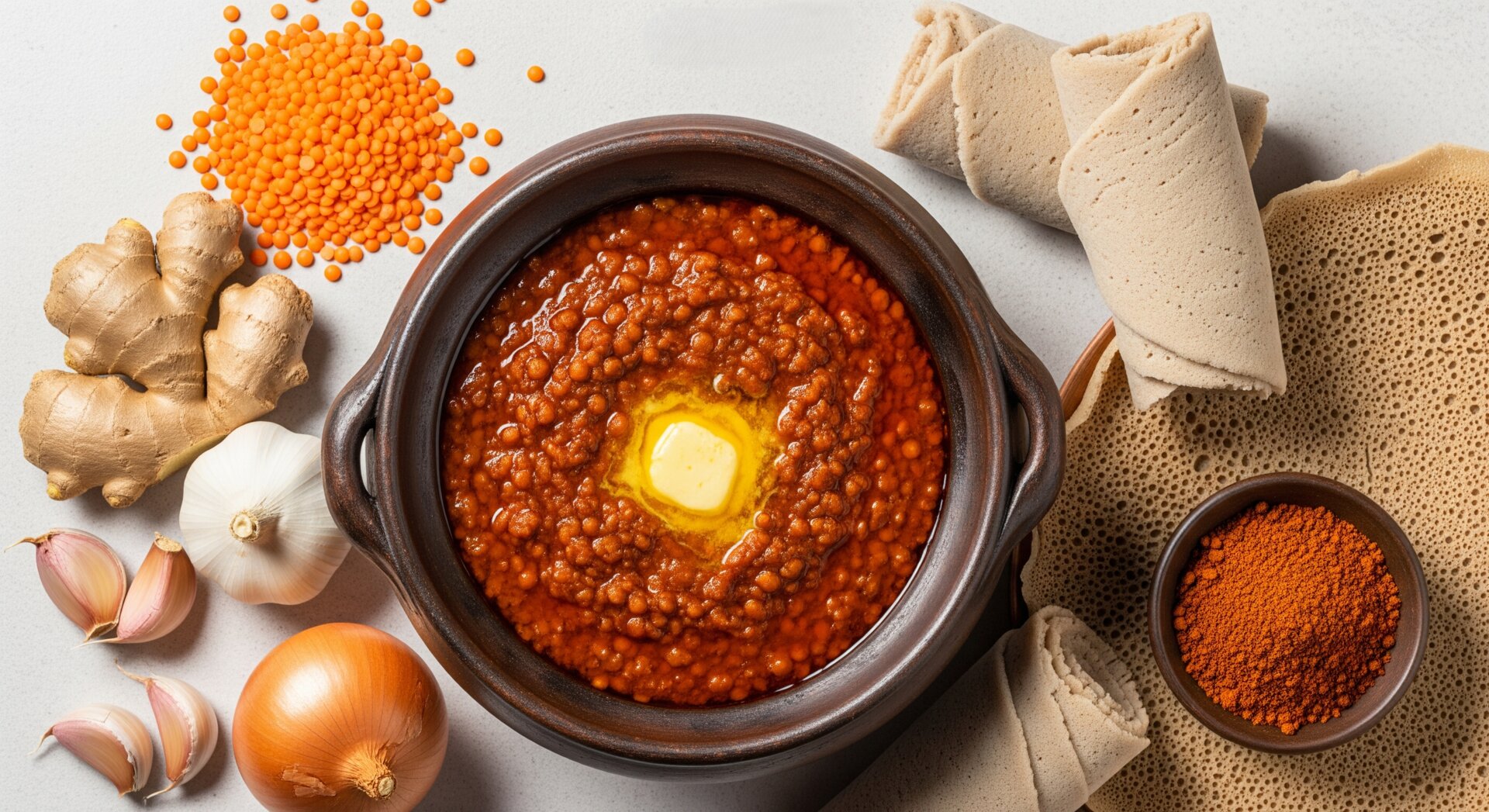 Ethiopian Misir Wot 65 min Spicy red lentil stew with berbere and niter kibbeh 380 kcal 18g protein 3 synergies
 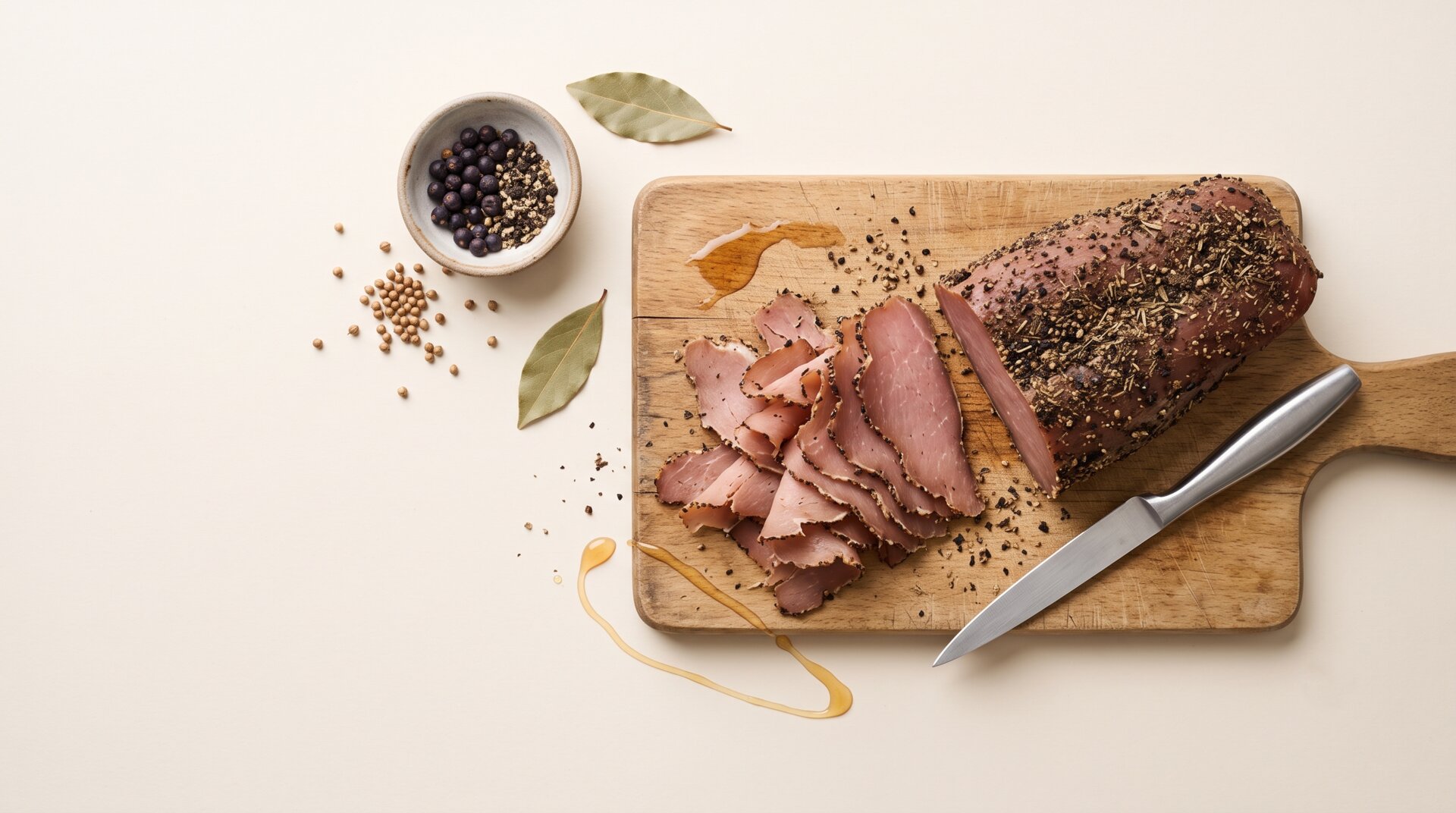 Turkey Filet d'Anvers Cold Cut 200 min Belgian delicacy as halal sandwich meat 50 kcal 10g protein 2 synergies
  In the Kitchen
Storage
Location:Pantry
Shelf life:1 jaar
Paprika powder is sensitive to light, air, and heat. Store it airtight, dry, and dark so its color and aroma stay noticeable for longer.
Preparation
Paprika powder releases its color and aroma well into warm fat. Add it briefly to warm oil or sauce, but avoid high heat and long frying to prevent bitterness.
Substitutes
Smart preparation
1Never fry paprika powder over high heat; it burns quickly and turns bitter.
2Stir paprika powder into a little warm water, oil, or sauce before adding it to a dish.
Why?
This prevents clumping and helps distribute color and flavor evenly.
3Store paprika powder cool, dry, and dark; a tightly closed jar in a cool cupboard usually works best.
Caution / Warnings
Paprika powder (sweet) is very safe, but there are scientific considerations:
Nightshade allergy Moderate
Paprika belongs to the Solanaceae family, the same plant family as tomato, eggplant, and potato.
Advice:
Avoid paprika powder with a known nightshade allergy or clear sensitivity. For color, use turmeric or cumin when they suit the dish.
Stomach sensitivity Mild
Some paprika varieties contain sharper pepper compounds. The mild, sweet variety is generally gentler in flavor than hot paprika powders.
Advice:
Choose mild or sweet paprika powder if you are sensitive and add it gradually. Avoid hot varieties when sharp spices do not sit well.
Traditional use
Other
Hungarian culinary tradition
Paprika powder became a central ingredient in Hungarian cuisine in the 16th and 17th centuries and is closely tied to dishes such as goulash and paprikás csirke.
Indigenous
Origin with indigenous peoples of the Americas
The paprika pepper was cultivated for thousands of years by indigenous peoples in Central and South America before it reached Europe via Spanish trade routes in the 16th century.
Summary
A mild red spice that quickly adds color, depth, and gentle pepper flavor to dishes. Brief warming in oil helps release its aroma, but high heat can quickly make paprika powder bitter.