Tomato Passata
Lycopene-rich tomato base
What is this ingredient?
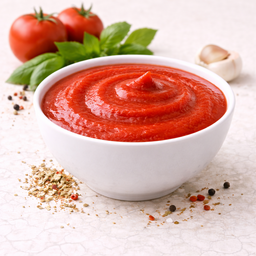
Tomato passata is a smooth base made from sieved tomatoes. The skins and seeds are removed, while the concentrated tomato flavor remains. Because passata is usually briefly heated, the tomato’s lycopene is more available than in raw tomatoes.
## Heating and absorption
Gärtner et al. (1997) measured that lycopene from processed tomato paste was about 2.5 times more available than lycopene from raw tomatoes under their study conditions. Processing breaks down cell walls and makes the red carotenoid easier to access.
## Research on tomato compounds
Rao & Agarwal (2000) described research on lycopene and other tomato compounds in relation to oxidative processes. Willcox et al. (2003) discussed tomato products within broader dietary patterns and cardiovascular research, with attention to carotenoids, vitamin C and potassium.
## Best kitchen pairing
Combine passata with olive oil, because lycopene is fat-soluble. That pairing works well in Mediterranean sauces, soups, stews and baked dishes, where passata adds body, color and natural tomato sweetness.
How does it taste?
Purely tomato-forward with a smooth texture, mild sweetness and light acidity.
Pairs well with:
Pairs well with basilgarlicolive oiloregano and mozzarella.
Did you know...?
- Passata comes from the Italian 'passare', meaning 'to pass through' or 'to sieve'.
- In southern Italy, making passata together in summer is still a family tradition.
Nutritional Value & Energy
Per 100ml
Tomato Passata is low in calories thanks to natural nutrients .
Per 100g
Minerals
Vitamins
Omega-3 fatty acids
More nutrients
B-Vitamins
Trace Minerals
What's in a serving?
1 serving
Tomato passata naturally contains vitamin C (12 mg per 100 g).
% of daily reference intake (DRI)
EU-approved nutrition claims
This ingredient contains nutrients for which EFSA-authorized health claims exist (at nutrient level, not ingredient-specific).
Approved health claims (EU)
Vitamin_c EU 432/2012
Vitamin C contributes to the normal function of the immune system
Contains 12mg/100g (threshold: ≥12mg/100g)
Vitamin_c EU 432/2012
Vitamin C contributes to the reduction of tiredness and fatigue
Contains 12mg/100g (threshold: ≥12mg/100g)
Vitamin_c EU 432/2012
Vitamin C contributes to normal collagen formation for the normal function of skin
Contains 12mg/100g (threshold: ≥12mg/100g)
Vitamin_c EU 432/2012
Vitamin C contributes to normal collagen formation for the normal function of blood vessels
Contains 12mg/100g (threshold: ≥12mg/100g)
Vitamin_c EU 432/2012
Vitamin C contributes to normal collagen formation for the normal function of bones
Contains 12mg/100g (threshold: ≥12mg/100g)
Vitamin_c EU 432/2012
Vitamin C contributes to normal collagen formation for the normal function of cartilage
Contains 12mg/100g (threshold: ≥12mg/100g)
Vitamin_c EU 432/2012
Vitamin C contributes to normal collagen formation for the normal function of gums
Contains 12mg/100g (threshold: ≥12mg/100g)
Vitamin_c EU 432/2012
Vitamin C contributes to normal collagen formation for the normal function of teeth
Contains 12mg/100g (threshold: ≥12mg/100g)
Vitamin_c EU 432/2012
Vitamin C contributes to normal energy-yielding metabolism
Contains 12mg/100g (threshold: ≥12mg/100g)
Vitamin_c EU 432/2012
Vitamin C contributes to normal functioning of the nervous system
Contains 12mg/100g (threshold: ≥12mg/100g)
Vitamin_c EU 432/2012
Vitamin C contributes to normal psychological function
Contains 12mg/100g (threshold: ≥12mg/100g)
Vitamin_c EU 432/2012
Vitamin C contributes to the protection of cells from oxidative stress
Contains 12mg/100g (threshold: ≥12mg/100g)
Vitamin_c EU 432/2012
Vitamin C contributes to the regeneration of the reduced form of vitamin E
Contains 12mg/100g (threshold: ≥12mg/100g)
Vitamin_c EU 432/2012
Vitamin C increases iron absorption
Contains 12mg/100g (threshold: ≥12mg/100g)
Vitamin_c EU 432/2012
Vitamin C contributes to maintain the normal function of the immune system during and after intense physical exercise
Contains 12mg/100g (threshold: ≥12mg/100g)
What's being researched?
Lycopene in tomato passata
Processed tomato products like passata contain lycopene that is generally more available than in raw tomatoes. Research discusses absorption, oxidative processes and use within dietary patterns.
Supported by: [1] Gärtner C (1997) , [2] Rao AV (2000)
Good Combinations (Synergy)
Combine tomato passata smartly to enhance the effect:
Tomato Passata 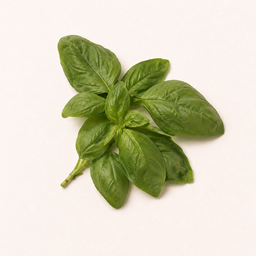 Basil
Basil Heated + fats = 5x more lycopene absorption
Technical: Tomato passata is already heated, releasing lycopene from cell walls in cis-form (better absorbable than trans-lycopene in raw tomato). Olive oil fats create micelles transporting this released lycopene through the gut wall. Basil adds eugenol (COX-2 inhibitor). Absorption increases up to 5x.
What does this mean for you? Make pasta sauce with tomato passata, olive oil and basil. You absorb up to 5x more lycopene than from raw tomato — great for your heart and skin.
Tomato Passata 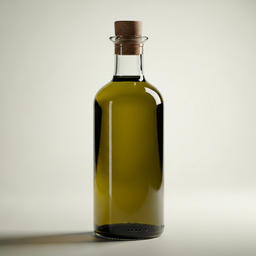 Olive Oil
 Heated + fats = 5x more lycopene absorption
Technical: Tomato passata is already heated, releasing lycopene from cell walls in cis-form (better absorbable than trans-lycopene in raw tomato). Olive oil fats create micelles transporting this released lycopene through the gut wall. Basil adds eugenol (COX-2 inhibitor). Absorption increases up to 5x.
What does this mean for you? Make pasta sauce with tomato passata, olive oil and basil. You absorb up to 5x more lycopene than from raw tomato — great for your heart and skin.
Tomato Passata 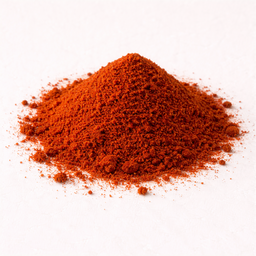 Paprika powder (sweet)
 Double carotenoids: lycopene + capsanthin for antioxidant power
Technical: Tomato passata is concentrated lycopene (cooked tomatoes contain 2-3x more bioavailable lycopene). Paprika powder contains capsanthin and beta-carotene. Together they form a broad spectrum of carotenoids with synergistic antioxidant action.
What does this mean for you? Add paprika to tomato sauces - this is why Hungarian goulash and Spanish dishes are so colorful and healthy.
Tomato Passata 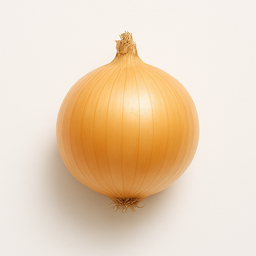 Onion
Onion Lycopene + quercetin for broad-spectrum antioxidant protection
Technical: Tomato passata contains bioavailable lycopene (12-15mg/100g) from the cooking process. Onion's quercetin (20mg/100g) is a flavonoid that works complementarily to lycopene: lycopene neutralizes singlet oxygen (lipid phase), quercetin scavenges hydroxyl radicals and superoxide (aqueous phase). Together they cover the complete antioxidant spectrum. Onion's sulfur compounds also support Phase II biotransformation enzymes that process lycopene metabolites.
What does this mean for you? Passata with sauteed onion is the base of Italian cuisine (sugo). It's a top antioxidant duo you can eat daily — simple, affordable and effective.
Recipes with Tomato Passata
Discover delicious recipes featuring tomato passata:
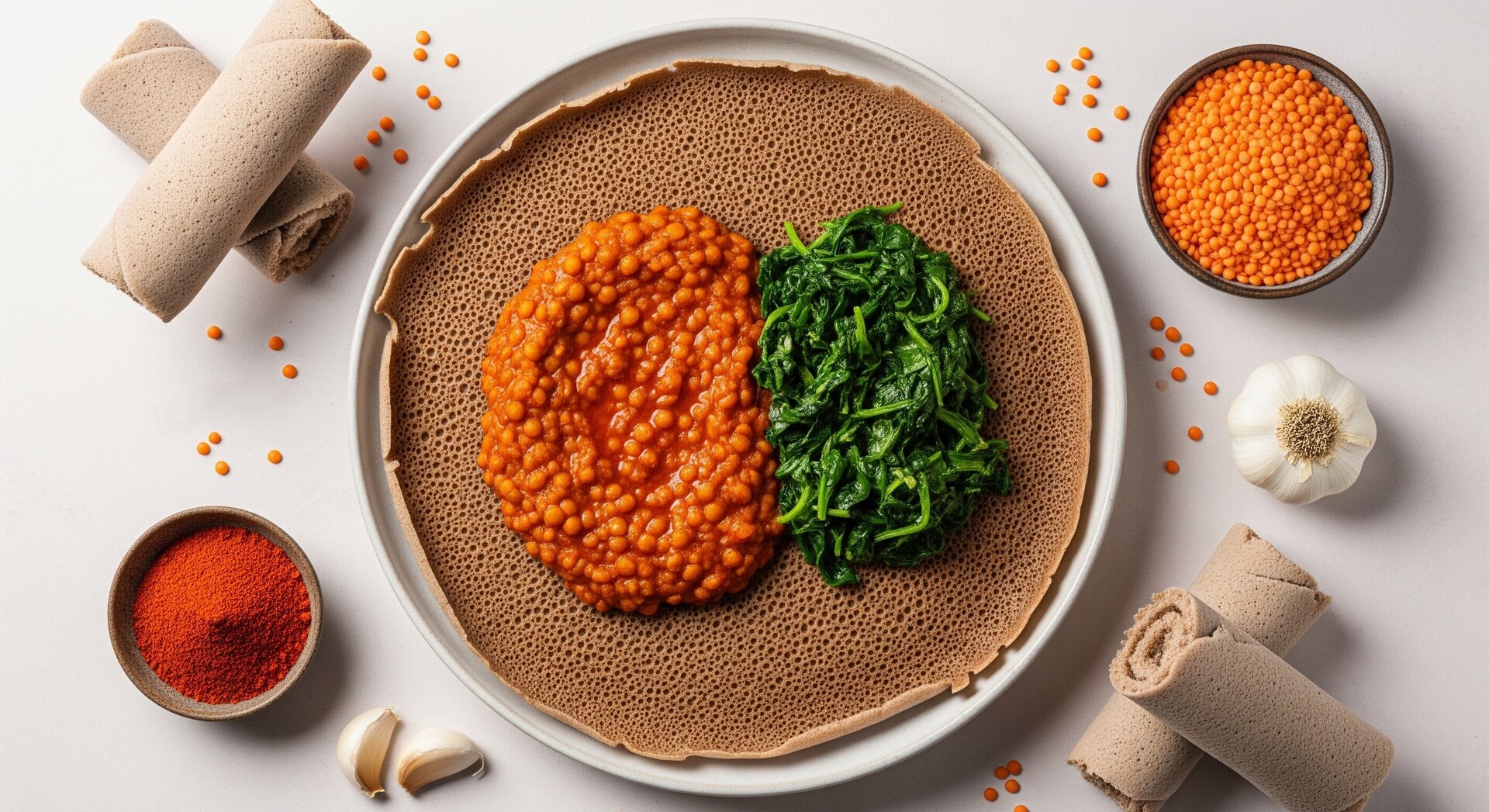 Ethiopian Injera Bowl with Lentils 40 min Teff pancake with spicy red lentils and vegetables
  614 kcal
  30g protein 1 synergies
 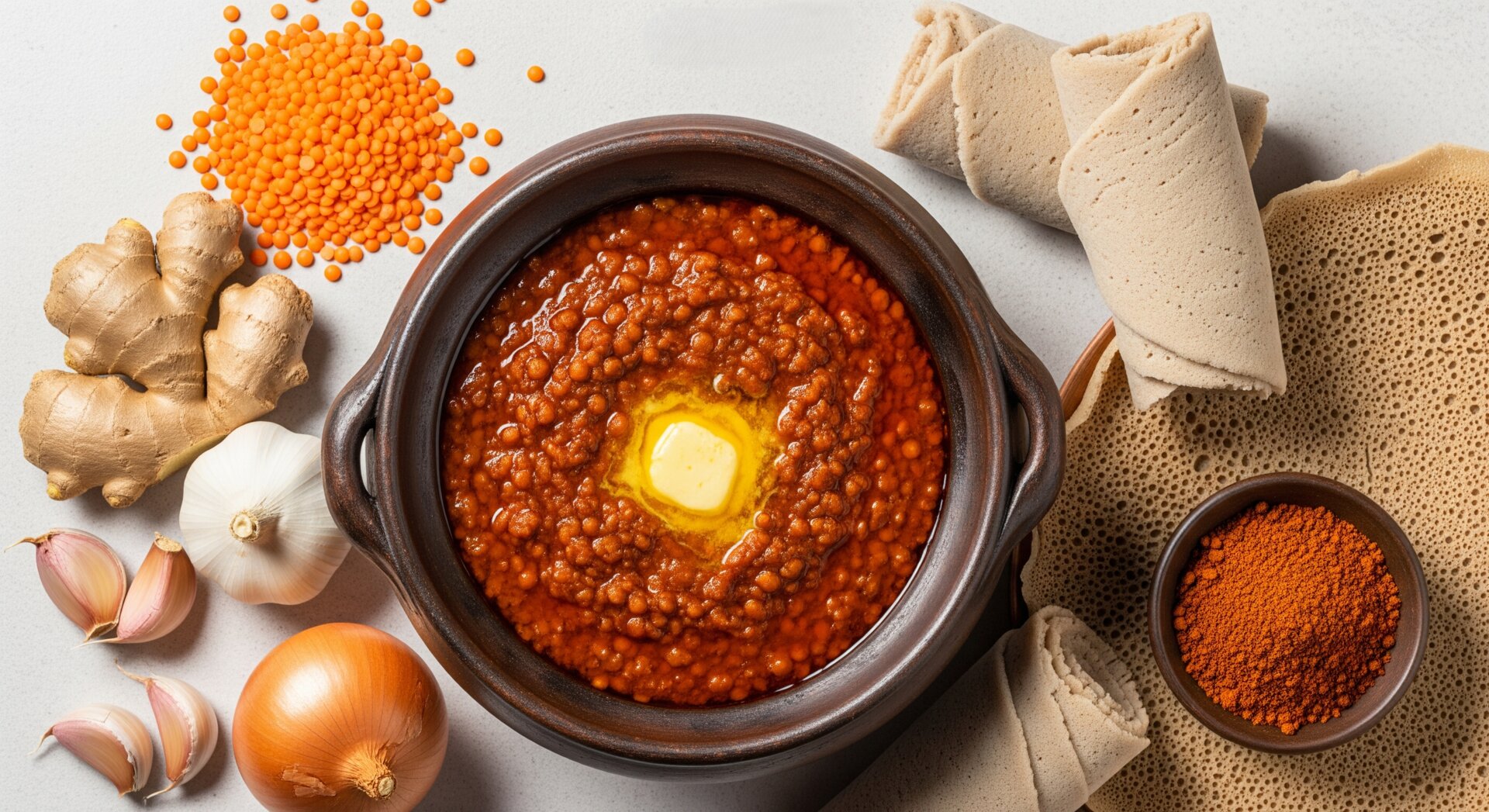 Ethiopian Misir Wot 65 min Spicy red lentil stew with berbere and niter kibbeh 380 kcal 18g protein 3 synergies
 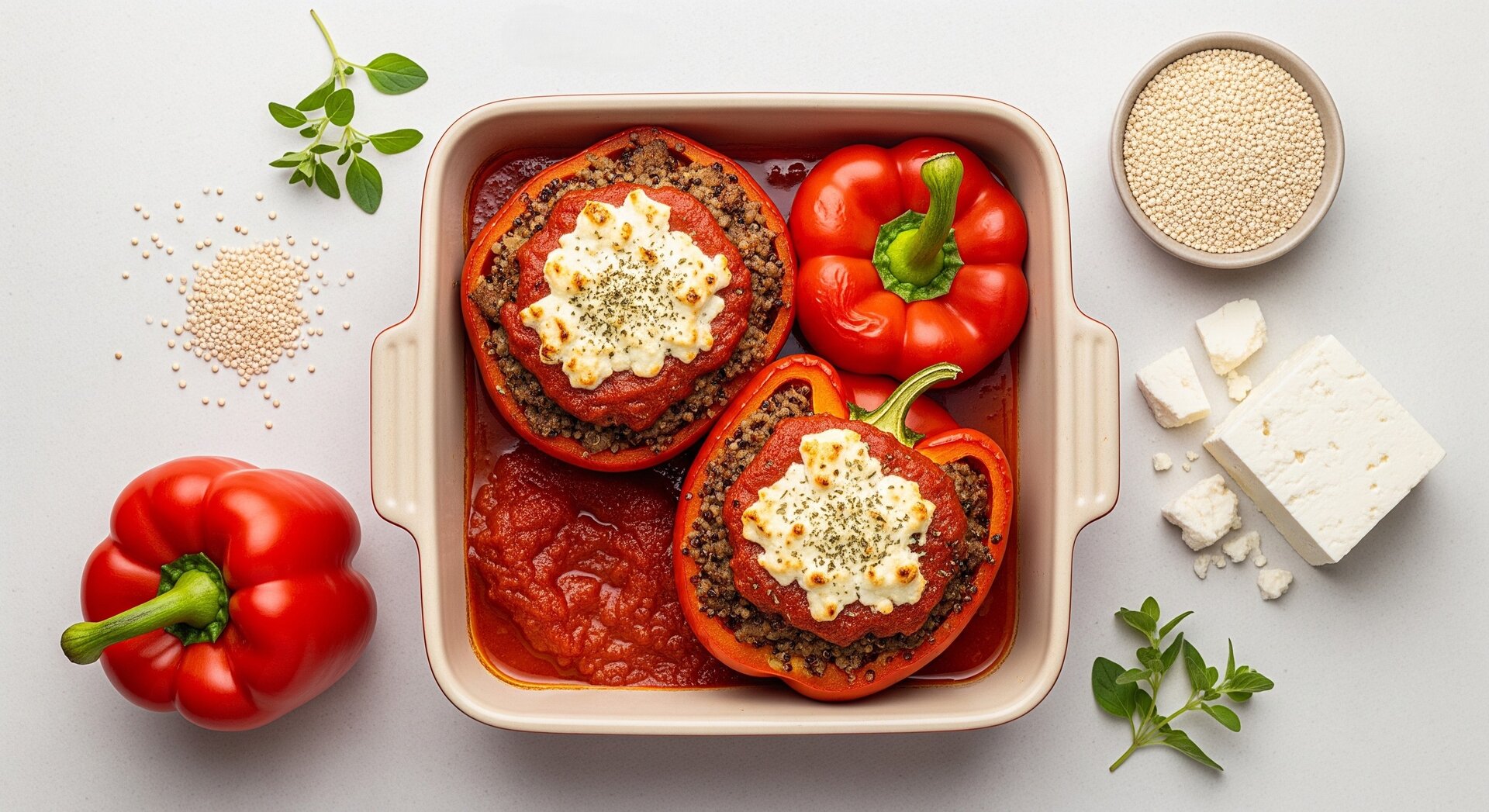 Stuffed Peppers with Ground Beef, Quinoa and Feta 50 min Colorful oven dish with spiced beef filling and crumbled feta 695 kcal 35g protein 2 synergies
 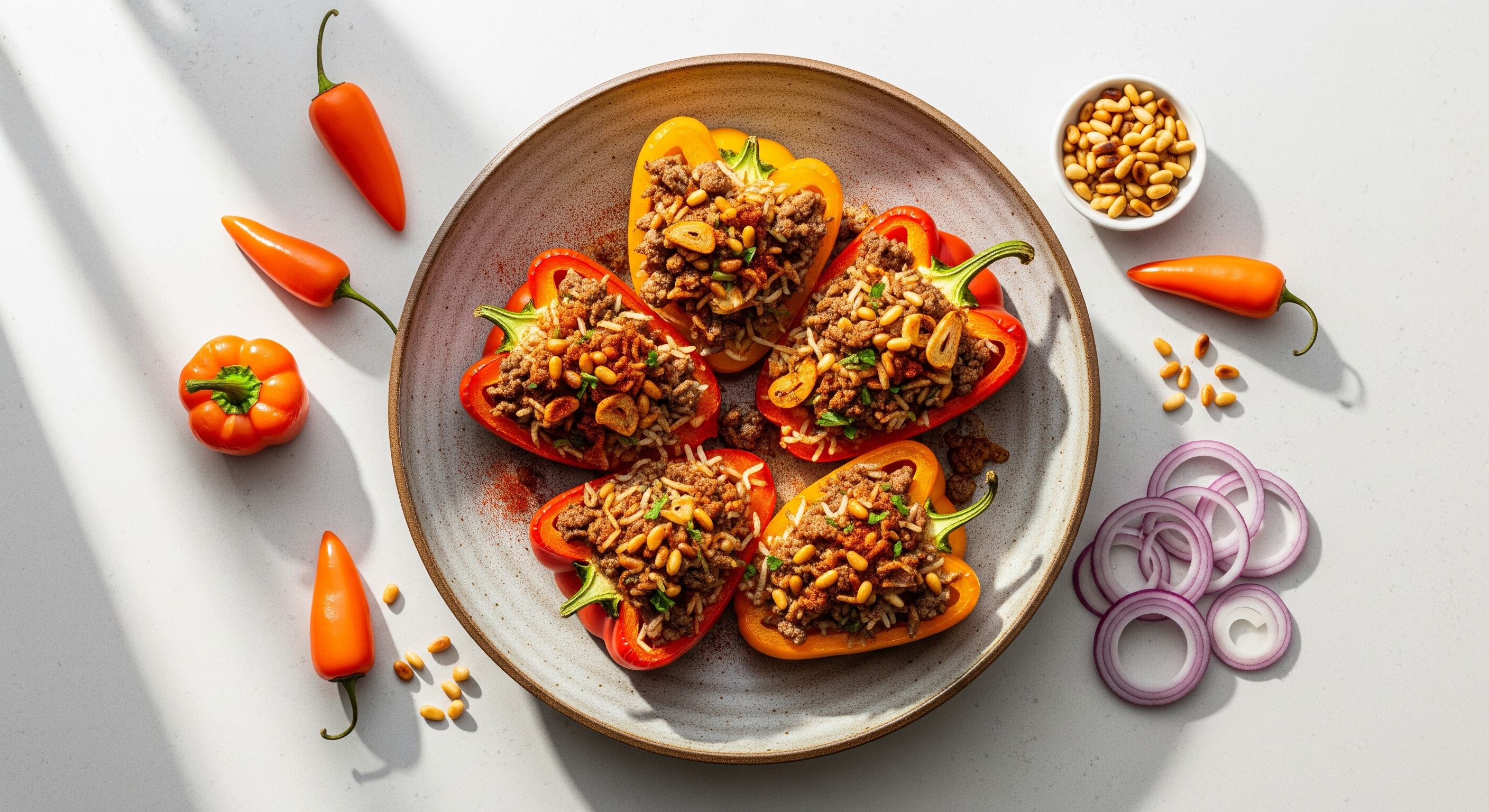 Stuffed Bell Peppers with Lamb, Rice & Pine Nuts 60 min Levantine stuffed peppers with spiced lamb filling 738 kcal 33g protein 2 synergies
 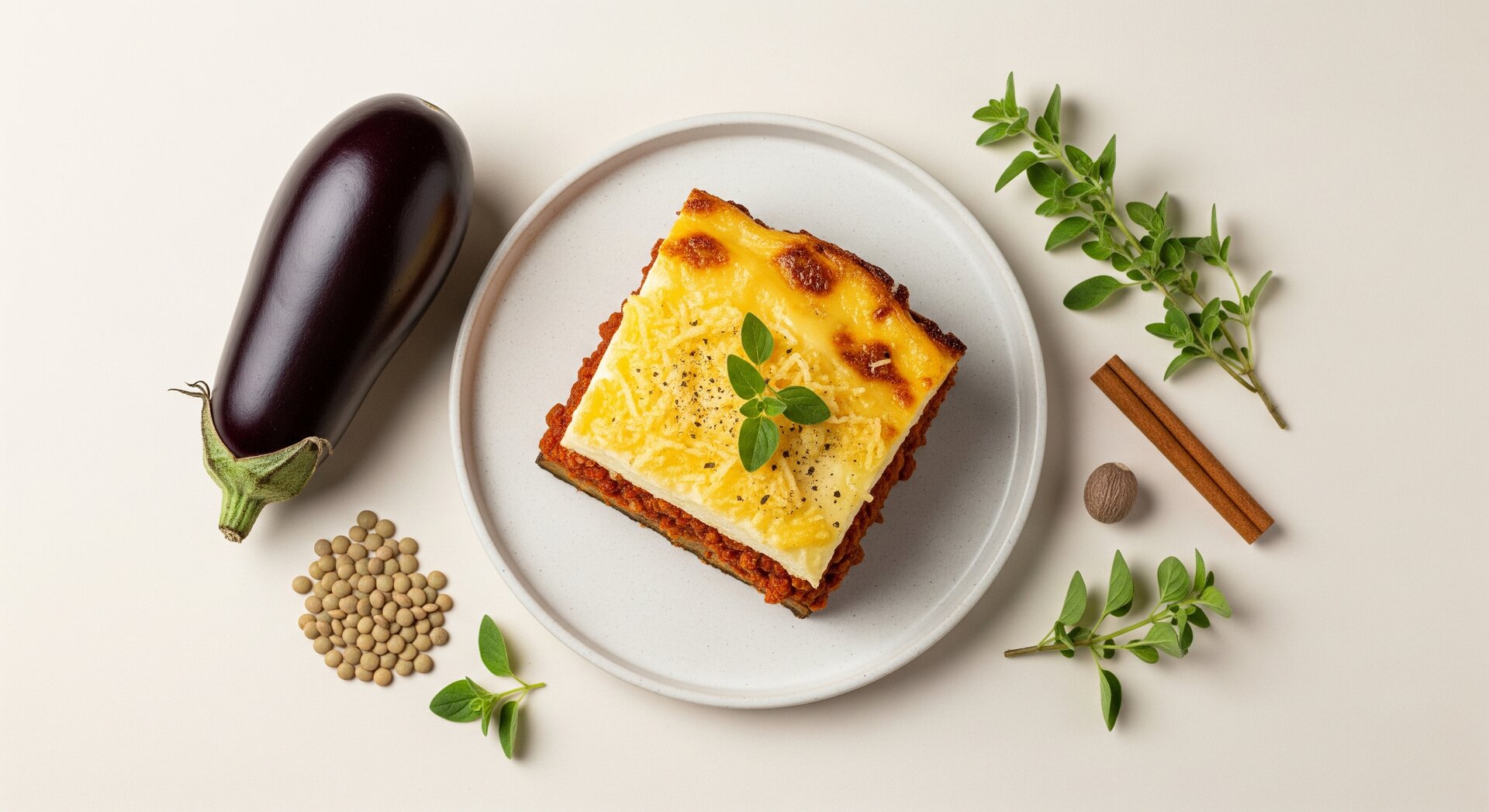 Greek-Cypriot Moussaka with Lentils 110 min Vegetarian moussaka with beluga lentils and cinnamon-tomato sauce 380 kcal 18g protein 2 synergies
 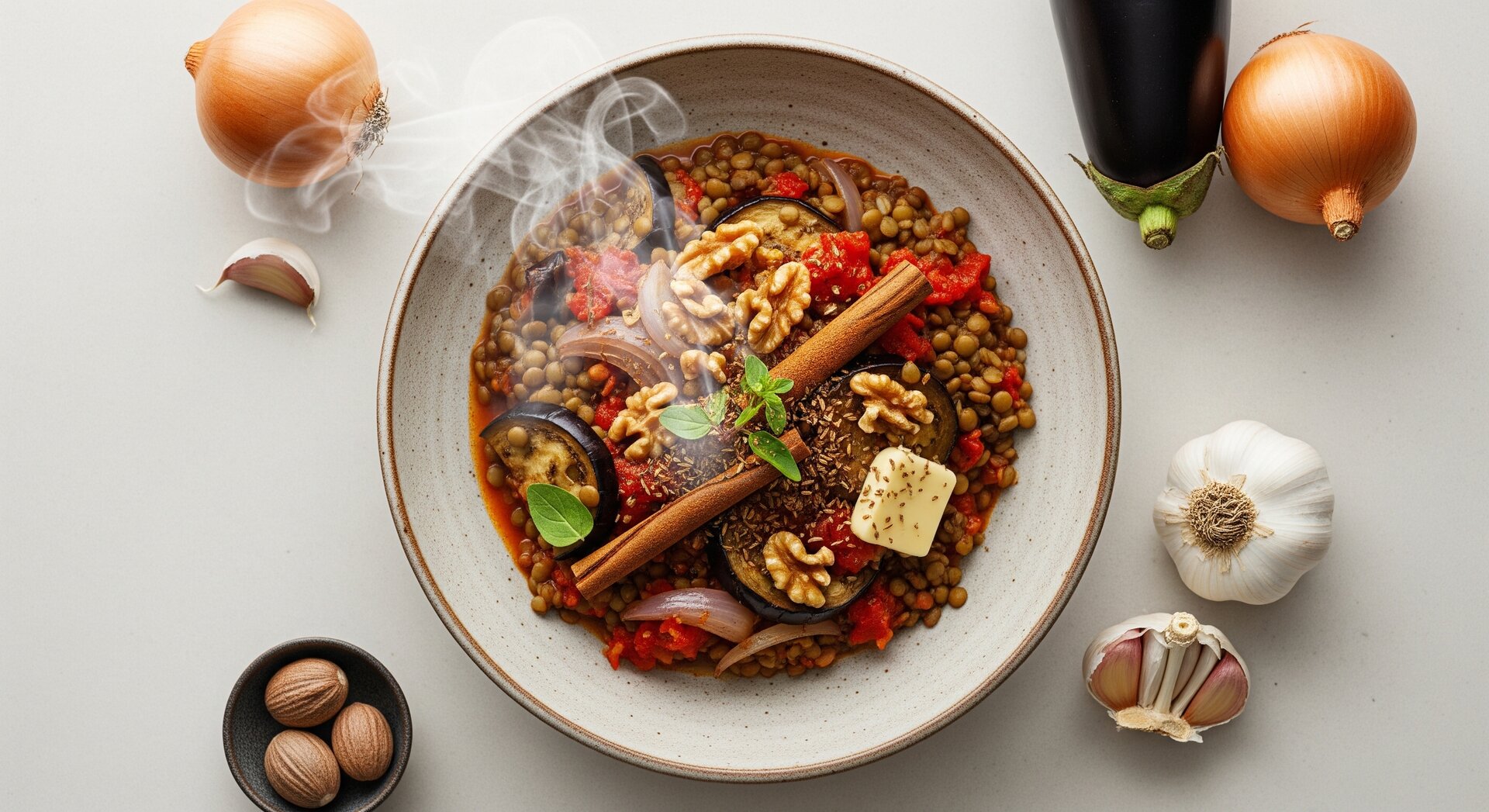 Greek Moussaka-Style Bowl with Lentils & Walnuts 50 min Eggplant, lentils and béchamel sauce in a warming bowl 658 kcal 28g protein 1 synergies
  In the Kitchen
Storage
Location:Pantry
Shelf life:1-2 jaar ongeopend, 1 week na openen in koelkast
Preparation
Use as a base for pasta sauces, pizza, soup and stews. Simmer briefly with olive oil, garlic and herbs for more depth.
Conversions
Substitutes
Smart preparation
1Briefly fry passata in olive oil to soften the raw tomato flavor.
Why?
Brief frying caramelizes the natural sugars and gives a deeper flavor.
2Add a pinch of sugar or grated carrot if the passata tastes too acidic.
3Store opened passata in the fridge and use within 5 days.
Caution / Warnings
Tomato Passata is very safe, but there are scientific considerations:
Gastroesophageal reflux (GERD) Moderate
The natural acidity of tomatoes may worsen reflux symptoms in sensitive people.
Advice:
Use less during active reflux symptoms. A small amount of baking soda or longer cooking can soften sharp acidity.
Histamine intolerance Moderate
Processed tomato products may trigger symptoms in some people with histamine sensitivity.
Advice:
Choose fresh tomatoes or an alternative if you notice that passata causes symptoms.
Traditional use
Mediterranean
Tomato passata in Italian tradition
Making passata is an annual family tradition in southern Italy, where ripe summer tomatoes are sieved and preserved for use throughout the year.
Summary
Tomato passata is a smooth tomato base with lycopene that becomes more available through heating. Combine with olive oil because lycopene is fat-soluble. A handy base for Mediterranean sauces.