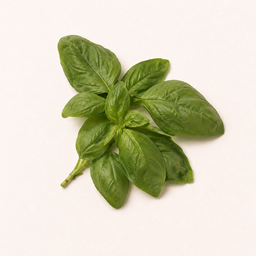
Basil
The royal culinary herb
What is this ingredient?
Basil (Ocimum basilicum) belongs to the mint family and has been part of culinary traditions around the Mediterranean, Asia and India for thousands of years. The name comes from the Greek 'basilikon', meaning 'royal'. There are more than 60 varieties, from Genovese basil for pesto and caprese to Thai basil with anise-like notes and tulsi, a related type commonly used in warm drinks and rituals.
Its fragrance comes from volatile aromatic oils. Eugenol, linalool, 1,8-cineole and rosmarinic acid shape its fresh, sweet and lightly herbal profile. In cooking, this is easy to notice: raw basil gives tomato, garlic, olive oil, lemon and mozzarella extra depth without the need for a heavy sauce.
Basil naturally contains vitamin K, iron, magnesium, vitamin C and folate. Because it is usually used in small amounts, its main value is culinary: add the leaves only at the end so the volatile aromas are preserved and the leaves stay bright green.
How does it taste?
Fresh, sweet and slightly peppery with anise-like notes.
Pairs well with:
Pairs well with tomatomozzarellagarlicolive oil and lemon.
Varieties
Genovese basil
Classic Italian variety with large, tender leaves; ideal for pesto, caprese and tomato dishes
Thai basil
Variety with anise-like flavor and sturdy leaves; works well in curries, noodles and stir-fries
Holy basil (Tulsi)
Related Ocimum type with spicy, clove-like notes; traditionally used in warm drinks and household rituals
Did you know...?
- The word basil comes from the Greek “basilikon”, meaning “royal”.
- In India, tulsi, a related type of basil, is planted as a symbolic plant near homes and temples.
- There are more than 60 different varieties of basil worldwide, each with its own aroma and leaf structure.
Nutritional Value & Energy
Per 100g
Basil is low in calories thanks to natural nutrients .
Per 100g
Minerals
Vitamins
Omega-3 fatty acids
More nutrients
Trace Minerals
What's in a serving?
Basil naturally contains iron (3.2 mg per 100 g fresh). At typical herb usage (5–10 g), the contribution is limited.
Basil naturally contains vitamin K (518 mcg per 100 g fresh). At typical herb usage (5–10 g), the contribution is limited.
Basil naturally contains iron (3.2 mg per 100 g fresh). At typical herb usage (5–10 g), the contribution is limited.
Basil naturally contains vitamin C (30 mg per 100 g fresh). At typical herb usage (5–10 g), the contribution is limited.
Basil naturally contains vitamin K (518 mcg per 100 g fresh). At typical herb usage (5–10 g), the contribution is limited.
Basil naturally contains folate (68 mcg per 100 g fresh). At typical herb usage (5–10 g), the contribution is limited.
% of daily reference intake (DRI)
EU-approved nutrition claims
This ingredient contains nutrients for which EFSA-authorized health claims exist (at nutrient level, not ingredient-specific).
Approved health claims (EU)
Vitamin_k EU 432/2012
Vitamin K contributes to normal blood clotting
Contains 518mcg/100g (threshold: ≥11.25mcg/100g)
Vitamin_k EU 432/2012
Vitamin K contributes to the maintenance of normal bones
Contains 518mcg/100g (threshold: ≥11.25mcg/100g)
Comparison
vsspinazie
Basil contains clearly more iron per 100 g than spinach — but you usually use much less basil per serving.
What's being researched?
Basil, eugenol and aromatic phenolic compounds
Eugenol and other phenolic compounds in basil are examined in preclinical and analytical studies. The focus is on composition, aroma, oxidative-balance markers and how these compounds behave in extracts and essential oil.
Supported by: [2] Złotek U (2016)
Good Combinations (Synergy)
Combine basil smartly to enhance the effect:
Basil 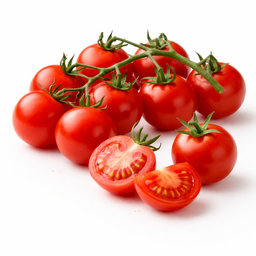 Cherry Tomatoes
 Lycopene + eugenol: two complementary bioactive pathways
Technical: Cherry tomatoes contain lycopene (carotenoid) and basil contains eugenol and rosmarinic acid (phenol compounds). They work through different biochemical pathways: lycopene quenches singlet oxygen, eugenol neutralizes free radicals via electron donation.
What does this mean for you? Tomato with basil (caprese!) is not just a flavor classic — the combination delivers two entirely different categories of bioactive compounds. Each with its own mechanism. Add olive oil to better absorb the fat-soluble lycopene.
Basil 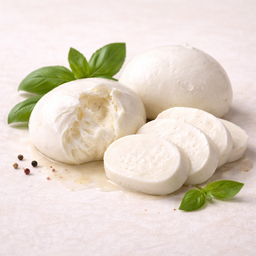 Mozzarella
 Caprese trio: calcium + eugenol + oleocanthal — bioactive compounds optimally absorbed
Technical: Mozzarella provides calcium (403mg/100g) and CLA (conjugated linoleic acid, 0.4-0.6%). Basil contains eugenol (12-18mg/g dry weight) and olive oil provides oleocanthal (0.2mg/ml) — bioactive compounds studied in research in connection with NF-κB and COX signaling. Fat from mozzarella and olive oil dissolves eugenol better, aiding absorption.
What does this mean for you? Caprese salad (mozzarella + basil + olive oil + tomato) is the epitome of functional Italian cuisine. Each ingredient enhances the other — the combination contains bioactive compounds working via three different biochemical pathways.
Basil 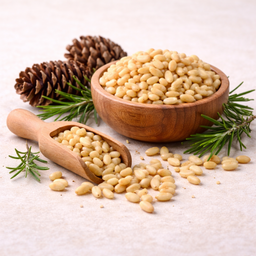 Pine Nuts
 Pesto synergy: Mn-SOD activation + COX-2 influence via complementary pathways
Technical: Pine nuts provide vitamin E (9.3mg) and manganese (8.8mg) — manganese is cofactor for the enzyme Mn-SOD, a cellular antioxidant in mitochondria. Basil contains eugenol and linalool that influence COX-2 plus vitamin K. Together they neutralize reactive oxygen species (ROS) and modulate multiple biochemical pathways simultaneously.
What does this mean for you? Make fresh pesto with pine nuts and basil. The pine nuts activate Mn-SOD, basil influences COX-2 — two complementary biochemical pathways in one sauce.
Basil 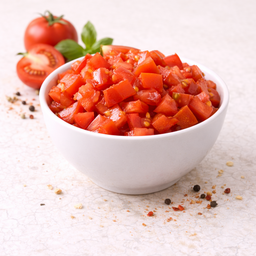 Diced Tomatoes
 Lycopene + eugenol: complementary bioactive compounds
Technical: Diced tomatoes provide concentrated lycopene (carotenoid) neutralizing singlet oxygen. Basil contains eugenol and rosmarinic acid (phenolic compounds) scavenging hydroxyl radicals. They work through different biochemical pathways, providing a broader combined spectrum than either alone.
What does this mean for you? Tomato sauce with basil (sugo) is a timeless Italian base with two categories of bioactive compounds. Add basil raw at the end of cooking to preserve volatile oils.
Basil 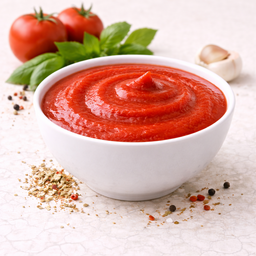 Tomato Passata
 Heated + fats = 5x more lycopene absorption
Technical: Tomato passata is already heated, releasing lycopene from cell walls in cis-form (better absorbable than trans-lycopene in raw tomato). Olive oil fats create micelles transporting this released lycopene through the gut wall. Basil adds eugenol (COX-2 inhibitor). Absorption increases up to 5x.
What does this mean for you? Make pasta sauce with tomato passata, olive oil and basil. You absorb up to 5x more lycopene than from raw tomato — great for your heart and skin.
Basil 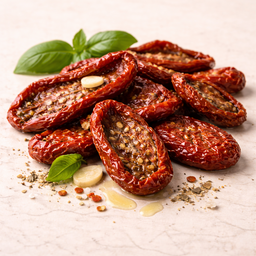 Sun-Dried Tomato
 Concentrated lycopene + eugenol: complementary bioactive compounds
Technical: Sun-dried tomatoes contain up to 45mg lycopene per 100g — 10x more concentrated than fresh. Basil provides eugenol (0.5mg/100g) and rosmarinic acid. Lycopene quenches singlet oxygen, eugenol neutralizes hydroxyl radicals — complementary mechanisms. Cis-isomer of lycopene (dominant in dried tomato) is 2-3x more bioavailable.
What does this mean for you? Sun-dried tomato with basil (on bruschetta, in pasta) delivers the most concentrated lycopene dose with complementary bioactive compounds from basil. An Italian classic with scientific depth.
Recipes with Basil
Discover delicious recipes featuring basil:
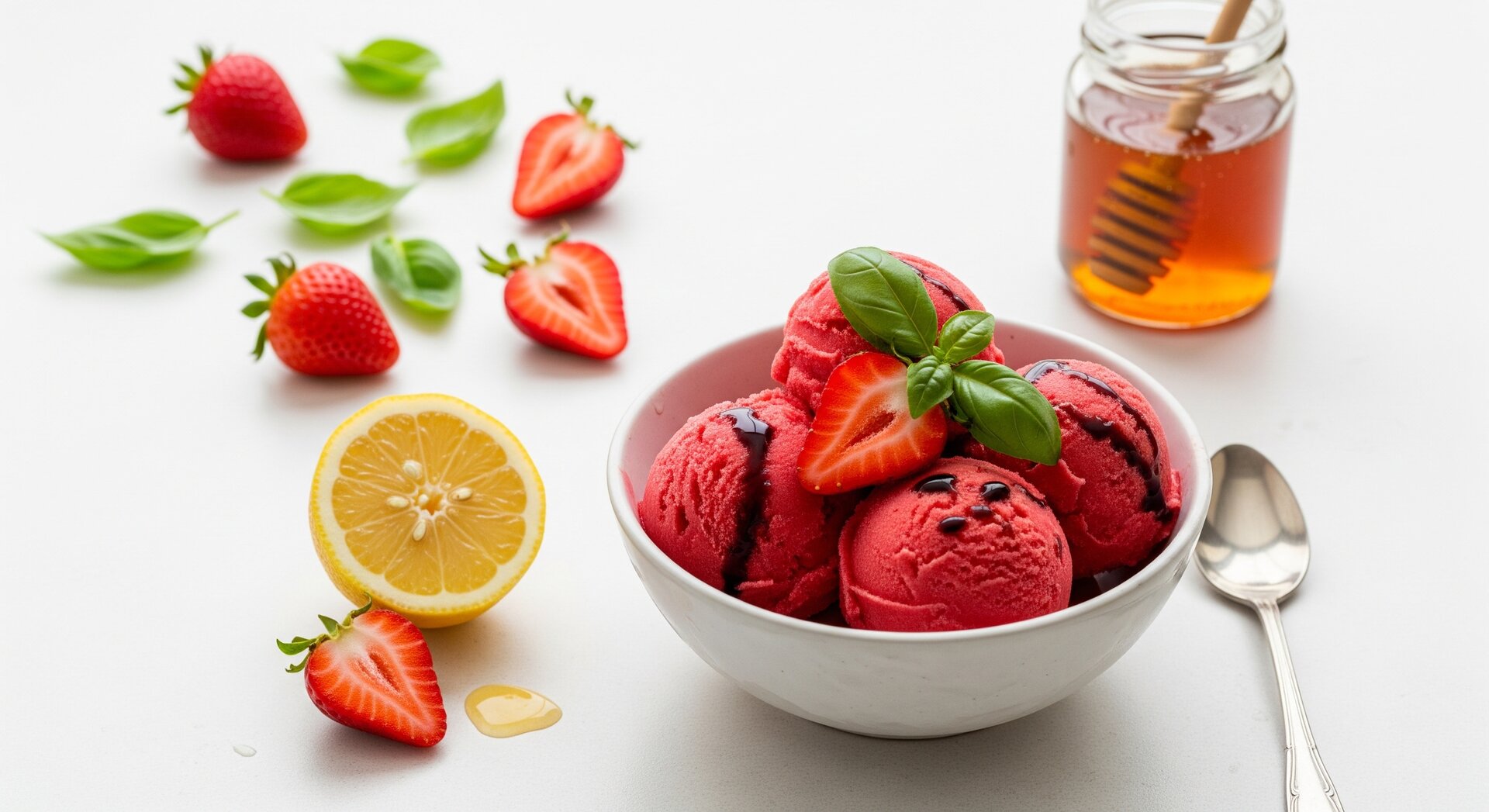 Strawberry-Basil Sorbet with Balsamic 255 min Refreshing sorbet with strawberries, basil and balsamic drizzle
  76 kcal
  1g protein 2 synergies
 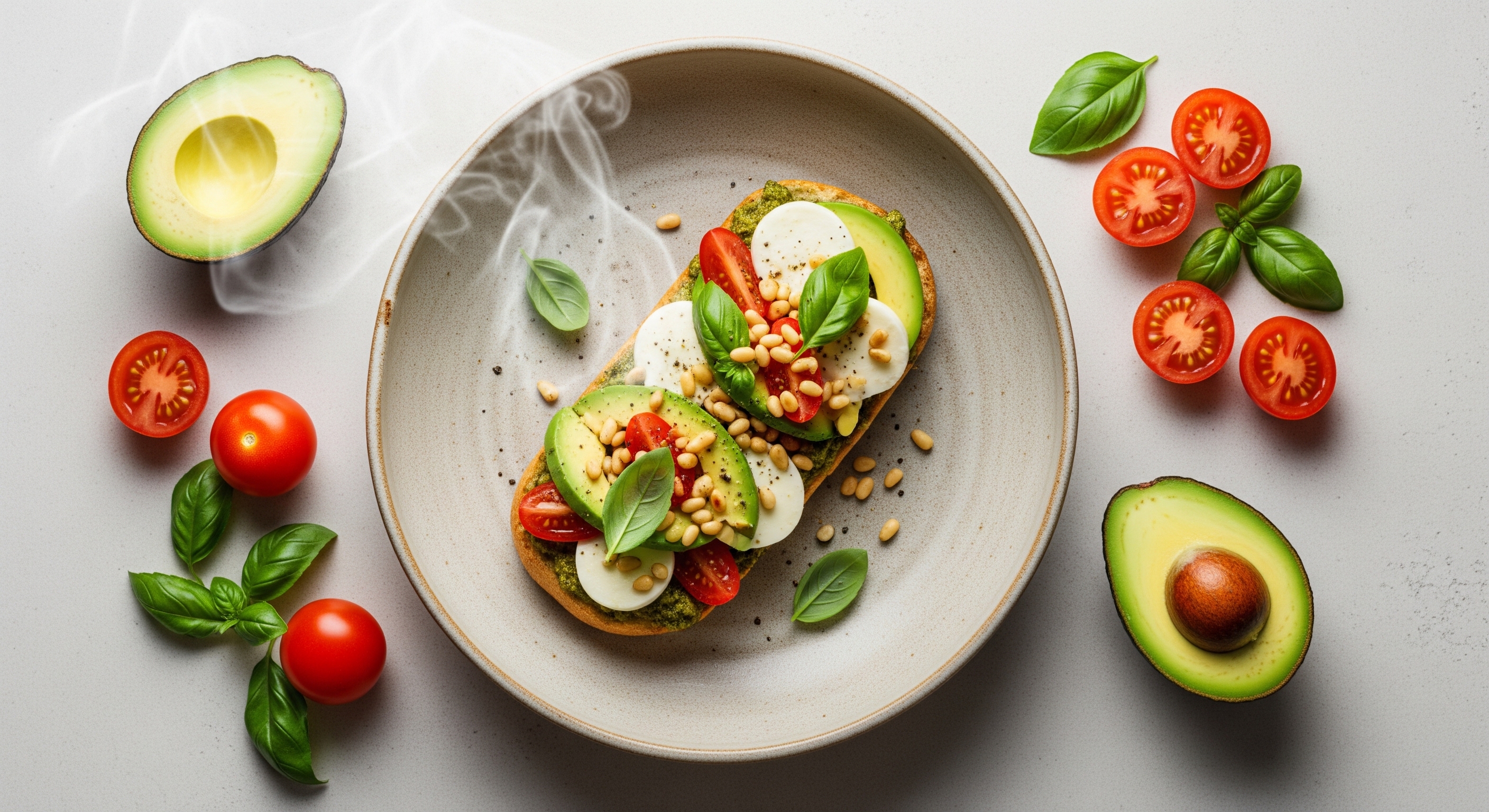 Caprese Pesto Panini with Avocado & Pine Nuts 18 min Warm panini with mozzarella, pesto and avocado 688 kcal 24g protein 2 synergies
 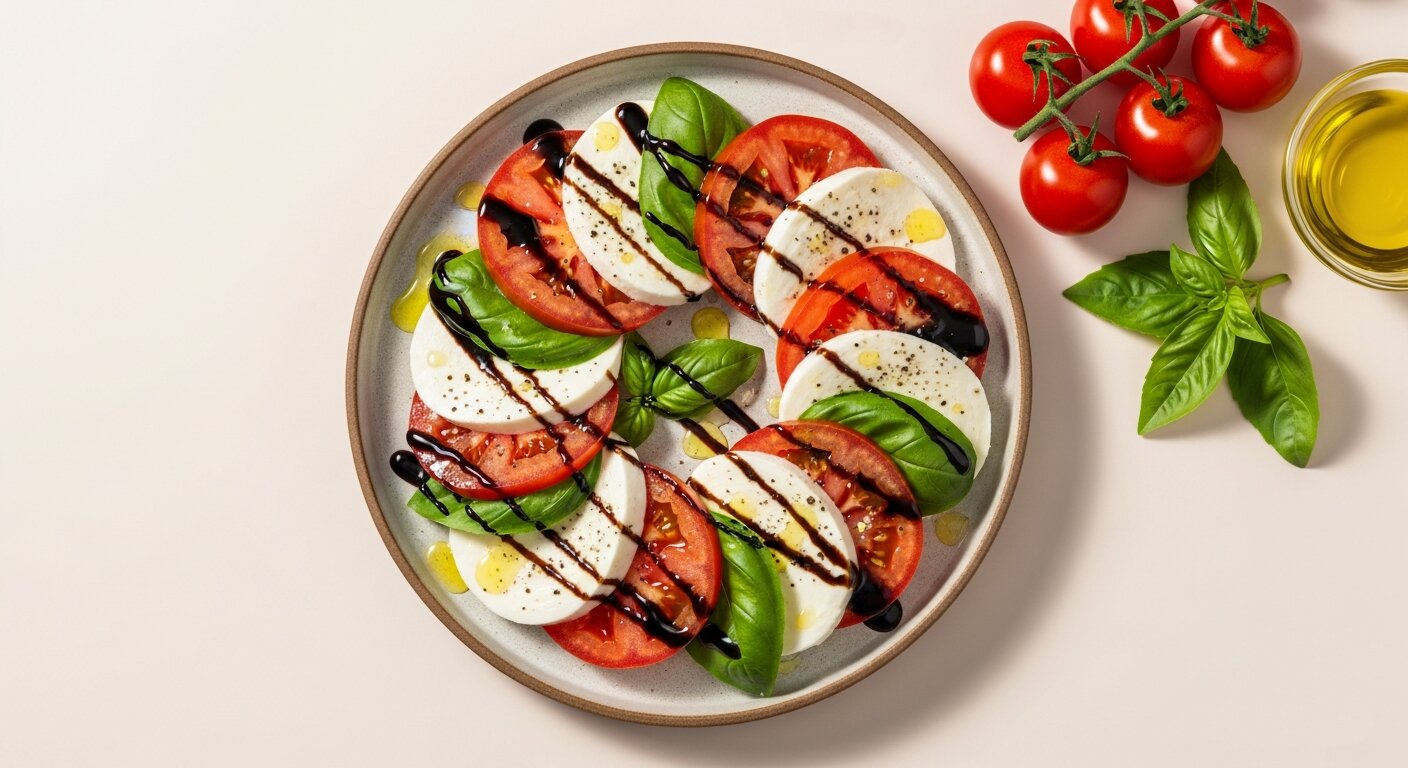 Caprese Salad 10 min Italian classic with tomato, mozzarella and basil 260 kcal 14g protein 1 synergies
 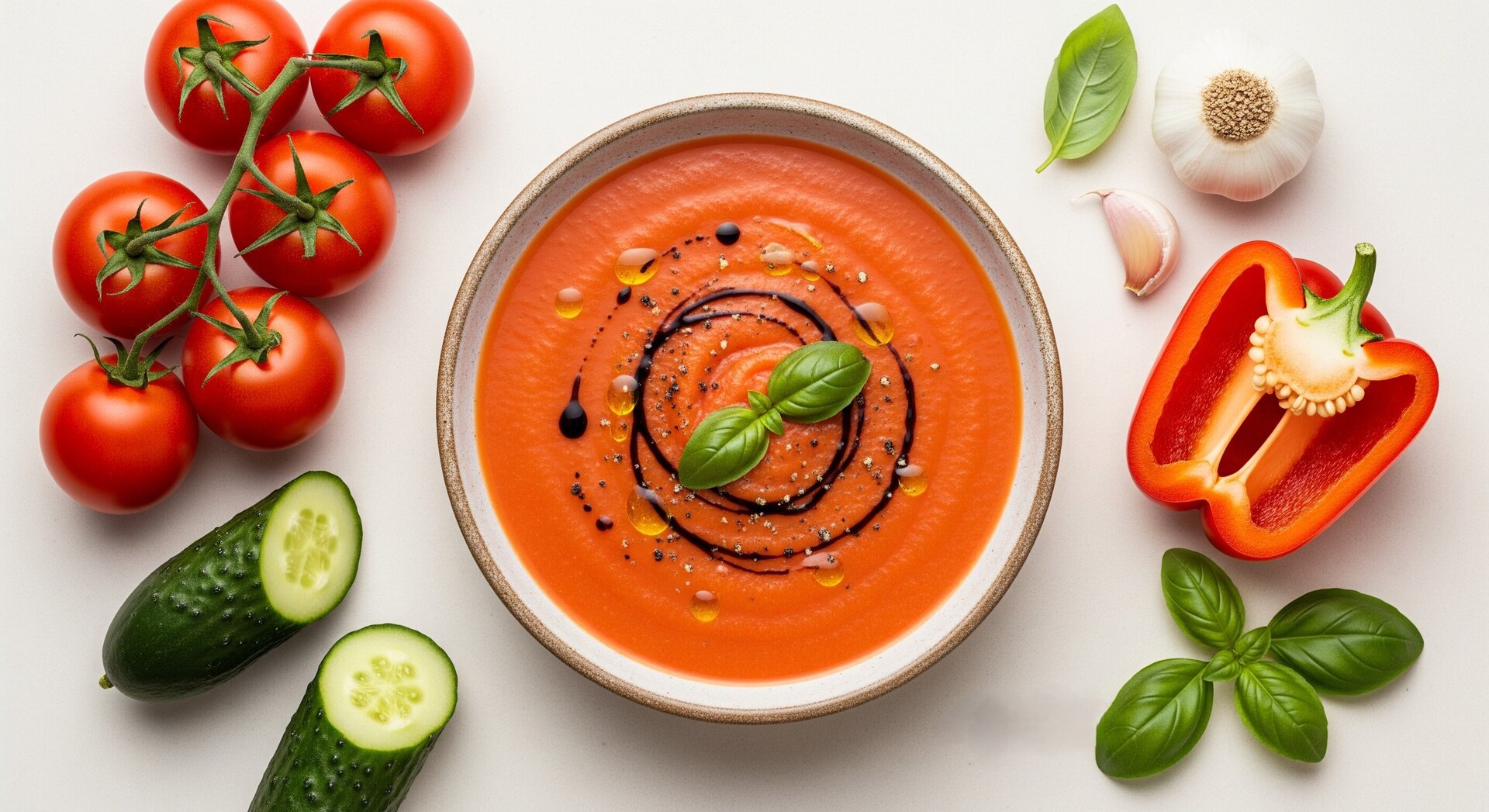 Gazpacho Andaluz 15 min Cold Andalusian tomato soup with bell pepper, cucumber and basil 170 kcal 3g protein 2 synergies
 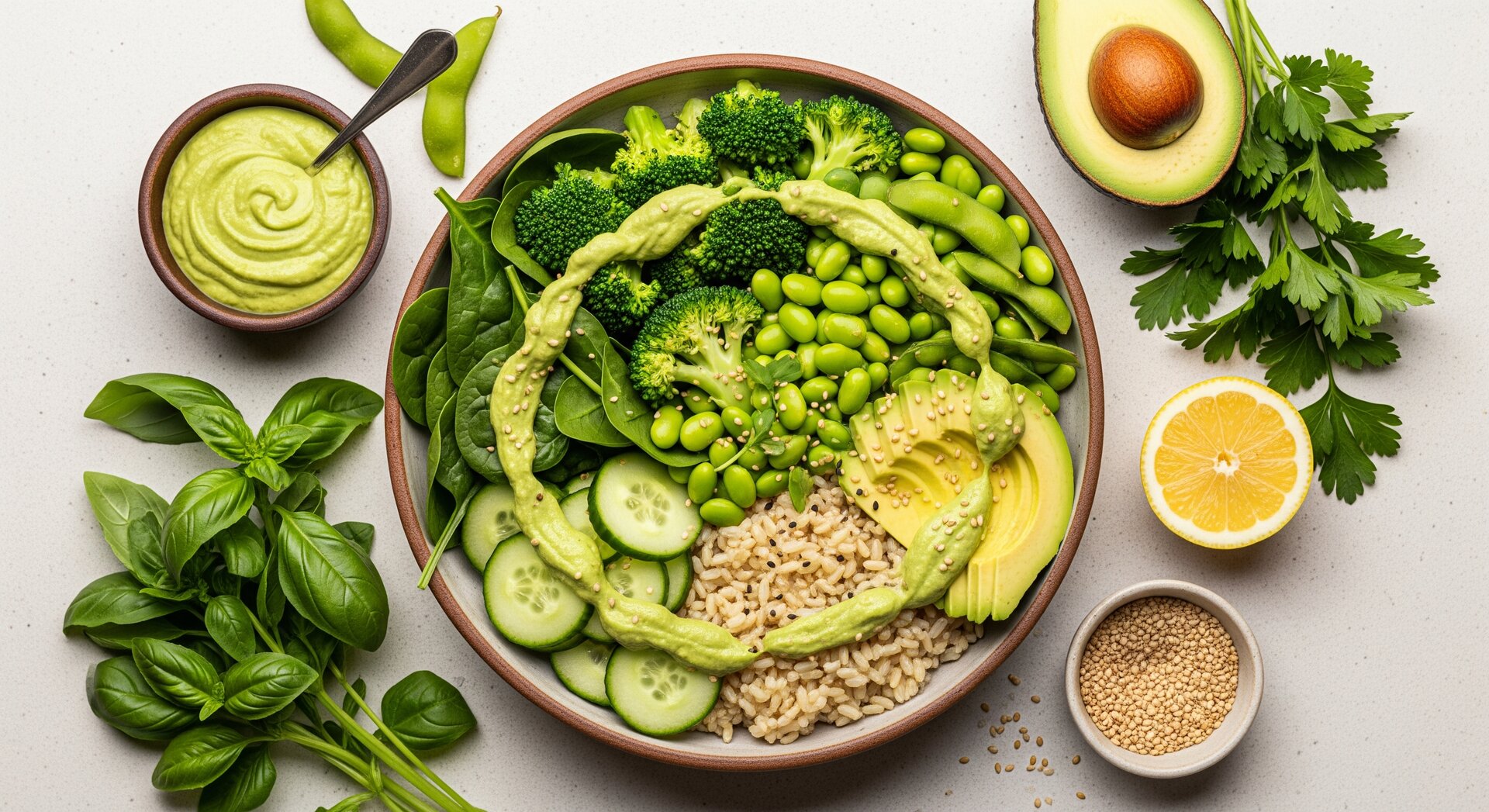 Green Power Bowl 35 min Fresh green bowl with herb dressing 480 kcal 18g protein 2 synergies
 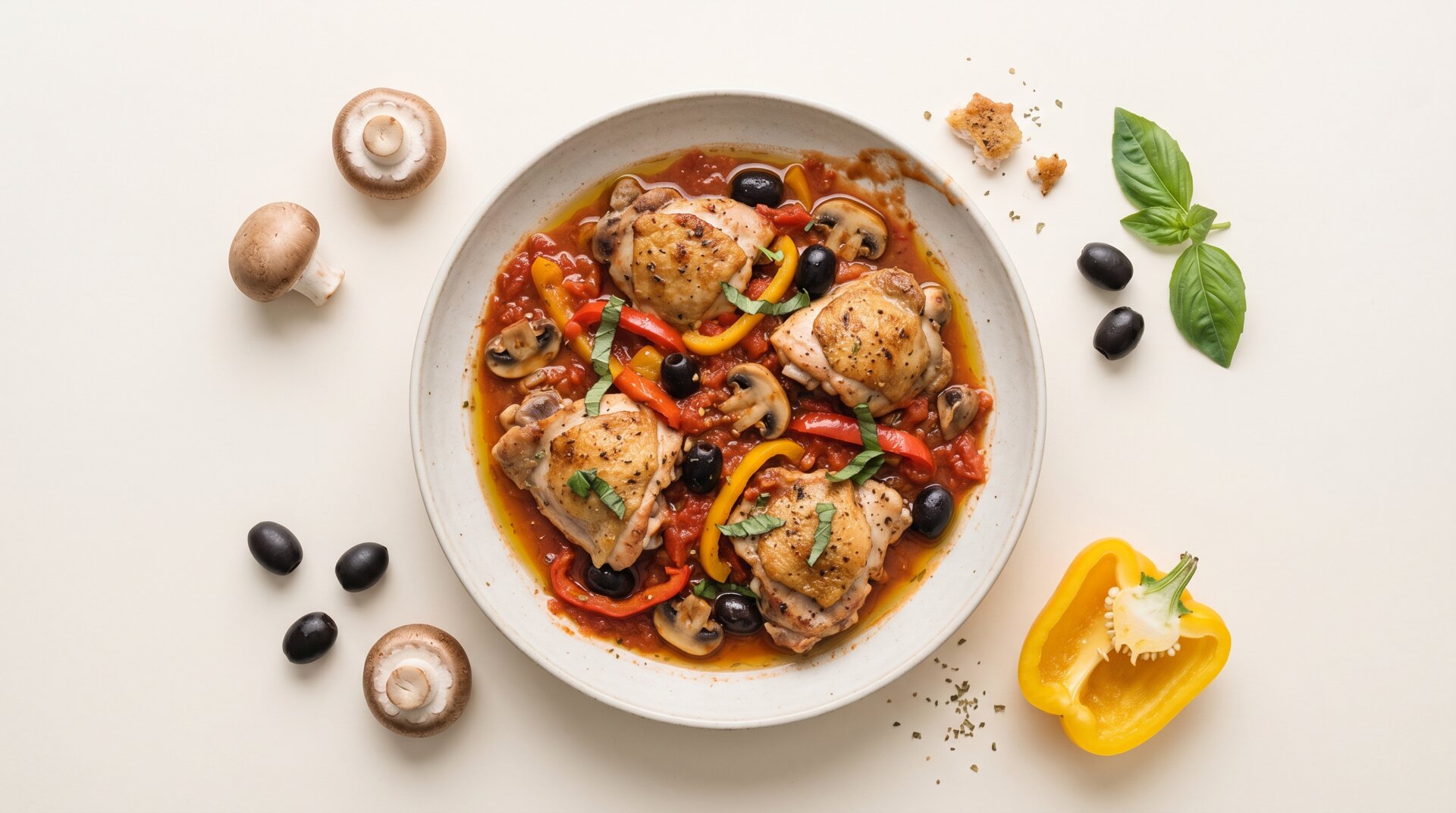 Italian Chicken Cacciatore 75 min Hunter-style stew with tomato, bell pepper and olives 380 kcal 42g protein 2 synergies
  In the Kitchen
Storage
Location:Refrigerator
Shelf life:5-7 dagen vers, 1 jaar gedroogd
Store fresh basil with the stems in water like a bouquet, or loosely wrapped in damp paper towel in the refrigerator. Avoid freezing whole raw leaves: they can darken and lose aroma.
Preparation
Add basil raw or at the last moment; prolonged heat removes many volatile aromas. Tear the leaves by hand for a pleasant texture and use them in pesto, caprese, tomato sauce, salads and Mediterranean dressings.
Conversions
Substitutes
Smart preparation
1Tear basil leaves by hand instead of finely cutting them.
Why?
This helps the edges stay greener and preserves more of the fresh aroma.
2Add basil only at the end to hot dishes.
Why?
Prolonged heating makes many volatile aromatic oils disappear.
3Store fresh basil at room temperature in a glass of water when you will use it soon.
Caution / Warnings
Basil is very safe, but there are scientific considerations:
Blood thinners Moderate
Basil contains vitamin K and eugenol; with medication that affects blood clotting, a consistent eating pattern is important.
Advice:
Culinary amounts are usually small. Discuss supplements or large daily amounts with your doctor if you use warfarin or similar medication.
Pregnancy Moderate
Normal culinary amounts usually fit within everyday eating; concentrated extracts are different from fresh leaves.
Advice:
Use basil freely in cooking, but avoid concentrated supplements without personal advice from your doctor or midwife.
Traditional use
Ayurveda
Symbolic herb in India
Basil is closely related to tulsi (holy basil). In Indian traditions, tulsi has long been valued as a fragrant plant for tea, household rituals and gardens around homes and temples.
Mediterranean
Mediterranean culinary traditions
In Greek and Roman antiquity, basil was considered a royal herb. The word basil derives from the Greek 'basilikon', meaning 'royal', and the herb remained a familiar flavoring in sauces, salads and oil-based preparations.
Summary
Basil is a fresh, sweet and slightly peppery culinary herb with a lot of character in small amounts. Fresh leaves provide the most aroma; add them only at the end to preserve the volatile oils and green color. Pair with tomato, olive oil, garlic or lemon for a classic Mediterranean flavor base.