- Easy
- 35 min
- 2 serv.
- 9 synergies
- Now at its best: Spinach
A green bowl with brown rice, edamame, spinach, broccoli and cucumber, finished with a creamy herb-avocado dressing. The mix of warm and fresh components makes it filling yet light. Ideal as lunch or a quick dinner.
This bowl feels like a fresh reset on a busy day. Warm rice, steamed broccoli and soft edamame create a solid base, while cucumber and spinach keep everything light. The green dressing of avocado, basil and parsley makes it creamy without becoming heavy and adds a summery herbal note. Toasted sesame seeds bring extra crunch on top. The result is a bowl that feels both comforting and fresh, perfect when you want something nourishing that still eats easily.
- 15
- min prep
- 20
- min cook
- 35
- min total
Nutritional Synergies
This recipe combines ingredients that enhance each other:
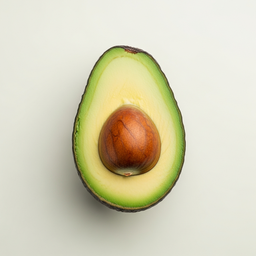 Avocado
 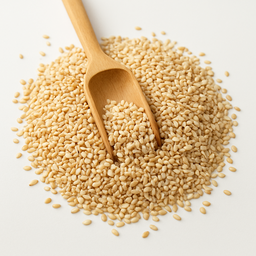 Sesame Seeds
 Healthy fats improve mineral absorption from sesame seeds
Technical: Avocado contains 15% mono-unsaturated fats and vitamin E. Sesame seeds are rich in calcium (975mg/100g), iron (14.5mg) and zinc. The fats from avocado improve absorption of these minerals and the fat-soluble lignans (sesamin, sesamolin) from sesame seeds.
What does this mean for you? Add sesame seeds to your avocado toast or poke bowl. The combination is not only delicious but also remarkably rich in minerals.
JointsEnergySkin & Hair
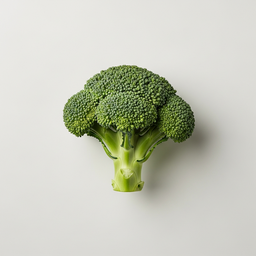 Broccoli
 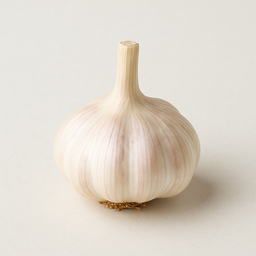 Garlic
 Double sulfur compounds for Nrf2 activation and phase-II enzymes
Technical: Broccoli contains sulforaphane (isothiocyanate) activating the Nrf2 pathway and inducing phase-II enzymes (glutathione S-transferase, quinone reductase). Garlic contains allicin and diallyl sulfide — also sulfur compounds activating the same Nrf2 pathway via thiol reaction. Both are sulfur-containing compounds working synergistically.
What does this mean for you? Briefly sauté garlic and add broccoli — a classic stir-fry base. Two sulfur-rich ingredients each activating the same Nrf2 pathway through their own route. Cut garlic 10 minutes before heating for maximum allicin.
AntioxidantsImmune SystemAnti-inflammatory
Broccoli 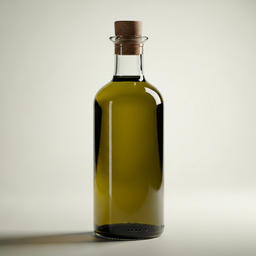 Olive Oil
 Improves absorption of fat-soluble vitamins
Technical: Broccoli contains 102μg vitamin K per 100g (85% RDI) and 623 IU vitamin A (provitamin A as beta-carotene). Both are fat-soluble — without fat only 5-10% is absorbed. Olive oil's unsaturated fats stimulate micelle formation in the small intestine, increasing absorption up to 5x.
What does this mean for you? A drizzle of olive oil on broccoli isn't luxury but necessity. Without fat you barely absorb vitamin K — essential for blood clotting. Good to know: vitamin K contributes to normal blood clotting (EFSA-approved).
Joints
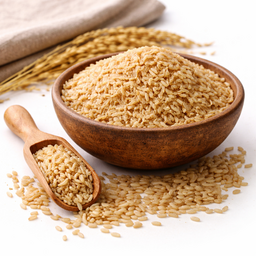 Brown Rice
 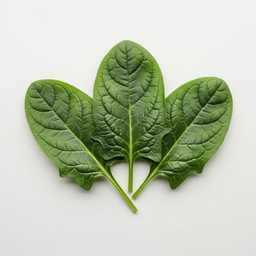 Spinach
 Vitamin C from spinach lifts iron blockade in brown rice
Technical: Brown rice contains 0.8mg iron per 100g (cooked), but also phytic acid that can inhibit iron absorption by 50-80%. Spinach contains 28mg vitamin C per 100g that forms an iron-ascorbate complex, bypassing the phytic acid blockade and restoring iron absorption.
What does this mean for you? Add fresh spinach to your brown rice bowl, or serve with sautéed spinach. The combination is especially important for vegetarians who depend on plant-based iron.
EnergyImmune System
Olive Oil Garlic Aglio e olio: allicin + oleocanthal via complementary biochemical pathways
Technical: Garlic contains allicin (formed when cutting/crushing) that influences HMG-CoA reductase (involved in lipid metabolism). Olive oil contains oleocanthal that modulates COX-1/2 enzymes. Together they influence lipid metabolism and prostaglandin cascade via complementary biochemical pathways. The fat also helps absorb fat-soluble garlic compounds.
What does this mean for you? Gently warm garlic in olive oil (don't burn!) as the base for many dishes. This is why 'aglio e olio' pasta is so beloved — two bioactive compounds that reinforce each other.
HeartImmune System
Olive Oil Sesame Seeds Olive oil fats improve absorption of sesame seed minerals and lignans
Technical: Olive oil's monounsaturated fats (oleic acid) improve absorption of fat-soluble lignans from sesame seeds. Additionally, olive oil polyphenols (oleocanthal) and sesame lignans form a broader antioxidant spectrum.
What does this mean for you? Use olive oil in dishes with sesame seeds — for example in an Asian salad or as a base for tahini dressing.
HeartAnti-inflammatorySkin & Hair
Spinach Avocado Fat source for better absorption of fat-soluble nutrients
Technical: Spinach contains 12.2mg lutein per 100g — highest of all vegetables. Avocado provides 15g monounsaturated fats per 100g that increase carotenoid bioavailability up to 15x (Molecular Nutrition & Food Research). Avocado's own lutein (0.27mg/100g) also contributes.
What does this mean for you? Spinach salad with avocado is an excellent combination for your eye pigments. Without fat you barely absorb lutein — with avocado up to 15x more. Lutein and zeaxanthin contribute to the maintenance of normal vision.
Skin & HairHeartFocus
Spinach Olive Oil Makes fat-soluble vitamins and antioxidants available
Technical: Spinach contains 483μg vitamin K (403% RDI), 5626μg beta-carotene, 2mg vitamin E and 12.2mg lutein — all fat-soluble. Without fat only 5-10% is absorbed. Olive oil's monounsaturated fats (73% oleic acid) form micelles that increase absorption 2-5x.
What does this mean for you? Always eat spinach with olive oil or another fat source. Without fat you waste most of spinach's impressive vitamin profile. A drizzle of olive oil is essential for proper absorption.
Skin & HairJoints
Spinach Sesame Seeds Iron + calcium + copper: mineral synergy
Technical: Spinach contains 2.7mg iron per 100g (15% RDI). Sesame seeds contain 975mg calcium per 100g (highest of all seeds!) plus 14.5mg iron. The combination delivers a rich mineral dose. Sesame seeds also contain copper (4.1mg/100g) — copper contributes to normal iron transport in the body (EFSA-approved).
What does this mean for you? Korean namul (sesame spinach) is not only delicious but also exceptionally mineral-rich. Copper from sesame seeds contributes to normal iron transport. Ideal for vegetarians.
EnergyJointsMuscle Gain
Ingredients (12)
+9 more ingredients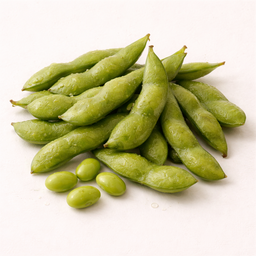
Instructions
- 1 Cook the brown rice according to package instructions and keep warm.
- 2 Cook the edamame for 5 minutes in lightly salted water, then drain.
Nutrition per serving
Indicative values per serving.
Timing & Suitability
Shelf life: 2 days in fridge
Tags & Diet
Allergens: Soy, Sesame