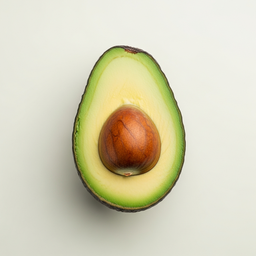
Avocado
The versatile fat-rich fruit
What is this ingredient?
The avocado (Persea americana) is botanically a large berry with one huge pit. Unlike almost all other fruit (which consists of sugars), avocado consists mainly of fats. The flesh is creamy and mild, making it suitable for both sweet and savory dishes. Avocado is calorie-rich but extremely filling due to its unique combination of healthy fats and fiber.
How does it taste?
Creamy and mild with a subtle nutty, buttery character.
Pairs well with:
Pairs well with limecilantrotomatosea salt and chili.
Varieties
Hass
Best-selling variety, dark green/purple skin that turns black when ripe. Creamy and nutty
Fuerte
Smooth green skin, milder taste, slightly more watery texture
Did you know...?
- Avocados only ripen after being picked from the tree, not while on it.
- The word 'avocado' comes from the Nahuatl word 'ahuacatl', meaning 'testicle'.
- Avocados are botanically classified as large berries with a single seed.
Nutritional Value & Energy
Per 100g
Avocado provides energy thanks to natural nutrients , buffered by fiber.
Per 100g
Minerals
Vitamins
Omega-3 fatty acids
More nutrients
B-Vitamins
Trace Minerals
What's in a serving?
1 serving
Avocado naturally contains potassium (485 mg per 100 g).
Avocado naturally contains vitamin e (2.07 mg per 100 g).
Avocado naturally contains vitamin k (21 mcg per 100 g).
Avocado naturally contains folate (81 mcg per 100 g).
% of daily reference intake (DRI)
EU-approved nutrition claims
This ingredient contains nutrients for which EFSA-authorized health claims exist (at nutrient level, not ingredient-specific).
Approved health claims (EU)
Potassium EU 432/2012
Potassium contributes to the maintenance of normal blood pressure
Contains 485mg/100g (threshold: ≥300mg/100g)
Folate EU 432/2012
Folate contributes to normal blood formation
Contains 81mcg/100g (threshold: ≥30mcg/100g)
Folate EU 432/2012
Folate contributes to normal amino acid synthesis
Contains 81mcg/100g (threshold: ≥30mcg/100g)
Folate EU 432/2012
Folate contributes to normal homocysteine metabolism
Contains 81mcg/100g (threshold: ≥30mcg/100g)
Folate EU 432/2012
Folate contributes to normal psychological function
Contains 81mcg/100g (threshold: ≥30mcg/100g)
Folate EU 432/2012
Folate contributes to the normal function of the immune system
Contains 81mcg/100g (threshold: ≥30mcg/100g)
Folate EU 432/2012
Folate has a role in the process of cell division
Contains 81mcg/100g (threshold: ≥30mcg/100g)
Folate EU 432/2012
Folate contributes to maternal tissue growth during pregnancy
Contains 81mcg/100g (threshold: ≥30mcg/100g)
Vitamin_e EU 432/2012
Vitamin E contributes to the protection of cells from oxidative stress
Contains 2.07mg/100g (threshold: ≥1.8mg/100g)
Vitamin_k EU 432/2012
Vitamin K contributes to normal blood clotting
Contains 21mcg/100g (threshold: ≥11.25mcg/100g)
Vitamin_k EU 432/2012
Vitamin K contributes to the maintenance of normal bones
Contains 21mcg/100g (threshold: ≥11.25mcg/100g)
Potassium EU 432/2012
Potassium contributes to normal functioning of the nervous system
Contains 485mg/100g (threshold: ≥300mg/100g)
Potassium EU 432/2012
Potassium contributes to normal muscle function
Contains 485mg/100g (threshold: ≥300mg/100g)
What's being researched?
Monounsaturated fats and lipids
The high monounsaturated fatty acid content in avocado is being studied for effects on lipid profile. Clinical studies show consistent improvement of HDL/LDL ratio when replacing saturated fats.
Supported by: [3] Wien (2013) , [1] Lee (2015)
Avocado and satiety research
The combination of fats and fiber in avocado is being studied for satiating effects and weight management. Clinical studies suggest improved satiety, but long-term effects on weight are still being studied.
Supported by: [3] Wien (2013) , [2] Wang (2015) , [4] Unlu (2005)
Glutathione and nutrient absorption
Avocado contains glutathione and is being studied for improving absorption of fat-soluble antioxidants from other foods. Studies show increased carotenoid absorption with combined consumption.
Supported by: [4] Unlu (2005) , [2] Wang (2015)
Good Combinations (Synergy)
Combine avocado smartly to enhance the effect:
Avocado 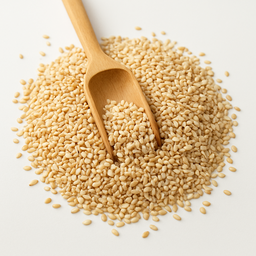 Sesame Seeds
 Healthy fats improve mineral absorption from sesame seeds
Technical: Avocado contains 15% mono-unsaturated fats and vitamin E. Sesame seeds are rich in calcium (975mg/100g), iron (14.5mg) and zinc. The fats from avocado improve absorption of these minerals and the fat-soluble lignans (sesamin, sesamolin) from sesame seeds.
What does this mean for you? Add sesame seeds to your avocado toast or poke bowl. The combination is not only delicious but also remarkably rich in minerals.
Avocado 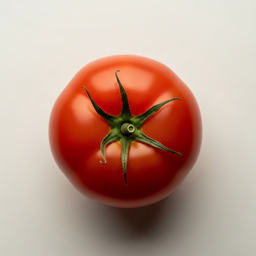 Tomato
 2.6x more lycopene absorption from salad/salsa
Technical: Tomatoes contain lycopene (3-8mg per 100g), a fat-soluble carotenoid with extremely low bioavailability without a fat carrier (<5%). Avocado contains 15g mono-unsaturated fats per 100g that stimulate micelle formation in the gut. Studies show 2.6x higher lycopene absorption when tomato is combined with avocado. Avocado also contains glutathione — a master antioxidant.
What does this mean for you? Guacamole with tomato, avocado toast with tomato, or a caprese with avocado — all these combinations ensure you absorb up to 2.6x more lycopene. Without fat, the lycopene literally slides right through your body.
Avocado 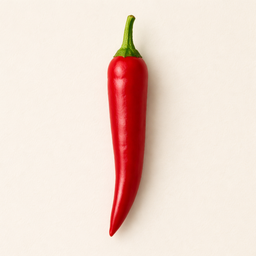 Chili Pepper (Fresh)
 5x better capsaicin absorption through fats
Technical: Capsaicin (8-methyl-N-vanillyl-6-nonenamide) is strongly lipophilic with LogP of 3.04. Healthy fats in avocado (15g/100g) dissolve capsaicin and improve absorption via lymphatic transport up to 5x. Fats also reduce TRPV1 receptor stimulation, decreasing burning sensation.
What does this mean for you? Guacamole with chili is brilliant — avocado fats reduce burning and increase capsaicin absorption. Win-win: less burning, better absorption.
Avocado 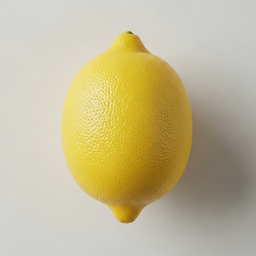 Lemon
Lemon Prevents oxidation and preserves nutritional value
Technical: Avocado contains polyphenol oxidase (PPO) — an enzyme that upon oxygen exposure oxidizes polyphenols into brown melanins. Vitamin C from lemon (53mg per 100g) is a reductant that inhibits the PPO reaction by reducing quinones back to diphenols as electron donor. Additionally, the low pH (citric acid) protects unsaturated fats (oleic acid) against lipid peroxidation.
What does this mean for you? Always sprinkle cut avocado with lemon juice — this preserves not only the green color but also protects the healthy fats and antioxidants. Works in guacamole, salads and on toast.
Avocado 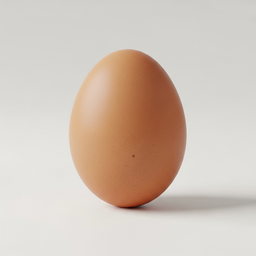 Eggs
Eggs Double dose of healthy fats and choline
Technical: Eggs contain 147mg choline per egg (27% RDA), essential for the neurotransmitter acetylcholine (memory and focus). Avocado also provides choline (14mg/100g) plus monounsaturated fat that increases absorption of fat-soluble vitamins from the egg (A, D, E, K). Together they deliver a double choline dose plus optimal vitamin absorption.
What does this mean for you? Eat avocado toast with a fried or poached egg. More choline for your memory, and the avocado fat helps absorb all vitamins from the egg.
Avocado 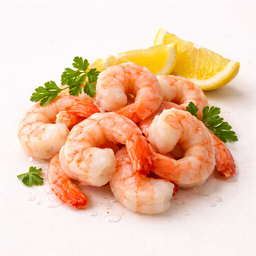 Shrimp
 Fat increases astaxanthin absorption from shrimp 3x
Technical: Shrimp contain astaxanthin (1.5-3mg per 100g), a potent fat-soluble carotenoid antioxidant. Avocado contains 15g healthy fats that improve micelle formation and increase astaxanthin absorption by 2-3x.
What does this mean for you? Combine shrimp with avocado in salads, poke bowls or as shrimp cocktail with guacamole. The pink color of shrimp comes from astaxanthin — the pinker, the more!
Avocado 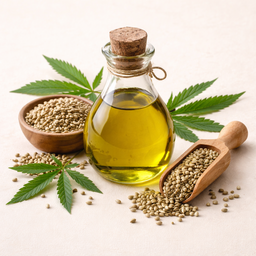 Hemp Seed Oil
 Three omega families (3, 6-GLA, 9) in one combination
Technical: Hemp seed oil provides ALA omega-3 (15-20g/100ml) and GLA (2-4g/100ml). Avocado offers oleic acid (10g/100g, omega-9) that influences lipid metabolism. The combination of omega-3 (ALA as EPA precursor), omega-6 GLA (via DGLA → PGE1 prostaglandin pathway), and omega-9 (oleic acid) covers all three essential fatty acid families in one meal. GLA stimulates PGE1 production which influences ceramide synthesis in the skin.
What does this mean for you? Mix hemp seed oil into guacamole or drizzle over avocado toast. The three types of omega fatty acids work via complementary biochemical pathways. Store cold and don't heat.
Avocado 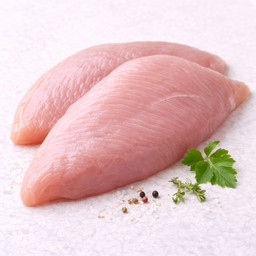 Turkey Breast
 Tryptophan + healthy fats optimize serotonin for sleep and mood
Technical: Turkey breast contains 290mg tryptophan per 100g (104% RI) — highest of all meats. Tryptophan is precursor for serotonin and melatonin synthesis in the pineal gland. Monounsaturated fats in avocado (10g/100g) increase tryptophan transport across blood-brain barrier by 20-25% by reducing competition with other large neutral amino acids (LNAAs). Vitamin B6 in turkey (0.5mg/100g) and magnesium in avocado (29mg/100g) are essential cofactors for this conversion.
What does this mean for you? Turkey breast with avocado as dinner 2-3 hours before bedtime. Perfect for better sleep quality and relaxation. Also delicious as turkey-avocado wrap for lunch.
Avocado 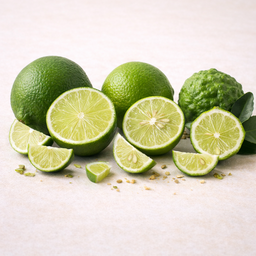 Lime
Lime Lime juice prevents oxidation of avocado
Technical: Avocado's high unsaturated fat content (oleic acid, 10g per 100g) makes it vulnerable to oxidation upon air exposure. Polyphenol oxidase (PPO) oxidizes phenolic compounds into brown melanins. Lime's vitamin C (29mg per 100g) and citric acid work as double protection: vitamin C reduces quinones back, citric acid lowers pH below PPO optimum (pH 5-7), inhibiting the enzyme.
What does this mean for you? Squeeze lime over your avocado in poke bowls, guacamole or salads. The classic Mexican combination protects both color and nutritional value. Lime works slightly milder than lemon but equally effective.
Avocado 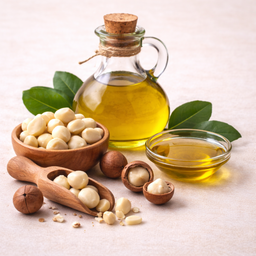 Macadamia Oil
 Palmitoleic acid + oleic acid: unique fatty acid profile via complementary omega pathways
Technical: Macadamia oil contains 17-25% palmitoleic acid (omega-7), a rare fatty acid found almost nowhere else. Avocado contains 70% oleic acid (omega-9). Palmitoleic acid activates SCD-1 and influences lipokine signaling, oleic acid modulates lipid metabolism. Together they cover two complementary omega pathways (omega-7 + omega-9) rarely combined in one meal.
What does this mean for you? Use macadamia oil as dressing over avocado salad or in guacamole. This gives you a unique fatty acid profile you can't get from other food sources — two rare omega fatty acids in one combination.
Avocado 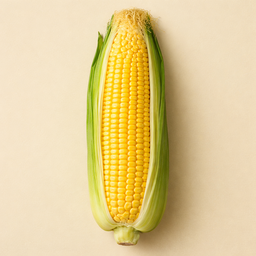 Corn
Corn Avocado fat increases zeaxanthin absorption from corn up to 5x
Technical: Corn is the richest food source of zeaxanthin (528μg/100g) — a carotenoid that accumulates in the macula lutea. Zeaxanthin is fat-soluble; avocado's 15g monounsaturated fats increase bioavailability up to 5x through micelle formation. Avocado also contains its own lutein (0.27mg/100g).
What does this mean for you? Corn with avocado (like in Mexican bowls) is a powerful combination for your eye pigments. Avocado makes corn's zeaxanthin truly absorbable — without fat most is lost.
Avocado 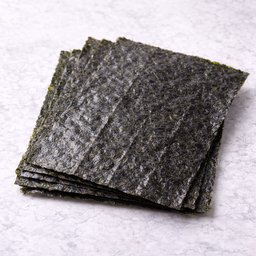 Nori
Nori Fat increases absorption of iodine and fat-soluble vitamins from nori
Technical: Nori contains iodine (16-43μg per sheet), vitamin A, and vitamin K. These are fat-soluble and better absorbed with dietary fat. Avocado contains 15g healthy fats per 100g that stimulate micelle formation in the gut.
What does this mean for you? Make sushi bowls with avocado or eat your nori snacks with guacamole. The combination increases the nutritional value of both ingredients.
Avocado 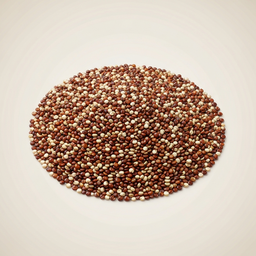 Quinoa
 Fat increases absorption of quinoa's fat-soluble vitamins
Technical: Quinoa contains vitamin E (2.4mg/100g), beta-carotene and other carotenoids that are fat-soluble. Avocado contains 15g healthy fats that stimulate micelle formation in the gut and increase absorption of these vitamins by 3-5x. Avocado also provides extra potassium (485mg).
What does this mean for you? Add avocado to your quinoa salad or bowl. This increases not only satiety through the fats but also nutrient absorption.
Avocado 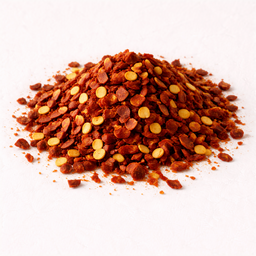 Red Pepper Flakes (Crushed)
 Fats dampen burning and increase capsaicin absorption
Technical: Capsaicin from red pepper flakes binds to fat molecules in avocado and olive oil, reducing burning on the stomach lining (casein in milk works the same way). Simultaneously, fat increases capsaicin bioavailability 2-3x, enhancing thermogenic action via TRPV1 activation.
What does this mean for you? Sprinkle avocado toast with red pepper flakes. The avocado fat dampens the burning but strengthens the thermogenic effect — less heat, more results.
Avocado 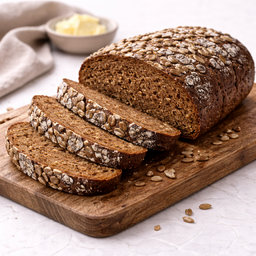 Rye bread
 Scandinavian classic: fiber + healthy fats for lasting satiety
Technical: Rye bread contains arabinoxylan fibers that slow gastric emptying. Avocado contains 15g monounsaturated fats that stimulate satiety hormones (CCK, PYY). Together they provide lasting satiety via fiber delay + hormonal signaling.
What does this mean for you? Rye bread with avocado is a Scandinavian-modern combination that keeps you satiated for hours. The arabinoxylan fibers from the rye + the healthy fats from the avocado work together.
Avocado 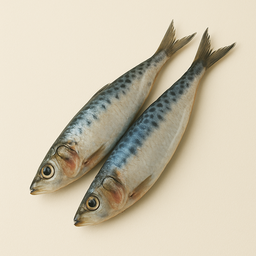 Sardines
 Avocado fat increases absorption of sardines' omega-3 and vitamin D
Technical: Sardines are rich in EPA/DHA omega-3 and fat-soluble vitamin D. Avocado's monounsaturated fats (oleic acid) improve micelle formation in the gut, enhancing absorption of fat-soluble nutrients.
What does this mean for you? Sardines on toast with avocado is an excellent combination — the avocado fat helps your body absorb more omega-3 and vitamin D.
Avocado 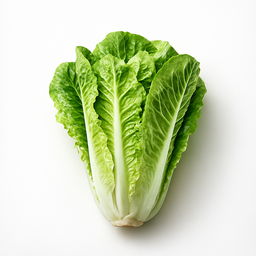 Lettuce (Romaine)
 7x better carotenoid absorption with fats
Technical: Lettuce contains 1223μg beta-carotene and 1730μg lutein per 100g. Without fat only 3% is absorbed. A Purdue University study (2012, Molecular Nutrition & Food Research) showed olive oil or avocado increases absorption to 20%+ — a 7-fold improvement.
What does this mean for you? Always eat salad with olive oil dressing or avocado. Without fat you absorb almost nothing of the carotenoids. A dry salad without dressing is ironically less nutritious than one with a good olive oil dressing.
Avocado 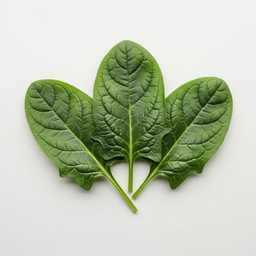 Spinach
 Fat source for better absorption of fat-soluble nutrients
Technical: Spinach contains 12.2mg lutein per 100g — highest of all vegetables. Avocado provides 15g monounsaturated fats per 100g that increase carotenoid bioavailability up to 15x (Molecular Nutrition & Food Research). Avocado's own lutein (0.27mg/100g) also contributes.
What does this mean for you? Spinach salad with avocado is an excellent combination for your eye pigments. Without fat you barely absorb lutein — with avocado up to 15x more. Lutein and zeaxanthin contribute to the maintenance of normal vision.
Avocado 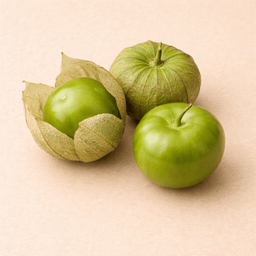 Tomatillo
 Monounsaturated fat increases β-carotene absorption 2-4x
Monounsaturated fat significantly increases carotenoid bioavailability
Technical: Tomatillo contains β-carotene (pro-vitamin A) which is fat-soluble. Avocado provides 15g fat per 100g, 67% being oleic acid (omega-9). This monounsaturated fat forms optimal micelles improving β-carotene absorption up to 4x compared to no fat.
What does this mean for you? Tomatillo salsa with avocado is a perfect combination. The avocado fat ensures you absorb much more β-carotene — the pro-vitamin A from tomatillo is optimally utilized.
Avocado 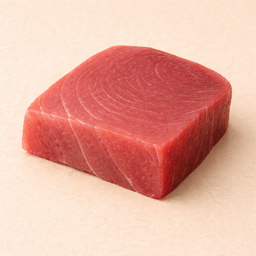 Tuna
Tuna Avocado fat compensates tuna's leanness for optimal nutrient absorption
Technical: Tuna is one of the leanest fish (0.5g fat per 100g) but contains fat-soluble nutrients: vitamin D (1.7μg), DHA omega-3 (77mg) and selenium (36.5μg). Without an external fat source, these nutrients are suboptimally absorbed. Avocado provides 15g monounsaturated fat (oleic acid) per 100g that stimulates micelle formation in the small intestine — microscopic fat droplets that encapsulate fat-soluble nutrients for absorption through the intestinal wall. Studies show 2-3x higher carotenoid absorption with avocado as fat source.
What does this mean for you? Poke bowl with tuna and avocado is nutritionally ideal: the avocado provides the fat tuna lacks, helping your body absorb vitamin D and omega-3 better. Also works as tataki with avocado cream or in a salad. The combination also provides an ideal protein-fat balance for sustained satiety.
Avocado 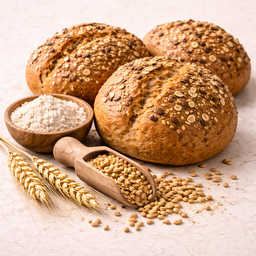 Whole Wheat Buns
 Complex carbs + healthy fats for lasting satiety
Technical: Whole grain rolls provide slow carbohydrates (GI ~55) and B-vitamins (thiamine 0.4mg, niacin 4.7mg). Avocado adds 15g monounsaturated fats and 7g fiber per 100g. Studies show the combination of complex carbs + avocado fat extends satiety by 40% via cholecystokinin (CCK) and peptide YY signaling.
What does this mean for you? Avocado on whole grain bread is a classic for good reason — it's one of the most satiating breakfast combinations. Add a pinch of sea salt and chili flakes for extra flavor.
Avocado 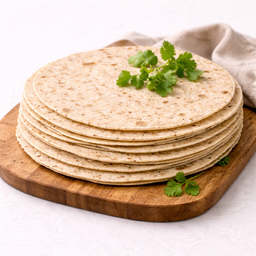 Whole Wheat Tortilla
 Whole grain wrap + healthy fats for slow energy release
Technical: Whole grain tortilla provides complex carbohydrates (43g/100g) with fiber (5g) and B-vitamins from wheat bran. Avocado adds monounsaturated fats (15g/100g) that lower glycemic response. The combination of fiber + healthy fats extends the feeling of satiety.
What does this mean for you? A whole grain wrap with avocado is a quick and balanced meal. The slow carbs from the tortilla + the fats from the avocado together provide lasting energy.
Avocado 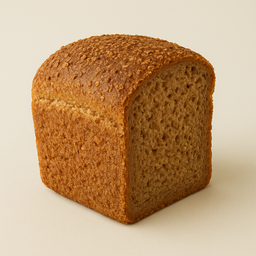 Whole Wheat Bread
 Whole grain fiber + avocado fat for lasting satiety
Technical: Whole grain bread provides 7g fiber per 100g (soluble and insoluble) plus B-vitamins. Avocado offers 15g monounsaturated fats and 485mg potassium per 100g. Studies show avocado with carbohydrate-rich meals extends the feeling of satiety.
What does this mean for you? Whole grain toast with avocado — a popular breakfast that is scientifically supported. The fiber from the bread + the fats from the avocado keep you satiated longer than bread alone.
Avocado 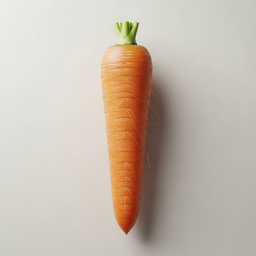 Carrot
 Avocado fat improves beta-carotene absorption from carrot
Technical: Carrot contains 8285μg beta-carotene per 100g — the richest source. Avocado provides 15g monounsaturated fats that stimulate micelle formation. Studies show avocado increases beta-carotene absorption from vegetables by 4.6x through improved micelle incorporation and lymphatic transport.
What does this mean for you? Add avocado to carrot salad or a carrot smoothie. The fats in avocado are the ideal carrier — without fat you barely absorb the beta-carotene.
Avocado 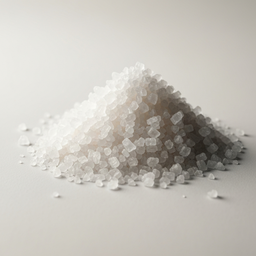 Sea Salt
 Minerals improve flavor perception and electrolyte balance
Technical: Sea salt contains trace minerals (magnesium, potassium, calcium) besides sodium. Tomato is rich in potassium (237mg/100g) and lycopene. Avocado adds magnesium (29mg) and potassium (485mg). Together they form a broad electrolyte profile: sodium (salt) + potassium (tomato/avocado) + magnesium (avocado) — essential for fluid balance and nerve function.
What does this mean for you? Sprinkle tomato and avocado with a pinch of sea salt. This is more than flavor — the minerals complement each other for a complete electrolyte balance.
Avocado 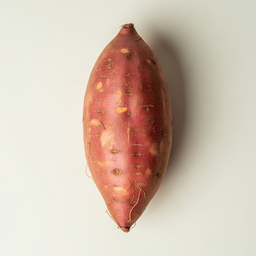 Sweet Potato
 Avocado fat for maximum beta-carotene absorption
Technical: Sweet potato contains 11509μg beta-carotene per 100g (961% RDI for vitamin A). Avocado's fats (15g/100g, 10g monounsaturated) increase beta-carotene absorption 4-6x through micelle formation. Avocado also contains vitamin E (2.1mg) that protects beta-carotene from oxidation.
What does this mean for you? Combine sweet potato with avocado in bowls, salads or as a side dish. Avocado fats are essential — without fat you lose most of the vitamin A from sweet potato.
Avocado 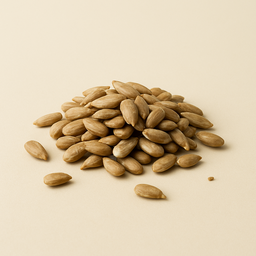 Sunflower Seeds
 Selenium + healthy fats for deiodinase activation and cell repair
Technical: Sunflower seeds provide 53μg selenium per 100g (96% RDI) — essential for deiodinase enzymes (DIO1/DIO2) that convert T4 to active T3. Avocado offers 10g MUFA per 100g improving selenomethionine absorption via bile acid stimulation. Selenium is also cofactor for glutathione peroxidase (GPx) — the most important intracellular antioxidant enzyme. Avocado's glutathione (27mg/100g) strengthens this pathway.
What does this mean for you? Top avocado toast with sunflower seeds. The selenium activates deiodinase enzymes, the avocado fat ensures better absorption. A valuable combination when you feel fatigued.
Recipes with Avocado
Discover delicious recipes featuring avocado:
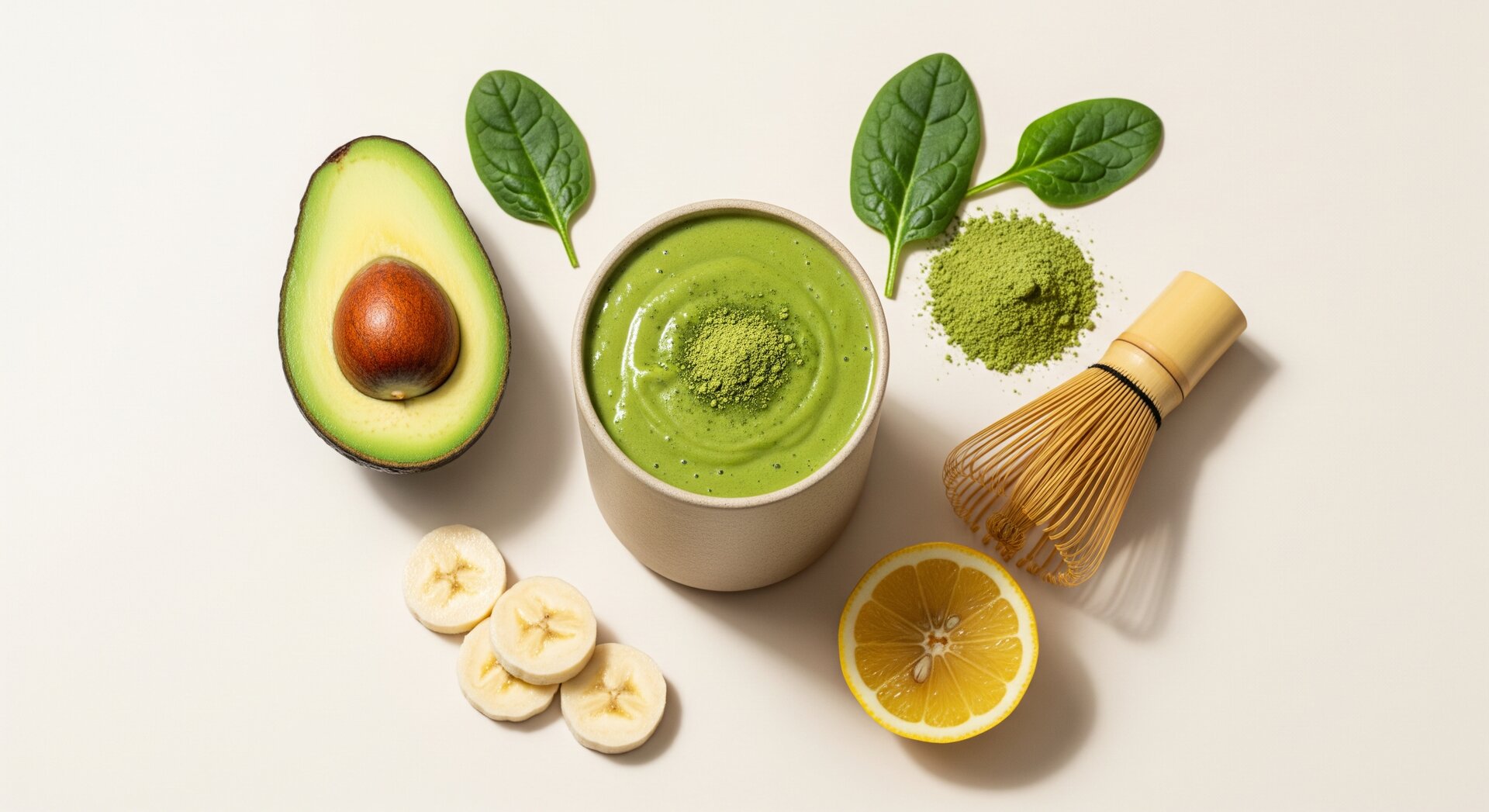 Avocado Matcha Smoothie 5 min Creamy green smoothie with matcha, avocado and spinach
  340 kcal
  6g protein 2 synergies
 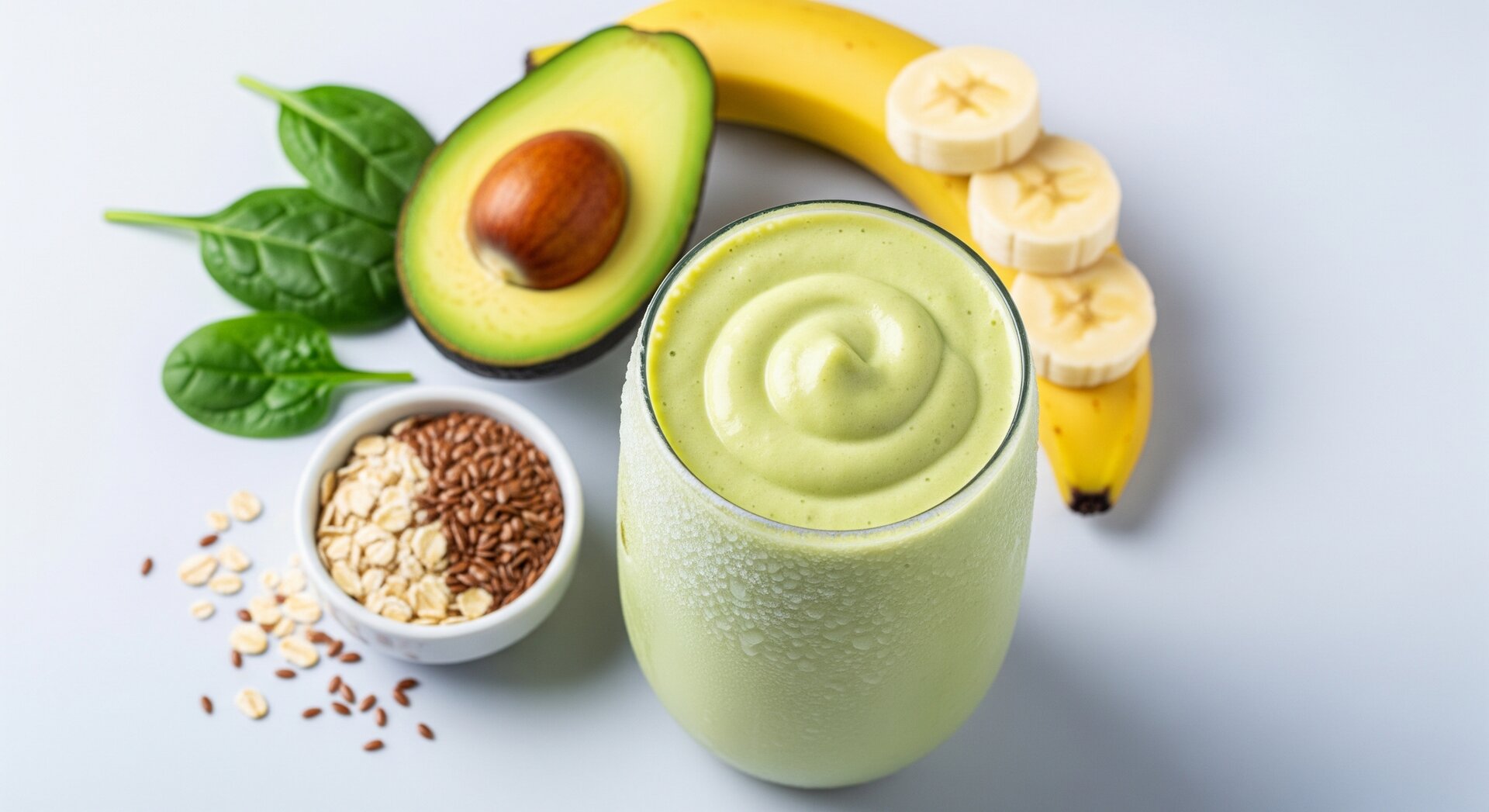 Avocado Spinach Muscle Builder Shake 5 min Creamy green shake with 650 calories for post-workout 546 kcal 28g protein 1 synergies
 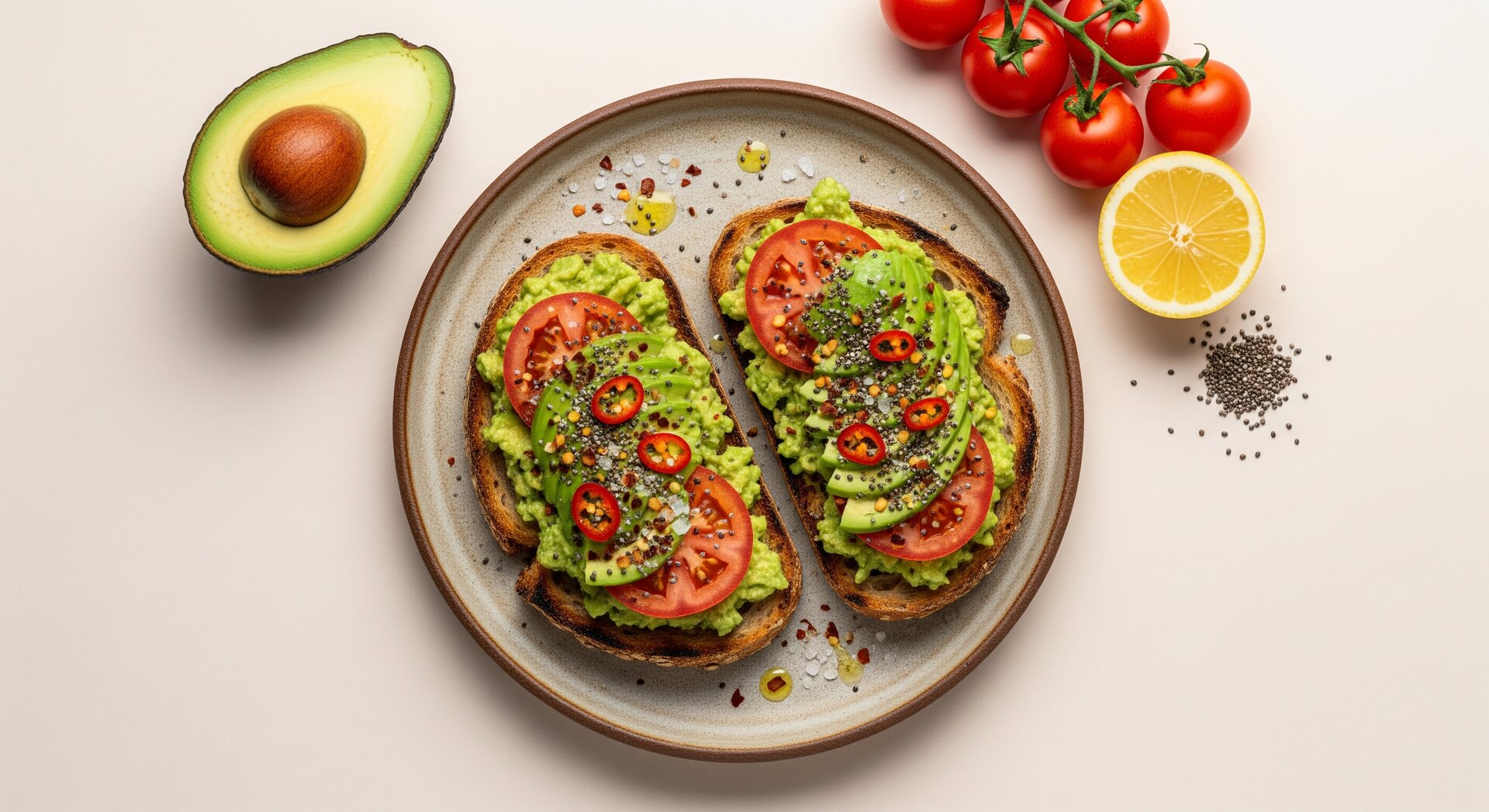 Avocado Toast with Chia Seeds 10 min Whole grain toast with creamy avocado, tomato and chia seeds 340 kcal 8g protein 1 synergies
 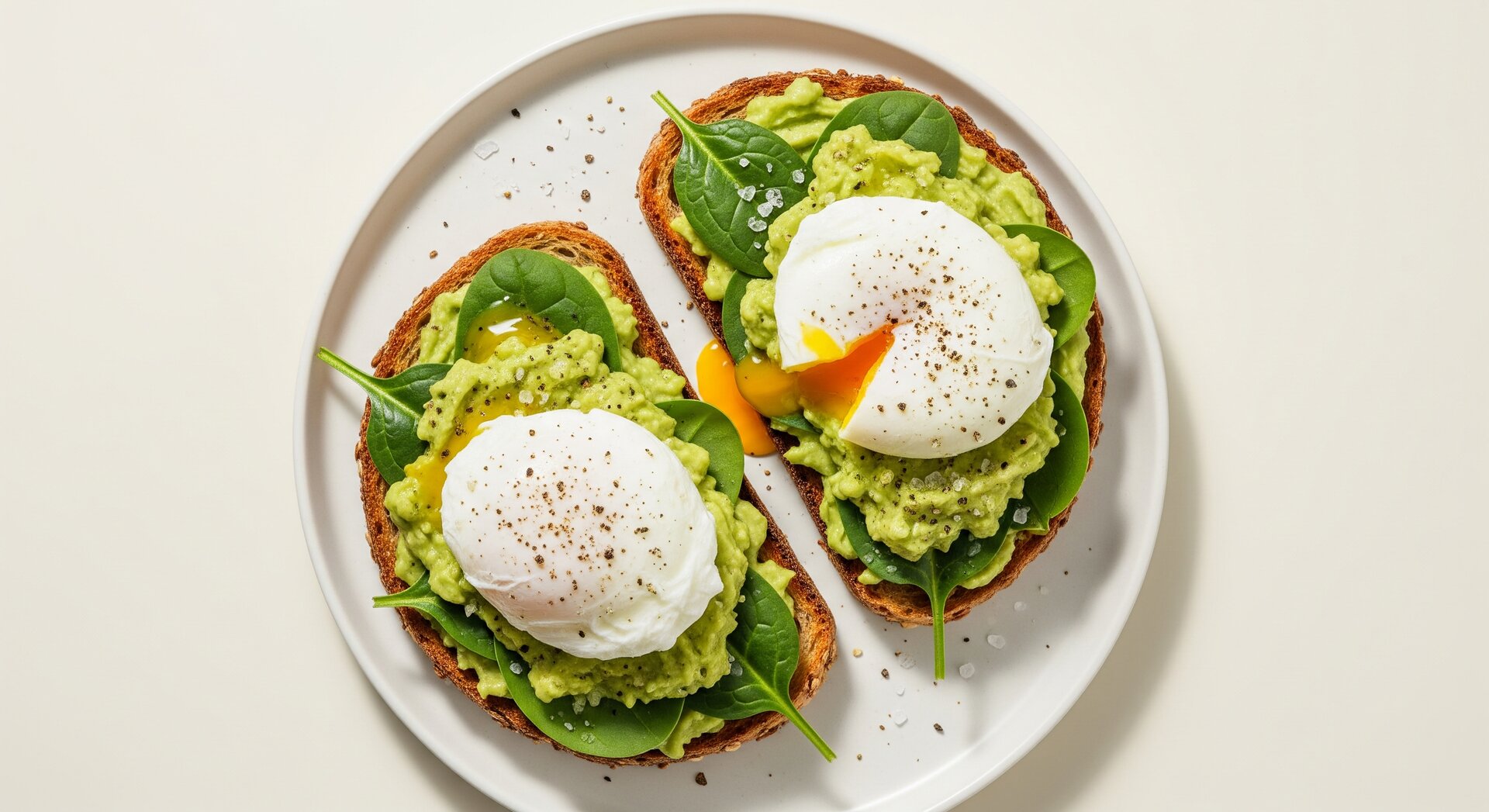 Avocado Toast with Egg and Spinach 15 min Nutritious toast with avocado, egg and spinach 520 kcal 20g protein 2 synergies
 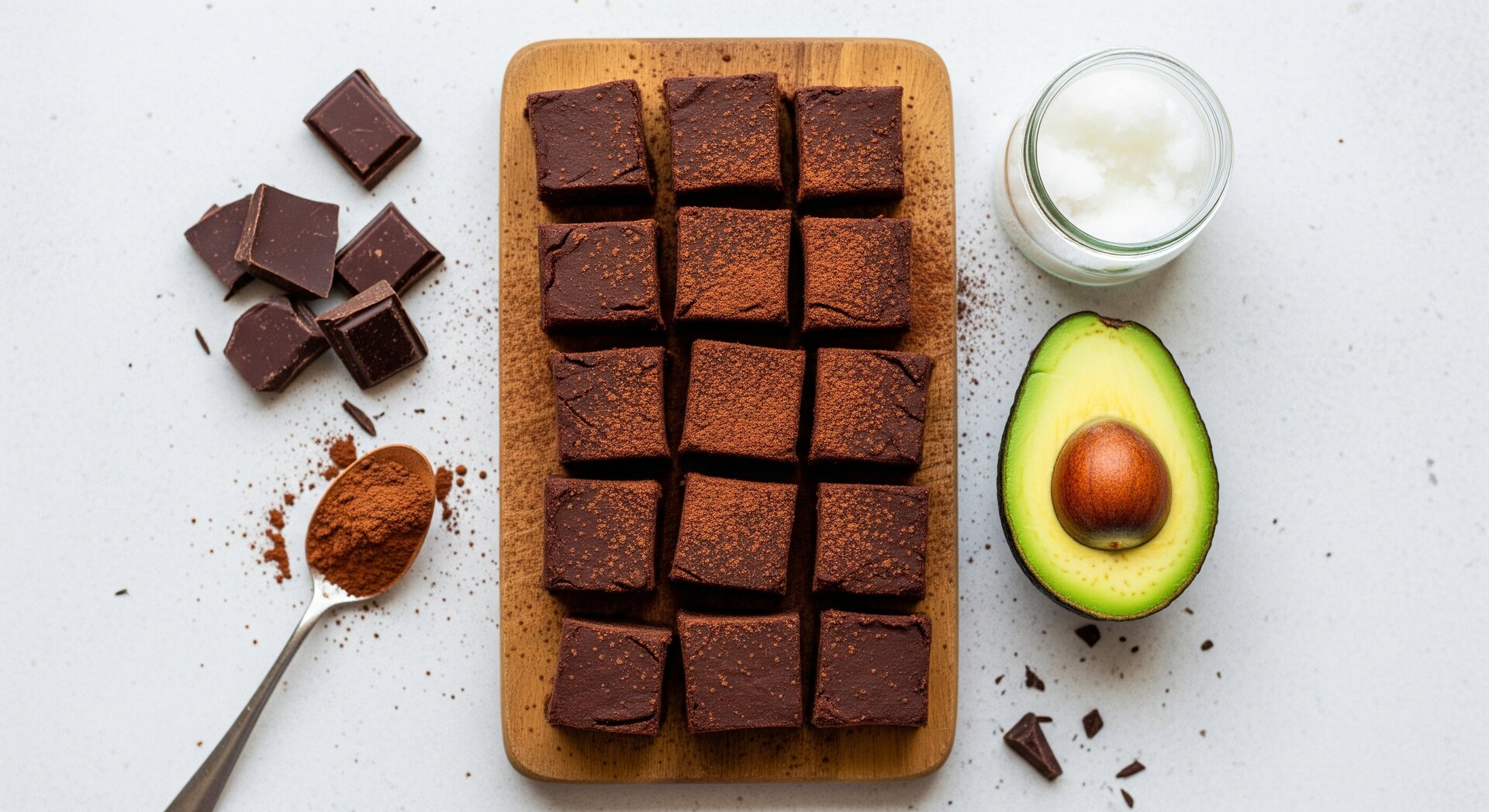 Avocado-Cacao Fudge 130 min Ultra-creamy chocolate fudge without butter or refined sugar — built on ripe avocado, raw cacao and honey 85 kcal 1g protein 2 synergies
 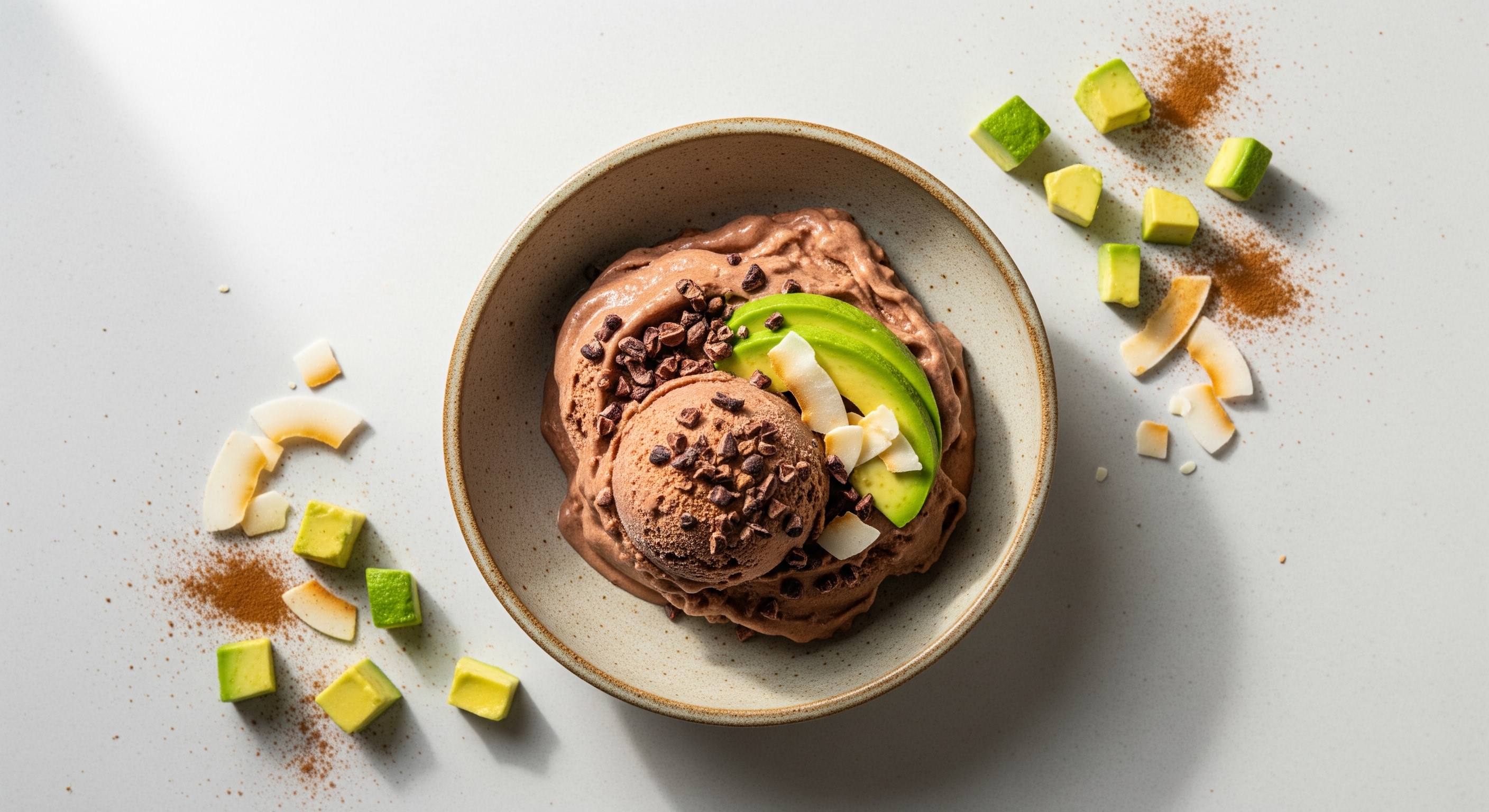 Avocado Cacao Ice Cream (Keto) 190 min Creamy chocolate ice cream with avocado as the secret base 230 kcal 4g protein 2 synergies
  In the Kitchen
Storage
Location:Pantry
Shelf life:3-5 dagen (rijp, koelkast), 2-4 dagen (onrijp, kamertemperatuur)
Let unripe ones ripen at room temperature. Ripeness test: remove stem - green = ripe, brown = overripe. Sprinkle with lemon to prevent browning.
Preparation
Use raw for maximum nutritional value. Add to salads for 15x better carotenoid absorption.
Conversions
Substitutes
Smart preparation
1Cut around the pit, twist the halves apart, and tap the pit out with a knife.
2Sprinkle cut avocado with lemon juice to prevent browning.
3Gently press the top near the stem to test ripeness.
Why?
If it gives slightly there, the avocado is ripe and ready to eat.
Caution / Warnings
Avocado is very safe, but there are scientific considerations:
Latex-Fruit Syndrome Moderate
People with a latex (rubber) allergy are often also allergic to avocado (and banana/kiwi)
Advice:
The proteins are similar (cross-reactivity). Be careful with avocado if you have a known latex allergy
Irritable Bowel (FODMAPs) Moderate
Larger amounts of avocado contain polyols (sorbitol) that can cause gas and stomach pain
Advice:
A small amount (1/8 avocado) is often okay with IBS, but larger portions can cause problems
Traditional use
Indigenous
Aztec and Maya fertility food
The Aztecs called the avocado 'ahuacatl' and considered it a fertility symbol. It has been cultivated in Central America for over 5000 years.
Summary
Avocado is not ordinary fruit - it's an absorption booster that increases the health value of your entire meal. Eating a salad with spinach and tomato? Without avocado (or other fat source) most antioxidants slide right out of your body. With avocado you absorb up to 15x more. Bonus: despite the calories, the combination of healthy fats and fiber creates an extreme feeling of satiety.